
21 Heart Healthy Dinners for Busy Weeknights
Let’s be real—after a long day of work, the last thing you want is to spend two hours cooking a meal that requires seventeen ingredients and three different pans. But here’s the thing: your heart doesn’t care how tired you are. It needs proper fuel, and it needs it consistently.
I’ve been there, staring into the fridge at 7 PM, knowing I should make something healthy but seriously considering ordering pizza for the third time this week. That’s when I started building my arsenal of heart-healthy dinners that don’t require a culinary degree or half your evening. These 21 recipes changed how I think about weeknight cooking—and they might just do the same for you.

Why Your Heart Needs This Kind of Attention
Heart disease remains the leading cause of death in the United States, but here’s something most people don’t realize: the American Heart Association emphasizes that your dietary patterns matter way more than any single meal or ingredient. It’s not about being perfect—it’s about consistency.
According to Mayo Clinic’s research on heart-healthy eating, incorporating more vegetables, fruits, whole grains, and lean proteins while limiting saturated fats can significantly reduce your cardiovascular risk. The Mediterranean diet and DASH (Dietary Approaches to Stop Hypertension) eating patterns have both shown remarkable results in clinical studies.
But knowledge without action is just trivia. You need recipes that actually fit into your life—not some idealized version of your life where you have infinite time and a fully stocked pantry.
The Foundation: What Makes a Dinner Heart-Healthy?
Before we dive into the recipes, let’s talk about what actually qualifies as heart-healthy. I’m not going to bore you with a nutrition lecture, but there are some basics worth understanding.
30-Day Cholesterol Reset System
A simple done-for-you plan to help you eat heart-healthy every day without confusion.
Over 1,000 people downloaded this guide
✔ 100 Easy Recipes
✔ Grocery Lists + Meal Prep Guide
🎁 FREE BONUSES:
✔ 7-Day Quick Start Plan
✔ Printable Grocery List
$29 $9
Get Instant AccessFirst, focus on fiber. Soluble fiber helps lower LDL cholesterol (the bad kind) by binding to it in your digestive system. You’ll find it in oats, beans, lentils, and many fruits and vegetables. Most Americans get maybe 15 grams of fiber daily when they should be hitting 25-35 grams.
Second, choose the right fats. Not all fats are evil. Monounsaturated and polyunsaturated fats—found in olive oil, avocados, nuts, and fatty fish—actually support heart health. Saturated fats and trans fats? Those are the ones you want to limit. I use extra virgin olive oil for almost everything now, and honestly, it makes food taste better anyway.
Third, watch the sodium. The American Heart Association recommends no more than 2,300 milligrams a day, with an ideal limit of 1,500 mg for most adults. When you cook at home instead of relying on packaged foods, you automatically slash your sodium intake.
Here’s what genuinely surprised me: heart-healthy eating isn’t about restriction. It’s about addition. You’re adding more colorful vegetables, more whole grains, more variety. The “bad” stuff naturally gets crowded out when your plate is full of the good stuff.
Quick Wins: Dinners Ready in 30 Minutes or Less
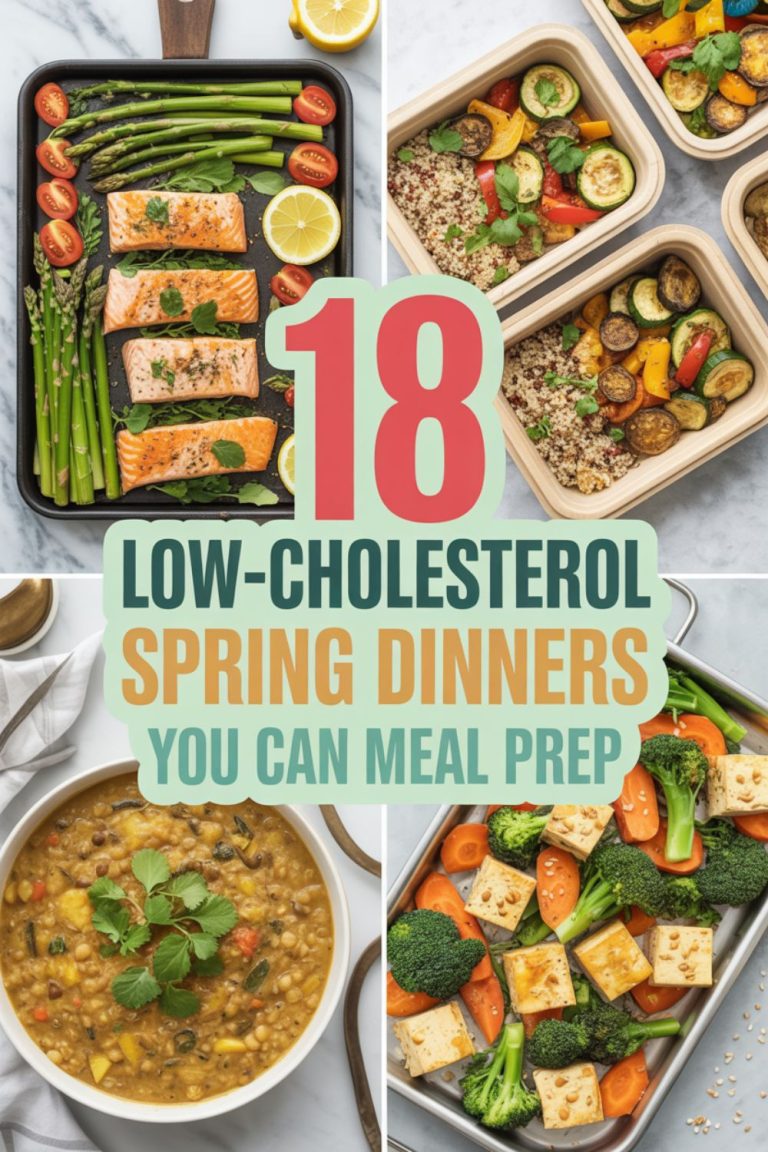
1. Sheet Pan Lemon Herb Salmon with Asparagus
This is my go-to when I’m completely fried but still want something that feels like I tried. Salmon is loaded with omega-3 fatty acids, which reduce inflammation and lower triglyceride levels. Asparagus brings fiber, folate, and vitamins A, C, and K to the party.
Just arrange everything on a rimmed baking sheet, drizzle with olive oil, season, and bake at 400°F for 15-20 minutes. That’s it. One pan, minimal cleanup, maximum heart benefits. If you’re looking for more quick seafood options, you might want to check out these low cholesterol dinners you’ll want to make again.
2. Chickpea and Spinach Curry
Chickpeas are seriously underrated. They’re packed with protein and fiber, and they have this satisfying, almost meaty texture when cooked properly. This curry takes about 25 minutes from start to finish if you use canned chickpeas (which I always do—no judgment).
The spinach wilts right into the sauce, giving you a solid dose of iron, magnesium, and potassium. Serve it over brown rice or quinoa, and you’ve got a complete meal that’s also surprisingly kid-friendly. Get Full Recipe.
3. Turkey and Black Bean Lettuce Wraps
Ground turkey is leaner than beef, and black beans add both protein and fiber—they’re basically a nutritional powerhouse. I cook the turkey with cumin, chili powder, and a bit of garlic, then let people build their own wraps.
Using lettuce instead of tortillas cuts the refined carbs and adds a refreshing crunch. Plus, there’s something fun about eating with your hands. Throw out some diced tomatoes, avocado, and a squeeze of lime, and dinner is served. For more protein-packed options, these low cholesterol high protein meals might inspire you.
I keep a set of glass meal prep containers specifically for pre-portioning these wraps for lunch the next day. Makes life so much easier.
One-Pot Wonders That Save Your Sanity
Ever notice how the cleanup is often worse than the actual cooking? These one-pot dinners changed my relationship with weeknight meals. Fewer dishes, less stress, same nutritional benefits.
4. Mediterranean Quinoa Bowl
Quinoa is a complete protein, meaning it contains all nine essential amino acids. Cook it in vegetable broth for extra flavor, then top with roasted red peppers, cucumbers, cherry tomatoes, kalamata olives, and a sprinkle of feta cheese.
The combination hits every note: fiber, protein, healthy fats, and enough flavor that you won’t miss the heavy sauces. I make a big batch on Sunday and eat it throughout the week. Sometimes warm, sometimes cold—it works either way. Get Full Recipe.
5. Vegetable and Lentil Stew
Lentils are the MVP of heart-healthy cooking. They’re dirt cheap, loaded with fiber and protein, and they absorb whatever flavors you throw at them. This stew uses carrots, celery, tomatoes, and whatever other vegetables are hanging out in your crisper drawer.
A good Dutch oven makes this even easier—you can sauté the aromatics, add everything else, and let it simmer while you decompress from the day. The house smells amazing, and you’ve got leftovers for days. If stews are your thing, you’ll love these low cholesterol soups and stews for any season.
6. Shrimp and Vegetable Stir-Fry
Shrimp cooks in literally three minutes, which makes it perfect for those nights when you’re running on empty. Pair it with broccoli, bell peppers, snap peas, and whatever else you’ve got. Use a light sauce made with low-sodium soy sauce, garlic, ginger, and a touch of honey.
The trick is getting your wok or large skillet really hot before adding anything. That’s how you get that restaurant-quality sear without overcooking the shrimp. Serve over brown rice or cauliflower rice if you’re watching carbs.
For more quick meal solutions that won’t wreck your heart health goals, check out these lazy low cholesterol meals for busy people—because sometimes we all need the path of least resistance.
Comfort Food That Won’t Wreck Your Numbers
This is where most heart-healthy eating plans lose people. Nobody wants to give up comfort food forever, and honestly, you don’t have to. You just need smarter versions.
7. Turkey Meatballs with Zucchini Noodles
I was skeptical about zucchini noodles until I tried them properly. The key is not overcooking them—they should still have a slight bite. The turkey meatballs are made with ground turkey, whole wheat breadcrumbs, an egg, and Italian seasonings.
Top with a simple marinara sauce (watch the added sugar in store-bought versions), and you’ve got a dish that tastes indulgent but keeps your heart happy. A spiralizer makes quick work of the zucchini, though you can also buy them pre-spiralized if you’re short on time.
8. Baked Sweet Potato with Black Bean Chili
Sweet potatoes are rich in beta-carotene, fiber, and potassium—all of which support cardiovascular health. Bake them whole, split them open, and top with a hearty black bean chili made with tomatoes, onions, bell peppers, and spices.
This meal is absurdly filling and costs maybe three dollars per serving. The chili freezes beautifully, so make a huge batch. Add a dollop of Greek yogurt on top (instead of sour cream) for protein and probiotics. Get Full Recipe.
9. Chicken and Vegetable Soup
Chicken soup isn’t just good for your soul—it’s legitimately good for your heart when you make it right. Use skinless chicken breast, load it with carrots, celery, onions, and leafy greens. Add some whole wheat pasta or brown rice if you want it heartier.
The sodium is entirely under your control when you make it from scratch. I use low-sodium chicken broth as a base and season with herbs instead of salt. It tastes better than the canned stuff anyway, and you know exactly what’s in it. These heart-healthy soups for lowering cholesterol naturally offer similar benefits.
Fish and Seafood: Your Heart’s Best Friends
The American Heart Association recommends eating fish at least twice a week, especially fatty fish rich in omega-3s. These recipes make that goal actually achievable.
10. Grilled Tuna Steaks with Mango Salsa
Tuna steaks should be seared on the outside and still pink in the middle—overcooking makes them dry and unpleasant. Season simply with salt, pepper, and a bit of olive oil. The mango salsa brings sweetness, acidity, and a ton of vitamin C.
This meal feels fancy enough for company but takes less than 20 minutes. Serve with a simple green salad or some roasted Brussels sprouts.
11. Cod with Tomato and Olive Tapenade
Cod is mild, affordable, and it doesn’t have that “fishy” taste that some people can’t stand. The tomato and olive tapenade adds healthy fats from the olives and a Mediterranean flair that makes this feel like a vacation meal.
Bake it at 375°F for about 15 minutes, and you’re done. The tapenade can be made ahead and kept in the fridge for a week, which means you can have this on the table in literally 20 minutes on a busy Wednesday. Get Full Recipe.
12. Shrimp Scampi with Whole Wheat Pasta
Traditional scampi is loaded with butter. This version uses mostly olive oil with just a small amount of butter for flavor. The garlic, lemon, and white wine (or chicken broth if you prefer) create a sauce that’s light but still satisfying.
Whole wheat pasta adds fiber that regular pasta lacks, and the shrimp bring protein without saturated fat. Toss in some spinach or cherry tomatoes at the end for extra vegetables. This is the kind of meal that makes you forget you’re eating healthy.
Plant-Based Powerhouses
You don’t have to go full vegetarian to benefit from more plant-based meals. Even just a few meatless dinners per week can make a real difference in your cholesterol levels and overall heart health.
13. Stuffed Bell Peppers with Quinoa and Black Beans
Bell peppers are basically edible bowls, which is convenient. Fill them with a mixture of quinoa, black beans, corn, diced tomatoes, and spices. Top with a tiny bit of cheese if you want, or skip it entirely.
Bake until the peppers are tender, and you’ve got a complete meal that’s visually impressive but stupidly easy to make. The combination of quinoa and beans gives you complete protein without any meat. For more meatless inspiration, browse these low cholesterol vegetarian meals you’ll crave.
14. Cauliflower and Chickpea Tacos
Roasted cauliflower gets crispy and almost nutty when you season it with cumin, paprika, and chili powder. Combined with chickpeas, it creates a filling that’s surprisingly satisfying.
Use whole wheat tortillas or corn tortillas, and top with shredded cabbage, avocado, and a squeeze of lime. These tacos are proof that meatless doesn’t mean flavorless or boring. My meat-loving husband requests these regularly, which tells you everything you need to know. Get Full Recipe.
15. Lentil Bolognese with Whole Grain Pasta
Lentils have a texture similar to ground meat when cooked down in a tomato sauce. This Bolognese uses brown or green lentils, crushed tomatoes, onions, carrots, celery, and Italian herbs.
It’s rich, hearty, and honestly tastes better than traditional Bolognese to me now. Plus, it’s loaded with fiber and plant-based protein. A large saucepan is essential for this one—you need room to let everything simmer and develop flavor.
Looking for more ways to incorporate whole foods? These low cholesterol recipes with whole foods keep things simple and nutritious.
Meal Prep Champions
These recipes are specifically designed to make your life easier by doing the heavy lifting once and reaping the benefits all week.
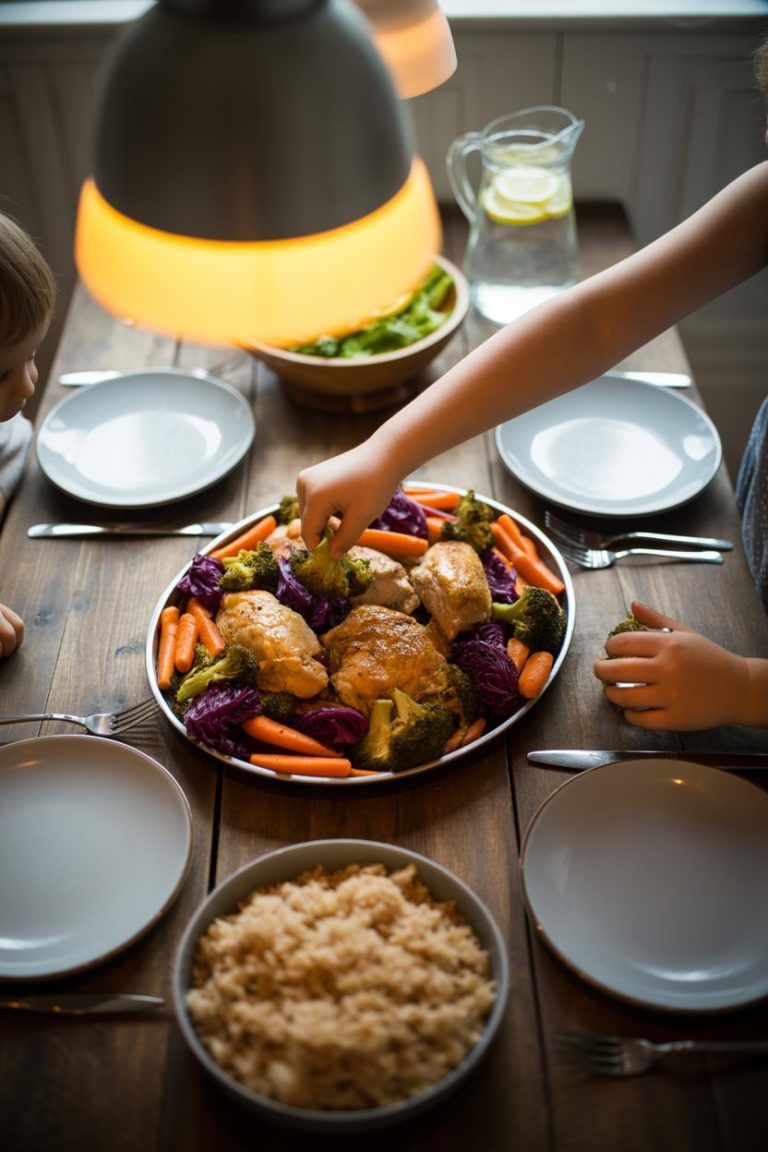
16. Baked Chicken Breast with Roasted Vegetables
This sounds basic because it is. But that’s exactly why it works. Season chicken breasts with your favorite spices (I rotate between Italian, Mexican, and Asian-inspired seasonings), bake alongside whatever vegetables you like, and portion everything into containers.
You now have protein and vegetables ready to go for at least four dinners. Mix up your sides—quinoa one night, brown rice another, maybe a salad the third night. The variety comes from how you serve it, not from cooking four different meals. Check out these low cholesterol meal prep ideas for the week for more strategies.
17. Slow Cooker White Bean and Vegetable Soup
Slow cookers are criminally underused, IMO. Throw in white beans (canned or dried), diced tomatoes, carrots, celery, onions, garlic, vegetable broth, and whatever herbs you like. Turn it on before work, come home to dinner ready.
This soup gets better over time, so make a big batch and eat it throughout the week. The white beans provide protein and fiber, while the vegetables offer vitamins and minerals. It’s basically a hug in a bowl. A quality slow cooker is worth every penny for meals like this.
18. Greek-Style Grilled Chicken with Tzatziki
Marinate chicken in lemon juice, olive oil, garlic, oregano, and a touch of yogurt. The yogurt tenderizes the chicken and adds protein. Grill it up, slice it, and serve with homemade tzatziki sauce (Greek yogurt, cucumber, garlic, dill).
This works in wraps, over salads, alongside roasted vegetables, or stuffed into whole wheat pita bread. One batch of grilled chicken transforms into multiple different meals depending on what you pair it with. Get Full Recipe.
Quick Asian-Inspired Favorites
19. Teriyaki Salmon with Edamame
Make your own teriyaki sauce to control the sodium and sugar. It’s just soy sauce (low-sodium), rice vinegar, honey, garlic, and ginger. Brush it on salmon fillets and bake or broil until the fish flakes easily.
Edamame on the side gives you extra protein and fiber. The whole meal takes maybe 25 minutes and feels like takeout without the guilt or the expense. For more ideas that feel indulgent but aren’t, try these low cholesterol comfort foods made healthy.
20. Miso Soup with Tofu and Vegetables
Miso paste is fermented soy, which means it’s packed with probiotics that support gut health. A simple miso soup with tofu, seaweed, green onions, and whatever vegetables you like makes for a light but satisfying dinner.
Tofu is one of those ingredients people either love or hate, but when it’s in miso soup, even skeptics tend to enjoy it. The key is using silken tofu, which has a completely different texture than firm tofu. Serve with a side of brown rice or some steamed vegetables.
21. Vietnamese-Style Spring Rolls
These aren’t fried—they’re fresh spring rolls wrapped in rice paper. Fill them with shrimp or tofu, rice noodles, lettuce, cucumber, carrots, mint, and cilantro. The peanut dipping sauce is where the magic happens.
They’re fun to make, especially if you get everyone involved in the wrapping process. Plus, they’re completely customizable based on what you have in the fridge. A mandoline slicer makes quick work of all the julienned vegetables.
If you’re looking for even more variety, these low cholesterol recipes for everyday meals offer solid options that rotate nicely with this list.
Kitchen Tools That Make Heart-Healthy Cooking Actually Doable
Look, you don’t need a gourmet kitchen to eat well. But a few strategic tools make the whole process less painful. Here’s what actually gets used in my kitchen:
- Quality chef’s knife – Chopping vegetables is 80% of the battle. A sharp knife makes it tolerable instead of torturous.
- Cast iron skillet – Goes from stovetop to oven, develops a natural non-stick surface, and lasts literally forever.
- Instant-read thermometer – Prevents overcooked chicken and undercooked fish. Takes the guesswork out completely.
- Meal planning app – I use one that generates shopping lists automatically. Saves my sanity every single week.
- Heart-healthy cookbook bundle – Digital cookbooks specifically for low-cholesterol, high-flavor meals. Way cheaper than buying physical books.
- Nutrition tracking tool – Not for obsessing over every calorie, but for understanding what you’re actually eating. Eye-opening, honestly.
Making It Work in Real Life
Here’s the truth nobody wants to hear: knowing these recipes won’t change anything if you don’t actually make them. I’ve learned that the key is removing as many barriers as possible.
Keep your pantry stocked with basics. Canned beans, canned tomatoes, quinoa, brown rice, olive oil, basic spices. When you have the foundations ready, throwing together a meal becomes way easier.
Prep once, eat multiple times. Roast a bunch of vegetables on Sunday. Cook a big batch of quinoa or brown rice. Grill several chicken breasts. Now you have components that can be mixed and matched all week.
Don’t aim for perfection. Some weeks, you’ll nail it. Other weeks, you’ll end up ordering takeout three times. That’s fine. The goal is progress, not perfection. Even replacing two or three dinners a week with these heart-healthy options makes a measurable difference.
I keep a running grocery list on my phone and add to it whenever I think of something. On shopping day, I already know what I need. No wandering the aisles trying to remember what I’m out of. A good grocery list app makes this seamless.
For those times when you just need something ultra-simple, these quick low cholesterol lunches under 10 minutes work just as well for dinner—because some nights, 10 minutes is all you’ve got.
Frequently Asked Questions
How quickly will I see improvements in my cholesterol levels?
Most people see measurable changes within 4-6 weeks of consistent dietary changes, though individual results vary. Your doctor can track your progress with regular blood tests. Remember, sustainable changes take time—focus on building habits rather than chasing quick results.
Can I still eat red meat occasionally?
Absolutely. Heart-healthy eating isn’t about complete elimination—it’s about balance and choosing lean cuts when you do eat red meat. Limit it to once or twice a week, choose grass-fed when possible, and keep portions moderate (about the size of a deck of cards).
Do I need to cook every single night to see benefits?
Not at all. Even replacing half your dinners with home-cooked, heart-healthy meals makes a significant difference. The recipes here are designed for batch cooking and meal prep specifically so you’re not chained to the kitchen every evening.
What if my family won’t eat “healthy” food?
Start with recipes that don’t scream “diet food”—the turkey meatballs, the teriyaki salmon, the tacos. Most people can’t tell the difference when the food actually tastes good. Gradually introduce more variety as they adjust. Also, involving family members in cooking makes them more likely to try new things.
Are frozen vegetables as good as fresh for heart health?
Yes, and sometimes better. Frozen vegetables are typically flash-frozen at peak ripeness, preserving their nutrients. They’re also more convenient and reduce food waste. Buy whatever works for your budget and schedule—the best vegetable is the one you’ll actually eat.
The Bottom Line
Your heart health isn’t determined by one perfect meal or one terrible meal. It’s the accumulation of hundreds of small decisions over time. These 21 dinners give you options—real, practical options that fit into an actual busy life.
You don’t need to make all 21 this week. Start with three. See which ones your household likes. Build from there. The goal is to create a rotation of reliable, heart-healthy dinners that you can make without thinking too hard.
I still order pizza sometimes. I still have nights where dinner is scrambled eggs and toast. But most nights now, I’m eating food that actually supports my long-term health without feeling like a chore. That shift happened gradually, one dinner at a time.
If you want even more variety, explore these low cholesterol recipes you can rotate weekly and these low cholesterol foods for a stronger heart to understand which ingredients deserve permanent space in your kitchen.
Your heart’s counting on you to feed it well. These recipes make that easier than you probably thought possible.
30-Day Cholesterol-Lowering Meal Plan
A simple step-by-step system to help you eat heart-healthy every day without stress.
Over 1,000 people downloaded this guide
$29$9
Get Instant Access