

21 Low-Cholesterol Soups and Stews for Any Season
Soups and stews get written off as boring diet food, which is completely unfair. Done right, they’re some of the most satisfying, flavorful meals you can make—and they happen to be perfect for managing cholesterol. No cream-heavy bases, no butter-laden finishes, just vegetables, lean proteins, beans, and spices that actually taste like something.
I started making these soups when I realized I needed to get serious about my cholesterol levels. What surprised me was how filling and comforting they are. A good soup or stew isn’t just something you eat because it’s healthy—it’s something you genuinely look forward to. These 21 recipes work year-round, whether you’re craving something light and fresh or thick and hearty. Most freeze beautifully too, which means you can batch-cook and have heart-healthy meals ready whenever you need them.

Why Soups and Stews Are Perfect for Cholesterol Management
Soups and stews are basically designed for heart health. They’re loaded with vegetables, which means tons of fiber that helps lower LDL cholesterol. They’re usually broth-based rather than cream-based, so you’re not adding saturated fat. And when you add beans or lean proteins, you get meals that keep you satisfied for hours.
According to research on dietary fiber and cardiovascular health, eating fiber-rich foods like beans and vegetables can significantly reduce cholesterol absorption in the digestive system. Translation? A big bowl of vegetable and bean soup isn’t just filling—it’s actively working to improve your cholesterol levels.
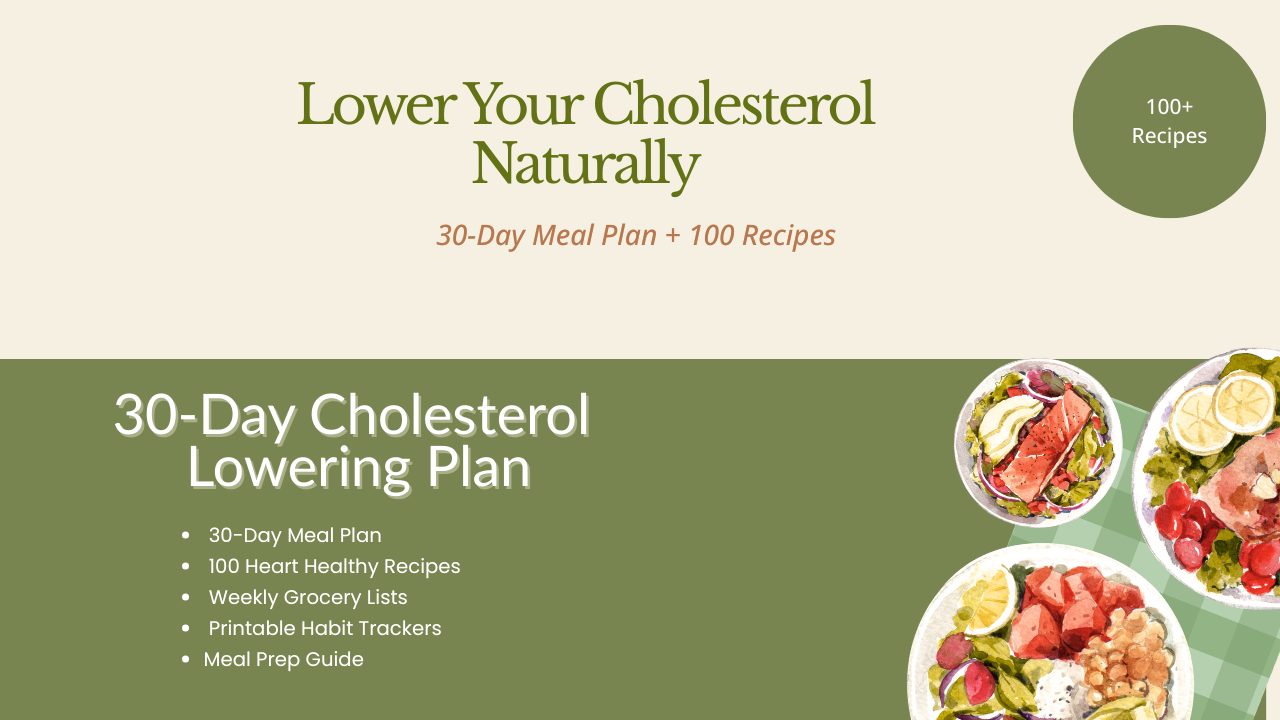
30-Day Cholesterol Reset System
A simple done-for-you plan to help you eat heart-healthy every day without confusion.
Over 1,000 people downloaded this guide
✔ 100 Easy Recipes
✔ Grocery Lists + Meal Prep Guide
🎁 FREE BONUSES:
✔ 7-Day Quick Start Plan
✔ Printable Grocery List
$29 $9
Get Instant AccessThe other advantage is soups freeze incredibly well. Make a huge pot on Sunday, portion it out, and you’ve got lunches and dinners sorted for weeks. When you’re tired and tempted to order takeout, having a container of homemade soup ready to heat changes everything.
Light and Fresh Options for Warmer Weather
1. Gazpacho
Cold tomato-based soup packed with cucumbers, bell peppers, onions, garlic, and a splash of vinegar. Blend it smooth or leave it chunky—your call. This is refreshing, tangy, and loaded with vegetables. Perfect for hot days when you want something light but satisfying.
2. Cucumber and Dill Soup
Blend cucumbers with low-fat Greek yogurt, fresh dill, garlic, lemon juice, and a bit of vegetable broth. Serve chilled. This is cool, creamy (without cream), and ridiculously refreshing. The yogurt adds protein while keeping saturated fat low.
This immersion blender makes blending soups directly in the pot stupid easy—no transferring to a blender, no mess, just smooth results.
3. Garden Vegetable Soup
This is your basic throw-everything-in soup. Sauté onions, carrots, and celery, add diced tomatoes, green beans, zucchini, vegetable broth, and whatever other vegetables you have. Season with Italian herbs. Let it simmer until everything’s tender. Light, fresh, and endlessly adaptable.
4. Shrimp and Zucchini Noodle Soup
Make a light broth with low-sodium chicken or vegetable stock, garlic, and ginger. Add spiralized zucchini and shrimp. Cook just until the shrimp turn pink. This is like a deconstructed stir-fry in soup form—light, fresh, and high in protein.
5. Lemon Chicken Orzo Soup
Use skinless chicken breast, orzo pasta, carrots, celery, and tons of lemon juice. The lemon makes it bright and fresh rather than heavy. This is comfort food that doesn’t weigh you down. Just skip the cream that some recipes call for—it doesn’t need it.
If you’re into light, brothy soups, you might also love Asian-inspired miso soup variations or Vietnamese pho bowls that use similar clear, flavorful broths without heavy ingredients.
Hearty Bean and Lentil Soups
6. Classic Lentil Soup
Sauté onions, carrots, and celery, add lentils, vegetable broth, diced tomatoes, and spices (cumin, smoked paprika, turmeric). Simmer until the lentils are tender. This is my go-to when I need something filling and fast. Lentils cook way quicker than other beans and are packed with plant-based protein and soluble fiber.
This Dutch oven is perfect for soups—holds heat beautifully, goes from stovetop to oven, and cleanup is easy.
7. White Bean and Kale Soup
Start with garlic and onions, add white beans, chopped kale, vegetable broth, and Italian seasonings. The kale wilts down and adds this earthy flavor that pairs perfectly with the creamy beans. Add a squeeze of lemon at the end to brighten everything up.
8. Split Pea Soup (Without the Ham)
Traditional split pea soup uses ham, which is high in cholesterol and saturated fat. Make it with just split peas, carrots, onions, celery, and vegetable broth. Season with smoked paprika for that smoky flavor without the meat. It’s thick, hearty, and surprisingly satisfying.
9. Black Bean and Sweet Potato Stew
This one’s thick and filling. Sauté onions and garlic, add cubed sweet potatoes, black beans, vegetable broth, cumin, and chili powder. Let it simmer until the sweet potatoes are tender. The sweet potatoes add natural sweetness that balances the savory beans perfectly.
10. Chickpea and Spinach Soup
Sauté garlic and onions, add chickpeas, diced tomatoes, vegetable broth, and fresh spinach. Season with cumin and coriander. The chickpeas give you complete protein, and the spinach adds iron and vitamins. This is one of those soups that tastes even better the next day.
11. Three-Bean Chili
Combine kidney beans, black beans, and pinto beans with diced tomatoes, bell peppers, onions, and a solid chili spice blend. Let it simmer until all the flavors meld together. Top with diced avocado and a dollop of Greek yogurt instead of sour cream. This freezes beautifully and makes incredible leftovers.
Speaking of bean-based meals, check out vegetarian chili variations or black bean burger recipes that use similar ingredients and follow the same heart-healthy, fiber-packed approach.
Vegetable-Forward Soups and Stews
12. Butternut Squash Soup
Roast butternut squash until caramelized, then blend it with vegetable broth, garlic, ginger, and a touch of coconut milk (the light version). This is creamy, slightly sweet, and feels indulgent without any cream or butter. Add a sprinkle of pepitas on top for crunch.
This high-powered blender makes butternut squash soup ridiculously smooth—no chunks, no graininess, just velvety texture.
13. Tomato Basil Soup
Roast tomatoes with garlic and onions, blend with vegetable broth and tons of fresh basil. No cream necessary—the roasted tomatoes are naturally sweet and rich. Pair with a whole wheat grilled cheese (made with low-fat cheese) if you’re feeling nostalgic.
14. Minestrone
This Italian vegetable soup has everything—tomatoes, zucchini, green beans, carrots, white beans, and pasta. It’s hearty enough to be a full meal but still feels light and fresh. The key is not skimping on the vegetables and using a good vegetable broth as your base.
15. Roasted Red Pepper Soup
Roast red bell peppers until charred, blend with vegetable broth, garlic, and a touch of smoked paprika. This is sweet, smoky, and surprisingly filling. The roasting brings out the natural sugars in the peppers, so you don’t need any added sweetness.
16. Mushroom Barley Soup
Sauté mushrooms (any kind—cremini, shiitake, button mushrooms all work) with onions and garlic, add pearl barley, vegetable broth, and fresh thyme. The barley adds this hearty, chewy texture and is loaded with soluble fiber that helps manage cholesterol. This soup is seriously underrated.
This soup storage container set is perfect for portioning and freezing soups—microwave safe, leak-proof, and you can see what’s inside.
Chicken and Turkey Soups
17. Classic Chicken Vegetable Soup
Use skinless chicken breast, tons of vegetables (carrots, celery, onions, green beans, corn), and low-sodium chicken broth. Keep it simple with salt, pepper, and herbs. This is comfort food that happens to be heart-healthy. Make a huge pot and eat it all week.
18. Turkey and Wild Rice Soup
Use ground turkey or leftover turkey breast, wild rice, carrots, celery, and mushrooms in a light broth. Wild rice has more protein and fiber than white rice, and it adds this nutty flavor that makes the soup feel more substantial.
19. Chicken Tortilla Soup
Make a tomato-based broth with diced tomatoes, onions, garlic, and Mexican spices. Add shredded chicken breast, black beans, and corn. Top with baked tortilla strips, avocado, and fresh cilantro. Skip the cheese and sour cream—the avocado adds enough creaminess.
20. Thai Chicken Coconut Soup (Tom Kha Gai)
Use light coconut milk, chicken broth, chicken breast, mushrooms, lemongrass, ginger, and lime juice. This is fragrant, slightly spicy, and feels exotic. The light coconut milk keeps it creamy without excessive saturated fat.
For more international soup options, you might love Vietnamese pho recipes or miso soup variations that bring bold flavors from different cuisines while staying heart-healthy.
Hearty Stews for Cold Days
21. Moroccan Vegetable Stew
This has chickpeas, sweet potatoes, tomatoes, zucchini, and warm spices like cumin, cinnamon, and coriander. Serve over quinoa or couscous. The combination of sweet and savory with those warming spices is borderline addictive. Plus, it’s completely plant-based and packed with fiber.
Making Soup and Stew Prep Actually Work
The beauty of soups is they’re designed for batch cooking. Most of these recipes make at least 6-8 servings, which means you cook once and eat multiple times. Here’s my system: pick two soups on Sunday, make huge pots of both, and portion them into containers. Some go in the fridge for the week, the rest go in the freezer for later.
When freezing soup, leave some space at the top of the container—liquids expand when frozen. Label everything with the date and what’s inside. FYI, most soups last 3-4 days in the fridge and up to 3 months in the freezer.
These freezer-safe containers are perfect for soup—they stack nicely, don’t crack when frozen, and thaw evenly in the microwave.
Also, invest in good storage. Cheap containers leak, stain, and make the whole process annoying. Glass containers are worth the investment—they don’t absorb odors, they’re microwave safe, and they last forever.
The other game-changer is keeping your pantry stocked with soup essentials. I always have canned beans, canned tomatoes, dried lentils, vegetable broth, and basic spices. When you have these staples ready, throwing together a soup becomes automatic rather than a production.
The Ingredients That Make or Break Soup
Good soup starts with good broth. Store-bought is fine, but get the low-sodium kind so you can control the salt yourself. Vegetable broth, chicken broth, and mushroom broth are all solid options. Avoid cream-based or cheese-based broths—they add unnecessary saturated fat.
For thickening soups without cream, try these tricks: blend some of the vegetables to create natural creaminess, add white beans and blend them in, or use a small amount of full-fat coconut milk. These methods give you that rich texture without cholesterol or excessive saturated fat.
Season aggressively. IMO, most homemade soups fail because people under-season them. Use fresh herbs when possible, don’t be shy with garlic and onions, and add acid (lemon juice or vinegar) at the end to brighten everything up. That final squeeze of lemon makes a massive difference.
Why Fresh Herbs Matter
Fresh herbs aren’t just garnish—they completely transform soup. Stir fresh parsley, cilantro, or basil into the pot right before serving, or sprinkle them on top. They add brightness and freshness that dried herbs can’t match.
Keep fresh herbs longer by storing them properly. Treat them like flowers—trim the stems, put them in a glass of water, cover loosely with a plastic bag, and keep them in the fridge. They’ll last a week or more instead of wilting in two days.
If fresh herbs aren’t available, dried herbs work too. Just remember the ratio: use about one-third the amount of dried herbs compared to fresh, and add them earlier in the cooking process so they have time to rehydrate and release their flavors.
Related Soup and Stew Ideas You’ll Love
Looking for more warming, comforting meals? Here are some recipes worth checking out:
More Bean-Based Options:
- Vegetarian chili variations
- Lentil curry soups
International Flavors:
- Vietnamese pho recipes
- Miso soup variations
Vegetable-Forward Meals:
- Roasted vegetable soups
- Creamy cauliflower soup
Protein-Packed Bowls:
- Chicken and rice soup
- Turkey meatball stew
The Bottom Line on Low-Cholesterol Soups
Managing your cholesterol doesn’t mean eating boring, flavorless food. These 21 soups and stews prove you can have meals that are satisfying, delicious, and actually good for your heart. No cream, no butter, no cholesterol-heavy ingredients—just vegetables, beans, lean proteins, and spices that create real flavor.
The secret is loading up on fiber-rich vegetables and legumes, using flavorful broths, and seasoning properly. Once you get comfortable making these soups, you’ll have a rotation of go-to meals that keep your cholesterol in check without making you feel like you’re on a diet.
Pick a couple of recipes that sound good, make them this week, and see how they fit into your routine. Chances are you’ll find a few that become regulars. Your heart will thank you, and you’ll actually enjoy what you’re eating. That’s the whole point—food that supports your health without sacrificing satisfaction.
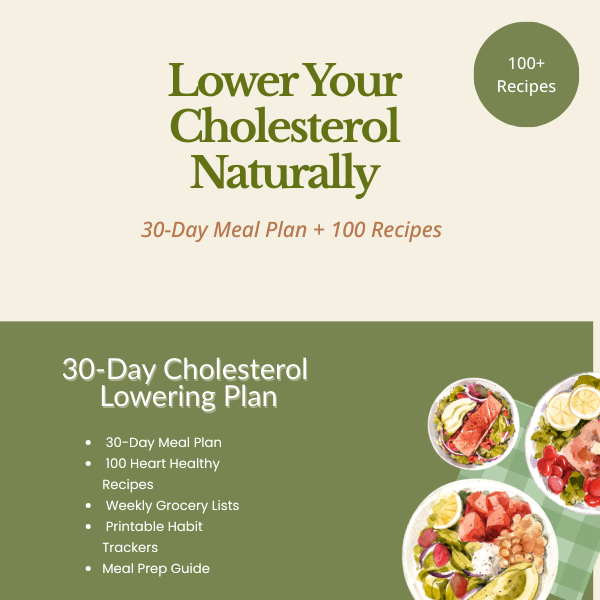
30-Day Cholesterol-Lowering Meal Plan
A simple step-by-step system to help you eat heart-healthy every day without stress.
Over 1,000 people downloaded this guide
$29$9
Get Instant Access
