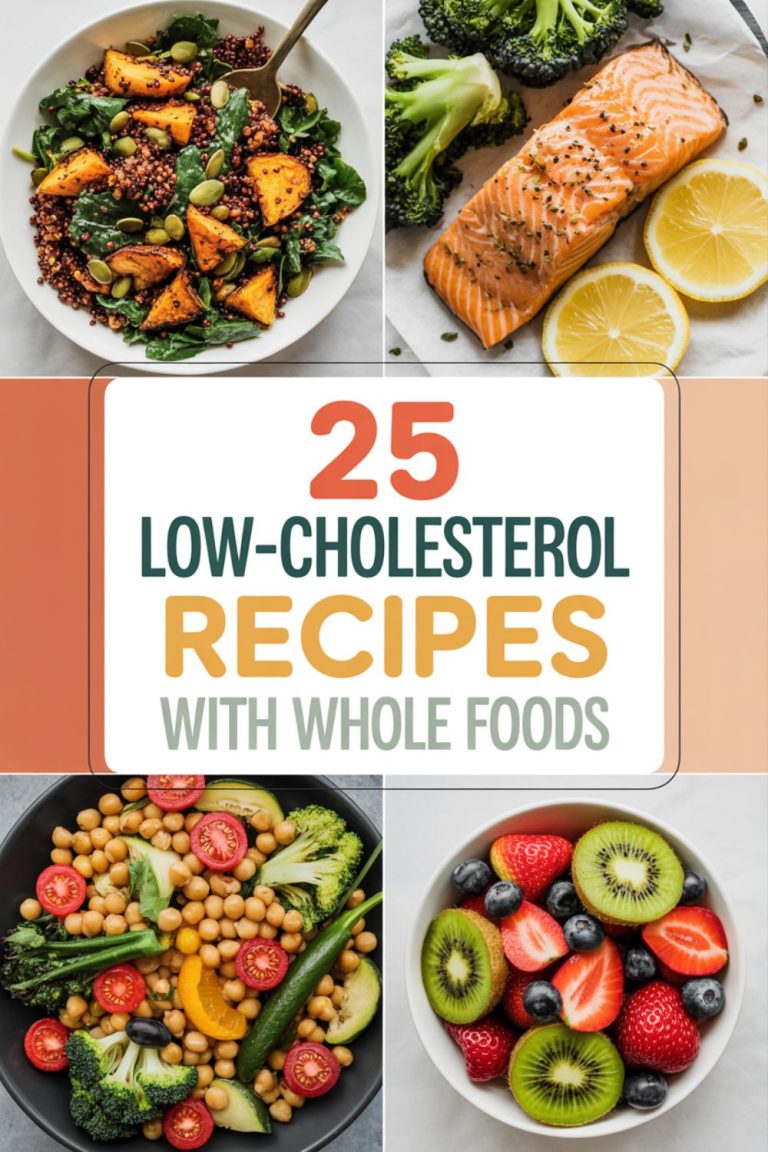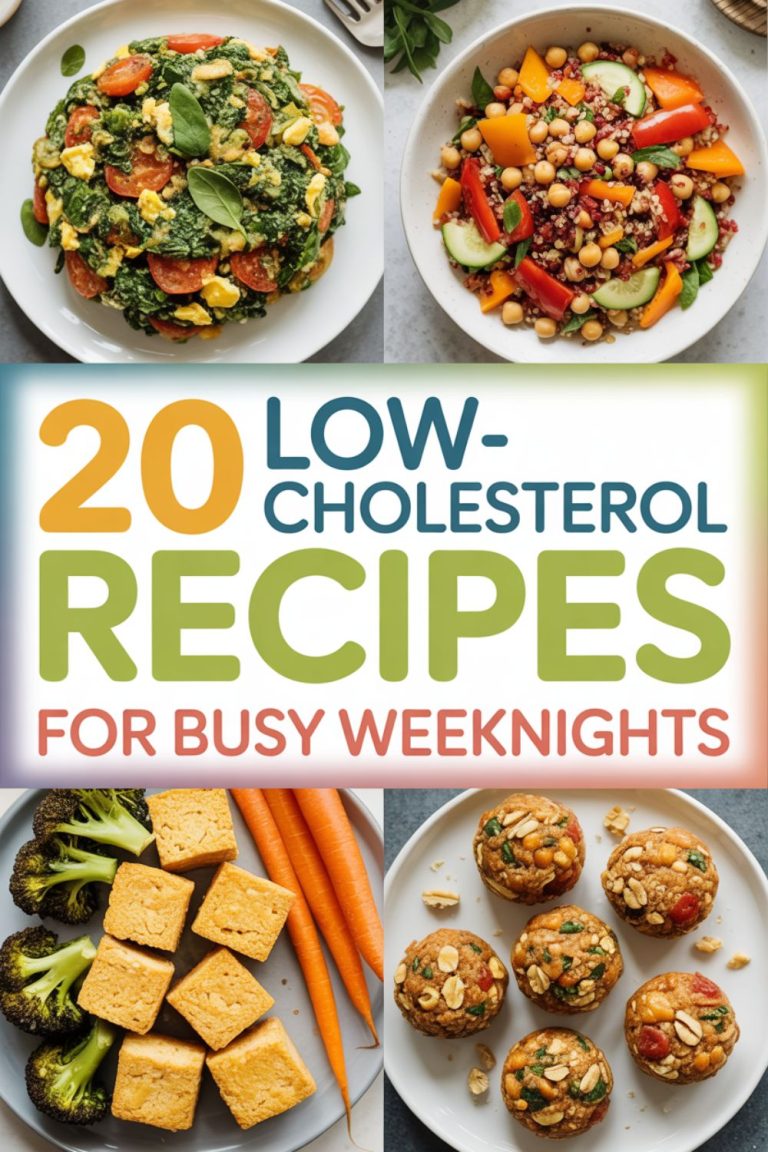
25 Low-Cholesterol Recipes for Everyday Health
Look, I’m not here to lecture you about your cholesterol numbers or bore you with another “eat more kale” sermon. But here’s the thing: cooking low-cholesterol meals doesn’t mean you’re signing up for a lifetime of bland, cardboard-tasting food. Actually, some of the most flavor-packed dishes I’ve made happen to be heart-friendly.
When my doctor mentioned my cholesterol was creeping up last year, I panicked. I thought I’d have to give up everything delicious. Turns out, I was totally wrong. The real game-changer? Learning that heart-healthy eating is about what you add, not just what you subtract.
These 25 recipes are ones I actually make on rotation. They’re not complicated, they don’t require a culinary degree, and yes, they actually taste good. Whether you’re trying to lower your LDL cholesterol or just want to eat better, these meals will get you there without making you feel deprived.
📸 Image Prompt
Scene: Overhead shot of a rustic wooden kitchen table with five colorful low-cholesterol dishes arranged beautifully—grilled salmon with lemon and herbs, a vibrant quinoa salad bowl with cherry tomatoes and avocado, hearty vegetable soup in a white ceramic bowl, whole grain toast with almond butter, and a fresh fruit platter. Warm natural lighting streaming from the left, creating soft shadows. Background includes a linen napkin, fresh herbs in a small jar, and a wooden spoon. Cozy, Pinterest-worthy aesthetic with focus on natural ingredients and appetizing presentation. Color palette: warm earth tones with pops of green, red, and yellow from fresh produce.
Why Low-Cholesterol Cooking Actually Matters
I’ll keep this brief because you probably already know the basics. High cholesterol can lead to plaque buildup in your arteries, which increases your risk of heart disease and stroke. According to the American Heart Association, limiting saturated fat to less than 6% of daily calories and avoiding trans fats can make a real difference.
But here’s what they don’t always tell you: you don’t need to eat like a monk to see results. Small, consistent changes add up. Swap butter for olive oil here, choose fish over red meat there, and suddenly you’re on track without feeling like you’re suffering.
Pro Tip: Prep your veggies Sunday night, thank yourself all week. Seriously, having pre-chopped bell peppers and onions ready to go makes weeknight cooking so much easier.
The Building Blocks of Heart-Healthy Meals
Before we get into the recipes, let’s talk about the MVPs of low-cholesterol cooking. These are the ingredients you’ll see again and again—and for good reason.
Olive Oil Over Everything
I used to cook with butter for everything. Now? Extra virgin olive oil is my default. It’s loaded with monounsaturated fats, which actually help lower LDL cholesterol. Plus, it adds this fruity, peppery flavor that butter just can’t match.
FYI, not all olive oils are created equal. Look for one that comes in a dark bottle and has a harvest date on the label. The cheap stuff in the clear plastic bottle? That’s not doing you any favors.
Fatty Fish Are Your Friends
Salmon, mackerel, sardines—these omega-3 powerhouses are game-changers. They help reduce triglycerides and fight inflammation. I try to eat fish at least twice a week, and honestly, it’s become my favorite protein source.
A digital meat thermometer takes the guesswork out of cooking fish perfectly every time. No more dried-out salmon disasters.
Fiber Is the Unsung Hero
Soluble fiber literally binds to cholesterol in your digestive system and helps remove it from your body. It’s like a tiny cleanup crew working while you sleep. Oats, beans, lentils, apples, Brussels sprouts—load up on these.
Speaking of fiber, if you’re looking for more ways to incorporate it into your meals, check out these low-cholesterol meals that are actually delicious. They’ve got some seriously creative takes on legume-based dishes.
Breakfast Recipes That Don’t Suck
1. Overnight Oats with Berries and Walnuts
This is my go-to when I can’t be bothered to cook in the morning. Mix rolled oats with almond milk, top with blueberries and crushed walnuts, refrigerate overnight. Done. The oats give you that cholesterol-lowering soluble fiber, while the walnuts add omega-3s.
I use these glass meal prep jars to make five servings at once. Sunday prep, weekday sanity.
2. Avocado Toast on Whole Grain
Yeah, it’s basic. But it’s basic for a reason. Whole grain bread provides fiber, avocado gives you healthy fats, and if you add a sprinkle of hemp seeds, you’re getting extra protein and omega-3s. Get Full Recipe.
3. Vegetable Scramble with Egg Whites
I love eggs, but the yolks can be tricky when you’re watching cholesterol. Using mostly egg whites with one whole egg gives you the protein and flavor without overdoing it. Load it up with spinach, mushrooms, and tomatoes.
For even more morning inspiration, these low-cholesterol breakfast ideas are worth checking out.
“I started making the overnight oats after reading about them here, and I’ve actually stuck with it for three months. Lost 12 pounds and my cholesterol dropped 20 points. Who knew eating better could be this easy?” — Rachel from our community
4. Green Smoothie Bowl
Blend spinach, banana, frozen mango, and almond milk until smooth. Top with chia seeds, sliced almonds, and fresh berries. It’s like eating ice cream for breakfast, except it’s actually good for you.
5. Steel-Cut Oatmeal with Cinnamon and Apples
Steel-cut oats have a chewier texture than rolled oats and keep you full longer. Cook them with diced apples and cinnamon—no added sugar needed. The natural sweetness from the apples is plenty. Get Full Recipe.
IMO, a good programmable rice cooker can make perfect steel-cut oats overnight. Just set it before bed and wake up to breakfast ready to go.
Lunch Ideas That Keep You Full
6. Mediterranean Quinoa Bowl
Quinoa, chickpeas, cucumber, cherry tomatoes, red onion, olives, and a lemon-olive oil dressing. This bowl is packed with fiber and plant-based protein. I make a huge batch and portion it out for the week.
If you’re into meal prep, these low-cholesterol meal prep ideas will change your life. Seriously.
7. Lentil Soup
Lentils are cholesterol-lowering superstars. This soup is basically lentils, carrots, celery, onions, garlic, and vegetable broth simmered until everything’s tender. Season with cumin and a squeeze of lemon. Get Full Recipe.
8. Grilled Chicken Salad
Skip the creamy dressings and go for a simple vinaigrette. Grilled chicken breast, mixed greens, roasted bell peppers, and a balsamic vinaigrette. Add some toasted sunflower seeds for crunch.
A salad spinner makes washing and drying greens so much easier. Wet lettuce is the enemy of a good salad.
9. Turkey and Veggie Wrap
Whole wheat wrap, sliced turkey breast (the real stuff, not the processed deli meat with added junk), hummus, shredded carrots, spinach, and cucumber. Roll it up tight and you’ve got a portable lunch.
Quick Win: Make your own hummus in a food processor—chickpeas, tahini, lemon juice, garlic, olive oil. Takes five minutes and tastes way better than store-bought.
10. Tuna Salad with Greek Yogurt
Ditch the mayo and use Greek yogurt instead. Mix it with canned tuna (in water, not oil), diced celery, red onion, and a bit of Dijon mustard. Serve it on whole grain crackers or in a lettuce wrap.
For more satisfying midday meals, check out these low-cholesterol lunches that keep you full.
Dinner Recipes You’ll Actually Make
11. Baked Salmon with Roasted Vegetables
Season salmon fillets with lemon juice, garlic, and dill. Bake at 400°F for 12-15 minutes. Serve alongside roasted broccoli, carrots, and Brussels sprouts tossed in olive oil. Simple, delicious, heart-healthy.
I swear by this silicone baking mat for everything. Zero sticking, zero scrubbing. Life-changing for roasted veggies.
12. Chicken Stir-Fry with Brown Rice
Slice chicken breast thin, stir-fry with snap peas, bell peppers, and broccoli in a bit of olive oil. Season with low-sodium soy sauce and ginger. Serve over brown rice. Get Full Recipe.
13. Vegetarian Chili
Loaded with black beans, kidney beans, tomatoes, bell peppers, and chili spices. This chili is so hearty you won’t even miss the meat. The beans provide tons of fiber and protein without any cholesterol.
For more plant-based options, these low-cholesterol vegetarian meals are absolute winners.
14. Turkey Meatballs with Zucchini Noodles
Ground turkey is leaner than beef. Mix it with breadcrumbs, egg white, garlic, and Italian herbs. Form into meatballs and bake. Serve over zucchini noodles with marinara sauce.
A spiralizer turns zucchini into noodles in seconds. Game-changer if you’re trying to cut back on pasta.
15. Sheet Pan Chicken and Vegetables
Chicken thighs (skin removed), sweet potatoes, green beans, and red onion all roasted on one sheet pan. Toss everything in olive oil, garlic powder, and paprika. Bake at 425°F for 30 minutes. One pan, minimal cleanup. Get Full Recipe.
Kitchen Tools That Make Low-Cholesterol Cooking Easier
Look, you don’t need a ton of fancy equipment, but these few items actually make a difference. I use them all the time and they’ve helped me stick with healthier cooking.
Physical Products:
- Cast iron grill pan — Gives you those beautiful grill marks on fish and chicken without needing an outdoor grill. Plus, you can use less oil than a regular pan.
- High-quality chef’s knife — Chopping vegetables becomes way less annoying when your knife is actually sharp. A good knife makes meal prep almost enjoyable.
- Instant-read thermometer — Takes the guesswork out of cooking proteins to the perfect temperature. No more overcooked, dried-out chicken.
Digital Resources:
- Meal planning app subscription — Helps you plan your week, generate grocery lists, and track nutrition. Makes the whole process less overwhelming.
- Heart-healthy cookbook eBook bundle — Having recipes at your fingertips on your phone or tablet means you’re more likely to try new things.
- Nutrition tracking software — If you’re serious about monitoring your cholesterol intake and overall heart health, tracking what you eat really helps you understand patterns.
16. Stuffed Bell Peppers
Hollow out bell peppers and fill them with a mixture of brown rice, ground turkey, black beans, corn, and salsa. Bake until the peppers are tender. These are filling, colorful, and freeze really well.
17. Grilled Portobello Mushroom Burgers
Marinate portobello caps in balsamic vinegar, garlic, and olive oil, then grill them. Serve on a whole wheat bun with lettuce, tomato, and avocado. You won’t even miss the beef.
These low-cholesterol dinners have more creative takes on making vegetables the star of the meal.
18. Baked Cod with Herb Crust
Mix whole wheat breadcrumbs with fresh parsley, lemon zest, and a touch of olive oil. Press onto cod fillets and bake. The fish stays moist while the topping gets crispy and flavorful.
19. Chickpea Curry
Sauté onions, garlic, and ginger. Add curry powder, canned chickpeas, diced tomatoes, and coconut milk (use light if you’re being really strict). Simmer until thick. Serve over brown rice or with naan. Get Full Recipe.
20. Spaghetti Squash with Marinara
Roast spaghetti squash until the flesh shreds into noodle-like strands. Top with your favorite marinara sauce (check the label for added sugars and sodium) and some fresh basil. It’s pasta night without the pasta guilt.
Snacks and Sides That Support Your Goals
21. Roasted Chickpeas
Toss canned chickpeas with olive oil and your favorite spices (I like paprika and garlic powder). Roast at 400°F until crispy. They’re crunchy, satisfying, and packed with fiber.
For more smart snacking options, these low-cholesterol snacks are perfect for when you need something to munch on.
22. Apple Slices with Almond Butter
The simplest snack ever. Slice an apple, spread with natural almond butter (just almonds, no added oil or sugar). The combination of fiber from the apple and healthy fats from the almond butter keeps you full.
23. Hummus and Veggie Sticks
Carrots, celery, bell peppers, cucumber—whatever you’ve got. Dip them in hummus. It’s basically the adult version of ants on a log, and it never gets old.
Pro Tip: Cut up your veggies as soon as you get home from the grocery store. You’re way more likely to eat them if they’re ready to go in the fridge.
24. Edamame with Sea Salt
Steam or boil frozen edamame pods, sprinkle with sea salt. Pop them out of the shells straight into your mouth. High in protein, zero cholesterol, and weirdly addictive.
25. Dark Chocolate and Almonds
Okay, so you need a treat sometimes. A small square of dark chocolate (70% cacao or higher) paired with a handful of almonds satisfies your sweet tooth while giving you antioxidants and healthy fats. Just keep portions in check.
I use these portion control containers to pre-measure snacks so I don’t accidentally eat an entire bag of almonds in one sitting. It happens.
Making It Work in Real Life
Look, I’m not going to pretend that every meal you make will be Instagram-worthy or that you’ll never order pizza again. Life happens. But what I’ve learned is that consistency beats perfection every single time.
If you can make 3-4 of these recipes part of your regular rotation, you’re already ahead of the game. And honestly, once you get used to cooking this way, it stops feeling like a “diet” and just becomes how you eat.
The key is finding recipes you actually like. If you hate Brussels sprouts, don’t force yourself to eat them just because they’re healthy. Find the vegetables you do enjoy and work with those. For me, it’s roasted bell peppers and sautéed spinach. For you, it might be something completely different.
“My husband was skeptical when I said we were switching to more heart-healthy meals, but after trying that salmon with roasted vegetables, he was sold. We’ve been cooking together more, and his last checkup showed his cholesterol improved significantly.” — Maria, 52
The Bigger Picture
Here’s something that doesn’t get talked about enough: lowering cholesterol through diet isn’t just about the numbers on a blood test. It’s about having more energy, sleeping better, and feeling like you can actually keep up with your life.
I’m not a doctor, and I’m not here to give medical advice. But I can tell you that since I started eating more of these low-cholesterol meals, I notice a real difference in how I feel day-to-day. Less afternoon crashes, better workouts, and yeah, my pants fit better too.
It’s also worth noting that while diet plays a huge role in managing cholesterol, it’s not the only factor. Exercise matters. Stress management matters. Sleep matters. It’s all connected. But since we all have to eat anyway, making smarter choices in the kitchen is a pretty good place to start.
If you’re looking for even more variety in your weekly menu, check out these foods that naturally lower cholesterol. It’s a great resource for understanding which ingredients to prioritize.
Don’t Overthink It
One more thing before we wrap this up: don’t get paralyzed by trying to make everything perfect. You don’t need to overhaul your entire kitchen or throw out all your current groceries. Start small. Pick two or three recipes from this list and try them this week. See what you like. Adjust as you go.
Maybe you discover you love lentil soup and make it twice a week. Great. Maybe you realize chickpea curry isn’t your thing. Also great—now you know, and you can move on to something else.
The point is to find a sustainable way of eating that works for your life, your taste buds, and your health goals. These recipes are just tools to help you get there.
Frequently Asked Questions
Can I really lower my cholesterol just by changing what I eat?
For many people, yes. Diet plays a significant role in managing cholesterol levels, especially when you reduce saturated fats and increase soluble fiber. However, some people have genetic factors that make diet alone insufficient, and they may need medication as well. Always work with your healthcare provider to create the best plan for your situation.
How long does it take to see changes in cholesterol levels from diet?
Most people start seeing changes within 3-6 weeks of consistently eating a low-cholesterol diet. However, the timeline varies based on your starting point, genetics, and how strictly you follow the dietary changes. Your doctor will likely want to recheck your levels after 2-3 months to assess progress.
Are eggs really that bad for cholesterol?
The science on eggs has evolved. While eggs do contain dietary cholesterol, research now shows that for most people, eating eggs in moderation (up to one per day) doesn’t significantly impact blood cholesterol levels. The bigger concern is saturated fat from other sources like red meat and full-fat dairy. That said, if you have diabetes or existing heart disease, you might want to be more cautious with egg yolks.
What’s the difference between saturated and unsaturated fats?
Saturated fats (found in red meat, butter, and full-fat dairy) can raise your LDL (bad) cholesterol. Unsaturated fats (found in olive oil, nuts, avocados, and fish) can actually help lower LDL cholesterol and raise HDL (good) cholesterol. The goal is to limit saturated fats and replace them with unsaturated options whenever possible.
Can I eat out at restaurants while following a low-cholesterol diet?
Absolutely. Look for grilled, baked, or steamed options instead of fried foods. Ask for dressings and sauces on the side. Choose dishes that feature vegetables, fish, or lean poultry. Most restaurants are happy to accommodate special requests like cooking with olive oil instead of butter or holding the cheese.
Final Thoughts
So there you have it—25 low-cholesterol recipes that don’t require you to eat like a rabbit or spend hours in the kitchen. These are real meals for real people who want to take better care of their hearts without sacrificing flavor or convenience.
The best part? Once you get a few of these recipes into your regular rotation, healthy eating stops being this thing you have to think about constantly. It just becomes what you do. And that’s when the real magic happens—when taking care of yourself feels easy instead of like a chore.
Start with one or two recipes that sound good to you. Make them a few times until they feel natural. Then add another. Before you know it, you’ll have a whole repertoire of heart-healthy meals that you genuinely enjoy eating.
Your heart (and your taste buds) will thank you.