
25 Foods That Naturally Lower Cholesterol
My doctor handed me lab results with that look—you know the one. LDL cholesterol sitting comfortably in the “we need to talk about this” zone. She started discussing medication, and I nodded while internally panicking about becoming a person who sorts pills into weekly containers. Then she mentioned trying dietary changes first, and I grabbed onto that option like a life raft.
Six months later, my cholesterol dropped 40 points through food alone. No pills, no extreme restrictions, just strategic grocery shopping and actually understanding what I was putting in my body. These 25 foods became my toolkit for lowering cholesterol naturally, and they taste way better than you’d expect from “health food.”
Understanding the Cholesterol Game
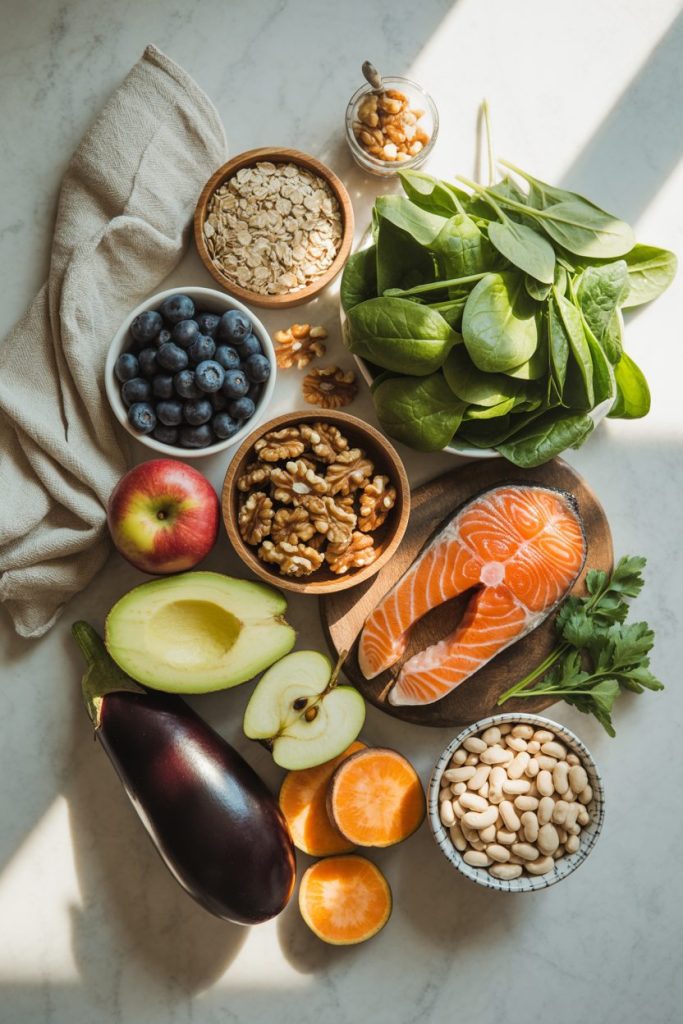
Before we talk food, let me explain what actually happens with cholesterol. Your liver produces about 75% of the cholesterol in your body—surprise, most of it doesn’t even come from food. But here’s the thing: certain foods trigger your liver to produce more LDL (the bad stuff), while others signal it to produce less and actually help remove existing cholesterol.
Soluble fiber works like a sponge in your digestive system, binding to cholesterol and escorting it out before your body absorbs it. Research from Mayo Clinic shows that just 5-10 grams of soluble fiber daily can lower LDL cholesterol by about 5%. That’s legit science, not wellness industry nonsense.
30-Day Cholesterol Reset System
A simple done-for-you plan to help you eat heart-healthy every day without confusion.
Over 1,000 people downloaded this guide
✔ 100 Easy Recipes
✔ Grocery Lists + Meal Prep Guide
🎁 FREE BONUSES:
✔ 7-Day Quick Start Plan
✔ Printable Grocery List
$29 $9
Get Instant AccessPlant sterols and stanols are compounds that block cholesterol absorption in your intestines. They’re so effective that food manufacturers actually fortify products with them. But why buy fortified foods when you can get them naturally from whole foods?
Then there are omega-3 fatty acids, which don’t directly lower LDL but reduce triglycerides and inflammation—both crucial for heart health. Your body can’t make omega-3s, so you need to eat them. Simple as that.
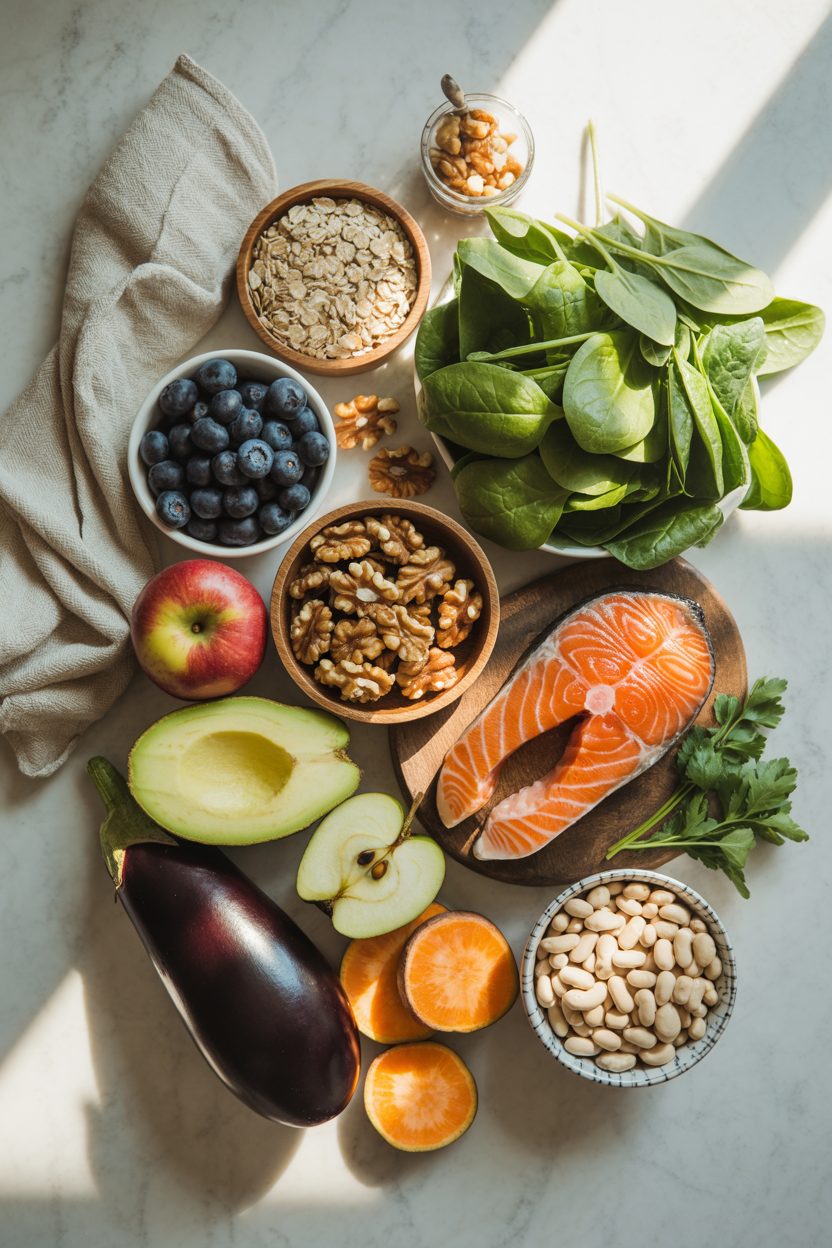
The foods I’m sharing target cholesterol through multiple mechanisms. Some provide soluble fiber, others deliver healthy fats that improve your cholesterol ratio, and several contain compounds that literally prevent cholesterol absorption. Stack them throughout your day, and the effects add up fast.
Fiber Powerhouses
Oats and Oat Bran
Oats contain beta-glucan, a specific type of soluble fiber that’s ridiculously effective at lowering LDL. I start most mornings with oatmeal now—not the instant packets loaded with sugar, but actual rolled oats or steel-cut oats that take 10 minutes to cook.
A cup of cooked oatmeal provides about 4 grams of fiber, with at least 2 grams being soluble fiber. Add some fruit and nuts, and you’ve got a breakfast that actively fights cholesterol. I make overnight oats in mason jars on Sunday nights—dump in oats, almond milk, chia seeds, and berries, refrigerate, and grab them all week.
Barley
Barley delivers even more beta-glucan than oats, yet most people ignore it completely. I add pearl barley to soups, use it as a rice substitute, or mix it into salads. The chewy texture grows on you fast.
Cooking barley takes about 45 minutes, which feels long until you realize you’re not actually doing anything—just letting it simmer. I cook a big batch in my rice cooker and refrigerate portions for the week. Reheats perfectly.
Beans and Lentils
Every type of bean and lentil packs serious soluble fiber. Black beans, kidney beans, chickpeas, lentils—all of them lower cholesterol when you eat them regularly. I went from eating beans maybe once a month to having them 4-5 times weekly.
Canned beans work fine if you rinse them thoroughly to reduce sodium. But cooking dried beans from scratch tastes better and costs less. I use an electric pressure cooker that turns dried beans tender in 30 minutes without soaking. Changed my entire relationship with beans.
The fiber in beans also keeps you full for hours. I replaced my afternoon snack of crackers with hummus and vegetables, and suddenly I wasn’t ravenous by dinner. Added bonus: my cholesterol improved and my weight stabilized.
If you’re looking for practical ways to incorporate more of these ingredients into actual meals, these low-cholesterol meals show you how to make them taste incredible.
Apples
“An apple a day” isn’t just a catchy phrase—apples contain pectin, a soluble fiber that lowers LDL cholesterol. The skin contains additional compounds that prevent cholesterol oxidation, so always eat the peel.
I keep apples visible on my counter in a wooden fruit bowl because out of sight equals forgotten. When they’re staring at me, I actually eat them. Revolutionary concept, I know.
Pears
Pears deliver even more fiber than apples—about 6 grams per medium pear. The texture appeals to people who find apples too crisp. I slice them into salads, bake them with cinnamon, or just eat them whole as a snack.
Buy pears slightly underripe and let them ripen on your counter. Once they yield slightly to pressure near the stem, they’re perfect. Overripe pears turn mealy and disappointing fast.
Nuts and Seeds
Almonds
Almonds lower LDL cholesterol while maintaining or even raising HDL (the good cholesterol). Studies show that eating about 1.5 ounces daily makes a measurable difference. That’s roughly a small handful—not the entire jar, despite what your brain tells you at 9 PM.
I portion almonds into small reusable snack bags so I’m not standing at the pantry mindlessly eating from the container. Portion control matters when nuts pack 160 calories per ounce. Healthy doesn’t mean calorie-free.
Walnuts
Walnuts contain omega-3 fatty acids—specifically alpha-linolenic acid (ALA). Your body converts some ALA to EPA and DHA, the omega-3s found in fish. Not as efficiently as just eating fish, but still beneficial.
I throw walnuts into oatmeal, salads, and stir-fries. Toasting them in a dry pan for a few minutes intensifies the flavor dramatically. Just watch them closely—they burn fast and taste awful when overdone.
Flaxseeds
Flaxseeds pack both soluble fiber and omega-3s, making them a double threat against cholesterol. But here’s the catch: you need to grind them. Whole flaxseeds pass through your system undigested, providing exactly zero benefits.
I grind flaxseeds fresh in a coffee grinder dedicated to spices and sprinkle them on everything—oatmeal, yogurt, smoothies, salads. Two tablespoons daily makes a noticeable difference. Store ground flaxseed in the fridge since the omega-3s oxidize quickly at room temperature.
Chia Seeds
Chia seeds gel up when soaked, creating this pudding-like texture that either delights or disgusts you—no middle ground exists. I’m in the delight camp. Mix three tablespoons of chia seeds with a cup of almond milk, let it sit overnight, and you’ve got breakfast pudding loaded with fiber and omega-3s.
Chia seeds also work as an egg substitute in baking. One tablespoon of chia mixed with three tablespoons of water equals one egg. This matters when you’re reducing dietary cholesterol from actual eggs.
Fatty Fish
Salmon
Salmon delivers omega-3 fatty acids that lower triglycerides and reduce inflammation. recommends eating fatty fish at least twice weekly. I aim for salmon once a week minimum.
Wild-caught salmon contains more omega-3s than farmed, but farmed salmon still beats not eating salmon at all. Buy what fits your budget. I watch for sales and freeze portions individually in vacuum-sealed bags so I can grab exactly what I need.
Mackerel
Mackerel packs even more omega-3s than salmon and costs significantly less. The strong flavor puts some people off, but I find it similar to salmon—just more assertive. Marinating it in lemon juice and herbs before cooking mellows the taste.
Canned mackerel offers a budget-friendly option. I mix it into pasta, make fish cakes, or mash it with avocado and spread it on whole-grain toast. Depression-era recipe that somehow works in modern times.
Sardines
Sardines earn “superfood” status but get zero respect because they’re tiny fish in a tin. Get over the mental block, and you’ve got an incredibly cheap source of omega-3s, vitamin D, and calcium. The bones are edible and soft—you won’t even notice them.
I buy sardines packed in olive oil or water, never soybean oil. The quality difference justifies the extra dollar. Spread them on crackers, add them to pasta, or eat them straight from the tin while standing at the counter like a feral cat.
Trout
Rainbow trout provides a milder alternative to salmon while still delivering omega-3s. It’s often sold whole, which intimidates people, but most stores will clean and fillet it if you ask. Or buy the pre-filleted portions and skip the anatomy lesson.
Trout cooks fast—8-10 minutes max. Overcooking turns it dry and rubbery. Use a digital meat thermometer and pull it at 145°F for perfect results every time.
For more ideas on incorporating fish and other cholesterol-lowering ingredients into your weekly routine, check out these low-cholesterol dinners that make healthy eating feel effortless.
Fruits Rich in Pectin and Antioxidants
Berries
Blueberries, strawberries, raspberries, and blackberries all contain compounds that reduce LDL oxidation—the process that makes cholesterol stick to artery walls. Fresh berries taste amazing, but frozen berries work just as well and cost less year-round.
I buy frozen berries in bulk and add them to smoothies, oatmeal, or Greek yogurt. Sometimes I eat them frozen like tiny popsicles. The texture’s actually appealing when you’re craving something cold and sweet.
Citrus Fruits
Oranges, grapefruits, and lemons contain pectin and flavonoids that help lower cholesterol. Grapefruit interacts with certain medications though, so check with your doctor before going crazy with it. I learned this the hard way after eating grapefruit daily for two weeks while on statins—not smart.
The white pith under the peel contains most of the beneficial compounds. Don’t peel it away too aggressively. A little bitter pith won’t kill you, and your cholesterol will thank you.
Avocados
Avocados provide monounsaturated fats that lower LDL while maintaining or raising HDL. One avocado daily improved cholesterol levels in multiple studies. The fat content feels indulgent, making this the easiest “healthy” food to eat regularly.
I buy avocados in various stages of ripeness so I always have one ready to eat. Store ripe avocados in the fridge to slow down the ripening—they’ll keep for days instead of going from perfect to brown mush overnight.
Vegetables That Deliver
Dark Leafy Greens
Spinach, kale, collards, and Swiss chard contain lutein and other compounds that prevent cholesterol from sticking to artery walls. Lutein also concentrates in the macula of your eyes, potentially reducing macular degeneration risk. Two benefits, one vegetable.
I add spinach to everything—smoothies, omelets, pasta, soups. It wilts down to nothing, so that giant bag in your fridge becomes maybe a cup of cooked greens. You need to eat a lot of it, which sounds harder than it actually is.
Eggplant
Eggplant contains nasunin, an antioxidant that protects cholesterol in your blood from oxidative damage. It also provides soluble fiber. The spongy texture soaks up flavors beautifully, making it satisfying without adding meat.
I slice eggplant, brush it with olive oil, and roast it until golden. Takes 25 minutes at 400°F. Way better than the mushy steamed eggplant I suffered through as a kid. Roasting transforms it completely.
Okra
Okra’s mucilaginous texture grosses some people out, but that slime is actually soluble fiber doing its cholesterol-lowering job. Roasting okra at high heat (450°F) reduces the sliminess significantly. It gets crispy and addictive.
I buy frozen okra and roast it straight from the freezer. No thawing, no slime handling, minimal effort. Toss with a bit of oil and cajun seasoning, roast for 20 minutes, done.
Brussels Sprouts
Brussels sprouts contain glucosinolates and fiber that support liver function—important since your liver regulates cholesterol production. Roasted Brussels sprouts with a little olive oil and salt taste nothing like those boiled sulfur bombs your mom made.
Cut them in half, toss with oil, roast cut-side-down at 425°F for 20 minutes. The cut sides caramelize and get crispy. This technique converts Brussels sprout haters into believers regularly.
Speaking of making vegetables taste incredible while supporting heart health, these low-cholesterol vegetarian meals prove that plant-based eating can be genuinely exciting.
Whole Grains Beyond Oats
Quinoa
Quinoa provides complete protein plus fiber. It’s technically a seed, not a grain, but we use it like a grain so whatever. The fluffy texture works in both sweet and savory dishes.
Rinse quinoa before cooking to remove the bitter saponin coating. I learned this after making one pot of bitter, soapy-tasting quinoa that nobody would eat. A fine-mesh strainer makes rinsing effortless.
Brown Rice
Brown rice retains the fiber-rich bran layer that white rice loses during processing. The chewy texture and nutty flavor beat white rice hands down, IMO. Takes longer to cook, but a rice cooker handles that while you do other things.
I cook brown rice in batches and freeze portions in silicone muffin cups. Pop out a frozen rice puck, microwave for 2 minutes, and you’ve got a perfect portion without cooking a whole pot.
Whole Wheat Pasta
Switching from regular pasta to whole wheat pasta adds fiber without dramatically changing your meals. Modern whole wheat pasta tastes way better than the cardboard versions from 10 years ago. The texture’s chewier, but you adapt fast.
Cook it one minute less than the package suggests—it continues cooking after you drain it. Overcooked whole wheat pasta gets mushy and unpleasant quickly.
Soy Foods
Edamame
Edamame (young soybeans) provides protein and fiber with zero cholesterol. Steam them for 5 minutes, sprinkle with sea salt, and you’ve got the world’s easiest healthy snack. I buy the frozen kind already in pods—literally just heat and eat.
The pods aren’t edible, but squeezing the beans out with your teeth is half the fun. Makes snacking take longer, which helps with portion control. You can’t mindlessly shove handfuls into your mouth when you’re dealing with individual pods.
Tofu
Tofu replaced meat in several meals throughout my week, significantly reducing saturated fat intake. The key to good tofu is pressing out excess moisture first. Wet tofu stays soft and never crisps up properly.
I use a tofu press that squeezes out moisture in 15 minutes. Without one, wrap tofu in towels and weight it down for 30 minutes. The difference in final texture justifies this step completely.
Tempeh
Tempeh has a firmer texture and nuttier flavor than tofu. It’s less processed and contains probiotics from fermentation. Slice it thin, marinate it briefly, and pan-fry or bake until crispy.
I crumble tempeh into pasta sauce as a ground meat substitute. The texture mimics ground beef surprisingly well. Even my decidedly non-vegetarian spouse accepts this swap without complaint.
Olive Oil and Other Healthy Fats
Extra Virgin Olive Oil
Extra virgin olive oil lowers LDL cholesterol when you use it to replace saturated fats like butter. The monounsaturated fats and polyphenols work together to improve your cholesterol ratio.
I use a dark glass bottle with a pouring spout to protect the oil from light and control portions. Olive oil contains 120 calories per tablespoon, so free-pouring from a giant bottle adds up fast. Measured amounts work better.
Quality matters with olive oil. Cheap bottles often contain refined oils that lack the beneficial compounds. Buy from reputable sources and store it in a cool, dark place. Heat and light degrade those precious polyphenols.
Dark Chocolate
Dark chocolate (70% cocoa or higher) contains flavonoids that improve cholesterol levels in small amounts. Key phrase: small amounts. We’re talking about one ounce daily, not half a bar while binge-watching Netflix.
I buy high-quality dark chocolate and break it into individual squares. One square after dinner satisfies my sweet tooth without derailing my progress. The strong flavor means I don’t crave more—unlike milk chocolate that disappears mysteriously.
Putting It All Together
You don’t need to eat all 25 foods daily—that would be exhausting and probably impossible unless you’re grazing constantly. I aim to include 10-15 of these foods each day through regular meals. Breakfast might have oats, berries, and flaxseed. Lunch includes leafy greens, beans, and olive oil. Dinner features salmon, quinoa, and roasted vegetables.
The compound effect matters more than perfection. Eating these foods consistently over months lowers cholesterol more effectively than eating them perfectly for two weeks then giving up. Sustainability beats intensity every time.
I batch-prep several items on weekends to make weekday meals easier. Cook a big pot of beans, portion them into glass storage containers. Wash and chop vegetables. Cook whole grains. Having these ready transforms weeknight cooking from stressful to simple.
Reading labels became crucial once I started paying attention. “Heart healthy” marketing often disguises foods loaded with sugar or refined carbs that spike blood sugar and trigger cholesterol production. Real food without labels usually wins over processed items claiming health benefits.
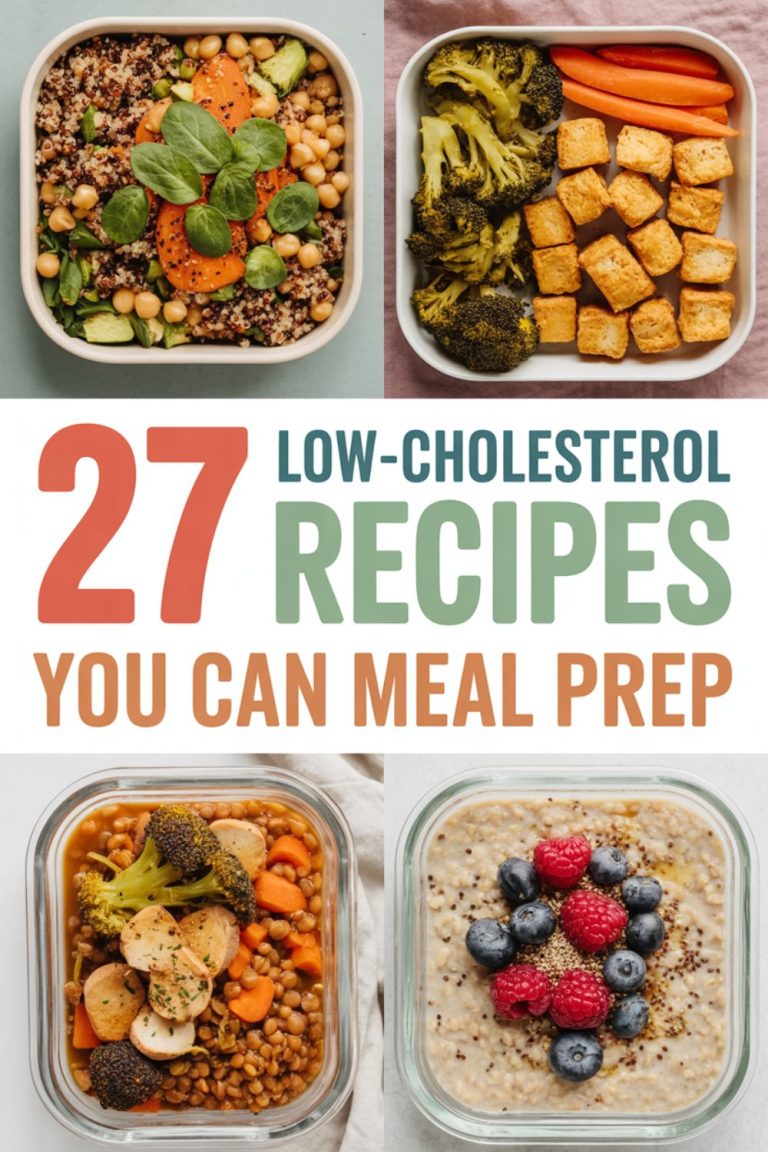
For practical meal planning that incorporates these ingredients naturally, these low-cholesterol meal prep ideas break down exactly how to organize your week efficiently.
Making Smart Swaps
Some substitutions lowered my cholesterol without feeling like deprivation. I swapped butter for olive oil in most cooking. Started using mashed avocado instead of mayo on sandwiches. Replaced cream in coffee with unsweetened almond milk. Each change felt minor but contributed to the overall improvement.
Greek yogurt replaced sour cream in everything. Seriously, everything. Burritos, baked potatoes, dips—nobody noticed the difference. The protein content keeps you fuller too. Win-win situation all around.
Snacking shifted from chips and crackers to nuts, fruit, and vegetables with hummus. The first week felt like punishment. Two weeks in, my taste buds adjusted and I actually started craving the healthier options. Your palate adapts faster than you’d expect.
What About Portions?
Eating cholesterol-lowering foods won’t help if you eat massive portions of everything. Nuts, olive oil, avocados, and dark chocolate all support heart health but pack significant calories. Balance matters.
I use smaller plates and bowls to naturally reduce portions without feeling deprived. The visual trick actually works—your brain registers a full plate as satisfying regardless of the plate’s size. Psychology wins over willpower.
Measuring portions initially helped me understand what “one serving” actually looks like. We collectively lost our minds on portion sizes somewhere along the way. A serving of pasta is one cup cooked, not the entire plate. A serving of meat is 3-4 ounces, not a 12-ounce steak.
After a few weeks of measuring, I could eyeball portions accurately. The investment in a digital kitchen scale paid off by recalibrating my understanding of normal serving sizes.
Related Recipes You’ll Love
Ready to turn these cholesterol-lowering foods into actual meals you’ll enjoy eating? Here are some collections that put these ingredients into practice:
Start Your Day Right: Transform your mornings with these low-cholesterol breakfast ideas that incorporate oats, berries, nuts, and other powerful ingredients.
Midday Energy: Keep your momentum going with these low-cholesterol lunches that prove healthy eating doesn’t mean sad desk salads.
Liquid Nutrition: Blend these ingredients into delicious drinks with these low-cholesterol smoothies and juices that taste like treats, not health food.
Smart Snacking: Bridge the gap between meals with these low-cholesterol snacks featuring nuts, fruits, and other cholesterol-fighting ingredients.
Comfort Food Cravings: Sometimes you need warmth in a bowl. These low-cholesterol soups and stews deliver comfort without compromise.
Sweet Satisfaction: Yes, dessert can fit into a cholesterol-lowering diet. These low-cholesterol desserts feature dark chocolate, fruits, and other smart ingredients.
The Real Talk About Results
Lowering cholesterol through food takes time. My numbers didn’t budge after two weeks. At four weeks, they’d dropped slightly. Six months in, the improvement became significant enough that my doctor stopped discussing medication.
Genetics play a role too. Some people respond dramatically to dietary changes, others see modest improvements. FYI, my dad made identical changes and his cholesterol barely moved—he needed medication. Bodies vary. Don’t feel like a failure if food alone doesn’t fix everything.
That said, eating these 25 foods improved my overall health beyond just cholesterol numbers. Energy increased, sleep improved, and I lost weight without trying. The compounds that lower cholesterol also reduce inflammation, support gut health, and provide nutrients that benefit your entire body.
The mental shift mattered as much as the food changes. I stopped viewing healthy eating as temporary restriction and started seeing it as feeding my body what it actually needs to function well. Sounds cheesy, but that mindset change made consistency achievable.
Your Action Plan
Don’t try to overhaul everything overnight. That approach fails spectacularly most of the time. Start by adding one or two of these foods daily. Once that feels normal, add another. Build gradually until these foods comprise the majority of your diet.
Track what you eat for a week without changing anything—just observe. You’ll spot patterns and identify easy swaps. Maybe you eat cereal every morning—switch to oatmeal. Afternoon candy bar? Try nuts and an apple instead. Small changes compound over time into major results.
Get your cholesterol checked before making changes, then recheck after three months. Seeing measurable improvement motivates you to keep going. Lack of progress signals the need to adjust your approach or consult your doctor about additional interventions.
Remember that these foods work alongside other healthy habits—regular exercise, stress management, adequate sleep, and not smoking. You can’t eat your way out of an otherwise unhealthy lifestyle. But you also can’t exercise your way out of a terrible diet. Both matter.
The good news? These 25 foods taste good enough that eating them doesn’t feel like medication. They feel like real food—because they are. Your great-grandmother would recognize everything on this list. No weird powders, no expensive supplements, just actual food that supports your body’s natural processes. That’s the kind of healthy eating that actually sticks.
30-Day Cholesterol-Lowering Meal Plan
A simple step-by-step system to help you eat heart-healthy every day without stress.
Over 1,000 people downloaded this guide
$29$9
Get Instant Access