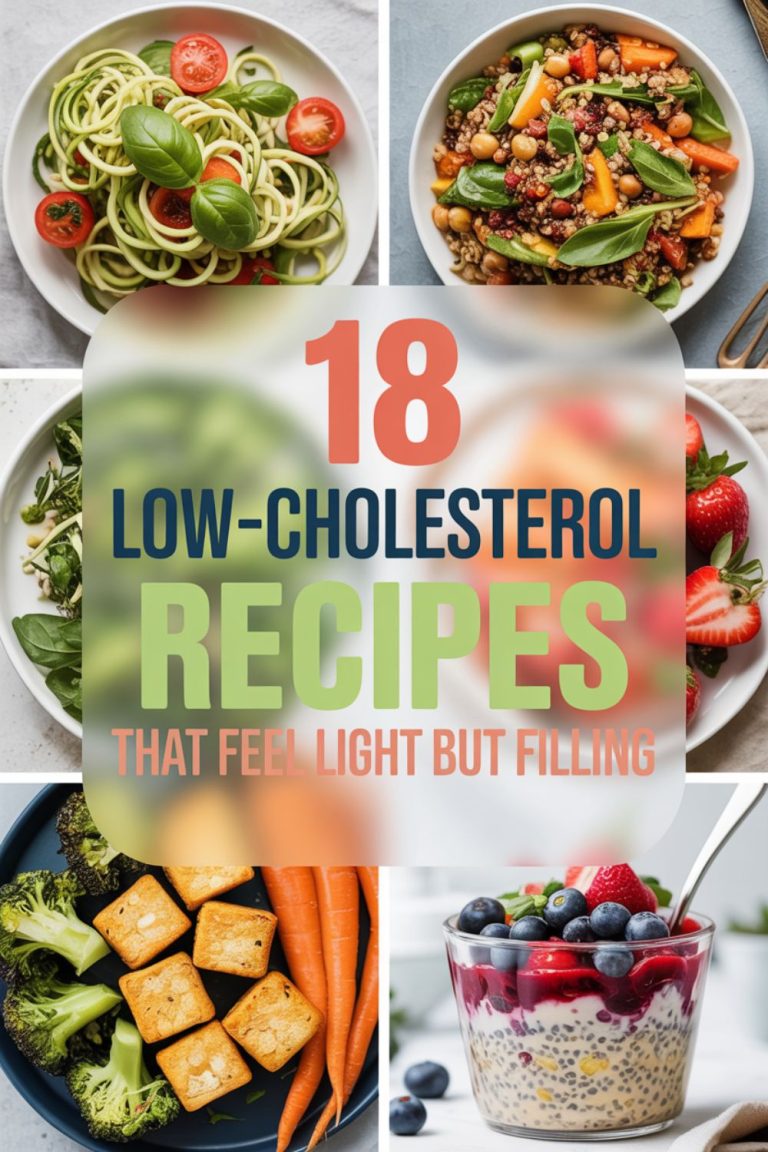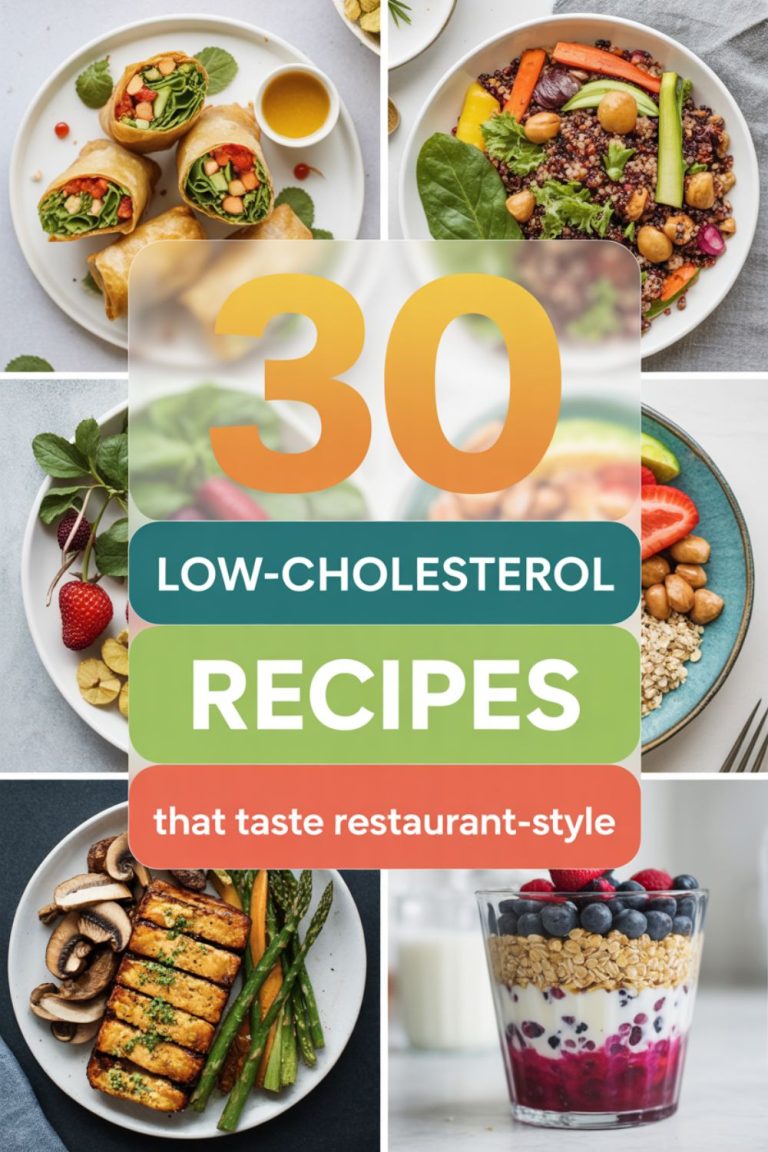
25 Low-Cholesterol Recipes Without Butter or Cream
Let me guess: your doctor mentioned your cholesterol numbers, and suddenly every recipe you own seems to call for a stick of butter and a cup of heavy cream. I’ve been there, staring at my favorite cookbook like it just betrayed me. But here’s the thing—ditching butter and cream doesn’t mean you’re sentenced to bland, boring food that tastes like cardboard.
I spent months figuring out how to make food taste amazing without those traditional rich ingredients. Turns out, you don’t need them at all. You just need to know what to use instead, and honestly? Some of these swaps taste better than the originals.
These 25 recipes prove you can eat delicious, satisfying meals while keeping your cholesterol in check. No sad salads, no flavorless chicken breasts, no feeling like you’re missing out. Just real food that happens to be good for your heart.

Why Skip the Butter and Cream Anyway?
Before we jump into recipes, let’s talk about why butter and cream are on the naughty list. Both are loaded with saturated fat, which is the real villain when it comes to raising your LDL cholesterol—that’s the “bad” kind that clogs your arteries. Research from the American Heart Association shows that dietary patterns low in saturated fat can significantly improve heart health markers.
One tablespoon of butter packs about 7 grams of saturated fat. Heavy cream? About 3.5 grams per tablespoon. Doesn’t sound like much until you realize most recipes call for way more than that. A typical pasta alfredo can easily have 30-40 grams of saturated fat per serving. That’s more than most people should eat in an entire day.
But here’s what I learned: fat itself isn’t the enemy. Your body needs fat to absorb vitamins, keep your skin healthy, and feel satisfied after meals. The trick is choosing the right kinds of fat—the ones that actually help your heart instead of hurting it.
The Secret Weapons: What to Use Instead
Once I figured out what to use instead of butter and cream, cooking became fun again. Olive oil is my go-to for sautéing and roasting—it’s rich in monounsaturated fats that can actually help lower bad cholesterol. I keep this high-quality extra virgin olive oil on hand at all times.
Avocado is another game-changer. Mash it up and spread it on toast instead of butter. Blend it into smoothies for creaminess. Use it in baking to replace butter—yes, really. The healthy fats in avocado support heart health while giving you that rich, satisfying texture.
For cream substitutes, cashew cream is incredible. Soak raw cashews for a few hours, blend them with water, and you’ve got something that looks and tastes remarkably like heavy cream. No saturated fat, just creamy deliciousness. I use this compact blender specifically for making cashew cream—it’s powerful enough to get everything silky smooth.
Coconut milk works too, though it does have some saturated fat. The difference is that it’s medium-chain triglycerides, which your body processes differently than the saturated fat in dairy. Still, I use it sparingly and opt for the light version when possible.
Plant-Based Milk Options
Almond milk, oat milk, and soy milk can all replace regular milk in most recipes. Oat milk is my personal favorite for cooking because it has a naturally creamy texture and doesn’t separate when heated. Plus, according to research published in Circulation, replacing dairy with plant-based options can be part of a heart-healthy eating pattern.
The key is finding unsweetened versions without a ton of added ingredients. I look for options with just three or four ingredients on the label. This oat milk maker changed my life—I make fresh oat milk in about five minutes, and it costs way less than buying it at the store.
Speaking of breakfast alternatives, if you’re looking for more ways to start your day right, check out these low-cholesterol breakfast ideas that’ll keep you satisfied all morning.
25 Recipes That’ll Change Your Mind About Cholesterol-Friendly Cooking
1. Mediterranean Chickpea Bowl
This is my weeknight savior. Roasted chickpeas with olive oil, cumin, and paprika, served over quinoa with cucumber, tomatoes, and a lemon-tahini dressing. The chickpeas get crispy on the outside, creamy on the inside. Zero butter, zero cream, 100% delicious. Get Full Recipe.
I use this rimmed baking sheet for roasting the chickpeas—the high edges keep everything contained, and cleanup is ridiculously easy.
2. Thai-Inspired Peanut Noodles
Who needs cream-based sauces when you can have a silky peanut butter sauce instead? Mix natural peanut butter with lime juice, soy sauce, garlic, and a touch of maple syrup. Toss with rice noodles and loads of veggies. It’s rich, it’s satisfying, and it has that umami depth that keeps you coming back for more.
The secret is using natural peanut butter—the kind where oil separates on top. It emulsifies better and doesn’t have all the added sugar. I keep this jar stirrer in my drawer specifically for mixing natural nut butters without the arm workout.
3. Lemon Herb Roasted Salmon
Salmon is packed with omega-3 fatty acids, which are fantastic for heart health. I brush it with olive oil, season with lemon zest, fresh dill, and garlic, then roast at 400°F for about 12 minutes. That’s it. No butter needed when you have fish this flavorful.
If you’re new to cooking fish, this fish spatula makes flipping fillets foolproof. The thin, angled edge slides right under without breaking anything.
4. Creamy Tomato Basil Soup (No Cream Required)
The creaminess comes from blending roasted tomatoes with white beans. Sounds weird, tastes amazing. The beans add protein and fiber while creating that velvety texture you crave in tomato soup. Fresh basil and a drizzle of olive oil on top make it restaurant-quality. Get Full Recipe.
For perfectly smooth soup, I swear by this immersion blender. You can blend right in the pot, which means less cleanup and no transferring hot liquid to a regular blender.
5. Mushroom and Spinach Stuffed Bell Peppers
Bell peppers stuffed with a mixture of quinoa, sautéed mushrooms, spinach, and herbs. The mushrooms give you that savory, umami flavor that tricks your brain into thinking there’s cheese involved. Top with nutritional yeast for a subtle cheesy taste without any dairy.
Looking for more creative ways to use vegetables? These low-cholesterol vegetarian meals have tons of plant-based inspiration.
6. Mango Coconut Chia Pudding
Breakfast or dessert? Honestly, both. Mix chia seeds with light coconut milk and a touch of maple syrup, let it sit overnight, then top with fresh mango. The chia seeds create a pudding-like texture that’s weirdly addictive. Plus, chia seeds are loaded with fiber and omega-3s.
I prep these in these small glass jars on Sunday night and grab them all week. Perfect portion control and they stack beautifully in the fridge.
7. Garlic Herb Roasted Vegetables
This is my “I don’t know what to make” recipe. Toss whatever vegetables you have with olive oil, minced garlic, and dried herbs. Roast at 425°F until they’re caramelized and crispy at the edges. Works with Brussels sprouts, broccoli, cauliflower, sweet potatoes, carrots—literally anything.
The trick is not overcrowding the pan. Give the vegetables space to breathe, or they’ll steam instead of roast. I usually use two pans to make sure everything gets crispy.
8. Black Bean and Sweet Potato Tacos
Roasted sweet potato cubes with black beans, avocado, cilantro, and lime. These tacos are so good that I forget they’re healthy. The sweet potato gets caramelized in the oven, the beans add protein and fiber, and the avocado gives you that creamy element without any dairy.
For more quick meal ideas, check out these quick low-cholesterol lunches that come together in under 10 minutes.
9. Asian-Style Lettuce Wraps
Ground turkey cooked with ginger, garlic, soy sauce, and a splash of rice vinegar, served in crisp lettuce cups. I add water chestnuts for crunch and green onions for freshness. It’s light but filling, and the lettuce cups make it feel special somehow.
The key is using lean ground turkey instead of beef. You save on saturated fat without sacrificing flavor. Season it well, and nobody misses the beef.
10. Balsamic Roasted Brussels Sprouts with Cranberries
I used to hate Brussels sprouts until I tried them this way. Roast them with olive oil until they’re crispy, then toss with balsamic vinegar and dried cranberries. The sweetness from the cranberries balances the slight bitterness of the sprouts. It’s one of those side dishes that steals the show.
11. Cauliflower Alfredo Sauce
This one blew my mind the first time I tried it. Steam cauliflower until tender, blend it with garlic, nutritional yeast, and a splash of unsweetened almond milk. You end up with something that looks and tastes remarkably like alfredo sauce. Toss it with pasta, and you’ve got a creamy dinner without any cream. Get Full Recipe.
The high-speed blender I mentioned earlier is perfect for this—you need serious power to get the cauliflower completely smooth.
12. Greek-Style Lemon Chicken
Marinate chicken breasts in lemon juice, olive oil, oregano, and garlic, then grill or bake them. The marinade keeps the chicken juicy and adds so much flavor that you don’t need butter or cream sauces. Serve with roasted vegetables or over a salad.
According to Cleveland Clinic’s nutrition guidelines, lean proteins like chicken breast are excellent choices for maintaining healthy cholesterol levels when prepared without added saturated fats.
13. Quinoa and Black Bean Buddha Bowl
Buddha bowls are basically an excuse to throw together all your favorite healthy foods in one bowl and call it a meal. I start with quinoa, add black beans, roasted sweet potato, avocado, shredded cabbage, and top it with a tahini dressing. Every bite is different, which keeps it interesting.
For more bowl inspiration, these low-cholesterol meals include some seriously creative combinations.
14. Oatmeal Breakfast Cookies
These are basically portable oatmeal. Mix mashed banana with oats, almond butter, and add-ins like raisins, walnuts, or dark chocolate chips. Bake until golden. They’re sweet enough to feel like a treat but healthy enough to eat for breakfast.
I use this silicone baking mat for cookies—nothing sticks to it, and I haven’t had to scrub a baking sheet in months.
15. Spicy Black Bean Soup
This soup is ridiculously easy and incredibly satisfying. Sauté onions, garlic, and jalapeños in olive oil, add black beans, vegetable broth, cumin, and chili powder. Simmer for 20 minutes, then partially blend to make it thick and creamy. Top with avocado and cilantro.
The partial blending is key—it thickens the soup naturally without adding any cream or flour. You get creaminess from the beans themselves.
16. Teriyaki Salmon with Broccoli
Make your own teriyaki sauce with soy sauce, rice vinegar, garlic, ginger, and a touch of honey. Brush it on salmon, bake, and serve with steamed broccoli. The homemade sauce is so much better than store-bought and has way less sugar.
17. Zucchini Noodles with Pesto
Traditional pesto uses a ton of Parmesan cheese. This version swaps in nutritional yeast and adds extra olive oil and pine nuts for richness. Toss it with spiralized zucchini, and you’ve got a light, fresh dinner that doesn’t leave you feeling heavy.
I bought this handheld spiralizer three years ago, and it’s still going strong. Makes perfect zucchini noodles every time, and it’s way easier to clean than the big countertop versions.
18. Moroccan-Spiced Lentil Stew
Lentils cooked with tomatoes, carrots, onions, and a blend of warm spices like cumin, coriander, cinnamon, and turmeric. This stew is hearty enough to be a full meal and actually tastes better the next day. Serve with a dollop of tahini on top for extra creaminess.
For more hearty options, these low-cholesterol soups and stews are perfect for cooler weather.
19. Apple Walnut Salad
Mixed greens with sliced apples, toasted walnuts, and a maple-mustard vinaigrette. The combination of sweet, crunchy, and tangy makes this salad feel special. Walnuts are one of the best nuts for heart health—they’re loaded with omega-3s and can help improve cholesterol levels.
20. Baked Cod with Tomatoes and Olives
This Mediterranean-inspired dish is so simple but tastes like you ordered it at a fancy restaurant. Place cod fillets in a baking dish, surround with cherry tomatoes, Kalamata olives, garlic, and fresh herbs. Drizzle with olive oil and bake. The tomatoes release their juices and create a light sauce that’s full of flavor.
21. Chickpea “Tuna” Salad
Mash chickpeas with a fork, mix with diced celery, red onion, a little Dijon mustard, and just enough olive oil to bind it together. Add a squeeze of lemon juice and some dill. It sounds strange, but it tastes remarkably similar to tuna salad. Perfect for sandwiches or lettuce wraps. Get Full Recipe.
22. Spaghetti Squash with Marinara
Roast a spaghetti squash, scrape out the strands, and top with marinara sauce and fresh basil. You get that pasta satisfaction without the heavy feeling. The squash has a mild flavor that lets the sauce shine.
To roast spaghetti squash easily, I cut it in half, scoop out the seeds, and place it cut-side down on a baking sheet. Roast at 400°F for about 40 minutes. The strands come out perfectly every time.
23. Overnight Oats with Berries
Mix oats with almond milk, chia seeds, a touch of maple syrup, and let it sit in the fridge overnight. In the morning, top with fresh berries and a handful of almonds. It’s creamy, filling, and requires zero morning effort.
For more breakfast inspiration, check out these low-cholesterol breakfasts under 300 calories that’ll keep you energized.
24. Grilled Vegetable Skewers
Thread bell peppers, zucchini, red onion, and cherry tomatoes onto skewers, brush with olive oil and your favorite herbs, then grill until charred and tender. These are perfect for summer barbecues, and nobody misses the meat.
I use these reusable metal skewers instead of wooden ones. They conduct heat, which helps the vegetables cook evenly from the inside out.
25. Banana Nice Cream
Freeze ripe bananas, then blend them until smooth and creamy. That’s it. You end up with something that looks and tastes like soft-serve ice cream but is literally just bananas. Add cocoa powder for chocolate, peanut butter for a richer version, or berries for fruit flavor.
This is one of those recipes that sounds too good to be true until you try it. My kids think it’s regular ice cream, and I’m not telling them otherwise.
If you’re curious about more ways to satisfy your sweet tooth without the guilt, these low-cholesterol desserts are all delicious and heart-healthy.
Making It Work in Real Life
Look, I’m not going to pretend that changing how you cook is easy at first. The first few weeks, I kept reaching for butter out of habit. But once I got used to using olive oil, avocado, and other alternatives, it became second nature.
The biggest lesson I learned? Don’t try to make exact substitutions. A low-cholesterol version of your favorite buttery dish isn’t going to taste exactly the same, and that’s okay. It’ll taste different—sometimes better, sometimes just different. The key is approaching it with an open mind instead of comparing it to what you’re used to.
Also, season your food well. Butter and cream add richness, but they also add flavor through fat. When you remove them, you need to make up for it with herbs, spices, acids like lemon juice or vinegar, and aromatics like garlic and onions. Don’t be shy with the seasoning.
Meal Prep Makes Everything Easier
IMO, the secret to sticking with healthy eating is making it as easy as possible. I spend about two hours on Sunday prepping ingredients for the week. I roast vegetables, cook grains like quinoa and brown rice, and prep some protein like grilled chicken or baked salmon.
During the week, dinner becomes an assembly job rather than a cooking project. Throw some roasted vegetables and quinoa in a bowl, add some protein, drizzle with olive oil and lemon juice, done. It takes about five minutes.
If meal prep sounds overwhelming, start small. Just prep one or two components. Maybe roast a pan of vegetables or cook a batch of quinoa. You don’t have to prep entire meals to see the benefit.
These low-cholesterol meal prep ideas can help you get started with a system that actually works.
What About Eating Out?
Eating out gets tricky when you’re watching your cholesterol. Restaurants love butter and cream—they use it in almost everything because it tastes good and keeps customers happy. But you can still enjoy restaurant meals without derailing your progress.
I always check the menu online before I go and look for grilled or roasted options. Ask for sauces on the side. Request olive oil instead of butter. Most restaurants are happy to accommodate these requests—they deal with dietary restrictions all day long.
Mediterranean and Asian restaurants tend to be easier to navigate. They use less butter and cream by default. Italian restaurants are trickier because so many dishes are cream-based, but you can usually find options like grilled fish or marinara-based pasta dishes.
The Surprising Benefits I Didn’t Expect
Aside from the obvious cholesterol improvements—my LDL dropped 35 points in six months—I noticed some other changes I wasn’t expecting. I have more energy throughout the day. I don’t get that heavy, sluggish feeling after meals anymore. My skin looks better, which makes sense because I’m eating way more vegetables and healthy fats.
I also lost about 12 pounds without trying. I wasn’t counting calories or restricting portions. I just naturally started eating less because these foods are more filling. Fiber, protein, and healthy fats keep you satisfied longer than refined carbs and heavy sauces do.
The biggest surprise? I genuinely don’t miss butter and cream. When I go to restaurants and taste dishes made with heavy cream now, they taste too rich. My palate changed without me realizing it.
If you’re also working on weight management alongside cholesterol, these high-protein low-cholesterol meals can help you stay full while keeping calories reasonable.
Common Mistakes to Avoid
I made plenty of mistakes when I first started cooking without butter and cream. Here’s what tripped me up so you can avoid the same pitfalls.
Mistake #1: Not using enough fat. Just because you’re avoiding butter doesn’t mean you should avoid all fat. Your body needs fat to absorb nutrients and feel satisfied. Use olive oil generously. Add avocado to meals. Don’t be afraid of nuts and seeds.
Mistake #2: Underseasoning. Without butter’s richness, you need to amp up the flavor in other ways. Fresh herbs, garlic, ginger, citrus, vinegar—these are your new best friends. Taste as you go and adjust seasoning accordingly.
Mistake #3: Trying to please everyone. If you live with people who aren’t on board with dietary changes, cook these recipes and don’t announce that they’re “healthy” or “low-cholesterol.” Just serve them. Most of these dishes are so good that nobody will notice they’re different.
Mistake #4: Giving up too soon. Your taste buds need time to adjust. The first week or two might feel like a sacrifice. Give it a month. I promise it gets easier, and eventually, you won’t even think about it.
Frequently Asked Questions
Can I still bake without butter?
Absolutely. Mashed banana, applesauce, and avocado all work as butter replacements in baking, though they each give slightly different results. For a closer butter substitute, try using equal parts coconut oil—it’s solid at room temperature like butter and works similarly in most recipes. Just remember it does contain some saturated fat, so use it sparingly.
How quickly will changing my diet affect my cholesterol?
Most people see changes within 4-6 weeks of consistently eating a heart-healthy diet, though it varies by individual. Your liver needs time to adjust to the new dietary pattern. Keep in mind that dietary changes work best when combined with regular physical activity and maintaining a healthy weight.
Are all plant-based milks good for cholesterol?
Most are, but check the labels. Unsweetened almond milk, oat milk, and soy milk are all cholesterol-free and low in saturated fat. However, avoid coconut milk from a can—it’s high in saturated fat. The refrigerated coconut milk beverage is fine, but the canned stuff used for cooking can be as bad as cream.
What’s the best oil to cook with for heart health?
Extra virgin olive oil is the gold standard for heart health—it’s rich in monounsaturated fats and antioxidants. For high-heat cooking, avocado oil is your best bet since it has a higher smoke point. Both are excellent choices that can help lower LDL cholesterol when used instead of butter or other saturated fats.
Can I eat eggs if I’m watching my cholesterol?
Yes, in moderation. Current research shows that for most people, dietary cholesterol from eggs doesn’t significantly impact blood cholesterol levels. The bigger concern is saturated fat. One egg has minimal saturated fat, making it a reasonable choice. Most experts suggest limiting to one egg per day if you have healthy cholesterol levels.
Final Thoughts
Cooking without butter and cream isn’t a punishment—it’s just a different approach that happens to be better for your heart. These 25 recipes prove you don’t have to sacrifice flavor or satisfaction to take care of your cholesterol levels.
The transition takes some getting used to, I won’t lie about that. But once you build up a repertoire of recipes you love, it becomes effortless. You stop thinking about what you can’t have and start focusing on all the delicious food you can enjoy.
Start with one or two recipes that sound appealing. Master those, then add a few more to your rotation. Before you know it, you’ll have a whole collection of go-to meals that keep your taste buds happy and your heart healthy. Your future self will thank you for taking this step now.