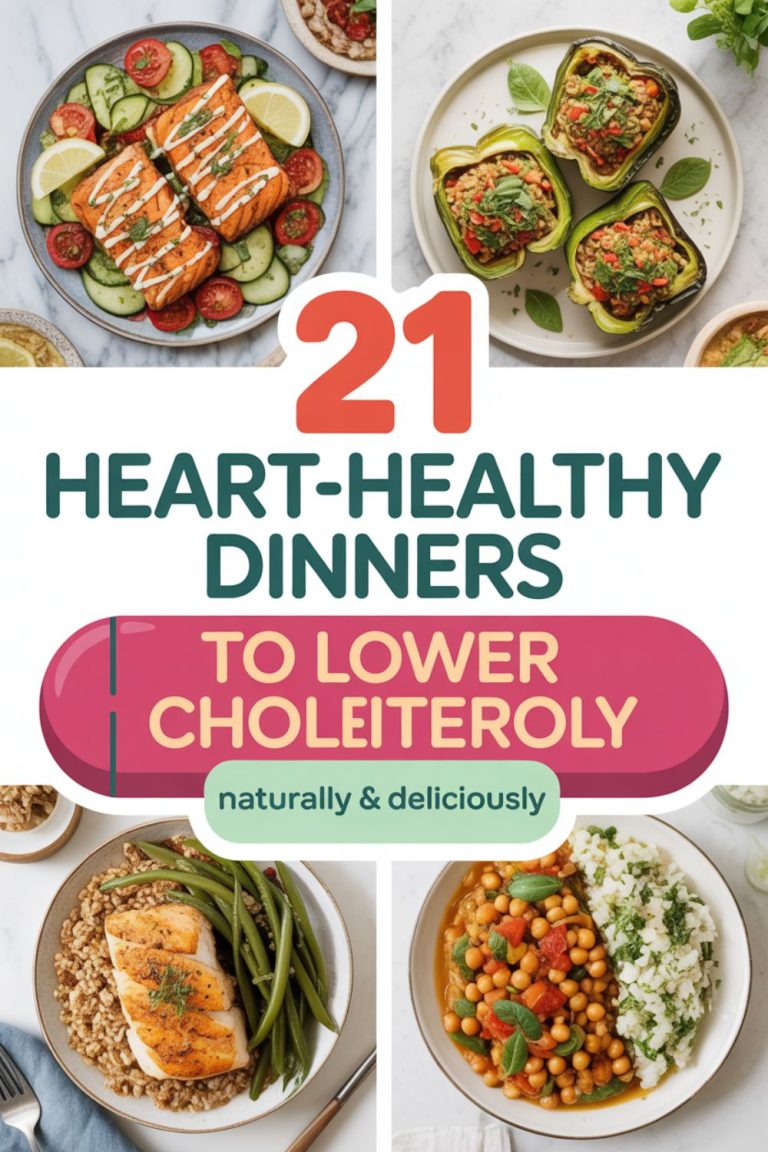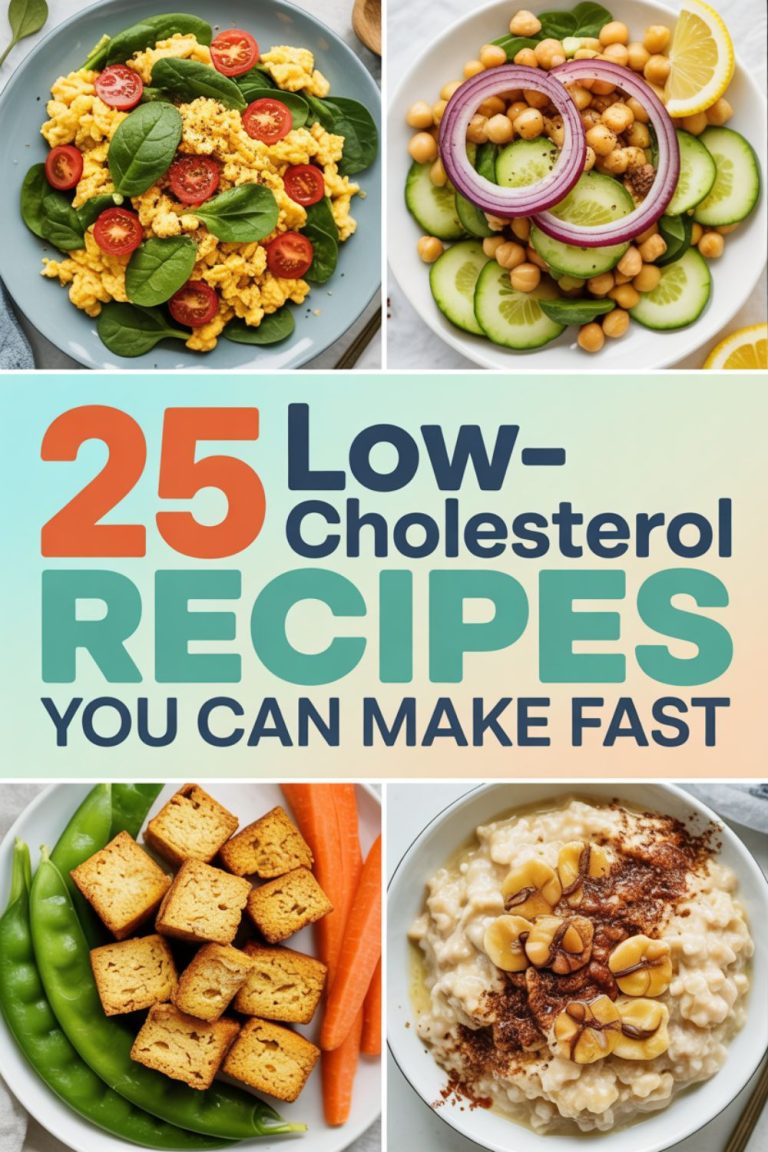

21 Easy Low-Cholesterol Recipes for Everyday Cooking
Look, I get it. You heard “low-cholesterol” and immediately thought bland chicken breast and steamed broccoli for the rest of your natural life. But here’s the thing—eating for heart health doesn’t mean sentencing your taste buds to solitary confinement. I’ve been down this road myself, and after plenty of trial and error (and a few culinary disasters), I’ve figured out how to make low-cholesterol cooking actually enjoyable.
The recipes I’m sharing today aren’t some complicated chef-level creations that require seventeen specialty ingredients. These are real, everyday meals that you can whip up on a Tuesday night without losing your mind. We’re talking breakfast scrambles, hearty salads, comforting soups, and yes, even desserts that won’t send your cholesterol numbers through the roof.
Whether you’re managing your cholesterol levels on doctor’s orders or just trying to eat a bit healthier, these 21 recipes will become your new go-tos. They’re simple, they’re satisfying, and most importantly, they don’t taste like cardboard. Ready to dig in?

Why Low-Cholesterol Cooking Matters (Without Getting Too Preachy)
Before we jump into the recipes, let’s talk about why this matters. High cholesterol is sneaky—you can’t feel it, you can’t see it, but it’s quietly doing damage to your arteries. According to the CDC, nearly 94 million American adults have cholesterol levels above the recommended range. That’s a lot of people walking around with a ticking time bomb.
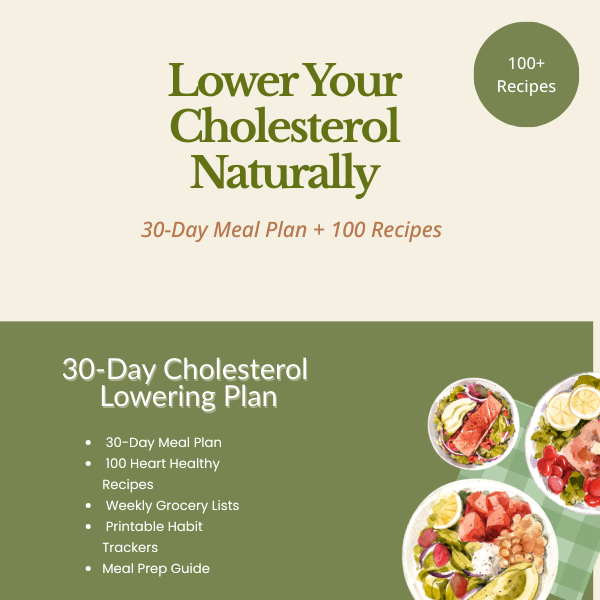
30-Day Cholesterol Reset System
A simple done-for-you plan to help you eat heart-healthy every day without confusion.
Over 1,000 people downloaded this guide
✔ 100 Easy Recipes
✔ Grocery Lists + Meal Prep Guide
🎁 FREE BONUSES:
✔ 7-Day Quick Start Plan
✔ Printable Grocery List
$29 $9
Get Instant AccessThe good news? Food is powerful medicine. By choosing the right ingredients and cooking methods, you can make a real difference in your cholesterol levels. I’m not talking about extreme measures here—just smart swaps and better choices that add up over time.
The key players in low-cholesterol eating are soluble fiber, healthy fats, and plant-based proteins. Think oats, beans, nuts, olive oil, and loads of colorful vegetables. These ingredients don’t just avoid raising your cholesterol—they actively help lower it. Pretty cool, right?
Breakfast Recipes That Don’t Feel Like Punishment
1. Berry-Packed Overnight Oats
Let’s start with the easiest breakfast you’ll ever make. Overnight oats are my absolute lifesaver on busy mornings. Just mix old-fashioned oats with almond milk, chia seeds, a touch of maple syrup, and whatever berries you have lying around. Throw it in the fridge before bed, and boom—breakfast is ready when you wake up.
The soluble fiber in oats is clinically proven to reduce LDL cholesterol (that’s the bad kind, FYI). Add berries for antioxidants and chia seeds for omega-3s, and you’ve got yourself a powerhouse breakfast. I like using these glass mason jars for meal prepping—they’re the perfect size and you can grab one on your way out the door.
Want more morning inspiration? Check out these low-cholesterol breakfast ideas or try this smoothie bowl collection for something a bit more Instagram-worthy.
2. Veggie-Loaded Scrambled Egg Whites
I know, I know—egg whites sound boring. But hear me out. When you load them up with sautéed bell peppers, spinach, mushrooms, and tomatoes, they’re actually delicious. The trick is not overcooking them. Keep the heat medium-low and stir constantly. You want them creamy, not rubbery.
If you’re missing the richness of whole eggs, add a tablespoon of nutritional yeast. It gives you that cheesy, savory flavor without any cholesterol. I use this nonstick ceramic pan exclusively for eggs—nothing sticks, and cleanup is a breeze.
3. Whole Grain Avocado Toast with a Twist
Yeah, avocado toast is everywhere, but there’s a reason it’s become a classic. Avocados are loaded with monounsaturated fats that actually help lower bad cholesterol while raising good cholesterol. Pretty neat how that works.
My twist? I add microgreens, hemp seeds, and a drizzle of balsamic glaze. The hemp seeds give you extra protein and omega-3s without any fishy taste. Toast your bread until it’s properly crispy—nobody wants soggy toast. Get Full Recipe
🎯 Struggling to Plan Low-Cholesterol Meals Every Week?
Look, I get it. Finding new heart-healthy recipes that don’t taste like cardboard is exhausting. That’s exactly why I put together the “30-Day Low-Cholesterol Meal Plan & Recipe Collection” — a complete digital cookbook designed specifically for people who want to lower their cholesterol without giving up flavor.
Here’s what you get:
- 90+ tested low-cholesterol recipes (breakfast, lunch, dinner, snacks)
- 4 weekly meal plans with shopping lists included
- Cholesterol-lowering food swaps guide
- Meal prep shortcuts that save hours every week
- Printable grocery lists organized by store section
No more staring at your fridge wondering what to cook. No more eating the same boring meals on repeat. Just real food that actually helps lower your numbers.
Get the Complete Recipe CollectionLight Lunches That Keep You Full
4. Mediterranean Chickpea Salad
This is my go-to when I need something quick, filling, and actually tasty. Toss chickpeas with cucumber, cherry tomatoes, red onion, Kalamata olives, and a simple lemon-olive oil dressing. The chickpeas bring plant-based protein and fiber, while the olive oil provides those heart-healthy fats.
I make a huge batch on meal prep day and eat it all week. It actually gets better as it sits because the flavors meld together. Store it in these glass containers to keep everything fresh. Get Full Recipe
Looking for more quick lunch options? These low-cholesterol lunches and these 10-minute lunches are total game-changers when you’re short on time.
5. Asian-Inspired Edamame Bowl
If you haven’t jumped on the grain bowl bandwagon yet, what are you waiting for? This one features brown rice, edamame, shredded carrots, purple cabbage, and a ginger-tahini dressing that’ll knock your socks off. Edamame is a complete protein, meaning it has all nine essential amino acids your body needs.
The tahini in the dressing (made from ground sesame seeds) is another cholesterol-lowering superstar. Research from the American Heart Association shows that replacing saturated fats with polyunsaturated fats like those in sesame seeds can significantly improve cholesterol levels.
6. Turkey and Hummus Wrap
Sometimes you just need something you can eat with one hand while doing seventeen other things. This wrap delivers. Use a whole wheat tortilla, spread hummus generously, add sliced turkey breast, lettuce, tomato, and cucumber. Roll it up tight, and you’re good to go.
The combo of lean protein from turkey and fiber from the whole wheat and hummus keeps you satisfied for hours. I like warming the tortilla for 10 seconds in the microwave first—makes it more pliable and less likely to crack. If you want to mix things up, check out these low-cholesterol chicken recipes for more protein-packed meal ideas.
Dinner Winners That Please the Whole Family
7. Lemon Herb Baked Salmon
Salmon is basically a miracle food for your heart. It’s packed with omega-3 fatty acids that reduce inflammation and lower triglycerides. This recipe is stupid simple—season salmon fillets with lemon, dill, garlic, and a touch of olive oil. Bake at 400°F for 12-15 minutes. Done.
The key to perfect salmon is not overcooking it. When it flakes easily with a fork but still looks slightly translucent in the center, pull it out. It’ll continue cooking from residual heat. I line my baking sheet with parchment paper for easy cleanup—life’s too short for scrubbing pans. Get Full Recipe
📊 Track Your Progress & Actually See Results
You know what’s frustrating? Eating better but having no clue if it’s actually working. I used to guess whether my food choices were helping until I started using “MyHeartHealth Tracker” — a simple app that tracks your cholesterol-friendly meals, monitors your numbers, and shows you exactly what’s working.
What makes it different:
- Log meals in seconds with the food scanner
- Automatic cholesterol content calculator for every meal
- Visual charts showing your progress over time
- Smart reminders for medication and lab appointments
- Celebrates your wins (because lowering cholesterol is hard work!)
Honestly, seeing my numbers improve week by week kept me motivated when I wanted to quit. It’s like having a nutritionist in your pocket, minus the $200/hour fee.
Start Tracking Your Heart Health8. One-Pan Roasted Chicken and Vegetables
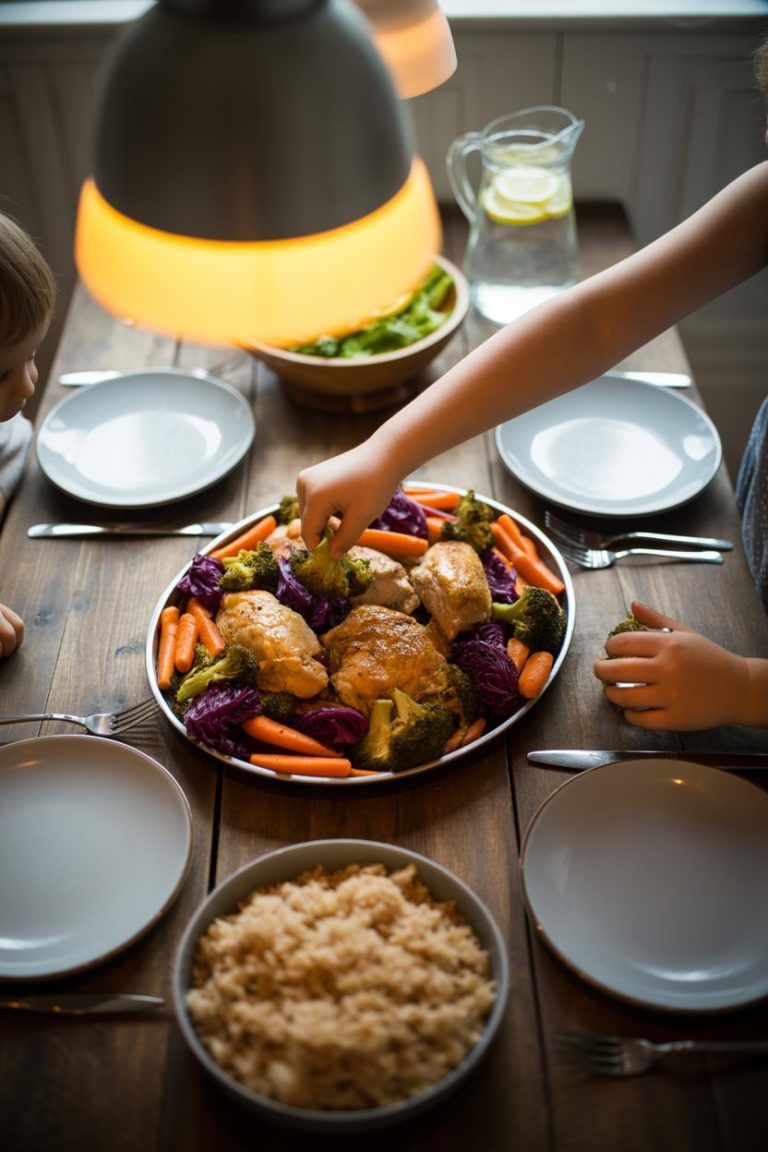
Ever wonder why one-pan dinners became such a thing? Because they’re brilliant, that’s why. Toss chicken breast (skinless, please) with broccoli, bell peppers, red onion, and baby potatoes. Drizzle with olive oil, season with Italian herbs, and roast everything together.
Roasting vegetables brings out their natural sweetness, which means you don’t need butter or heavy sauces to make them taste good. The chicken stays moist, the veggies get slightly caramelized, and you only dirty one pan. Win-win-win.
For more easy dinner inspiration, definitely check out these one-pan dinners and these low-cholesterol dinners that are on repeat at my house.
9. Black Bean and Sweet Potato Tacos
Who says tacos can’t be heart-healthy? These vegetarian tacos prove otherwise. Roast cubed sweet potatoes until they’re crispy on the outside, warm up black beans with cumin and chili powder, and pile everything into corn tortillas. Top with avocado, cilantro, and a squeeze of lime.
The combination of beans and sweet potatoes gives you a complete protein plus tons of fiber. Plus, they’re so flavorful that even the pickiest eaters won’t realize they’re eating healthy. IMO, these are better than traditional meat tacos. Fight me. Get Full Recipe
10. Whole Wheat Pasta Primavera
Pasta doesn’t have to be off the table when you’re watching your cholesterol. The trick is using whole wheat pasta and loading up on vegetables. I’m talking zucchini, cherry tomatoes, asparagus, peas—whatever’s in season. Toss everything with garlic, olive oil, fresh basil, and a squeeze of lemon.
The whole wheat pasta provides more fiber than regular pasta, which helps with cholesterol management. Plus, all those colorful veggies bring antioxidants and nutrients that support overall heart health. I use this pasta pot with a built-in strainer because I’m lazy and hate dragging out the colander.
Soups and Stews That Warm You Up
11. Lentil Vegetable Soup
This soup is my secret weapon for meal prep. One big pot lasts me days, and it actually gets better over time. Lentils are phenomenal for cholesterol—they’re packed with soluble fiber that literally binds to cholesterol in your digestive system and helps remove it from your body.
Throw in carrots, celery, tomatoes, spinach, and whatever other veggies need using up. Season with cumin, paprika, and a bay leaf. Let it simmer until the lentils are tender. That’s it. This soup is so hearty and satisfying, you won’t miss the meat at all.
For more soul-warming options, try these low-cholesterol soups and stews or these heart-healthy soups that are perfect for batch cooking.
12. Chicken and White Bean Chili
Chili doesn’t always have to be beef-heavy and greasy. This lighter version uses ground chicken breast and white beans, but it’s just as satisfying as the traditional stuff. The beans bring fiber, the chicken brings lean protein, and the spices bring all the flavor.
I like topping mine with diced avocado and a dollop of Greek yogurt instead of sour cream. The Greek yogurt gives you that creamy tanginess with way less saturated fat. Make a double batch and freeze half for those nights when cooking feels impossible. Get Full Recipe
The Heart-Healthy Supplement That Actually Works
Look, I’m not big on supplements. Most are overhyped garbage. But omega-3s? They’re legit backed by decades of research. The problem is most fish oil supplements are rancid, taste awful, or don’t contain enough of the good stuff (EPA and DHA).
Why this one’s different:
- 2,000mg of EPA + DHA per serving (most brands give you maybe 300mg and call it a day)
- Molecularly distilled to remove mercury and toxins
- No fishy burps (seriously, the lemon flavor actually works)
- Third-party tested for purity and potency
- Shown to reduce triglycerides by up to 30% in clinical studies
I started taking these after my doctor suggested it, and my triglycerides dropped 40 points in three months. Combine it with these recipes, and you’re giving your heart the best possible support.
Check Current Price on Amazon13. Minestrone with Extra Veggies
Minestrone is one of those soups that’s impossible to mess up. Start with a base of onion, garlic, celery, and carrots. Add whatever vegetables you have—zucchini, green beans, spinach, tomatoes. Throw in some kidney beans and a bit of whole wheat pasta. Simmer in vegetable broth.
The beauty of this soup is its versatility. Running low on groceries? Raid your fridge and throw in whatever needs using. The combination of vegetables and beans makes this incredibly filling without any meat. Plus, it’s cheap as hell to make.
Snacks That Actually Satisfy
14. Roasted Chickpeas Three Ways
If you’re still buying processed snacks, let me introduce you to roasted chickpeas. Drain and rinse a can of chickpeas, pat them dry (this is crucial), toss with a tiny bit of olive oil and your seasonings of choice. Roast at 400°F for 25-30 minutes, shaking the pan halfway through.
Try these flavor combos: (1) smoked paprika and garlic powder for a BBQ vibe, (2) cinnamon and a touch of maple syrup for something sweet, or (3) curry powder and cumin for an Indian-inspired snack. They’re crunchy, satisfying, and packed with protein and fiber. Store them in an airtight container, though they never last long at my house.
Want more healthy snacking options? These low-cholesterol snacks will keep you satisfied between meals without derailing your health goals.
15. Apple Slices with Almond Butter
Sometimes the simplest snacks are the best. Slice up an apple (I’m partial to Honeycrisp, but any crisp variety works) and pair it with almond butter. The apple brings fiber and natural sweetness, while the almond butter provides healthy fats and protein that keep you full.
Research shows that eating nuts regularly can lower LDL cholesterol levels by up to 5%. Just watch your portions—almond butter is calorie-dense. I use this 2-tablespoon cookie scoop to keep my serving sizes honest. Nobody has time for measuring spoons.
The Cholesterol-Blocking Secret Weapon
Here’s something wild: plant sterols are molecularly similar to cholesterol, so they literally compete for absorption in your gut. Translation? Less cholesterol gets into your bloodstream. The FDA even allows products with plant sterols to claim they reduce heart disease risk—that’s how solid the science is.
What makes CholestOff worth it:
- 900mg of plant sterols per serving (the clinically effective dose)
- Reduces LDL cholesterol by an average of 9% in 4 weeks
- Works alongside your current diet and medications
- No side effects (unlike some prescription options)
- Soft gels that are easy to swallow
My doctor actually recommended this before considering statins. I take it with dinner every night—easy to remember, and it’s made a noticeable difference. Combined with eating right, this gives you a serious one-two punch against high cholesterol.
Get CholestOff on Amazon16. Hummus and Veggie Sticks
Another stupid-simple snack that delivers. Cut up carrots, celery, bell peppers, and cucumber. Pair with your favorite hummus. The veggies are basically crunchy water (in the best way), and the hummus brings protein and healthy fats from tahini and olive oil.
You can make your own hummus in about 5 minutes with a food processor, or just buy it. No judgment here. I keep these small containers of hummus and pre-cut veggies in my fridge for grab-and-go snacking. Life-changing for busy days.
🗓️ Stop Winging It — Plan Your Low-Cholesterol Meals Like a Pro
Real talk: I wasted so much money on groceries I never used before I started meal planning properly. The “Heart-Healthy Weekly Meal Planner System” changed everything. It’s a digital planner specifically designed for people managing cholesterol through diet.
This isn’t just another boring spreadsheet:
- Drag-and-drop meal planning interface (seriously easy to use)
- Auto-generated shopping lists based on your meal plan
- 300+ pre-loaded low-cholesterol recipes to choose from
- Nutrition calculator that tracks fiber, healthy fats, and cholesterol
- Leftover tracker so nothing goes to waste
- Works on phone, tablet, or computer
Spend 20 minutes planning on Sunday, and you’ll save hours of stress during the week. Plus, you’ll actually use what you buy instead of throwing away wilted vegetables every Friday.
Get Your Meal Planning SystemSalads That Don’t Suck
17. Quinoa Power Salad
This isn’t your sad desk lunch salad. This is the kind of salad that leaves you satisfied and energized. Start with cooked quinoa as your base (a complete protein with all nine essential amino acids). Add cherry tomatoes, cucumber, red onion, chickpeas, and feta cheese—just a little, for flavor.
Dress it with lemon juice, olive oil, fresh mint, and parsley. The quinoa provides both protein and fiber, which is a rare combo in the grain world. This salad is substantial enough to be a full meal, but you can also serve it as a side. Get Full Recipe
If you’re looking to up your salad game, these salads that don’t feel like diet food and these restaurant-quality salads will make you actually crave vegetables.
18. Kale Caesar (Hold the Traditional Dressing)
Before you click away—this isn’t some horrible healthy impostor. The dressing is made with Greek yogurt, lemon, Dijon mustard, garlic, and anchovy paste (trust me on this). It’s tangy, creamy, and way better for you than the traditional mayo-based version.
Massage your kale first. Sounds weird, but it breaks down the tough fibers and makes it way more pleasant to eat. Add whole wheat croutons (baked, not fried) and shaved Parmesan. The Greek yogurt dressing gives you protein and probiotics without all the saturated fat of traditional Caesar.
19. Thai Peanut Noodle Salad
This salad is basically a party in a bowl. Whole wheat spaghetti, shredded cabbage, carrots, edamame, cilantro, and crushed peanuts, all tossed in a peanut-lime dressing. It’s sweet, tangy, spicy, and addictive.
The peanut butter in the dressing provides healthy fats and protein, while the vegetables add crunch and nutrients. This works hot or cold, which makes it perfect for meal prep. Just keep the dressing separate until you’re ready to eat, or everything gets soggy. Learn from my mistakes.
Guilt-Free Desserts
20. Banana Nice Cream
This is the dessert that makes people question whether you’re lying about it being healthy. Freeze ripe bananas, then blend them until smooth and creamy. That’s it. No added sugar, no cream, just frozen bananas turning into something that tastes suspiciously like ice cream.
Add cocoa powder for chocolate, or peanut butter for a Reese’s vibe, or mixed berries for a fruity version. The natural sweetness comes from the bananas, and you get fiber and potassium as a bonus. I use this high-speed blender because regular blenders struggle with frozen fruit. Worth every penny.
Craving more sweet treats? Check out these guilt-free low-cholesterol desserts that won’t sabotage your health goals.
21. Dark Chocolate and Almond Energy Bites
These little guys are perfect when you need something sweet but don’t want to go full dessert mode. Mix together oats, almond butter, honey, dark chocolate chips (at least 70% cacao), and a pinch of sea salt. Roll into balls, chill, and store in the fridge.
Dark chocolate (the real stuff, not milk chocolate) contains flavonoids that can actually improve cholesterol levels according to research published in the Journal of Nutrition. Each bite gives you a hit of sweetness plus protein and fiber to keep you satisfied. Get Full Recipe
Making It Work in Real Life
Here’s the truth nobody tells you: eating low-cholesterol isn’t about perfection. It’s about making better choices most of the time. Some days you’ll nail it with a quinoa power salad and salmon. Other days you’ll eat leftover pizza. Both are fine.
The recipes I’ve shared are designed to be realistic and sustainable. They don’t require weird ingredients or hours of prep work. Most can be made with stuff you probably already have in your pantry. And they’re flexible—don’t have chickpeas? Use black beans. Hate kale? Use spinach. Cooking should be adaptable, not rigid.
If you’re serious about meal planning, these meal prep ideas and these freezer meals will make your life exponentially easier. Spend a few hours on Sunday, and you’re set for the week.
Foods That Actually Lower Cholesterol
While we’re on the subject, let’s talk about the MVPs of cholesterol-lowering foods. These are the ingredients you want to keep stocked in your kitchen:
- Oats and barley: Loaded with beta-glucan, a type of soluble fiber that binds to cholesterol
- Beans and lentils: Cheap, versatile, and packed with fiber that lowers LDL cholesterol
- Nuts: Almonds, walnuts, and pistachios all improve cholesterol levels when eaten regularly
- Fatty fish: Salmon, mackerel, and sardines provide omega-3s that reduce inflammation
- Avocados: Rich in monounsaturated fats that raise good cholesterol while lowering bad
- Olive oil: Extra virgin olive oil is a heart health superstar—use it liberally
- Berries: Blueberries, strawberries, and raspberries are antioxidant powerhouses
- Dark leafy greens: Spinach, kale, and Swiss chard provide lutein that protects arteries
For a comprehensive guide, check out this list of foods that naturally lower cholesterol and these heart-strengthening foods to build your grocery list around.
Track Your Heart Health in Real Time
Diet is huge for managing cholesterol, but exercise is the other half of the equation. Cardio activity raises your HDL (good cholesterol) while lowering LDL and triglycerides. But here’s the thing—you need to exercise at the right intensity for it to work. That’s where a solid fitness tracker comes in.
Why the Fitbit Charge 6 is perfect for heart health:
- Continuous heart rate monitoring so you can hit your target zone
- Built-in GPS for tracking walks, runs, and bike rides
- Stress management score (high stress raises cortisol, which affects cholesterol)
- Sleep tracking (poor sleep is linked to higher cholesterol)
- 7-day battery life—actually usable without constant charging
- Works with Google Maps and YouTube Music
I started wearing mine religiously after my cholesterol diagnosis. Seeing my resting heart rate drop from 78 to 62 over six months was incredibly motivating. Plus, the daily reminders to move actually work—I hit 10,000 steps way more often now.
Check Price & ReviewsKitchen Tools That Make Everything Easier
You don’t need a fully stocked Williams Sonoma kitchen to eat well, but a few key tools really do make life easier. Here’s what I actually use regularly:
A good chef’s knife is non-negotiable. Dull knives are dangerous and make prep work miserable. Get one quality knife and keep it sharp. You’ll use it for literally everything.
Invest in quality glass storage containers that don’t stain or smell like last week’s curry. They’re better for the environment than plastic, and they make meal prep so much easier.
A food processor is worth its weight in gold. Hummus, pesto, energy bites, chopped vegetables—it does everything faster than you can manually. I resisted getting one for years and now wonder how I lived without it.
If you’re constantly roasting vegetables (which you should be), get rimmed baking sheets that don’t warp in the oven. Cheap ones bend and make everything slide to one side. Not fun.
Frequently Asked Questions
Can I really lower my cholesterol just by changing what I eat?
Absolutely. Dietary changes can reduce LDL cholesterol by 10-15% or even more in some cases. The key is consistency—you can’t eat well for a week and expect miracles. But stick with it for a few months, and you’ll likely see real improvements in your numbers. Combine smart eating with regular exercise, and the results are even better.
Are eggs really off-limits if I have high cholesterol?
Not necessarily. While egg yolks do contain dietary cholesterol, recent research shows they don’t affect blood cholesterol as much as previously thought for most people. The bigger culprits are saturated and trans fats. That said, if your doctor has specifically told you to limit eggs, listen to them. But for most people, a few eggs per week is totally fine, especially if you’re eating them with vegetables instead of bacon and buttered toast.
How long does it take to see results from eating low-cholesterol foods?
You can typically see changes in your cholesterol levels within 4-6 weeks of consistently eating a heart-healthy diet. Some people see results even faster, while others take a bit longer. It depends on your starting numbers, genetics, and how strictly you follow the dietary changes. Don’t get discouraged if it takes a few months—you’re building lifelong habits, not looking for a quick fix.
Is it expensive to eat low-cholesterol meals?
It doesn’t have to be. Sure, if you’re buying only organic ingredients and fancy superfoods, it’ll cost more. But the basics—beans, lentils, oats, frozen vegetables, seasonal produce—are actually really affordable. Often cheaper than meat-heavy meals. Buy in bulk when you can, shop sales, and don’t be afraid of frozen fruits and vegetables. They’re just as nutritious as fresh and way more budget-friendly.
Can I still eat out at restaurants while managing my cholesterol?
Of course you can—you just need to be a bit strategic. Look for grilled or baked options instead of fried. Choose dishes with lots of vegetables. Ask for dressings and sauces on the side so you can control how much you use. Most restaurants are happy to accommodate requests like leaving butter off your fish or swapping fries for a salad. Don’t stress about the occasional indulgence either—it’s what you do most of the time that matters, not what you do sometimes.
The Bottom Line
Managing your cholesterol through food isn’t about deprivation or eating things that taste like punishment. It’s about discovering new recipes, trying different ingredients, and finding meals that make you feel good—both while you’re eating them and afterward.
These 21 recipes are just the starting point. Once you get comfortable with the basic principles—lots of fiber, healthy fats, lean proteins, and tons of vegetables—you can start experimenting and adapting recipes to fit your preferences. Hate quinoa? Use brown rice. Not a fan of kale? Spinach works great. The beauty of this way of eating is its flexibility.
Start with one or two recipes that sound good to you. Don’t try to overhaul your entire diet overnight. Make a new recipe this week, see how you like it, and build from there. Before you know it, you’ll have a rotation of go-to meals that happen to be great for your heart health.
Your cholesterol levels don’t define you, but taking care of your heart? That’s worth the effort. And if you can do it while eating food you actually enjoy, even better. Now get in that kitchen and start cooking—your heart will thank you.
30-Day Cholesterol-Lowering Meal Plan
A simple step-by-step system to help you eat heart-healthy every day without stress.
Over 1,000 people downloaded this guide
$29$9
Get Instant Access