
25 Low-Cholesterol Sides That Go With Everything
Let’s be real—sides are where most of us completely abandon our good intentions. The main course might be grilled chicken or baked salmon, but then someone brings out the mac and cheese, the loaded mashed potatoes, or those crispy fried whatever-they-ares, and suddenly your “healthy meal” has gone completely sideways. Trust me, I’ve been there. But here’s the thing: low-cholesterol sides don’t have to taste like cardboard or look sad on your plate.
I spent years thinking heart-healthy eating meant steamed vegetables and plain brown rice forever. Spoiler alert: it doesn’t. After plenty of experimenting (and some truly questionable kitchen disasters), I’ve figured out how to make sides that actually excite me—and won’t send my cholesterol through the roof. Whether you’re cooking for yourself, trying to impress guests, or just tired of the same boring rotation, these 25 sides will change how you think about eating well.

Why Low-Cholesterol Sides Actually Matter
Before we dive into the good stuff, let’s talk about why this matters. High cholesterol isn’t just some abstract health concern your doctor mentions during checkups. It directly impacts your cardiovascular system, potentially leading to blocked arteries and serious heart complications. According to Mayo Clinic, eating patterns that emphasize plant-based foods and healthy fats can significantly reduce LDL cholesterol levels while supporting overall heart health.
The fascinating part? Your side dishes play a massive role in your daily cholesterol intake. Think about it—most traditional sides are loaded with butter, cream, cheese, and other saturated fats that spike your LDL (the bad cholesterol). But when you swap those out for fiber-rich, plant-based options, you’re not just avoiding the bad stuff. You’re actively eating foods that help lower cholesterol naturally. Research published in Circulation shows that soluble fiber found in many vegetables, legumes, and whole grains can reduce LDL cholesterol absorption in your bloodstream.
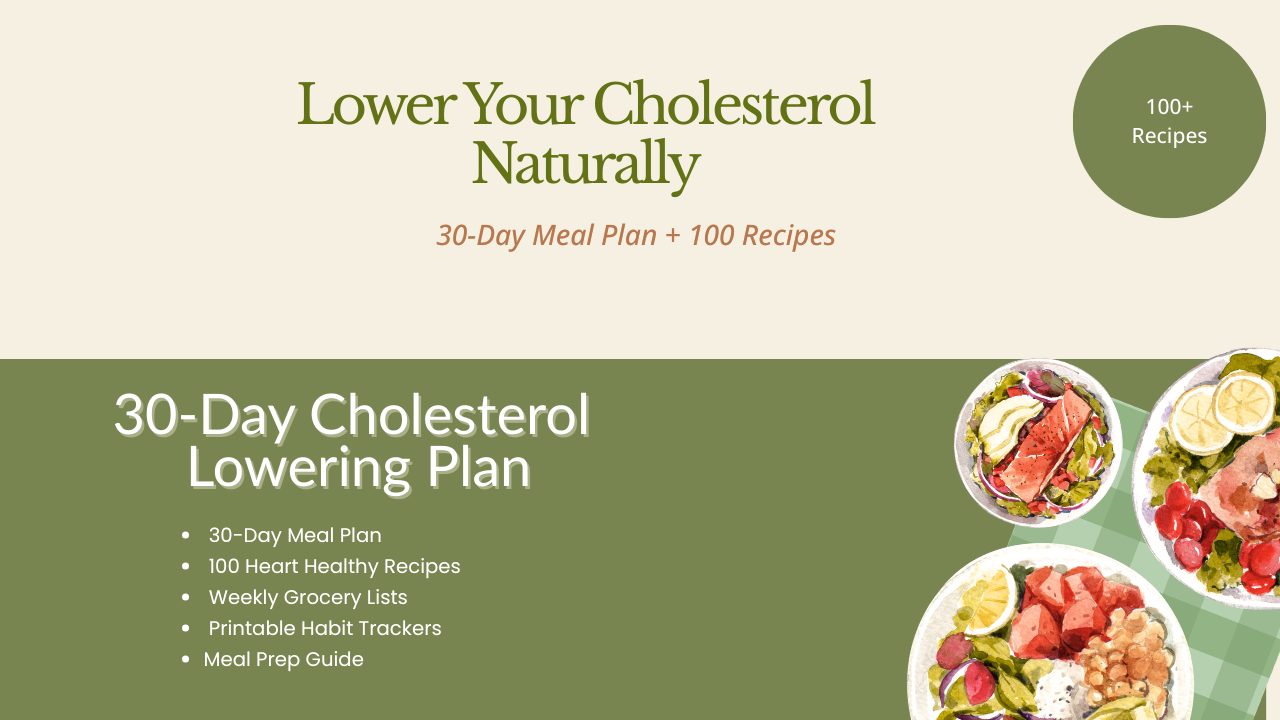
30-Day Cholesterol Reset System
A simple done-for-you plan to help you eat heart-healthy every day without confusion.
Over 1,000 people downloaded this guide
✔ 100 Easy Recipes
✔ Grocery Lists + Meal Prep Guide
🎁 FREE BONUSES:
✔ 7-Day Quick Start Plan
✔ Printable Grocery List
$29 $9
Get Instant AccessAnd honestly? Once you know what to look for, creating delicious low-cholesterol sides becomes second nature. You don’t need fancy ingredients or complicated techniques—just smart substitutions and a willingness to try something different.
Understanding Cholesterol-Friendly Ingredients
Not all ingredients are created equal when it comes to cholesterol management. Some actively help lower your levels, while others are just neutral players that won’t make things worse. The real MVPs in heart-healthy cooking are fiber-rich foods, unsaturated fats, and plant-based proteins.
Soluble fiber is your secret weapon. Found in oats, beans, lentils, and many fruits and vegetables, soluble fiber works by binding to cholesterol in your digestive system and helping your body eliminate it before it enters your bloodstream. Honestly, it’s pretty genius how nature designed this system. Foods like Brussels sprouts, sweet potatoes, and barley pack serious soluble fiber punch without tasting medicinal or boring.
Then there’s the fat situation. Saturated fats (butter, cream, fatty meats) raise your LDL cholesterol, while unsaturated fats (olive oil, avocados, nuts) can actually improve your cholesterol profile. I use extra virgin olive oil for pretty much everything now, and honestly, once you get used to it, butter starts tasting heavy and weird. Wild how your palate adjusts.
Whole grains deserve special mention too. Unlike refined grains that have been stripped of their beneficial components, whole grains like quinoa, farro, and brown rice maintain their fiber content and nutrient density. They keep you full longer, stabilize blood sugar, and contribute to better cholesterol levels overall. For anyone trying to figure out where to start with heart-healthy eating, check out these low-cholesterol meals that are actually delicious—seriously helpful for meal planning.
Speaking of planning ahead, if you’re looking for more complete meal inspiration, you might love these low-cholesterol meal prep ideas for the week or these low-cholesterol dinners you’ll want to make again. They’ve saved me on countless busy weeknights.
The Ultimate List: 25 Low-Cholesterol Sides
1. Roasted Brussels Sprouts with Balsamic Glaze
I used to be firmly anti-Brussels sprouts until I learned the secret: roast them until they’re crispy. Halve them, toss with olive oil and a pinch of salt, then roast at 425°F until the edges get dark and caramelized. Drizzle with balsamic glaze at the end. They’re crunchy, slightly sweet, and weirdly addictive. Get Full Recipe
2. Quinoa Tabbouleh
Traditional tabbouleh uses bulgur wheat, but quinoa brings extra protein and a fluffier texture. Load it up with fresh parsley, mint, tomatoes, cucumber, and loads of lemon juice. It’s bright, refreshing, and goes with literally everything from grilled chicken to fish. I make a huge batch on Sundays and eat it all week.
3. Garlic Roasted Cauliflower
Cauliflower gets a bad rap for being bland, but that’s because people keep steaming it into mush. Roast it with smashed garlic cloves, olive oil, and a little cumin until it’s golden and tender. You can make it spicy with red pepper flakes or keep it simple. Either way, it’s miles better than any creamy casserole. Get Full Recipe
4. Lemon-Herb Wild Rice Pilaf
Wild rice has this nutty, earthy flavor that pairs beautifully with fresh herbs and citrus. I cook mine in low-sodium vegetable broth instead of water for extra depth, then fold in fresh dill, parsley, and lemon zest. It looks fancy but takes maybe 10 minutes of actual hands-on time.
5. Spicy Roasted Chickpeas
These are dangerously good—crunchy, salty, spicy, and completely cholesterol-free. Drain and dry canned chickpeas thoroughly (moisture is the enemy here), toss with olive oil and your favorite spice blend, then roast until crispy. I use them as a side, a salad topper, or just snack on them straight from the pan. For more plant-based sides like this, the low-cholesterol vegetarian meals collection is pretty impressive.
6. Balsamic Glazed Carrots
Baby carrots roasted with balsamic vinegar and a touch of maple syrup hit that sweet-savory spot perfectly. The vinegar caramelizes and creates this glossy coating that makes them look way fancier than they are. They pair especially well with roasted meats or hearty grain bowls.
7. Mediterranean White Bean Salad
Cannellini beans mixed with cherry tomatoes, kalamata olives, red onion, and loads of fresh basil. Dress it simply with olive oil and red wine vinegar. It’s protein-packed, fiber-rich, and stays good in the fridge for days. Sometimes I throw in some jarred artichoke hearts because why not?
8. Sesame Garlic Green Beans
Steam or blanch fresh green beans until crisp-tender, then toss with minced garlic, a splash of rice vinegar, and toasted sesame seeds. The sesame adds a nutty richness without any cholesterol, and the garlic just makes everything better. Quick, easy, and nobody ever complains about eating their vegetables when they taste like this.
9. Sweet Potato Wedges with Rosemary
Cut sweet potatoes into wedges, toss with olive oil and fresh rosemary, then roast until crispy outside and fluffy inside. The natural sweetness of the potatoes gets intensified by roasting, and rosemary adds this earthy, aromatic quality. Way better than fries, and your heart will thank you. Get Full Recipe
10. Sautéed Kale with Garlic and Lemon
Kale might seem intimidating, but it’s actually super easy. Remove the tough stems, chop the leaves, then sauté with garlic in olive oil until wilted. Squeeze lemon juice over it at the end. The bitterness mellows out when cooked, and the lemon brightens everything up. If you’re into leafy greens, pair this with some of these low-cholesterol breakfast ideas for a nutrient-packed day.
By the way, if you’re looking for complete one-pan solutions that include great sides, these low-cholesterol one-pan dinners are absolute lifesavers on busy nights.
11. Farro Salad with Dried Cranberries and Walnuts
Farro has this chewy, satisfying texture that makes it feel more substantial than most grains. Toss cooked farro with dried cranberries, toasted walnuts (use a small dry skillet to toast them—game changer), fresh parsley, and a light vinaigrette. It’s hearty enough to be almost a meal on its own.
12. Grilled Zucchini with Mint
Slice zucchini lengthwise into planks, brush with olive oil, and grill until you get nice char marks. Top with fresh mint, a squeeze of lemon, and a sprinkle of sea salt. The mint adds unexpected freshness, and grilling brings out the zucchini’s natural sweetness. Super simple, super delicious.
13. Barley Mushroom “Risotto”
Not technically risotto since it uses barley instead of arborio rice, but it has that same creamy, comforting quality without any cream. Sauté mushrooms and onions, add barley, then slowly add vegetable broth while stirring. The barley releases starch naturally, creating a creamy texture. It takes patience but zero cholesterol.
14. Roasted Beet and Arugula Salad
Roast beets until tender (wrap them in foil first to keep your hands from turning purple), then slice and toss with peppery arugula, orange segments, and a citrus vinaigrette. The earthiness of beets with the brightness of citrus is chef’s kiss. Plus, beets are loaded with fiber and nutrients that support cardiovascular health.
15. Cilantro Lime Black Beans
Heat canned black beans with lime juice, fresh cilantro, cumin, and a bit of garlic. That’s it. They’re creamy, flavorful, and packed with soluble fiber. Serve them alongside grilled proteins or use them in tacos, burrito bowls, whatever. They’re that versatile. Get Full Recipe
16. Roasted Butternut Squash with Sage
Cube butternut squash (or buy it pre-cubed because life’s too short), toss with olive oil and fresh sage leaves, roast until caramelized. The natural sweetness of the squash pairs perfectly with earthy sage. I sometimes add a drizzle of pure maple syrup during the last 5 minutes for extra caramelization.
Ceramic Non-Stick Cooking Set
This is hands-down the best investment I’ve made for low-cholesterol cooking. Zero butter or oil needed for most dishes, completely non-toxic ceramic coating, and cleanup is ridiculously easy. I’ve tested dozens of pans, and these are the only ones where vegetables actually get crispy without sticking.
- Needs 80% less oil than regular pans
- Even heat distribution – no hot spots
- Dishwasher safe (actually stays non-stick)
17. Cucumber Tomato Salad with Dill
Chop cucumbers and tomatoes, toss with red onion, fresh dill, olive oil, and red wine vinegar. Let it sit for at least 15 minutes so the flavors can meld. It’s the perfect summer side that requires zero cooking and stays crisp and refreshing even in the heat.
18. Lentil and Vegetable Medley
Cook green or brown lentils (red lentils turn mushy, so avoid those here), then mix with sautéed bell peppers, zucchini, and tomatoes. Season with cumin, coriander, and a squeeze of lemon. Lentils are protein powerhouses and incredibly filling. For more lentil inspiration, check out these low-cholesterol soups and stews—perfect for cooler weather.
19. Grilled Asparagus with Lemon Zest
Snap off the woody ends of asparagus spears, brush with olive oil, and grill until tender with slight char marks. Finish with fresh lemon zest and flaky sea salt. The char adds smoky depth, and lemon keeps it bright. Spring asparagus is best, but honestly, it’s good year-round.
20. Mango Black Bean Salsa
Dice mango, mix with black beans, red bell pepper, red onion, cilantro, lime juice, and a pinch of jalapeño if you like heat. It’s sweet, savory, spicy, and completely addictive. Great as a side for grilled fish or chicken, or just scoop it up with baked tortilla chips. If you’re into snack-style sides, the low-cholesterol snacks collection has tons of similar ideas.
21. Herb-Roasted Baby Potatoes
Halve baby potatoes, toss with olive oil, rosemary, thyme, and garlic, then roast until golden and crispy. The skins get crunchy while the insides stay fluffy. They’re comfort food without the guilt, and they pair with pretty much anything you’re serving. Get Full Recipe
If you’re trying to keep things simple without sacrificing flavor, these lazy low-cholesterol meals include great side dish shortcuts that don’t compromise on taste.
22. Spinach Sautéed with Pine Nuts
Wilt fresh spinach in a pan with olive oil and garlic, then top with toasted pine nuts. The pine nuts add a buttery richness (even though there’s zero butter), and the whole thing comes together in under 5 minutes. Sometimes the simplest sides are the best ones.
23. Baked Acorn Squash with Cinnamon
Halve and seed acorn squash, brush the flesh with olive oil, sprinkle with cinnamon and a tiny bit of nutmeg, then bake until tender. It’s naturally sweet and feels almost dessert-like, but it’s completely cholesterol-free and loaded with fiber. Cozy fall vibes guaranteed.
24. Edamame with Sea Salt
Steam frozen edamame pods, toss with coarse sea salt, maybe a squeeze of lime if you’re feeling fancy. That’s it. They’re fun to eat, packed with plant-based protein, and kids actually like them too. Sometimes the easiest sides are the ones you’ll actually make repeatedly.
25. Pomegranate Quinoa Salad
Mix cooked quinoa with pomegranate seeds, chopped parsley, cucumber, and a lemon-olive oil dressing. The pomegranate adds little bursts of sweetness and a gorgeous pop of color. It looks impressive enough for guests but requires minimal effort. Perfect for when you want to seem like you really tried. For more creative sides that look fancy but aren’t, the low-cholesterol comfort foods collection has some clever updates on classics.
Building a Rotation That Works for You
Here’s what I’ve learned after years of trying to eat better: you need a solid rotation of maybe 5-7 sides that you can make on autopilot. Variety is great, but decision fatigue is real. Pick a handful from this list that genuinely sound good to you, master those, then branch out.
My personal go-tos are roasted Brussels sprouts (because I always have them in the fridge), quinoa tabbouleh (meal prep friendly), and sautéed greens (quick and always reliable). Those three alone can carry me through most weeks. Then I’ll throw in something more adventurous when I have time or energy.
Join Our WhatsApp Community!
Want daily low-cholesterol recipe ideas, meal prep tips, and heart-healthy cooking hacks delivered straight to your phone? Join our free WhatsApp community where we share exclusive recipes, answer your questions, and support each other on this journey.
Join WhatsApp Channel →The key is choosing sides with ingredients you actually keep stocked. There’s no point in bookmarking a recipe that requires specialty items you’ll never buy. Start with what’s practical for your kitchen, your schedule, and your actual eating habits. If you’re working with limited time, check out these heart-healthy meals under 400 calories—they include quick side suggestions that won’t blow your schedule or your calorie budget.
Batch cooking helps tremendously too. Double or triple your recipe when you’re already cooking, then reheat portions throughout the week. Most grain-based salads, roasted vegetables, and bean dishes actually taste better after sitting for a day because the flavors have time to develop. I use glass meal prep containers to keep everything organized in the fridge—makes it easy to grab what I need without thinking too hard about it.
Smart Swaps That Make a Difference
You don’t have to completely overhaul your cooking style to make heart-healthier sides. Sometimes it’s just about strategic substitutions that maintain flavor while cutting cholesterol. These small changes add up significantly over time.
Instead of butter, use olive oil or avocado oil. The flavor difference is minimal once you adjust, and the impact on your cholesterol levels is substantial. For creaminess in dishes, try mashed avocado, pureed white beans, or tahini instead of cream or sour cream. They provide similar texture with way better nutritional profiles.
Swap refined grains for whole grains whenever possible. White rice becomes brown rice or quinoa. Regular pasta becomes whole wheat or chickpea pasta. White bread crumbs? Try panko or crushed whole grain crackers instead. Your body processes these differently, and they provide fiber that actively helps lower cholesterol.
Kitchen Tool Spotlight: The Game-Changers
After testing dozens of kitchen tools for heart-healthy cooking, I’ve narrowed it down to the essentials that actually make a difference. From the best non-stick pans that need zero butter to the air fryer that changed my vegetable game—here’s what’s worth the investment.
See My Top Kitchen Tools for Low-Cholesterol Cooking →Season aggressively with herbs, spices, citrus, and vinegars instead of relying on butter, cheese, or salt for flavor. Fresh herbs especially are flavor bombs that cost pennies and add zero cholesterol. I keep basil, cilantro, and parsley around constantly. They transform boring vegetables into something you’d actually order at a restaurant.
When recipes call for cheese, try nutritional yeast instead. It has this savory, slightly cheesy flavor without any cholesterol. I sprinkle it on roasted vegetables, mix it into grain salads, even stir it into sauces. Not exactly the same as real cheese, but it scratches that umami itch. If you’re looking for complete meal ideas that use these smart swaps, these low-cholesterol high-protein meals demonstrate how satisfying clean eating can actually be.
Cooking Methods That Maximize Flavor
How you cook matters as much as what you cook. The right technique can turn boring vegetables into something crave-worthy without adding cholesterol.
Roasting is your best friend. High heat caramelizes natural sugars in vegetables, creating depth and complexity. I roast at 425°F for most vegetables—hot enough to get good browning but not so hot that things burn before cooking through. Spread everything in a single layer on a rimmed baking sheet so air can circulate. Crowding leads to steaming instead of roasting, and nobody wants sad, soggy vegetables.
Grilling adds smoky char that makes simple vegetables taste special. Zucchini, asparagus, bell peppers, even romaine lettuce—they all benefit from a few minutes over direct heat. Brush with olive oil first to prevent sticking, and don’t move them around too much. Let them sit so grill marks can develop.
The Ultimate Heart-Healthy Cooking eBook
100+ low-cholesterol recipes with nutrition info, cooking techniques, and ingredient swaps. Everything you need to master cholesterol-friendly cooking in one place.
Download Now ($19) →Sautéing works great for quick sides. Get your pan hot, add a small amount of oil, then add your vegetables. Keep things moving, cook just until tender-crisp. The key is high heat and speed—you want vegetables that still have texture and haven’t released all their moisture into the pan.
Steaming is underrated when done right. Steam vegetables just until they’re bright and barely tender, then immediately season or dress them. Plain steamed vegetables are depressing, but properly steamed vegetables dressed with lemon juice, olive oil, and herbs? That’s a totally different situation.
IMO, the single biggest mistake people make is overcooking vegetables. Mushy, gray-green vegetables aren’t appetizing to anyone. Cook just until tender, and they’ll actually taste good enough that you’ll want to eat them. Revolutionary concept, I know.
Making It Work When You’re Not Cooking From Scratch
Real talk: sometimes you’re ordering takeout or eating at someone else’s house or grabbing something quick. You can still make better choices without being weird about it.
When ordering out, look for sides like steamed or grilled vegetables, side salads with oil-based dressings, rice and beans, or baked sweet potatoes. Most restaurants have at least one decent option if you ask. Skip the loaded versions—no cheese sauce, no bacon bits, dressing on the side.
At potlucks or family dinners, bring one of your low-cholesterol sides so you know you’ll have at least one option. Nobody needs to know it’s “heart-healthy”—they’ll just think you’re contributing. Load your plate primarily with vegetables and whole grains, have small portions of higher-cholesterol items if you want them.
Frozen vegetables are completely valid and often more nutritious than fresh produce that’s been sitting around for a week. Keep a stash of frozen Brussels sprouts, broccoli, green beans, and mixed vegetables. You can roast them straight from frozen with olive oil and seasonings. No guilt, no problem. Check out these low-cholesterol lunches for more practical weekday meal ideas.
Pre-prepped ingredients like bagged salad greens, pre-cut vegetables, canned beans, and frozen cooked grains save massive amounts of time. Yes, they cost more, but if the alternative is ordering pizza because you’re too tired to cook, they’re worth every penny.
30-Day Cholesterol Reset Challenge
Step-by-step daily action plan with meals, shopping lists, and habit trackers. Join hundreds who’ve successfully lowered their cholesterol naturally in just one month.
Start Challenge ($27) →When to Indulge and How to Balance It
Let’s get one thing straight: eating low-cholesterol sides most of the time doesn’t mean never eating anything fun ever again. Deprivation doesn’t work long-term. What works is having most of your meals be heart-healthy while occasionally enjoying higher-cholesterol foods without guilt.
I follow something like the 80/20 rule—80% of the time, I’m making smart choices with my sides. That other 20%? If I’m at a special dinner or someone made their famous loaded potatoes, I have some. One meal or one day won’t wreck your cholesterol levels. It’s the consistent pattern over weeks and months that matters.
When you do indulge, balance it out. If lunch was heavier, make dinner lighter. Had a rich weekend? Focus on extra vegetables and whole grains during the week. Your body doesn’t reset at midnight—think about overall patterns rather than obsessing over individual meals.
The psychological freedom of knowing you can have occasional treats actually makes it easier to choose healthier options most of the time. FYI, the moment you tell yourself something is completely off-limits forever, that’s usually when you start craving it obsessively. Give yourself permission to be flexible, and you’ll probably find yourself naturally gravitating toward better choices anyway. If you’re looking for ways to satisfy cravings without derailing your progress, these low-cholesterol desserts prove you don’t have to give up sweetness.
Also worth mentioning: stress about eating perfectly can be just as harmful as eating poorly. Your mental health matters too. If obsessing over every ingredient is making you miserable, scale it back. Do what you can reasonably sustain, and don’t beat yourself up over the rest.
Meal Planning with These Sides in Mind
Planning makes everything easier. When you know what sides you’re making for the week, grocery shopping becomes straightforward, and you’re less likely to resort to less healthy options when you’re tired and hungry.
I typically plan 3-4 different sides for the week and rotate them with different main dishes. Monday might be roasted Brussels sprouts with chicken, Tuesday those same Brussels sprouts go into a grain bowl, Wednesday they’re a side for fish. Same side, different context, and it doesn’t feel repetitive.
Glass Meal Prep Container Set (21-Piece)
If you’re serious about making these sides ahead of time, you need proper storage. These glass containers have completely changed how I meal prep. They’re microwave-safe, oven-safe, leak-proof, and the portions are perfect for sides. I batch-cook on Sundays and everything stays fresh all week.
- Multiple sizes for different sides
- Snap-lock lids prevent spills (tested!)
- See-through so you know what’s what
- Actually lasts – mine are 2 years old
Consider texture and color when pairing sides with mains. If your protein is soft (like baked fish), pair it with something crunchy (roasted vegetables). If everything on the plate is brown and beige, add something bright (a citrusy salad or colorful roasted peppers). Visual variety actually makes food more satisfying—we eat with our eyes first.
Pantry Essentials: Stock These & Never Stress
The secret to consistent healthy eating? A well-stocked pantry. I’ve put together my complete guide to heart-healthy pantry staples—from the best olive oils and vinegars to shelf-stable proteins and whole grains. These are the exact products I keep on hand for easy, low-cholesterol meals.
Browse the Ultimate Heart-Healthy Pantry List →Think about cooking methods too. If you’re grilling your main dish, throw some vegetables on the grill at the same time. If you’re using the oven for protein, use that heat for roasted sides as well. Efficient cooking means less time in the kitchen and fewer dishes to clean.
Keep versatile ingredients stocked: olive oil, garlic, lemons, fresh herbs, canned beans, frozen vegetables, whole grains, and a variety of spices. With these basics, you can improvise decent sides even when you haven’t planned perfectly. Need complete meal inspiration? These low-cholesterol chicken recipes include great suggested pairings.
Final Thoughts: Making It Stick
The thing about low-cholesterol sides is that they’re not actually a sacrifice once you figure out what works for you. They’re just… food. Good food that happens to support your heart health instead of working against it.
Start small. Pick two or three sides from this list that sound genuinely appealing and master those. Get comfortable with the ingredients, the techniques, the flavors. Once those feel easy, branch out to new options. You’re building a sustainable way of eating, not following some temporary diet.
Remember that perfect is the enemy of good. Having roasted vegetables with a bit too much olive oil is still infinitely better than loaded mashed potatoes swimming in butter and cream. Making homemade sides 70% of the time and relying on shortcuts the other 30% is still way ahead of where most people are.
Pay attention to how you feel after eating these foods versus how you feel after heavier, cholesterol-rich sides. Your energy levels, digestion, and overall wellbeing provide immediate feedback that’s often more motivating than abstract health concerns. When you notice you sleep better, feel lighter, and have more consistent energy, that becomes its own reward.
Get Weekly Meal Plans in Your WhatsApp!
Struggling with what to cook each week? Our WhatsApp community gets exclusive weekly meal plans, grocery lists, and time-saving prep strategies. Plus, you’ll connect with others who are on the same heart-healthy journey. It’s free, helpful, and zero spam—promise.
Join the Community →And honestly? Once you get used to eating this way, rich, heavy sides start tasting… heavy. Your palate genuinely adjusts. What once seemed like deprivation becomes preference. It’s weird how that works, but it really does happen.
These 25 sides are just the beginning. Once you understand the principles—emphasize plants, use healthy fats, maximize flavor through technique—you can adapt almost any recipe to be more heart-friendly. You’ve got this.
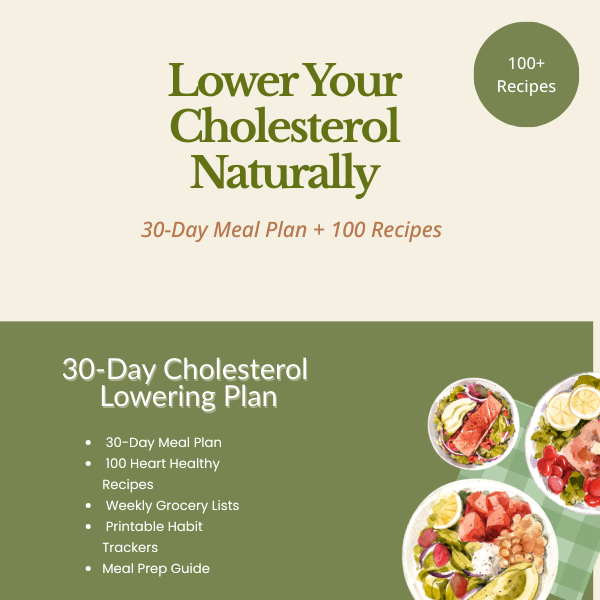
30-Day Cholesterol-Lowering Meal Plan
A simple step-by-step system to help you eat heart-healthy every day without stress.
Over 1,000 people downloaded this guide
$29$9
Get Instant Access