
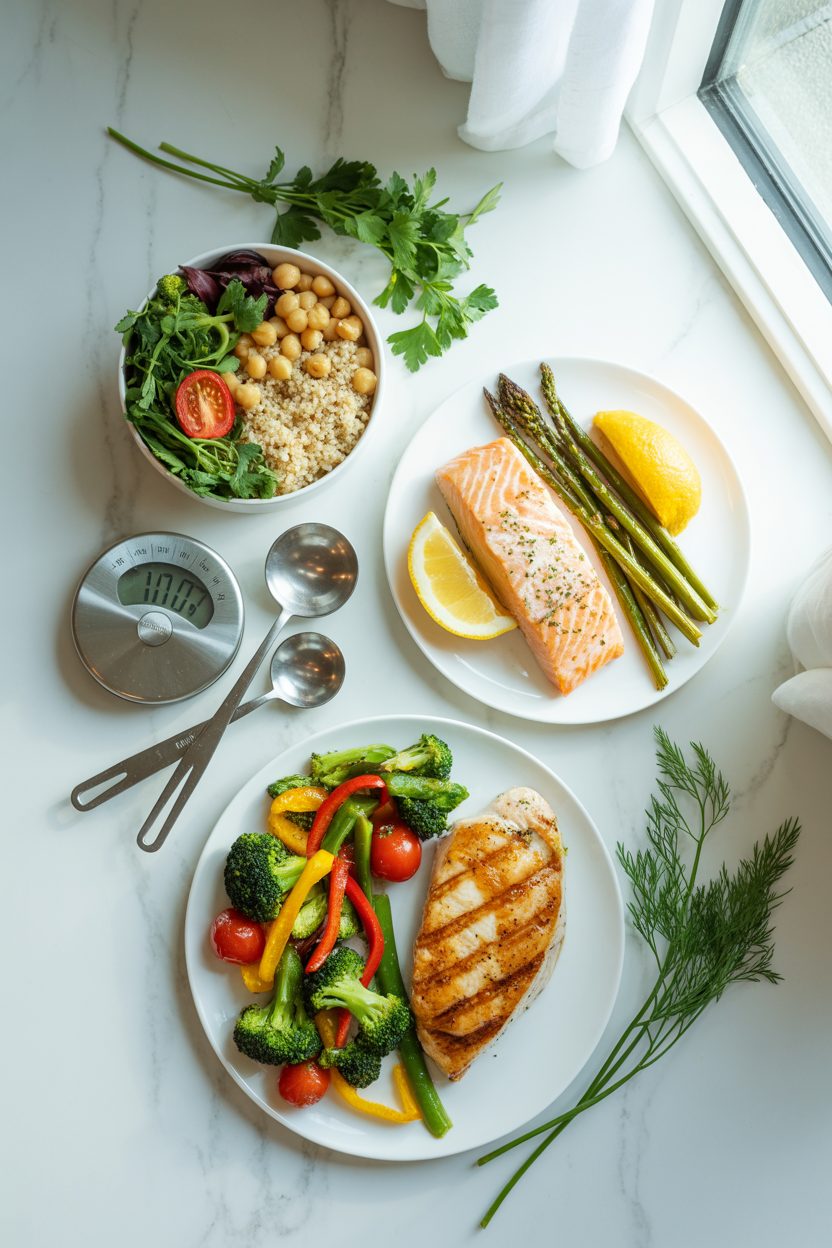
25 Heart-Healthy Meals Under 400 Calories
Calorie counting feels tedious until you realize it actually works. I spent months eating “healthy” foods without tracking portions, wondering why my weight wouldn’t budge and my cholesterol stayed elevated. Then I started weighing food and logging meals, and suddenly everything clicked. Turns out, even heart-healthy foods add up fast when you eat massive portions.
These 25 meals prove that staying under 400 calories doesn’t mean eating like a bird or surviving on lettuce. Each one packs enough protein, fiber, and flavor to keep you satisfied for hours. No sad desk lunches here—just real food that happens to support your cardiovascular health while keeping calories reasonable.
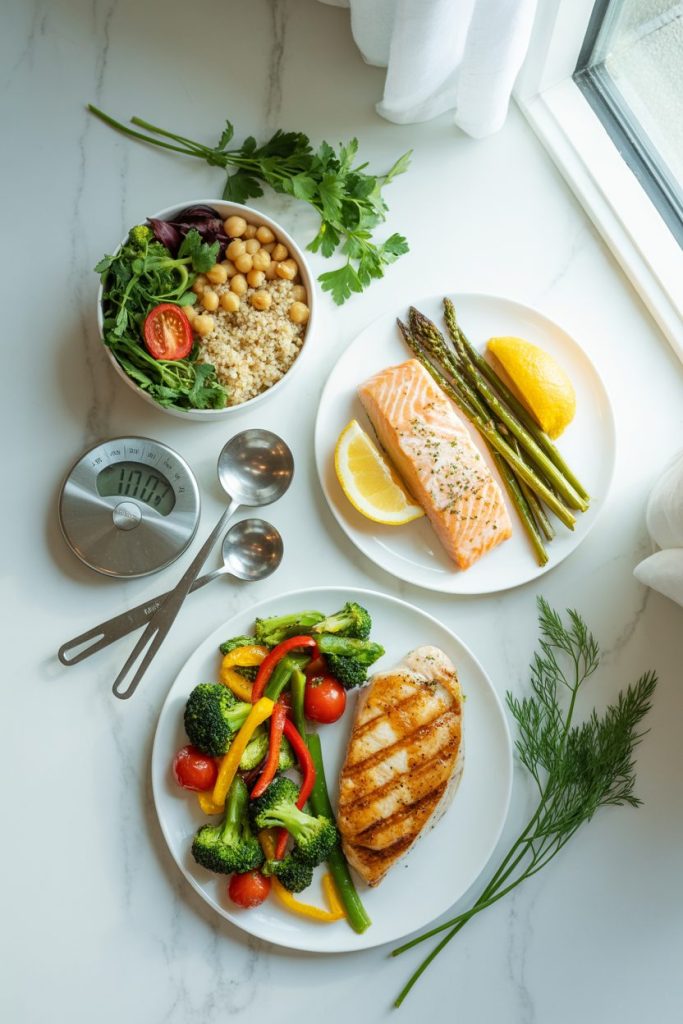
Why 400 Calories Matters
The magic number 400 comes from simple math. Most adults need 1,200-2,000 calories daily depending on size, activity level, and goals. The American Heart Association recommends balancing caloric intake with physical activity to maintain a healthy weight—crucial for heart health.
If you eat three 400-calorie meals plus a couple of snacks, you land around 1,400-1,600 calories. That creates enough deficit for gradual weight loss while providing adequate nutrition. Too few calories, and your metabolism slows down. Too many, and weight loss stalls. Four hundred calories per meal hits the sweet spot.
30-Day Cholesterol Reset System
A simple done-for-you plan to help you eat heart-healthy every day without confusion.
Over 1,000 people downloaded this guide
✔ 100 Easy Recipes
✔ Grocery Lists + Meal Prep Guide
🎁 FREE BONUSES:
✔ 7-Day Quick Start Plan
✔ Printable Grocery List
$29 $9
Get Instant AccessI learned this the hard way after trying extreme restriction. I’d eat 200-calorie “meals” then end up ravenous by 3 PM, binging on whatever I could grab. Four hundred calories provides enough substance to prevent that cycle. You finish eating and feel satisfied—not stuffed, not starving. Just pleasantly full.
The heart health angle matters too. Excess weight strains your cardiovascular system, raises blood pressure, and messes with cholesterol levels. Even losing 5-10% of your body weight significantly improves these markers. I dropped 15 pounds over four months eating meals like these, and my LDL cholesterol fell 35 points. My doctor actually high-fived me.
Breakfast Options That Fuel Your Morning
Veggie-Loaded Egg White Scramble
Three egg whites scrambled with spinach, mushrooms, bell peppers, and tomatoes clocks in around 180 calories. Add one slice of whole wheat toast (80 calories) and you’re at 260 calories. Top with salsa instead of butter—zero extra calories, tons of flavor.
Egg whites deliver protein without the cholesterol found in yolks. I know food blogs love to claim whole eggs are healthy now, but when you’re actively managing cholesterol, eliminating dietary cholesterol makes measurable impact. The vegetables add volume and fiber without many calories.
I meal prep this by cooking a big batch of vegetables on Sunday. Mornings, I just scramble eggs whites, toss in veggies, done. A nonstick skillet makes cleanup effortless—nothing sticks, minimal oil needed.
Greek Yogurt Power Bowl
One cup of non-fat Greek yogurt (130 calories) topped with half a cup of berries (40 calories), two tablespoons of low-fat granola (60 calories), and a drizzle of honey (60 calories) totals about 290 calories. The protein from yogurt keeps you full until lunch.
Greek yogurt contains probiotics that support gut health, which emerging research links to cardiovascular health. Choose plain yogurt and add your own sweetness—flavored varieties hide tons of added sugar. I buy large containers and portion it myself, saving money and controlling ingredients.
Oatmeal with Apple and Cinnamon
Half a cup of dry oats (150 calories) cooked in water with one diced apple (95 calories) and a teaspoon of cinnamon creates a filling breakfast around 245 calories. Add a tablespoon of chopped walnuts (50 calories) for healthy fats, bringing the total to 295 calories.
Oats contain beta-glucan, soluble fiber that actively lowers LDL cholesterol. Mayo Clinic’s heart-healthy eating guidelines specifically recommend whole grains like oats for their cholesterol-lowering properties. The apple adds natural sweetness and more fiber.
Veggie-Packed Smoothie
Blend one cup spinach, one frozen banana, half a cup frozen berries, one tablespoon ground flaxseed, and one cup unsweetened almond milk. This combo delivers about 220 calories with tons of nutrients. The frozen fruit makes it thick and creamy without ice cream.
I prep smoothie bags on Sundays—portion everything except the liquid into reusable silicone bags. Mornings, I dump the bag contents in my blender, add almond milk, blend. Breakfast in two minutes. The flaxseed provides omega-3s and fiber that support heart health.
If you’re looking for more ways to start your day right, these low-cholesterol breakfast ideas offer tons of variety beyond just the basics.
Avocado Toast with Tomato
One slice of whole grain bread (80 calories) topped with a quarter of a mashed avocado (60 calories) and sliced tomato creates a satisfying breakfast around 140 calories. Add everything bagel seasoning for flavor without calories. Pair with a piece of fruit (80 calories) for a 220-calorie meal.
The monounsaturated fats in avocado help improve cholesterol ratios. I buy avocados in bulk when they’re on sale, let them ripen, then refrigerate them. This extends their perfect-ripeness window from one day to almost a week.
Lunch Ideas That Keep You Full
Turkey and Veggie Wrap
A whole wheat tortilla (130 calories) filled with three ounces of sliced turkey breast (90 calories), lettuce, tomato, cucumber, and mustard totals about 240 calories. Add a small apple (80 calories) on the side for a 320-calorie lunch.
Turkey breast provides lean protein that keeps you satisfied without saturated fat. Skip the mayo—mustard delivers tang without fat or calories. I use a tortilla warmer that heats wraps perfectly in the microwave, making them pliable and delicious.
Hearty Lentil Soup
A cup and a half of lentil soup with vegetables comes in around 250 calories while packing serious protein and fiber. Lentils contain soluble fiber that binds to cholesterol, and the volume keeps you full. Pair with a small side salad (50 calories) for a 300-calorie lunch.
I make huge batches of lentil soup in my slow cooker on weekends. Portion it into containers, freeze half for later. Homemade beats canned for sodium control—most canned soups hide outrageous amounts of salt.
Grilled Chicken Salad
Four ounces of grilled chicken breast (185 calories) over mixed greens with cherry tomatoes, cucumber, and two tablespoons of balsamic vinaigrette (80 calories) creates a filling 300-calorie lunch. The protein and fiber combination prevents afternoon crashes.
Season chicken well before grilling—lemon juice, garlic, herbs. Bland chicken makes for sad salads. A grill pan works great when outdoor grilling isn’t practical. Those char marks add flavor you can’t get any other way.
Tuna Salad Lettuce Wraps
Mix one can of tuna in water (100 calories) with diced celery, onion, and plain Greek yogurt instead of mayo (30 calories). Wrap in large lettuce leaves and eat like tacos. Add cherry tomatoes on the side. Total: about 180 calories.
This ultra-low calorie lunch leaves room for snacks. The tuna provides omega-3 fatty acids and protein. Greek yogurt creates creaminess without the saturated fat found in mayonnaise. I keep several cans of tuna in my pantry for those days when I forgot to meal prep.
Veggie and Hummus Plate
Two tablespoons of hummus (70 calories) with two cups of raw vegetables—carrots, bell peppers, cucumber, cherry tomatoes (80 calories)—plus five whole grain crackers (60 calories) and a hard-boiled egg (70 calories) totals 280 calories. The variety prevents boredom.
This meal feels like grazing rather than sitting down to eat, which some people prefer for lunch. The chickpeas in hummus provide plant-based protein and fiber. I prep vegetables once weekly, storing them in glass containers with paper towels to absorb moisture and keep them crisp.
For more satisfying midday options that won’t derail your goals, check out these low-cholesterol lunches that prove healthy eating doesn’t mean deprivation.
Dinner Solutions Under 400 Calories
Baked Salmon with Roasted Broccoli
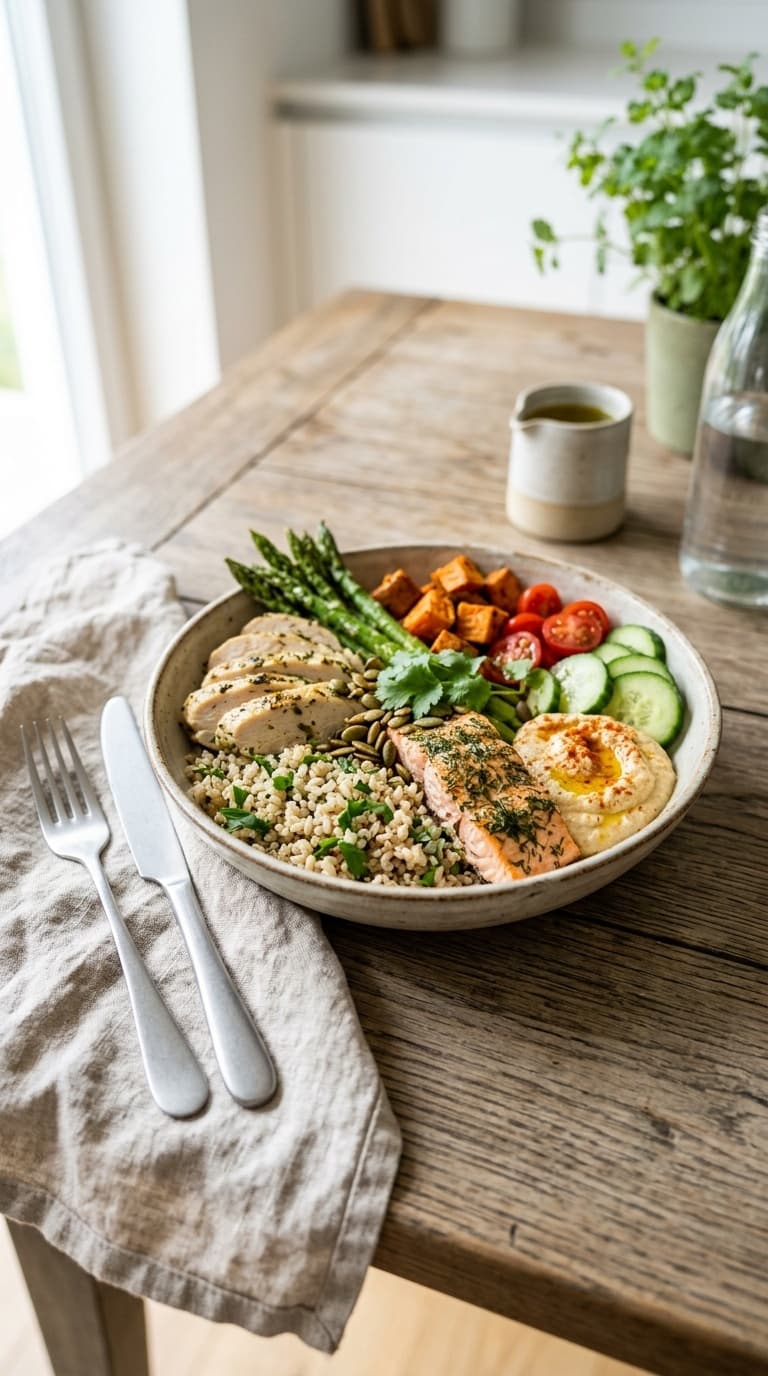
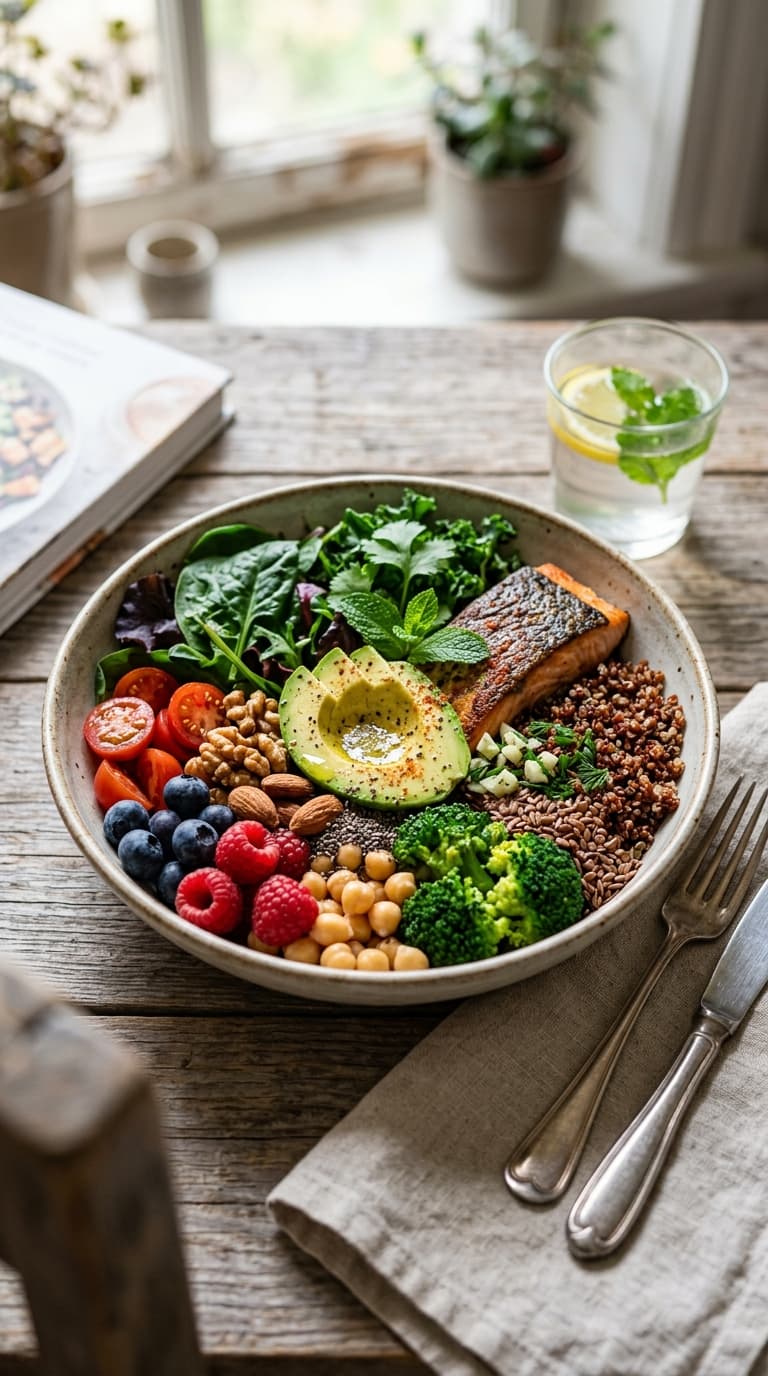
Four ounces of salmon (230 calories) with two cups of roasted broccoli (110 calories) and a squeeze of lemon totals 340 calories. The omega-3s in salmon fight inflammation and improve cholesterol ratios. Roast everything together at 400°F for 15 minutes.
I buy frozen salmon fillets and thaw them in the fridge overnight. A fish spatula makes flipping delicate fillets effortless—the slots prevent sticking and breaking. Season simply with lemon, garlic, dill, and black pepper.
Stir-Fry with Chicken and Vegetables
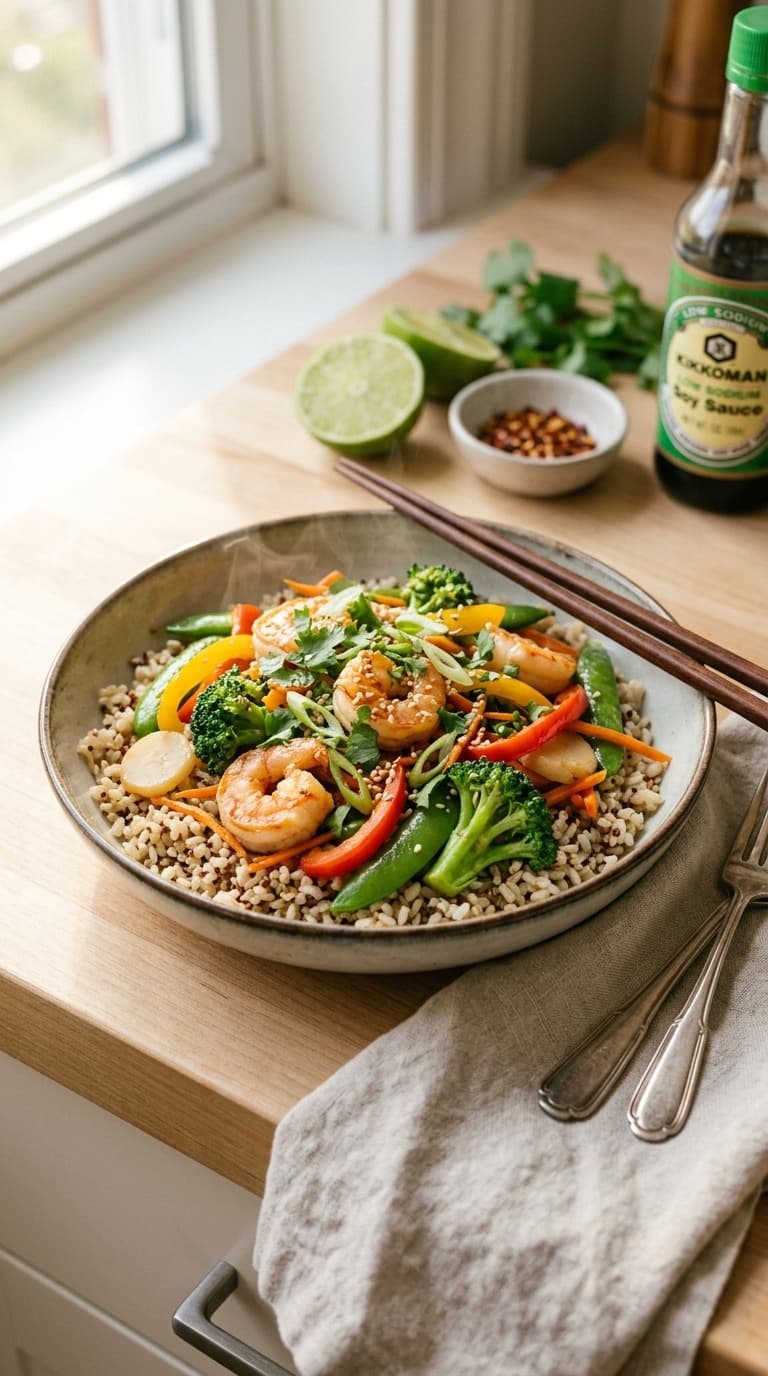
Three ounces of chicken breast (140 calories) stir-fried with two cups of mixed vegetables—broccoli, bell peppers, snap peas, carrots (80 calories)—in one teaspoon of sesame oil (40 calories) over half a cup of brown rice (110 calories) totals 370 calories. Get Full Recipe
The key to good stir-fry? High heat and quick cooking. I use a carbon steel wok that gets blazing hot and cooks everything fast. The vegetables stay crisp, the chicken stays tender. Add low-sodium soy sauce and ginger for authentic flavor without excessive sodium.
Turkey Meatballs with Zucchini Noodles
Four turkey meatballs made with ground turkey breast (200 calories) served over two cups of spiralized zucchini (66 calories) with half a cup of marinara sauce (70 calories) creates a 336-calorie dinner. This satisfies pasta cravings without the heavy carbs.
I make turkey meatballs in bulk using a small cookie scoop for uniform sizing. Bake them all at once, freeze portions. The zucchini noodles cook in minutes—just sauté until tender-crisp. A spiralizer turns zucchini into noodles faster than you’d think possible.
Shrimp Tacos with Cabbage Slaw
Four ounces of grilled shrimp (120 calories) in two small corn tortillas (100 calories) topped with shredded cabbage slaw (25 calories) and fresh salsa (20 calories) totals 265 calories. Add half an avocado sliced (115 calories) for a 380-calorie dinner.
Shrimp cooks in minutes, making this perfect for busy weeknights. The cabbage provides crunch and fiber. Fresh salsa beats jarred for flavor—I make batches using a food processor and keep it refrigerated all week.
Chicken and Vegetable Soup
Two cups of homemade chicken and vegetable soup with plenty of vegetables and lean chicken breast comes in around 250 calories. Pair with a small whole grain roll (100 calories) for a 350-calorie dinner. Soup’s high water content fills you up without many calories.
I use my Instant Pot for soup—throw everything in, pressure cook for 20 minutes, done. The pressure cooker extracts maximum flavor in minimal time. Make huge batches, freeze portions in wide-mouth mason jars for easy reheating.
Stuffed Bell Peppers
One large bell pepper (30 calories) stuffed with a mixture of lean ground turkey (100 calories), diced tomatoes (20 calories), onions, and spices, topped with a tablespoon of part-skim mozzarella (20 calories) totals about 170 calories. Serve with a side salad (50 calories) for a 220-calorie dinner.
This ultra-low calorie dinner leaves room for a small dessert. The bell pepper provides sweetness and vitamin C. I prep several at once, baking them all together. They reheat beautifully for lunches throughout the week.
Looking for more dinner inspiration that fits your calorie and heart-health goals? These low-cholesterol dinners and one-pan dinners make weeknight cooking so much easier.
Plant-Based Meals That Satisfy
Black Bean and Sweet Potato Bowl
Half a cup of black beans (110 calories) over half a cup of roasted sweet potato cubes (90 calories) with sautéed peppers and onions (50 calories), topped with salsa and a tablespoon of Greek yogurt (30 calories) totals 280 calories. Add a side of steamed broccoli (50 calories) for a 330-calorie meal.
This completely plant-based meal provides complete protein from the beans and sweet potato combination. The fiber content keeps you full for hours. I batch-roast sweet potatoes and keep them refrigerated for quick meals all week.
Lentil and Vegetable Curry
One cup of lentil curry with tomatoes, spinach, and spices (220 calories) served over half a cup of brown rice (110 calories) creates a 330-calorie dinner. The warming spices make this feel indulgent despite being plant-based and low in calories.
I make curry in my Dutch oven that goes from stovetop to table. The lentils provide plant-based protein and tons of fiber. Curry paste adds complex flavor without requiring a dozen individual spices. FYI, curry freezes perfectly for future meals.
Quinoa-Stuffed Portobello Mushrooms
Two large portobello mushroom caps (40 calories) stuffed with cooked quinoa (110 calories), diced vegetables (40 calories), and herbs, topped with a sprinkle of nutritional yeast (20 calories) totals 210 calories. Add a side salad with vinaigrette (80 calories) for a 290-calorie meal.
Portobello mushrooms have this meaty texture that makes them satisfying for both vegetarians and meat-eaters. Nutritional yeast provides a cheesy flavor without dairy or fat. I buy it in bulk from the health food store where it costs less than those tiny bottles at regular grocers.
Chickpea and Vegetable Stir-Fry
One cup of chickpeas (270 calories) stir-fried with tons of vegetables—broccoli, bell peppers, onions, snap peas (80 calories)—in a light sauce totals 350 calories. The chickpeas provide substantial protein that keeps you satisfied.
Canned chickpeas make this incredibly fast. Rinse them well to reduce sodium, pat them dry, then stir-fry until slightly crispy. The texture transformation makes them way more interesting than straight-from-the-can chickpeas.
Vegetable and Bean Chili
One and a half cups of vegetarian chili loaded with kidney beans, black beans, tomatoes, peppers, and onions comes in around 300 calories. Top with a tablespoon of Greek yogurt (15 calories) instead of sour cream for a 315-calorie dinner.
Chili improves after sitting overnight—the flavors marry and intensify. I make a huge pot on Sunday, eat it all week without getting bored. A slow cooker makes this completely hands-off. Dump everything in, cook on low for 6-8 hours, done.
If you’re exploring more plant-based options for heart health, these low-cholesterol vegetarian meals prove that meatless eating can be genuinely delicious.
Seafood Selections
Grilled Tilapia with Asparagus
Five ounces of grilled tilapia (150 calories) with one pound of roasted asparagus (90 calories) and half a cup of brown rice (110 calories) totals 350 calories. Tilapia’s mild flavor works with any seasoning profile.
I season tilapia with Old Bay seasoning, lemon, or Cajun spices depending on my mood. The fish cooks in 8-10 minutes—don’t overcook or it gets rubbery. Asparagus roasts alongside at 425°F, making this a true sheet pan dinner.
Shrimp and Cauliflower Rice Bowl
Six ounces of shrimp (180 calories) sautéed with garlic over two cups of cauliflower rice (50 calories), mixed with diced tomatoes and spinach (40 calories) totals 270 calories. Add a tablespoon of parmesan (20 calories) for a 290-calorie meal.
Cauliflower rice cuts calories dramatically compared to regular rice while adding vegetables. I buy frozen riced cauliflower that microwaves in minutes. The shrimp provides lean protein and cooks faster than almost any other protein.
Baked Cod with Brussels Sprouts
Six ounces of baked cod (140 calories) with two cups of roasted Brussels sprouts (110 calories) and a small baked sweet potato (100 calories) creates a 350-calorie dinner. Cod’s flaky texture and mild flavor please even fish skeptics.
Brussels sprouts need high heat to caramelize properly—I roast them at 425°F until the edges brown. Cut them in half and place them cut-side down for maximum crispiness. The sweet potato balances the slight bitterness of the sprouts.
Tuna Poke Bowl
Four ounces of raw tuna (120 calories) marinated in low-sodium soy sauce and sesame oil, served over half a cup of brown rice (110 calories) with cucumber, edamame, and avocado (combined 120 calories) totals 350 calories. This restaurant-quality meal costs a fraction of takeout.
Buy sushi-grade tuna from a reputable fish counter. The freshness matters significantly for raw fish. Marinate it for just 15 minutes—longer makes it tough. This meal feels fancy despite being simple and quick.
Making It Work: Strategies for Success
Measure Everything Initially
You cannot eyeball portions accurately—nobody can. I spent two months “eating healthy” while actually consuming 2,500 calories daily because my portions were massive. Buy a digital kitchen scale and actually weigh food for two weeks. This recalibrates your understanding of normal portions.
After measuring consistently, you’ll internalize what portions look like. Four ounces of chicken, half a cup of rice, a tablespoon of oil—these become automatic. But initially, measure everything or you’re just guessing.
Plate Size Tricks Actually Work
Smaller plates make normal portions look more substantial. Your brain registers “full plate” as satisfying regardless of the plate’s size. I switched from 12-inch dinner plates to 9-inch plates and immediately felt more satisfied with smaller portions.
This sounds like psychological nonsense until you try it. The visual trick genuinely works. Use salad plates for main courses, and regular portions look abundant instead of skimpy.
Volume Eating Saves Sanity
Fill half your plate with non-starchy vegetables. They provide volume and fiber with minimal calories. Two cups of broccoli contains maybe 70 calories but takes up significant plate space and fills you up. Compare that to two tablespoons of peanut butter at 190 calories.
I eat massive amounts of vegetables now—way more than I ever thought possible. Roasting them with a tiny bit of oil and good seasonings makes them delicious instead of punishment. The fiber keeps you full between meals, preventing snacking.
Protein at Every Meal
Protein increases satiety more than carbs or fat. Every meal should include at least 20-25 grams of protein to prevent hunger. This keeps blood sugar stable and makes it easier to stick to your calorie targets.
Lean proteins—chicken breast, fish, egg whites, Greek yogurt, legumes—provide protein without excessive calories or saturated fat. IMO, hitting protein targets made the biggest difference in making lower-calorie meals feel satisfying.
Meal Prep Is Non-Negotiable
Preparing food when you’re hungry leads to oversized portions and poor choices. I meal prep on Sunday afternoons—cook proteins, chop vegetables, portion snacks. When hunger hits during the week, healthy options sit ready in the fridge.
This eliminates decision fatigue and prevents impulse eating. I use glass meal prep containers with compartments that keep different foods separate. Seeing a week’s worth of healthy meals prepped creates psychological commitment to actually eating them.
For a complete guide to organizing your weekly meal prep efficiently, these low-cholesterol meal prep ideas walk you through the entire process step by step.
Foods That Add Flavor Without Calories
Fresh Herbs Transform Everything
Cilantro, basil, parsley, dill—these add huge flavor for literally zero calories. I grow them in pots on my kitchen windowsill using a compact herb garden kit. Fresh herbs taste exponentially better than dried for finishing dishes.
Chop them right before using for maximum flavor. They wilt and lose potency quickly once cut. The difference between food with and without fresh herbs? Night and day.
Citrus Brightens Dishes
Lemon and lime juice add brightness without fat or calories. A squeeze of lemon over fish, chicken, or vegetables wakes up flavors instantly. I keep a citrus juicer that extracts maximum juice with minimal effort.
Zest adds even more flavor than juice. The oils in the peel pack serious punch. Zest lemons and limes before juicing them—trying to zest an already-juiced citrus is an exercise in frustration.
Vinegars Add Complexity
Balsamic, red wine, apple cider, rice vinegar—each brings different character to dishes. They add acidity that balances flavors without calories. A splash of balsamic over roasted vegetables or a drizzle of rice vinegar in stir-fry elevates everything.
Quality vinegar matters. Cheap balsamic tastes harsh and one-dimensional. Spend a few extra dollars on proper aged balsamic from Modena—it’s rich, complex, and slightly sweet.
Spices Create Depth
Garlic powder, onion powder, smoked paprika, cumin, chili powder, curry powder—these deliver flavor without calories or sodium. I built a collection gradually, buying one new spice monthly until I had a well-stocked spice cabinet.
Toast whole spices before grinding them for maximum flavor. The heat activates volatile oils. I use a small spice grinder for this—transformative for curry, chili, and spice blends.
What This Eating Style Actually Feels Like
Let me be honest about what eating 400-calorie meals feels like. The first week? Hard. You’ll feel hungry between meals because your stomach expects more volume. Your brain will protest that you’re not eating enough. Push through this adjustment period.
Week two gets easier. Your stomach shrinks slightly, and normal portions start feeling adequate. By week three, you’ll notice you’re satisfied after meals without feeling stuffed. That uncomfortable fullness you used to chase? You’ll realize it wasn’t necessary.
The energy improvement surprised me most. No more post-meal crashes from oversized portions. Stable blood sugar throughout the day instead of the rollercoaster of overeating then restricting. Better sleep because I’m not going to bed uncomfortably full.
My cholesterol numbers improved within three months. LDL dropped 35 points, HDL increased slightly, triglycerides fell significantly. Weight loss contributed, but the consistent lower-calorie eating pattern made the biggest impact. My doctor reduced my medication dosage—first time in years my numbers improved instead of worsening.
Related Recipes You’ll Love
Ready to expand your heart-healthy eating beyond just calorie counting? Here are some collections that complement these 400-calorie meals perfectly:
Complete Meal Planning: Build a sustainable eating pattern with these low-cholesterol meals that prove healthy eating doesn’t mean boring food.
Smart Snacking: Bridge the gap between meals with these low-cholesterol snacks that keep you satisfied without derailing your calorie goals.
Understanding Ingredients: Learn which ingredients support heart health with this guide to foods that naturally lower cholesterol and why they work.
Sweet Satisfaction: Yes, you can enjoy dessert while watching calories. These low-cholesterol desserts prove it’s possible.
Protein Variety: Mix up your protein sources with these low-cholesterol chicken recipes that keep dinner interesting.
Comfort Food Fix: When you need warmth in a bowl, try these low-cholesterol soups and stews that deliver comfort without excessive calories.
Final Thoughts on Calorie-Conscious Eating
Here’s the truth about eating 400-calorie meals: it works, but only if you commit to measuring portions and being honest about what you’re eating. Half-measuring everything or “eyeballing” portions means you’re probably eating 600-calorie meals while thinking they’re 400 calories.
The scale doesn’t lie. Weigh your food for at least two weeks. You’ll learn what portions actually look like, and that knowledge stays with you. Skip this step, and you’re just guessing—unsuccessfully, in most cases.
These meals support heart health not just through calorie restriction but through ingredient choices. Lean proteins, tons of vegetables, whole grains, healthy fats in moderation—this pattern lowers cholesterol, reduces blood pressure, and improves overall cardiovascular health. The calorie control creates weight loss, which further improves these markers.
Start with five or six recipes that sound appealing. Make them multiple times until they become automatic. Then add new recipes gradually. Within a month, you’ll have a rotation of meals you genuinely enjoy that happen to be perfectly portioned for your health goals.
The mental shift from “I’m restricting food” to “I’m fueling my body appropriately” makes all the difference between temporary dieting and sustainable healthy eating. These aren’t punishment meals—they’re properly sized, nutritionally balanced, delicious food that supports the body you want and the health you need.
30-Day Cholesterol-Lowering Meal Plan
A simple step-by-step system to help you eat heart-healthy every day without stress.
Over 1,000 people downloaded this guide
$29$9
Get Instant Access