
Heart Health & Meal Prep
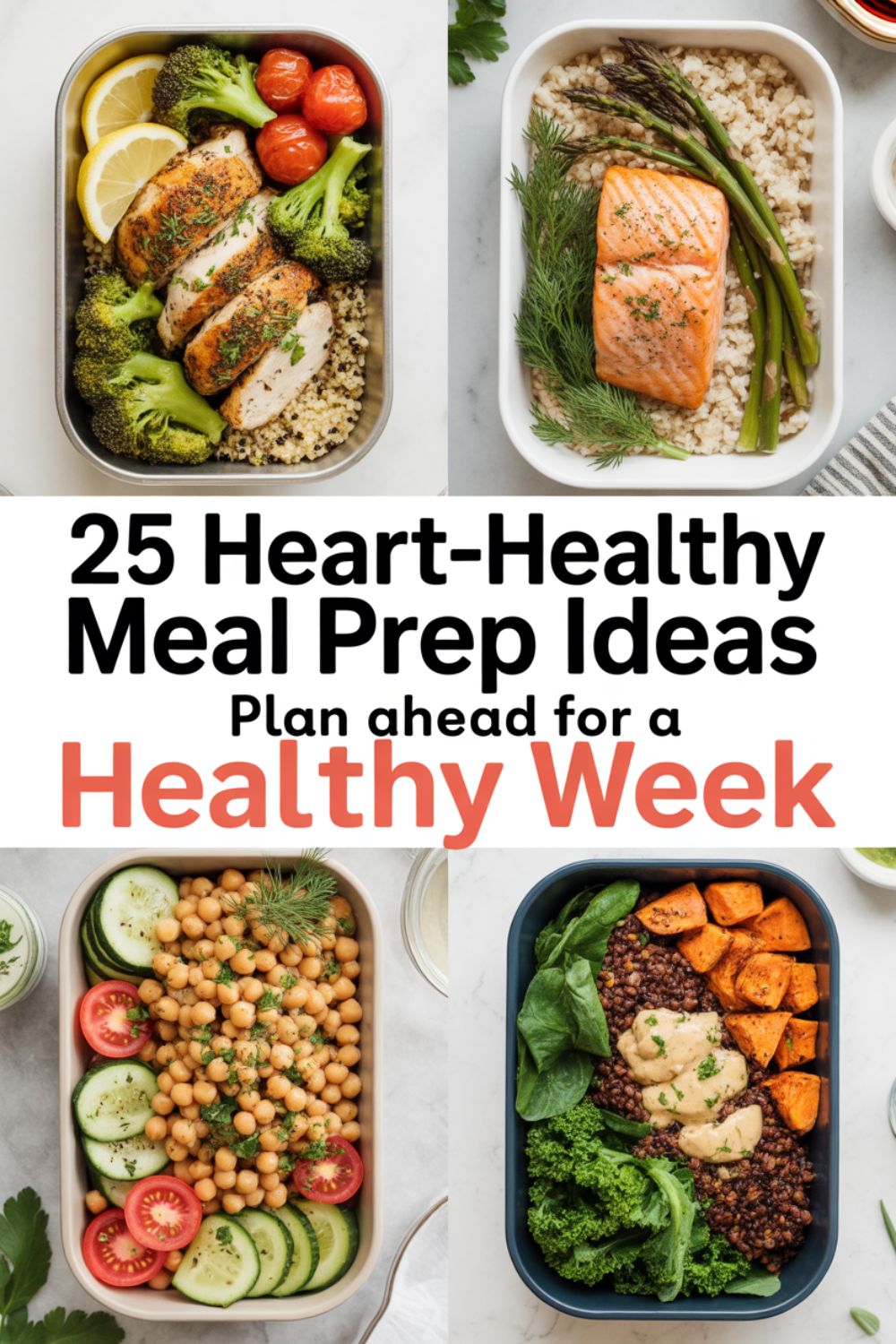
25 Heart-Healthy Meal Prep Ideas That Actually Make Your Week Easier
Sunday rolls around and you genuinely mean to cook something good this week. You picture grilled salmon, a pot of lentil soup, maybe some overnight oats lined up in the fridge like tiny soldiers of intention. Then Tuesday happens, and you’re eating crackers over the sink again. Sound familiar? Heart-healthy eating tends to fall apart not because the food is bad, but because nobody has time to figure it out from scratch every single day.
That’s exactly why meal prep changes everything. When you spend two hours on a Sunday getting your food sorted, the rest of the week practically takes care of itself. And if you’re eating for your heart specifically — managing cholesterol, lowering saturated fat, or just trying to be kinder to your cardiovascular system — having the right meals ready to go removes the daily decision fatigue that usually leads to less-than-great choices.
This list covers 25 heart-healthy meal prep ideas that are genuinely easy, genuinely tasty, and genuinely good for you. We’re talking real food, not sad diet food.
Why Meal Prep and Heart Health Are Such a Good Match
Let’s be real for a second — eating well for your heart sounds simple in theory. Eat more fiber, cut the saturated fat, load up on vegetables and omega-3s. Simple. But simple and easy are very different things when you’re staring into an open fridge at 6:45 on a Wednesday evening. Meal prep closes that gap between knowing what you should eat and actually eating it.
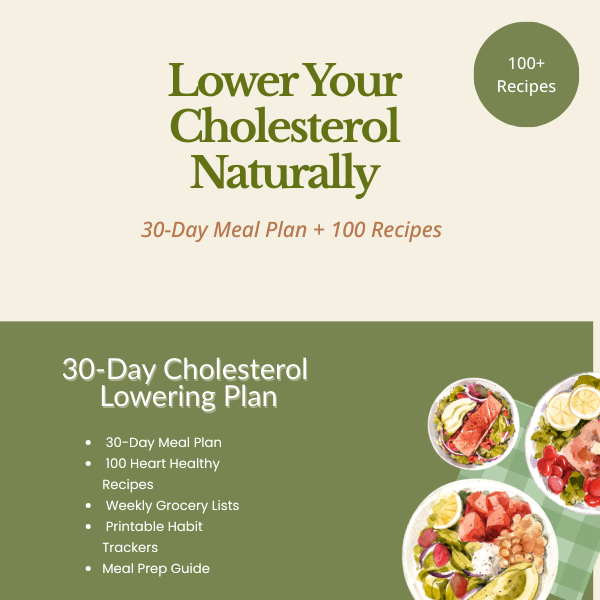
30-Day Cholesterol Reset System
A simple done-for-you plan to help you eat heart-healthy every day without confusion.
Over 1,000 people downloaded this guide
✔ 100 Easy Recipes
✔ Grocery Lists + Meal Prep Guide
🎁 FREE BONUSES:
✔ 7-Day Quick Start Plan
✔ Printable Grocery List
$29 $9
Get Instant AccessResearch consistently shows that soluble fiber — the kind found in oats, beans, apples, and lentils — plays a direct role in lowering LDL cholesterol by trapping it in the digestive tract before it can enter the bloodstream. Healthline’s overview of fiber and cholesterol explains this mechanism clearly: soluble fiber forms a gel-like substance in your intestines, binding to cholesterol molecules and helping your body excrete them rather than absorb them. When you prep meals built around these ingredients, you’re stacking the deck in your favor every single day without having to think about it.
The other piece here is consistency. Heart health isn’t a one-week project — it’s a long game. Batch cooking whole grains, roasting a sheet pan of vegetables, or portioning out a big pot of soup means you have heart-healthy food available when hunger strikes, which is usually when willpower is at its lowest. Plan once, eat well all week.
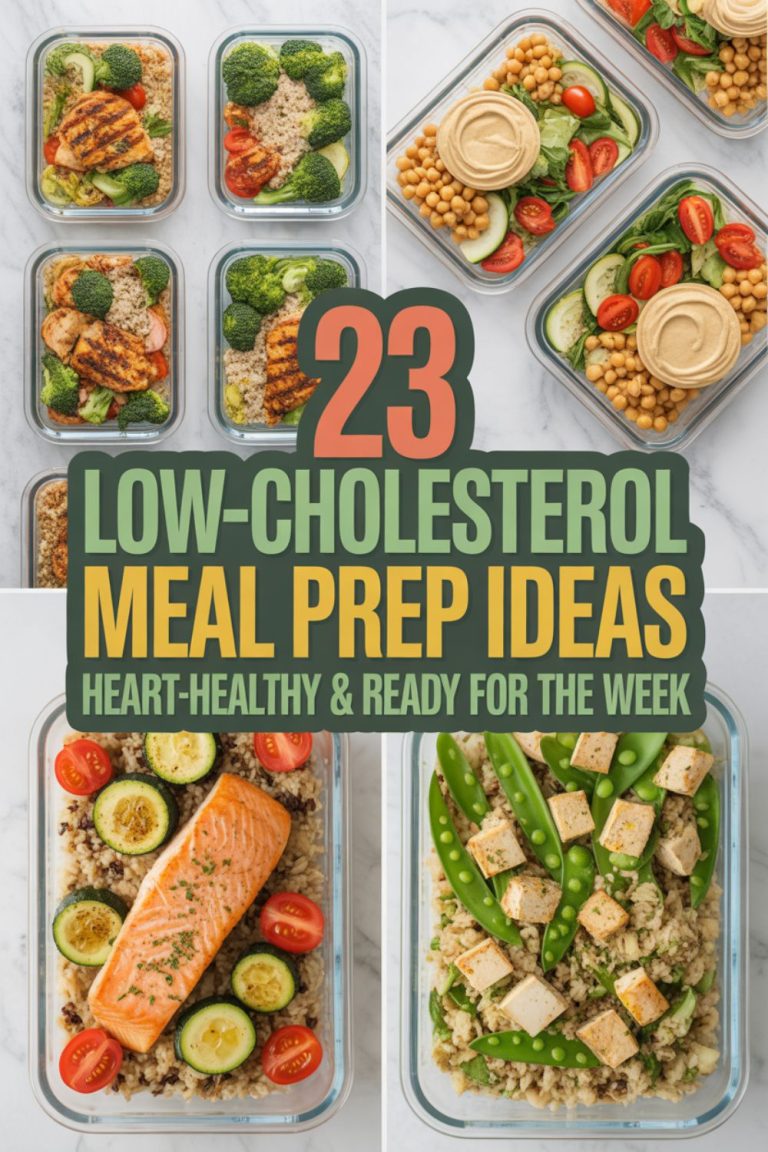
And if you’re looking for a broader starting point, this collection of low-cholesterol meal prep ideas for the week gives you a solid framework to build your Sunday routine around.
The 25 Heart-Healthy Meal Prep Ideas
Breakfast Prep: Start the Week Right
1. Overnight Oats with Chia and Berries. This is the one everyone talks about, and honestly the hype is deserved. Rolled oats are loaded with beta-glucan, a specific type of soluble fiber that has solid evidence behind it for reducing LDL cholesterol. Prep five mason jars on Sunday, layer in oats, chia seeds, almond milk, and whatever berries you like, and refrigerate. Done. Breakfast for the entire week. Get Full Recipe
2. Baked Egg Muffins with Spinach and Sun-Dried Tomatoes. Eggs get a complicated reputation in heart-health circles, but the science has shifted considerably. What matters more than eggs themselves is what you pair them with. These portable egg muffins, packed with leafy greens and antioxidant-rich tomatoes, make a genuinely satisfying grab-and-go breakfast. Bake a batch of twelve on Sunday, store them in an airtight glass meal prep container set like this one and they keep beautifully for five days.
3. Quinoa Breakfast Bowls with Walnuts and Banana. Quinoa for breakfast might sound slightly unhinged, but hear me out. It’s a complete protein, it takes about fifteen minutes to cook in bulk, and it sits beautifully under sliced banana, a sprinkle of cinnamon, and crushed walnuts. Walnuts in particular are worth calling out — they’re one of the few plant foods with a meaningful amount of ALA omega-3 fatty acids, which support healthy cholesterol ratios.
4. Greek Yogurt Parfait Jars. Layer plain non-fat Greek yogurt with a spoonful of flaxseed meal, some granola made from rolled oats, and frozen mixed berries. Prep four or five jars, stack them in the fridge, and breakfast is literally picking one up and grabbing a spoon. FYI, if you swap the dairy yogurt for a good oat-based alternative, this becomes fully plant-based without losing much on the protein front — just something to know if dairy is a concern for you.
5. Banana Oat Pancakes (Frozen). Make a double batch of banana and oat pancakes on Sunday — just mashed banana, oats, eggs, and a little baking powder. Cook them all, cool completely, and freeze between sheets of parchment in a zip-top bag. Pop two in the toaster each morning. These are properly filling, naturally sweet, and about as far from processed as a freezer shortcut can get.
Lunch Prep: Keep It Interesting Mid-Week
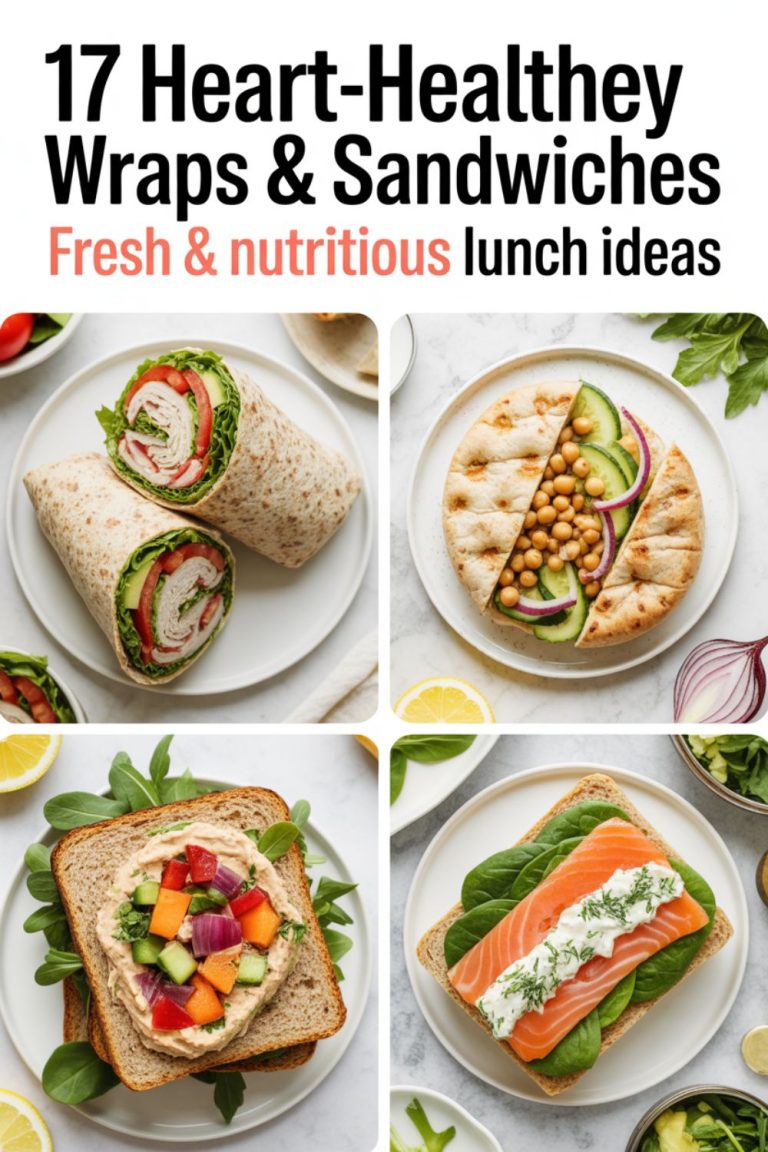
6. Lentil and Roasted Vegetable Grain Bowls. Cook a big pot of green lentils, roast a sheet pan of bell peppers, zucchini, and red onion in olive oil, and cook a batch of farro or brown rice. Divide everything into containers, drizzle with a simple lemon-tahini dressing, and you have four or five lunches that are genuinely good cold or reheated. Lentils deliver both soluble fiber and plant-based protein, making them one of the most valuable ingredients you can build around for heart health.
7. Mason Jar Salads (In the Right Order). The secret to a mason jar salad that doesn’t turn to sad mush is the layering order: dressing at the bottom, then hearty vegetables, then protein, then greens at the very top. Try a Mediterranean version with white beans, roasted red peppers, cucumber, cherry tomatoes, kalamata olives, and romaine. The beans add fiber, the olive oil in the dressing brings heart-healthy monounsaturated fat, and it tastes like something you’d actually want to eat. Get Full Recipe
8. Tuna and White Bean Salad. Open a can of tuna packed in water, drain it, and mix it with rinsed white beans, diced celery, red onion, lemon juice, a little olive oil, and fresh parsley. That’s genuinely it. This takes about five minutes to put together and provides a solid hit of protein and fiber that keeps you full through the afternoon. Make a large batch and portion it into containers — it keeps for three to four days in the fridge.
9. Turkey and Avocado Lettuce Wraps (Components Prepped Separately). Rather than assembling these in advance, prep the components: cook and season ground turkey in bulk, mash up avocado with lemon juice and store it in a container with the pit pressed against the surface, and wash and dry large butter lettuce leaves. Assembly takes thirty seconds at lunchtime, and everything is actually fresh.
10. Roasted Chickpea and Farro Bowls with Herb Dressing. Roasted chickpeas are one of those things that feel far fancier than they are. Toss canned chickpeas in olive oil, cumin, smoked paprika, and a pinch of salt, then roast at 400°F until they’re golden and crisp. Serve over farro with a bright herb dressing made from blended parsley, garlic, lemon juice, and olive oil. Prep four servings and enjoy them through Wednesday — the chickpeas lose their crunch by day three, but they still taste great.
Dinner Prep: Save Future-You from Making Bad Decisions
11. Baked Salmon Fillets with Herb Crust. Salmon is, IMO, the single most valuable protein you can have in a heart-healthy meal prep rotation. It’s rich in EPA and DHA omega-3 fatty acids — the long-chain versions that directly support healthy triglyceride levels and reduce inflammation. Bake four fillets at once on a quality rimmed baking sheet lined with a silicone baking mat, refrigerate them, and reheat gently during the week over salads, rice bowls, or with roasted vegetables. These omega-3-rich salmon recipes are a good place to start if you want more variety.
12. Turkey and Vegetable Chili. A big pot of chili is arguably the most efficient thing you can make on a Sunday. Ground turkey keeps it lean, a pile of kidney beans and black beans add significant fiber, and you get six to eight portions from a single cook. The flavors genuinely improve over two or three days, so this is one of those meals that’s better mid-week than it is fresh. Store it in wide-mouth 32-oz glass jar containers perfect for soups and stews — they’re easier to reheat in than plastic and don’t hold onto smells.
13. Chicken and Vegetable Sheet Pan Dinner. Toss skinless chicken thighs with olive oil, garlic, lemon zest, and herbs, and roast alongside broccoli, sweet potato, and red onion on a sheet pan. Make two pans worth and you have dinner for four nights. The trick is to cut the sweet potato slightly larger than the broccoli so everything finishes at the same time. Simple, adaptable, and satisfying enough that nobody feels like they’re being fed “diet food.”
14. Vegetable and Chickpea Curry (Freezer-Friendly). A simple tomato-based curry with chickpeas, sweet potato, and spinach — spiced with turmeric, cumin, and garam masala — is one of those recipes that freezes beautifully and improves with every reheat. Make a large batch, portion half into dinner containers for the week and freeze the other half in freezer-safe silicone storage bags that lay flat in the freezer for a lazy week you haven’t even had yet.
15. Brown Rice Bowls with Edamame and Sesame Dressing. Cook a large batch of brown rice — a whole-grain option that provides insoluble fiber and keeps blood sugar more stable than white rice. Combine it with shelled edamame, shredded carrot, cucumber, and a simple sesame-soy dressing made from tahini, soy sauce, rice vinegar, and a little ginger. This takes zero reheating, tastes great cold, and genuinely feels like something you’d order at a good spot rather than something you endured for your health.
Snack Prep: Stop the 3 PM Chaos
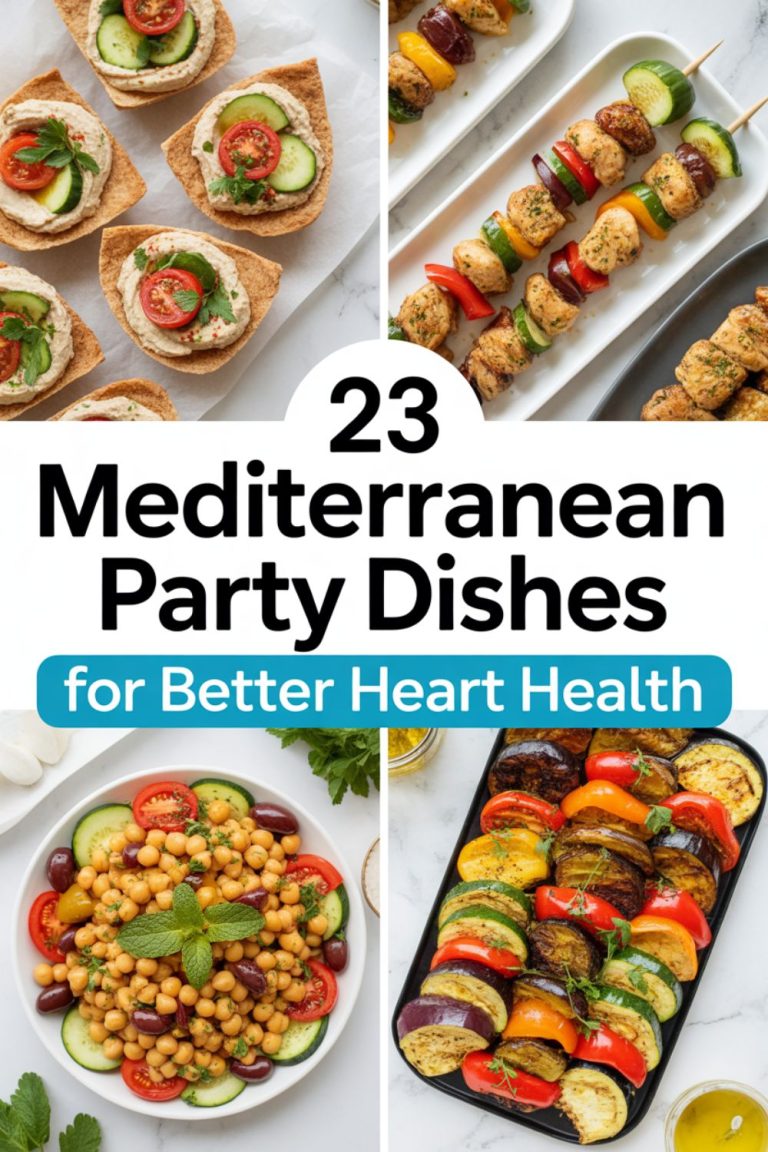
16. Portioned Hummus and Vegetable Cups. This sounds almost embarrassingly obvious, but the reason most snack prep fails is friction — if you have to chop vegetables every time you want a snack, you will not chop vegetables. Prep a week’s worth at once: slice bell peppers, cucumber, and celery, and portion them into containers alongside a scoop of hummus. The chickpeas in hummus provide soluble fiber, and pairing them with raw vegetables gives you crunch, color, and actual satiation.
17. Apple Slices with Almond Butter (Pre-Portioned). Speaking of reducing friction — slice apples ahead of time, toss them with a squeeze of lemon juice to prevent browning, and portion them alongside individual servings of almond butter in small containers. Almond butter and peanut butter are worth a quick comparison here: both are solid choices for heart health, but almond butter edges ahead slightly in terms of vitamin E and calcium content, while peanut butter wins on protein. Either works; pick what you like.
18. Roasted Pumpkin Seeds. Toss raw pumpkin seeds with a little olive oil and sea salt, roast at 350°F for ten to fifteen minutes, and store them in a glass jar on the counter. They’re portable, packed with magnesium (which plays a role in heart rhythm and blood pressure), and satisfying in a way that feels more like a snack than a health intervention. Add a handful to salads, bowls, or just eat them by the spoonful.
19. Energy Bites with Oats, Flaxseed, and Dark Chocolate Chips. Combine rolled oats, ground flaxseed, natural peanut butter, honey, and a small handful of dark chocolate chips. Roll into balls and refrigerate. These keep for two weeks in the fridge and make an excellent pre-workout snack, afternoon pick-me-up, or post-dinner sweet fix that doesn’t derail anything.
Soup, Grain Bases, and Batch Cooking Staples
20. Big-Batch Lentil Soup. Few things anchor a week of healthy eating better than a pot of good lentil soup. Red lentils break down into a silky, naturally thick soup that needs almost no effort. Start with sautéed onion, garlic, and carrot in olive oil, add red lentils, diced tomatoes, vegetable broth, cumin, and turmeric, and simmer for twenty-five minutes. That’s it. Six servings, three days of lunches or dinners, and your gut microbiome will be quietly thrilled. More low-cholesterol soups and stews if you want to rotate the rotation.
21. Grain Variety Batch: Farro, Brown Rice, and Quinoa. This is genuinely a game-changer move: cook three different whole grains at the same time on Sunday. Use three pots or a programmable multi-cooker that handles grains and legumes simultaneously, and refrigerate them separately. Having three different cooked bases means your bowls feel different every day even if the toppings are similar. Variety is what keeps meal prep sustainable past week two.
22. Roasted Vegetable Medley. Roast two to three full sheet pans of mixed vegetables every Sunday: sweet potato, beets, broccoli, cauliflower, red onion, and bell peppers work especially well. Season simply with olive oil, salt, pepper, and garlic powder. These roasted vegetables show up in bowls, salads, wraps, and alongside proteins all week long. The Mayo Clinic notes that vegetables like broccoli, Brussels sprouts, and legumes all contribute soluble fiber that directly supports healthy cholesterol numbers.
23. Black Bean and Sweet Potato Burritos (Freezer Batch). Make twelve at once. Combine seasoned black beans, mashed roasted sweet potato, brown rice, and a little salsa in whole wheat tortillas. Wrap tightly in foil or reusable beeswax wrap for secure folding and freeze. These reheat in twenty minutes in the oven or three minutes in the microwave — and they’re the kind of thing that feels like a treat rather than a chore on a night when cooking is the last thing you want to do.
24. Stuffed Bell Peppers (Make Eight at Once). Halve bell peppers and fill them with a mixture of ground turkey or brown lentils, cooked quinoa, diced tomatoes, garlic, and Italian herbs. Bake two pans of eight halves at once — you can eat four this week and freeze four for next. They reheat perfectly from frozen, making this one of the highest-ROI things you can do with a Sunday afternoon.
25. Marinated Tofu and Vegetable Stir-Fry Prep (Components Ready). Press and cube extra-firm tofu, marinate it in soy sauce, sesame oil, garlic, and ginger for at least an hour, then pan-fry until golden and store. Prep your stir-fry vegetables — broccoli, snap peas, mushrooms, and bok choy — washed and chopped, ready in containers. When dinner time comes, the whole thing comes together in eight minutes. Tofu is an underrated source of plant protein for heart health; it delivers complete protein without saturated fat, which makes it a genuinely useful swap compared to red meat in a weekly rotation.
Meal Prep Essentials Used in This Plan
A few things I actually use and recommend — zero fluff, just what genuinely makes Sunday prep faster and the whole week easier.
Glass Meal Prep Container Set (10-Piece)
Stackable, oven-safe, and they don’t stain when you store tomato-based dishes. Essential for soups, grain bowls, and anything saucy.
Shop This SetWide-Mouth 32-oz Mason Jars (12-Pack)
Perfect for overnight oats, jar salads, smoothie bases, and portioned snacks. Reusable, dishwasher-safe, and genuinely cheap per use.
Shop Mason JarsMulti-Cooker / Instant Pot (6-Quart)
Cooks lentils in 12 minutes, brown rice in 22, and chickpeas from dry in under 45. The single biggest time-saver in any weekly prep session.
Shop Multi-CookerDigital Resources Worth Bookmarking
Weekly Meal Plan Template (Printable PDF)
A clean, customizable planning sheet to map out your week, generate a shopping list, and track your prep tasks all in one place.
Download TemplateHeart-Healthy Recipe Ebook
30+ low-cholesterol recipes organized by meal type, with built-in batch cooking notes and a two-week rotating meal plan included.
Get the EbookNutrition Tracker App (Premium)
Tracks fiber intake, saturated fat, and sodium alongside calories — the three metrics that matter most for heart-healthy eating goals.
Try PremiumFrequently Asked Questions
How long do heart-healthy meal prep meals last in the fridge?
Most cooked proteins, grains, and roasted vegetables stay fresh for four to five days when stored in airtight containers. Soups and stews often last the full five days. Leafy green salads are best assembled no more than two days ahead, unless you’re using a mason jar method where the dressing stays separated.
What are the best foods to batch cook for heart health?
Focus on foods high in soluble fiber and healthy fats: lentils, black beans, chickpeas, oats, brown rice, quinoa, and fatty fish like salmon. These ingredients form the backbone of almost every heart-healthy meal prep plan because they deliver real cardiovascular benefits and hold up well in the fridge over several days.
Can meal prepping really help lower cholesterol?
It absolutely can — not because cooking ahead has magic powers, but because it makes it dramatically easier to eat the foods consistently shown to support healthy cholesterol levels. When you have a container of lentil soup or a bowl of overnight oats already made, you eat it. When you have nothing ready, you make less intentional choices. Consistency over time is what produces real results.
Is it better to prep full meals or just ingredients?
For most people, a combination of both works best. Prep your base ingredients — cooked grains, roasted vegetables, a protein or two — and also have one or two fully assembled meals (like soup or chili) ready to go. The base ingredients keep meals flexible and interesting, while the fully assembled options cover the nights when you have absolutely zero energy to even combine things.
How do I make heart-healthy meal prep less boring?
Change the sauces and dressings more than you change the ingredients. The same roasted vegetables and brown rice can feel completely different under a lemon-herb tahini, a sesame-ginger dressing, or a tomato-based curry sauce. Make two or three different sauces on Sunday and your options multiply without much extra effort.
The Best Meal Prep Is the One You Actually Do
None of this requires a perfectly curated kitchen, chef-level skills, or an entire Sunday sacrificed to the cooking gods. Pick three or four ideas from this list, buy what you need, and spend two hours. That’s it. You’ll have more heart-healthy food available than you’d normally eat in a week — and you’ll feel the difference in your energy, your routine, and over time, in the numbers that actually matter.
Heart-healthy eating doesn’t have to feel like a punishment diet. The food on this list is genuinely good — satisfying, flavorful, and built around whole ingredients that do real work inside your body. The goal isn’t perfection; it’s having better options available than you had last week.
Start with overnight oats and a big pot of lentil soup. Add the sheet pan chicken by week two. Build from there. By week four, you won’t even think about it — meal prep just becomes the thing you do on Sundays, and the rest of the week takes care of itself.
30-Day Cholesterol-Lowering Meal Plan
A simple step-by-step system to help you eat heart-healthy every day without stress.
Over 1,000 people downloaded this guide
$29$9
Get Instant Access