
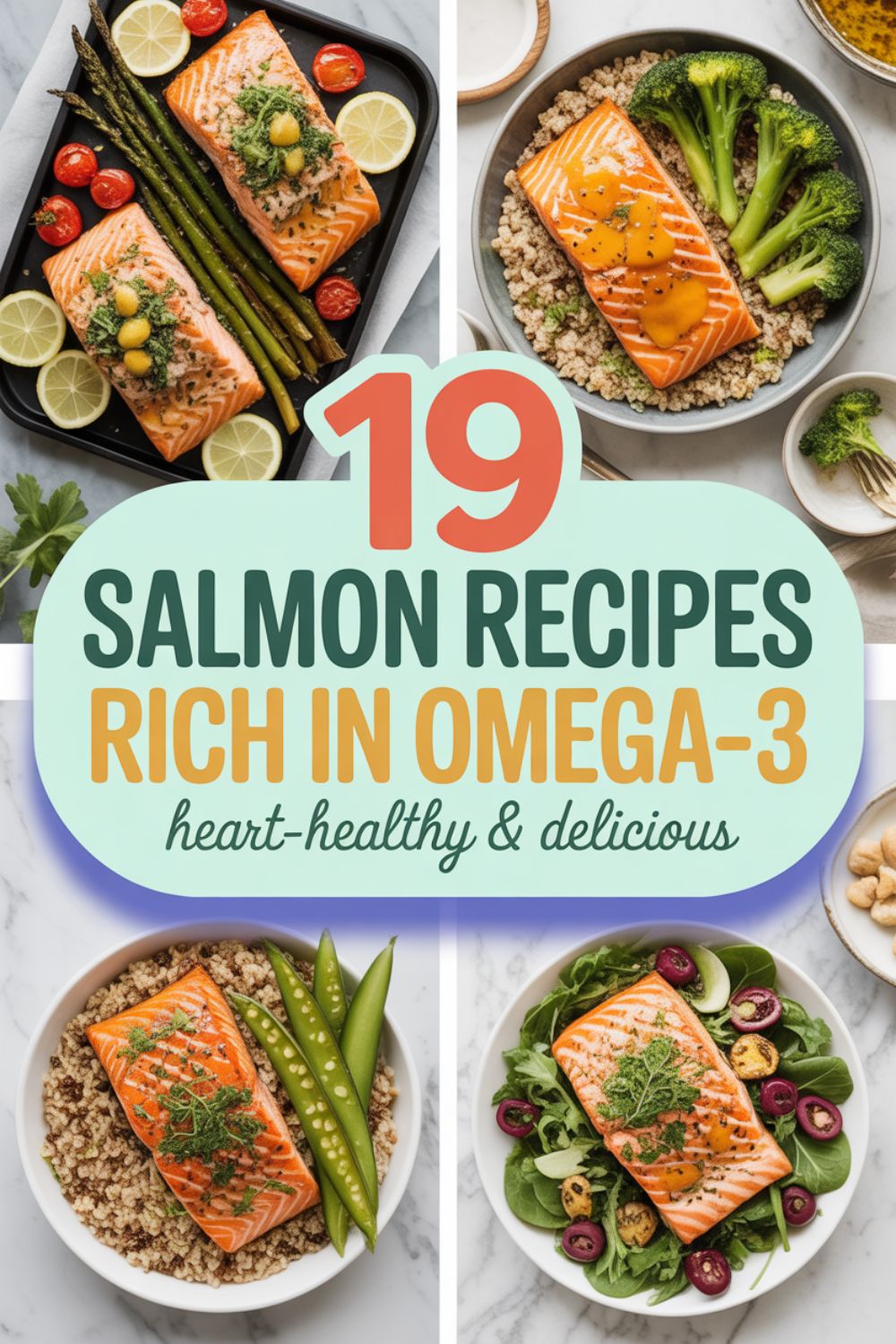
19 Salmon Recipes Rich in Omega-3 That Actually Taste Amazing
Heart-healthy, weeknight-friendly, and nothing like the sad baked fish you’re imagining
Let’s be real for a second. Most of us know we should be eating more salmon. The doctors say it, the nutritionists say it, and that one friend who meal preps on Sundays definitely says it. But somehow salmon still feels like the ingredient we buy with great intentions, then end up pushing to the back of the fridge because we have no idea what to actually do with it beyond throwing it in the oven with lemon and hoping for the best.
That changes today. These 19 salmon recipes are genuinely good — as in, the kind of food you look forward to eating. Each one leans into salmon’s natural richness while keeping the prep approachable. And because salmon is one of the best dietary sources of EPA and DHA (the long-chain omega-3 fatty acids your heart, brain, and joints quietly beg for), you’re doing something legitimately great for your body every single time you make one of these.
Whether you’re cooking for one on a Tuesday, feeding a family of four on a Friday, or trying to meal prep like an adult, there’s something here for you. Let’s get into it.
Why Salmon Is Worth the Hype (No, Seriously)
You already know salmon is “healthy,” but let’s talk about what that actually means in practice. Salmon is one of the richest natural sources of omega-3 fatty acids — specifically EPA (eicosapentaenoic acid) and DHA (docosahexaenoic acid). Unlike the ALA found in flaxseeds and walnuts, these marine omega-3s are the forms your body uses most efficiently without needing to convert them first.
According to the American Heart Association, eating fatty fish like salmon at least twice a week is associated with lower triglyceride levels, reduced blood pressure, and a meaningfully lower risk of sudden cardiac death. That’s not marketing. That’s decades of cardiovascular research pointing in the same direction. And the Mayo Clinic notes that getting these omega-3s from food — rather than supplements — tends to deliver better results overall.
Beyond heart health, the DHA in salmon supports brain function, helps reduce inflammation throughout the body, and plays a key role in eye health. A single 3.5-ounce serving of salmon can deliver between 1.5 and 2.5 grams of combined EPA and DHA, which puts you well above the recommended daily intake for most adults. So yes — the hype is earned.
If you’re already thinking about how salmon fits into a broader heart-healthy eating pattern, you might enjoy browsing these 25 heart-healthy meals under 400 calories for more inspiration beyond fish alone.
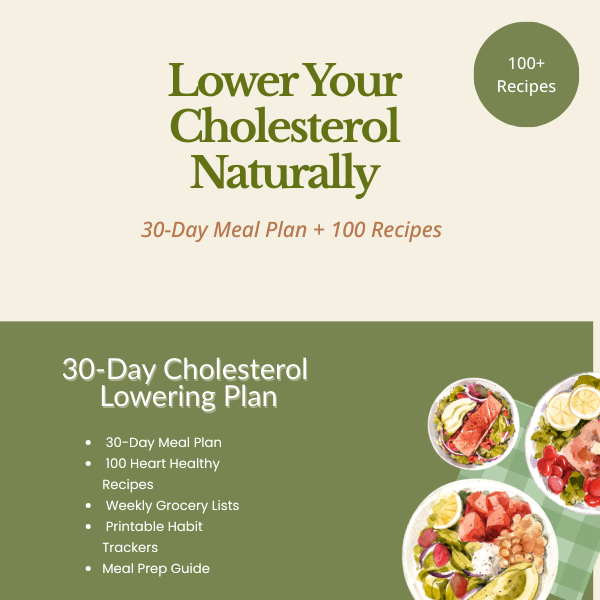
30-Day Cholesterol Reset System
A simple done-for-you plan to help you eat heart-healthy every day without confusion.
Over 1,000 people downloaded this guide
✔ 100 Easy Recipes
✔ Grocery Lists + Meal Prep Guide
🎁 FREE BONUSES:
✔ 7-Day Quick Start Plan
✔ Printable Grocery List
$29 $9
Get Instant AccessWild vs. Farmed: Does It Matter?
IMO, this question gets way more stressful than it needs to be. Both wild and farmed salmon are genuinely good for you. Wild salmon — especially sockeye, coho, and king — tends to have a leaner profile and slightly firmer texture. Farmed salmon is often fattier (which means more total omega-3s per serving) and tends to be more affordable and widely available year-round.
The honest answer is: the best salmon is the salmon you’ll actually cook and eat consistently. Don’t let the wild-vs-farmed debate be the reason you end up ordering takeout instead.
The 19 Salmon Recipes You’ll Actually Want to Make
Alright, here we go. I’ve organized these by cooking method and occasion so you can find exactly what you need without scrolling for ten minutes.
1. Garlic Butter Pan-Seared Salmon
This is the one. If you’ve ever wondered why restaurant salmon tastes so much better than your homemade version, the answer is almost always a hot pan and real butter. You sear the fillet skin-side down in a screaming-hot cast iron, baste with foaming garlic butter, and hit it with lemon at the very end. The skin comes out shatteringly crisp, the flesh stays silky and barely cooked through in the center, and the whole thing takes under 15 minutes.
Get Full Recipe2. Honey Sriracha Baked Salmon
Sweet, spicy, and sticky in the best possible way. You whisk together honey, sriracha, garlic, and a splash of soy sauce, pour it over the fillet, and bake until the glaze caramelizes at the edges. It’s the kind of recipe you make once and then find yourself craving every other week. Works beautifully over brown rice or roasted broccoli, and it reheats well if you’re meal prepping.
Get Full Recipe3. Mediterranean Baked Salmon with Olives and Tomatoes
This one fits squarely in the Mediterranean diet tradition — plenty of olive oil, fresh tomatoes, briny olives, capers, and herbs. Everything goes into one baking dish and the salmon essentially braises in the sauce. The result is intensely flavorful and genuinely looks like something you’d order at a nice restaurant. Serve with crusty whole-grain bread or a simple green salad.
Get Full Recipe4. Teriyaki Salmon Bowls with Edamame and Pickled Cucumber
Salmon bowls are having a moment and they deserve it. You cook the salmon with a simple homemade teriyaki sauce (soy sauce, mirin, a little brown sugar, ginger), then pile it over steamed rice with shelled edamame, quick-pickled cucumber, and sesame seeds. Make the pickled cucumber the night before and this whole bowl comes together in under 30 minutes.
Get Full Recipe5. Lemon Herb Salmon Sheet Pan Dinner
Everything on one pan — salmon, asparagus, cherry tomatoes, and baby potatoes — roasted together until perfectly done. The trick is cutting the vegetables to roughly the same size so they finish cooking at the same time as the fish. Line the pan with foil or a silicone mat (this non-stick baking mat makes cleanup genuinely painless) and you’re basically doing nothing except waiting for dinner.
Get Full Recipe6. Crispy Salmon Tacos with Avocado Crema
Salmon tacos are wildly underrated. You get crispy-edged salmon, a cool avocado crema (just blended avocado, Greek yogurt, lime juice, and a pinch of cumin), pickled red onion, and shredded cabbage in a warm corn tortilla. The contrast of hot and cool, crispy and creamy is exactly why these disappear fast. Double the recipe if you’re feeding more than two people.
Get Full Recipe7. Miso-Glazed Salmon with Bok Choy
White miso paste is the secret weapon you didn’t know you needed. Mixed with mirin, a little sesame oil, and a touch of honey, it creates a glaze that caramelizes beautifully under the broiler. The bok choy cooks in the same pan in the last few minutes. Finish with a drizzle of chili oil if you want heat, or keep it mild for a more delicate flavor. Either way, it’s exceptional.
Get Full Recipe8. Smoked Salmon Avocado Toast with Everything Bagel Seasoning
Yes, avocado toast counts as a recipe. This version layers cream cheese, smashed avocado, and thin slices of quality smoked salmon on thick whole-grain toast, then finishes with everything bagel seasoning and a squeeze of lemon. It takes literally 10 minutes and delivers a solid hit of protein and omega-3s right at breakfast. FYI — this is the recipe I make most often on weekday mornings when I need something that feels fancy but isn’t.
Get Full Recipe9. Salmon Pasta with Spinach and Lemon
This is weeknight pasta done right. You flake cooked salmon into a simple sauce of garlic, white wine, lemon zest, and wilted spinach, then toss it with pasta and a generous amount of parmesan. The salmon essentially acts as both the protein and the sauce base, and the lemon keeps everything bright and lively. Use whole wheat pasta if you want to add a bit more fiber to the mix.
Get Full Recipe10. Air Fryer Salmon with Dijon Mustard Crust
If you own an air fryer, this recipe will become a rotation staple within the week. A mixture of Dijon mustard, whole grain mustard, and breadcrumbs goes on top of the fillet and the air fryer does the rest in about 10 minutes. The crust comes out genuinely crispy and the fish underneath stays perfectly moist. A good digital instant-read thermometer takes the guesswork out of knowing when it’s done — pull it at 125-130°F internal temp for silky, not dry, salmon.
Get Full RecipeKitchen Tools and Resources That Make These Recipes Easier
A quick note from someone who’s cooked a lot of salmon: the right gear genuinely makes a difference. Here’s what I actually use, plus a couple of digital resources worth having in your back pocket.
Physical Tools
Cast Iron Skillet
Nothing gets salmon skin crispier than a well-seasoned cast iron. It holds heat evenly and goes from stovetop to oven without complaint. Shop Cast Iron Skillet
Digital Instant-Read Thermometer
Stop guessing if salmon is cooked through. Pull it at 125°F for restaurant-quality results every time. Shop Thermometer
Non-Stick Silicone Baking Mat
Sheet pan dinners are only as good as the cleanup afterward. This mat means zero sticking, zero scrubbing, and it works for literally everything. Shop Baking Mat
Digital Resources
Heart-Healthy Meal Prep Guide (PDF)
A printable weekly planner built around low-cholesterol, high-omega-3 meals — pair it with these recipes for a complete system. Download Guide
Omega-3 Recipe Bundle
A curated digital cookbook with 40+ recipes built around fatty fish, walnuts, flax, and other omega-3 powerhouses. Get the Bundle
Nutrition Label Decoder Cheat Sheet
Learn to spot EPA/DHA content on packaged salmon products so you always know what you’re actually getting. Download Free
More Salmon Recipes Worth Bookmarking
11. Salmon and Quinoa Power Bowls
Quinoa and salmon are a genuinely powerful nutritional pairing — complete protein from the quinoa, omega-3s and healthy fats from the salmon, plus whatever vegetables you throw in. This version goes with roasted sweet potato, kale, sliced avocado, and a tahini lemon dressing. Make a big batch of quinoa on Sunday and you can assemble these bowls in minutes throughout the week. Cook the salmon fresh each time for best texture.
Get Full Recipe12. Salmon Burgers with Dill Yogurt Sauce
Homemade salmon burgers put the frozen variety to shame. You pulse fresh salmon in a food processor with breadcrumbs, scallions, Dijon, and an egg, form them into patties, and pan-fry until golden. The dill yogurt sauce is non-negotiable — Greek yogurt, fresh dill, garlic, and lemon come together in about 30 seconds and make the whole thing feel finished. Serve on whole grain buns or lettuce wraps.
Get Full Recipe13. Salmon Niçoise Salad
A classic Niçoise gets a serious upgrade when you swap the canned tuna for a seared or poached salmon fillet. Green beans, cherry tomatoes, soft-boiled eggs, olives, and tender baby potatoes all get arranged over mixed greens, then drizzled with a sharp Dijon vinaigrette. This is dinner-party-worthy food that also happens to be high in heart-healthy fats. And honestly, it looks stunning on the table with minimal effort.
Get Full Recipe14. Thai Coconut Curry Salmon
Red curry paste, coconut milk, fish sauce, a squeeze of lime, and fresh basil. That’s the sauce. The salmon goes in at the very end and gently simmers until just cooked through — five minutes max, or it gets rubbery. Serve over jasmine rice with a handful of Thai basil and sliced red chili. It tastes like takeout and costs a fraction of the price.
Get Full Recipe15. Gravlax (Cured Salmon) with Mustard Sauce
Gravlax sounds intimidating but it’s genuinely one of the simplest preparations in existence. You mix equal parts salt and sugar with fresh dill and black pepper, pack it around a salmon fillet, and refrigerate for 48 hours. The result is silky, beautifully cured salmon that costs a fraction of what you’d pay at a deli. A sharp fish knife (this flexible fillet knife makes slicing effortless) is the only piece of equipment you actually need for perfect thin slices.
Get Full RecipeThe Final Four: Simple, Satisfying, and Fast
16. One-Pan Lemon Dill Salmon with White Beans
This recipe leans on canned white beans (cannellini or great northern work great) cooked down with garlic, lemon, and chicken broth until creamy and rich. The salmon fillets nestle right into the beans during the last 10 minutes of cooking. One pan, one pot, total cleanup time: about four minutes. It’s the kind of weeknight dinner that feels more impressive than the effort involved.
Get Full Recipe17. Salmon Stuffed Avocados
No cooking required. You mix flaked canned or leftover cooked salmon with Greek yogurt, lemon juice, celery, red onion, and herbs, then pile it into halved avocados. The avocado provides healthy monounsaturated fats on top of the omega-3s from the salmon, making this one of the most nutritionally dense quick lunches possible. Finish with a crack of black pepper and a few capers if you have them.
Get Full Recipe18. Salmon Fried Rice with Ginger and Scallions
This is the smartest use of leftover salmon imaginable. Day-old rice goes into a hot wok with sesame oil, ginger, garlic, and scallions. Eggs get scrambled in. Flaked salmon goes in at the end along with soy sauce and a splash of rice vinegar. The whole thing takes 20 minutes and tastes better than most takeout fried rice, with the bonus of being packed with omega-3s. A good wok — or even a large carbon steel pan — handles this better than any non-stick pan will.
Get Full Recipe19. Slow Baked Salmon with Herb Oil
Low and slow is the move when you want salmon that’s absolutely luxurious — almost custard-like in texture, never dry. You bake the fillet at 275°F for about 25-30 minutes, basting partway through with a mixture of good olive oil, fresh herbs (dill, tarragon, chives), and a tiny amount of garlic. This is the recipe to make when you want to impress someone without actually working very hard. Serve warm or let it cool and serve at room temperature — both are exceptional.
If you’re reaching for olive oil regularly in your cooking, it’s worth knowing that this habit pairs beautifully with heart health. The combination of omega-3-rich salmon and the oleic acid in quality extra-virgin olive oil creates a genuinely Mediterranean-style meal. These 25 low-cholesterol recipes using olive oil explore that pairing in a lot more depth.
Get Full RecipeTips That Actually Make a Difference
Even with great recipes, a few foundational habits separate consistently good salmon from occasionally good salmon.
- Pat the fillet completely dry before searing. Moisture is the enemy of a crispy crust. Paper towels, 30 seconds, done.
- Season generously and season early. Salt salmon at least 10 minutes before cooking — it draws out a tiny bit of moisture and helps the seasoning penetrate.
- Don’t move it. Once that fillet hits the hot pan, leave it alone. You’ll know it’s ready to flip when it releases naturally from the pan.
- Watch the temperature, not the time. A reliable kitchen thermometer is more trustworthy than any timer. Pull salmon at 125°F for silky, medium doneness; 140°F+ is where it starts getting dry.
- Rest it briefly. One to two minutes off heat before serving lets the carryover cooking finish gently and the juices redistribute.
- Store leftovers properly. Cooked salmon keeps for three days in an airtight glass container in the refrigerator. A good set of glass meal prep containers genuinely makes a difference — no plastic smell transferring into the fish.
Frequently Asked Questions About Salmon and Omega-3s
How much salmon should I eat per week to get enough omega-3s?
The American Heart Association recommends at least two servings of fatty fish per week, with a serving being roughly 3.5 ounces cooked. For most adults, two to three salmon meals per week comfortably meets the general omega-3 recommendation and delivers meaningful cardiovascular benefits. You don’t need to eat it daily — consistency over weeks and months matters more than daily precision.
Is canned salmon as healthy as fresh salmon?
Yes — canned salmon (especially wild pink or sockeye) retains virtually all of its omega-3 content and is frequently one of the most affordable ways to eat salmon regularly. Look for canned salmon packed in water and, ideally, with bones (they’re soft and edible, and add calcium). It works especially well in salmon burgers, stuffed avocados, pasta, and salads.
What’s the best way to cook salmon to preserve omega-3s?
Omega-3 fatty acids are relatively heat-stable, so most standard cooking methods preserve the majority of the nutritional content. Steaming, poaching, and slow baking tend to preserve the most, while very high-heat methods (deep frying, aggressive broiling) cause slightly more degradation. That said, the difference is not dramatic enough to choose your cooking method based on omega-3 preservation alone.
Can I eat salmon every day?
For most healthy adults, daily salmon consumption is perfectly safe. The mercury content in salmon is very low compared to species like swordfish or king mackerel, so it doesn’t carry the same accumulation risks. If you’re pregnant, nursing, or feeding young children, the FDA recommends sticking to two to three servings of low-mercury fish per week — salmon qualifies as a “best choice” on their guidance list.
What sides pair best with salmon for a complete heart-healthy meal?
Salmon pairs naturally with fiber-rich sides like roasted vegetables, quinoa, brown rice, white beans, and leafy green salads. These sides complement the omega-3s by adding soluble fiber (which helps manage cholesterol), plant-based nutrients, and complex carbohydrates for sustained energy. These 25 low-cholesterol sides that go with everything are a great reference if you need specific inspiration.
Final Thoughts
Nineteen recipes might sound like a lot, but the real goal here is simpler than it looks: find two or three that genuinely excite you, add them to your regular rotation, and let the habit build from there. The research is pretty consistent — eating salmon two to three times per week is one of the most impactful, enjoyable ways to support heart health, reduce inflammation, and get your omega-3s from food rather than pills.
The garlic butter pan-sear is where I’d start if you’ve never cooked salmon before. The honey sriracha version is where I’d go when I need something fast on a Tuesday. And the slow-baked fillet with herb oil is what I make when I want something that feels genuinely special. Start somewhere, cook it, adjust it to your taste, and then move on to the next one.
Your heart (and your taste buds) will both thank you.
30-Day Cholesterol-Lowering Meal Plan
A simple step-by-step system to help you eat heart-healthy every day without stress.
Over 1,000 people downloaded this guide
$29$9
Get Instant Access