
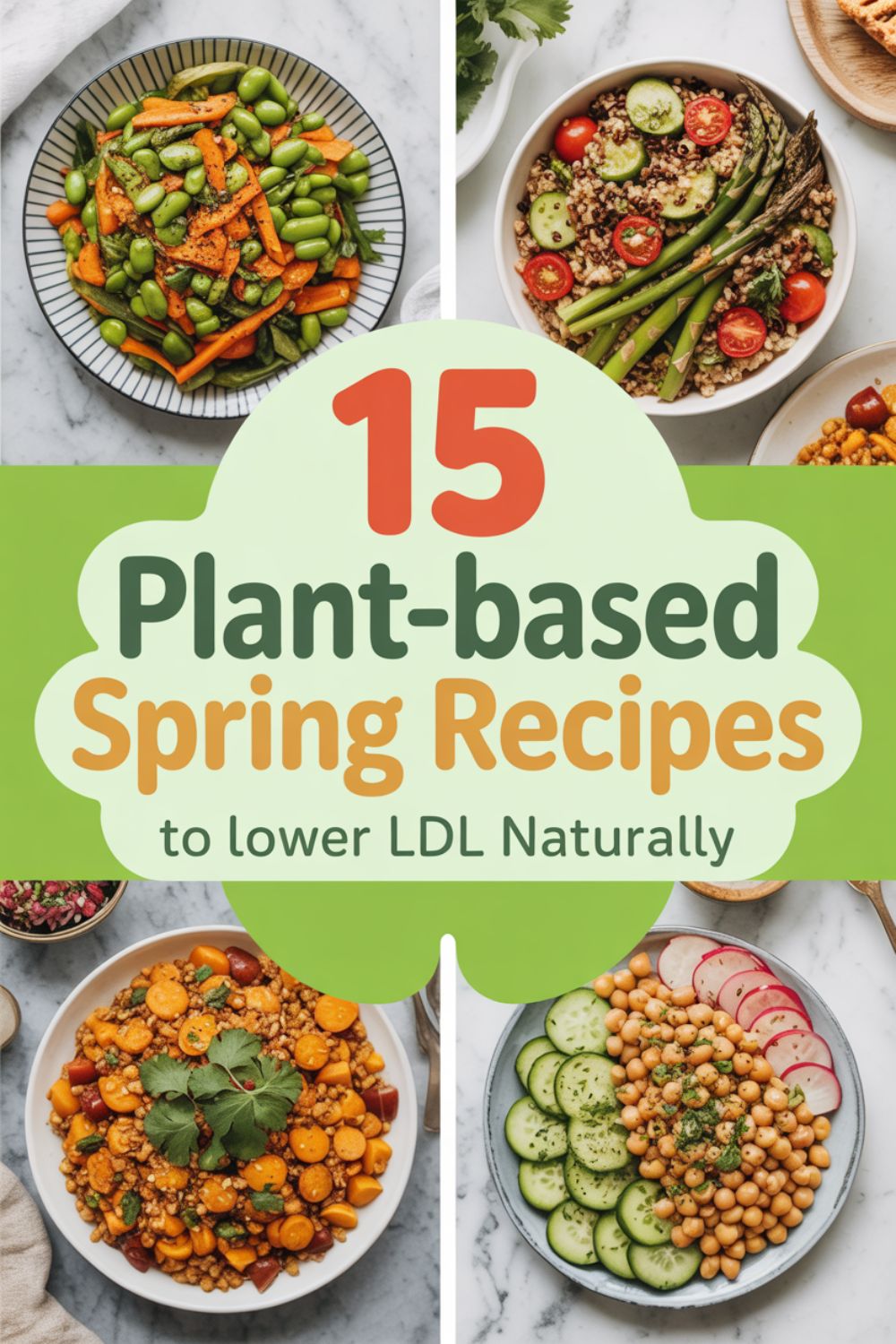
15 Plant-Based Spring Recipes to Lower LDL Naturally
Your cholesterol numbers came back higher than you’d like, and now you’re staring at a prescription bottle wondering if there’s another way. Spoiler alert: there is, and it involves way more asparagus and way fewer statins than you might think.
Look, I’m not here to bash medication—it has its place. But before you commit to a lifetime of pills, why not give your body a fighting chance with food? Plant-based eating has been shown to reduce LDL cholesterol by 10-30%, which is actually comparable to some medications. And the best part? The only side effect is feeling better.
Spring is honestly the perfect time to start this whole thing. Farmers’ markets are exploding with fresh produce, the weather’s cooperating, and let’s be real—you’re probably already thinking about getting healthier anyway. These 15 recipes aren’t just “good for you”—they’re legitimately delicious, easy enough for weeknights, and designed to work with your life, not against it.
Why Plant-Based Eating Actually Works for Cholesterol
Here’s the thing about LDL cholesterol—it’s not inherently evil. Your body makes it for a reason. But when you’re constantly flooding your system with saturated fat and dietary cholesterol (hello, bacon and cheese), your liver gets confused and starts producing more than you need.
Plant foods don’t contain any dietary cholesterol. Zero. Nada. And most are naturally low in saturated fat, which is the real troublemaker when it comes to raising LDL. Research from the Physicians Committee for Responsible Medicine shows that plant-based diets work by essentially giving your liver a break, allowing it to recalibrate and stop overproducing cholesterol.
But it’s not just about what you’re removing—it’s what you’re adding. Plants come loaded with soluble fiber, which acts like a cholesterol sponge in your gut, preventing it from being absorbed into your bloodstream. They’re also packed with phytosterols (plant compounds that block cholesterol absorption) and antioxidants that protect your arteries from damage.
Don’t overthink the transition. Start by making one dinner per week fully plant-based, then gradually increase from there. Your taste buds will adapt faster than you think.
The beauty of a plant-based approach is that it’s cumulative. Every meal is a chance to actively lower your LDL instead of just maintaining the status quo. And unlike restrictive diets that leave you hungry and miserable, plant-based eating is actually incredibly filling thanks to all that fiber.
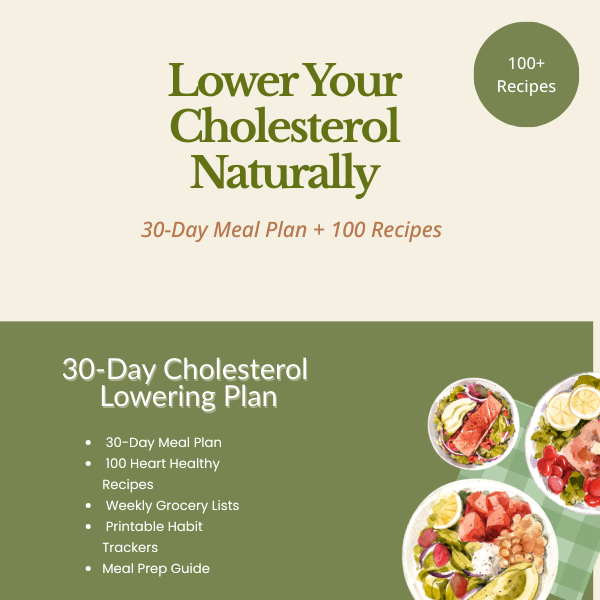
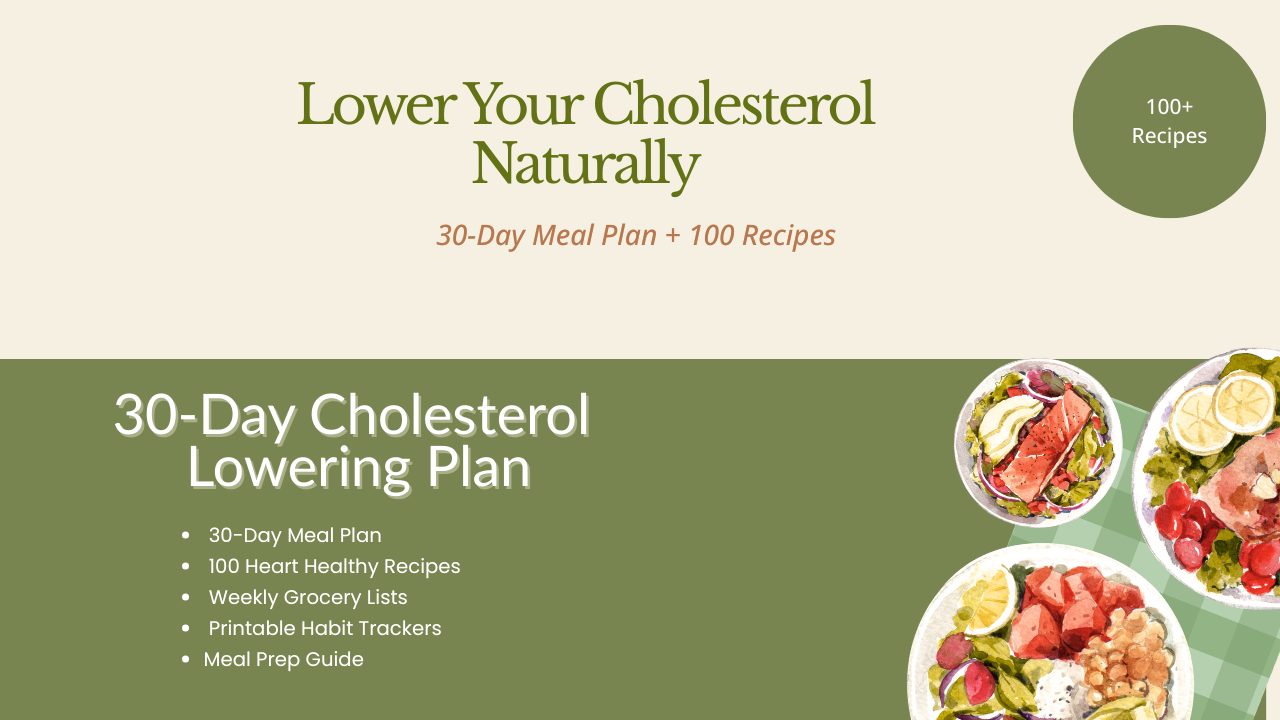
30-Day Cholesterol Reset System
A simple done-for-you plan to help you eat heart-healthy every day without confusion.
Over 1,000 people downloaded this guide
✔ 100 Easy Recipes
✔ Grocery Lists + Meal Prep Guide
🎁 FREE BONUSES:
✔ 7-Day Quick Start Plan
✔ Printable Grocery List
$29 $9
Get Instant AccessSpring Ingredients That Pack a Cholesterol-Lowering Punch
Spring produce isn’t just pretty—it’s functionally brilliant for heart health. Asparagus, for instance, is loaded with folate and potassium, both of which support cardiovascular function. Artichokes contain cynarin, a compound that’s been shown to reduce cholesterol synthesis in the liver.
Then you’ve got your leafy greens—arugula, spinach, Swiss chard. These are basically multivitamins in plant form. They’re rich in lutein and other carotenoids that prevent cholesterol from oxidizing and damaging artery walls. Plus, they’re one of the best sources of dietary nitrates, which improve blood flow.
The Fiber All-Stars
If you’re serious about lowering cholesterol, you need to become best friends with soluble fiber. Spring is perfect for this because legumes (peas, fava beans) are in season and readily available. I use this glass storage set to keep my cooked beans fresh all week—game changer for meal prep.
Oats are another non-negotiable. They contain beta-glucan, a type of soluble fiber that’s been extensively studied for its cholesterol-lowering effects. A warm bowl of overnight oats made with steel-cut Irish oats is one of the easiest ways to start your day with intention.
For more plant-powered breakfast inspiration that keeps you full and focused, check out these low-cholesterol breakfast ideas or explore these breakfasts under 300 calories.
Healthy Fats That Help, Not Hurt
Not all fats are created equal, and this is where a lot of people get confused. Saturated fat (mostly from animal products) raises LDL. But unsaturated fats—the kind in nuts, seeds, avocados, and olive oil—actually help lower it.
I’m borderline obsessive about olive oil. Not the cheap stuff in the plastic bottle, but actual extra virgin that tastes grassy and peppery. I keep this Portuguese olive oil on my counter for finishing dishes and use a more affordable option for cooking. The polyphenols in high-quality olive oil have anti-inflammatory properties that protect your cardiovascular system.
Nuts and seeds deserve their own paragraph because they’re so stupidly good for you. Almonds, walnuts, chia seeds, flax seeds—they’re all packed with omega-3 fatty acids, fiber, and plant sterols. A small portion control container makes it easy to grab a serving without accidentally eating half a pound.
“I started incorporating these recipes into my weekly rotation and my LDL dropped 28 points in three months. My doctor was shocked—and I felt amazing.” — Sarah M., community member
The 15 Recipes That Actually Deliver
Alright, enough theory. Let’s get to the food. These recipes are organized by meal type, but honestly, I’ve eaten the “dinner” recipes for lunch and the “breakfast” recipes for dinner. Food rules are made up anyway.
Morning Fuel
1. Overnight Oats with Berries and Flax
This is as low-effort as it gets. Mix oats, plant milk, chia seeds, and flax in a jar before bed. Wake up to breakfast that’s ready to eat. Top with whatever berries are on sale—frozen works just as well as fresh. The combination of oats and flax delivers a serious fiber punch that keeps your cholesterol in check and your stomach happy until lunch. Get Full Recipe
2. Savory Chickpea Scramble with Greens
If you’re an eggs-for-breakfast person, this might take some adjusting. But chickpea flour scrambled with turmeric, nutritional yeast, and whatever greens you have on hand is surprisingly satisfying. It’s got protein, it’s filling, and it doesn’t leave you with that heavy, sluggish feeling. I cook mine in this nonstick ceramic pan that I’ll probably use until it falls apart. Get Full Recipe
Looking for more ways to start your day right? These low-cholesterol smoothie bowls are perfect when you want something cold and refreshing.
3. Spring Green Smoothie Bowl
Smoothie bowls get a bad rap for being Instagram bait, but this one’s actually functional. Blend spinach, frozen banana, plant protein powder, and a handful of berries until thick. Top with granola and sliced almonds for crunch. The key is keeping it thick enough to eat with a spoon—it’s way more satisfying than drinking it. Get Full Recipe
Prep smoothie bags on Sunday night—portion out all your frozen fruit and greens into individual bags. Mornings just became 5 minutes faster.
Midday Winners
4. Lentil and Arugula Salad with Lemon Vinaigrette
Lentils are criminally underrated. They’re cheap, they cook fast, and they’re loaded with soluble fiber and plant protein. Toss cooled lentils with peppery arugula, cherry tomatoes, cucumber, and a bright lemon dressing. This is one of those salads that actually keeps you full. Pack it in these leak-proof containers and it’ll survive the trip to work without turning into soup. Get Full Recipe
5. Mediterranean Quinoa Bowl
Quinoa gets points for being a complete protein, which is rare in the plant world. Build a bowl with quinoa, roasted red peppers, artichoke hearts, olives, and a generous drizzle of tahini dressing. It’s Mediterranean-inspired without being cliché, and the tahini adds a creaminess that makes the whole thing feel indulgent.
For more satisfying midday meals that won’t tank your cholesterol numbers, browse these lunches that keep you full or check out these quick lunches under 10 minutes.
6. Spring Vegetable Wrap with Hummus
Wraps are clutch when you need something portable. Spread thick hummus on a whole grain tortilla, pile on shredded carrots, cucumber, sprouts, avocado, and whatever else is hanging out in your fridge. Roll it tight and you’ve got lunch. The hummus provides staying power while the veggies keep things light and crunchy.
Dinner That Doesn’t Suck
7. Asparagus and White Bean Pasta
This is my go-to when I want something that feels like real food but won’t wreck my progress. Blanch asparagus, toss with whole grain pasta, white beans, garlic, lemon zest, and a lot of black pepper. The beans make it hearty enough that you won’t miss meat, and the lemon keeps it bright. I use this pasta pot with a built-in strainer because I’m lazy and hate dealing with colanders. Get Full Recipe
8. Roasted Vegetable Buddha Bowl
Buddha bowls are basically permission to throw everything you have into one dish and call it intentional. Roast sweet potatoes, Brussels sprouts, and chickpeas until crispy. Serve over brown rice or quinoa with tahini sauce. The crispy chickpeas are genuinely addictive—I season mine with smoked paprika and cumin using this spice grinder.
If you’re into one-bowl meals that make cleanup easy, these one-pan dinners will change your weeknight game.
9. Stuffed Bell Peppers with Wild Rice
These look way more complicated than they are. Halve bell peppers, stuff with a mixture of cooked wild rice, black beans, corn, and spices, then bake until the peppers soften. Wild rice has a nutty flavor and more protein than white rice, plus it’s ridiculously high in antioxidants. Get Full Recipe
10. Creamy Tomato and White Bean Stew
This is comfort food that happens to be heart-healthy. Sauté onions and garlic, add crushed tomatoes, white beans, and a splash of plant-based cream. Simmer until thick and serve with crusty bread. The creaminess comes from blending some of the beans—it’s an old Italian trick that works ridiculously well.
“My husband swore he’d never eat ‘rabbit food,’ but after trying recipe #10, he asked me to make it again the next week. Small victories.” — Jennifer K.
Snacks and Sides
11. Roasted Chickpeas
These are dangerously good. Toss chickpeas with olive oil and whatever spices you’re feeling, then roast until crispy. They scratch the same itch as chips but with actual nutritional value. Store them in an airtight container—if they last that long—or use these mini mason jars for portion control.
Need more snacking inspiration? These heart-healthy snacks will keep you satisfied between meals without derailing your progress.
12. Avocado Toast with Radish
Yeah, I know. Avocado toast is peak millennial cliché. But hear me out—it’s actually perfect. Whole grain bread, smashed avocado, thinly sliced radish, microgreens, and a sprinkle of hemp seeds. The radish adds a peppery crunch that cuts through the richness of the avocado. Don’t skip the hemp seeds—they’re loaded with omega-3s.
13. Spring Pea and Mint Soup
This is basically spring in a bowl. Blend cooked peas with vegetable broth, fresh mint, and a squeeze of lemon until smooth. Serve it warm or chilled depending on the weather. It’s light, it’s fresh, and it’s the kind of thing that makes you feel like you have your life together. Get Full Recipe
For more comforting, soul-warming options, check out these heart-healthy soups or these comfort soups and stews.
Something Sweet
14. Chia Seed Pudding with Mango
Mix chia seeds with plant milk and a touch of maple syrup, refrigerate overnight, and top with fresh mango in the morning. It’s pudding-like without any cooking, and the chia seeds deliver omega-3s and fiber. I make a big batch in these glass jars with lids and grab one whenever I need something sweet.
15. Baked Apples with Walnut Crumble
Core an apple, stuff it with a mixture of oats, chopped walnuts, cinnamon, and a drizzle of maple syrup, then bake until soft. It tastes like apple pie but with a fraction of the effort and none of the guilt. Walnuts are one of the best plant sources of omega-3s, and they add a satisfying crunch. Get Full Recipe
If you’re looking for more ways to satisfy your sweet tooth without sabotaging your health goals, these guilt-free desserts are worth exploring.
Kitchen Tools That Make Plant-Based Cooking Actually Easy
Look, you don’t need a ton of fancy equipment to cook plant-based meals. But there are a few things that genuinely make the process less annoying. Here’s what I actually use and recommend:
High-Speed Blender
For smoothies, soups, and sauces. Worth the investment if you’re doing this long-term.
Quality Chef’s Knife
Chopping vegetables is 90% of plant-based cooking. A sharp knife makes it way less tedious.
Sheet Pan Set
For roasting everything. Get the heavy-duty ones that won’t warp in the oven.
Plant-Based Meal Plan Template
Digital download that helps you plan a week of meals without overthinking it.
Heart-Healthy Recipe eBook
50+ recipes specifically designed to lower cholesterol naturally. PDF format.
Cholesterol Tracker Spreadsheet
Track your numbers over time and see what’s actually working. Excel/Google Sheets compatible.
Making This Sustainable (Not Just a Phase)
Here’s where most people screw up: they go all-in on plant-based eating for two weeks, lose steam, and then swing back to their old habits. Don’t do that. This isn’t about perfection—it’s about consistency.
Start with three plant-based dinners per week. Master those, then add a fourth. Gradually increase until plant-based eating feels normal instead of like a diet. Your taste buds will adapt, I promise. Foods that seemed bland at first will start tasting complex and satisfying.
Batch Cooking Is Your Friend
I cook big batches of grains, beans, and roasted vegetables on Sunday afternoons. It sounds annoying, but it’s two hours that save me probably ten hours during the week. Having components ready to go means I can throw together a Buddha bowl or grain salad in the time it would take to order takeout.
For structured meal prep strategies that actually work with busy schedules, check out these meal prep ideas or these freezer meals for easy prep.
Cook grains in vegetable broth instead of water. Same effort, way better flavor. It’s the kind of small detail that makes leftovers actually exciting.
Don’t Fear Restaurants
Eating out doesn’t have to derail everything. Most restaurants have at least a few plant-based options now, and if they don’t, you can usually piece something together from sides. I’ve gotten comfortable asking for modifications—no cheese, extra veggies, dressing on the side. It’s your health and your money. Don’t be shy about it.
The Science Backs This Up
Look, I’m not just making this up. A 2023 meta-analysis published in the European Heart Journal looked at 30 randomized controlled trials and found that vegetarian and vegan diets reduced LDL cholesterol by an average of 10%, with some participants seeing reductions as high as 30%.
What’s interesting is that the effect was consistent across different populations—young, old, healthy, at-risk. It didn’t matter. Plant-based eating just works for lowering cholesterol. Research in the journal Nutrients showed that adherence to a cholesterol-lowering plant-based diet correlated directly with lower LDL levels, independent of other factors like BMI or exercise.
And before you worry about protein or nutrient deficiencies, know that a well-planned plant-based diet provides everything you need. Beans, lentils, tofu, tempeh, quinoa, nuts, and seeds all deliver solid protein. As for B12—that’s the one nutrient you genuinely can’t get from plants, so just take a supplement. It’s cheap and easy.
Want to dive deeper into the foods that make the biggest difference? This guide to foods that naturally lower cholesterol breaks down the science in plain English.
What to Expect (Realistically)
Don’t expect overnight miracles. Your cholesterol numbers won’t plummet in a week. But if you’re consistent with plant-based eating, you should see noticeable changes in 4-6 weeks. Some people see results faster, some take a bit longer. It depends on your starting numbers and overall lifestyle.
Beyond the numbers, though, pay attention to how you feel. Most people report better energy, clearer skin, improved digestion, and better sleep within a few weeks. These aren’t placebo effects—they’re your body responding to better fuel.
“I was skeptical at first, but my energy levels are through the roof now. And my last cholesterol test? LDL down 35 points in two months. My doctor called it ‘remarkable.'” — Michael T.
The Non-Negotiables
If you take nothing else from this article, remember these three things:
- Fiber is king. Aim for at least 30 grams per day from whole grains, beans, fruits, and vegetables.
- Ditch saturated fat. Limit or eliminate meat, dairy, and tropical oils. Your LDL will thank you.
- Consistency beats perfection. One perfect week won’t do much. Eight pretty-good months will change everything.
For more comprehensive approaches to lowering cholesterol through diet, explore these vegetarian meals you’ll actually crave and these comfort foods made healthy.
Common Pitfalls to Avoid
Not all plant-based foods are created equal. Oreos are technically vegan. So is soda. You can absolutely eat plant-based and still tank your health if you’re not paying attention.
Avoid the trap of relying on processed meat substitutes. Some are fine occasionally, but many are loaded with sodium and saturated fat (yes, even plant-based saturated fat can raise cholesterol). Read labels. If the ingredient list is a paragraph long, maybe skip it.
Also, don’t go overboard on coconut oil or palm oil. They’re plant-based, sure, but they’re also high in saturated fat. Stick with olive oil, avocado oil, or nut oils for most cooking. Save the coconut oil for occasional baking.
Common Questions About Plant-Based Eating and Cholesterol
How long does it take to see changes in cholesterol levels?
Most people see measurable improvements in 4-6 weeks with consistent plant-based eating. Some experience changes sooner, while others take up to 8-12 weeks. It depends on your starting numbers, genetics, and how strictly you follow the diet. The key is consistency—sporadic plant-based eating won’t move the needle much.
Can I still eat fish on a cholesterol-lowering plant-based diet?
Technically, no—fish isn’t plant-based. But if you’re more interested in lowering cholesterol than strict labels, adding fatty fish like salmon a couple times per week can actually help due to omega-3s. The pescatarian approach still shows significant cholesterol improvements. Just make sure the bulk of your diet is still plants, not seafood.
Will I get enough protein without meat?
Absolutely. Beans, lentils, tofu, tempeh, quinoa, nuts, seeds, and whole grains all provide solid protein. A cup of cooked lentils has 18 grams of protein—that’s more than two eggs. Most people actually eat more protein than they need anyway. As long as you’re eating a variety of plant foods and enough calories, protein deficiency is rare.
What if I’m already taking statins?
Plant-based eating can work alongside medication—they’re not mutually exclusive. Many people find they can reduce their statin dosage or eventually stop taking them entirely with their doctor’s guidance. Never adjust medication on your own. But adding plant-based meals to your routine can only help, regardless of whether you’re on statins.
Are plant-based diets safe for everyone?
For most people, yes. But if you have specific health conditions, are pregnant, or are feeding young children, talk to a doctor or registered dietitian first. The main thing to watch is vitamin B12—you’ll need to supplement since it’s not available in plant foods. Iron and calcium are also worth monitoring, though both are abundant in plants if you know where to look.
Your Next Steps
Alright, you’ve made it this far. That means you’re at least curious about making some changes. Here’s what I’d recommend doing next:
Pick three recipes from this list that genuinely appeal to you. Not the ones you think you should like—the ones that actually sound good. Make them this week. See how you feel. Notice if your energy changes, if your digestion improves, if you’re sleeping better.
Don’t worry about being perfect. Don’t stress about every meal being plant-based. Just start incorporating more of these foods and see what happens. Track your progress if that helps motivate you, but don’t obsess over it.
And remember—lowering cholesterol isn’t just about avoiding a heart attack twenty years from now. It’s about feeling better today, having more energy, sleeping better, and actually enjoying your food instead of viewing it as medicine or punishment.
Spring is the perfect time to hit reset. The weather’s cooperating, produce is abundant, and you’ve got momentum on your side. Use it. Your future self will thank you.
30-Day Cholesterol-Lowering Meal Plan
A simple step-by-step system to help you eat heart-healthy every day without stress.
Over 1,000 people downloaded this guide
$29$9
Get Instant Access