
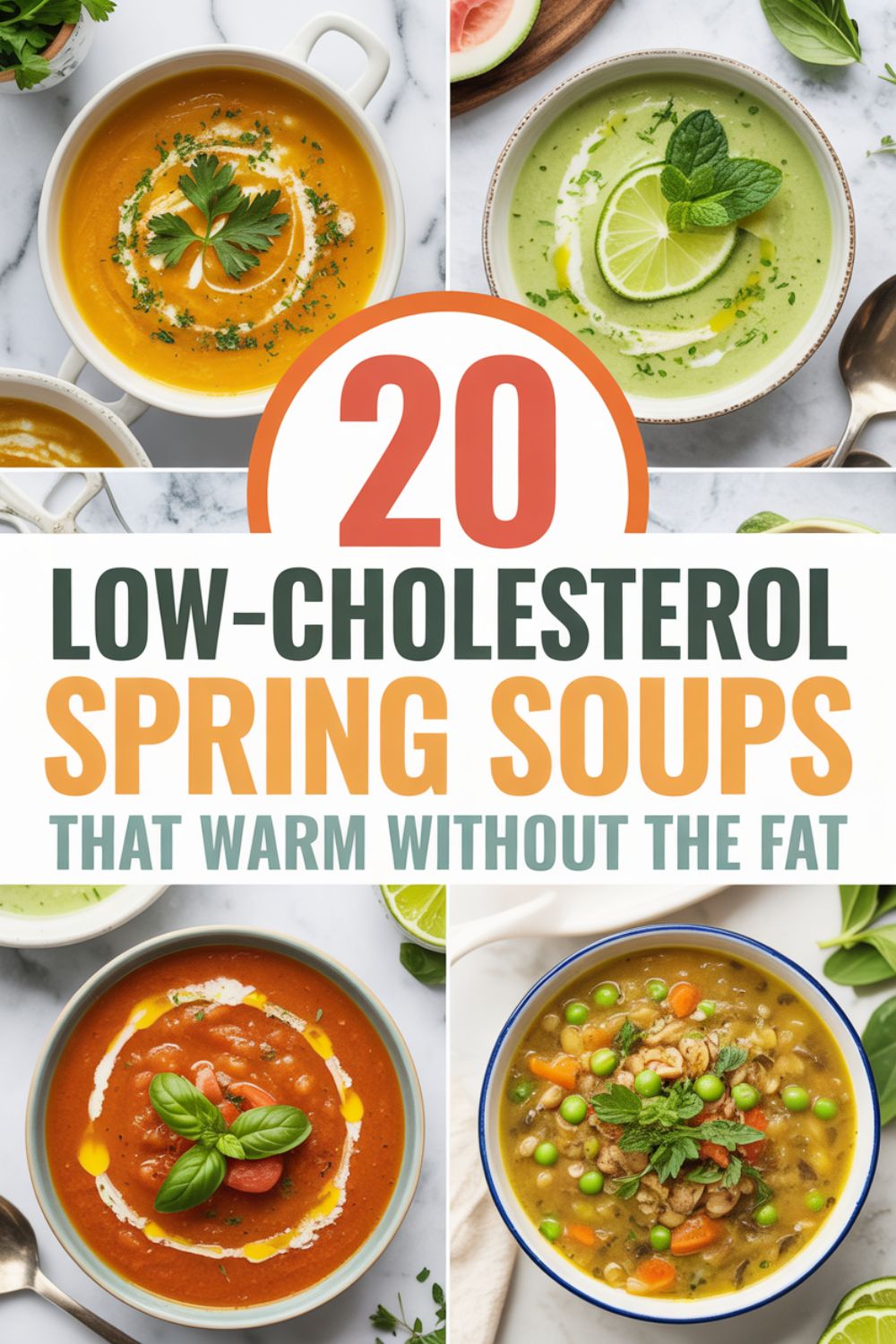
20 Low-Cholesterol Spring Soups That Warm Without the Fat
Look, I get it. You’re trying to watch your cholesterol, but you’re not about to live on sad salads and steamed chicken for the rest of your life. Spring’s here, the weather’s doing that weird thing where it’s 70 degrees one day and 45 the next, and all you want is a bowl of something comforting that won’t send your LDL through the roof.
Here’s the thing about soup—it’s basically the perfect low-cholesterol meal if you know what you’re doing. You’re loading up on vegetables, using broth instead of cream, and getting full without the saturated fat bomb that comes with a lot of “comfort food.” Plus, spring produce? Absolutely killer for this kind of cooking.
I’ve spent the last few months testing soups that actually taste like something you’d want to eat, not like punishment in a bowl. These 20 recipes prove you can have flavor, warmth, and heart health all in the same spoon. No bland nonsense here.
Why Spring Soups Are Your Cholesterol-Lowering Secret Weapon
Spring vegetables are basically nature’s cholesterol-fighting squad. We’re talking asparagus, peas, spring onions, fresh herbs, young carrots, and all that good stuff that shows up at farmers markets when the weather finally breaks. These ingredients are loaded with soluble fiber—the kind that actually helps your body kick cholesterol to the curb.
According to Harvard Health, getting 5 to 10 grams of soluble fiber daily can meaningfully reduce your LDL cholesterol. Soup makes this ridiculously easy because you’re concentrating all those fiber-rich vegetables into one bowl.
But here’s what really matters: these soups don’t rely on cream, butter, or fatty meat to taste good. We’re building flavor with fresh herbs, aromatics, citrus, and smart seasoning. You know, the stuff that actually makes food interesting instead of just heavy.
The Spring Soup Lineup That Actually Delivers
1. Asparagus and Leek Soup with Lemon
This is the soup that convinced me spring vegetables don’t need cream to be incredible. You’re roasting asparagus first to get that deep, almost nutty flavor, then blending it with sautéed leeks and vegetable broth. The lemon at the end? Total game-changer. It brightens everything and makes the soup taste way more complex than it has any right to be.
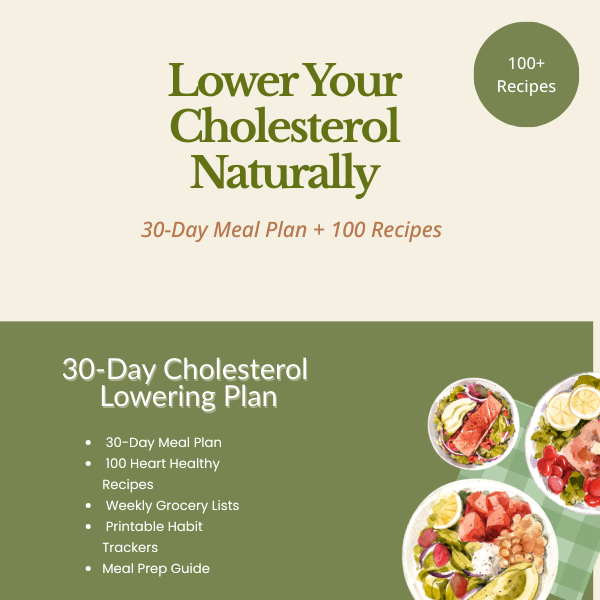
30-Day Cholesterol Reset System
A simple done-for-you plan to help you eat heart-healthy every day without confusion.
Over 1,000 people downloaded this guide
✔ 100 Easy Recipes
✔ Grocery Lists + Meal Prep Guide
🎁 FREE BONUSES:
✔ 7-Day Quick Start Plan
✔ Printable Grocery List
$29 $9
Get Instant AccessAsparagus is packed with folate and vitamin K, plus it’s got those cholesterol-fighting plant compounds called saponins. Leeks add sweetness and more fiber without any of the saturated fat you’d get from cream. Get Full Recipe.
2. Spring Pea Soup with Mint
Fresh peas and mint are one of those combinations that just works. The sweetness of the peas plays off the bright, almost cooling quality of the mint, and you end up with something that tastes light but still fills you up. I use frozen peas half the time—don’t @ me, they’re flash-frozen at peak freshness and they’re honestly great.
Peas bring protein and fiber to the table, which helps keep you satisfied longer. That’s important when you’re trying to avoid grazing on less heart-healthy snacks an hour after eating.
3. Carrot Ginger Soup
This one’s been in my rotation for years. Carrots are sweet enough on their own that you don’t need to add sugar or cream to make this soup taste like something special. The ginger adds this warm, spicy kick that makes the whole thing feel more substantial than it actually is.
Ginger’s also got anti-inflammatory properties, which is a nice bonus when you’re focused on heart health. I like using this microplane grater for fresh ginger—makes the job way less annoying than trying to mince it with a knife.
Looking for more ways to work vegetables into your meals? These low-cholesterol vegetarian meals are packed with flavor and won’t leave you feeling deprived.
4. White Bean and Kale Soup
Beans are basically a miracle food when it comes to cholesterol. They’re loaded with soluble fiber, they’re cheap, and they make soup feel hearty without needing meat or dairy. White beans have this creamy texture that makes the soup feel richer than it is.
Kale adds a slightly bitter, earthy note that balances out the beans. Plus, it’s got more nutrients than most vegetables can dream of. I tear the kale into pieces instead of chopping it—gives you better texture in every spoonful.
“I started making white bean soup every week after my doctor told me to watch my cholesterol. Three months later, my numbers dropped 20 points. This soup rotation literally changed my health.” — Maria, community member
5. Tomato Basil Soup (Without the Cream)
Hear me out on this one. Most tomato soups get their richness from heavy cream, but you don’t actually need it. Roasting the tomatoes concentrates their natural sugars and gives you that deep, rich flavor. Then you blend in fresh basil and maybe a touch of balsamic vinegar, and suddenly you’ve got restaurant-quality soup with zero saturated fat.
Tomatoes are packed with lycopene, which some studies suggest might help with cardiovascular health. It’s one of those ingredients where the science is still catching up, but it definitely won’t hurt.
6. Lentil Soup with Turmeric and Cumin
Lentils are another one of those MVP ingredients for cholesterol management. They’re packed with fiber and protein, they cook fast, and they soak up whatever flavors you throw at them. This version gets warmth from turmeric and cumin, which makes it feel almost like a curry but in soup form.
I use this set of measuring spoons for spices—the magnetic feature is weirdly convenient and they actually stay together in the drawer. The American Heart Association notes that plant-based protein sources like lentils are smart swaps for foods high in saturated fat.
7. Spring Minestrone with Fresh Vegetables
Minestrone is basically the kitchen sink of soups, and that’s exactly why it works so well for heart health. You’re throwing in whatever spring vegetables you’ve got—zucchini, green beans, carrots, tomatoes, maybe some spinach. Add white beans and a little pasta, and you’ve got a complete meal.
The best part? This soup actually tastes better the next day when all the flavors have had time to hang out together. Get Full Recipe.
If you’re looking for more complete meal ideas that support heart health, check out these low-cholesterol meals that are actually delicious.
8. Mushroom Barley Soup
Barley is one of those grains that deserves way more attention than it gets. It’s got a chewy texture and nutty flavor, plus it’s loaded with beta-glucan, which is a type of soluble fiber that’s been shown to help lower cholesterol. Pair it with earthy mushrooms and you’ve got something that feels almost meaty without any actual meat.
I like using a mix of mushroom varieties—cremini, shiitake, whatever looks good. Different mushrooms bring different flavors, and the combination makes the soup way more interesting. This is comfort food that happens to be ridiculously good for your heart.
9. Spinach and White Bean Soup
This soup comes together in about 20 minutes, which is clutch when you get home late and don’t feel like cooking for an hour. Spinach wilts down to nothing, white beans make it substantial, and a good vegetable broth ties everything together.
I finish mine with a squeeze of lemon and some red pepper flakes. The acid from the lemon makes all the flavors pop, and the heat from the pepper flakes gives it just enough kick to keep things interesting.
10. Cauliflower Soup with Herbs
Cauliflower gets creamy when you blend it, which means you can make a “cream” soup without any actual cream. I roast the cauliflower first with garlic and herbs, then blend it with vegetable broth until it’s smooth. The result tastes rich and indulgent even though it’s basically just vegetables and liquid.
Fresh herbs make a massive difference here. I’m talking thyme, rosemary, maybe some sage. Don’t skip them. They turn what could be a boring vegetable soup into something you’d actually order at a restaurant.
Kitchen Tools That Make These Soups Actually Happen
Look, you don’t need a million gadgets to make soup, but having the right tools makes everything easier. Here’s what I actually use on repeat:
- Immersion blender – Game-changer for pureed soups. No transferring hot liquid to a blender, no mess, no stress.
- Heavy-bottomed Dutch oven – Even heat distribution means nothing burns while your aromatics are cooking. Mine’s been going strong for five years.
- Glass meal prep containers – Perfect for portioning out soup for the week. Microwave-safe, dishwasher-safe, basically foolproof.
- Meal Prep Template – Spreadsheet for planning soup batches and tracking what’s in your freezer
- Soup Seasoning Guide – PDF chart showing which herbs and spices work best with different vegetables
- Heart-Healthy Cooking Course – Video series on building flavor without relying on butter, cream, or salt
11. Roasted Red Pepper and Tomato Soup
Roasting the peppers beforehand adds this smoky depth that you just can’t get any other way. Combined with tomatoes, you’ve got a soup that’s naturally sweet and slightly charred in the best possible way. No added sugar needed—the vegetables do all the work.
This one’s particularly good with a swirl of balsamic reduction on top. Fancy enough to serve to guests, easy enough to make on a random Tuesday.
12. Spring Vegetable Soup with Quinoa
Quinoa is technically a complete protein, which is pretty cool for a grain-type thing. It makes this soup more filling without adding any cholesterol or saturated fat. I load this up with whatever spring vegetables are looking good—snap peas, baby carrots, young zucchini, fresh herbs.
The quinoa soaks up the broth as it sits, so if you’re meal prepping, you might want to keep some extra broth on hand to thin it out when you reheat. Get Full Recipe.
For more protein-packed options that support your health goals, these low-cholesterol high-protein meals keep you full and satisfied.
13. Zucchini Basil Soup
This is one of those soups that’s way better than it has any right to be given how simple it is. Sauté zucchini with garlic and onions, add broth, throw in a ton of fresh basil, blend until smooth. That’s it. But somehow it tastes like you spent all afternoon on it.
Zucchini is super mild, which means the basil really gets to shine here. It’s bright, fresh, and feels light even though it’s got enough body to be satisfying. Perfect for those days when spring weather makes you want something that tastes like actual spring.
14. Chicken and Vegetable Soup (Skinless, Broth-Based)
Sometimes you just want chicken soup, you know? Using skinless chicken breast keeps the saturated fat low, and loading up on vegetables means you’re getting way more nutrients than your average chicken noodle situation.
I use a whole rotisserie chicken sometimes—just pull off the skin first. The meat is already cooked, which cuts your prep time in half. According to research on cholesterol and nutrition from Cleveland Clinic, choosing lean protein sources is key for managing cholesterol levels.
Need more chicken inspiration? These low-cholesterol chicken recipes prove that poultry doesn’t have to be boring.
15. Split Pea Soup with Herbs
Split peas are criminally underrated. They break down as they cook and create this naturally creamy texture without needing any dairy. Plus, they’re dirt cheap and store forever in your pantry, which makes them perfect for those “I have no idea what to make” nights.
Traditional split pea soup uses ham, but you can get plenty of flavor from smoked paprika and herbs instead. The paprika gives you that smoky depth without the saturated fat from pork. I use this Spanish smoked paprika—it’s worth getting the good stuff.
16. Broccoli and Leek Soup
Broccoli gets a bad rap from being overcooked and mushy, but when you do it right, it’s actually got a great flavor. This soup blends roasted broccoli with leeks and turns into something that tastes way fancier than it is. The leeks add sweetness and the broccoli brings this slightly nutty, green thing that works really well together.
Broccoli’s also packed with fiber and vitamins, plus it’s got compounds that might help with inflammation. It’s basically a multivitamin in vegetable form.
17. Thai-Inspired Vegetable Soup
This one’s got lemongrass, ginger, lime, and whatever vegetables you want to throw in. The flavor profile is completely different from your typical European-style soup, which is great when you’re getting bored with the same old thing.
I use coconut milk sometimes in Thai soups, but I go for the light version and use way less than traditional recipes call for. You still get that creamy richness and coconut flavor, but without as much saturated fat. It’s about balance, not deprivation.
18. Artichoke and White Bean Soup
Artichokes are one of those vegetables people forget about, which is a shame because they’re amazing in soup. They’ve got this slightly nutty, almost sweet flavor that pairs perfectly with white beans. Plus, they’re loaded with fiber—one medium artichoke has like 7 grams.
I use canned or frozen artichokes for this because dealing with fresh ones is honestly a pain. The canned ones work great and save you like 30 minutes of prep work. Work smarter, not harder.
19. Spring Greens Soup with Lemon
This is basically a “clean out your fridge” soup using whatever spring greens you’ve got—spinach, arugula, chard, whatever. The lemon at the end makes everything taste bright and fresh instead of just like… boiled greens, which nobody wants.
Spring greens are packed with vitamins A, C, and K, plus they’ve got minerals like iron and calcium. Blending them into soup is a sneaky way to eat way more greens than you’d normally put on your plate. Get Full Recipe.
“I was skeptical about ‘healthy’ soups actually tasting good, but the spring greens soup changed my mind completely. It’s become my go-to lunch and my cholesterol levels have never been better.” — James, community reader
20. Chickpea and Spinach Soup
Chickpeas are another fiber powerhouse, and they’ve got this nutty flavor and firm texture that holds up really well in soup. Combined with spinach, you’ve got a soup that’s high in protein, high in fiber, and ridiculously satisfying.
I season this with cumin, coriander, and a little smoked paprika. The spices make it feel warm and complex without being spicy-hot. It’s the kind of soup that makes you forget you’re eating something that’s supposedly “healthy.”
For more ideas on incorporating heart-healthy ingredients into your meals, check out these foods that naturally lower cholesterol.
The Art of Building Flavor Without Fat
Here’s the secret nobody tells you: fat carries flavor, but it’s not the only thing that carries flavor. You can build incredibly rich, complex taste using aromatics, herbs, spices, acids, and smart cooking techniques.
Aromatics are your foundation. Onions, garlic, shallots, leeks, ginger—these are what build the base of almost every good soup. Take the time to cook them properly and you’re already halfway to something delicious.
Fresh herbs are non-negotiable. Dried herbs have their place, but fresh herbs at the end of cooking add this bright, vibrant quality that makes soup taste alive instead of like it came from a can. Basil, cilantro, parsley, dill, mint—don’t skip them.
Acid is your secret weapon. A squeeze of lemon juice, a splash of vinegar, a bit of tomato—acid makes all the other flavors in your soup pop and prevents things from tasting flat or one-dimensional.
Roasting vegetables first concentrates their flavors and adds depth you just can’t get from boiling them in broth. It takes an extra 20 minutes, but the difference is massive.
According to the National Heart, Lung, and Blood Institute’s TLC diet guidelines, limiting saturated fat doesn’t mean sacrificing flavor—it just means getting creative with how you build it.
Making Soup Work for Your Life
The best soup in the world doesn’t mean anything if you never actually make it. Here’s how I make this sustainable instead of just another thing on my to-do list that never happens.
Batch cooking is your friend. I make a huge pot on Sunday and eat soup for lunch all week. Sounds boring, but it’s actually not when you’ve got 20 different recipes to rotate through. Plus, soup often tastes better after a day or two when the flavors have married.
Freeze in portions. I use these wide-mouth mason jars for freezing soup—leave an inch of headspace and they won’t crack. Or use freezer bags laid flat in your freezer for easy stacking. Future you will be so grateful when you don’t feel like cooking.
Prep your aromatics in advance. Chop up a bunch of onions, celery, and carrots on the weekend and keep them in the fridge. When you want to make soup, half the work is already done. Game-changer for weeknight cooking.
Want to meal prep more efficiently? These low-cholesterol meal prep ideas will help you stay organized all week long.
Good stock matters. IMO, homemade stock is worth it if you’ve got the time, but I’m not going to pretend I make it every week. Store-bought is fine—just look for low-sodium versions so you can control the seasoning yourself. I keep these boxed stocks in my pantry because they taste way better than the canned stuff.
What About Sodium?
Look, we need to talk about salt. Most canned soups are absolutely loaded with sodium, which isn’t great if you’re watching your heart health. The American Heart Association recommends keeping sodium under 2,300 milligrams daily, ideally closer to 1,500.
When you make your own soup, you control exactly how much salt goes in. I use way less than most recipes call for and compensate with other seasonings. Fresh herbs, citrus, vinegar, and spices all add flavor without adding sodium.
If you’re using canned beans or vegetables, rinse them first. You’d be shocked how much sodium comes off in the rinse water. Little things like this add up over the course of a week.
The Soups That Changed My Mind About “Health Food”
Real talk: I used to think eating for heart health meant choking down bland, boring food and pretending to enjoy it. These soups proved me completely wrong.
The asparagus lemon soup? I legitimately crave it. The Thai-inspired vegetable soup? I’d order that at a restaurant and be happy about it. The white bean and kale situation? Comfort food that actually deserves the name.
The common thread in all of these is that they focus on flavor first. They just happen to be low in cholesterol and saturated fat as a bonus, not because they’re trying to punish you for having arteries.
If you need more dinner inspiration that keeps things interesting, these low-cholesterol dinners are worth putting on rotation.
Spring Produce Shopping Guide
Not sure what’s actually in season? Here’s what to look for at the market in spring:
- Asparagus – Look for firm stalks with tight tips. Avoid ones that are slimy or have super woody bottoms.
- Peas – Fresh peas should be bright green and firm. But honestly, frozen peas are great and often sweeter because they’re picked at peak ripeness.
- Spring onions and leeks – Should be crisp with fresh-looking green tops. No sliminess anywhere.
- Baby carrots – The real ones, not those pre-cut things. They should be firm with bright orange color.
- Fresh herbs – Basil, mint, dill, parsley, cilantro—all of these are at their peak in spring. Look for perky leaves without brown spots.
- Spinach and spring greens – Fresh, crisp leaves. Avoid anything wilted or yellowing.
- Zucchini – Small to medium is better than giant. The huge ones can be watery and full of seeds.
Shopping at farmers markets in spring means you’re getting produce at peak flavor and nutrition. Plus, it’s usually picked way more recently than grocery store stuff that’s been sitting in storage.
Frequently Asked Questions
Can I freeze these soups for meal prep?
Absolutely. Most of these soups freeze beautifully for up to 3 months. Just make sure to leave some headspace in your containers since liquids expand when frozen. The only exceptions are soups with potatoes or pasta—those can get a little weird texture-wise after freezing. For those, I’d recommend freezing the base and adding the starch when you reheat.
Do I really need to use fresh herbs, or will dried work?
Dried herbs work fine for cooking into the soup, but fresh herbs at the end make a huge difference in brightness and flavor. If you’re choosing between the two, use dried for long-cooking soups like lentil or bean, but spring for fresh when it’s a main flavor component (like in the pea mint soup or spring greens with lemon). Fresh herbs cost more but the flavor payoff is real.
How long will these soups last in the fridge?
Most soups will keep for 4-5 days in the fridge in airtight containers. They often taste better on day 2 or 3 when the flavors have had time to develop. If you notice any off smells or changes in texture, toss it—better safe than sorry.
Can I make these soups without an immersion blender?
Sure. A regular blender works fine—just be careful with hot liquids. Fill the blender only halfway, hold the lid down with a towel, and start on low speed to avoid explosions of hot soup all over your kitchen. Alternatively, you can leave the soups chunky instead of blending them. The texture’s different but they still taste great.
Are these soups really effective for lowering cholesterol?
These soups alone won’t magically fix high cholesterol, but they’re part of a heart-healthy eating pattern that can make a real difference. They’re high in soluble fiber, low in saturated fat, and packed with nutrients. Combined with other lifestyle changes like regular exercise and managing portion sizes, they can absolutely contribute to better cholesterol numbers. That said, always work with your doctor if you’re dealing with high cholesterol—diet is important but sometimes you need medication too.
Final Thoughts on Spring Soup Season
Here’s what I’ve learned after months of making these soups on repeat: eating well for your heart doesn’t have to feel like a compromise. These soups are legitimately delicious, not just “good for being healthy.”
Spring is the perfect time to start a soup habit because the vegetables are at their peak and the weather still calls for something warm. You’re not fighting against the seasons or trying to force yourself to eat food you don’t actually want.
Start with one or two recipes that sound good to you. Make a big batch. See how you feel. Chances are, you’ll find a few that become your go-to meals without even thinking about the fact that they’re heart-healthy.
The goal isn’t perfection—it’s finding food that supports your health goals while actually tasting like something you’d choose to eat. These 20 soups do exactly that. They’re warm, satisfying, and packed with spring flavor, all without the saturated fat that sends cholesterol numbers climbing.
Give them a shot. Your taste buds and your heart will both be happy about it.
30-Day Cholesterol-Lowering Meal Plan
A simple step-by-step system to help you eat heart-healthy every day without stress.
Over 1,000 people downloaded this guide
$29$9
Get Instant Access