
17 Low-Cholesterol Meals Under 400 Calories
Real food. Real flavor. Every single one keeps your heart happy and your calorie count where it belongs.
Let’s be real for a second. When most people hear “low-cholesterol diet,” they picture a sad plate of steamed broccoli and a piece of fish that has seen better days. Been there, felt that particular kind of betrayal. But here’s what nobody tells you upfront: eating for your heart doesn’t have to feel like punishment. You can have flavorful, filling, genuinely satisfying meals that keep LDL levels in check and land well under 400 calories per serving.
This list is exactly that. Seventeen meals, every one of them built around ingredients that your cardiovascular system loves, all staying firmly under the 400-calorie mark. Whether you’re managing cholesterol on your doctor’s recommendation, getting proactive about heart health, or just trying to eat a little cleaner without living on rabbit food, you’re in the right place.

Why Under 400 Calories and Low Cholesterol Actually Makes Sense Together
Here’s a question worth sitting with: why do so many heart-healthy meals end up being calorie-dense anyway? Because a lot of people confuse “good fats” with “unlimited fats.” Avocado is fantastic for cholesterol. Olive oil is a hero. But pouring them generously over every meal can push calories into territory that works against weight management — and weight and cholesterol are closely linked.
The goal with this list is balance. We’re leaning on lean proteins, fiber-rich vegetables, whole grains, and smart fats in measured amounts. The American Heart Association recommends building meals around plant-based proteins, seafood, and vegetables while keeping saturated fats in check — and every recipe in this list does exactly that.
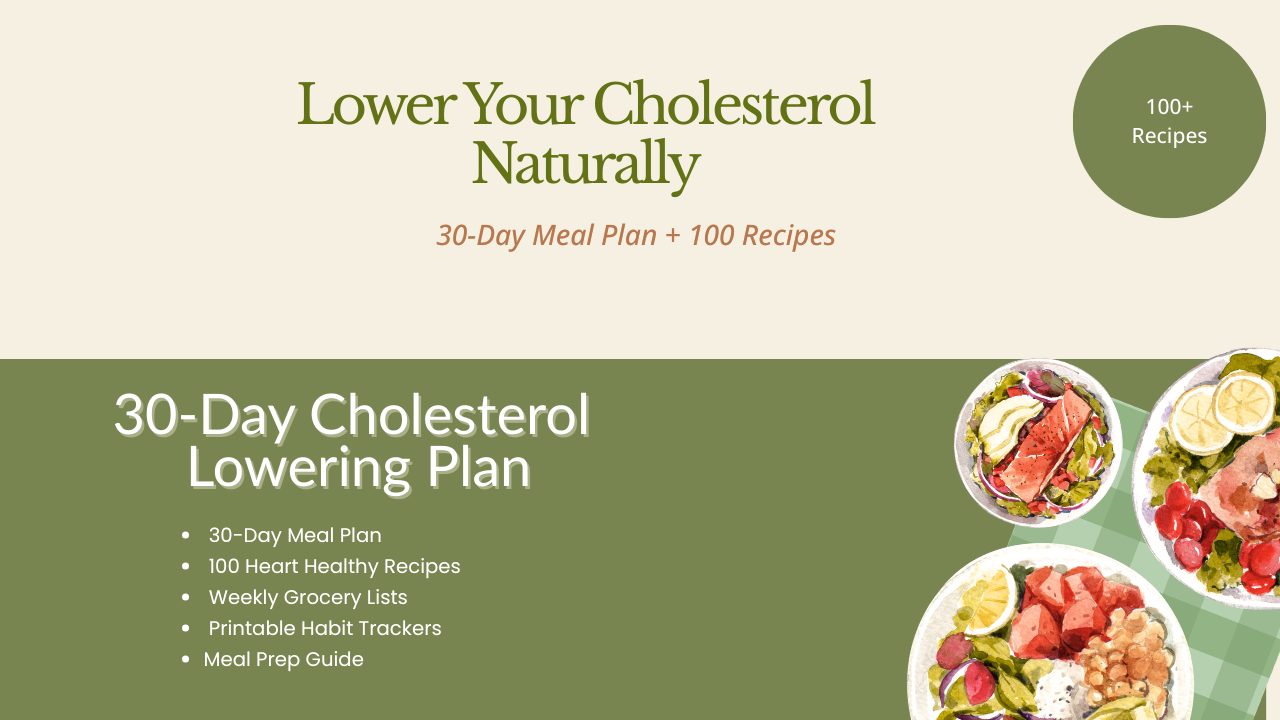
30-Day Cholesterol Reset System
A simple done-for-you plan to help you eat heart-healthy every day without confusion.
Over 1,000 people downloaded this guide
✔ 100 Easy Recipes
✔ Grocery Lists + Meal Prep Guide
🎁 FREE BONUSES:
✔ 7-Day Quick Start Plan
✔ Printable Grocery List
$29 $9
Get Instant AccessFYI, all calorie counts below are approximate based on standard serving sizes. Ingredient quality and exact measurements will shift things slightly, so treat the numbers as solid estimates rather than lab-certified absolutes.
Prep your grains in bulk on Sunday — quinoa, brown rice, or farro keep well in the fridge for 5 days and cut your weeknight cooking time in half.
The 17 Meals: Breakfast, Lunch, and Dinner Covered
Let’s get into it. These are organized loosely by meal type so you can plan across the full day without having to do mental gymnastics every morning.
Morning Meals That Won’t Bore You
- 1~320 cal
Overnight Oats with Chia and Sliced Strawberries Get Full Recipe
Rolled oats soaked overnight in unsweetened almond milk, topped with chia seeds, fresh strawberries, and a light drizzle of honey. Beta-glucan fiber in oats actively helps reduce LDL cholesterol — it’s one of those rare cases where science and delicious overlap perfectly. These overnight oats are perfect for meal prep; make five jars Sunday and you’re set for the week.
- 2~340 cal
Avocado and Egg White Toast on Whole Grain Get Full Recipe
Two slices of whole grain bread, mashed avocado, poached or pan-fried egg whites, a pinch of red pepper flakes, and a squeeze of lemon. Egg whites carry all the protein of a whole egg with none of the dietary cholesterol — which makes them a quiet superstar for heart-conscious cooking. 25 low-cholesterol breakfast ideas for heart health covers even more morning options if you need to rotate.
- 3~290 cal
Greek Yogurt Parfait with Walnuts and Blueberries Get Full Recipe
Non-fat Greek yogurt layered with fresh blueberries, a tablespoon of crushed walnuts, and a sprinkle of ground flaxseed. Walnuts bring omega-3 fatty acids to the party, which support healthy HDL levels. Flaxseed adds a dose of soluble fiber. It tastes indulgent enough that you’ll forget it’s technically doing your arteries a favor.
Speaking of great mornings, if you need more variety beyond these three, check out 20 low-cholesterol breakfasts under 300 calories or browse these 21 quick spring breakfasts for heart health for lighter seasonal options.
Lunches That Actually Keep You Full
- 4~310 cal
Lentil and Kale Soup with Lemon Get Full Recipe
Red lentils simmered with garlic, diced tomatoes, kale, cumin, and a bright squeeze of lemon at the end. Lentils are a serious cholesterol-fighting food — they’re high in soluble fiber, low in saturated fat, and filling enough that you won’t be raiding the pantry an hour later. This one is also one of those low-cholesterol soups you’ll make on repeat regardless of season.
- 5~385 cal
Grilled Chicken and Quinoa Power Bowl Get Full Recipe
Sliced grilled chicken breast over a base of cooked quinoa, roasted cherry tomatoes, cucumber, and a light drizzle using this bottle of cold-pressed extra virgin olive oil mixed with lemon juice. Quinoa is a complete protein and brings fiber that slows cholesterol absorption in the gut. It’s one of those ingredients that pulls double duty without making a fuss about it.
- 6~330 cal
Mediterranean Chickpea Salad Get Full Recipe
Canned chickpeas rinsed and tossed with diced cucumber, halved olives, cherry tomatoes, red onion, fresh parsley, and a simple lemon-olive oil dressing. Plant-based proteins like chickpeas are one of the best swaps you can make to lower LDL — they contain zero dietary cholesterol and loads of soluble fiber. No cooking required, which, honestly, makes it almost too easy.
- 7~275 cal
Turkey and Spinach Lettuce Wraps Get Full Recipe
Ground turkey cooked with garlic, a little low-sodium soy sauce, ginger, and water chestnuts, served in butter lettuce cups over a pile of baby spinach. Ground turkey — specifically the lean variety — is a reliable protein that keeps saturated fat low. If you line a solid non-stick ceramic skillet with a light spray and cook on medium heat, you get beautifully browned turkey with almost no added fat.
I started making the lentil soup and the chickpea salad on rotation every week. After three months of eating this way consistently, my LDL dropped 22 points. My doctor was genuinely surprised. I wasn’t — the food was too good not to stick with.
— Maria R., from our communityDinner Recipes That Feel Like Real Food
Dinner is where most heart-healthy eating plans fall apart. You’re tired, you’re hungry, and the idea of a complicated recipe that takes 45 minutes and dirtied three pots sounds actively hostile. The dinners below are straightforward, use real ingredients, and taste like food a person actually chose to eat — not food they were sentenced to.
- 8~360 cal
Baked Salmon with Asparagus and Lemon Get Full Recipe
A salmon fillet baked alongside asparagus spears at 400°F for about 15 minutes, finished with lemon zest, fresh dill, and a very light brush of olive oil. Salmon is loaded with omega-3 fatty acids, which the Mayo Clinic identifies as key to supporting heart health and reducing cardiovascular risk. It’s fast enough for a Tuesday and impressive enough that guests will assume you made more of an effort than you actually did.
- 9~370 cal
Stuffed Bell Peppers with Brown Rice and Black Beans Get Full Recipe
Halved bell peppers filled with a mix of cooked brown rice, black beans, corn, diced tomatoes, cumin, and smoked paprika, then baked until tender. This is fully plant-based, which keeps dietary cholesterol at zero while delivering substantial fiber and protein. I use a glass baking dish for these because cleanup is genuinely painless and they cook more evenly than in a metal pan.
- 10~340 cal
Shrimp and Zucchini Stir-Fry with Brown Rice Get Full Recipe
Shrimp sautéed quickly with sliced zucchini, garlic, low-sodium soy sauce, and a little sesame oil, served over half a cup of brown rice. Shrimp get unfairly accused of being bad for cholesterol — but dietary cholesterol in shellfish has far less impact on blood cholesterol than saturated fat does. This whole dish comes together in under 15 minutes, which is the kind of efficiency that makes weeknight cooking actually sustainable.
Batch-cook your brown rice in a rice cooker on the weekend. Store it in a sealed container and dinner assembly on weeknights drops to about 8 minutes flat.
- 11~380 cal
White Bean and Tomato Ragù over Whole Wheat Pasta Get Full Recipe
A simple tomato sauce loaded with white beans, garlic, basil, and a splash of white wine — served over 2 oz of whole wheat pasta. White beans are another fiber powerhouse, and swapping regular pasta for whole wheat adds even more soluble fiber to the meal. It tastes richer than a 380-calorie dish has any right to taste. For more pasta-adjacent ideas, the 21 low-cholesterol low-calorie recipes that satisfy list has some excellent options.
- 12~390 cal
Baked Chicken Thighs (Skin Off) with Roasted Sweet Potato Get Full Recipe
Skinless chicken thighs seasoned with garlic powder, herbs de Provence, and a tiny brush of olive oil, baked alongside cubed sweet potato. Removing the skin on chicken dramatically cuts saturated fat while keeping the meat juicy and flavorful. Sweet potato brings beta-carotene and additional fiber, making this one of the most nutritionally complete dinners on this list. Check out 20 low-cholesterol chicken recipes packed with flavor for more ideas along this line.
- 13~355 cal
Vegetable and Tofu Thai Green Curry (Light Coconut Milk) Get Full Recipe
Firm tofu and mixed vegetables in a green curry sauce made with light coconut milk, green curry paste, lime, and fresh basil — served over half a cup of jasmine rice. Using light rather than full-fat coconut milk cuts the saturated fat significantly without hollowing out the flavor. Tofu is a cholesterol-free protein that absorbs the curry sauce like it was born to do it.
If plant-based dinners are becoming a regular thing, you’ll want to keep 25 low-cholesterol vegetarian meals you’ll actually crave bookmarked. And if one-pan cooking is your love language, these 21 low-cholesterol one-pan dinners will make your weeknights significantly less chaotic.
Snacks, Salads, and the Meals That Fall In Between
Sometimes the most dangerous calorie intake of the day happens in that no man’s land between meals. You’re not hungry enough for a full plate but too hungry to wait another hour. These next few ideas cover that territory without blowing up your cholesterol goals.
- 14~310 cal
Tuna Niçoise-Style Salad Get Full Recipe
Canned water-packed tuna over a bed of mixed greens with halved cherry tomatoes, green beans, a sliced hard-boiled egg, Kalamata olives, and a simple Dijon vinaigrette. This is one of those meals that genuinely looks like it came from a French bistro but took about ten minutes to assemble. Tuna canned in water is lean, high-protein, and low in saturated fat. IMO it’s one of the most underrated heart-healthy pantry staples you can keep stocked.
- 15~370 cal
Black Bean Tacos in Corn Tortillas Get Full Recipe
Two corn tortillas filled with seasoned black beans, shredded cabbage, sliced avocado (about a quarter of one), pico de gallo, and a squeeze of lime. Corn tortillas have significantly fewer calories than flour and contain no saturated fat. Avocado adds monounsaturated fat that actively supports HDL — the cholesterol you want more of. For a broader look at what foods support cholesterol naturally, this list of 25 foods that naturally lower cholesterol is worth a read.
- 16~345 cal
Edamame and Brown Rice Buddha Bowl Get Full Recipe
Shelled edamame, brown rice, shredded carrots, sliced radishes, cucumber, and a miso-ginger dressing made with a whisked tablespoon of white miso, rice vinegar, ginger, and a tiny bit of sesame oil. Edamame is a complete plant protein with no cholesterol and plenty of fiber. The miso-ginger dressing comes together in 90 seconds using a small glass jar with a lid — just shake and pour. Done.
- 17~360 cal
Spiced Lentil and Roasted Cauliflower Bowl Get Full Recipe
Green lentils simmered with turmeric, cumin, and coriander, served alongside cauliflower roasted until caramelized and golden at the edges, finished with a yogurt-tahini sauce and fresh herbs. This is the kind of meal that makes people skeptical until they taste it, then suddenly they’re texting you asking for the recipe. Cauliflower is low in calories and high in fiber, and turmeric has been studied for its anti-inflammatory properties that support cardiovascular wellness.
Roast two trays of mixed vegetables on Sunday — cauliflower, zucchini, sweet potato, and chickpeas — and you’ll have the building blocks for multiple bowls, salads, and wraps all week long without repeating the same exact meal twice.
Meal Prep Essentials for These Recipes
A few things that make cooking these meals way more enjoyable — the kind of stuff I’d mention if you came over and asked what’s actually useful in my kitchen.
Physical Tools Worth Having
Ceramic Non-Stick Skillet (10-inch)
For the turkey wraps, shrimp stir-fry, and anything else that benefits from a little browning without a flood of oil. A good ceramic surface changes how little fat you actually need to cook well.
See It HereGlass Meal Prep Containers (Set of 10)
Overnight oats, pre-portioned rice, chopped salad ingredients — these live in your fridge and save you from standing in front of an open door at 7pm making poor decisions.
See It HereRice Cooker with Steamer Basket
Set it, walk away, come back to perfectly cooked brown rice and steamed vegetables. The steamer basket doubles as a hands-off way to cook salmon and vegetables at the same time.
See It HereDigital Resources That Actually Help
Low-Cholesterol Meal Plan PDF
A downloadable weekly plan using meals like these, with a built-in grocery list organized by section of the store. The kind of thing that makes Sunday prep feel manageable instead of overwhelming.
Get the PlanHeart-Healthy Seasoning Guide
A printable guide to herb and spice combinations that add maximum flavor without adding sodium or saturated fat — covers Mediterranean, Asian, and Latin flavor profiles.
Get the GuideCholesterol-Friendly Grocery List Template
A reusable, fillable grocery list organized by food category — proteins, whole grains, produce, pantry staples — specifically built around a low-cholesterol eating pattern.
Get the TemplateTips for Making These Meals Work Long-Term
Eating well for one week is easy. Doing it consistently for three months — which is realistically when you’ll see meaningful changes in cholesterol numbers — requires a few systems. These aren’t complicated. They’re just things worth knowing upfront.
Batch Cook the Protein and Grain Components
If you cook a batch of quinoa, brown rice, or lentils at the start of the week, every meal on this list that uses a grain base takes about seven minutes of actual effort. Chicken breast, shrimp, and tofu all cook from scratch in under fifteen minutes, but if you pre-cook and refrigerate them, those minutes vanish entirely. It’s the kind of preparation that feels slightly boring to do and wildly satisfying on Wednesday evening.
Use Olive Oil as Your Default Cooking Fat
Swapping butter and other saturated fats for olive oil is one of the most actionable single changes you can make to support cholesterol levels through diet. A quality extra virgin olive oil in a dark glass bottle preserves the beneficial polyphenols that a plastic bottle or clear glass would degrade. Worth the small upgrade. You’ll also find that it makes simple vegetables taste significantly better than you’d expect from something so straightforward.
Don’t Skip the Fiber
Every meal on this list includes at least one meaningful source of dietary fiber — lentils, oats, beans, whole grains, or vegetables. That’s intentional. Soluble fiber forms a gel in the digestive tract that binds to cholesterol-containing bile acids and removes them before absorption. It’s one of the clearest mechanisms we have in dietary cholesterol management, and it works best when it shows up consistently across the day rather than in one big fiber-bomb at dinner.
I was honestly convinced I’d never stick to eating this way because I thought healthy food just tasted sad. These recipes changed that completely. The lentil bowl and the salmon dinner are on my weekly rotation now — not because I have to eat them but because I genuinely want to.
— James T., community memberMake Swaps That Feel Natural, Not Punitive
The recipes above already do most of the work here — but a few general swaps extend beyond this specific list. Choose low-sodium broth over salted versions. Use Greek yogurt instead of sour cream in sauces. Opt for whole grain bread and pasta over refined versions. None of these feel like dramatic sacrifices; they’re just slightly smarter versions of things you’re already doing. For a comprehensive look at what makes these swaps effective, this guide to low-cholesterol foods for a stronger heart breaks it all down clearly.
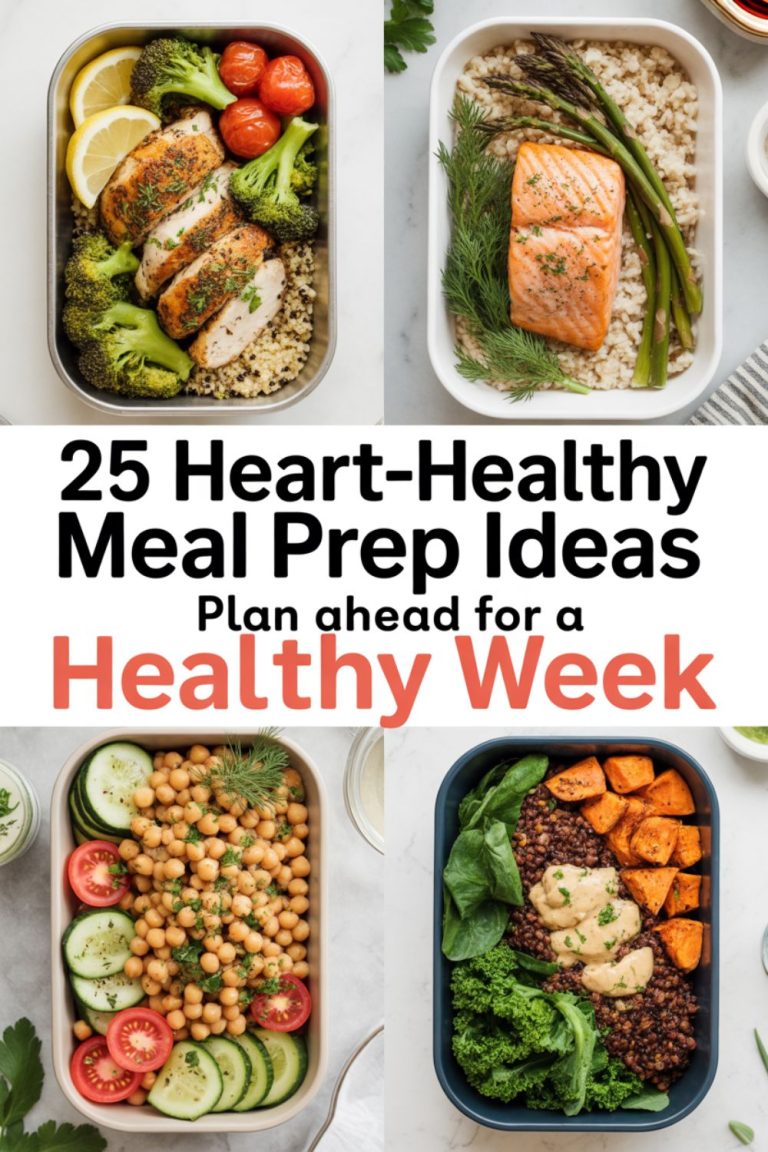
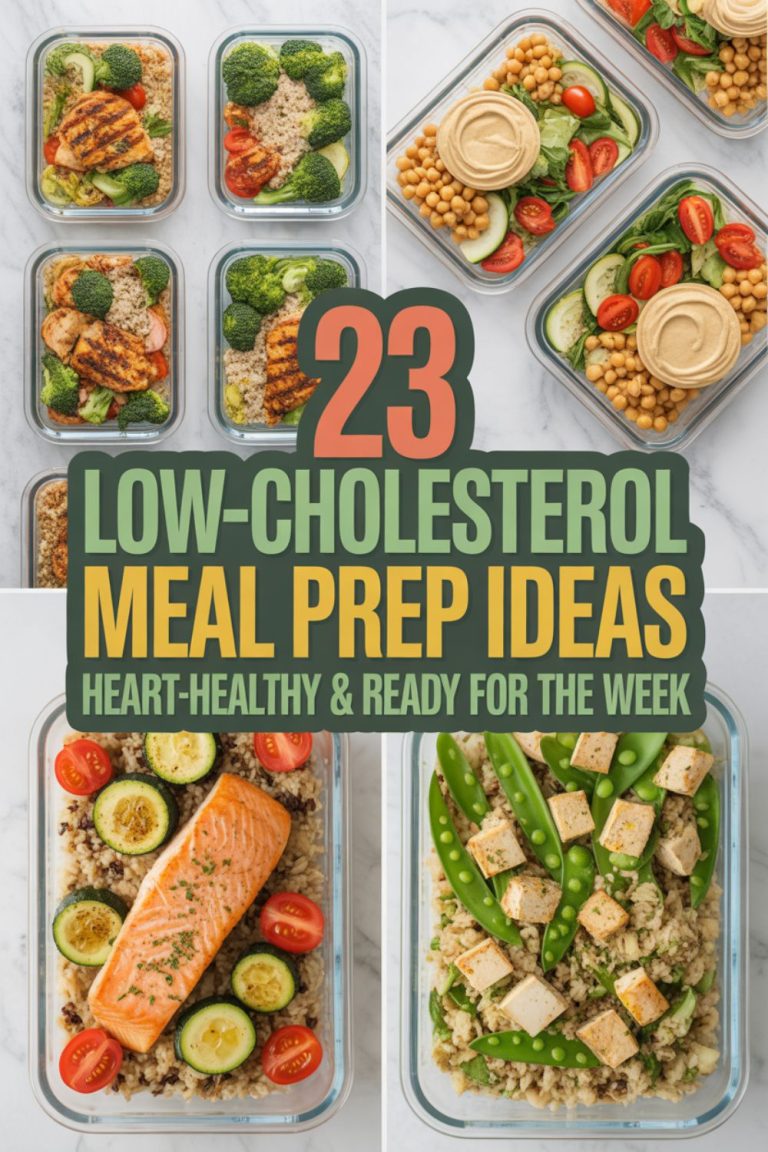
If you’re planning meals for the week ahead, check out 25 low-cholesterol meal prep ideas for the week — it covers exactly how to structure batch cooking for this type of eating. You can also browse these 18 low-cholesterol dinners that feel light and filling for dinner rotation variety.
Frequently Asked Questions
Can you actually lower cholesterol just by changing what you eat?
Yes, and often meaningfully so. Dietary changes — specifically reducing saturated and trans fats while increasing soluble fiber and healthy unsaturated fats — can lower LDL cholesterol by 10 to 20 percent in many people. That said, how much diet alone moves the needle varies depending on genetics, baseline levels, and lifestyle factors. It’s worth tracking with your doctor over 3–6 months to see your individual response.
Are all these meals safe for someone on cholesterol medication?
Generally, yes — the meals here use standard whole foods with no unusual ingredients that interact with common cholesterol medications. That said, if you’re on statins or other heart medications, it’s worth checking with your prescribing doctor about any dietary specifics. Grapefruit, for instance, is a known interaction point with certain statins and doesn’t appear in this list, but it’s the kind of thing worth discussing directly.
How long does it take to see results from a low-cholesterol diet?
Most people see meaningful changes in their lipid panel within 6 to 12 weeks of consistent dietary changes. The key word is consistent — eating well three days a week and reverting the other four won’t produce the same shift. A blood test at 3 months after starting a change like this gives you a useful data point on how your body is responding.
Can I eat these meals if I’m also trying to lose weight?
Absolutely, and actually these two goals overlap quite well. All 17 meals here come in under 400 calories, which fits comfortably into most moderate calorie deficit plans. The fiber and protein content of these recipes also helps with satiety — you tend to feel fuller for longer, which makes sticking to a calorie target significantly less of a white-knuckle exercise.
What’s the difference between dietary cholesterol and blood cholesterol?
Dietary cholesterol is the cholesterol found in the food you eat. Blood cholesterol (LDL, HDL, triglycerides) is what circulates in your bloodstream and is manufactured largely by your liver. Research has shifted on this — saturated and trans fats in food have a much stronger effect on blood cholesterol levels than dietary cholesterol itself does. That’s why shrimp and eggs can be part of a heart-healthy diet even though they’re high in dietary cholesterol, while processed meats and full-fat dairy tend to cause more cholesterol-related concern through their saturated fat content.
The Bottom Line
Eating for your cholesterol and eating well are not mutually exclusive. These 17 meals prove that — not in a theoretical, “trust the process” kind of way, but in a practical, here’s-dinner-on-a-Thursday kind of way. The ingredients are accessible, the prep is reasonable, and the food actually tastes like something you chose to make rather than something prescribed to you.
Start with three or four meals that sound genuinely appealing and build from there. Most people who make lasting changes to their eating patterns don’t overhaul everything at once — they find a few anchors that work and rotate from there. These 17 give you plenty to work with. Pick your starting point and cook something tonight.
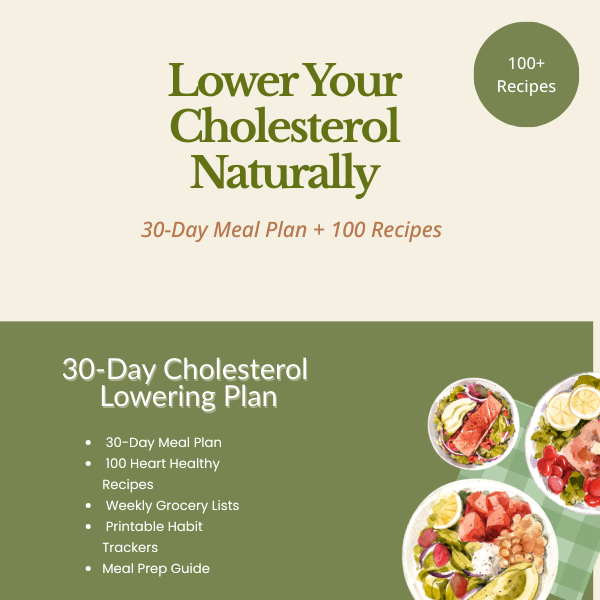
30-Day Cholesterol-Lowering Meal Plan
A simple step-by-step system to help you eat heart-healthy every day without stress.
Over 1,000 people downloaded this guide
$29$9
Get Instant Access