
18 Low-Cholesterol Smoothies and Juices for a Healthy Heart
Your doctor mentioned cholesterol, and now you’re side-eyeing your breakfast routine. I get it. But here’s the thing—managing cholesterol doesn’t mean choking down bland health food that tastes like cardboard. I’ve spent the last year creating smoothies and juices that actually taste amazing while keeping my heart happy, and I’m sharing every single one.
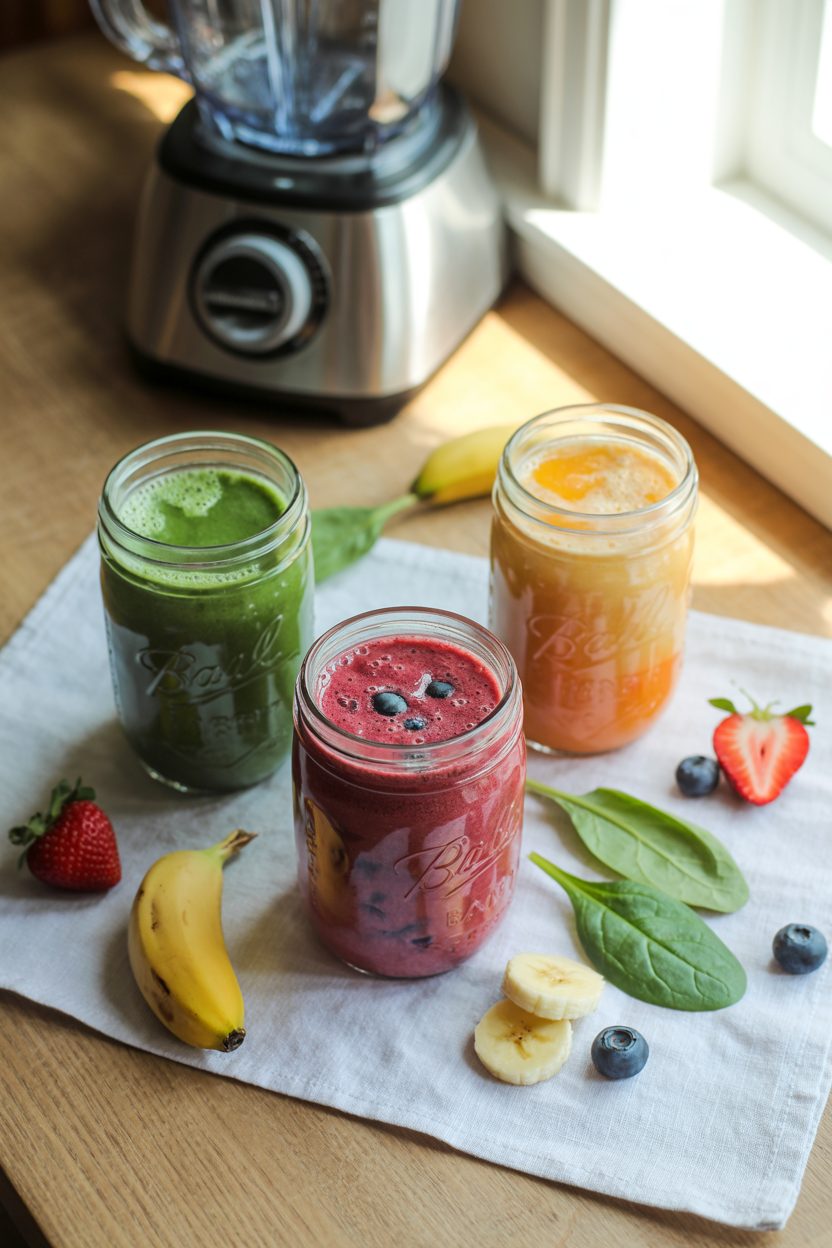
These 18 recipes pack serious flavor without the cholesterol overload. No boring green sludge here. We’re talking creamy berry blends, tropical explosions, and even dessert-like concoctions that make your taste buds forget they’re being healthy. Ready to blend your way to better heart health?
Why Your Heart Loves These Drinks
Let me break this down without the medical jargon. Cholesterol comes in two types—LDL (the lousy one that clogs arteries) and HDL (the helpful one that cleans things up). The smoothies and juices I’m sharing focus on ingredients that actively lower LDL while boosting HDL.
Think of it like this: you’re not just avoiding the bad stuff. You’re actively adding ingredients that fight back. Soluble fiber from oats and berries, omega-3s from flaxseed, and antioxidants from fruits work together to support cardiovascular health. According to the American Heart Association, soluble fiber can reduce the absorption of cholesterol into your bloodstream.
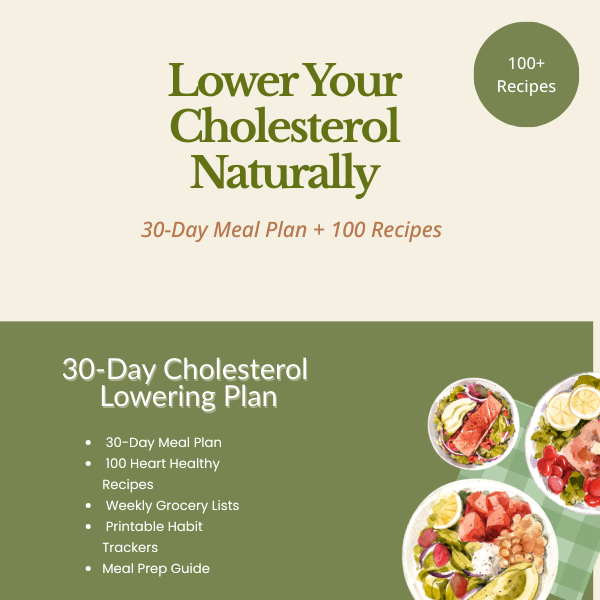
30-Day Cholesterol Reset System
A simple done-for-you plan to help you eat heart-healthy every day without confusion.
Over 1,000 people downloaded this guide
✔ 100 Easy Recipes
✔ Grocery Lists + Meal Prep Guide
🎁 FREE BONUSES:
✔ 7-Day Quick Start Plan
✔ Printable Grocery List
$29 $9
Get Instant AccessI learned this the hard way after my own cholesterol scare last year. Turns out, my morning breakfast sandwich habit wasn’t doing me any favors. Switching to these smoothies dropped my LDL by 30 points in three months. Not too shabby for something that tastes like a milkshake.
The best part? You don’t need a nutrition degree to figure this out. I use a high-powered blender for the smoothest texture—the difference between grainy and silky is night and day. Plus, preparing everything in glass meal prep containers means I can batch-blend on Sundays and grab breakfast all week.
The Foundation: Understanding Heart-Healthy Ingredients
Before we jump into recipes, you need to know what makes these drinks work. I’m not talking about magic—just smart ingredient choices that science actually backs up.
Oats contain beta-glucan, a type of soluble fiber that literally binds to cholesterol in your digestive system and escorts it out. I add a quarter cup to most smoothies for thickness and that cholesterol-fighting punch. Chia seeds and flaxseeds do similar work while adding omega-3 fatty acids, which reduce inflammation and support heart function.
Berries might be small, but they’re cholesterol-fighting powerhouses. Blueberries, strawberries, and raspberries contain anthocyanins—compounds that studies link to lower LDL cholesterol. I keep frozen berries stocked because they’re cheaper and just as nutritious as fresh. Sometimes more nutritious, actually, since they’re frozen at peak ripeness.
Here’s where it gets interesting: plant-based milk like almond, oat, or soy milk contains zero dietary cholesterol. Cow’s milk has cholesterol, so switching to plant-based alternatives makes an immediate difference. Oat milk adds extra beta-glucan, which is basically a double-win for your heart.
Greek yogurt (non-fat or low-fat) adds protein without saturated fat. The probiotics also support gut health, which emerging research connects to heart health. Who knew your stomach and heart were best friends?
For anyone curious about expanding beyond smoothies, these low-cholesterol breakfast ideas offer tons of variety for your morning routine. But honestly, once you nail these smoothie recipes, you might not want anything else.
Berry-Based Blends That Deliver
Triple Berry Antioxidant Blast
This one’s my go-to when I need something fast and ridiculously delicious. I throw in a cup of mixed frozen berries (strawberries, blueberries, raspberries), half a banana for sweetness, a tablespoon of ground flaxseed, and a cup of unsweetened almond milk. Blend until smooth, and you’ve got breakfast in under three minutes.
The flax adds a subtle nutty flavor that pairs perfectly with berries. I grind my flaxseeds fresh using a small coffee grinder—pre-ground loses nutritional value faster than you’d think. Game-changer for texture and nutrition.
Strawberry Oat Dream
Ever notice how strawberries and oats taste like they were meant for each other? This smoothie proves it. Blend one cup fresh or frozen strawberries, a quarter cup rolled oats, half a cup non-fat Greek yogurt, one tablespoon chia seeds, and a cup of oat milk. Add a tiny drizzle of honey if you need extra sweetness.
The oats make this thick enough to eat with a spoon. I actually prefer it that way—feels more substantial than a regular smoothie. The Greek yogurt adds about 10 grams of protein, which keeps me full until lunch. Get Full Recipe
Blueberry Banana Power
Blueberries rank highest on the antioxidant scale compared to other common fruits. This smoothie combines one cup of blueberries, one frozen banana (freezing makes it creamier), two tablespoons of ground flaxseed, one tablespoon almond butter, and unsweetened almond milk.
The almond butter adds healthy fats and makes the texture ridiculously smooth. I buy natural almond butter in bulk—way cheaper than those tiny jars, and you control the ingredients. Just almonds, maybe a pinch of salt. Nothing else.
Raspberry Lime Refresher
This one tastes like summer in a glass. Blend one cup raspberries, juice from one lime, a handful of spinach (trust me, you won’t taste it), quarter cup oats, and coconut water. The lime cuts through the sweetness and adds brightness that makes this weirdly addictive.
Coconut water hydrates while keeping sodium low—important for blood pressure management. Heart health isn’t just about cholesterol, right? Everything connects.
Green Smoothies That Don’t Taste Green
I’ll be honest—I resisted green smoothies for years because they looked like swamp water. Then I actually tried one that someone made correctly, and my entire perspective shifted. The secret? Balance the greens with enough fruit that you forget you’re drinking vegetables.
Tropical Green Paradise
This smoothie converts green-smoothie skeptics. Combine one cup spinach, half a cup frozen mango, half a cup frozen pineapple, one tablespoon chia seeds, and coconut milk. The tropical fruit completely overpowers any “green” taste. You get all the nutrients without the grass-clipping flavor.
Spinach contains lutein, which research from Mayo Clinic</a> suggests may help prevent cholesterol from sticking to artery walls. Science is wild.
Apple Cucumber Mint Cooler
This juice (not a smoothie) requires a juicer, but it’s worth it for hot summer days. Juice two green apples, one cucumber, a handful of fresh mint, half a lemon, and a small piece of ginger. The result tastes crisp and clean—nothing like those sugary store-bought juices.
I use a masticating juicer that extracts more nutrients than centrifugal models. Higher price tag, but the juice quality and quieter operation sold me. My downstairs neighbors definitely appreciate the 7 AM juice sessions more now.
Spinach Avocado Smoothie Bowl
This one’s thick enough to eat with a spoon, which makes it feel like a real meal. Blend two cups spinach, half an avocado, one frozen banana, quarter cup oats, one tablespoon flaxseed, and just enough almond milk to blend. Pour into a bowl and top with sliced strawberries, a sprinkle of granola, and hemp hearts.
The avocado makes this incredibly creamy while providing monounsaturated fats that help lower LDL cholesterol. IMO, avocado is the secret weapon in any smoothie that needs serious creaminess without dairy.
If you’re looking for more ways to use these ingredients throughout the day, check out these low-cholesterol lunches that keep you satisfied without compromising heart health.
Kale Pineapple Ginger Zing
Kale gets a bad rap for being bitter, but pineapple’s sweetness and ginger’s spice balance it perfectly. Blend one cup kale (stems removed), one cup frozen pineapple, a one-inch piece of fresh ginger, juice from half a lime, and coconut water. The ginger adds a warming kick that makes this surprisingly crave-able.
Fresh ginger beats powdered any day. I keep a knob in my freezer and grate it frozen—easier than peeling fresh every time. A fine microplane grater makes this effortless.
Citrus-Forward Refreshers
Orange Carrot Sunrise
Juice two large oranges, three medium carrots, and a small piece of turmeric root. The carrots add natural sweetness while loading you up with beta-carotene. Turmeric brings anti-inflammatory properties that support overall cardiovascular health.
This juice tastes like liquid sunshine. I make a big batch and store it in glass bottles with tight lids for up to two days. Any longer and the nutrients start degrading.
Grapefruit Pomegranate Power
Grapefruit can interact with certain medications, so check with your doctor first. But if you’re cleared, this juice rocks. Juice two grapefruits and combine with a quarter cup of pomegranate juice. Add a splash of sparkling water if you want some fizz.
Pomegranate contains punicalagins, powerful antioxidants that some studies link to reduced arterial plaque. Plus it tastes like tart candy. Win-win.
Lemon Ginger Detox
I hate the word “detox” because your liver already does that job. But this juice does make you feel refreshed and energized. Juice four lemons, a two-inch piece of ginger, two green apples, and half a cucumber. The combination is tart, spicy, and oddly satisfying.
I drink this first thing in the morning before breakfast. The ginger wakes up your digestive system better than coffee—though I still drink coffee because I’m not a monster.
Tropical Treats
Mango Turmeric Smoothie
This smoothie has become my afternoon pick-me-up. Blend one cup frozen mango, half a banana, half a teaspoon turmeric powder, a pinch of black pepper (enhances turmeric absorption), one tablespoon coconut oil, and coconut milk. The result tastes like a tropical vacation.
The coconut oil provides medium-chain triglycerides, which your body processes differently than other fats. Some research suggests they don’t raise cholesterol the same way saturated fats from animal products do. Still use it in moderation, though.
Pineapple Coconut Cream
Blend one cup frozen pineapple, quarter cup coconut cream (the thick stuff from a can), one tablespoon chia seeds, and coconut water. This tastes decadent despite being completely plant-based. The coconut cream makes it thick and satisfying without any dairy.
I scoop out the thick cream from chilled coconut milk cans. Save the watery part for other recipes. A can opener with smooth edges prevents any sharp bits from falling into your smoothie.
Papaya Lime Paradise
Papaya contains enzymes that aid digestion, plus it’s loaded with vitamins A and C. Blend one cup fresh papaya chunks, juice from one lime, half a cup frozen mango, a handful of spinach, and coconut water. The lime adds brightness that elevates the whole thing.
Fresh papaya beats frozen for this recipe—the texture stays creamy instead of icy. I buy them slightly underripe and let them sit on the counter until they’re perfect.
Speaking of tropical flavors and heart-healthy choices, you might enjoy exploring these low-cholesterol vegetarian meals that bring similar vibrant flavors to your dinner table.
Dessert-Inspired Smoothies
Chocolate Cherry Indulgence
Who says heart-healthy can’t taste like dessert? Blend one cup frozen cherries, one tablespoon unsweetened cocoa powder, one frozen banana, one tablespoon almond butter, and almond milk. This tastes like a chocolate-covered cherry without any of the guilt.
Cocoa powder contains flavonoids that support heart health. Just make sure you use unsweetened—the sweetened stuff packs unnecessary sugar. Frozen cherries work better here than fresh because they create that thick, milkshake-like texture.
Peanut Butter Banana Bliss
This smoothie tastes exactly like a peanut butter banana sandwich. Blend two tablespoons natural peanut butter (just peanuts, no added oils), one frozen banana, quarter cup oats, one tablespoon ground flaxseed, and unsweetened soy milk. The oats and flax add fiber while the peanut butter provides protein and healthy fats.
Natural peanut butter separates in the jar—that oil on top is the good stuff. I stir it once when I open it and keep the jar upside down in the fridge. Gravity does the work.
Vanilla Cinnamon Roll
This smoothie mimics cinnamon roll flavor without the cholesterol bomb of actual cinnamon rolls. Blend one frozen banana, half a cup cauliflower rice (I know, but trust me), quarter cup oats, one teaspoon vanilla extract, half a teaspoon cinnamon, one tablespoon almond butter, and oat milk. The cauliflower adds creaminess without any taste.
Frozen cauliflower rice is my secret weapon for thick smoothies. It adds volume and nutrients while staying completely neutral flavor-wise. I buy the frozen bags from Trader Joe’s and keep them stocked.
Practical Tips for Success
Batch Prep Like a Pro
Every Sunday, I spend 30 minutes prepping smoothie bags. I portion out all the frozen ingredients into reusable silicone bags—one bag per smoothie. In the morning, I dump the bag contents into my blender, add liquid, and blend. Breakfast in two minutes flat.
This system changed my life. No more decision fatigue at 6 AM when my brain barely functions. I just grab a bag and go.
Freezing Fresh Fruit
Bananas turning brown? Peel and freeze them in chunks. Same with any fruit that’s getting too ripe. I keep labeled freezer bags for different fruits so I can grab exactly what I need. Frozen fruit also makes smoothies cold without watering them down with ice.
Pro tip: freeze banana slices on a silicone baking mat first, then transfer to bags once solid. Otherwise they stick together in one giant banana brick.
The Right Consistency
Too thick? Add liquid gradually until you reach the perfect texture. Too thin? Add more frozen fruit, ice, or oats. I prefer mine thick enough that a spoon stands up in the glass. Feels more like a meal that way.
The liquid-to-solid ratio matters more than people think. Start with less liquid than you think you need—you can always add more, but you can’t take it back.
For more ideas on keeping your meals interesting and heart-healthy throughout the week, these low-cholesterol meal prep ideas make planning so much easier.
Avoiding Common Mistakes
Sugar Bombs in Disguise
Fruit juice, honey, dates, maple syrup—they all add sugar. Even natural sugar impacts your blood sugar levels. I rely on whole fruits for sweetness because the fiber slows sugar absorption. If you need extra sweetness, add half a banana or a couple of pitted dates max.
Store-bought smoothies often contain 50+ grams of sugar. That’s more than a can of soda. When you make them at home, you control what goes in.
Protein Matters
A fruit-only smoothie spikes your blood sugar and leaves you hungry an hour later. Adding protein from Greek yogurt, nut butter, or protein powder keeps you satisfied longer. I aim for at least 15 grams of protein per smoothie.
Plant-based protein powders work great if you’re avoiding dairy. Pea protein, hemp protein, or brown rice protein all blend well. The unflavored versions let you control sweetness and flavor.
Portion Control
A 32-ounce smoothie might be healthy, but it’s still a lot of calories. I stick to 12-16 ounce servings for breakfast. That’s plenty when you include protein and healthy fats. Use smaller glasses if you struggle with portions—visual tricks actually work.
Fresh vs. Frozen
Frozen fruit often contains more nutrients than fresh because it’s frozen at peak ripeness. Fresh fruit travels for days or weeks before reaching your kitchen, losing nutrients along the way. I buy fresh for eating whole and frozen for blending. Save money and get better nutrition.
When to Drink These
Morning Energy Boost
Starting your day with a nutrient-dense smoothie sets a positive tone. I drink mine right after my morning workout—the carbs replenish glycogen stores while the protein supports muscle recovery. Feels way better than the breakfast burrito I used to eat.
Pre-Workout Fuel
A light smoothie 30-60 minutes before exercise provides quick energy without sitting heavy in your stomach. Stick to fruit-based blends without too much fat or protein, which slow digestion. Save the hefty, protein-packed smoothies for post-workout.
Afternoon Snack
That 3 PM energy crash hits everyone. Instead of reaching for chips or cookies, blend a small smoothie. The natural sugars provide quick energy while the fiber prevents the crash you’d get from processed snacks. Keeps you going until dinner without derailing your heart-healthy goals.
If you find yourself reaching for unhealthy snacks, stock up on these low-cholesterol snacks for better options throughout the day.
Equipment That Makes a Difference
Blenders Worth the Investment
I tested five blenders before finding my favorite. Cheap blenders leave chunks and burn out motors quickly. A solid high-powered blender with at least 1000 watts handles frozen fruit and ice without struggling. The difference in texture alone justifies the price.
Look for models with multiple speed settings and a tamper tool for pushing ingredients down. Glass jars beat plastic for durability and don’t retain odors. Mine’s lasted four years of daily use without issues.
Storage Solutions
Glass containers beat plastic every time. They don’t absorb colors or smells, and you can see exactly what’s inside. I use 16-ounce mason jars with plastic lids for grab-and-go smoothies. Fill them three-quarters full to leave room for shaking if ingredients separate.
Store smoothies for up to 24 hours max. After that, oxidation affects both flavor and nutrients. The color changes too—not appetizing.
Juicer Options
If you’re serious about juicing, invest in a masticating juicer. Centrifugal juicers generate heat that destroys some nutrients and oxidize juice faster. Masticating juicers work slowly and gently, preserving more vitamins and enzymes. The juice also lasts longer in the fridge.
The downside? They’re slower and require more cleanup. But the quality difference convinced me. I use a slow juicer with a wide feed chute so I don’t have to pre-chop everything into tiny pieces.
Related Recipes You’ll Love
Looking for more ways to support your heart health beyond smoothies? I’ve put together some collections that pair perfectly with these recipes:
Complete Meal Planning: If you’re ready to overhaul your approach to eating, these low-cholesterol meals prove that eating for your heart doesn’t mean sacrificing flavor.
Dinner Inspiration: After a smoothie breakfast, you’ll want satisfying dinners. These low-cholesterol dinners keep things interesting all week long.
Comfort Food Fix: When the weather turns cold, nothing beats a warm bowl of soup. These low-cholesterol soups and stews deliver comfort without compromising your health goals.
Protein-Packed Options: Looking for more protein variety? These low-cholesterol chicken recipes show you how to prepare poultry in heart-healthy ways.
Making It Stick
Here’s the truth—you won’t stick with these smoothies if you hate making them or they taste terrible. That’s why I focused on recipes that actually taste good and fit into real life. No weird superfoods that cost $30 per ounce. No complicated prep that requires a culinary degree.
Start with two or three recipes that sound appealing. Make them multiple times until you nail the consistency you like. Then branch out to others. I rotate through about eight favorites and rarely get bored.
The heart-health benefits don’t happen overnight. My cholesterol didn’t drop in a week. But three months of consistent smoothies, along with other dietary changes, made a measurable difference. My doctor actually said “whatever you’re doing, keep doing it.”
FYI, these smoothies work best as part of an overall heart-healthy diet. You can’t blend kale and berries for breakfast then eat fried chicken for dinner and expect miracles. But incorporating these drinks into your routine makes a real impact over time.
The best part? After a few weeks, you’ll actually crave these smoothies. Your taste buds adapt to less sugar, and suddenly those super-sweet breakfast pastries taste cloying. Your body starts requesting the good stuff. It’s weird but true.
So grab your blender, stock your freezer with fruit, and start experimenting. Your heart will thank you, and your taste buds won’t feel punished. That’s the kind of health change that actually sticks.
30-Day Cholesterol-Lowering Meal Plan
A simple step-by-step system to help you eat heart-healthy every day without stress.
Over 1,000 people downloaded this guide
$29$9
Get Instant Access