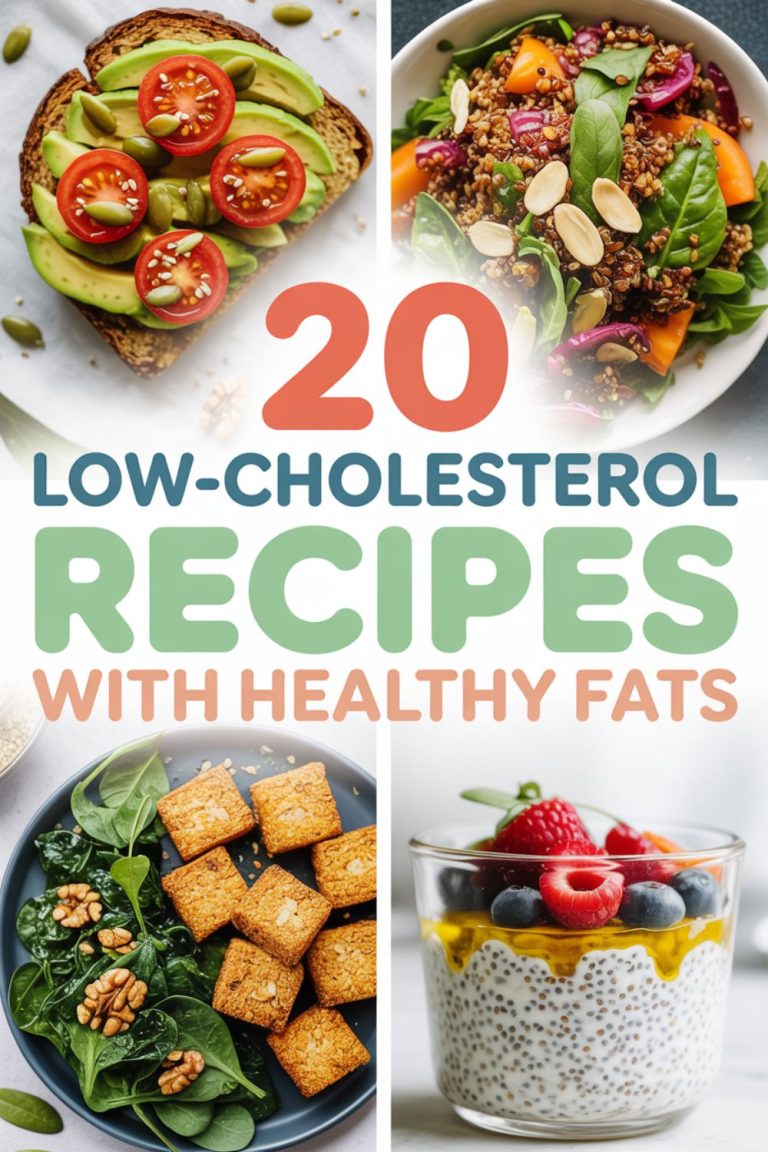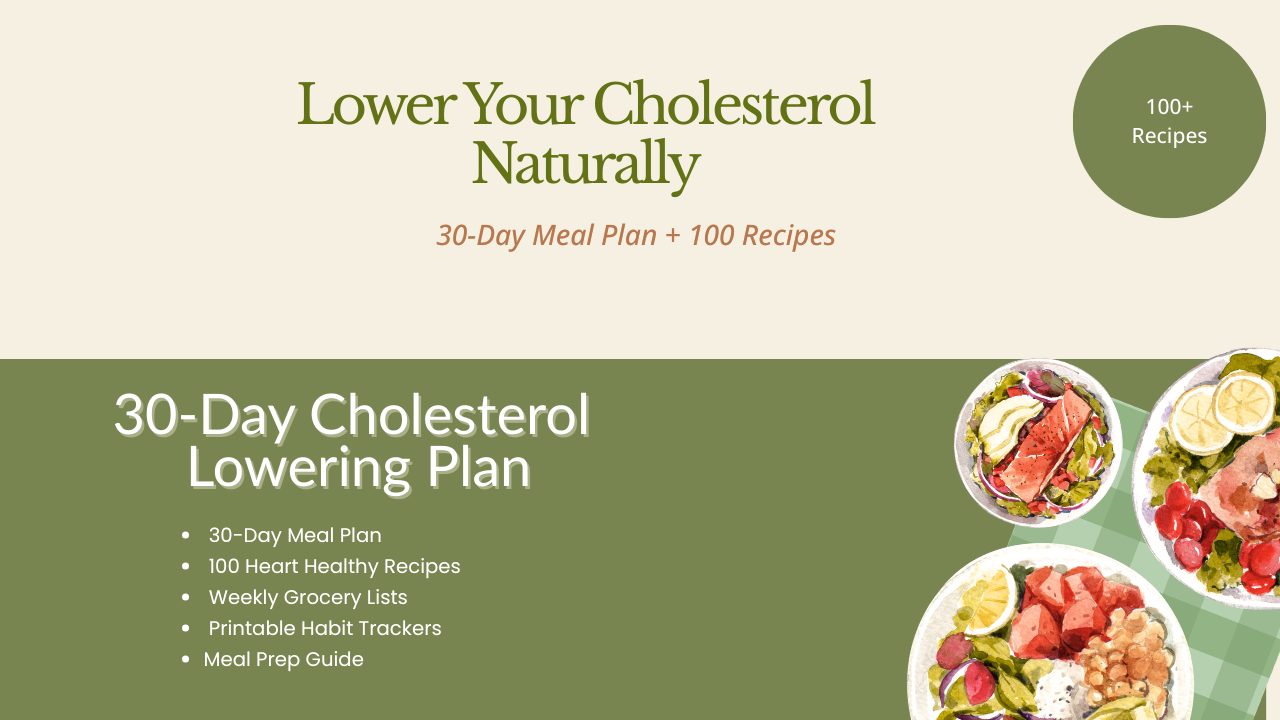

25 Low-Cholesterol Recipes That Are Actually Delicious
Look, I get it. When your doctor drops the “you need to watch your cholesterol” bomb, your first thought is probably something like, “Great, looks like I’m eating cardboard for the rest of my life.” I’ve been there, and honestly? That mindset couldn’t be more wrong.
Here’s the thing about low-cholesterol cooking—it’s not about deprivation. It’s about getting creative with ingredients that actually love your heart back. Think vibrant vegetables, lean proteins that pack a punch, and healthy fats that make everything taste better. No bland chicken breast sadness here.
Over the years, I’ve collected recipes that genuinely make me forget I’m eating “heart-healthy” food. These aren’t dishes you choke down because they’re good for you—they’re meals you’d happily order at a restaurant. Whether you’re dealing with high cholesterol, trying to prevent it, or just want to eat better, these 25 recipes prove you can have your cake and eat it too. Well, maybe not actual cake, but you get the idea.
Why Low-Cholesterol Eating Actually Matters
Before we jump into the recipes, let’s talk about why this whole cholesterol thing is such a big deal. Your body needs some cholesterol—it helps build cells and produce certain hormones. But too much of the bad stuff (LDL cholesterol) can lead to plaque buildup in your arteries, which is basically like trying to drink a thick milkshake through a coffee stirrer. Not ideal.
According to research from Mayo Clinic, high cholesterol significantly increases your risk of heart disease and stroke. The good news? What you eat directly affects your cholesterol levels, which means you’ve got more control than you think.
The American Heart Association recommends limiting saturated fat to less than 6% of daily calories and avoiding trans fats altogether. That means saying goodbye (or at least see you later) to red meat, full-fat dairy, and those tempting donuts at the office. But trust me, the trade-offs are worth it when you discover how good healthy food can actually taste.
The Secret to Making Low-Cholesterol Food Taste Amazing
Here’s what nobody tells you about cooking for heart health: fat isn’t the enemy—it’s the type of fat that matters. Saturated and trans fats? Yeah, those need to go. But healthy fats from sources like olive oil, avocados, and nuts? Those are your new best friends.
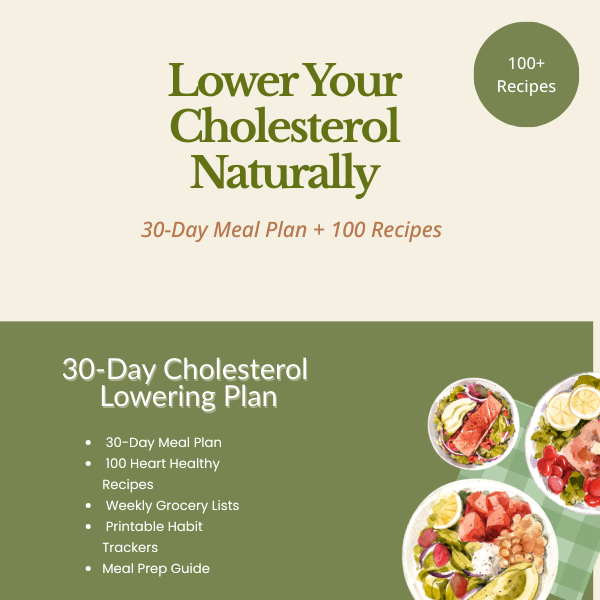
30-Day Cholesterol Reset System
A simple done-for-you plan to help you eat heart-healthy every day without confusion.
Over 1,000 people downloaded this guide
✔ 100 Easy Recipes
✔ Grocery Lists + Meal Prep Guide
🎁 FREE BONUSES:
✔ 7-Day Quick Start Plan
✔ Printable Grocery List
$29 $9
Get Instant AccessI learned this the hard way after months of eating steamed vegetables and plain grilled chicken like some kind of health martyr. One day, I drizzled some extra virgin olive oil over my roasted Brussels sprouts, added a squeeze of lemon, and suddenly realized I’d been doing everything wrong. Flavor doesn’t come from butter and cream alone—it comes from herbs, spices, acid, and yes, the right kinds of fat.
Pro Tip
Invest in a good spice rack and keep fresh herbs on hand. When you’re cutting out high-cholesterol ingredients, bold flavors become your secret weapon. Garlic, ginger, cumin, smoked paprika—these are game-changers.
Another trick? Don’t skip the protein. Lean proteins like chicken breast, turkey, fish, and plant-based options keep you satisfied so you’re not raiding the pantry an hour after dinner. Speaking of fish, omega-3 fatty acids from fish are basically heart health superheroes.
Breakfast: Starting Your Day the Heart-Healthy Way
Breakfast used to be my downfall—bacon, eggs, buttery toast, the works. But turns out, mornings can still be delicious without all that saturated fat. The key is focusing on fiber-rich whole grains, fresh fruit, and egg whites instead of whole eggs when you want that protein kick.
Overnight oats have become my go-to lazy breakfast. Throw some rolled oats, almond milk, chia seeds, and berries in a jar the night before, and boom—breakfast is waiting for you. No morning panic required. Get Full Recipe
If you’re more of a savory breakfast person, try a veggie-packed frittata made with egg whites. Load it up with spinach, tomatoes, mushrooms, and a sprinkle of feta (yes, a little cheese is fine—everything in moderation). I use a cast iron skillet for mine because it gives that perfect crispy edge.
Smoothies are another breakfast win, especially when you’re running late. Blend spinach (trust me, you won’t taste it), frozen berries, a banana, some oats, and unsweetened almond milk. Takes three minutes, tastes like dessert, and gives you a solid nutritional start. Get Full Recipe
“I started making overnight oats every Sunday for the whole week, and honestly, it’s changed my mornings. No more grabbing donuts on the way to work, and my cholesterol dropped 30 points in three months.” – Sarah M., community member
For more morning inspiration, check out these complete breakfast ideas or try these low-calorie breakfast options that keep you full without weighing you down.
🫀 The Heart-Healthy Recipe Collection eBook
Struggling to find enough variety in your low-cholesterol meal rotation? This comprehensive digital cookbook features 100+ doctor-approved recipes specifically designed to lower cholesterol naturally while keeping your taste buds happy.
What’s inside:
- Complete nutritional breakdown for every recipe (cholesterol, saturated fat, fiber content)
- 30-day meal plan with shopping lists to get you started
- Substitution guide for making your favorite dishes heart-healthy
- Quick reference guide to cholesterol-lowering ingredients
- Batch cooking and meal prep strategies to save time
Stop googling “is this okay for my cholesterol?” every time you want to cook. Get all your recipes in one place with clear nutritional information you can trust.
Get the Heart-Healthy Recipe eBook →Lunch Ideas That Won’t Put You to Sleep
Anyone else get that 2 PM slump after eating a heavy lunch? Yeah, me too. That’s why I’ve shifted to lighter, veggie-forward lunches that actually give me energy instead of making me want to nap under my desk.
Big salads are where it’s at—but we’re not talking sad desk salads here. I’m talking massive bowls of mixed greens, roasted chickpeas, quinoa, roasted sweet potato, cucumber, tomatoes, and a lemon-tahini dressing that makes you wonder why you ever bothered with ranch. The trick is making sure there’s enough substance—protein, complex carbs, healthy fats—so you actually feel satisfied.
Grain bowls are another lunch staple. Start with a base of brown rice or farro, add your protein (I usually go with canned tuna or grilled chicken), pile on the veggies, and top with a flavorful sauce. Everything comes together in one bowl, and cleanup is minimal. Win-win.
Quick Win
Prep your lunch proteins on Sunday night—grill chicken, bake salmon, or cook up some lentils. Having ready-to-go protein makes throwing together a healthy lunch ridiculously easy during the week.
Don’t sleep on soup, either. A hearty vegetable and white bean soup can be incredibly filling and freezes beautifully. I always make a double batch and stash half in the freezer for those days when cooking feels impossible. Grab yourself a good immersion blender for making creamy soups without any actual cream.
Looking for more lunch inspiration? These filling lunch ideas are perfect for meal prep, or if you’re always racing against the clock, try these 10-minute lunch options.
Dinner Recipes That Actually Satisfy
Dinner is where things get interesting. This is when you want something that feels like a real meal—not rabbit food, not a sad piece of plain grilled fish. You want comfort, flavor, and that satisfied feeling that makes you happy you cooked instead of ordering takeout.
Lean Protein Done Right
Let’s start with chicken because let’s be honest, it’s what most of us are working with. The secret to non-boring chicken is marinating. Even 30 minutes in a mixture of olive oil, lemon juice, garlic, and herbs makes a huge difference. I use freezer bags for marinating because cleanup is literally just throwing away the bag.
Fish is your cholesterol-friendly superstar. Salmon, in particular, is packed with omega-3s. My favorite lazy dinner is salmon with a honey-mustard glaze, roasted alongside asparagus and cherry tomatoes. Everything cooks on one sheet pan, which means less cleanup and more time for Netflix. Get Full Recipe
Turkey is another underrated option. Turkey chili, turkey meatballs, turkey stir-fry—it’s leaner than beef but doesn’t sacrifice much in the flavor department, especially when you season it properly.
Plant-Based Dinners That Don’t Feel Like a Compromise
Even if you’re not vegetarian, incorporating more plant-based meals is a smart move for your cholesterol. Plus, some of the most flavorful cuisines in the world—Indian, Mediterranean, Middle Eastern—are naturally heavy on vegetables and legumes.
Lentil curry is ridiculously easy and incredibly satisfying. Red lentils cook up in like 20 minutes, and when you simmer them with coconut milk, curry paste, and spinach, you’ve got a dish that’s creamy and comforting without any of the cholesterol concerns. Serve it over brown rice or with whole wheat naan.
Black bean tacos are another favorite in my house. Season the beans with cumin and chili powder, pile them into corn tortillas with avocado, cilantro, lime, and a bit of Greek yogurt instead of sour cream. Quick, cheap, delicious, and heart-healthy. What’s not to love?
For a complete list of plant-based options, check out these vegetarian meals you’ll actually crave.
🐟 Nordic Naturals Ultimate Omega-3 BEST SELLER
Look, I know we talk about getting omega-3s from fish, but let’s be real—most people aren’t eating salmon twice a week consistently. That’s where a high-quality fish oil supplement becomes your backup plan for heart health.
This isn’t your grandmother’s fishy-tasting supplement. Nordic Naturals uses a molecular distillation process that removes contaminants while keeping the good stuff intact. No fishy burps, no weird aftertaste—just pure omega-3 support for your cardiovascular system.
Why this one stands out:
- 1,280mg of omega-3s per serving (EPA + DHA) – clinically proven to support heart health
- Third-party tested for purity and freshness – meets strict international standards
- Lemon-flavored to eliminate fishy taste and aftertaste completely
- Sustainable sourcing from wild-caught fish with Friend of the Sea certification
- Easy-to-swallow soft gels that don’t get stuck halfway down
I started taking these after my doctor mentioned my HDL (good cholesterol) could use a boost. Three months later, my numbers improved, and honestly, I just feel better overall. More energy, better focus—probably not all from the fish oil, but I’m not stopping now.
One-Pan Wonders for Busy Nights
Some nights, you just can’t deal with a sink full of dishes. That’s where one-pan dinners save the day. Sheet pan dinners, one-pot pastas, stir-fries that all cook in one wok—these are your weeknight survival kit.
Try roasting chicken thighs (skin removed) with sweet potatoes, bell peppers, and red onion all on one pan. Toss everything in olive oil and spices, roast at 425°F for about 35 minutes, and you’re done. Get Full Recipe
If you’re really pressed for time, these one-pan dinner recipes or these lazy meal options will become your best friends. And if you’ve got an Instant Pot or air fryer collecting dust, these appliance-friendly recipes might just change your life.
Snacks and Sides That Support Your Goals
Snacking is where things can get tricky. It’s easy to reach for chips or cookies when hunger strikes between meals. But with a little planning, you can have snacks ready that actually help rather than hurt your cholesterol numbers.
Hummus and veggies is the classic for a reason—it works. But branch out from carrots and celery. Try bell pepper strips, cucumber rounds, or snap peas. Keep a food storage container set so you can prep these ahead of time.
Nuts are fantastic snacks, but portion control matters. A small handful of almonds or walnuts is perfect. Any more and you’re looking at a lot of calories. I portion mine out into small snack bags at the beginning of the week so I’m not mindlessly eating straight from the container.
Apple slices with almond butter hit that sweet and savory spot. Or make your own trail mix with unsalted nuts, seeds, and a tiny bit of dark chocolate chips for when you need something that feels like a treat.
Pro Tip
Keep a bowl of washed fruit on your counter where you can see it. You’re way more likely to grab an apple if it’s right there than if you have to dig through your fridge drawers.
For even more snack inspiration, browse through these heart-healthy snack ideas, and don’t forget about sides—these versatile side dishes pair beautifully with just about any main course.
🥜 Sahale Snacks Glazed Mix – Heart-Healthy Variety Pack EDITOR’S PICK
Nuts are basically nature’s cholesterol-lowering pills, but eating plain almonds every day gets old fast. These glazed nut mixes hit that perfect balance between “this is actually good for me” and “I genuinely want to eat this.”
What makes these different from gas station trail mix? Real ingredients you can pronounce, no weird preservatives, and they’re actually portioned correctly. Each bag is around 150-180 calories—enough to satisfy without derailing your daily intake.
What you’re getting:
- Variety pack includes Pomegranate Vanilla, Maple Pecans, and Cashew Caramel – never boring
- Almonds, walnuts, and pecans – the holy trinity of heart-healthy nuts with omega-3s and fiber
- Lightly glazed with natural ingredients – just enough sweetness without sugar overload
- Individual 1.5oz packs – perfect for your desk drawer, gym bag, or glove compartment
- Non-GMO and gluten-free – works for most dietary restrictions
I keep a box of these in my desk at work because 3 PM hunger is real, and it’s way too easy to hit the vending machine otherwise. Having a satisfying snack that’s actually good for your cholesterol makes saying no to junk food significantly easier.
Yes, You Can Still Have Dessert
Real talk: if someone tells you that you can never have dessert again, they’re lying. The key is finding desserts that satisfy your sweet tooth without loading up on saturated fat and cholesterol.
Fruit-based desserts are your friend. Baked apples with cinnamon and a drizzle of honey taste like apple pie without all the butter. Berry parfaits with Greek yogurt and a sprinkle of granola feel indulgent but are actually pretty healthy. Get Full Recipe
Dark chocolate (70% cacao or higher) in moderation is fine and can even be good for your heart. A couple of squares after dinner is enough to scratch that chocolate itch. I keep a bar in my pantry and break off two pieces when dessert cravings hit.
Banana “nice cream” is a revelation if you haven’t tried it yet. Freeze ripe bananas, then blend them in a food processor until creamy. It legitimately tastes like soft-serve ice cream, and you can add cocoa powder, peanut butter, or berries for different flavors.
“I thought giving up dessert would be the hardest part, but these fruit-based recipes have been such a pleasant surprise. The baked pears with walnuts are now my favorite treat.” – Michael T., reader
For more dessert options that won’t derail your progress, check out these guilt-free dessert recipes.
Soups and Stews for Cozy Comfort
There’s something about soup that just feels good for your soul. Maybe it’s the warmth, maybe it’s the fact that it’s easy to eat while binge-watching your favorite show, but whatever it is, soup deserves its own section.
The beauty of soup is how easy it is to pack in vegetables and lean proteins without even trying. Minestrone, lentil soup, chicken and vegetable soup—these are all naturally low in cholesterol and high in flavor. Plus, they freeze beautifully, so you can make a giant batch and have healthy meals ready to go for weeks.
I’m particularly fond of white bean and kale soup during colder months. It’s hearty enough to feel like a complete meal but light enough that you don’t feel weighed down afterward. A sprinkle of Parmesan on top adds just enough richness without going overboard. Get Full Recipe
Chili is another winner. Turkey or chicken chili with beans, tomatoes, and plenty of spices is both satisfying and freezer-friendly. Top it with diced avocado and a dollop of Greek yogurt instead of sour cream.
Looking for more warming options? These seasonal soups and stews and comfort soup recipes will keep you cozy all year long.
Meal Prep: Your Secret Weapon
IMO, meal prep is the difference between successfully eating well and falling back into old habits. When healthy food is already made and waiting in your fridge, you’re way less likely to order pizza or hit up the drive-through.
I usually spend a couple of hours on Sunday prepping for the week. Nothing crazy—just grilling some chicken, roasting vegetables, cooking a batch of quinoa, and maybe making a big salad that I portion out. Having these components ready means I can throw together a meal in five minutes flat on busy weeknights.
Get yourself some good glass meal prep containers with divided sections. They make portioning easy, and unlike plastic, they don’t get gross and stained after a few uses.
Quick Win
Roast multiple trays of different vegetables at once (same oven, same temperature). You’ll have variety throughout the week without spending much extra effort.
Freezer meals are another game-changer. Soups, chilis, casseroles—anything that reheats well. On those nights when even reheating feels like too much work, having a homemade meal in the freezer is clutch.
For complete meal prep guidance, these weekly meal prep ideas and freezer meal recipes will set you up for success.
📊 Cholesterol & Heart Health Tracker
What gets measured gets managed. This digital tracker helps you monitor your cholesterol levels, dietary choices, and heart health progress all in one organized system.
Track everything that matters:
- Daily food log with automatic cholesterol and saturated fat calculation
- Blood test results tracker (LDL, HDL, triglycerides) with visual progress charts
- Symptom and energy level monitoring to see how diet affects how you feel
- Exercise and activity log with heart rate zones
- Monthly comparison reports to share with your doctor
Works on your phone, tablet, or computer. Available as a fillable PDF or Google Sheets template. Perfect for those who want data-driven insights into their heart health journey.
Start Tracking Your Progress →High-Protein Options for Weight Management
If you’re trying to lose weight alongside managing cholesterol, protein becomes even more important. High-protein meals keep you full longer, which means less snacking and fewer cravings throughout the day.
Lean proteins like chicken breast, turkey, fish, and legumes are your foundation here. Greek yogurt is another protein powerhouse—I eat it almost every day with berries and a handful of almonds.
Eggs (or egg whites if you’re being strict about cholesterol) are incredibly versatile. Veggie omelets, egg muffins you can grab for breakfast, hard-boiled eggs for snacks—there are endless ways to incorporate them.
Plant-based proteins deserve a shout-out too. Chickpeas, lentils, black beans, and tofu are all excellent options that work in everything from salads to stir-fries to curries.
For recipes that hit both the low-cholesterol and high-protein marks, check out these satisfying meal ideas or these low-calorie options that don’t leave you hungry.
🌾 NOW Supplements Psyllium Husk Powder TOP RATED
Here’s something your doctor probably mentioned but you’ve been putting off: soluble fiber. It’s one of the most effective natural ways to lower LDL cholesterol, but most of us aren’t getting nearly enough from food alone. Enter psyllium husk—the unsexy supplement that actually works.
Before you click away thinking “that sounds terrible,” hear me out. This unflavored powder dissolves into smoothies, oatmeal, or even just water without turning into gross sludge. You won’t taste it, you won’t feel it, but your cholesterol numbers will definitely notice.
Why it’s worth trying:
- 7 grams of soluble fiber per serving – clinically proven to lower LDL cholesterol by 5-10%
- Unflavored and unprocessed – pure psyllium husk without fillers or artificial ingredients
- Helps with regularity – bonus benefit that nobody talks about but everyone appreciates
- Mixes easily without clumping – unlike some fiber supplements that turn into cement
- Vegan and non-GMO – clean label ingredients you can feel good about
I add a scoop to my morning smoothie (the banana and berries completely mask any texture) and honestly forgot I was even taking it until my cholesterol dropped 15 points in two months. My doctor asked what I changed, and when I said “fiber supplement,” he actually high-fived me. That’s when I knew it was working.
Restaurant-Quality Salads at Home
Ever order a salad at a restaurant and wonder why it tastes so much better than the ones you make at home? It usually comes down to three things: variety, texture, and a really good dressing.
Don’t just dump lettuce in a bowl and call it a day. Think about adding different textures—crunchy nuts or seeds, creamy avocado, crispy roasted chickpeas. Mix your greens—arugula, spinach, romaine, kale. Add something sweet like dried cranberries or fresh berries.
The dressing makes or breaks a salad. A simple lemon vinaigrette—olive oil, lemon juice, Dijon mustard, garlic, salt, and pepper—beats any store-bought dressing and takes about 30 seconds to make. Store it in a glass jar and shake it up before each use.
My go-to restaurant-style salad: Mixed greens, grilled chicken, roasted sweet potato cubes, cucumber, cherry tomatoes, red onion, avocado, pumpkin seeds, and a balsamic vinaigrette. It’s colorful, filling, and tastes like something you’d pay $15 for at a trendy cafe. Get Full Recipe
Want more salad inspiration that doesn’t feel like diet food? These satisfying salad recipes and restaurant-quality options will change how you think about salads.
Foods That Actively Lower Cholesterol
Beyond just avoiding high-cholesterol foods, there are certain ingredients that actually help lower your numbers. Building your meals around these foods is a smart strategy.
Oats and barley contain soluble fiber that binds to cholesterol in your digestive system and helps remove it from your body. Start your day with oatmeal and you’re already ahead of the game.
Nuts—especially almonds and walnuts—have been shown to improve cholesterol levels. Just watch your portions because they’re calorie-dense.
Fatty fish like salmon, mackerel, and sardines are packed with omega-3 fatty acids. Aim for at least two servings per week.
Beans and legumes are fiber superstars. Plus, they’re cheap, versatile, and keep you full for hours.
Avocados contain healthy monounsaturated fats that can help raise your good (HDL) cholesterol while lowering the bad (LDL) kind.
For a comprehensive list, check out these 25 cholesterol-lowering foods and learn how to incorporate them into your daily meals.
Smoothies and Juices for Heart Health
Smoothies are an easy way to pack in fruits, vegetables, and other heart-healthy ingredients without much effort. But not all smoothies are created equal—loading up on fruit juice and added sugars defeats the purpose.
The formula I use: leafy greens (spinach or kale), frozen fruit (berries are best for heart health), a protein source (Greek yogurt or protein powder), healthy fats (chia seeds or ground flaxseed), and a liquid base (unsweetened almond milk or water).
My favorite combo is spinach, frozen mixed berries, banana, Greek yogurt, chia seeds, and almond milk. Blend it in a good blender (seriously, invest in a decent one—it makes a difference), and you’ve got a meal in a glass.
Green smoothies might sound intimidating, but when you add enough fruit, you really can’t taste the greens. I promise. And the nutritional payoff is huge—all those vitamins, minerals, and fiber in one convenient package.
For more drinkable recipes, try these heart-healthy smoothies or these smoothie bowl recipes that you eat with a spoon.
Comfort Food Makeovers
This is where things get fun. You don’t have to give up your favorite comfort foods—you just need to make them work for your heart health.
Take mac and cheese. The traditional version is basically just cheese and butter. But if you make a sauce with pureed cauliflower, nutritional yeast, and just a small amount of sharp cheddar, you get that creamy, cheesy experience with way less saturated fat. Use whole wheat pasta for extra fiber. Get Full Recipe
Mashed potatoes? Use half cauliflower, half potato, and mix in Greek yogurt instead of butter and cream. Add roasted garlic for flavor that distracts from what’s missing.
Fried chicken? Try “oven-fried” chicken where you coat chicken breast in whole wheat panko breadcrumbs and bake until crispy. It won’t be exactly the same, but when you season it well, it scratches that fried chicken itch.
The point isn’t to perfectly replicate unhealthy dishes—it’s to create versions that are satisfying enough that you don’t feel deprived.
For more creative makeovers, browse these healthy comfort food recipes or these family-friendly dinners that even picky eaters will enjoy.
🗓️ Heart-Healthy Weekly Meal Planner
The hardest part about eating well isn’t the cooking—it’s deciding what to cook in the first place. This interactive meal planner takes the guesswork out of your weekly menu planning.
Never ask “what’s for dinner?” again:
- Drag-and-drop meal planning interface with built-in recipe database
- Automatic grocery list generation organized by store section
- Nutritional summaries for each day (total cholesterol, fiber, calories)
- Leftover integration system (plan once, eat twice)
- Family preference settings to avoid foods certain family members won’t eat
Includes 12 weeks of pre-planned low-cholesterol menus if you want to skip the planning entirely. Perfect for busy people who want healthy eating to be automatic, not stressful.
Get Your Meal Planner →Frequently Asked Questions
Can I still eat eggs if I have high cholesterol?
The short answer is yes, but in moderation. While eggs do contain dietary cholesterol, recent research shows they have less impact on blood cholesterol than previously thought, especially compared to saturated fats. Most people can safely eat one whole egg per day or use egg whites, which have all the protein and zero cholesterol. If you’re concerned, talk to your doctor about what’s right for your specific situation.
How quickly can diet changes lower my cholesterol?
You can see improvements in as little as 4-6 weeks with consistent dietary changes, though it varies by individual. Some people notice significant drops within a couple of months, while others take longer. The key is consistency—occasional healthy meals won’t cut it. You need to make heart-healthy eating your default, not the exception.
Are low-fat products better for lowering cholesterol?
Not necessarily. Many low-fat products replace fat with sugar, which isn’t doing your heart any favors. Focus on the type of fat rather than just reducing all fat—healthy fats from olive oil, nuts, avocados, and fish are actually beneficial. It’s the saturated fats from red meat and full-fat dairy, and trans fats from processed foods, that you want to limit.
What’s the difference between dietary cholesterol and blood cholesterol?
Dietary cholesterol is what you eat (found in animal products), while blood cholesterol is what’s in your bloodstream. Your liver produces most of your blood cholesterol. Interestingly, saturated fats have a bigger impact on your blood cholesterol levels than dietary cholesterol itself, which is why experts now focus more on limiting saturated fats than on strict dietary cholesterol numbers.
Do I need to give up all my favorite foods?
Absolutely not. This isn’t about perfection—it’s about making better choices most of the time. You can still enjoy treats occasionally; just don’t make them daily staples. Focus on building a foundation of heart-healthy meals, and when you do indulge, keep portions reasonable. Balance and sustainability matter more than rigid restriction.
The Bottom Line
Managing your cholesterol through diet doesn’t have to be miserable. It’s not about eating bland, boring food for the rest of your life—it’s about discovering new flavors, trying different ingredients, and finding versions of your favorite foods that work for your health.
These 25 recipes are just a starting point. The real magic happens when you start experimenting in your kitchen, figuring out what works for your taste buds and your schedule. Some of these recipes will become regulars in your rotation, others might not be your thing, and that’s fine. The goal is to build a collection of meals you actually enjoy making and eating.
Remember, every meal is an opportunity to support your heart health. You don’t need to be perfect—you just need to be consistent. Cook more at home, prioritize whole foods over processed stuff, and don’t be afraid to use flavor to make healthy food taste good. Your heart will thank you, and honestly, so will your taste buds once you realize how much better you can feel.
Now stop reading and go make something delicious.
30-Day Cholesterol-Lowering Meal Plan
A simple step-by-step system to help you eat heart-healthy every day without stress.
Over 1,000 people downloaded this guide
$29$9
Get Instant Access