21 Low-Cholesterol Recipes for a Healthier Lifestyle
Look, I’m not going to pretend that swapping out your favorite comfort foods for heart-healthy alternatives is always easy. But here’s the thing—keeping your cholesterol in check doesn’t mean you’re stuck eating cardboard-flavored meals for the rest of your life. Trust me, I’ve been down that road, and it’s not pretty.
After my doctor gave me the talk about my cholesterol numbers, I spent weeks feeling like every meal was a punishment. But then I figured something out: the secret isn’t about restriction—it’s about getting creative with ingredients that actually work for your body instead of against it. These 21 recipes I’m sharing aren’t just healthy; they’re legitimately delicious enough that you won’t feel like you’re missing out.
Whether you’re dealing with high cholesterol yourself or just trying to eat better before it becomes a problem, these recipes cover everything from quick weeknight dinners to meal prep ideas that’ll save your sanity. No weird ingredients you can’t pronounce, no complicated techniques—just real food that happens to be good for your heart.
Why Low-Cholesterol Eating Actually Matters
Before we jump into the recipes, let’s talk about why you should care about this stuff. High cholesterol isn’t just some abstract number your doctor throws at you during your annual checkup. According to Mayo Clinic Health System, when cholesterol builds up in your arteries, it forms plaque that can seriously restrict blood flow to your heart. That’s the kind of thing that leads to heart attacks and strokes—not exactly minor inconveniences.
The good news? Research from the American Heart Association shows that dietary changes can make a real difference. We’re talking about foods rich in soluble fiber, plant sterols, and omega-3 fatty acids—all the stuff that helps your body clear out the bad cholesterol while keeping the good stuff around.
What really changed my perspective was understanding that this isn’t about perfection. You don’t have to become some health food zealot who never enjoys a meal again. It’s about making better choices most of the time and finding recipes that don’t feel like compromises.
The Building Blocks of Heart-Healthy Cooking
Here’s what I learned after months of trial and error: cooking for lower cholesterol isn’t about what you can’t have—it’s about loading up on the right ingredients. Soluble fiber is your best friend here. It literally binds to cholesterol in your digestive system and helps flush it out. We’re talking oats, beans, lentils, and fruits like apples and berries.
Then there’s the fat situation. Not all fats are created equal, and this is where people get confused. Saturated fats (think butter, fatty meats, full-fat dairy) are the troublemakers. But unsaturated fats from sources like olive oil, avocados, and nuts? Those actually help lower your bad cholesterol. I cook almost everything now with extra virgin olive oil, and honestly, the flavor is way better than butter ever was.
One of my favorite discoveries was using whole grain pasta instead of regular white pasta. The texture is slightly different, sure, but it adds this nutty flavor that’s actually pretty great. Plus, you get way more fiber without even trying. Pair it with some heart-healthy marinara sauce made with olive oil instead of cream, and you’ve got yourself a legitimately good meal that happens to be great for your heart.
Oh, and can we talk about protein for a second? Fish is basically the MVP of low-cholesterol eating. Salmon, mackerel, sardines—these fatty fish are packed with omega-3s that actively work to reduce inflammation and lower triglycerides. I try to have fish at least twice a week now. If you’re not into fish, though, chicken breast, turkey, and plant-based proteins like tofu work just fine. Just skip the skin and trim any visible fat.
Breakfast: Starting Your Day Right
Breakfast used to be my weakest link. I’d grab whatever was easiest—usually something involving way too much butter and cheese. But breakfast is actually the perfect time to load up on cholesterol-friendly ingredients without feeling like you’re sacrificing anything.
Overnight oats have become my obsession. You throw some oats, almond milk, chia seeds, and berries in a jar the night before, and boom—breakfast is ready when you wake up. The soluble fiber from the oats and chia seeds is doing serious work for your cholesterol levels while you sleep. Get Full Recipe
If you’re more of a savory breakfast person, try a veggie-packed omelet made with egg whites or just one whole egg. Load it up with spinach, tomatoes, mushrooms, and a tiny sprinkle of feta. I use a nonstick ceramic skillet so I don’t need to add any extra fat. The veggies bulk it up so much that you don’t even miss the extra eggs.
For those mornings when you’re running late, a green smoothie with spinach, banana, berries, and a scoop of plant-based protein powder is clutch. Add some ground flaxseed for extra omega-3s, and you’ve got a portable breakfast that checks all the boxes. I blend mine in a high-speed blender that makes everything silky smooth in about 30 seconds.
Speaking of breakfast ideas, if you need more morning inspiration, check out these heart-healthy breakfast options or these low-calorie breakfast recipes under 300 calories. Both have been absolute lifesavers on busy mornings.
Quick and Easy Lunch Solutions
Lunch is where things can get tricky, especially if you’re packing something for work. The key is making it interesting enough that you’re not tempted to hit the drive-thru on your way back to the office.
Mason jar salads changed my lunch game completely. Layer your dressing at the bottom, then add sturdy veggies, grains, protein, and greens on top. When you’re ready to eat, shake it up and everything gets coated perfectly. I’m particularly obsessed with a Mediterranean-style version: chickpeas, cucumber, tomatoes, red onion, and a lemon-olive oil dressing. Get Full Recipe
For something warm, a lentil and vegetable soup is hard to beat. Lentils are absurdly high in fiber and protein, they’re dirt cheap, and they keep you full for hours. I make a huge batch on Sunday and portion it into glass meal prep containers. One recipe lasts me the entire week, and it tastes better as the flavors develop.
Don’t sleep on whole grain wraps either. Fill them with grilled chicken, tons of veggies, hummus, and a drizzle of tahini. The combo of protein and fiber keeps your blood sugar stable, which means no mid-afternoon energy crash. I prep all my wrap ingredients on Sunday and store them in separate containers, so assembly takes about two minutes in the morning.
For more lunch inspiration that actually keeps you satisfied, browse through these filling low-cholesterol lunch ideas or these 10-minute lunch recipes for when you’re seriously short on time.
Dinner: Where Flavor Meets Heart Health
Dinner is honestly where you can get the most creative. This is your chance to sit down, relax, and enjoy something that actually tastes like real food—not like you’re on some deprivation diet.
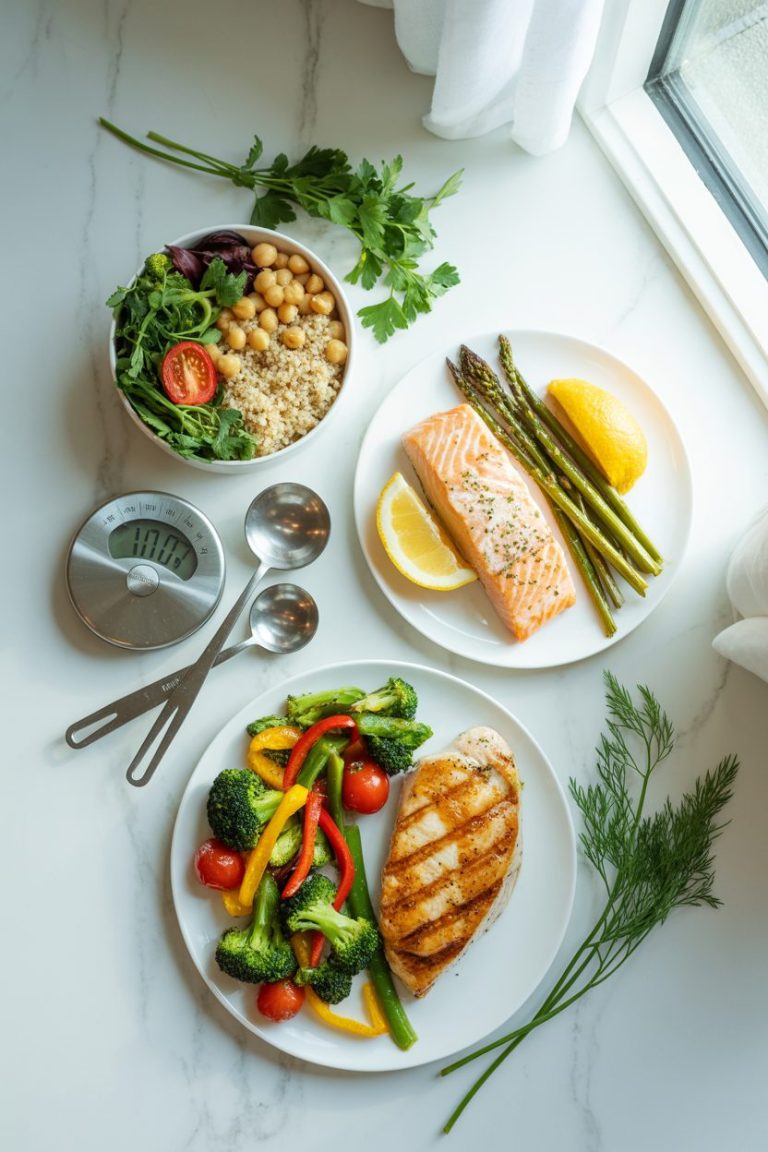
Baked salmon with roasted vegetables is my go-to weeknight dinner. Season the salmon with lemon, garlic, and herbs, throw it in the oven with some broccoli, bell peppers, and sweet potatoes, and you’re done in 25 minutes. The omega-3s in salmon are basically magic for your cholesterol levels, and the fiber from the veggies helps everything work better. Get Full Recipe
If you’re feeding a family or just want leftovers for days, try a chicken and vegetable stir-fry with brown rice. Use a wok or large skillet, a tiny amount of olive oil, and load up on colorful veggies—snap peas, carrots, bell peppers, mushrooms. The key is high heat and constant movement. Add some low-sodium soy sauce and fresh ginger, and it’s way better than takeout.
For a comfort food fix that won’t wreck your cholesterol, turkey chili is where it’s at. Ground turkey is lean but still flavorful, especially when you add plenty of spices. Load it with kidney beans, black beans, tomatoes, and peppers. Top it with a dollop of Greek yogurt instead of sour cream, and you’ve got a meal that feels indulgent but is actually helping your heart.
Stuffed bell peppers with quinoa, black beans, and vegetables are another winner. Quinoa is a complete protein, meaning it has all the amino acids your body needs, plus it’s high in fiber. Mix it with sautéed onions, garlic, diced tomatoes, and whatever veggies you have lying around. Stuff it into halved bell peppers, bake until tender, and you’ve got a meal that looks fancy enough for guests but is easy enough for a Tuesday.
Looking for even more dinner ideas? Check out these dinners you’ll actually want to make again or explore these one-pan dinner recipes that make cleanup ridiculously easy. If you’re dealing with picky eaters, these family-friendly dinners have been tested and approved by actual kids.
Smart Snacking Between Meals
Snacks are where most people fall off the wagon, myself included. You get hungry between meals, grab whatever’s convenient, and before you know it, you’ve demolished a bag of chips or a sleeve of cookies.
The trick is keeping the right stuff on hand. Raw almonds, walnuts, or pistachios are perfect because they’re filling, portable, and packed with healthy fats. I keep a set of small portion containers in my bag with pre-measured servings. That way, I’m not mindlessly eating handfuls straight from the bag.
Apple slices with almond butter is another go-to. The fiber in the apple plus the protein and healthy fats in the almond butter create this perfect combination that keeps you satisfied for hours. I use a apple slicer tool to make prep faster—sounds silly, but it’s one of those small things that removes friction from healthy choices.
Hummus with veggie sticks is the ultimate snack. Carrots, celery, bell peppers, cucumber—whatever you’ve got. Hummus gives you protein and fiber from the chickpeas, and it’s way more interesting than eating raw veggies alone. I make my own in a food processor, but store-bought works fine as long as you check the labels for added oils.
For something sweet, Greek yogurt with berries hits the spot. Go for plain, non-fat Greek yogurt and add your own fruit. The protein keeps you full, and the berries add natural sweetness plus antioxidants. Sometimes I mix in a tiny drizzle of honey and some crushed walnuts for texture.
Need more snack inspiration that won’t derail your progress? Browse through these heart-healthy snack ideas that actually taste good.
Tools & Kitchen Essentials That Make This Easier
Look, you don’t need a fancy kitchen to eat well, but having a few key tools makes everything smoother. These are the items that have genuinely made cooking low-cholesterol meals less of a chore and more something I actually enjoy.
Physical Products:
For smoothies, soups, and homemade hummus. Mine gets used literally every day. The difference between a cheap blender and a good one is night and day—no chunks, no weird texture, just smooth perfection in seconds.
These changed how I approach the week. Make one big batch of something on Sunday, portion it out, and you’ve got lunch or dinner sorted. The glass ones don’t stain or hold smells like plastic, and they’re microwave-safe.
You need way less oil when you’re cooking with proper nonstick cookware. The ceramic coating is more durable than Teflon, and cleanup is basically effortless. I use mine for everything from eggs to stir-fries.
Digital Resources:
A comprehensive PDF with shopping lists, meal templates, and recipe substitutions. Takes the guesswork out of planning your week and includes seasonal variations.
Video lessons covering everything from knife skills to proper seasoning techniques for low-cholesterol cooking. The section on making vegetables actually taste amazing is worth it alone.
Tracks not just calories but specific nutrients like fiber, saturated fat, and cholesterol. The premium version has a barcode scanner and recipe analyzer that makes logging meals way easier.
Soups, Stews, and Comfort Food Done Right
When the weather turns cold or you just need something warm and comforting, soup is the answer. The beauty of soup is that you can pack it with vegetables, lean proteins, and whole grains without anyone feeling like they’re eating diet food.
Vegetable and white bean soup is ridiculously satisfying and costs almost nothing to make. Sauté some onions, carrots, and celery in a bit of olive oil, add vegetable broth, canned white beans, diced tomatoes, and whatever veggies you have. Season with herbs and let it simmer. The beans give you protein and fiber, the vegetables add nutrients, and the whole thing just tastes like comfort in a bowl. Get Full Recipe
Chicken and vegetable stew with sweet potatoes is another cold-weather favorite. Use skinless chicken thighs for more flavor than breast meat, load it with sweet potatoes, carrots, celery, and green beans. The sweet potatoes add this natural sweetness and tons of fiber. Let it simmer low and slow until everything is tender, and you’ve got a meal that tastes like it took way more effort than it did.
For something different, try Moroccan lentil soup with warm spices like cumin, coriander, and a touch of cinnamon. Red lentils break down and create this thick, almost creamy texture without any dairy. Add some chopped kale or spinach at the end, and you’ve got a bowl of something that’s equal parts nourishing and delicious.
Explore more warming options in this collection of soups and stews for any season or these heart-healthy soup recipes that specifically target cholesterol reduction.
Desserts That Won’t Derail Your Progress
Yeah, you read that right—desserts. Living a heart-healthy lifestyle doesn’t mean you never get to enjoy something sweet again. It just means getting creative with your ingredients.
Baked apples with cinnamon and walnuts might sound simple, but they hit that dessert craving perfectly. Core an apple, fill it with chopped walnuts, a sprinkle of cinnamon, and a tiny drizzle of honey. Bake until soft. The natural sugars in the apple caramelize, the walnuts add crunch and healthy fats, and the whole thing tastes indulgent while being incredibly good for you. Get Full Recipe
Dark chocolate (the real stuff, at least 70% cacao) is actually on the approved list. A small square after dinner satisfies your sweet tooth without going overboard. Dark chocolate contains flavonoids that can actually help improve cholesterol levels. Just keep portions reasonable—we’re talking one or two squares, not the whole bar.
Berry crisp with oat topping is my crowd-pleaser dessert. Mix frozen berries with a touch of maple syrup, top with a mixture of oats, chopped almonds, and a bit of coconut oil, then bake until bubbly. The oats give you soluble fiber, the berries are loaded with antioxidants, and the almonds add healthy fats and protein. Serve it warm, and no one will believe it’s actually good for their heart.
Frozen banana “nice cream” is brilliant for when you want something cold and creamy. Blend frozen bananas in a food processor until smooth and creamy. Add some cocoa powder for chocolate version, or throw in some peanut butter. It has the texture of soft-serve ice cream but it’s literally just fruit.
For a complete selection of sweet treats that won’t mess with your cholesterol, check out these guilt-free dessert recipes.
Meal Prep Strategies That Actually Work
If there’s one thing that makes eating well sustainable long-term, it’s meal prep. I know it sounds tedious, but trust me—having healthy food ready to go is the difference between sticking with it and falling back into old habits.
I dedicate about two hours every Sunday to prep. It’s not as bad as it sounds, especially when you get into a rhythm. I usually cook 2-3 different proteins (like grilled chicken, baked salmon, and some beans), roast a huge tray of mixed vegetables, cook a big pot of brown rice or quinoa, and prep a couple of salads in jars.
Batch cooking grains is stupidly efficient. Make a huge pot of brown rice, quinoa, or farro, and portion it out. It reheats perfectly and becomes the base for basically any meal throughout the week. I store mine in airtight containers and it stays fresh for at least five days.
Protein prep is key. Grill or bake several chicken breasts, cook a big batch of beans or lentils, maybe bake some salmon. Having these ready means you can throw together a complete meal in literally five minutes. Chop some veggies, heat up your protein and grain, add a sauce or dressing, done.
Pre-chopped vegetables remove so much friction from cooking. Sunday evening, I wash and chop everything I’ll need for the week—bell peppers, onions, carrots, broccoli, whatever. Store them in containers in the fridge. When it’s time to cook, everything is right there and ready to go.
The complete meal prep guide has more detailed strategies and recipes specifically designed for batch cooking. If you want something even more streamlined, these freezer-friendly meals can be made in advance and stored for weeks.
Restaurant Eating and Social Situations
Let’s be real—you’re not going to eat every meal at home for the rest of your life. Learning to navigate restaurants and social events without completely throwing your goals out the window is crucial.
At restaurants, grilled or baked proteins are your friends. Ask how things are prepared. Most places will accommodate requests like “can you grill that without butter?” or “dressing on the side, please.” Don’t be embarrassed to ask—restaurants deal with dietary requests all day long.
Skip the bread basket if you can. I know it’s sitting right there, taunting you, but you’re better off saving those calories and carbs for the actual meal. If you must have it, ask for olive oil instead of butter for dipping.
Load up on vegetables whenever possible. Order a side salad with your meal, ask for extra veggies instead of fries, get steamed vegetables as a side. You’ll fill up on the good stuff and naturally eat less of the higher-cholesterol options.
At social gatherings, eat something small and healthy before you go. That way you’re not showing up starving and making questionable food decisions. Bring a low-cholesterol dish to share—that way you know there’s at least one thing you can eat without guilt. And if someone comments on your food choices? A simple “Oh, I’m just trying to eat healthier” usually shuts down any weird judgment.
Frequently Asked Questions
How quickly can dietary changes lower cholesterol?
Most people start seeing changes within 2-3 weeks of consistent dietary modifications, though more significant drops typically take 3-6 months. According to Mayo Clinic research, combining dietary changes with regular exercise can accelerate results. The key is consistency—occasional healthy meals won’t move the needle much.
Can I ever eat eggs again if I have high cholesterol?
Yes, but with some caveats. Current research suggests that for most people, dietary cholesterol from eggs has less impact than previously thought. The American Heart Association notes that eating one whole egg daily is generally fine for most people, though those with diabetes or heart disease should consult their doctor. The bigger concern is the saturated fat you eat alongside eggs—skip the bacon and butter.
Are low-cholesterol recipes more expensive?
Not necessarily. While some ingredients like wild-caught salmon can be pricey, staples like beans, lentils, oats, and seasonal vegetables are incredibly affordable. FYI, buying frozen vegetables and fish can save money without sacrificing nutrition. Meal prepping also reduces food waste, which keeps costs down significantly.
Do I need to give up all meat to lower cholesterol?
Absolutely not. The goal is choosing leaner cuts and watching portion sizes. Skinless chicken breast, turkey, and lean cuts of beef or pork are all fine in moderation. The American Heart Association recommends focusing on how meat is prepared—grilled, baked, or broiled rather than fried. Loading your plate with vegetables and whole grains naturally reduces meat portions without feeling restrictive.
What’s the single most effective food for lowering cholesterol?
There’s no magic bullet, but oats and beans consistently show up in research as particularly effective. Both are loaded with soluble fiber that binds to cholesterol in your digestive system. That said, the most effective approach is combining multiple cholesterol-lowering foods—what researchers call the “portfolio diet”—rather than relying on any single ingredient.
Making It Stick
Here’s the thing nobody tells you about eating for lower cholesterol: it gets easier. Not because the food suddenly becomes more exciting or because you stop craving your old favorites, but because you start feeling better. Your energy improves, you sleep better, you don’t feel sluggish after meals. Those benefits become their own motivation.
These 21 recipes are just the starting point. Once you get comfortable with the basic principles—more fiber, healthy fats, lean proteins, lots of vegetables—you’ll start naturally modifying your own favorite recipes. That pasta dish you love? Swap in whole grain pasta, use olive oil instead of cream, add some chickpeas for protein. Boom, heart-healthy version that still tastes like comfort food.
The goal isn’t perfection. Some days you’ll nail it, some days you’ll eat pizza and feel fine about it. What matters is the overall pattern—making better choices more often than not. Your cholesterol levels don’t change because of one meal; they change because of what you do consistently over time.
Start with one or two recipes from this list that sound good to you. Make them this week. See how you feel. Then try a couple more. Before you know it, these become your normal meals, not some special “diet food” you’re forcing yourself to eat. And that’s when real, sustainable change happens.