
DASH Diet • Meal Prep • Heart Health
23 DASH Diet Meal Prep Recipes That Actually Make Your Week Easier
Why DASH and Meal Prep Are a Genuinely Good Match
Most diet plans collapse under the pressure of a busy week. You miss one meal, grab something fast, and the whole thing unravels. DASH, oddly enough, handles this better than most because it doesn’t rely on eating specialty products or following an impossibly rigid structure. According to the National Heart, Lung, and Blood Institute, the DASH plan requires no special foods and instead provides practical daily and weekly nutritional targets — which means your regular grocery run works just fine.
When you pair that flexibility with intentional meal prep, you get something genuinely useful: a full week of heart-healthy food that requires almost zero thinking on busy evenings. You batch the grains on Sunday. You roast a sheet pan of vegetables. You cook a pot of beans. Done. Wednesday night is a five-minute assembly job, not a 45-minute cooking session.
The other thing that makes DASH a natural fit is that its core foods prep and store well. Brown rice, lentils, roasted vegetables, poached chicken, overnight oats — these all refrigerate cleanly for four to five days. Compare that to, say, a raw salad-only plan, and you’ll see why DASH actually survives contact with a real week.
If you want a broader look at how a low-sodium, heart-focused eating pattern supports long-term health, Healthline’s deep overview of the DASH diet covers the research on blood pressure reduction, cholesterol improvement, and metabolic benefits in one well-organized place.
30-Day Cholesterol Reset System
A simple done-for-you plan to help you eat heart-healthy every day without confusion.
Over 1,000 people downloaded this guide
✔ 100 Easy Recipes
✔ Grocery Lists + Meal Prep Guide
🎁 FREE BONUSES:
✔ 7-Day Quick Start Plan
✔ Printable Grocery List
$29 $9
Get Instant AccessBefore jumping into the recipes, it helps to think in terms of categories: breakfasts that come together fast, lunches that actually travel well, and dinners that don’t make you stand at the stove for an hour. If you want a full week-by-week plan built around these principles, the low-cholesterol meal prep ideas that actually make your week easier collection is a solid companion to this list. And if you’re specifically managing both sodium and cholesterol at once, the low-sodium recipes for better heart health roundup has a lot of overlap with DASH principles.
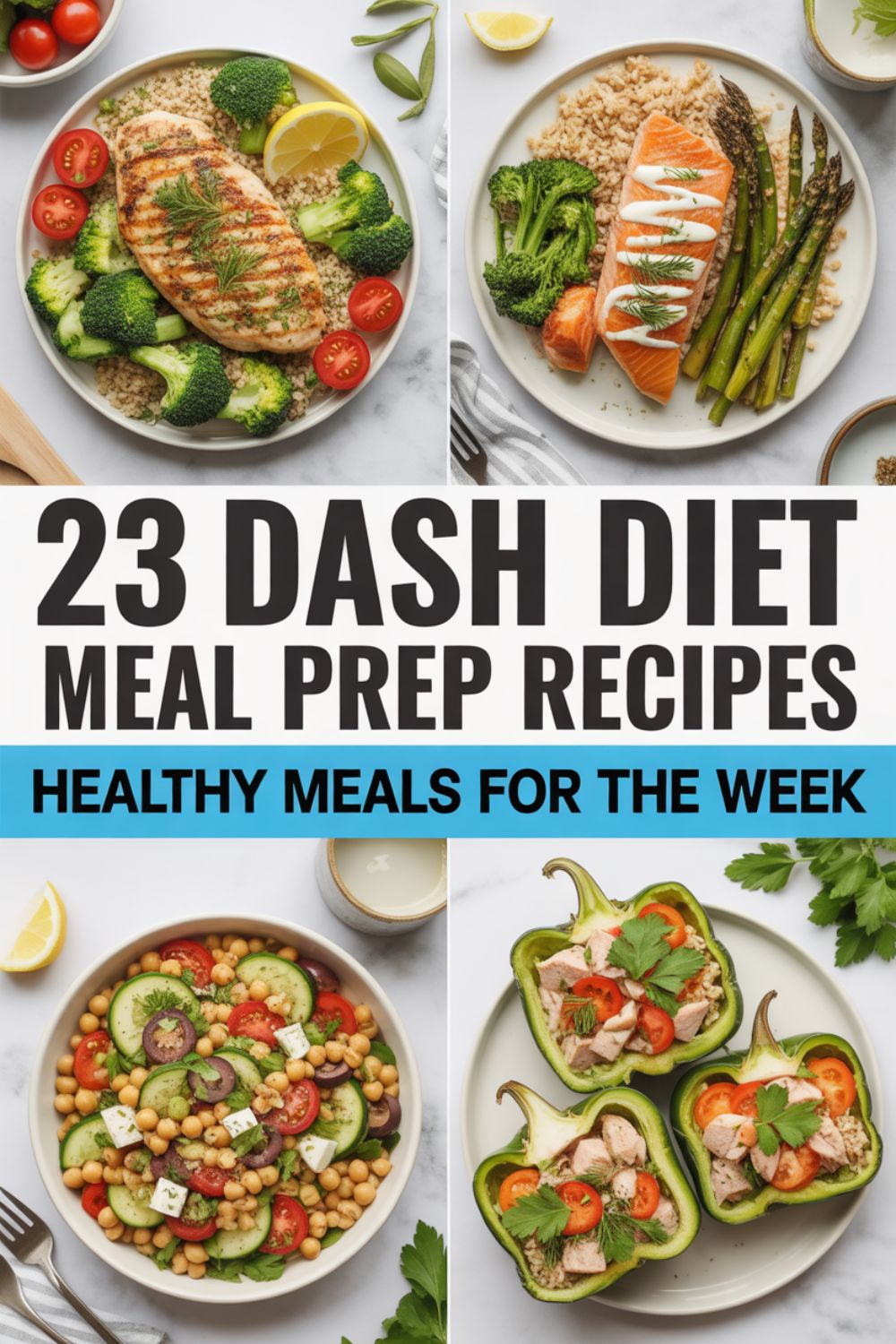
The 23 DASH Diet Meal Prep Recipes
Breakfasts: Make Once, Eat All Week
Breakfast is where meal prep really earns its keep. These DASH-friendly options take 20 to 30 minutes of Sunday effort and then hand you back your mornings for five straight days.
1. Overnight Oats with Blueberries and Flaxseed. Oats are one of the great unsung heroes of the DASH diet. They’re high in soluble fiber, particularly beta-glucan, which research links to meaningful reductions in LDL cholesterol. Layer rolled oats with low-fat milk or unsweetened oat milk, a tablespoon of ground flaxseed, and a handful of fresh or frozen blueberries. Seal them in individual jars and they last four days in the fridge with zero morning effort required. Get Full Recipe
2. Spinach and Egg White Muffin Cups. Bake a batch in a standard muffin tin on Sunday and refrigerate them. Each cup is essentially a portable egg-white omelet with wilted spinach, diced tomato, and a pinch of turmeric. They reheat in 45 seconds and give you a protein-forward start without the saturated fat load of a full egg-and-sausage scenario. I use a silicone muffin pan like this one because nothing sticks and cleanup is an actual non-event.
3. Banana Walnut Baked Oatmeal. Think of this as a casserole-style oatmeal that you slice and portion for the week. It uses ripe bananas as a natural sweetener, which keeps added sugar low while keeping the flavor high. Walnuts add omega-3 fatty acids — a small but meaningful contribution to cardiovascular health. Cut into squares, wrap them individually, and they hold up well for four to five days. Get Full Recipe
4. Savory Herb Quinoa Porridge. Quinoa gets all the protein glory, but it also makes a genuinely solid savory breakfast. Cook a large batch in low-sodium vegetable broth, season with fresh thyme and a squeeze of lemon, and top with a soft-boiled egg when serving. It’s more filling than most breakfast options and reheats cleanly throughout the week.
5. Greek Yogurt Parfait Jars. Layer low-fat plain Greek yogurt with sliced strawberries, a tablespoon of chia seeds, and a small drizzle of honey. Build them in mason jars and refrigerate. Greek yogurt offers both protein and calcium — two nutrients the DASH plan specifically emphasizes. FYI, go with plain yogurt here, not flavored. The flavored versions carry more added sugar than most people expect.
I started making the overnight oats and baked oatmeal every Sunday about three months ago. My blood pressure readings have been consistently lower at my follow-up appointments, and honestly, I think half of it is just that I stopped skipping breakfast because it’s already ready.
— Michelle T., community memberFor even more morning ideas built around heart health, the cholesterol-lowering breakfast ideas for heart health collection has plenty of variety that plays nicely with DASH principles. If you prefer lighter options, take a look at these low-cholesterol breakfasts under 300 calories for grab-and-go simplicity.
Lunches: Pack It Sunday, Enjoy It Thursday
The lunch prep game hinges on one thing: containers that keep components separate until you’re ready to eat. A dressed grain bowl that’s sat in dressing since Sunday is nobody’s idea of a good time. Keep dressings and sauces in small containers on the side, and your lunches stay genuinely fresh.
6. Herbed Lentil and Roasted Carrot Bowls. Lentils are one of the best DASH staples there is — high in fiber, plant-based protein, and potassium, low in cost, and dead simple to batch cook. Pair them with oven-roasted carrots seasoned with cumin and coriander, a handful of arugula, and a lemon-tahini drizzle kept on the side. These bowls refrigerate beautifully for four days.
7. Turkey and Farro Stuffed Bell Peppers. Prep these on Sunday, portion them into meal containers, and the week’s lunches basically take care of themselves. Ground turkey breast keeps saturated fat low. Farro adds a satisfying chew and more fiber than white rice can dream about. Use no-salt-added canned tomatoes in the filling and keep the seasoning in spices, not salt.
8. Chickpea, Cucumber, and Herb Salad. This one is almost embarrassingly simple. Rinse canned chickpeas thoroughly (this alone cuts a significant amount of the sodium), dice cucumber and cherry tomatoes, and toss with fresh parsley, lemon juice, and a small pour of extra-virgin olive oil. It keeps in the fridge for five days and gets better as the flavors settle.
9. Brown Rice Power Bowl with Edamame and Avocado. Build the rice and edamame base in advance and add avocado and dressing at lunchtime. Brown rice is a whole grain, which means it delivers fiber, magnesium, and B vitamins that white rice strips out during processing. The edamame brings complete plant-based protein into the equation — a nice bonus if you’re trying to reduce red meat intake as part of your DASH approach.
10. Roasted Sweet Potato and Black Bean Wrap Filling. Roast a big batch of sweet potato cubes with smoked paprika and garlic powder. Mix with black beans, a small amount of low-fat plain yogurt (it stands in nicely for sour cream), and lime juice. Store the filling in a container and roll it into whole wheat wraps when you’re ready to eat. The filling holds five days; the wraps turn soggy, so assemble fresh.
If you find yourself wanting more variety during the workday, the heart-healthy lunches for work that are actually worth eating is a great next stop. There’s also a lot of good overlap with DASH in the Mediterranean diet recipes for cholesterol control — both approaches emphasize olive oil, legumes, and whole grains, so the recipes translate well.
Dinners: Batch-Friendly and Actually Satisfying
DASH dinners live or die by one thing: using flavor instead of salt. Once you figure out that garlic, lemon, fresh herbs, cumin, smoked paprika, and a good olive oil carry more flavor than a salt shaker ever could, cooking DASH dinners stops feeling like a limitation and starts feeling like a style.
11. Herb-Crusted Baked Salmon. Salmon is practically made for DASH meal prep. It’s rich in omega-3 fatty acids, naturally low in sodium, high in protein, and takes less than 20 minutes in the oven. Coat fillets in a mix of fresh dill, lemon zest, garlic, and a thin smear of Dijon mustard, then bake at 400°F. Portion into containers and pair with roasted vegetables throughout the week. Get Full Recipe
12. Slow Cooker White Bean and Kale Soup. This is the weeknight workhorse recipe I come back to every single fall and winter. White beans deliver both fiber and plant-based protein. Kale holds up to the long cook without going completely limp. Season the broth with rosemary, garlic, and crushed red pepper rather than salt. It refrigerates for five days and freezes perfectly, which makes it ideal for a freezer meal rotation. Get Full Recipe
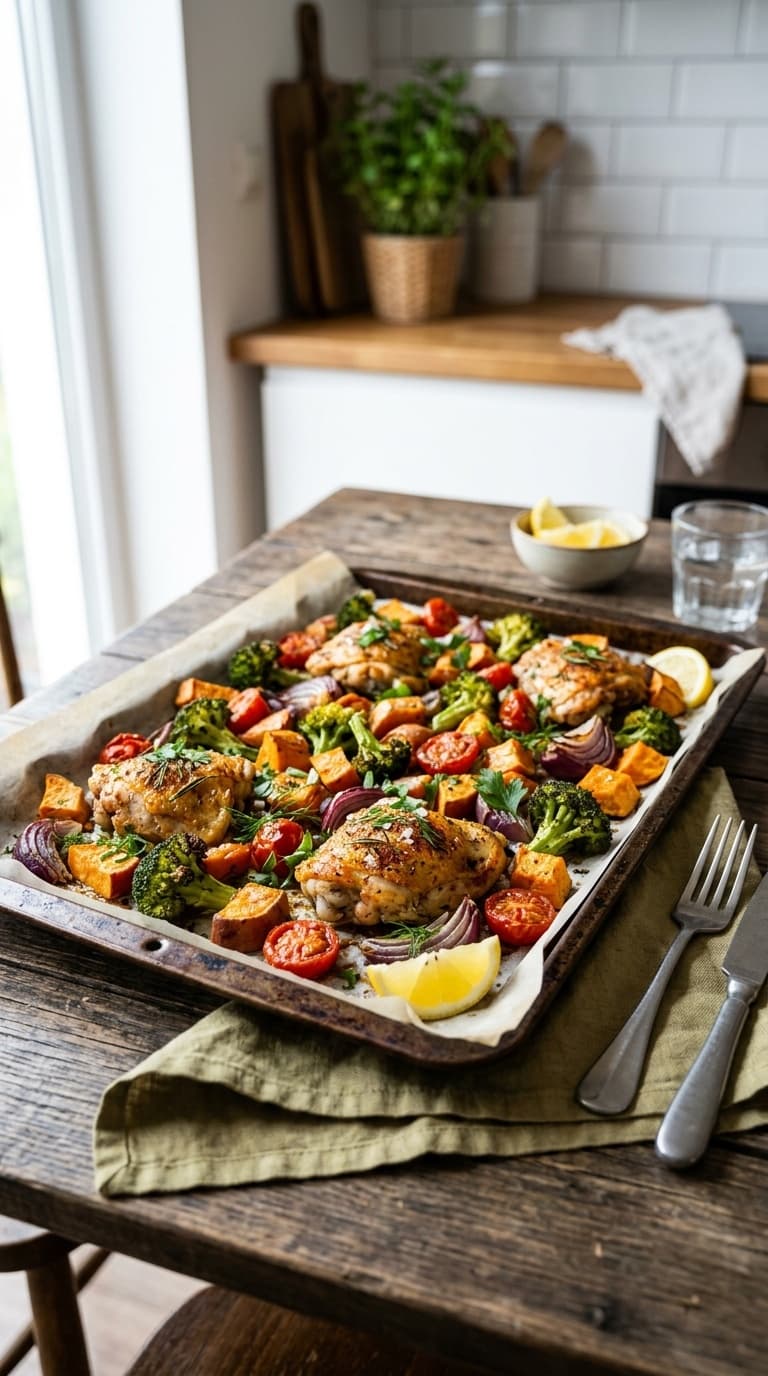
13. Sheet Pan Chicken Thighs with Brussels Sprouts and Sweet Potato. Bone-in, skin-off chicken thighs work well here — they’re more forgiving than breasts in the oven and don’t dry out after a few days of refrigeration. Season aggressively with herbs and a splash of balsamic vinegar. Roast everything on one pan, portion it into four containers, and dinner is genuinely handled for most of the week. I line the pan with a heavy-duty rimmed baking sheet like this one so the vegetables caramelize instead of steam.
14. Turkey Meatballs in Low-Sodium Marinara. Ground turkey breast, grated zucchini (it keeps the meatballs moist, I promise), garlic, and fresh parsley come together in a batch of about 24 meatballs. Make your own marinara using crushed no-salt-added tomatoes, olive oil, and fresh basil, or use a low-sodium jarred version if time is tight. Serve over whole wheat pasta or spiralized zucchini.
15. Turmeric Chicken and Cauliflower Rice Bowls. Marinate chicken breast in a mixture of olive oil, turmeric, cumin, and lemon juice for a few hours — or just throw it together right before cooking if you’re in a hurry. The turmeric gives it a gorgeous golden color and adds a subtle anti-inflammatory bonus. Pair with cauliflower rice sautéed with garlic and a handful of peas.
16. Baked Cod with Tomato and Olive Tapenade. Cod is mild, affordable, and prepped in under 15 minutes. Top each fillet with a simple olive tapenade made from chopped Kalamata olives, sun-dried tomato, and a small amount of fresh basil. The olives add a punchy, salty flavor without needing any added salt in the rest of the dish.
17. Quinoa-Stuffed Acorn Squash. Cut acorn squash in half, roast until tender, and fill with a mixture of cooked quinoa, sautéed mushrooms, dried cranberries, and toasted pepitas. This is IMO one of the most visually impressive things you can put together in under an hour, and it refrigerates well for three to four days. The cranberries add natural sweetness while keeping added sugar completely out of the picture.
Meal Prep Essentials for This Plan
A few things that genuinely make this kind of cooking easier. No fluff, just what actually gets used.
Airtight, oven-safe, and they don’t absorb smells after the third lentil soup. I use a set like these glass containers and they’ve survived two years of daily use.
One quality heavy-gauge sheet pan changes the sheet-pan-dinner game entirely. Vegetables actually caramelize on a heavy-duty rimmed sheet pan like this instead of steaming in their own moisture.
Dried chickpeas in 45 minutes. Brown rice in 22 minutes. White beans from scratch in 30 minutes. An electric pressure cooker like this makes bulk legume and grain prep genuinely fast.
Tracks sodium and potassium alongside all the usual macros — both matter on DASH. The free version does plenty, but the premium tier lets you set custom targets for blood pressure management.
The official government resource. Free, printable, and actually well-designed. It includes serving-size guides and a full weekly sample menu that you can use as a template.
Both apps let you clip recipes into organized shopping lists. When you’re prepping 5 to 6 recipes at once, having a consolidated list sorted by store section saves real time on Sunday grocery runs.
18. Black Bean and Brown Rice Burrito Bowls. This is the reliable, no-effort dinner that holds up all week. Cook a big batch of brown rice and seasoned black beans (use dried beans cooked from scratch for the lowest sodium, or rinse canned beans twice). Add roasted corn, diced avocado, salsa, and a squeeze of lime at serving. Every component stores separately and the assembly takes about two minutes.
Snacks and Sides: The Pieces That Hold the Week Together
One honest truth about DASH meal prep: if your snacks aren’t sorted, the whole plan develops cracks by mid-week. The good news is DASH snacks are genuinely easy to batch.
19. Spiced Roasted Chickpeas. Drain and rinse two cans of chickpeas, toss with olive oil, smoked paprika, cumin, and garlic powder, and roast at 400°F for 30 to 35 minutes until crispy. They satisfy the crunch craving that sends most people off-plan by Tuesday afternoon. Store them in a small container at room temperature — refrigerating them makes them go soggy, which defeats the entire purpose.
20. Hummus with Precut Vegetable Sticks. Make a large batch of hummus using dried chickpeas (smoother texture, lower sodium than canned), lemon juice, tahini, and a clove or two of raw garlic. Prep a week’s worth of carrot, celery, and cucumber sticks in a container of cold water. Having vegetables already cut is the single biggest barrier-lowerer I know of for actually eating them during the week.
21. Almond and Date Energy Balls. Blend Medjool dates with raw almonds, oats, and a tablespoon of nut butter in a food processor, roll into balls, and refrigerate. They taste like dessert and function as a genuine snack — fiber, healthy fat, and enough sweetness to satisfy without any added sugar. Speaking of nut butters: almond butter tends to have slightly higher vitamin E and magnesium than peanut butter, which makes it a nice small upgrade for a heart-focused eating plan, though both are solid choices.
22. Cucumber Rounds with Avocado and Everything Bagel Seasoning. Slice cucumbers into thick rounds, top with mashed avocado, and dust with homemade everything bagel seasoning (sesame seeds, poppy seeds, dried garlic, dried onion — no added salt). These take about six minutes to assemble and are genuinely satisfying in a way that a handful of crackers never quite is.
23. Roasted Garlic White Bean Dip with Pita Wedges. Roast a whole head of garlic until the cloves are soft and caramel-sweet, then blend with white beans, lemon juice, and olive oil. Serve with whole wheat pita cut into wedges. This one earns its spot at the end of the list because it functions as a snack, a side, or a sandwich spread depending on the day, which is the kind of flexibility that makes meal prep actually work in real life.
The roasted chickpeas and hummus-with-veggie-sticks combo completely changed my afternoons. I used to hit a wall around 3pm and reach for something salty and packaged. Having those two things ready in the fridge means I actually stick to the plan through the end of the day. Down 11 pounds over four months, and my doctor reduced my blood pressure medication at my last visit.
— James R., community memberHow to Build Your DASH Meal Prep Sunday Routine
The recipes above are only useful if you can actually execute them without burning out your Sunday. Here’s a realistic order of operations that keeps the whole thing manageable.
- Start with anything that goes in the oven. Get your roasted vegetables, meatballs, or sheet pan chicken going first. While the oven handles those, your hands are free for other things.
- Cook grains and legumes on the stovetop simultaneously. Brown rice takes about 45 minutes. Lentils take 25 minutes. Beans from dried take 30 to 45 in a pressure cooker. None of these require your attention once they’re going.
- Prep cold items last. Overnight oats, energy balls, hummus, and sliced vegetables take 20 to 30 minutes collectively and require no cooking. Knock these out while hot items cool.
- Portion and label everything before it goes in the fridge. This sounds like extra work but it saves meaningful time during the week when the last thing you want to do is figure out portion sizes before work.
Realistically, a full prep that covers breakfast, lunch, dinner, and snacks for five days takes about two to two-and-a-half hours start to finish. That includes cleanup. Break it into two shorter sessions — Saturday evening for grains and legumes, Sunday morning for everything else — if a single two-hour block feels like too much.
For inspiration that overlaps nicely with the DASH approach, the DASH diet dinner recipes that are actually worth eating has a solid lineup of weeknight options. And if you want a broader view of how this style of cooking supports long-term cardiovascular health, the heart-healthy recipes for long-term wellness roundup covers a lot of the same ground.
Frequently Asked Questions
Can you actually lose weight on the DASH diet?
Yes, though weight loss isn’t DASH’s primary goal — blood pressure management is. That said, because DASH emphasizes whole foods, limits processed items and added sugars, and centers filling foods like vegetables, legumes, and lean proteins, most people who follow it end up in a caloric deficit naturally. Research cited by Healthline notes that combining DASH with moderate calorie awareness can meaningfully support weight loss without the misery of a restrictive plan.
How long do DASH meal prep recipes last in the fridge?
Most cooked grains, legumes, roasted vegetables, and proteins last four to five days refrigerated in airtight containers. Soups and stews are often better at day three or four than day one. Fresh components like avocado or dressed salads should be added at serving time. When in doubt, freeze portions at the end of Sunday prep and pull them out mid-week.
Is the DASH diet low-carb?
No — and that’s actually part of why it works so well for meal prep. DASH emphasizes whole grains, fruits, and legumes, all of which contain carbohydrates. The focus is on the quality and fiber content of carbohydrates rather than eliminating them. Brown rice, quinoa, oats, and whole wheat bread are all on the menu, which makes meal prep much more practical and satisfying than low-carb approaches.
What foods should you avoid on the DASH diet?
The main things to limit are high-sodium processed foods (deli meats, canned soups with added salt, salty snacks), full-fat dairy, fatty cuts of red meat, and sugar-sweetened beverages. You don’t have to eliminate these entirely, but DASH works best when these foods stop being daily staples. The shift toward lower-sodium cooking is the steepest learning curve for most people — spices and citrus fill the flavor gap faster than you’d expect.
Can you follow DASH on a tight grocery budget?
Genuinely, yes. Dried beans, lentils, oats, brown rice, frozen vegetables, and seasonal produce are among the most affordable foods in any grocery store and are also the backbone of DASH meal prep. The diet gets expensive when people lean on specialty health foods or rely heavily on fish and lean meat. Build your prep around legumes, grains, and produce, and keep animal proteins as supporting players rather than the centerpiece of every meal.
The Takeaway
Twenty-three recipes is a lot to absorb in one sitting, so here’s the short version: DASH meal prep works because the diet’s core ingredients — whole grains, legumes, vegetables, lean proteins, and fruit — happen to be exactly the foods that store well, scale easily, and taste genuinely good after a few days in the fridge. That’s not a coincidence. That’s just good food.
You don’t need to prep all 23 recipes at once. Pick five or six that appeal to you, cover your breakfasts, lunches, dinners, and a snack or two, and run that rotation for a couple of weeks until it feels natural. Once you know the rhythm, adjusting the recipes or adding new ones gets easy.
The hardest part is the first Sunday. After that, it mostly runs itself.
30-Day Cholesterol-Lowering Meal Plan
A simple step-by-step system to help you eat heart-healthy every day without stress.
Over 1,000 people downloaded this guide
$29$9
Get Instant Access