
17 Heart-Healthy Lunches for Work That Are Actually Worth Eating

The 17 Heart-Healthy Lunches Worth Packing
Before we get into each one, a quick note on what “heart-healthy” actually means here. We’re talking about lunches that are lower in saturated fat, generous with fiber and unsaturated fats, and built around whole foods that genuinely support cholesterol management. According to the American Heart Association’s lunch guidance, the midday meal is a prime opportunity to stack your plate with lean proteins, whole grains, vegetables, and healthy fats — and all 17 of these hit that mark.
- 1
Mediterranean Quinoa Bowl
Quinoa, cucumber, cherry tomatoes, Kalamata olives, a handful of chickpeas, and a drizzle of high-quality extra virgin olive oil over everything. The combination of plant protein, fiber, and those healthy monounsaturated fats from the olives and olive oil makes this one genuinely useful for LDL management. Get Full Recipe
- 2
Smashed White Bean and Avocado Wrap
White beans get smashed with a little lemon and garlic, spread into a whole-wheat wrap with sliced avocado, arugula, and roasted red peppers. It’s creamy, filling, and packed with soluble fiber — the kind that actually helps block cholesterol from being absorbed into your bloodstream. Get Full Recipe
- 3
Wild Salmon and Brown Rice Box
Cook a big fillet of wild salmon on Sunday, flake it over brown rice, add steamed edamame and sliced avocado, and finish with a low-sodium tamari-sesame dressing. The omega-3 fatty acids in salmon are well-documented for their cardiovascular benefits. This one keeps beautifully for three days in the fridge.
- 4
Lentil and Roasted Veggie Soup
A thermos full of this on a cold Tuesday is genuinely one of life’s small pleasures. Lentils are one of the most underrated heart-healthy foods — high in fiber, iron, and plant protein, with virtually no saturated fat. Roast whatever vegetables you have on hand, blend half for creaminess, and season boldly with cumin and smoked paprika. 21 Low-Cholesterol Soups and Stews for Any Season
- 5
Turmeric Chicken and Farro Salad
Farro has a nutty, chewy texture that holds dressing well and doesn’t turn into a soggy mess by noon. Toss it with shredded turmeric-marinated chicken, roasted beets, pumpkin seeds, and a simple apple cider vinegar dressing. The anti-inflammatory combo of turmeric and omega-rich pumpkin seeds earns this one a permanent spot in the rotation.
- 6
Mason Jar Kale Caesar (with a Twist)
Instead of the traditional heavy Caesar dressing, make one with tahini, lemon, garlic, and a small amount of nutritional yeast for that umami depth. Layer it in a jar with shredded kale, white beans, whole-grain croutons, and thinly sliced radish. Kale genuinely stands up to dressing for hours without wilting, which makes it a meal-prep superstar.
- 7
Almond Butter and Apple Grain Bowl
This sounds like breakfast but absolutely works as lunch. Cooked oat groats or barley with sliced apples, a spoonful of almond butter, walnuts, and a light drizzle of honey. Soluble fiber from oats and apples, plus the healthy fats from almond butter and walnuts — this is a cholesterol-management dream dressed up as comfort food. FYI, almond butter and peanut butter are both solid here, but almond butter edges out slightly on the unsaturated fat profile.
- 8
Spiced Chickpea and Spinach Flatbread
Whole-grain flatbread topped with hummus, sauteed spiced chickpeas, baby spinach, roasted cherry tomatoes, and a squeeze of lemon. It’s fast to assemble, substantial enough to keep you full through a 3 PM meeting, and it reheats without becoming tragic. Get Full Recipe
- 9
Cold Sesame Soba Noodle Box
Soba noodles are made from buckwheat, which contains rutin — a compound studied for its potential role in supporting healthy blood vessel function. Toss the noodles cold with a sesame-ginger dressing, shredded purple cabbage, sliced snap peas, and a soft-boiled egg. It tastes like something you’d pay way too much for at a downtown lunch spot.
- 10
Sardine and White Bean Plate
I know what you’re thinking. Stick with me. Quality sardines packed in olive oil, drained and flaked over seasoned white beans with lemon, capers, and flat-leaf parsley — it’s actually outstanding. Sardines are one of the richest sources of omega-3s you’ll find, and they cost a fraction of salmon. Keep a good tin-opener and a quality brand of sardines at your desk and you’re five minutes from a genuinely great lunch.
- 11
Turkey and Avocado Lettuce Cups
Lean turkey, sliced avocado, shredded carrots, and a quick ginger-lime slaw — all piled into large Butter lettuce cups. Pack them separately and assemble at your desk so they don’t go soggy. These are light but surprisingly filling, and they give you that satisfying crunch that makes lunch feel less like a chore.
- 12
Roasted Beet and Walnut Salad with Feta
Roasted beets, toasted walnuts, crumbled feta (used sparingly for its saltiness rather than as a protein source), arugula, and a simple walnut oil-balsamic dressing. Walnuts are one of the few plant foods that provide a meaningful amount of ALA omega-3 fatty acids, and they pair with beets in a way that feels genuinely indulgent. 19 Low-Cholesterol Salads That Don’t Feel Like Diet Food
- 13
Sweet Potato and Black Bean Burrito Bowl
Roasted sweet potato cubes, black beans, brown rice, shredded cabbage, pico de gallo, and a lime-cilantro drizzle. Skip the cheese and sour cream and you’ve got a plant-forward bowl that’s genuinely satisfying. The combination of complex carbs, fiber, and plant protein keeps blood sugar steady through the afternoon slump.
- 14
Green Goddess Grain Salad
Barley or farro as the base, loaded with blanched asparagus, peas, cucumber, fresh herbs (dill, parsley, tarragon), and a blended avocado-herb dressing that’s genuinely vibrant. The green goddess theme here isn’t aesthetic — it’s a way to pack in multiple anti-inflammatory vegetables in one go.
- 15
Tofu and Edamame Protein Box
Baked, well-seasoned tofu cubed alongside edamame, shredded carrots, brown rice, and a miso-ginger sauce. Plant-based protein from tofu and edamame together gives you a complete amino acid profile, and soy protein has been associated with modest improvements in LDL cholesterol in clinical research. It’s a solid option for meat-free days. 25 Low-Cholesterol Vegetarian Meals You’ll Crave
- 16
Spicy Tuna and Cucumber Rolls (No Rice Needed)
Canned light tuna mixed with a tiny bit of sriracha, Greek yogurt, lemon, and sesame seeds, rolled into thin cucumber slices with a toothpick holding them together. It sounds fussy but takes about eight minutes. Canned tuna is low in saturated fat, high in protein, and genuinely convenient. Use it more.
- 17
Warm Lemon Herb Lentil Bowl with Roasted Cauliflower
French green lentils hold their shape when cooked and have a peppery flavor that pairs brilliantly with roasted cauliflower, a handful of fresh herbs, and a preserved lemon-olive oil dressing. This one is deeply filling, fully plant-based, and legitimately something you’d order at a restaurant — not apologetically eat at your desk.
Prep your grains and proteins on Sunday. Even just cooking a batch of quinoa and baking some chicken or tofu saves you from the “I’ll just grab something” spiral Monday through Wednesday. Thirty minutes on Sunday buys you three days of genuinely good lunches.
Why Your Work Lunch Matters More Than You Think
Here’s a stat that stuck with me: most of us eat about a third of our total daily calories at lunch. That means lunch isn’t some throwaway meal between the important ones — it’s a genuinely significant opportunity to either support your heart health or silently work against it. Five times a week, every week, adding up across years. The math actually matters.
The Mayo Clinic’s research on foods that support cholesterol levels consistently highlights a few key players: soluble fiber (think legumes, oats, apples, barley), unsaturated fats from sources like avocado and olive oil, and omega-3 rich fish. Not coincidentally, those exact ingredients show up across almost every lunch on this list. This isn’t accidental — it’s how you build a midday meal that’s actively working for your cardiovascular system rather than against it.
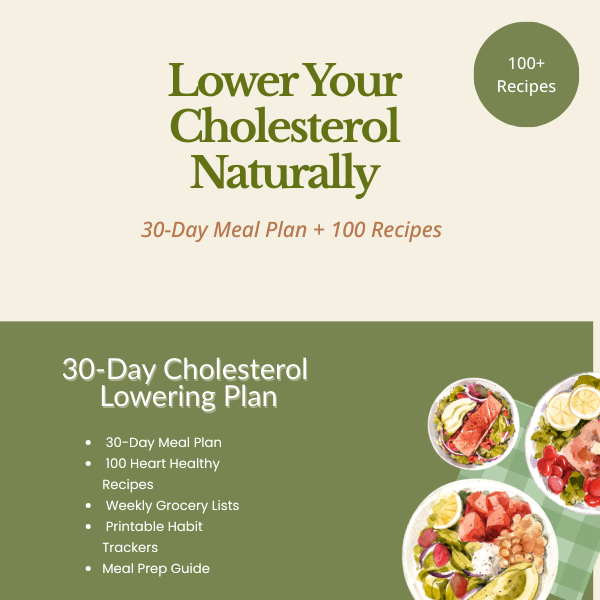
30-Day Cholesterol Reset System
A simple done-for-you plan to help you eat heart-healthy every day without confusion.
Over 1,000 people downloaded this guide
✔ 100 Easy Recipes
✔ Grocery Lists + Meal Prep Guide
🎁 FREE BONUSES:
✔ 7-Day Quick Start Plan
✔ Printable Grocery List
$29 $9
Get Instant AccessAnd honestly? A heart-healthy lunch at work is more about what you replace than what you sacrifice. Replace white bread with whole grain. Replace heavy cream-based dressings with tahini or olive oil. Replace processed deli meat with canned salmon or white beans. Same format, same ease — but meaningfully different for your LDL numbers over time.
How to Actually Make This Work on Busy Weeks
The reason most people don’t eat well at work has nothing to do with willpower and everything to do with systems. When the containers are clean, the grains are cooked, and the vegetables are already roasted, packing a good lunch takes maybe four minutes. When none of that is done, you end up at the Thai place around the corner for the third time this week — which, no judgment, but also probably not the coconut curry your cardiologist would recommend.
The Sunday Reset (It’s Simpler Than It Sounds)
You don’t need to prep every single component of five different meals. You need to cook two grains, roast one or two pans of vegetables, and prep one protein. From those three building blocks, you can assemble different combinations every day. Cook farro and brown rice. Roast a sheet pan of sweet potatoes and cauliflower. Bake salmon or tofu. Done.
A good set of stackable glass meal prep containers is genuinely worth the investment here — they keep food fresher than plastic, they’re oven-safe for reheating, and they don’t absorb the smell of whatever you packed three days ago. I use mine for literally everything. Also, a wide-mouth insulated food thermos for soups and warm grain bowls means you can eat something hot at your desk without needing to access a microwave that smells like someone reheated fish in 2019.
What to Do With Five Minutes in the Morning
The actual morning assembly is the easy part once you’ve prepped. Layer your grains and vegetables into a container, add protein, tuck in a small jar of dressing or sauce, and pack a piece of fruit or a small handful of walnuts as a side. That’s a genuinely complete heart-healthy lunch. IMO, the mason jar salad format is the most foolproof — dressing on the bottom, hardiest ingredients next (grains, chickpeas), greens on top. Shake when you’re ready to eat.
Keep a jar of pre-made tahini dressing in the fridge all week. It works on grain bowls, wraps, salads, and roasted vegetables without you having to think. One dressing, seven lunch options.
Meal Prep Essentials for These Lunches
A few things that genuinely make this easier — shared as a friend who’s actually tested all of them, not as a shopping listicle.
Glass Meal Prep Container Set (4-Pack)
Oven safe, microwave safe, and they don’t look completely depressing on a desk. Worth every penny over cheap plastic.
Wide-Mouth Insulated Food Thermos (16 oz)
For soups, warm grain bowls, and the lentil situation on cold mornings. Keeps things hot for six hours, which is frankly more impressive than it needs to be.
Small Glass Dressing Jars with Lids (Set of 6)
Pack your dressings and sauces separately so nothing gets soggy. These are also great for overnight chia puddings, which, yes, count as heart-healthy lunch prep.
Heart-Healthy Lunch Meal Plan PDF (4-Week)
A structured four-week rotation of lunches with shopping lists built in. Takes the decision fatigue completely out of the picture.
Low-Cholesterol Recipe Collection (Digital Download)
Over 50 recipes organized by meal type and prep time. Searchable, printable, and built around the same principles as every lunch on this list.
Weekly Meal Prep Tracker Spreadsheet
Track what you prep, what you eat, and what needs to be used before it turns into a science experiment in the back of your fridge. Simple, free version works in Google Sheets or Excel.
The Smart Swaps That Make the Biggest Difference
You don’t need to overhaul your entire relationship with food to eat heart-healthier at lunch. A few consistent swaps do more work than any dramatic dietary overhaul. Here’s what’s actually worth doing:
- White bread to whole grain: Soluble fiber from whole grains helps slow cholesterol absorption. The texture difference is barely noticeable once you’ve made the switch for a week.
- Heavy creamy dressings to olive oil and acid: A good drizzle of quality olive oil with lemon, vinegar, or citrus does the same job without the saturated fat load. These also taste better on grain bowls.
- Processed deli meats to canned fish or legumes: The sodium and saturated fat in most deli meats add up fast. Canned salmon, tuna, and sardines are the fast-food of heart-healthy protein — quick, cheap, and genuinely effective.
- Flavored yogurt dressings to plain Greek yogurt base: Plain Greek yogurt mixed with lemon, herbs, and a tiny bit of olive oil makes a creamy dressing with real protein and far less sugar than most bottled versions.
- Croutons to toasted seeds or walnuts: You get crunch, healthy fats, and texture — without the refined carbohydrates that don’t add anything useful nutritionally.
The beauty of these swaps is that none of them require you to feel like you’re being punished at lunch. Heart-healthy eating, done right, doesn’t taste like sacrifice — it tastes like food that was made by someone who actually cares about flavor. Which is kind of the whole point.
Keep a small bottle of quality finishing olive oil at your desk. A half-teaspoon drizzled over any lunch — grain bowls, wraps, even soup — adds richness and healthy fats without any prep. Your lunch will taste more restaurant-quality immediately.
Frequently Asked Questions
What makes a lunch “heart-healthy” exactly?
At its core, a heart-healthy lunch is one that’s low in saturated and trans fats, high in fiber, and built around whole, minimally processed foods. That means prioritizing legumes, whole grains, vegetables, lean proteins like fish and poultry, and healthy fats from sources like avocado, nuts, and olive oil. It also means limiting added sodium and refined carbohydrates, which contribute to elevated blood pressure and blood sugar over time.
Can I eat heart-healthy at work without meal prepping?
Yes, though it takes a little more intention. Keeping pantry staples like canned fish, canned beans, whole grain crackers, and nut butter at your desk covers you on days when morning prep didn’t happen. If you’re eating out, look for grain bowls, salads with grilled proteins and oil-based dressings, or whole-grain sandwiches with vegetables — and skip the creamy soups and processed sides.
How much does it cost to eat heart-healthy at work every day?
Actually less than most people expect. The building blocks of heart-healthy lunches — dried or canned legumes, whole grains, seasonal vegetables, eggs, and canned fish — are among the most affordable foods available. A week of packed lunches built around lentils, chickpeas, quinoa, and canned salmon typically costs less per meal than a single fast-food combo. The upfront cost of good containers and a thermos pays for itself in less than two weeks of skipping takeout.
Are plant-based lunches actually better for your heart than ones with meat?
Plant-based lunches tend to be lower in saturated fat and higher in fiber, which benefits cholesterol levels — but the picture isn’t that simple. Lean poultry and fatty fish like salmon are genuinely heart-protective foods. The key is the type of protein, not whether it’s animal or plant. Replacing red and processed meats with fish, legumes, or tofu has the most consistent evidence behind it for cardiovascular benefit.
How long do these lunches stay fresh in the fridge?
Most grain bowls and bean-based lunches last three to four days refrigerated, which covers your full work week from a Sunday prep. Salads with delicate greens are best assembled day-of, but the components can be prepped in advance. Fish-based lunches are best eaten within two days. Soups and stews generally keep up to five days and often taste better on day three.
The Bottom Line
Heart-healthy eating at work isn’t about deprivation or eating meals that feel like penance. It’s about building a realistic, repeatable system around food that actually tastes good and happens to support your cardiovascular health at the same time. The 17 lunches in this list aren’t “diet food” — they’re just good food with better ingredient choices made consistently.
Start with two or three from this list that genuinely appeal to you. Cook them on rotation until they feel automatic. Add more as you go. Small, consistent changes in what you eat at lunch add up to meaningful long-term outcomes — and you’ll feel the difference in your energy, your focus, and eventually your cholesterol panel, probably before you expect to.
Pick one lunch to try this week. Actually make it. That’s the whole job.
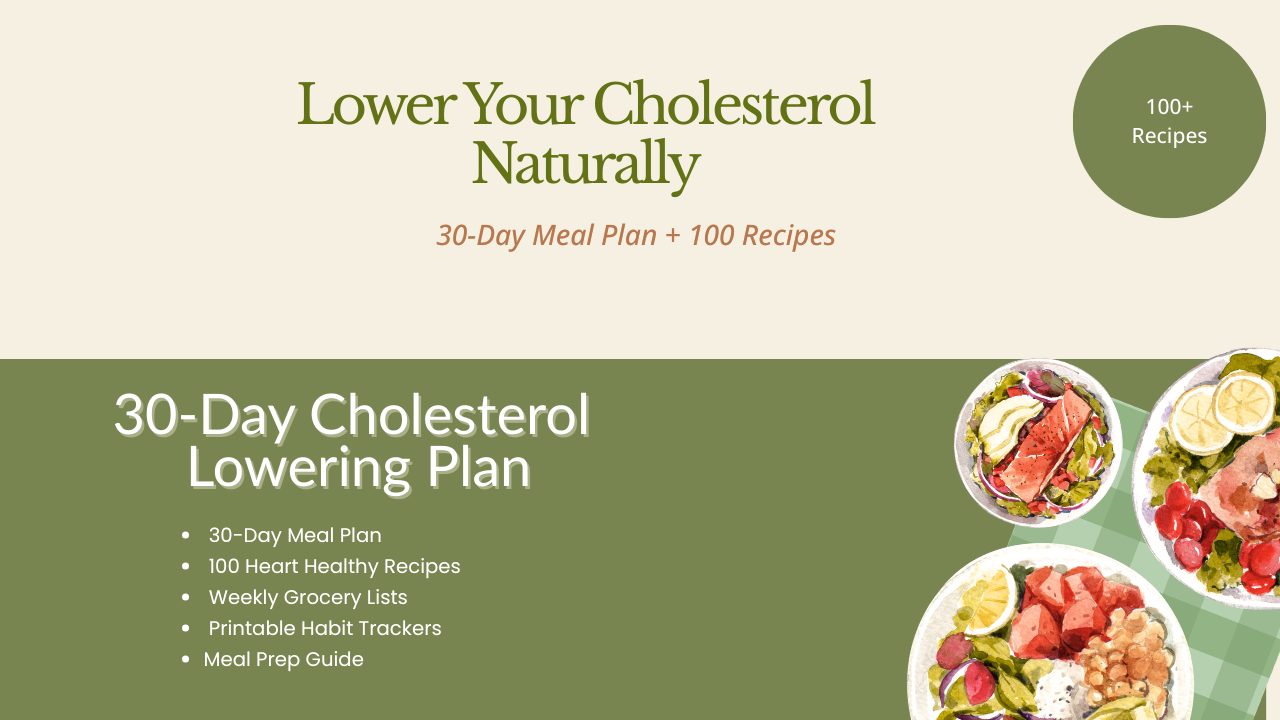
30-Day Cholesterol-Lowering Meal Plan
A simple step-by-step system to help you eat heart-healthy every day without stress.
Over 1,000 people downloaded this guide
$29$9
Get Instant Access


