
25 Heart Healthy Meals for Long-Term Health
Your heart doesn’t need fancy supplements or complicated meal plans. It needs real food, cooked with intention, eaten with consistency. That’s the truth nobody wants to hear because it sounds too simple, but after years of watching friends stress over cholesterol numbers and trying every trending diet, I’ve learned that the best heart-healthy meals are the ones you’ll actually make more than once.
Heart disease remains the leading cause of death globally, but here’s the thing—most of it is preventable through what you put on your plate. According to Mayo Clinic, a heart-healthy eating pattern emphasizes fruits, vegetables, whole grains, and lean proteins while limiting saturated fats and sodium. The Mediterranean and DASH diets consistently show the strongest evidence for cardiovascular protection.
I’m not here to lecture you about eating only steamed vegetables and plain chicken breast. That’s miserable, and nobody sticks with miserable. Instead, I’m sharing meals that taste good enough to become part of your actual rotation—not just something you choke down for a week before giving up.

Why Heart-Healthy Eating Actually Matters
Let me be straight with you—your cardiovascular system is running 24/7, pumping blood through roughly 60,000 miles of vessels. That’s a lot of work, and what you eat directly impacts how efficiently it functions. The American Heart Association emphasizes that dietary patterns rich in vegetables, fruits, whole grains, and healthy proteins significantly reduce cardiovascular disease risk.
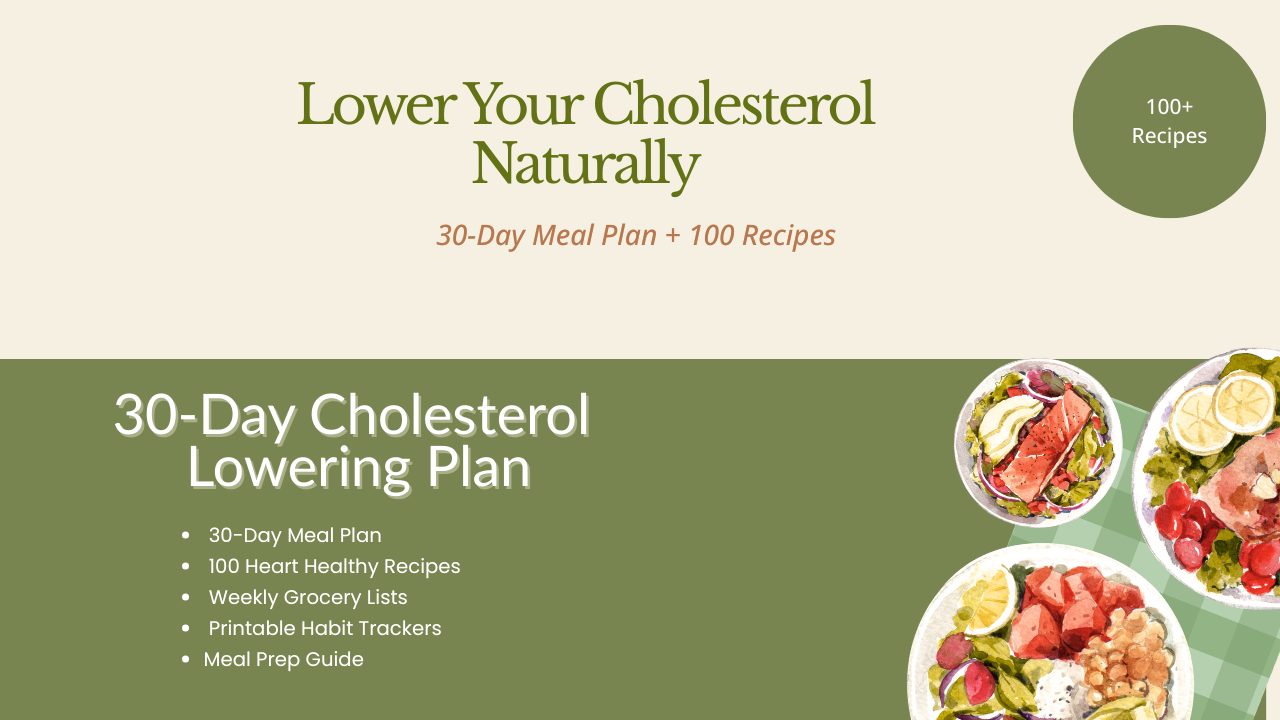
30-Day Cholesterol Reset System
A simple done-for-you plan to help you eat heart-healthy every day without confusion.
Over 1,000 people downloaded this guide
✔ 100 Easy Recipes
✔ Grocery Lists + Meal Prep Guide
🎁 FREE BONUSES:
✔ 7-Day Quick Start Plan
✔ Printable Grocery List
$29 $9
Get Instant AccessThe science is pretty clear on this. Saturated fats raise your LDL cholesterol (the bad kind), sodium increases blood pressure, and excess sugar contributes to inflammation and weight gain. But here’s what nobody emphasizes enough: small, consistent changes compound over time. You don’t need perfection. You need progress.
I started paying attention to my heart health after my dad’s triple bypass at 58. Suddenly, those family recipes loaded with butter and salt felt less like tradition and more like time bombs. So I started experimenting, swapping ingredients, and honestly? Most of my healthier versions of comfort foods taste better than the originals once you adjust.
Building Your Heart-Healthy Foundation
Before we jump into specific meals, let’s talk about what actually makes food heart-healthy. It’s not just about avoiding the bad stuff—it’s about actively choosing foods that support cardiovascular function.
The Power Players
Omega-3 fatty acids from fatty fish like salmon and mackerel reduce inflammation and lower triglyceride levels. I aim for fish at least twice a week, and honestly, a good piece of salmon beats a mediocre steak any day. If you’re cooking fish at home, I use this digital meat thermometer religiously—overcooked fish is a crime against dinner.
Fiber-rich whole grains help manage cholesterol and keep you full longer. Quinoa, brown rice, oats, and whole wheat products should be pantry staples. The difference between white and brown rice isn’t just nutritional—the nutty flavor and texture of whole grains actually makes meals more interesting.
Plant-based proteins from legumes, nuts, and seeds provide protein without the saturated fat found in red meat. Black beans, chickpeas, and lentils are incredibly versatile. I keep canned versions on hand because let’s be real, not everyone has time to soak dried beans overnight.
When you’re putting together these ingredients, having the right tools matters. I swear by this set of airtight glass storage containers for meal prep—they’re microwave and dishwasher safe, and unlike plastic, they don’t hold onto smells or stains.
What to Limit (Not Eliminate)
Look, I’m not going to tell you to never eat bacon again. But understanding what to moderate helps you make informed choices. Saturated fats from red meat, full-fat dairy, and tropical oils should be occasional, not everyday. Sodium is sneaky—it hides in processed foods, restaurant meals, and even seemingly healthy options like canned soup.
Added sugars contribute to weight gain and inflammation without providing any nutritional benefit. Reading labels becomes second nature once you realize how much sugar manufacturers sneak into everything from pasta sauce to bread.
If you’re serious about tracking what goes into your food, a simple kitchen scale takes the guesswork out of portions. I resisted getting one for years, thinking it was too fussy, but it’s actually been eye-opening seeing what actual serving sizes look like.
25 Heart-Healthy Meals You’ll Actually Want to Eat
Breakfast Options
1. Steel-Cut Oatmeal with Berries and Walnuts
Forget the instant packets loaded with sugar. Real oats have a completely different texture and keep you full until lunch. I make a big batch on Sunday using my programmable slow cooker, then reheat portions throughout the week. Top with whatever berries are in season, a handful of walnuts for omega-3s, and a drizzle of honey if you need sweetness.
2. Greek Yogurt Parfait
Layer plain Greek yogurt (not the flavored stuff—that’s basically dessert) with fresh fruit, a sprinkle of granola, and chia seeds. The protein keeps you satisfied, and the probiotics are great for gut health, which surprisingly impacts heart health too. Get Full Recipe
3. Avocado Toast on Whole Grain
Yeah, it’s trendy, but it’s trendy for a reason. Avocados provide heart-healthy monounsaturated fats, and the whole grain bread adds fiber. I usually add a poached egg on top for protein and use everything bagel seasoning instead of salt.
4. Spinach and Mushroom Egg White Scramble
Before you roll your eyes at egg whites, hear me out. You can use one whole egg plus three whites to get the flavor of yolk without overdoing cholesterol. Pile in the vegetables—spinach, mushrooms, tomatoes, bell peppers—and cook in a bit of olive oil.
5. Overnight Oats with Almond Butter
Mix rolled oats with almond milk, a spoonful of almond butter, chia seeds, and let it sit overnight. It’s stupidly easy, and you can grab it on your way out the door. For more morning inspiration, check out these low-cholesterol breakfast ideas or these heart-healthy breakfast options.
Lunch Solutions
6. Mediterranean Quinoa Bowl
Quinoa is a complete protein, which is rare for a plant food. Top it with chickpeas, cucumber, tomatoes, red onion, olives, and a lemon-olive oil dressing. It’s filling without being heavy, and the leftovers actually taste better the next day. Get Full Recipe
7. Grilled Chicken and Kale Caesar Wrap
Traditional Caesar dressing is basically a heart attack in a bowl with all that cheese and mayo. Make a lighter version with Greek yogurt, lemon juice, garlic, and a touch of Parmesan. Use whole grain tortillas and pile on the kale—it’s sturdier than romaine and holds up better.
8. Black Bean and Sweet Potato Tacos
Roast cubed sweet potatoes until they’re caramelized, warm up black beans with cumin and garlic, and pile everything into corn tortillas with avocado and salsa. The fiber content alone will keep you full for hours. You might also love these satisfying lunch options.
9. Lentil and Vegetable Soup
Lentils are underrated. They’re cheap, packed with fiber and protein, and they absorb whatever flavors you cook them with. Make a big batch with carrots, celery, tomatoes, and plenty of spices. I use this Dutch oven for soups—it distributes heat evenly and goes from stovetop to oven to table.
10. Tuna Salad Lettuce Wraps
Skip the mayo-heavy tuna salad and make it with mashed avocado instead. Mix in diced celery, red onion, lemon juice, and wrap it in butter lettuce leaves. If you’re prepping for the week, these quick lunch ideas are lifesavers.
Dinner Winners
11. Baked Salmon with Roasted Brussels Sprouts
This is my default “I need something healthy but don’t want to think” dinner. Season salmon with lemon, garlic, and herbs, throw Brussels sprouts on the same pan with olive oil, roast everything at 400°F for 20 minutes. One pan, minimal cleanup, maximum nutrition. Get Full Recipe
12. Turkey and Zucchini Meatballs with Marinara
Ground turkey is leaner than beef, and grating zucchini into the mix adds moisture and sneaks in vegetables. Serve over whole wheat pasta or zucchini noodles with a marinara that’s actually just crushed tomatoes, garlic, and basil—no added sugar needed.
13. Grilled Chicken with Herb Chimichurri
Chimichurri is my secret weapon for making simple grilled chicken taste like something from a restaurant. It’s just parsley, cilantro, garlic, olive oil, and vinegar blended together. The herbs provide antioxidants, and the olive oil contributes healthy fats.
14. Vegetarian Chili
Load it up with kidney beans, black beans, tomatoes, bell peppers, onions, and whatever vegetables you have lying around. The combination of beans provides complete protein without any saturated fat. Top with a small amount of cheese and Greek yogurt instead of sour cream. Check out more vegetarian meal options that won’t leave you hungry.
15. Baked Cod with Lemon and Capers
Cod is mild enough that even people who claim they don’t like fish will usually eat it. The capers and lemon provide so much flavor that you barely need any salt. Serve with roasted asparagus and quinoa for a complete meal.
16. Chicken Stir-Fry with Brown Rice
The key to a good stir-fry is high heat and not overcrowding the pan. I use this carbon steel wok that gets screaming hot and gives you that restaurant-quality char. Load up on colorful vegetables—bell peppers, broccoli, snap peas, carrots—and use a sauce made from low-sodium soy sauce, garlic, ginger, and a touch of honey.
17. Turkey Meatloaf with Hidden Vegetables
Finely chop or puree carrots, celery, and onions into the ground turkey. The vegetables add moisture and nutrition without changing the classic meatloaf taste. Use oats instead of breadcrumbs to keep it whole grain. For more family-friendly options, these family dinner ideas are crowd-pleasers.
18. Shrimp and Vegetable Skewers
Thread shrimp, cherry tomatoes, zucchini, and bell peppers onto skewers, brush with olive oil and lemon, and grill or broil. Shrimp cooks in minutes, making this a perfect weeknight option when you’re short on time. Get Full Recipe
19. Baked Chicken Parmesan (Lighter Version)
Instead of frying, coat chicken in whole wheat panko mixed with Italian seasonings and bake until crispy. Top with marinara and just a sprinkle of mozzarella—you really don’t need as much cheese as traditional recipes call for. Serve over whole wheat pasta or zucchini noodles.
20. White Bean and Kale Soup
This soup is proof that healthy food doesn’t have to be boring. Sauté onions and garlic in olive oil, add vegetable broth, white beans, diced tomatoes, and kale. Season with Italian herbs and finish with a squeeze of lemon. Pair it with whole grain bread for dipping.
Speaking of soups, you might also enjoy these heart-healthy soup options or these cholesterol-lowering soups that work year-round.
One-Pan Wonders
21. Sheet Pan Chicken and Vegetables
Toss chicken thighs (yes, thighs—skinless are fine and have more flavor than breasts) with baby potatoes, carrots, and green beans. Season everything with olive oil, herbs, and roast. The chicken fat renders and flavors the vegetables naturally. Get Full Recipe
22. Baked Tilapia with Tomatoes and Olives
Place tilapia fillets in a baking dish, top with cherry tomatoes, sliced olives, garlic, and herbs. Bake until the fish flakes easily. The tomatoes and olives create a sauce that keeps the fish moist without adding any cream or butter.
23. Turkey and Vegetable Skillet
Brown ground turkey, then add whatever vegetables you have—bell peppers, zucchini, onions, mushrooms. Season with cumin, paprika, and garlic. Serve over brown rice or cauliflower rice for an even lighter option. These one-pan dinners are perfect for busy weeknights.
24. Chickpea and Spinach Curry
Sauté onions, garlic, and ginger, add curry powder, diced tomatoes, chickpeas, and coconut milk (use light coconut milk to keep saturated fat in check). Add spinach at the end until wilted. Serve over brown rice or with whole wheat naan.
25. Herb-Crusted Pork Tenderloin with Roasted Root Vegetables
Pork tenderloin is surprisingly lean when you trim any visible fat. Coat it with Dijon mustard and fresh herbs, roast alongside carrots, parsnips, and beets. The natural sweetness of root vegetables pairs perfectly with pork, and the presentation looks impressive enough for company.
Kitchen Tools That Make Heart-Healthy Cooking Easier
After years of cooking these meals on repeat, these are the tools I actually use every week:
- Quality Chef’s Knife – A sharp knife makes vegetable prep so much faster and safer. I spent years struggling with dull knives before investing in a good one, and it’s genuinely changed how much I cook.
- Non-Stick Ceramic Cookware Set – Lets you cook with minimal oil without food sticking. Much easier to clean than traditional non-stick, and there are no questionable chemicals.
- Herb Keeper – Fresh herbs elevate simple dishes, but they go bad so fast. This little gadget keeps them fresh for weeks in the fridge.
- Meal Planning Template Pack – Pre-made templates that help you plan heart-healthy meals without starting from scratch each week.
- Heart-Healthy Grocery Shopping Guide – A downloadable PDF with brand recommendations, reading nutrition labels, and budget-friendly swaps.
- 30-Day Heart Health Reset Plan – Includes recipes, shopping lists, and daily health tips for establishing sustainable habits.
Making It Sustainable
The meals I’ve shared aren’t complicated. They don’t require specialty ingredients or culinary school skills. That’s intentional. The best diet is the one you’ll stick with, and you won’t stick with anything that makes you feel deprived or requires hours in the kitchen.
I’ve learned to batch-cook proteins and grains on weekends. Having cooked chicken, quinoa, and roasted vegetables ready to assemble means healthy meals happen even on days when I’m exhausted. I keep these meal prep containers stacked in my fridge, each one a complete meal ready to grab and go.
IMO, the biggest mistake people make is going all-or-nothing. You don’t need to eat perfectly all the time. You need to eat well most of the time. That 80/20 rule? It’s real. If 80% of your meals are built around whole foods with plenty of vegetables, lean proteins, and healthy fats, the occasional pizza or burger isn’t going to derail anything.
For those weeks when cooking feels impossible, these lazy meal options require minimal effort but still support your heart health goals.
The Real-Life Results
I won’t promise that eating heart-healthy meals will transform your life overnight, because that would be dishonest. But I can tell you that after six months of consistently choosing meals like these, my cholesterol numbers improved enough that my doctor actually smiled during my checkup. That’s rare.
My energy levels are more stable throughout the day. I’m not crashing at 3 PM anymore, probably because I’m not riding a blood sugar roller coaster from processed carbs and added sugars. And honestly? Food tastes better when you’re not drowning everything in salt and fat.
Sarah from our community tried these meal patterns and lost 15 pounds in three months without feeling like she was dieting. She said the biggest change was realizing that heart-healthy eating wasn’t about restriction—it was about choosing foods that actually nourish your body.
Beyond the Plate
While what you eat matters enormously, heart health isn’t just about food. Movement matters. Stress management matters. Sleep matters. These meals provide the foundation, but you’re building a comprehensive approach to cardiovascular wellness.
I walk most days—nothing intense, just 30 minutes at a pace where I can hold a conversation. That simple habit, combined with eating meals like the ones I’ve shared, has made a measurable difference in my resting heart rate and blood pressure.
And look, I still eat dessert. But instead of ice cream every night, I’ll have it once or twice a week and actually enjoy it without guilt. The rest of the time, I finish dinner with fruit or dark chocolate, which has flavonoids that are actually good for your heart. If you’re looking for treats that won’t sabotage your progress, these healthier dessert options hit the spot.
Getting Started Without Overwhelm
Don’t try to overhaul everything at once. Pick three meals from this list that sound appealing and make them this week. Next week, add three more. Build your repertoire gradually until eating heart-healthy becomes automatic rather than something you have to think about constantly.
Stock your pantry with the basics: olive oil, canned beans, whole grains, canned tomatoes, garlic, onions, and whatever spices you enjoy. This spice organizer keeps everything visible so you actually use what you have instead of buying duplicates.
When you grocery shop, spend most of your time on the perimeter of the store where the fresh foods are. The center aisles are where most of the processed stuff lives. Not that you can’t venture there—canned beans and tomatoes are pantry staples—but make it intentional rather than the bulk of your cart.
If meal planning feels overwhelming, start with these meal prep strategies that break everything down into manageable steps.
Frequently Asked Questions
Can I eat eggs if I’m focused on heart health?
Yes, moderate egg consumption is fine for most people. Current research shows that for healthy individuals, eating one egg per day doesn’t significantly impact heart disease risk. If you have high cholesterol or diabetes, talk to your doctor about what’s appropriate for you. Using egg whites or a mix of whole eggs and whites is another option that gives you protein with less cholesterol.
How quickly will I see improvements in my cholesterol levels?
Most people see measurable changes in cholesterol levels within 6-12 weeks of consistent dietary changes. However, this varies based on your starting point, genetics, and how strictly you follow the diet. The key word is “consistent”—occasional healthy meals won’t move the needle, but making these meals your regular pattern will.
Are frozen vegetables as healthy as fresh ones?
Absolutely. Frozen vegetables are typically frozen at peak ripeness, which locks in nutrients. In fact, “fresh” vegetables that have been sitting in your fridge for a week might have fewer nutrients than frozen ones. Keep frozen options on hand for convenience without sacrificing nutrition.
Do I need to give up red meat completely?
Not necessarily, but limiting it is smart. Research shows that eating red meat occasionally (once or twice per week) in small portions is probably fine for most people. Choose lean cuts, keep portions to about 3 ounces, and make sure your plate is mostly vegetables and whole grains. It’s the daily consumption of large portions that’s problematic.
Can I still eat out at restaurants while following a heart-healthy diet?
Yes, with some strategy. Look for grilled or baked proteins instead of fried, ask for dressings and sauces on the side, load up on vegetable sides, and don’t be afraid to make special requests. Most restaurants are accommodating if you ask for olive oil instead of butter, or for dishes prepared with less salt. It’s about making informed choices rather than avoiding restaurants entirely.
Final Thoughts
Heart-healthy eating isn’t about perfection. It’s about making choices that support your cardiovascular system more often than not. The meals I’ve shared are ones I actually make, not just aspirational recipes I pin and never try.
Your heart is working for you constantly—every second of every day. Feeding it properly isn’t restrictive or complicated. It’s just choosing real foods, prepared simply, eaten consistently. That’s the whole secret, and honestly? Once you get used to eating this way, overly processed foods start tasting weird anyway.
Start with one meal. Make it something simple like the baked salmon or the quinoa bowl. See how it makes you feel. Then build from there. Your heart will thank you, and you might actually enjoy the process.
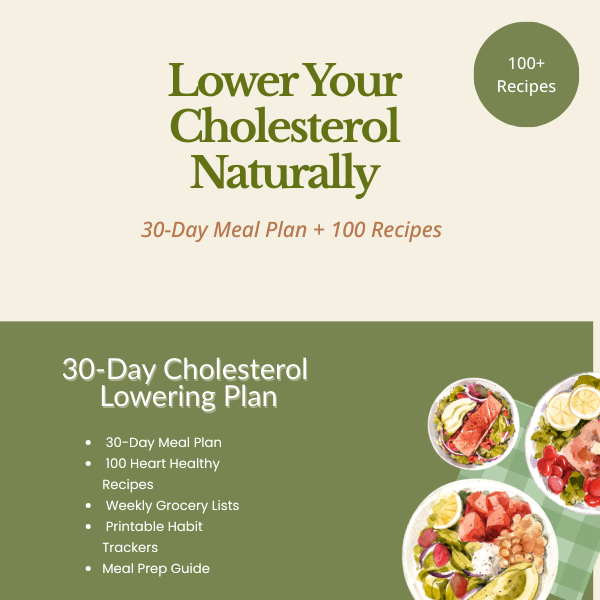
30-Day Cholesterol-Lowering Meal Plan
A simple step-by-step system to help you eat heart-healthy every day without stress.
Over 1,000 people downloaded this guide
$29$9
Get Instant Access
