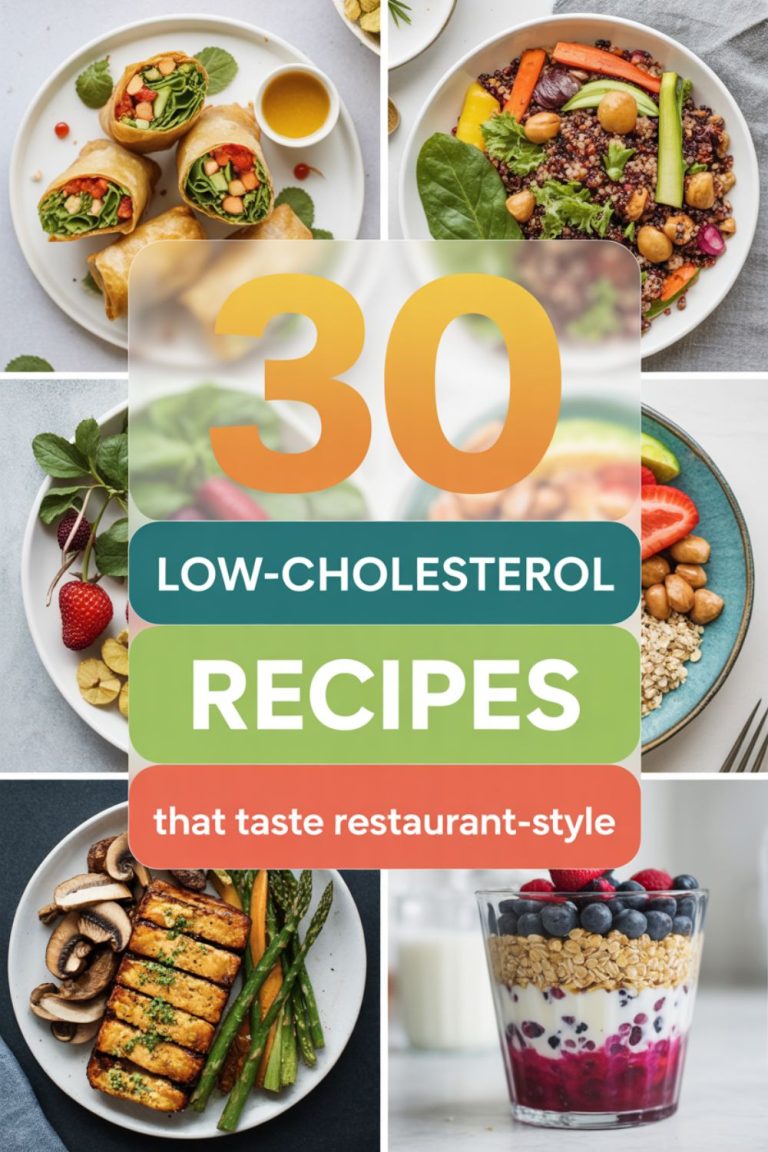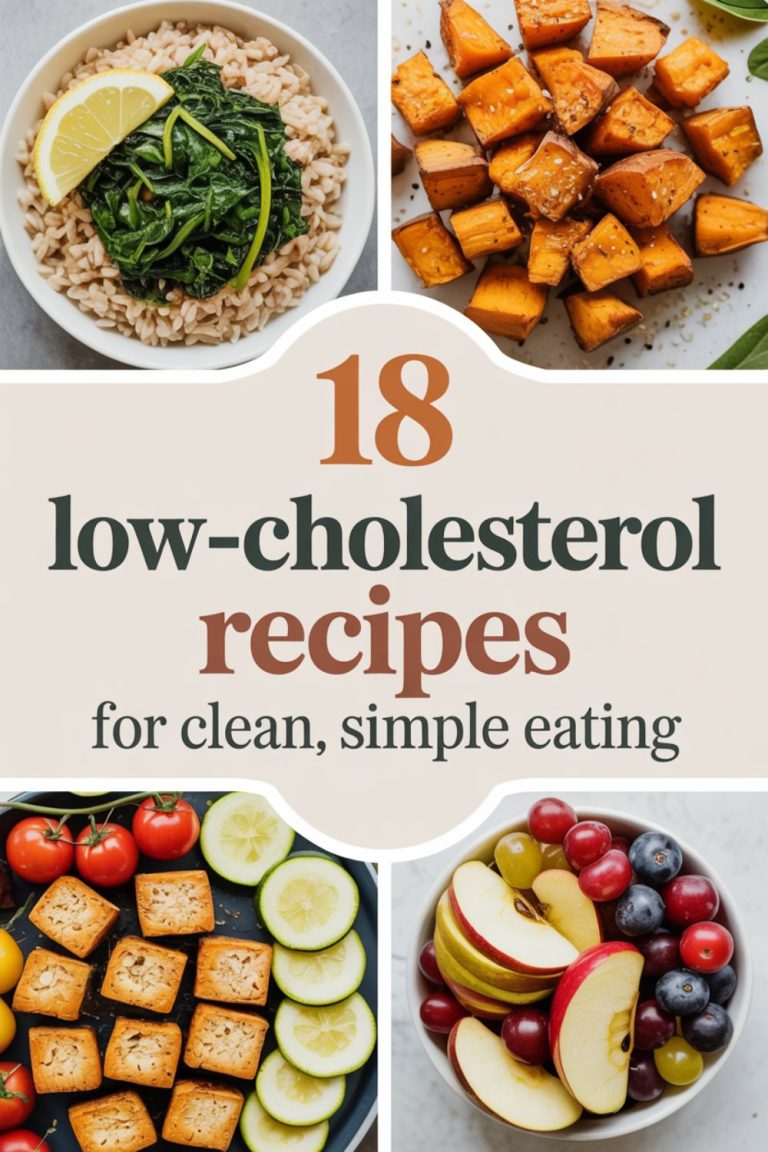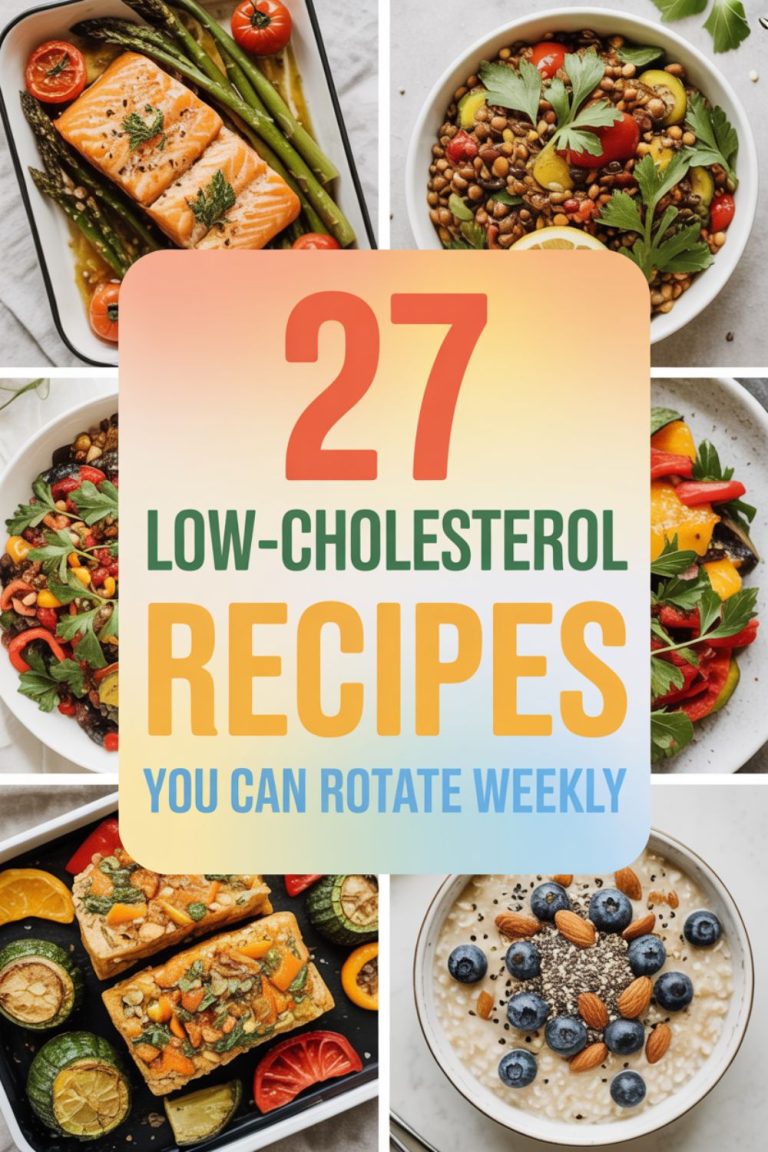
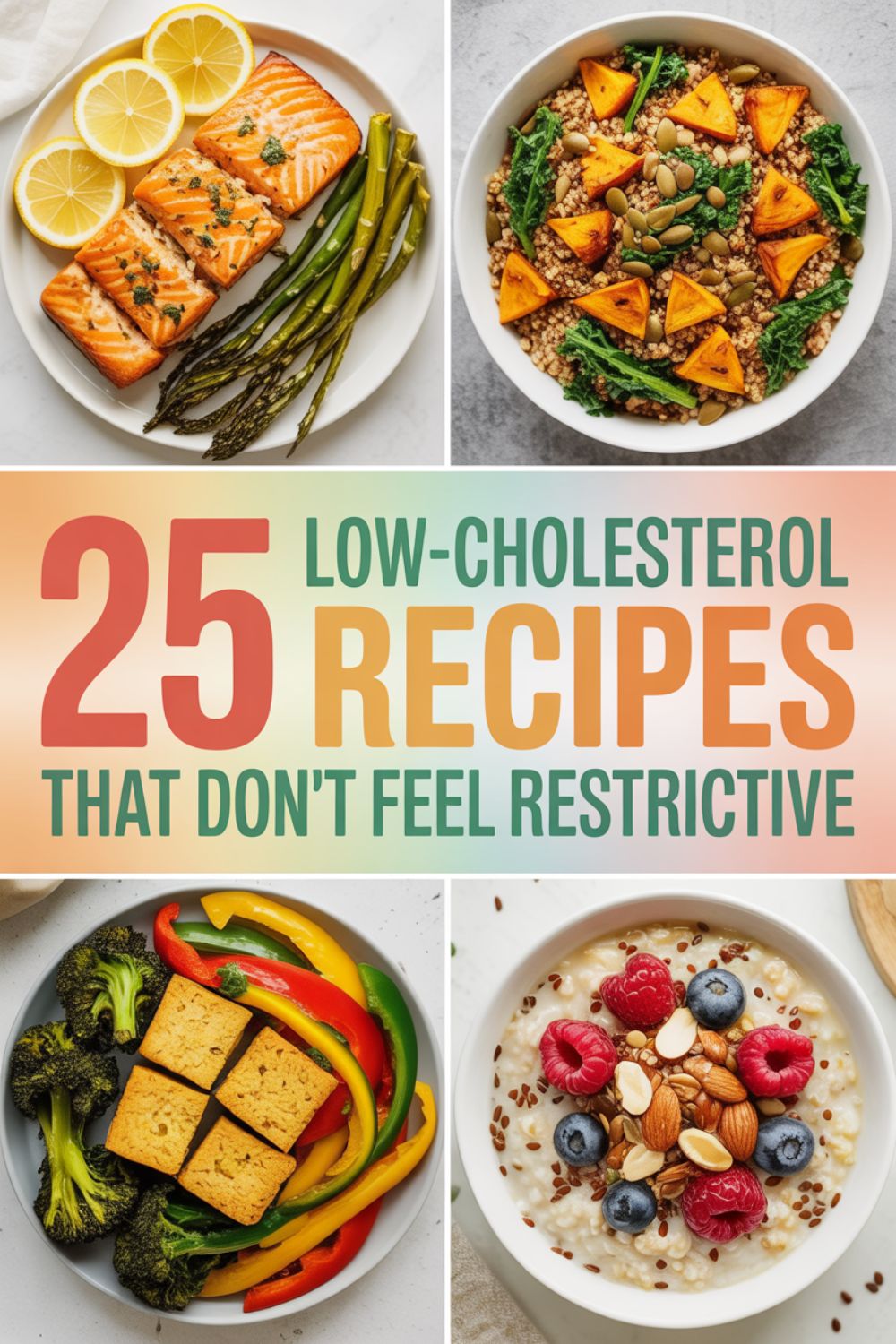
25 Low-Cholesterol Recipes That Don’t Feel Restrictive
Look, I’m not going to sugarcoat this—being told you need to watch your cholesterol can feel like someone just handed you a lifetime sentence of bland chicken breast and steamed broccoli. I’ve been there, staring at my lab results, wondering if I’d ever enjoy a meal again.
But here’s what nobody tells you right away: eating for heart health doesn’t mean giving up flavor, satisfaction, or the pure joy of a really good meal. After months of experimenting in my kitchen, I’ve cracked the code on recipes that taste so good, you’ll forget they’re doing your arteries a favor.
These 25 recipes aren’t about deprivation or suffering through meals that taste like cardboard. They’re about discovering that heart-healthy eating can be legitimately delicious—the kind of food that makes you want seconds, not the kind you choke down while dreaming about pizza.
Why Low-Cholesterol Eating Doesn’t Have to Suck
The biggest misconception about cholesterol management is that it requires some kind of monastic lifestyle. People hear “low cholesterol” and immediately picture themselves eating nothing but salads and plain oatmeal for the rest of their lives.
Reality check: your body actually needs cholesterol for building healthy cells. The problem isn’t cholesterol itself—it’s having too much of the wrong kind. According to Mayo Clinic, high cholesterol levels can raise your risk of heart disease, but the good news is that lifestyle changes—especially what you eat—can make a huge difference.
What really matters is reducing saturated fats and trans fats while embracing foods that actually support your cardiovascular system. Think omega-3-rich fish, fiber-packed vegetables, whole grains, and healthy fats from sources like avocados and nuts.
Pro Tip: Swap butter for olive oil when cooking. You won’t miss it, and your heart will thank you. I use this high-quality extra virgin olive oil for literally everything—it’s become my secret weapon.
The best part? Once you start cooking this way, you realize you’re not missing out. You’re actually eating better food. Those heavily processed, sodium-bombed convenience foods you thought you’d miss? They start tasting weirdly artificial once your palate adjusts.
Understanding the Cholesterol-Food Connection
Here’s what’s actually happening when you eat: your liver produces cholesterol naturally, but when you consume foods high in saturated fats—think fatty meats, full-fat dairy, and processed foods—your body cranks out even more. This excess cholesterol can build up in your arteries, forming plaques that restrict blood flow.
The American Heart Association recommends limiting saturated fat to less than 6% of your daily calories and avoiding trans fats entirely. Sounds technical, but in practical terms? It means choosing your fats wisely and loading up on plant-based foods.
For breakfast inspiration that won’t spike your cholesterol, check out these low-cholesterol breakfast ideas that actually taste like breakfast, not punishment.
The Good Fat vs. Bad Fat Breakdown
Not all fats are created equal, and honestly, this is where most people get confused. Saturated fats (found in red meat, butter, and cheese) and trans fats (lurking in processed foods) are the villains. Meanwhile, unsaturated fats—particularly the monounsaturated and polyunsaturated varieties—are actually heroes.
I stock my pantry with heart-friendly fats: wild-caught salmon fillets, raw almonds (buy this big bag and portion them into snack containers), and yes, lots of avocados. Speaking of which, this avocado storage container has saved me from so many brown, mushy disappointments.
25 Recipes That Prove Low-Cholesterol Can Be Incredible
Breakfast Winners
Overnight Oats with Fresh Berries: This is my go-to weekday breakfast. Mix rolled oats with unsweetened almond milk, chia seeds, and a drizzle of honey. Top with whatever berries are in season. The soluble fiber in oats literally binds to cholesterol in your digestive system and escorts it out of your body. Get Full Recipe.
Veggie-Packed Egg White Scramble: Before you roll your eyes at “egg whites,” hear me out. Load these with sautéed spinach, mushrooms, tomatoes, and a sprinkle of nutritional yeast for a cheesy flavor without actual cheese. Use this nonstick ceramic pan and you won’t need butter or oil. Game-changer. Get Full Recipe.
Avocado Toast on Whole Grain: Yeah, it’s basic. But it’s basic because it works. Mash avocado with a squeeze of lime, red pepper flakes, and a pinch of sea salt. Pile it on toasted whole grain bread. The healthy fats keep you full for hours.
Looking for more morning options? These low-cholesterol breakfasts under 300 calories deliver serious flavor without the calorie bomb.
Quick Win: Prep your overnight oats on Sunday night for the entire week. Five minutes of work = five stress-free mornings. Trust me on this.
Lunch That Actually Satisfies
Mediterranean Chickpea Salad: This isn’t your sad desk salad. Toss chickpeas with cucumber, cherry tomatoes, red onion, Kalamata olives, and a lemon-herb dressing. The fiber and plant-based protein make it surprisingly filling. Get Full Recipe.
Turkey and Hummus Wrap: Use a whole wheat tortilla, spread a thick layer of hummus, add lean turkey breast, spinach, shredded carrots, and sliced bell peppers. Roll it tight. The hummus adds creaminess without mayo’s saturated fat.
Lentil Soup with Vegetables: Make a big batch on Sunday and you’re set for lunches all week. Lentils are ridiculously high in soluble fiber—the kind that actively lowers LDL cholesterol. Season aggressively; this isn’t bland health food. I use this Dutch oven for all my soup-making.
Need more midday inspiration? Check out these low-cholesterol lunches that keep you full without the afternoon energy crash.
Dinners You’ll Want to Make Twice
Baked Salmon with Roasted Brussels Sprouts: Season salmon with lemon, garlic, and dill. Roast Brussels sprouts until they’re crispy and caramelized. The omega-3s in salmon are basically a love letter to your cardiovascular system. Get Full Recipe.
Grilled Chicken with Quinoa and Steamed Broccoli: Marinate chicken breasts in olive oil, lemon juice, and herbs. Grill until juicy. Serve over fluffy quinoa with perfectly steamed broccoli. Simple, satisfying, zero regrets.
Vegetarian Stir-Fry with Brown Rice: Load up on colorful vegetables—bell peppers, snap peas, carrots, broccoli. Toss with a ginger-garlic-soy sauce. Serve over brown rice. The fiber content here is off the charts.
For evenings when you’re short on time, these low-cholesterol dinners come together faster than ordering takeout.
Spaghetti with Marinara and Turkey Meatballs: Use whole wheat pasta and make meatballs with extra-lean ground turkey. A good marinara sauce (check the sodium levels—some brands are insane) ties it all together. Comfort food that won’t wreck your cholesterol numbers.
Black Bean and Sweet Potato Tacos: Roast sweet potato cubes until caramelized, warm up black beans with cumin and garlic powder, pile into corn tortillas with avocado and salsa. These are so good that non-vegetarians request them. Get Full Recipe.
Pro Tip: Double your dinner recipes and pack the leftovers for tomorrow’s lunch. You’re not meal prepping; you’re being smart and lazy simultaneously. My kind of strategy.
If you’re into meal planning, these low-cholesterol meal prep ideas take the guesswork out of your entire week.
Snacks That Don’t Sabotage Your Progress
Apple Slices with Almond Butter: The crunch of fresh apple plus the creamy richness of almond butter = perfection. The fiber in apples helps with cholesterol management, and the healthy fats in almond butter keep hunger at bay.
Mixed Nuts and Dried Fruit: Portion these out into small containers using these meal prep containers so you don’t accidentally eat a week’s worth in one sitting. FYI, I’ve done that. It wasn’t pretty.
Hummus with Raw Vegetables: Carrots, celery, bell peppers, cucumber—whatever’s in your fridge. The combination of fiber and plant-based protein makes this stupidly satisfying.
For more snacking options, explore these low-cholesterol snacks that actually curb cravings.
Desserts Worth Celebrating
Dark Chocolate-Dipped Strawberries: Melt high-quality dark chocolate (70% cacao or higher) and dip fresh strawberries. The antioxidants in dark chocolate have been linked to improved heart health when consumed in moderation.
Frozen Banana “Nice Cream”: Blend frozen bananas until creamy. Add cocoa powder, vanilla extract, or peanut butter powder. It’s basically ice cream without the cholesterol and saturated fat.
Baked Apples with Cinnamon: Core apples, sprinkle with cinnamon, bake until tender. Top with a small handful of oats and chopped walnuts. Warm, comforting, and your cholesterol won’t even flinch.
Yes, you can have dessert on a low-cholesterol diet. These guilt-free low-cholesterol desserts prove it.
Soups That Warm Your Soul
Minestrone with White Beans: Packed with vegetables, beans, and whole grain pasta. Make a massive pot because this gets better every day. The fiber content is through the roof.
Thai-Inspired Coconut Curry Soup: Use light coconut milk, load it with vegetables and tofu or shrimp, season with curry paste and lime. The flavors are so bold you won’t believe it’s heart-healthy. Get Full Recipe.
Chicken and Vegetable Soup: Use skinless chicken breast, tons of vegetables, low-sodium broth. Season generously because bland soup is a crime. I make this in my programmable slow cooker and come home to dinner ready.
When the weather turns cold, these low-cholesterol soups and stews become weekly staples.
Complete Meals That Come Together Fast
Sheet Pan Chicken and Vegetables: Toss chicken breast, bell peppers, zucchini, and red onion with olive oil and seasonings. Roast everything on one pan. Minimal cleanup, maximum flavor. Get Full Recipe.
Shrimp and Vegetable Skewers: Thread shrimp and colorful vegetables onto skewers, brush with a lemon-herb marinade, grill. These look fancy but take maybe 15 minutes.
Quinoa Buddha Bowl: Build a bowl with cooked quinoa, roasted chickpeas, steamed broccoli, shredded carrots, avocado, and a tahini dressing. Customize based on what you have available.
If one-pan meals are your jam, these low-cholesterol one-pan dinners minimize both cooking and cleanup time.
Comfort Food, Healthified
Turkey Chili: Use lean ground turkey, tons of beans, crushed tomatoes, and aggressive seasoning. Top with a dollop of Greek yogurt instead of sour cream. Nobody will know the difference.
Baked Sweet Potato Fries: Cut sweet potatoes into fries, toss with a tiny bit of olive oil and seasonings, bake until crispy. Serve with a homemade honey-mustard dipping sauce.
Cauliflower “Fried Rice”: Pulse cauliflower in a food processor until rice-sized, sauté with vegetables, egg whites, and soy sauce. Tastes like fried rice, acts like a vegetable.
Craving comfort without the cholesterol spike? These healthified comfort foods deliver satisfaction without sabotage.
The Kitchen Tools That Make This Easier
Tools & Ingredients That Make Heart-Healthy Cooking Actually Enjoyable
Look, you don’t need a fancy kitchen to eat well, but a few strategic tools make the whole process less painful. These are the items I actually use every single week—not the ones collecting dust in my cabinet.
- High-Quality Chef’s Knife – Vegetable prep goes from tedious to therapeutic with a sharp knife. Mine has lasted years.
- Glass Meal Prep Containers – BPA-free, microwave-safe, and they don’t stain like plastic. Worth every penny.
- Digital Kitchen Scale – Portion control becomes automatic when you can actually measure things. No more guessing.
- MyFitnessPal Premium – Track not just calories but cholesterol and saturated fat. The data is eye-opening.
- Meal Planning App Subscription – Takes the mental load out of figuring out what to cook. Game-changer for busy weeks.
- Online Cholesterol Management Course – Understanding the science behind what you’re doing makes it easier to stick with it.
Making It Work in Real Life
Theory is one thing. Actually implementing this when you’re tired, hungry, and the kids are screaming? That’s where the rubber meets the road.
I’m not going to pretend I cook from scratch every single night. Sometimes dinner is scrambled eggs and toast. Sometimes it’s rotisserie chicken (skin removed) with a bagged salad. The goal isn’t perfection; it’s consistency.
Batch cooking is your best friend. Seriously. Make a huge pot of soup or chili on Sunday. Cook a big batch of quinoa or brown rice. Roast a sheet pan full of vegetables. Then mix and match throughout the week.
When you’re truly short on time, these lazy low-cholesterol meals for busy people require minimal effort and deliver maximum results.
Restaurant Strategies That Actually Work
You’re not going to cook every meal forever, and that’s okay. When eating out, I follow a few simple rules: grilled over fried, sauce on the side, load up on vegetables, and don’t be shy about asking how something’s prepared.
Most restaurants will accommodate reasonable requests. Want your fish grilled with olive oil instead of butter? Just ask. Need extra vegetables instead of the creamy mashed potatoes? They’ll do it.
The Ingredients That Should Always Be in Your Kitchen
Having the right ingredients on hand makes healthy cooking spontaneous rather than planned. Here’s what I always keep stocked:
- Olive oil – for cooking and dressings
- Rolled oats – breakfast and baking
- Canned beans – protein and fiber in minutes
- Frozen vegetables – no judgment, they’re just as nutritious as fresh
- Whole grain pasta and brown rice – complex carbs that keep you full
- Low-sodium broth – soup base and cooking liquid
- Lemons and limes – flavor without salt or fat
- Fresh garlic and onions – flavor foundation for everything
- Herbs and spices – the difference between bland and crave-worthy
For a comprehensive list of ingredients that actively help lower cholesterol, check out these foods that naturally lower cholesterol.
Pro Tip: Keep a running grocery list on your phone. When you notice you’re running low on olive oil or oats, add it immediately. No more mid-recipe grocery store runs.
What About Flavor?
This is where most people get it wrong. Low cholesterol doesn’t mean low flavor—it just means you need to get creative with your seasoning.
Salt isn’t inherently evil, but most processed foods are so sodium-bombed that your taste buds have been hijacked. Once you start cooking with fresh ingredients and proper seasoning, you’ll realize how much better food can taste.
Fresh herbs are your secret weapon. Cilantro, basil, parsley, dill—they transform bland into brilliant. I grow a few basics in pots on my windowsill because even the store-bought herbs wilt before I use them all.
Citrus juice and zest add brightness without fat. A squeeze of lemon can make vegetables taste like they’re from a restaurant. Acid is criminally underused in home cooking.
For salads that don’t taste like penance, try these low-cholesterol salads that don’t feel like diet food.
The Mental Game
Let’s be honest—the hardest part isn’t the cooking. It’s the mental shift from viewing food as reward and comfort to viewing it as fuel and medicine.
I’m not going to tell you to never eat pizza or ice cream again. That’s not realistic, and frankly, it’s not necessary. What matters is that most of your meals—maybe 80-90% of them—support your health goals.
The other 10-20%? That’s life. Birthday cake. Date night. Your favorite holiday meal. These aren’t failures; they’re normal human experiences.
The key is not letting one indulgent meal turn into three days of chaos. You ate pizza on Friday night? Great. Saturday breakfast is back to oatmeal with berries. No guilt, no drama, just getting back on track.
When You Hit a Plateau
Even when you’re doing everything right, sometimes your cholesterol numbers stubbornly refuse to budge. This is normal and doesn’t mean you’re failing.
Genetics play a huge role in cholesterol levels. Some people can eat butter by the stick and have perfect numbers. Others eat one egg and their LDL spikes. Life isn’t fair, but that doesn’t mean you should give up.
Keep doing the work. Your cardiovascular system is benefiting from these changes even if the numbers don’t show it immediately. Reduced inflammation, better blood pressure, improved energy—these matter just as much as cholesterol levels.
If you’re combining diet changes with weight loss goals, these low-cholesterol high-protein meals support both objectives simultaneously.
Frequently Asked Questions
Can I really lower my cholesterol through diet alone?
For many people, yes. Dietary changes can significantly reduce LDL cholesterol levels, especially when combined with regular exercise and maintaining a healthy weight. However, some people have genetic factors that make diet alone insufficient. Work with your doctor to determine the best approach for your situation. Even if you need medication, dietary changes remain crucial for heart health.
How long does it take to see results?
Most people start seeing changes in their cholesterol numbers within 3-6 months of consistent dietary changes. However, the benefits to your cardiovascular system begin immediately—reduced inflammation, improved blood pressure, and better overall heart function happen before the numbers reflect the changes. Patience is key.
Are eggs really off-limits?
Not necessarily. Research has evolved on this topic. According to the American Heart Association, moderate egg consumption (one whole egg per day) is generally safe for most people when part of an overall heart-healthy diet. The key is what you eat with your eggs and your overall dietary pattern rather than obsessing over individual foods.
What’s the deal with coconut oil?
Despite health food marketing, coconut oil is extremely high in saturated fat—the kind that raises LDL cholesterol. While it’s not the worst fat you could eat, it’s definitely not a health food. Stick with olive oil, avocado oil, or other plant-based oils that contain mostly unsaturated fats. Your arteries will thank you.
Can I eat out and still manage my cholesterol?
Absolutely. Choose grilled or baked proteins instead of fried, ask for dressings and sauces on the side, load up on vegetables, and don’t be afraid to make special requests. Most restaurants are accommodating when you explain you’re managing a health condition. Also, one restaurant meal won’t derail your progress—it’s your overall pattern of eating that matters most.
The Bottom Line
Managing cholesterol through diet isn’t about perfection or deprivation. It’s about making consistent, sustainable choices that support your long-term health without making you miserable.
These 25 recipes are just the beginning. Once you get comfortable with the basic principles—emphasizing plants, choosing healthy fats, loading up on fiber, and seasoning aggressively—you’ll start adapting your own favorite recipes to fit your new lifestyle.
Will you have days when you eat the pizza? Of course. Will you sometimes choose the easier, less-healthy option because you’re exhausted and life is hard? Yep. That’s called being human.
The goal isn’t to never make mistakes. The goal is to make more good choices than bad ones, to treat your body with the respect it deserves, and to prove to yourself that healthy eating doesn’t have to feel like punishment.
Your cholesterol numbers are just numbers. They’re important numbers, sure, but they don’t define you. What defines you is how you show up for yourself every single day—even when it’s hard, even when you’d rather order takeout, even when steamed broccoli sounds about as appealing as eating cardboard.
You’ve got this. Start with one recipe. Then try another. Build momentum gradually instead of trying to overhaul everything overnight. Small, consistent changes compound into major results.
Now go make something delicious that happens to be good for your heart. Your future self will be grateful you started today.