
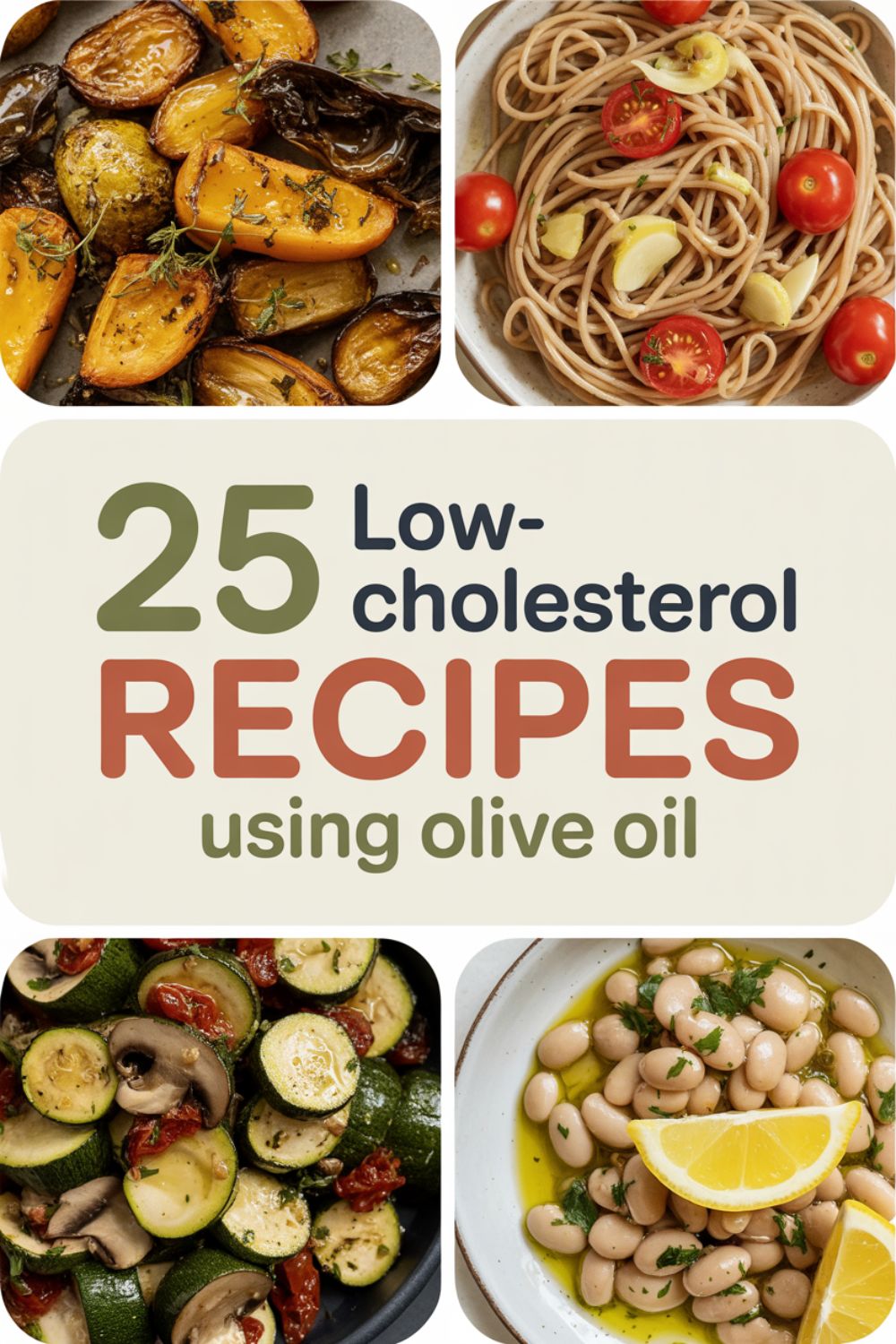
25 Low-Cholesterol Recipes Using Olive Oil
Look, I get it. Someone told you to watch your cholesterol, and suddenly you’re imagining a lifetime of plain steamed vegetables and cardboard-flavored everything. But here’s the thing nobody tells you: eating for heart health doesn’t mean sacrificing flavor, and olive oil is basically your golden ticket to meals that actually taste like something you’d want to eat.
I’ve spent years experimenting in my kitchen, trying to figure out how to make low-cholesterol meals that don’t feel like punishment. And honestly? Olive oil changed everything. It’s like the culinary equivalent of finding out you can have your cake and eat it too—except in this case, it’s more like having your roasted vegetables and actually enjoying them.
The science backs this up too. Olive oil is packed with monounsaturated fats that help manage cholesterol levels while adding that rich, satisfying quality to food. We’re talking about swapping out butter and those sketchy processed oils for something that’s been keeping Mediterranean populations heart-healthy for centuries.
Why Olive Oil Should Be Your Kitchen’s Best Friend
Before we jump into the recipes, let’s talk about why olive oil deserves a permanent spot on your counter. Unlike saturated fats that can raise LDL cholesterol (that’s the bad one), olive oil contains primarily monounsaturated fats that have been shown to help lower LDL while maintaining or even improving HDL cholesterol levels—the good kind your heart actually wants.
According to research from Harvard Health, when you replace saturated fats with monounsaturated options like olive oil, you’re giving your cardiovascular system a real boost. The Mayo Clinic also emphasizes that olive oil is the cornerstone of the Mediterranean diet, which has consistently been linked to lower rates of heart disease.
But here’s what really matters in your day-to-day cooking: olive oil makes food taste incredible. It adds depth, richness, and that satisfying mouthfeel that makes you actually want to eat your vegetables. And when you’re trying to stick with heart-healthy eating long-term, enjoying what’s on your plate isn’t just nice—it’s essential.
The Breakfast Brigade: Starting Your Day Right
Breakfast sets the tone for your entire day, and starting with something that supports your cholesterol goals doesn’t mean settling for boring oatmeal. Think of olive oil as your morning flavor enhancer.
30-Day Cholesterol Reset System
A simple done-for-you plan to help you eat heart-healthy every day without confusion.
Over 1,000 people downloaded this guide
✔ 100 Easy Recipes
✔ Grocery Lists + Meal Prep Guide
🎁 FREE BONUSES:
✔ 7-Day Quick Start Plan
✔ Printable Grocery List
$29 $9
Get Instant Access1. Mediterranean Veggie Scramble
Forget cooking eggs in butter. A drizzle of olive oil in the pan, some chopped tomatoes, spinach, and a handful of feta creates a breakfast that feels indulgent but keeps your heart happy. The key is heating the oil just until it shimmers—not smoking hot—then adding your veggies first to build flavor.
2. Olive Oil Granola
Yeah, you read that right. Instead of the butter-heavy versions, try making granola with olive oil. Mix oats, nuts, a touch of honey, cinnamon, and olive oil, then bake until golden. It’s weirdly good and keeps you full way longer than the sugary cereals. I use this rimmed baking sheet for perfectly even toasting.
3. Savory Oatmeal Bowl
Sweet oatmeal is fine, but savory? Game changer. Cook your oats in vegetable broth, top with sautéed mushrooms cooked in olive oil, a soft-boiled egg, and some fresh herbs. It’s like risotto’s healthier, easier cousin.
For even more morning inspiration, check out these low-cholesterol breakfast ideas or browse through breakfasts under 300 calories that won’t leave you starving by 10 AM.
4. Whole Grain Toast with Olive Oil and Tomato
This Spanish-inspired breakfast is ridiculously simple but somehow tastes fancy. Toast some whole grain bread, rub it with a cut garlic clove, drizzle with olive oil, and top with fresh tomato slices and a pinch of sea salt. Sometimes the simplest things are the best things.
5. Green Smoothie Bowl
Okay, hear me out—adding a teaspoon of olive oil to your smoothie bowl actually helps you absorb the fat-soluble vitamins from all those leafy greens. Blend spinach, frozen banana, avocado, and a bit of olive oil. Top with fresh fruit and seeds. You won’t taste the oil, I promise.
Lunch Winners That Don’t Require a Nap Afterward
You know that post-lunch slump that makes you want to crawl under your desk? Heavy, greasy meals are usually the culprit. These olive oil-based lunches keep you energized without weighing you down.
6. Lemon-Herb Quinoa Salad
Cook quinoa, let it cool, then toss with olive oil, fresh lemon juice, diced cucumber, cherry tomatoes, and whatever herbs you have lying around. It’s one of those make-ahead lunches that actually tastes better the next day. Get Full Recipe.
7. White Bean and Arugula Wrap
Mash some white beans with olive oil, lemon, and garlic until you get a creamy spread. Load up a whole wheat wrap with this mixture, peppery arugula, sliced tomatoes, and roasted red peppers. Way more interesting than another sad sandwich.
8. Mediterranean Chickpea Bowl
Roast chickpeas in olive oil with your favorite spices until they’re crispy—this is where a good sheet pan really makes a difference. Serve over mixed greens with cucumber, olives, and a simple olive oil and lemon dressing. This is legitimately one of my go-to meals when I need something quick but satisfying.
Speaking of satisfying lunches, you might also want to explore these lunches that keep you full or check out quick options under 10 minutes for those chaotic workdays.
9. Zucchini Noodles with Pesto
Make pesto with olive oil, basil, garlic, and pine nuts (or walnuts if you’re being budget-conscious). Toss with spiralized zucchini. It’s like pasta without the carb coma. I use this spiralizer that doesn’t require a PhD to operate.
10. Roasted Vegetable Sandwich
Roast whatever vegetables you have—bell peppers, eggplant, zucchini—brushed with olive oil and herbs. Layer them on whole grain bread with hummus. The roasting process brings out natural sweetness that makes you wonder why anyone bothers with deli meat.
Dinner Recipes That Impress Without the Stress
Dinner is where olive oil really shines. This is when you have time to actually cook, and olive oil helps you create restaurant-quality meals at home without the saturated fat bomb.
11. Herb-Crusted Salmon
Brush salmon with olive oil, press on a mixture of fresh herbs, breadcrumbs, and lemon zest, then bake. The olive oil helps the crust stick and keeps the fish moist. Serve with roasted vegetables, also drizzled in olive oil, obviously. Get Full Recipe.
12. Eggplant Parmesan (Reimagined)
Instead of frying, brush eggplant slices with olive oil and bake until tender. Layer with tomato sauce and a bit of part-skim mozzarella. It’s lighter but still delivers that comfort food feeling you’re after.
If you’re looking for more heart-healthy dinner inspiration, these dinners you’ll want to make again are worth exploring. For those lazy nights when cooking feels like a marathon, check out these lazy meals for busy people.
13. Tuscan White Bean Soup
Sauté onions, garlic, and celery in olive oil until soft. Add vegetable broth, white beans, diced tomatoes, and lots of fresh herbs. Let it simmer while you catch up on your show. It’s basically hug-in-a-bowl territory, especially with crusty whole grain bread for dipping.
14. Chicken with Olive Oil and Lemon
This might be the easiest dinner you’ll ever make. Marinate chicken breasts in olive oil, lemon juice, garlic, and herbs for 30 minutes. Grill or bake. Done. The marinade keeps the chicken incredibly moist and flavorful.
15. Ratatouille
The French knew what they were doing with this one. Layer sliced tomatoes, zucchini, eggplant, and bell peppers in a baking dish, drizzle generously with olive oil and herbs, then slow-roast until everything melds together. It’s gorgeous, delicious, and perfect for meal prep.
16. Shrimp Scampi with Zoodles
Traditional scampi uses way too much butter, but swap it for olive oil and you’ve got something your arteries won’t hate you for. Sauté shrimp in olive oil with tons of garlic, white wine, and lemon. Serve over zucchini noodles or whole wheat pasta.
17. Baked Cod with Olives and Tomatoes
Place cod fillets in a baking dish, surround with cherry tomatoes, olives, capers, and garlic. Drizzle with olive oil and bake. The fish stays tender, and the sauce is perfect for spooning over quinoa or farro.
For complete meal planning made easy, browse through these meal prep ideas for the week. Trust me, your future self will thank you.
Kitchen Tools That Make Cooking Easier
After years of trial and error, these are the tools I actually use regularly. No kitchen gadget graveyard here—just the essentials that make cooking with olive oil a breeze.
Snacks and Sides That Don’t Derail Your Day
Let’s be real—snacking is where most healthy eating plans fall apart. But olive oil-based snacks can keep you satisfied between meals without undoing all your good work.
18. Olive Oil Crackers
Mix whole wheat flour, olive oil, water, and seasonings. Roll thin, cut into squares, bake until crispy. These are shockingly easy and taste way better than anything from a box. Plus you know exactly what’s in them.
19. Roasted Chickpeas
Toss drained chickpeas with olive oil and whatever spices you’re feeling—cumin, paprika, garlic powder. Roast at 400°F until crunchy. They’re addictive and actually good for you. Win-win.
For more snacking ideas that won’t spike your cholesterol, check out these snacks that support heart health.
20. Caprese Skewers
Thread cherry tomatoes, fresh basil, and small mozzarella balls on skewers. Drizzle with olive oil and balsamic. It’s fancy enough for guests but easy enough for Tuesday night.
21. Roasted Red Pepper Hummus
Blend chickpeas, roasted red peppers, tahini, lemon juice, and plenty of olive oil. According to the American Heart Association, using olive oil in spreads like hummus contributes to the healthy fat intake that supports cardiovascular health. Serve with vegetable sticks or whole grain pita.
22. Garlic-Herb Roasted Vegetables
Any vegetable becomes infinitely better when tossed with olive oil, minced garlic, and herbs, then roasted until caramelized. Brussels sprouts, carrots, cauliflower—they all work. This is my go-to side dish for pretty much everything.
Sweet Treats That Won’t Sabotage Your Progress
Yes, you can still have dessert while managing cholesterol. It just requires some creativity and—you guessed it—olive oil instead of butter.
23. Olive Oil Chocolate Cake
Replace butter with olive oil in your favorite chocolate cake recipe. The oil keeps it incredibly moist, and the flavor is richer than you’d expect. Top with fresh berries instead of heavy frosting.
24. Lemon Olive Oil Cookies
These cookies are light, not too sweet, and have this amazing tender texture from the olive oil. The lemon brightness cuts through any potential oil flavor, leaving you with something that tastes sophisticated, not healthy (in the best way).
If you’re craving more dessert options, explore these guilt-free desserts that prove healthy eating doesn’t mean deprivation.
25. Olive Oil Granola Bars
Combine oats, nuts, dried fruit, honey, and olive oil. Press into a pan, bake, and cut into bars. They’re perfect for grabbing on your way out the door, and they actually keep you full unlike those sugar-bomb store-bought versions. I prep these in this baking pan that makes perfect squares every time.
The Real Talk About Choosing Olive Oil
Not all olive oil is created equal, and yeah, this matters more than you might think. Extra virgin olive oil (EVOO) is the minimally processed stuff that retains all those beneficial polyphenols and antioxidants.
Research published in PubMed Central shows that the polyphenols in extra virgin olive oil promote cholesterol efflux and improve HDL functionality. Basically, the good stuff in quality olive oil actively helps your body manage cholesterol.
Look for bottles that are dark glass or tin—light degrades olive oil quality fast. Check the harvest date if you can find it, and aim for something within the last year. And FYI, “light” olive oil isn’t lower in calories; it’s just more processed and has less flavor. Save your money and your health by sticking with the real deal.
Store it somewhere cool and dark—I keep mine in a cabinet away from the stove. Heat is olive oil’s enemy. And despite what some people say, it’s perfectly fine to cook with EVOO at moderate temperatures. You’re not deep-frying here; you’re sautéing and roasting, which are well within olive oil’s smoke point.
Making It Work in Real Life
Theory is great and all, but let’s talk about actually implementing this stuff when you’re exhausted on a Wednesday night and questioning all your life choices.
Start by just swapping out your usual cooking fat for olive oil. Don’t try to overhaul your entire kitchen at once. Cook your eggs in olive oil instead of butter. Use it to roast your vegetables. Make a simple salad dressing. These small changes add up without feeling overwhelming.
Batch cooking is your friend. Make a big batch of olive oil-roasted vegetables on Sunday. Cook extra quinoa. Prep your salad dressings. Having these components ready means you can throw together a low-cholesterol meal in minutes instead of resorting to takeout.
And look, you’re going to have days where you don’t feel like cooking. That’s normal. Keep some healthy convenience foods on hand—canned beans, frozen vegetables, whole grain pasta. Even a simple meal of pasta with olive oil, garlic, and vegetables is supporting your cholesterol goals while keeping you sane.
For comprehensive meal planning strategies, these meals that are actually delicious offer great starting points. Or dive into one-pan dinners when you can’t face a sink full of dishes.
Common Questions About Cooking with Olive Oil
Can I really cook with extra virgin olive oil, or will it damage the beneficial compounds?
Yes, you can absolutely cook with EVOO at moderate temperatures. The smoke point of quality extra virgin olive oil is around 375-400°F, which covers most home cooking methods like sautéing, roasting, and baking. You’re not deep-frying at 450°F, so those beneficial compounds remain intact. Just avoid heating it until it’s smoking—that’s your cue it’s too hot.
How much olive oil should I use daily for cholesterol benefits?
Most research suggests about 1-2 tablespoons per day provides cardiovascular benefits. But remember, olive oil is calorie-dense (about 120 calories per tablespoon), so you’re replacing other fats, not just adding it on top of everything. Think of it as your primary cooking and dressing fat, not an unlimited free-for-all.
Does it matter if I buy expensive olive oil versus the cheaper stuff?
Quality matters more than price, though they often correlate. Look for extra virgin olive oil in dark bottles with harvest dates. Cheap “olive oil” (not labeled extra virgin) has been heavily processed and lost most of its beneficial compounds. You don’t need to mortgage your house for fancy imported bottles, but investing in quality EVOO is worth it for both health and flavor.
Can olive oil help lower my cholesterol without other dietary changes?
While olive oil is beneficial, it works best as part of an overall healthy eating pattern. Simply adding olive oil to an otherwise poor diet won’t magically fix high cholesterol. But when you use it to replace saturated fats and pair it with plenty of vegetables, whole grains, and lean proteins, you’re creating a powerful combination for heart health.
What’s the difference between olive oil varieties—virgin, pure, light, etc.?
Extra virgin is the least processed and highest quality, retaining the most flavor and health benefits. Virgin is slightly more processed. “Pure” or “light” olive oil has been refined and mixed with small amounts of virgin oil—it’s lighter in flavor, not calories, and has fewer health benefits. For cooking with health in mind, stick with extra virgin when you can.
Your Heart Will Thank You
Managing cholesterol doesn’t have to feel like deprivation. With olive oil as your cooking companion, you can create meals that are both delicious and actually good for your cardiovascular health. The recipes I’ve shared here are ones I genuinely make and enjoy—not some theoretical meal plan that looks good on paper but tastes like cardboard in reality.
Start small. Pick one or two recipes that sound appealing and try them this week. Get comfortable with using olive oil instead of butter. Notice how it changes the flavor profile of your food—often for the better. As you build confidence, you’ll start naturally reaching for olive oil and adapting your favorite recipes to be more heart-friendly.
The best diet is the one you’ll actually stick with long-term. If you’re enjoying what you eat, you’re way more likely to keep making healthy choices. And honestly, once you get used to cooking with olive oil and experiencing how good real food can taste, going back to heavy, butter-laden meals feels less appealing anyway.
Your cholesterol numbers might not change overnight, but give it a few months of consistently cooking this way and you’ll likely see improvements. More importantly, you’ll feel better. You’ll have more energy. You’ll stop viewing healthy eating as punishment and start seeing it as taking care of yourself—which is exactly what it should be.
30-Day Cholesterol-Lowering Meal Plan
A simple step-by-step system to help you eat heart-healthy every day without stress.
Over 1,000 people downloaded this guide
$29$9
Get Instant Access