
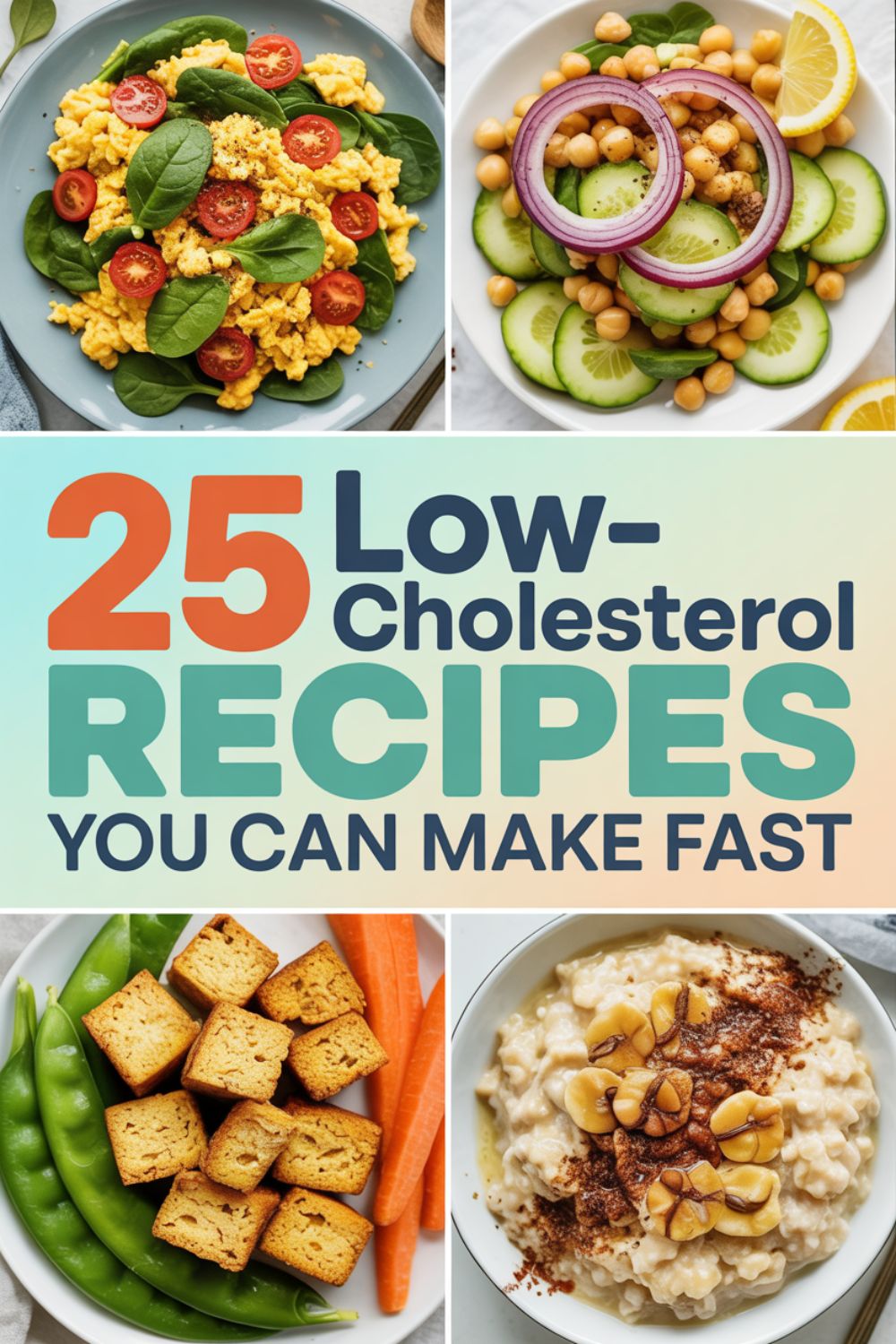
25 Low-Cholesterol Recipes You Can Make Fast
Look, I get it. You hear “low-cholesterol recipes” and immediately picture bland chicken breast and steamed broccoli for the rest of your life. But here’s the thing—eating heart-healthy doesn’t mean sacrificing flavor or spending hours in the kitchen. I’ve been cooking these recipes for years now, and honestly? Most of them taste better than the stuff I used to make before I started paying attention to my cholesterol levels.
These 25 recipes are legitimately fast. We’re talking 30 minutes or less for most of them. No complicated techniques, no hunting down weird ingredients at specialty stores. Just straightforward cooking that happens to be good for your heart. Whether you’re dealing with high cholesterol yourself or just trying to eat smarter, these recipes make it almost too easy.
Why Speed Matters When You’re Cooking Heart-Healthy
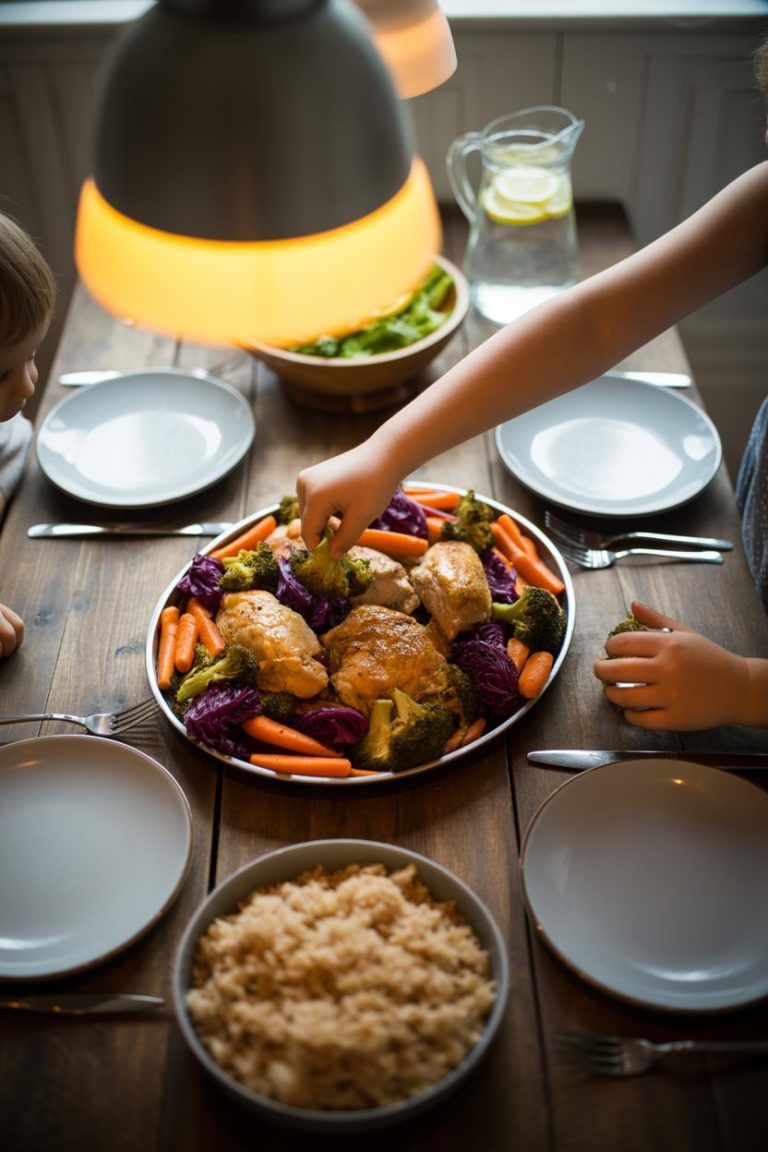
Here’s something nobody tells you about trying to lower your cholesterol through diet: the biggest obstacle isn’t willpower or cravings. It’s time. When you’re exhausted after work, ordering takeout or throwing a frozen pizza in the oven is infinitely more appealing than starting from scratch with “healthy” recipes that take an hour.
That’s exactly why these recipes work. They’re designed for real life, not for people who have all afternoon to cook. Most use one pan or pot, minimal prep, and ingredients you probably already have. Research from Mayo Clinic shows that the foods you eat can significantly improve your cholesterol numbers, but only if you’re actually eating them consistently.
Pro Tip: Prep your veggies on Sunday night. Seriously, chop everything you’ll need for the week, store it in containers, and thank yourself every single evening when dinner takes 15 minutes instead of 45.
The Building Blocks of Fast, Heart-Healthy Cooking
Before we dive into the actual recipes, let’s talk strategy. The fastest low-cholesterol meals share a few common elements: lean proteins, tons of vegetables, whole grains, and healthy fats. Sounds simple, right? It is, once you understand the formula.
Your protein sources should lean toward fish, chicken breast, turkey, or plant-based options like lentils and chickpeas. Fish especially—fatty fish like salmon and mackerel contain omega-3s that actually help lower triglycerides. The American Heart Association recommends at least two servings of fish per week, and honestly, it’s one of the easiest proteins to cook quickly.
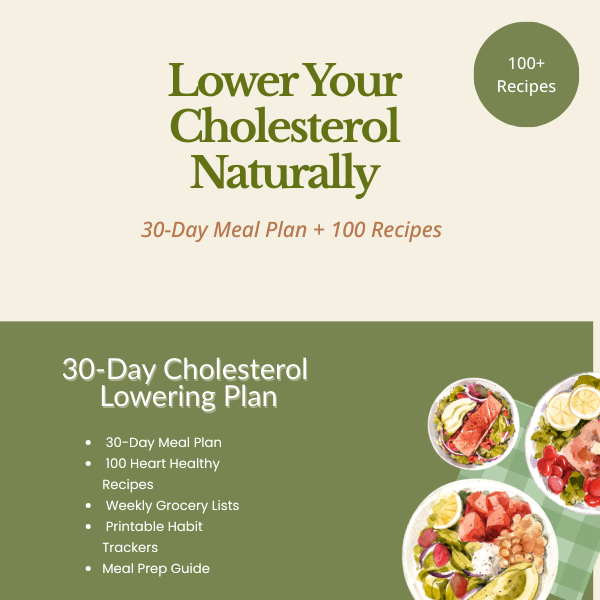
30-Day Cholesterol Reset System
A simple done-for-you plan to help you eat heart-healthy every day without confusion.
Over 1,000 people downloaded this guide
✔ 100 Easy Recipes
✔ Grocery Lists + Meal Prep Guide
🎁 FREE BONUSES:
✔ 7-Day Quick Start Plan
✔ Printable Grocery List
$29 $9
Get Instant AccessFor vegetables, go wild. Seriously, there’s no such thing as too many vegetables in heart-healthy cooking. They add fiber (which helps lower LDL cholesterol), volume (so you feel full), and flavor. I use this mandoline slicer for prepping vegetables lightning-fast—shaved Brussels sprouts in seconds, perfectly thin zucchini rounds, you name it.
Quick Breakfast Recipes That Actually Keep You Full
Breakfast is where most people struggle with heart-healthy eating. Eggs get a bad rap because of cholesterol content, but the reality is more nuanced than you’d think. Egg whites are totally fine, and even whole eggs can fit into a cholesterol-conscious diet in moderation.
My go-to? Veggie-packed omelets made mostly with egg whites, plus one whole egg for richness. Takes maybe 10 minutes, and you can throw in whatever vegetables you have on hand. Spinach, tomatoes, mushrooms, bell peppers—they all work. If you’re really short on time, overnight oats are clutch. Mix them the night before, and breakfast is literally waiting for you in the fridge.
Speaking of breakfast, these low-cholesterol breakfast ideas have saved me on countless mornings when I needed something fast but filling. The banana-walnut overnight oats? Chef’s kiss. Get Full Recipe #
Quick Win: Keep a container of mixed berries in your freezer. Toss them into oatmeal, smoothies, or yogurt for instant flavor and a massive antioxidant boost. No measuring, no thinking required.
30-Minute Lunch Solutions That Don’t Involve Sad Desk Salads
Lunch is tricky because it often happens when you’re already hungry and your decision-making ability is compromised. The key is having recipes that come together fast but still feel substantial. I’m talking grain bowls, hearty soups, and wraps that actually taste good cold.
Quinoa bowls are my personal favorite because quinoa cooks in 15 minutes and plays well with literally any vegetables and protein you throw at it. I cook a big batch on Sunday using my rice cooker (honestly one of the best kitchen investments I’ve made—set it and forget it), then portion it out for the week.
Layer your cooked quinoa with roasted chickpeas, fresh vegetables, and a simple lemon-tahini dressing. Done. For even more lunch inspiration that doesn’t require overthinking, check out these lunches that actually keep you satisfied throughout the afternoon.
Soups are another lunch MVP. Yes, you can make soup fast—especially if you’re using canned beans or pre-cooked grains. A basic vegetable soup with white beans comes together in about 25 minutes if you have good vegetable broth on hand. That’s faster than most delivery.
Looking for something that feels less “diet food”? Try the Mediterranean chickpea wraps from these quick lunch options. They’re ready in under 10 minutes and have this satisfying crunch from the fresh vegetables.
Dinner Recipes That Won’t Chain You to the Stove
Dinner is where things can get complicated if you let them. But they don’t have to be. The fastest dinners are often one-pan meals where everything cooks together. Sheet pan dinners, stir-fries, and skillet meals are your friends here.
For sheet pan meals, the formula is stupid simple: protein + vegetables + olive oil + seasonings. Bake at 425°F for about 20-25 minutes. I use these rimmed baking sheets that never stick and clean up in seconds. Game changer for weeknight cooking.
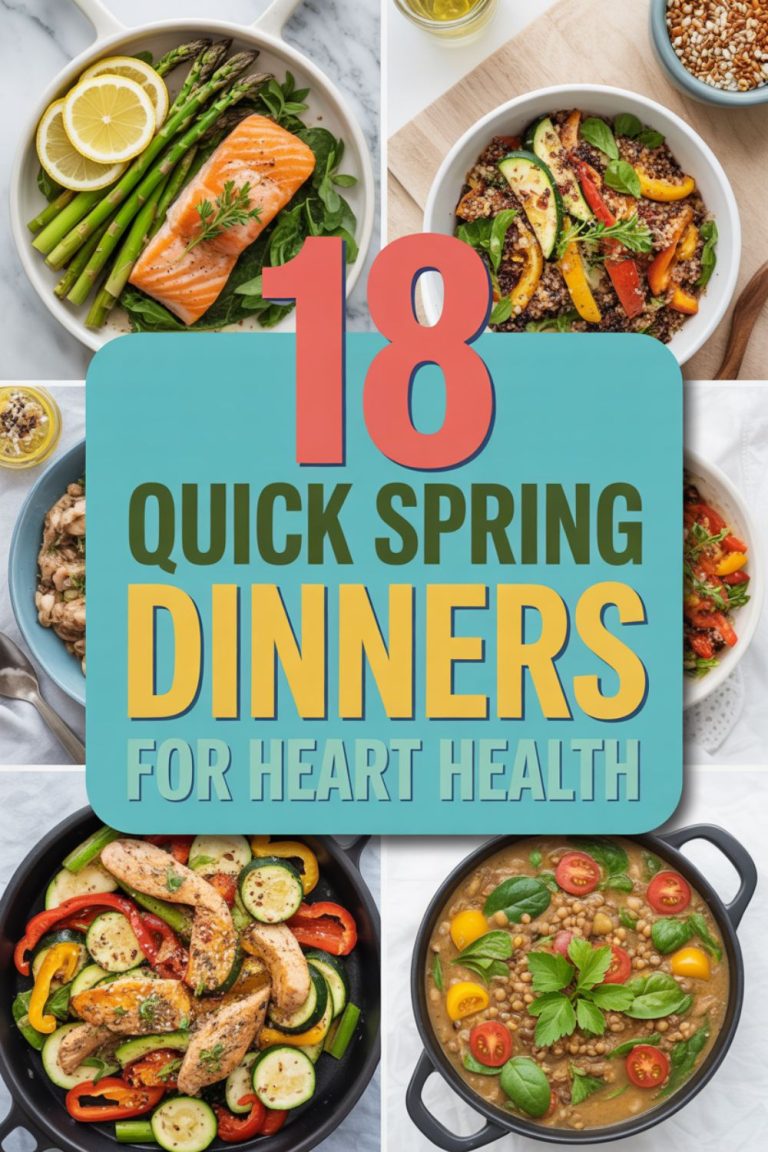
Salmon with roasted vegetables is probably the easiest heart-healthy dinner that exists. Season the salmon with lemon, dill, and garlic. Toss your vegetables (I usually do broccoli, cherry tomatoes, and red onion) with olive oil, salt, and pepper. Everything goes on one pan. Twenty minutes later, you have a restaurant-quality meal.
If you need more variety, these dinner recipes rotate regularly in my kitchen. The lemon-herb chicken with asparagus? Makes an appearance at least twice a month. Get Full Recipe #
Stir-fries are the other dinner hack that nobody talks about enough. They’re inherently fast because everything is cut small and cooked over high heat. Get your wok screaming hot, and you can have dinner on the table in 15 minutes. Turkey and vegetable stir-fry with brown rice is ridiculously easy and tastes way better than takeout.
The One-Pan Strategy That Changes Everything
Real talk—if you’re not using one-pan recipes, you’re making your life harder than it needs to be. Fewer dishes, faster cooking, and everything gets done at the same time. What’s not to love?
My current obsession is one-pan Mediterranean chicken with chickpeas and tomatoes. You literally throw chicken thighs (skin removed), canned chickpeas, cherry tomatoes, garlic, and herbs into a big skillet. Add some chicken broth, cover, and let it simmer for 25 minutes. The chickpeas soak up all the flavor, the tomatoes break down into a light sauce, and the chicken stays juicy. It’s absurdly good for how little effort it requires.
For more ideas along these lines, check out these one-pan dinners. Every single recipe delivers on the promise of minimal cleanup and maximum flavor.
Kitchen Tools That Make Heart-Healthy Cooking Actually Easy
Look, you don’t need a fully stocked kitchen to make these recipes. But having a few key tools makes everything faster and less annoying. Here’s what actually gets used in my kitchen every single week:
- High-Quality Chef’s Knife – If you only buy one kitchen tool, make it this. A sharp knife makes chopping vegetables infinitely faster and safer.
- Non-Stick Skillet Set – For cooking with minimal oil without everything sticking to the pan. Essential for heart-healthy cooking.
- Glass Meal Prep Containers – Portion control and easy storage. These particular ones don’t stain and are microwave-safe.
- Heart-Healthy Meal Planning App – Generates weekly meal plans based on your cholesterol goals. Takes the thinking out of it.
- Quick Cooking Video Course – Short videos teaching fast cooking techniques. The knife skills section alone was worth it.
- Cholesterol Tracking Template – Spreadsheet template for monitoring your numbers and correlating them with what you’re eating.
Smart Snacking Without Sabotaging Your Efforts
Snacks are where people often go off the rails with cholesterol management. The problem isn’t snacking itself—it’s reaching for processed stuff loaded with saturated fat and added sugars. The solution? Keep actually good snacks readily available.
Hummus and vegetables is the obvious choice, but it’s obvious for a reason—it works. I make a big batch of hummus in my food processor every Sunday. Takes five minutes, costs way less than store-bought, and tastes fresher. Pair it with bell pepper strips, cucumber rounds, or carrot sticks.
For more creative snacking ideas, these heart-healthy snacks offer way more variety than the usual suspects. The roasted chickpeas are legitimately addictive. Fair warning.
Nuts are another snack MVP, but portion control matters. I portion out 1/4 cup servings into small containers so I’m not mindlessly eating an entire jar. Almonds, walnuts, and pistachios all have healthy fats that actually help with cholesterol levels. Just watch the salt content if you’re buying pre-roasted.
Making Meal Prep Work for You (Without Losing Your Mind)
Meal prep is one of those things that sounds great in theory but can feel overwhelming in practice. The trick is not trying to prep everything—just prep the parts that slow you down during the week.
For me, that means washing and chopping vegetables, cooking grains, and sometimes pre-cooking proteins. I don’t prep complete meals because, honestly, I don’t want to eat the same thing five days in a row. But having the components ready makes throwing together different meals super fast.
If you want a more structured approach, check out these weekly meal prep ideas. They break down exactly what to prep and when, which takes a lot of the guesswork out of it.
Pro Tip: Label everything with the date you prepped it. I use these reusable labels that wash off easily. Sounds neurotic, but it prevents the “is this still good?” guessing game.
When You Need Comfort Food But Still Want Heart-Healthy
Let’s address the elephant in the room: sometimes you just want comfort food. The good news? You can make healthier versions of classic comfort dishes that honestly taste just as satisfying as the originals.
Turkey chili is a perfect example. Swap ground beef for ground turkey, load it up with beans and vegetables, and you have a hearty meal that’s actually good for your cholesterol levels. I make a huge pot in my Dutch oven and freeze portions for lazy nights.
These healthy comfort food recipes prove you don’t have to give up the foods you love. The turkey meatloaf recipe? My family doesn’t even realize it’s the “healthy” version anymore.
Soups and stews are naturally comfort-food-adjacent and generally pretty heart-healthy if you’re using lean proteins and lots of vegetables. For cold weather cooking, these soups and stews hit the spot without the guilt.
Plant-Based Options That Don’t Taste Like Punishment
Even if you’re not vegetarian, incorporating more plant-based meals is one of the fastest ways to improve your cholesterol numbers. Plant proteins are naturally cholesterol-free, and they’re usually packed with fiber.
The key is making them interesting enough that you don’t feel like you’re missing out. Lentil tacos, black bean burgers, chickpea curry—these aren’t “substitute” meals. They’re legitimately good in their own right.
I was skeptical about plant-based eating until I tried some of these vegetarian meals. The sweet potato and black bean enchiladas are so good that I make them even when I’m not trying to eat vegetarian. Get Full Recipe #
Seasonal Eating Makes Everything Easier (and Cheaper)
Here’s something that took me way too long to figure out: cooking with seasonal produce makes everything taste better and simplifies your meal planning. In-season vegetables are cheaper, fresher, and more flavorful.
Summer means tomatoes, zucchini, and corn. Fall brings squash, Brussels sprouts, and sweet potatoes. Winter has hearty greens and root vegetables. Spring gives you asparagus, peas, and fresh herbs. Build your fast meals around what’s in season, and half the work is already done.
That seasonal approach is baked into these meal ideas, which adapt based on what’s available at different times of year. Smart and practical.
The Truth About Cooking Oils and Heart Health
Not all fats are created equal when it comes to cholesterol management. Saturated fats (butter, coconut oil) raise LDL cholesterol. Unsaturated fats (olive oil, avocado oil) can actually help lower it.
Extra virgin olive oil is my default for almost everything. I buy it in big bottles from Costco because I use it constantly. For high-heat cooking, avocado oil works better because it has a higher smoke point. I keep both on hand.
The Mediterranean diet approach emphasizes using olive oil generously, and it’s one of the most studied diets for heart health. The research consistently shows benefits for cholesterol management and overall cardiovascular health.
Quick Flavor Boosts That Don’t Come from Butter
One concern people have about low-cholesterol cooking is flavor. If you’re used to cooking everything in butter, switching to olive oil can feel like a downgrade. But there are so many other ways to add flavor.
Fresh herbs are the biggest game-changer. Basil, cilantro, parsley—they add brightness and complexity without any cholesterol or saturated fat. I keep an herb keeper on my counter, and fresh herbs last way longer than when I just tossed them in the fridge.
Garlic, lemon juice, vinegars, and spices all add tons of flavor with zero cholesterol impact. The trick is being a little more generous with them than you might normally be. That’s how you compensate for using less butter or cheese.
Foods That Actually Lower Cholesterol (Not Just Avoid Raising It)
Here’s something interesting: certain foods don’t just avoid raising your cholesterol—they actively help lower it. Soluble fiber is the big one. It binds to cholesterol in your digestive system and helps eliminate it from your body.
Oats, beans, lentils, apples, and Brussels sprouts are all high in soluble fiber. That’s why oatmeal is such a popular breakfast for people managing cholesterol. It’s not just that it’s low in saturated fat; it actively helps lower LDL.
For a comprehensive look at this, check out these cholesterol-lowering foods. Understanding which foods actively help makes meal planning so much more strategic.
Making Restaurant-Quality Salads at Home
Salads get a bad rap as being boring, but that’s only true if you’re making boring salads. A good salad should be substantial enough to be a meal, with interesting textures and a killer dressing.
I’m talking about salads with grains (farro, quinoa), proteins (grilled chicken, chickpeas), nuts, dried fruit, and vegetables that aren’t just iceberg lettuce. The kind of salads you’d actually order at a restaurant.
These salad recipes prove the point. The Mediterranean grain salad with lemon-herb dressing could legitimately be a restaurant dish. Make the dressing in a dressing shaker, and it stays emulsified perfectly every time.
Frequently Asked Questions
Can I really lower my cholesterol just by changing what I eat?
Absolutely, though how much depends on your individual situation. Diet changes can reduce LDL cholesterol by 10-15% in many people, sometimes more. The key is consistency—making these recipes part of your regular rotation, not just trying them once. According to research, reducing saturated fat intake and increasing soluble fiber are two of the most effective dietary strategies for managing cholesterol levels.
How long before I see results from eating these types of meals?
Most people start seeing cholesterol improvements within 4-6 weeks of consistent dietary changes. That said, everyone’s body responds differently, and other factors like genetics play a role. Keep at it for at least a couple of months before deciding whether the dietary approach is working for you, and work with your doctor to monitor your numbers.
Do I have to give up eggs completely?
Not necessarily. The relationship between dietary cholesterol and blood cholesterol is more complex than previously thought. For most people, limiting eggs to a few per week while focusing primarily on egg whites is a reasonable approach. The bigger issue is usually the saturated fat that often comes with eggs—think bacon, butter, and cheese. Focus on the overall pattern of your diet rather than obsessing over individual foods.
Are these recipes actually fast enough for weeknights?
Yes, genuinely. Most of these recipes clock in under 30 minutes, with some taking as little as 15 minutes. The key is having basic ingredients stocked and doing minimal prep work (like chopping vegetables) ahead of time. Once you’ve made a few of these recipes, they become second nature, and you’ll move through them even faster.
What if I’m cooking for a family that doesn’t want “health food”?
The beauty of these recipes is that they don’t taste like “health food.” They’re legitimately delicious meals that happen to be good for your cholesterol. Start with recipes that are similar to things your family already likes—tacos with ground turkey instead of beef, pasta with marinara and vegetables, chicken stir-fries. Most people won’t even notice the difference, especially if you’re using plenty of herbs and spices for flavor.
Final Thoughts
Managing cholesterol through diet doesn’t have to be complicated or time-consuming. These 25 recipes prove that eating heart-healthy can be fast, flavorful, and actually sustainable long-term. The secret is having a solid rotation of go-to meals that you can make without thinking too hard about it.
Start with a handful of recipes that appeal to you most. Make them a few times until they become automatic. Then gradually add more variety. Before you know it, cooking this way becomes your default, not some special effort you have to make.
Your cholesterol numbers (and your overall health) will thank you. But equally important—you’ll actually enjoy what you’re eating. Because let’s be real, no one sticks with a diet that makes them miserable, no matter how good it is for their heart.
30-Day Cholesterol-Lowering Meal Plan
A simple step-by-step system to help you eat heart-healthy every day without stress.
Over 1,000 people downloaded this guide
$29$9
Get Instant Access