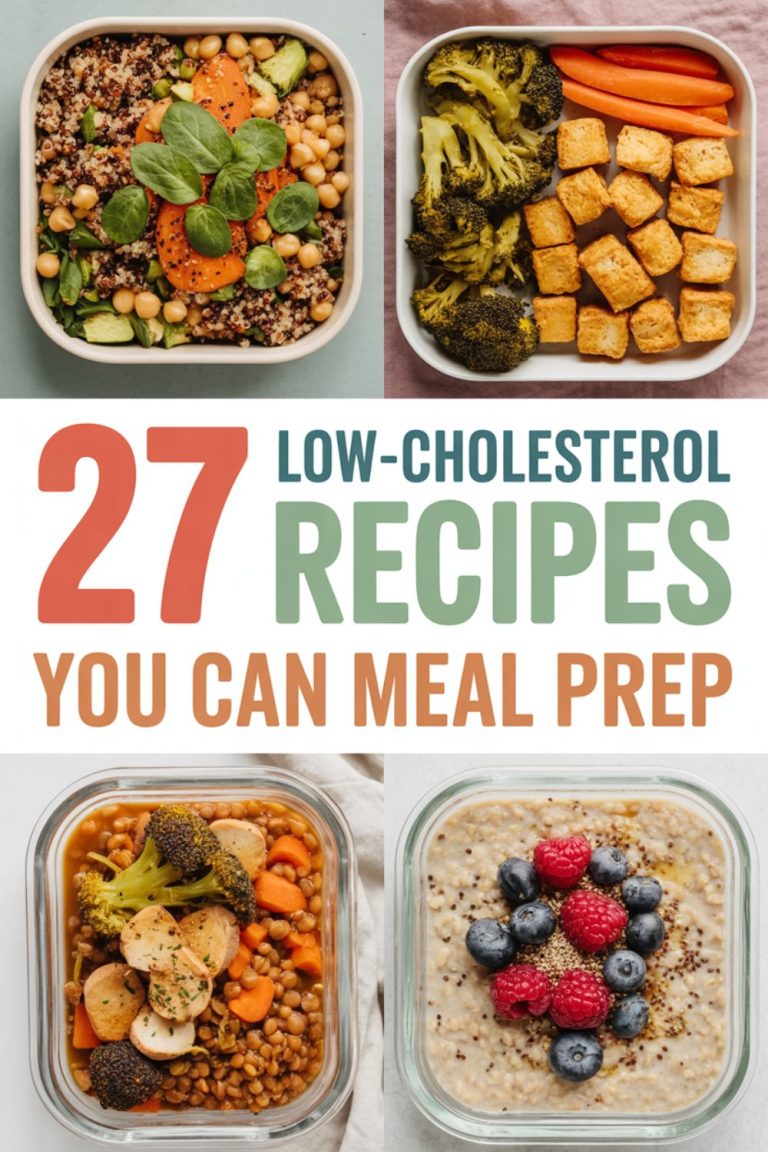

27 Healthy Recipes to Support Long-Term Heart Health
Let’s be real for a second. Nobody sits down planning to eat their way to a cardiologist appointment. And yet, here we are — surrounded by processed snacks, drive-through windows, and the occasional stress-eating episode that definitely didn’t involve an entire sleeve of crackers. No judgment. But if you’re here, you already know that food is one of the most powerful tools you have for protecting your heart long-term, and you want recipes that actually make that easy.
That’s exactly what this collection is. 27 heart-healthy recipes designed not to punish you with sad salads and flavorless grains, but to genuinely nourish your cardiovascular system while keeping your taste buds on board. These recipes focus on reducing LDL cholesterol, supporting healthy blood pressure, and delivering fiber, omega-3s, and antioxidants in forms that feel like real food — not a wellness experiment.
Whether you’re cooking for a family, meal-prepping solo, or just trying to make smarter weeknight choices, there’s something here for you. IMO, the best heart-healthy eating plan is the one you’ll actually stick to, and this list is built around that idea.

Why Long-Term Heart Health Starts in the Kitchen
Here’s something worth knowing: research from Harvard Health Publishing shows that a diverse portfolio of cholesterol-lowering foods — including oats, nuts, plant sterols, and soluble fiber — can substantially reduce LDL levels and blood pressure over time. That’s not a small thing. And it doesn’t require a complete personality overhaul at the grocery store, just a consistent set of smarter swaps.
30-Day Cholesterol Reset System
A simple done-for-you plan to help you eat heart-healthy every day without confusion.
Over 1,000 people downloaded this guide
✔ 100 Easy Recipes
✔ Grocery Lists + Meal Prep Guide
🎁 FREE BONUSES:
✔ 7-Day Quick Start Plan
✔ Printable Grocery List
$29 $9
Get Instant AccessThe recipes in this roundup pull from a few key nutritional pillars that cardiologists and dietitians consistently support: soluble fiber, omega-3 fatty acids, monounsaturated fats, and antioxidant-rich vegetables and fruits. You’ll also notice that most of these recipes lean heavily on whole foods, minimal processing, and ingredients you can actually pronounce.
And because we’re keeping it practical — most of these come together in under 40 minutes. Because who has time for a three-hour cooking project on a Tuesday?
Start with just two or three of these recipes each week. Consistency over a month beats perfection for a single day. Your LDL numbers won’t budge from one great dinner, but they will shift with a steady routine.
Breakfast Recipes That Set the Right Tone
1. Steel-Cut Oat Bowl with Berries and Flaxseed
This one is probably the most unsexy-sounding recipe on the list, and also one of the most effective. Steel-cut oats deliver beta-glucan, a soluble fiber that binds to bile acids in your digestive tract and escorts LDL cholesterol out before it gets absorbed. Topped with fresh blueberries, a tablespoon of ground flaxseed, and a drizzle of honey, this is a breakfast that actually earns its keep. Get Full Recipe
A quick note on flaxseed vs. chia seeds: both are solid choices here, but ground flaxseed has a slight edge for cholesterol because of its lignans — plant compounds with antioxidant properties. Chia seeds win on total omega-3 content per gram. If you rotate both, you cover more ground.
2. Smashed Avocado Toast on Whole Grain Sourdough
Avocado brings monounsaturated fats and fiber — a combination that research suggests can improve HDL levels while managing LDL quality. Spread it thick on toasted whole grain sourdough (the fermentation process makes nutrients more bioavailable) and finish with a squeeze of lemon, cracked pepper, and a few red pepper flakes. Pair it with a heart-healthy breakfast routine for a week that starts strong every day.
3. Greek Yogurt Parfait with Walnuts and Cherries
Greek yogurt provides protein and gut-supportive probiotics, while walnuts contribute plant-based omega-3s and polyphenols. Cherries bring anthocyanins — antioxidants linked to reduced arterial inflammation. Layer it all in a jar Sunday night and you’ve got breakfast handled for three days running. FYI, swapping full-fat yogurt for low-fat here actually makes a meaningful cholesterol difference without sacrificing creaminess.
If you’re interested in more morning options that keep calories in check while still delivering nutrients, the low-cholesterol breakfasts under 300 calories collection is worth a look, as is the roundup of protein-packed breakfasts that lower cholesterol.
Lunch Ideas Worth Actually Looking Forward To
4. Lentil and Roasted Vegetable Grain Bowl
Lentils are quietly one of the best cholesterol-management foods in existence. They pack soluble fiber, plant protein, and folate into a form that happens to taste great when paired with roasted sweet potato, caramelized onion, and a lemon-tahini drizzle. The tahini adds sesame-derived lignans, which have their own LDL-lowering properties. Cook a big batch of lentils on Sunday using a programmable rice and grain cooker like this one — it frees your hands for everything else while the grains do their thing.
5. Sardine and Arugula Salad with Lemon Vinaigrette
Sardines are one of the most omega-3-dense foods on the planet, and they’re wildly underrated in American kitchens. Toss canned sardines (packed in olive oil, drained) over peppery arugula with thinly sliced fennel, cucumber, and a sharp lemon-Dijon vinaigrette. The bitterness of arugula cuts the richness perfectly. This comes together in about eight minutes, which is the kind of math I can get behind.
6. Turkey and Hummus Lettuce Wraps
When you want something light but not tragic, these wraps deliver. Use butter lettuce leaves as your vessel, fill with sliced roasted turkey breast, thick smeared hummus (chickpeas for the fiber win), cucumber, shredded carrots, and fresh herbs. The chickpeas in hummus provide soluble fiber that actively works to reduce LDL absorption. Skip the tortilla and you drop both calories and refined carbs without feeling like you’ve been shortchanged. Check the full low-cholesterol lunches that keep you full for more lunch rotation ideas.
I started rotating four recipes from a list like this about three months ago and my most recent bloodwork came back with LDL down 18 points. My doctor actually asked what I changed. It’s just consistent cooking — nothing dramatic.
— Marcus T., community memberDinner Recipes That Make You Want to Cook
7. Baked Lemon Herb Salmon with Roasted Asparagus
Salmon is the poster child of heart-healthy eating for good reason. Two servings of fatty fish per week is what the American Heart Association recommends for cardiovascular protection, and this baked preparation gets you there without a trace of deprivation. Season generously with lemon zest, fresh dill, garlic, and cracked pepper. Roast asparagus alongside on the same pan using a heavy-gauge rimmed baking sheet — one pan, one meal, basically zero cleanup drama. Get Full Recipe
8. Chickpea and Spinach Stew with Smoked Paprika
This one feels like a hug in a bowl, which is exactly what you want from a weeknight dinner. Chickpeas and spinach work together to deliver fiber, folate, and iron in a tomato-based broth deepened with smoked paprika and cumin. It’s completely plant-based, freezes beautifully, and costs practically nothing to make. Serve with a slice of whole grain bread for dipping — absolutely no shame in that move. If you want more comfort-forward options that still keep your heart in mind, the low-cholesterol comfort foods made healthy list is full of options worth bookmarking.
9. Grilled Chicken Thighs with Walnut-Herb Gremolata
Chicken thighs get a bad rap because of saturated fat, but when you remove the skin and pair the protein with a walnut gremolata — crushed walnuts, parsley, garlic, lemon zest — you actually flip the nutritional equation in your favor. The walnuts bring omega-3s to the table. The parsley brings vitamin C and flavonoids. And the whole thing comes together in 25 minutes, which is what we’re all really here for. Use a cast iron grill pan for that proper char indoors.
10. Mediterranean Stuffed Bell Peppers with Quinoa and Feta
Quinoa is a complete protein with a solid fiber profile, and bell peppers bring vitamin C and carotenoids that support vascular health. Combine them with diced tomato, kalamata olives, fresh herbs, and a modest crumble of feta, and you’ve got a dinner that checks every box. The Mediterranean diet approach to cholesterol control is one of the most studied dietary patterns in cardiovascular research, and recipes like this are exactly why it works.
Batch-cook a pot of quinoa and a pot of lentils every Sunday. Store them separately in glass containers in the fridge, and you’ll have the base for four different heart-healthy meals ready to go without any weeknight stress.
Snacks and Sides That Pull Real Weight
11. Edamame with Sea Salt and Lemon
Sometimes the simplest snack wins. Edamame is a complete soy protein that has been consistently linked to modest reductions in LDL cholesterol in clinical literature. A cup of shelled edamame delivers around 9 grams of protein and 4 grams of fiber. Steam, season, done. You can keep a bag in the freezer for months and it asks nothing of you until you’re hungry.
12. Beet and Orange Salad with Pistachios
Beets contain nitrates that the body converts to nitric oxide, which helps dilate blood vessels and reduce blood pressure. Combine them with orange segments for vitamin C (which improves iron absorption from the beets), a handful of pistachios for heart-healthy fats, and a thin drizzle of balsamic reduction. This works as a side dish or a light standalone lunch. It also photographs beautifully if you’re that person — and honestly, no judgment if you are.
13. Almond Butter Apple Slices with a Cinnamon Dusting
This snack does a lot of work quietly. Apples provide pectin, a soluble fiber specifically associated with LDL reduction. Almond butter brings monounsaturated fats and vitamin E. Cinnamon has its own modest blood sugar-stabilizing properties. Use a compact mandoline slicer for consistent apple slices that actually look intentional rather than hacked apart. Quick note on almond butter vs. peanut butter: both are heart-healthy, but almond butter edges ahead slightly on vitamin E and magnesium content per tablespoon.
For a bigger snack library, the low-cholesterol snacks that support heart health collection has 25 options organized by craving type. Worth bookmarking for real.
Kitchen Tools That Make These Recipes Easier
A few things I genuinely use and recommend to anyone cooking their way to better heart health. Zero fluff here — just the stuff that actually earns its drawer space.
For sheet-pan salmon, roasted veggies, and basically everything that needs to crisp without steaming. Warps way less than the cheap ones.
See it hereSet quinoa or lentils to cook while you handle everything else. Genuinely one of the most underrated tools in a heart-healthy kitchen.
See it herePerfect sear on salmon, chicken, and vegetables without any added oil required. One pan, lasts a lifetime, easy to season.
See it hereA week-by-week guide to stocking your fridge with the right base ingredients so you’re never starting from zero on a weeknight.
Download here50+ tested recipes organized by meal type with a shopping list built in. Great for anyone who likes a clear structure to follow.
Get the ebookA simple spreadsheet-style tracker for logging fiber, omega-3, and saturated fat intake across the week. No subscription required.
Access freeSoups and Stews That Do the Heavy Lifting
14. Black Bean Soup with Cumin and Lime
Black beans are one of the highest-fiber legumes available, and fiber is the main mechanism through which food lowers cholesterol. A bowl of this thick, smoky soup provides around 15 grams of fiber — more than half the daily recommended intake. Finish it with a heavy squeeze of lime and a few pickled jalapeño slices for brightness. This recipe freezes in individual portions perfectly, which is ideal for low-cholesterol meal prep strategies that actually last the week.
15. Roasted Tomato and Red Lentil Soup
Roasting the tomatoes before pureeing them concentrates the lycopene, a carotenoid antioxidant associated with reduced cardiovascular risk. Combined with red lentils that dissolve into a thick, silky base, this soup needs nothing more than good olive oil, garlic, and a pinch of smoked paprika. I keep a container of this in my freezer at all times. Use a high-powered immersion blender right in the pot — no transferring hot liquid to a countertop blender, no burned hands, no mess.
16. Miso Soup with Tofu, Wakame, and Shiitake
Miso is a fermented soybean paste that delivers probiotics, protein, and compounds that support healthy cholesterol metabolism. Shiitake mushrooms contain eritadenine, a compound that research suggests actively lowers LDL. Wakame seaweed contributes fucoxanthin and iodine. Together in a simple dashi broth, this soup earns a permanent spot in the rotation. Get Full Recipe
For more warming, heart-supportive soup ideas across the year, the heart-healthy soups for lowering cholesterol naturally collection has plenty to rotate through each season.
Plant-Based Mains Worth Making Weekly
17. Walnut and Mushroom Bolognese over Whole Wheat Pasta
This recipe is the one that converts skeptics. Finely chopped walnuts and cremini mushrooms create a meaty texture and deep umami richness that genuinely holds up in a tomato ragù. The walnuts contribute omega-3s; the whole wheat pasta adds fiber that the refined version completely lacks. Finish with fresh basil and a small grating of Parmesan if you’re not going fully dairy-free. One generous bowl keeps you full for hours.
18. Spiced Cauliflower Steaks with Tahini Drizzle
Roasting cauliflower low and slow in a cast iron pan with olive oil and a blend of turmeric, cumin, and coriander transforms it into something genuinely satisfying. Turmeric’s curcumin has demonstrated anti-inflammatory effects in multiple studies, though the amount in a single dish is modest — pair it with black pepper to improve absorption. The tahini drizzle adds calcium and sesame-derived antioxidants. This one is exactly the kind of dish that makes plant-based eating feel like a real choice, not a compromise.
19. Tempeh and Vegetable Stir-Fry with Ginger-Sesame Sauce
Tempeh is fermented soy, which means it delivers protein, probiotics, and isoflavones that support cholesterol balance. The fermentation also makes it easier to digest than unfermented soy for most people. Stir-fry with broccoli, snap peas, red bell pepper, and a ginger-tamari-sesame sauce, and serve over brown rice. This is a 20-minute dinner that feels like you ordered from a good restaurant. For a deeper plant-based library, the plant-based meals for lowering LDL collection is genuinely excellent.
When using olive oil for high-heat cooking, choose light or refined olive oil. Save your extra-virgin for finishing and dressings where its polyphenols won’t be degraded by heat.
Smoothies and Lighter Bites
20. Green Smoothie with Spinach, Banana, and Hemp Seeds
Before you run — this tastes like a banana smoothie, not a lawn clipping. The spinach is completely masked by the banana and a spoonful of natural almond butter. Hemp seeds contribute omega-3 and omega-6 fatty acids in a favorable ratio, along with complete protein. Blend it thick enough to eat with a spoon and top it with a few sliced strawberries and a sprinkle of granola if you want it to feel like more of a meal.
21. Overnight Oats with Chia, Mango, and Coconut
Overnight oats might be the most efficient meal-prep breakfast in existence. Oats and chia seeds together deliver both beta-glucan and omega-3 alpha-linolenic acid in one jar. Add diced mango for vitamin C and sweetness, a tablespoon of unsweetened coconut flakes for texture, and let it sit in the fridge overnight in a set of wide-mouth mason jars that make portioning and storing absurdly easy. Breakfast handled for the week in fifteen minutes on Sunday. Hard to argue with that math.
22. Turmeric and Black Pepper Warm Golden Milk
Not technically a recipe, but it earns its place here. Warm oat milk with turmeric, a pinch of black pepper (critical for curcumin absorption), a half-teaspoon of cinnamon, and a drizzle of honey is a genuinely calming evening ritual. It supports sleep quality, reduces evening inflammation, and gives you something warm to hold that isn’t a glass of wine every single night.
If smoothie-forward breakfasts are your style, there’s a great set of easy low-cholesterol smoothie bowls and heart-healthy smoothies and juices that rotate beautifully across the week.
Desserts That Don’t Make You Sad
23. Dark Chocolate Bark with Almonds and Dried Cranberries
Dark chocolate above 70% cacao contains flavonoids that support endothelial function and may modestly lower blood pressure. Almonds bring vitamin E and monounsaturated fats. Dried cranberries add a tart sweetness and polyphenols. Melt the chocolate, spread it thin on a parchment-lined tray using a silicone baking mat, scatter toppings, and refrigerate until snapped into pieces. This is genuinely one of the easiest things you can make that also feels like a real treat.
24. Baked Pears with Cinnamon, Walnuts, and Honey
Pears are an underappreciated fiber source — one medium pear contains around 5.5 grams, with a meaningful portion being pectin, the soluble fiber directly linked to LDL reduction. Halve them, scoop the core with a melon baller, fill with crushed walnuts, dust with cinnamon, drizzle with a little honey, and roast at 375°F until tender and caramelized. Serve warm with a small dollop of low-fat Greek yogurt. Dessert, done right.
For more ideas that let you finish a meal without sabotaging your progress, the low-cholesterol desserts you’ll love guilt-free list has 18 options that are genuinely worth exploring.
A Few More Weeknight Staples
25. Sheet Pan Shrimp and Broccoli with Garlic Olive Oil
Shrimp is lower in saturated fat than most animal proteins and delivers iodine, selenium, and modest omega-3s. Broccoli adds sulforaphane, a compound that activates antioxidant pathways in the body. Toss both with good olive oil, minced garlic, a pinch of chili flakes, and roast hot and fast — 15 minutes at 425°F. Everything crisps at the edges without going soggy. This is what “easy heart-healthy eating” should look like.
26. Brown Rice Sushi Bowls with Edamame and Cucumber
All the satisfaction of a sushi roll without the rolling skill requirement or the restaurant tab. Brown rice provides more fiber and magnesium than white, and the combination of edamame, sliced avocado, cucumber, pickled ginger, and a drizzle of low-sodium soy sauce and sesame oil creates something that genuinely tastes restaurant-quality. Keep a jar of seasoned rice vinegar in the pantry — a tablespoon stirred into warm brown rice gives you that proper sushi-bowl flavor instantly.
27. Stuffed Portobello Mushrooms with Quinoa, Sun-Dried Tomatoes, and Basil
Portobellos have enough substance to anchor a main course without any meat required. Fill them with a warm quinoa mixture seasoned with sun-dried tomatoes, fresh basil, garlic, and a handful of pine nuts. Pine nuts contribute monounsaturated and polyunsaturated fats alongside zinc and vitamin K. These bake in about 20 minutes and present well enough for a dinner party while requiring essentially zero technical cooking skill. As Mayo Clinic notes, replacing saturated fats with healthy unsaturated fats from sources like nuts and olive oil is one of the most evidence-backed dietary moves for long-term heart health.
I was skeptical about plant-forward dinners holding me over, but the mushroom and quinoa dishes on rotations like this genuinely keep me full through the evening. I’ve been cooking this way for about six weeks and already feel the difference in my energy levels.
— Priya K., community memberFrequently Asked Questions
How often should I eat these heart-healthy recipes to see a difference in my cholesterol?
Consistency matters more than frequency. Eating heart-healthy meals five to six days a week for eight to twelve weeks tends to produce measurable shifts in LDL levels for most people. Think of it as building a dietary baseline rather than hitting a target on any single day.
Can heart-healthy eating still taste good, or does it always feel like a sacrifice?
That framing is the whole problem with how heart health has been communicated for years. Olive oil, herbs, legumes, fish, whole grains, and fresh vegetables are genuinely delicious ingredients when cooked well. The sacrifice narrative comes from bland, poorly seasoned “health food” — not from whole food cooking done right.
What foods should I avoid if I’m trying to lower my LDL cholesterol?
The primary culprits are saturated fats (found in fatty red meat, full-fat dairy, butter, and coconut oil) and trans fats (still lurking in some processed baked goods as “partially hydrogenated vegetable oil”). Refined carbohydrates and added sugars also raise triglycerides, which impacts overall cardiovascular risk even when LDL is managed.
Are plant-based recipes better for heart health than recipes with lean meat or fish?
Not necessarily better — different tools for the same goal. Fatty fish like salmon, mackerel, and sardines deliver omega-3s that plant sources can’t fully replicate. Lean poultry and legumes both work well. The strongest evidence supports a diet heavy in plants with moderate fish and minimal red meat, rather than an all-or-nothing approach in either direction.
How long does it take to meal-prep these recipes for the week?
If you pick three to four recipes from this list and batch the base components — grains, legumes, roasted vegetables — you can prep a full week of heart-healthy meals in about 90 minutes on a Sunday afternoon. Most of the active prep time shrinks dramatically once you have cooked grains and proteins ready to assemble.
The Bottom Line on Heart-Healthy Cooking
Taking care of your heart through food doesn’t require a complete reinvention of how you eat. It requires a consistent set of choices — more fiber, better fats, more plants, less processed junk — made through recipes that you actually want to make again next week. That’s the whole strategy.
These 27 recipes represent a genuinely sustainable approach to long-term cardiovascular health. They work because they’re built on the same nutritional principles that cardiologists and dietitians consistently support, delivered through food that tastes good enough to stay on your regular rotation. No trendy supplements, no impossible restrictions.
Pick two or three to start this week. See how they fit your schedule and your palate. Then add more. The goal isn’t a perfect diet — it’s a better average, sustained over months and years. Your future self will quietly appreciate the effort.
30-Day Cholesterol-Lowering Meal Plan
A simple step-by-step system to help you eat heart-healthy every day without stress.
Over 1,000 people downloaded this guide
$29$9
Get Instant Access