
27 Heart Healthy Recipes for Long-Term Wellness
Your heart doesn’t need another lecture about what you can’t eat. It needs recipes that actually taste good, don’t require a culinary degree, and won’t leave you hunting for ingredients that only exist in specialty stores three towns over.
I’ve spent years testing recipes that claim to be “heart healthy” only to discover they taste like cardboard soaked in sadness. But here’s the thing—eating for your heart doesn’t mean sacrificing flavor or spending your entire Sunday prepping meals you’ll resent by Wednesday. The secret is finding dishes that work with your life, not against it.
These 27 recipes aren’t about restriction. They’re about giving your cardiovascular system what it actually needs while keeping your taste buds happy. Whether you’re managing cholesterol, blood pressure, or just want to treat your heart better, these dishes deliver without the drama.
Why Heart Health Actually Matters (Beyond the Obvious)
Look, we all know heart disease is serious. But let’s talk about what it really means for your day-to-day life. According to the American Heart Association, the pattern of your food choices matters more than any single meal. That’s actually liberating when you think about it.
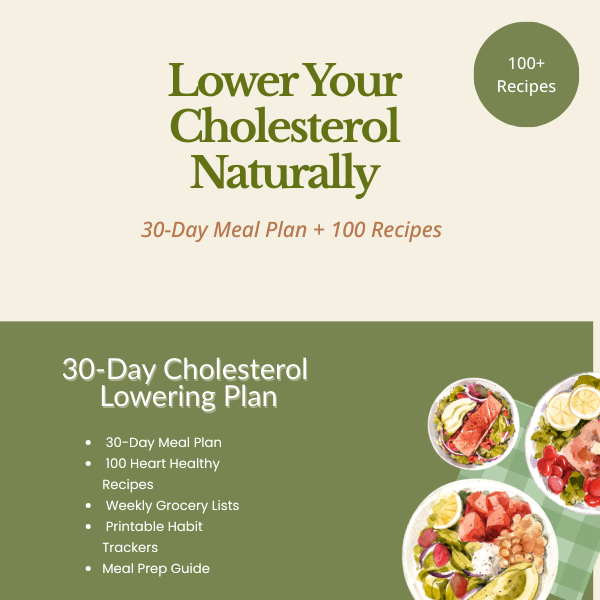
30-Day Cholesterol Reset System
A simple done-for-you plan to help you eat heart-healthy every day without confusion.
Over 1,000 people downloaded this guide
✔ 100 Easy Recipes
✔ Grocery Lists + Meal Prep Guide
🎁 FREE BONUSES:
✔ 7-Day Quick Start Plan
✔ Printable Grocery List
$29 $9
Get Instant AccessYou’re not looking for perfection. You’re building a sustainable approach that supports your cardiovascular system without turning every meal into a medical decision. The research shows that consistent, moderate changes beat dramatic overhauls that last three weeks before you’re back at square one.
The real benefit? Energy that doesn’t crash at 2 PM. Better sleep. Clearer thinking. Your heart pumps blood to every part of your body, so when it’s happy, everything else tends to follow suit. Plus, the foods that support heart health also happen to fight inflammation, stabilize blood sugar, and keep you feeling satisfied longer.
The Foundation: What Makes a Recipe Heart-Healthy
Heart-healthy cooking isn’t rocket science, but it does require knowing which ingredients actually move the needle. Research from Mayo Clinic consistently points to omega-3 fatty acids as game-changers for cardiovascular health.
The basics boil down to this: more plants, smart fats, lean proteins, and whole grains. But here’s what nobody tells you—you don’t need to eat like a rabbit to make this work. A piece of grilled salmon with roasted vegetables and quinoa checks every box while actually tasting like food you’d choose to eat.
Healthy fats from sources like olive oil, avocados, and nuts help your body absorb nutrients and keep you full. Fiber from vegetables and whole grains supports healthy cholesterol levels. And lean proteins—whether from fish, poultry, or plant sources—give you sustained energy without the baggage of saturated fat.

Smart Ingredient Swaps That Don’t Ruin Everything
The fastest way to make recipes heart-healthier? Stop buying butter in bulk. I use olive oil spray for pretty much everything that doesn’t absolutely require butter, and honestly, you’d be hard-pressed to tell the difference in most recipes.
Ground turkey or chicken works beautifully in place of beef for most dishes. Your tacos won’t know the difference if you season them properly. Same goes for whole grain pasta—get a decent brand, cook it right, and nobody’s writing angry letters.
Greek yogurt can sub in for sour cream in almost every application. Sometimes it’s even better because it doesn’t separate when you heat it. And if you’re baking, unsweetened applesauce can replace half the oil in most recipes without making them taste like health food.
Speaking of cooking, the method matters as much as the ingredients. That’s where having the right tools makes life easier. I swear by my air fryer for getting crispy results without drowning food in oil. Roasting vegetables on a silicone baking mat means zero sticking and zero cleanup drama.
Building Your Heart-Healthy Recipe Arsenal
The trick to actually maintaining a heart-healthy diet is having go-to recipes you can make without thinking. Start with breakfasts that don’t spike your blood sugar and leave you starving by 10 AM. Get Full Recipe for options that keep you satisfied.
Lunches need to be portable and actually filling. Nothing sabotages good intentions faster than a wimpy salad that has you raiding the vending machine two hours later. Focus on combinations that include protein, healthy fats, and plenty of fiber.
For dinners, one-pan meals are your best friend. Less cleanup means you’re more likely to cook instead of ordering takeout. When you’re looking for inspiration beyond this list, check out these low-cholesterol meals that are actually delicious or explore some low-cholesterol dinners you’ll want to make again.
Breakfast Champions
Overnight oats remain undefeated for busy mornings. Throw everything in a jar the night before, grab it from the fridge, and you’re done. Top with berries, nuts, and a drizzle of honey. Your heart gets fiber and antioxidants; you get an extra ten minutes of sleep.
Vegetable omelets loaded with spinach, tomatoes, and mushrooms set you up better than any sugary cereal ever could. Use one whole egg and two egg whites to keep the cholesterol in check while still getting that satisfying richness.
Smoothie bowls work if you make them substantial. Blend frozen berries with Greek yogurt and spinach (you won’t taste it, I promise), then top with granola and sliced almonds. I use this high-speed blender because it actually pulverizes frozen fruit instead of just pushing it around.
Lunch Ideas That Actually Sustain You
Grain bowls are the adult version of mixing everything in your lunchbox and hoping for the best, except these actually taste good. Start with quinoa or brown rice, add roasted vegetables, throw on some grilled chicken or chickpeas, and finish with a tahini dressing.
Soup might sound boring, but a hearty lentil or bean soup with vegetables keeps you full for hours. Make a huge batch on Sunday and you’ve solved lunch for the week. For more ideas, try these low-cholesterol soups and stews.
Wraps work if you skip the mayo and load up on vegetables. Use hummus as your spread, add tons of greens, some lean protein, and whatever vegetables need using up. Roll it tight in a whole grain tortilla and you’re set.
Dinner Solutions for Real Life
Sheet pan dinners save my sanity at least twice a week. Toss vegetables and protein with olive oil and seasonings, spread everything on a pan, roast at 425°F for 25 minutes. Done. The vegetables caramelize, the protein stays juicy, and you use one pan.
Stir-fries come together faster than delivery and taste better. Keep frozen vegetables on hand for nights when “fresh” isn’t happening. A decent wok or large skillet makes this exponentially easier. You’ll find plenty of inspiration in these one-pan dinner recipes.
Fish doesn’t have to be intimidating. Salmon cooks in 12 minutes. Season it, stick it in the oven, set a timer, and forget about it. Pair it with roasted Brussels sprouts and sweet potato, and you’ve got a restaurant-quality meal with minimal effort.
The Omega-3 Advantage
If there’s one thing worth understanding about heart health, it’s omega-3 fatty acids. These aren’t just buzzwords—they’re polyunsaturated fats that your body can’t make on its own. Research published in Mayo Clinic Proceedings found that adequate omega-3 intake correlates with significantly reduced cardiovascular risk.
Fatty fish like salmon, mackerel, and sardines pack the highest amounts of EPA and DHA—the two omega-3s that matter most for your heart. Aim for at least two servings of fish per week. If fish isn’t your thing, walnuts, flaxseeds, and chia seeds provide ALA, another type of omega-3 that your body can partially convert.
The beauty of omega-3-rich foods is they’re also incredibly satisfying. That piece of grilled salmon keeps you full longer than a processed meal with twice the calories. Your brain works better, inflammation decreases, and your cardiovascular system gets the support it needs.
Kitchen Tools That Make Heart-Healthy Cooking Easier
Having the right equipment means you’ll actually cook instead of defaulting to takeout. Here’s what genuinely helps:
Physical Products:
Digital Resources:
Snacks That Don’t Sabotage Your Progress
The space between meals is where good intentions go to die. Having smart snack options prevents the 3 PM vending machine spiral. Raw vegetables with hummus works if you actually like vegetables. If you don’t, you’re just setting yourself up to fail.
A handful of unsalted almonds or walnuts provides healthy fats and keeps hunger at bay. I keep a small portion control container in my bag because the entire can of nuts is not a serving, no matter how much I pretend otherwise.
Fresh fruit paired with a small amount of nut butter hits the spot without spiking your blood sugar. Apple slices with almond butter, banana with peanut butter, berries with a few walnuts—simple combinations that work. For more options, browse these heart-healthy snack ideas.
Vegetarian and Plant-Based Options
You don’t need to go fully vegetarian to benefit from plant-based meals. The research consistently shows that eating more plants and less meat correlates with better cardiovascular outcomes. Even swapping a few meals per week makes a difference.
Lentils and beans pack impressive protein and fiber without any cholesterol. A well-seasoned lentil curry over brown rice satisfies just as much as any meat-based dish. Black bean tacos with plenty of vegetables, avocado, and salsa? Absolutely delicious and your heart loves them.
Chickpeas deserve special mention because they’re ridiculously versatile. Roast them for crunchy snacks, blend them into hummus, toss them in salads, or make them the protein in grain bowls. If you want more plant-based inspiration, check out these low-cholesterol vegetarian meals.
Making It Work When Life Gets Chaotic
Perfect is the enemy of done. Some weeks you’ll meal prep like a champion. Other weeks you’ll be thrilled if everyone eats something vaguely resembling a vegetable. That’s normal, and it doesn’t mean you’ve failed.
Keep frozen vegetables in your freezer. They’re flash-frozen at peak ripeness, which means they’re often more nutritious than “fresh” produce that’s been sitting around for a week. Plus, no chopping required when you’re exhausted.
Rotisserie chicken from the grocery store isn’t cheating—it’s strategic. Pull the meat off, toss it with vegetables and whole grain pasta, and congratulate yourself for not ordering pizza. For more time-saving approaches, explore these lazy low-cholesterol meals for busy people.
Batch cooking one or two components makes the whole week easier. Cook a big pot of quinoa, roast several sheet pans of vegetables, grill enough chicken for multiple meals. Having these building blocks ready means dinner comes together in 15 minutes instead of an hour.
Desserts That Won’t Wreck Your Progress
Completely eliminating sweets is a recipe for binge-eating a sleeve of cookies at 10 PM. The better approach? Desserts that satisfy without undoing everything else you’re doing right.
Fruit-based desserts work surprisingly well. Baked apples with cinnamon and a sprinkle of oats taste like apple pie without the butter-laden crust. Grilled peaches with a dollop of Greek yogurt and honey hit the sweet spot literally and figuratively.
Dark chocolate—the real stuff with at least 70% cacao—contains beneficial flavonoids and satisfies chocolate cravings with a small amount. Two squares after dinner often does the trick. I keep mine in a small tin separate from the rest because out of sight really is out of mind. You’ll find more ideas in these guilt-free low-cholesterol desserts.
The Role of Sodium and How to Cut It Without Losing Flavor
Most people get way too much sodium, and most of it isn’t from the salt shaker—it’s hiding in processed foods, restaurant meals, and things that don’t even taste salty. Managing sodium intake helps control blood pressure, which directly affects your heart health.
The fix isn’t eating bland food. It’s using other flavor builders. Garlic, herbs, citrus juice, vinegar, and spices create depth that makes you forget about salt. Roast vegetables with olive oil, garlic, and rosemary, and I guarantee you won’t miss the salt.
When you do use salt, use good salt. A tiny pinch of flaky sea salt on a finished dish provides more flavor impact than dumping table salt into everything while cooking. It’s about being strategic rather than heavy-handed.
Putting It All Together: Your Weekly Game Plan
Having 27 recipes means nothing if they stay theoretical. The practical approach is rotating through favorites while occasionally trying something new. Most people can comfortably maintain about 10-15 recipes in regular rotation before things get boring.
Start by picking three breakfasts, four lunches, and five dinners that you genuinely enjoy. Master those. Once they become automatic, add a few more. Building slowly beats overwhelming yourself with an elaborate plan you’ll abandon by Thursday.
Plan your week on Sunday, shop once, and prep what you can. Even just washing and chopping vegetables saves massive time on busy weeknights. Cook grains and proteins in batches. Future you will be incredibly grateful. For comprehensive planning support, check out these low-cholesterol meal prep ideas.
If you’re looking for complete meal solutions that work for the whole family, these low-cholesterol family dinners take the guesswork out of what to cook.
When Eating Out: Making Smart Restaurant Choices
You can’t avoid restaurants forever, nor should you. The key is knowing how to navigate menus without derailing everything. Most places are surprisingly accommodating if you ask for simple modifications.
Request grilled instead of fried. Ask for dressings and sauces on the side. Order an extra side of vegetables instead of fries. These aren’t dramatic restrictions—they’re minor adjustments that add up.
Mediterranean and Asian restaurants often have heart-healthy options built into their menus. Grilled fish with vegetables, stir-fries with brown rice, vegetable-based soups—you can eat well almost anywhere if you know what to look for.
Understanding Different Types of Fats
Not all fats wreck your cardiovascular system. In fact, some are essential. The goal is maximizing healthy fats while minimizing the problematic ones. Unsaturated fats from plant sources and fish actively support heart health.
Monounsaturated fats in olive oil, avocados, and nuts help reduce bad cholesterol while maintaining good cholesterol. Polyunsaturated fats, especially omega-3s, reduce inflammation and support healthy blood vessels. These are the fats you want to emphasize.
Saturated fat from red meat, butter, and full-fat dairy should be limited. Trans fats from partially hydrogenated oils need to be avoided entirely. Check labels, because these sneaky troublemakers hide in processed foods, baked goods, and margarine.
Common Questions About Heart-Healthy Eating
How quickly will I see results from eating heart-healthy recipes?
Most people notice increased energy and better digestion within a few weeks. Measurable changes in cholesterol and blood pressure typically show up after 2-3 months of consistent changes. The key word is consistent—occasional healthy meals won’t move the needle, but making this your default approach absolutely will.
Do I need to give up red meat completely?
Not necessarily, but you should limit it and choose lean cuts when you do eat it. The research is clear that high red meat consumption correlates with increased cardiovascular risk, especially processed meats. Think of red meat as an occasional choice rather than an everyday staple. When you do have it, go for grass-fed lean cuts and keep portions reasonable.
Can I still eat out and maintain a heart-healthy diet?
Absolutely. Focus on grilled or baked proteins, load up on vegetables, and request sauces on the side. Most restaurants will accommodate simple requests like steaming vegetables instead of sautéing them in butter. You’re not looking for perfection, just making better choices more often than not.
Are frozen fruits and vegetables as nutritious as fresh?
Often they’re more nutritious because they’re frozen at peak ripeness. “Fresh” produce sometimes travels for weeks before reaching your kitchen, losing nutrients along the way. Frozen vegetables and fruits are convenient, affordable, and nutritionally solid choices. Just check labels to avoid added sauces, sugars, or sodium.
What’s the best cooking oil for heart health?
Extra virgin olive oil wins for versatility and heart benefits. It’s rich in monounsaturated fats and antioxidants. For high-heat cooking, avocado oil works well because of its higher smoke point. Avoid partially hydrogenated oils and limit tropical oils like coconut and palm oil, which are high in saturated fat despite marketing claims.
Final Thoughts: Progress Over Perfection
Your heart doesn’t need you to be perfect. It needs you to be consistent. These 27 recipes give you a foundation to build on, but the real magic happens when you find what works for your life and stick with it.
Some days you’ll crush it with a perfectly balanced meal. Other days you’ll be proud of yourself for choosing grilled chicken over fried. Both count. Both matter. The goal isn’t culinary perfection—it’s building sustainable habits that support your cardiovascular health for the long haul.
Start with one or two recipes that genuinely appeal to you. Master those. Then add a few more. Before you know it, heart-healthy eating becomes your default rather than something you have to think about constantly. Your heart will thank you, your energy levels will improve, and you might even discover you enjoy eating this way.
The research is clear: dietary patterns matter more than individual meals. Keep showing up, keep making better choices more often than not, and trust the process. Your heart’s been working for you since before you were born—it deserves this kind of care.
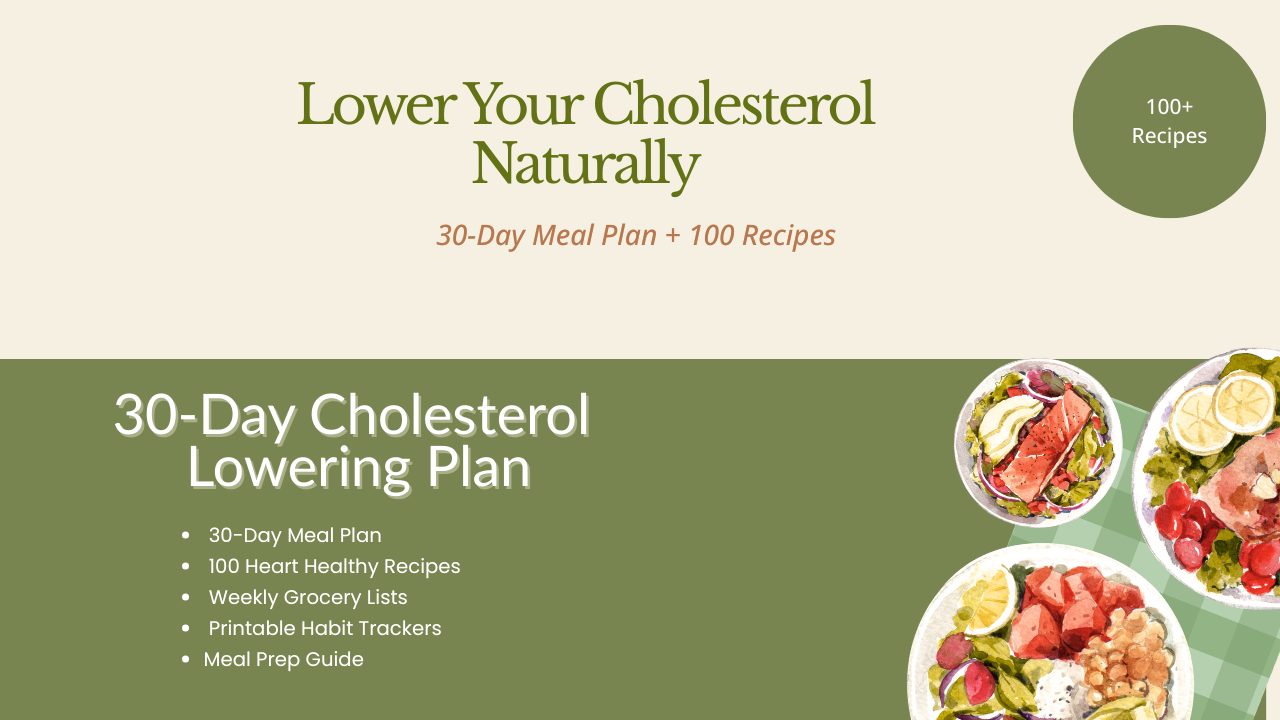
30-Day Cholesterol-Lowering Meal Plan
A simple step-by-step system to help you eat heart-healthy every day without stress.
Over 1,000 people downloaded this guide
$29$9
Get Instant Access


