
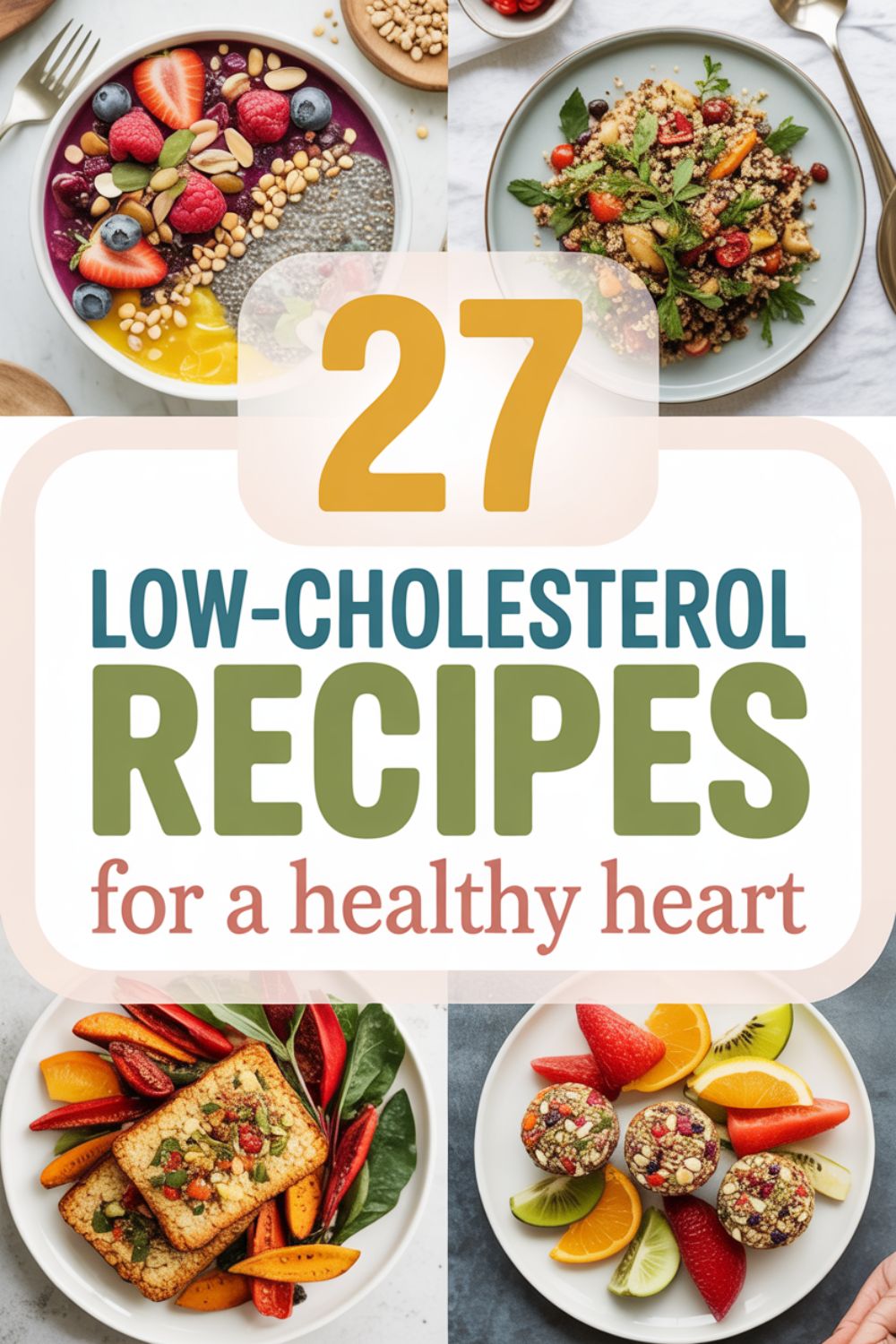
27 Low-Cholesterol Recipes for a Healthy Heart
Your cholesterol numbers came back high, and suddenly you’re staring at a list of forbidden foods longer than your grocery receipt. But here’s the thing—eating for heart health doesn’t mean you’re sentenced to a lifetime of bland chicken breast and steamed broccoli. Actually, some of the most flavorful cuisines on the planet are naturally low in cholesterol.
I’ve spent years figuring out how to eat foods that actually taste good while keeping my heart happy. The secret? It’s not about deprivation—it’s about being smart with ingredients. You can still have creamy pasta, crunchy tacos, and even dessert. You just need to know which swaps work and which ones leave you feeling like you’re chewing cardboard.
These 27 recipes aren’t some celebrity chef’s fantasy meals that require seventeen specialty ingredients. They’re real food that real people actually cook on Tuesday nights when they’re tired and hungry. Let’s get into it.
Why Low-Cholesterol Eating Actually Matters
Before we talk recipes, let’s get real about why this matters. High cholesterol can lead to hardened arteries, which basically means your blood vessels become less flexible and more prone to blockages. That’s when heart attacks and strokes become real possibilities, not just things that happen to other people.
The good news? What you eat directly impacts your cholesterol levels. According to research published in the American Heart Association journal, getting 25 to 30 grams of dietary fiber daily can significantly lower your LDL (the bad cholesterol). That’s not even that hard to do once you know which foods pack the most fiber punch.
Here’s what most people don’t realize: your liver already makes all the cholesterol your body needs. When you eat foods high in saturated fats and dietary cholesterol (think fatty meats, full-fat dairy, fried foods), you’re basically telling your liver to make even more. It’s like adding water to an already full bathtub.
The Smart Swaps That Actually Work
I’m not going to lie—some substitutions taste different. But different doesn’t mean worse. Take olive oil instead of butter. Once you get used to finishing your vegetables with a drizzle of good extra virgin olive oil, butter starts tasting heavy and greasy in comparison.
30-Day Cholesterol Reset System
A simple done-for-you plan to help you eat heart-healthy every day without confusion.
Over 1,000 people downloaded this guide
✔ 100 Easy Recipes
✔ Grocery Lists + Meal Prep Guide
🎁 FREE BONUSES:
✔ 7-Day Quick Start Plan
✔ Printable Grocery List
$29 $9
Get Instant AccessThe biggest game-changer for me was learning to love plant-based proteins. Beans, lentils, and chickpeas are cholesterol-free and loaded with soluble fiber—the kind that actually helps sweep cholesterol out of your system. Plus, they’re ridiculously cheap. A can of black beans costs less than a dollar and gives you the same protein as a chicken breast.
Buy dried beans in bulk and cook a big batch every Sunday. Freeze them in 2-cup portions. You’ll save money and always have protein ready to throw into whatever you’re making.
Ground turkey works great in place of beef for most recipes, but here’s the catch—you need to season it more aggressively. Turkey is leaner, which means less flavor. I fix this with smoked paprika, cumin, and a good quality low-sodium vegetable broth to keep things moist.
Omega-3 Fish Oil Supplement – Nordic Naturals Ultimate Omega
Let’s be real—eating fatty fish twice a week is the goal, but life happens. This is the fish oil supplement I actually take myself. It’s molecularly distilled for purity, has zero fishy aftertaste, and provides 1,280mg of omega-3s per serving to support healthy cholesterol levels and heart function.
Breakfast Ideas That Don’t Feel Like Punishment
Breakfast is where most people fall apart. Eggs are tricky because while egg whites are fine, the yolks pack 186mg of cholesterol each. For reference, you ideally want to stay under 300mg total per day. So yeah, those three-egg omelets aren’t doing you any favors.
My solution? Egg white scrambles with tons of vegetables. I know, I know—it sounds boring. But throw in sautéed mushrooms, cherry tomatoes, spinach, and some nutritional yeast for that cheesy flavor, and suddenly you’ve got something worth eating. If you’re really craving that runny yolk situation, use one whole egg plus two whites. You get the richness without overdoing it.
Oatmeal gets a bad rap for being bland, but that’s only if you make it wrong. Steel-cut oats cooked in unsweetened almond milk with cinnamon, topped with fresh berries and a handful of walnuts—that’s a breakfast that’ll keep you full until lunch. The soluble fiber in oats actively works to lower your cholesterol while you go about your day.
Looking for more ways to start your morning right? Check out these low-cholesterol breakfast ideas that’ll change how you think about the first meal of the day. Or if you’re always rushing, these breakfasts under 300 calories come together fast.
Heart-Healthy Recipe Collection: 90-Day Cholesterol Reset
Struggling to plan heart-healthy meals every single day? This comprehensive recipe ebook takes the guesswork out with 90 days of low-cholesterol recipes designed by nutritionists. Each recipe includes complete nutritional info, cholesterol counts, and simple ingredient lists.
- 90 unique breakfast, lunch, and dinner recipes specifically designed to lower cholesterol
- Complete shopping lists organized by week to save time and money
- Nutritional breakdown for every recipe including cholesterol, sodium, and fiber content
- Meal prep instructions and storage tips for busy schedules
- Instant PDF download – start cooking today
Lunch Without the Afternoon Crash
Lunch is tricky because you’re usually eating it at work or on the go. This is where meal prep becomes your best friend. I spend about an hour every Sunday chopping vegetables and cooking grains. That hour saves me from making terrible decisions when I’m hungry at noon on Wednesday.
Grain bowls are your secret weapon. Start with quinoa or brown rice (I use a rice cooker because I’m not a masochist), add roasted vegetables, some chickpeas or grilled chicken, and a tahini dressing. It’s basically the same formula every time, but you change the vegetables and seasonings to keep it interesting.
Salads don’t have to be sad desk food. The key is texture and fat. You need something crunchy (toasted nuts or seeds), something creamy (avocado or a tahini-based dressing), and actual substance (roasted sweet potato or farro). Otherwise you’re just eating crunchy water and wondering why you’re hungry an hour later.
“I started making these grain bowls for lunch and honestly forgot I was eating ‘heart healthy’ food. My LDL dropped 30 points in three months and I never felt deprived. The roasted chickpeas are legitimately addictive.”
Need more inspiration for midday meals? These lunches that actually keep you full are packed with fiber and protein. For days when you literally have zero time, these 10-minute lunches are life-savers.
Dinners Your Whole Family Will Actually Eat
This is where it gets real. You can meal prep your own lunches all day long, but dinner usually involves other people who have opinions. Strong ones. The trick is making food so good nobody realizes it’s “healthy.”
Sheet pan dinners are clutch for this. Throw some salmon fillets on a parchment-lined baking sheet with asparagus, cherry tomatoes, and sliced lemon. Drizzle everything with olive oil, season aggressively, and roast at 400°F for about 15 minutes. It’s restaurant-quality food with minimal cleanup.
One-pan meals are another winner. I make a version of shakshuka using egg whites instead of whole eggs, loaded with bell peppers, tomatoes, and chickpeas. Serve it with whole wheat pita and nobody’s complaining. The chickpeas give you that satisfying heartiness without any cholesterol.
Stir-fries are basically a cheat code. You can throw any vegetables you have into a hot wok with some garlic, ginger, and low-sodium soy sauce. Add tofu, shrimp, or chicken breast. Serve over brown rice or cauliflower rice if you’re watching carbs too. The whole thing takes maybe 20 minutes start to finish.
For complete meal plans that work for the whole family, check out these family dinners everyone will love. And if you want to simplify your life even more, these one-pan dinners mean less cleanup and more time to actually enjoy your evening. Get Full Recipe for the shakshuka variation I mentioned—it’s become a weekly staple in our house.
Snacks That Don’t Sabotage Your Progress
Three o’clock rolls around and suddenly you’d eat your own arm if it was deep-fried. This is when people usually blow their whole day by hitting the vending machine for chips or candy.
The solution is having actual snacks ready. Not raw vegetables (sorry, but a plain carrot stick isn’t fixing that hunger), but real food that satisfies. Hummus with whole grain crackers or bell pepper strips. A handful of almonds (I portion them into small containers using a digital food scale because otherwise I’ll eat the entire bag). Apple slices with almond butter.
Roasted chickpeas are my go-to when I want something crunchy. Toss drained chickpeas with olive oil and spices, then roast them until crispy. They’re like healthy chips, except they actually have protein and fiber. I keep a batch in my desk drawer at work.
Prep five days’ worth of snack bags on Sunday. Each one gets a small handful of nuts, some dried fruit (watch the sugar), and maybe a few dark chocolate chips. Having it pre-portioned means you’re not accidentally eating 600 calories of trail mix while standing at the counter.
For more smart snacking ideas, check out these snacks that support heart health. They’re all satisfying enough to actually work.
Bob’s Red Mill Organic Oat Bran Hot Cereal
This is my secret weapon for lowering cholesterol naturally. Oat bran has even more soluble fiber (specifically beta-glucan) than regular oatmeal—we’re talking 3g per serving. I add it to smoothies, bake it into muffins, or just eat it as hot cereal. Studies show that 3g of soluble fiber daily can reduce LDL cholesterol by 5-10%.
The Meal Prep Strategy That Actually Sticks
IMO, meal prep is the only reason I’ve managed to stick with low-cholesterol eating for more than a week. When you’re tired and hungry, you’re going to eat whatever’s easiest. If the easiest thing is leftover pizza, that’s what you’re eating. But if you’ve got containers of already-cooked food in your fridge, suddenly the healthy option is also the easy option.
I don’t do the whole “make 21 identical meals” thing because that sounds miserable. Instead, I prep components. I’ll cook a big batch of quinoa, roast three types of vegetables, and make a couple of different proteins. Then during the week, I mix and match based on what sounds good that day.
Soups and stews are perfect for this. You can make a huge pot on Sunday, eat it twice during the week, and freeze the rest in individual portions. When you need dinner in 10 minutes, just microwave a container. The glass meal prep containers with snap lids are worth every penny—they don’t stain or hold smells like plastic ones.
For a complete game plan, these meal prep ideas walk you through exactly what to make each week. And these freezer meals mean you’re never more than a microwave away from a healthy dinner.
Heart Health Tracker & Meal Planner
Managing cholesterol means tracking what you eat and how it affects your numbers. This printable tracker and meal planner combo helps you stay organized with weekly meal planning templates, cholesterol tracking sheets, and a food diary designed specifically for heart-healthy eating.
- Weekly meal planning templates with built-in grocery lists
- Cholesterol and lipid tracking sheets to monitor your progress
- Food diary pages with space for meals, snacks, and notes on how you feel
- Restaurant dining guide with smart ordering tips
- Printable PDF – use digitally or print for your kitchen
Comfort Food That Won’t Wreck Your Cholesterol
Let’s be honest—sometimes you just want mac and cheese. Or lasagna. Or literally anything that reminds you of being a kid before you had to worry about cholesterol numbers.
The good news is you can make healthier versions that still scratch that comfort food itch. Mac and cheese made with pureed cauliflower and nutritional yeast instead of heavy cream and butter? Surprisingly good. Not the same, but good in its own way.
Lasagna works great with part-skim ricotta, lots of vegetables, and turkey sausage instead of regular sausage. Use no-boil noodles (the kind you just soak in hot water) and you’ve cut your prep time in half too. Layer in some spinach and mushrooms and suddenly you’re getting actual nutrients instead of just cheese and noodles.
Chili is another winner. Make it with ground turkey, tons of beans (I use three different kinds), tomatoes, and spices. It’s actually better the next day, which makes it perfect for meal prep. Top it with a little Greek yogurt instead of sour cream and some chopped cilantro.
“The turkey chili recipe changed my life. I make a double batch every other week and freeze half. My husband doesn’t even realize it’s not beef, and my cholesterol dropped enough that my doctor reduced my statin dose.”
For more comfort food that won’t derail your progress, these healthy comfort foods prove you can have your mac and cheese and eat it too. Get Full Recipe for that cauliflower mac I mentioned—it’s honestly become my go-to.
The Role of Omega-3s and Healthy Fats
Not all fats are created equal, which is confusing because for decades we were told fat was the enemy. Turns out some fats are actually really good for you—specifically omega-3 fatty acids.
Fatty fish like salmon, mackerel, and sardines are loaded with omega-3s that can actually help lower your triglycerides and reduce inflammation. The American Heart Association recommends eating fish at least twice a week. I get it—fish can be intimidating if you didn’t grow up eating it. Start with salmon because it’s mild and hard to mess up.
If you hate fish (some people just do, and that’s fine), you can get omega-3s from walnuts, flaxseeds, and chia seeds. I throw chia seeds into smoothies or stir them into oatmeal. You don’t even taste them, but they turn into a gel that makes everything creamy. Ground flaxseed works the same way—store it in the freezer to keep it fresh.
Avocados get hyped a lot, and for good reason. They’re full of monounsaturated fats that can help raise your HDL (the good cholesterol) while lowering LDL. Half an avocado on toast isn’t just Instagram food—it’s legitimately good for your heart. Just watch the portions because avocados are calorie-dense.
For recipes that maximize these healthy fats, check out these chicken recipes packed with flavor and these vegetarian meals that prove plant-based eating can be seriously satisfying.
Kirkland Signature Organic Extra Virgin Olive Oil
If you’re going to make one switch for your heart health, replace your cooking oil with high-quality extra virgin olive oil. This Costco brand consistently ranks in the top tier for quality and purity testing, but costs a fraction of boutique brands. Rich in monounsaturated fats and antioxidants that actively work to improve your cholesterol profile.
Soups and Stews for Every Season
Something about soup just feels healing. Maybe it’s the warmth, maybe it’s the fact that everything’s soft and easy to digest, but soup hits different when you’re trying to eat better.
The beauty of soup is you can pack in vegetables without feeling like you’re eating a salad. Minestrone loaded with beans, tomatoes, zucchini, and whole wheat pasta? That’s a complete meal in a bowl. Lentil soup with carrots, celery, and spinach? Protein, fiber, and vitamins all working together.
I make soup in my 6-quart Dutch oven because it distributes heat evenly and you can go from stovetop to oven if needed. Plus it looks nice sitting on the stove, which is a weird reason to buy cookware but here we are.
The best part about soup is you can make it as chunky or as smooth as you want. If you’re not a texture person, blend half of it to make it creamy without adding cream. An immersion blender is clutch for this—you can blend right in the pot instead of transferring hot liquid to a regular blender, which is both annoying and potentially dangerous.
For year-round inspiration, these soups and stews work whether it’s freezing or sweltering outside. And these comfort soups are what I crave when I’m feeling under the weather.
Smoothies and Juices (That Actually Keep You Full)
Here’s where people usually mess up: they think a fruit smoothie is a meal. It’s not. Unless you add protein and fat, you’re basically drinking sugar water and you’ll be hungry again in an hour.
A proper smoothie needs a base (I use unsweetened almond milk), protein (Greek yogurt or protein powder), fat (nut butter or avocado), and then your fruits and vegetables. Yes, vegetables in smoothies. A handful of spinach or kale doesn’t change the taste when you’ve got banana and berries in there.
I add ground flaxseed to every smoothie for the omega-3s and fiber. A tablespoon of almond butter makes everything taste richer and keeps you satisfied. Frozen fruit is perfect because it’s already chopped and it makes the smoothie cold without adding ice that waters it down.
Pre-portion your smoothie ingredients into freezer bags. Each bag gets your greens, frozen fruit, and any mix-ins. In the morning, just dump the bag into your blender, add liquid and protein, and blend. Takes 2 minutes instead of 10.
My high-powered blender was expensive but worth it because it actually pulverizes everything. Cheap blenders leave chunks of spinach floating around, which is unpleasant. If you’re serious about smoothies, invest in the good blender.
For recipes that actually work as meal replacements, these smoothies and juices are balanced enough to keep you going until lunch. And these smoothie bowls turn your drink into something you can eat with a spoon, which is somehow more satisfying.
Salads That Don’t Feel Like Rabbit Food
I used to think salads were punishment food. Then I learned how to actually build one that tastes good and fills you up. The secret is layers and textures.
Start with dark leafy greens because they have more nutrients than iceberg lettuce (which is basically crunchy water). Add a grain—farro, quinoa, or brown rice. Then your protein—chickpeas, grilled chicken, hard-boiled egg whites, or baked tofu. Now comes the fun part: additions that make it actually taste like something.
Roasted vegetables add sweetness. Toasted nuts or seeds add crunch. Fresh herbs add brightness. A good dressing ties it all together. I make my dressings with olive oil, lemon juice, Dijon mustard, and whatever herbs I have around. It takes 2 minutes and tastes way better than bottled dressing.
The ratio matters: you want roughly equal parts greens, grains, and protein, with smaller amounts of the additions. Too many toppings and you’ve basically made a grain bowl that happens to have lettuce in it (which is fine, honestly).
These salads that don’t feel like diet food prove the point. Or try these restaurant-quality salads that are fancy enough for guests.
Sides That Go With Everything
Let’s talk sides because they’re usually an afterthought, but they shouldn’t be. A good side dish can make a simple protein feel like a complete meal.
Roasted vegetables are your friend. Brussels sprouts, cauliflower, broccoli, carrots—they all get crispy and caramelized in the oven. Cut them into similar-sized pieces, toss with olive oil and salt, spread on a sheet pan, and roast at 425°F until they’re golden. That’s it. The high heat brings out their natural sweetness.
Whole grains make great sides too. Quinoa with herbs, brown rice pilaf with vegetables, farro with lemon and parsley. They add fiber and make meals more filling. I cook them in low-sodium vegetable broth instead of water for extra flavor.
Sautéed greens are underrated. Kale, Swiss chard, or collard greens cooked with garlic and a splash of lemon juice at the end. They shrink down a lot, so buy more than you think you need. A whole bunch of kale becomes maybe a cup once it’s cooked.
For sides that actually complement your main dish instead of just sitting there, these versatile sides work with literally any protein you’re making.
Yes, You Can Still Have Dessert
This is where people think I’m going to tell them to eat fruit and pretend it’s dessert. I’m not. Fruit is great, but sometimes you want actual dessert—something sweet and indulgent that feels like a treat.
The trick is making desserts that taste good without relying on butter and eggs. Sounds impossible, but it’s not. Dark chocolate mousse made with avocado and cocoa powder? Sounds weird, tastes amazing. The avocado makes it creamy without adding any cholesterol.
Baked apples with cinnamon and a crumble topping made from oats and a little maple syrup. Banana “nice cream” blended from frozen bananas—add cocoa powder for chocolate, or peanut butter, or both. Chia pudding made with almond milk and topped with fresh berries.
Are these as indulgent as real ice cream or cheesecake? No. But they scratch that dessert itch without undoing all your progress. And honestly, once you’ve been eating this way for a while, super rich desserts start tasting too heavy anyway.
For desserts that actually satisfy your sweet tooth, these guilt-free desserts prove you don’t have to give up sweets entirely. Get Full Recipe for that chocolate avocado mousse—it converts even the skeptics.
Making It Work When Life Gets Chaotic
Let’s be real—you’re not going to cook elaborate meals every single night. Some nights you’re going to be tired, stressed, or just completely over the whole thing. This is when having a strategy matters.
Keep a running list of your “emergency meals”—things you can make in under 20 minutes with ingredients you always have on hand. For me, that’s scrambled egg whites with vegetables, bean quesadillas with whole wheat tortillas, or pasta with jarred marinara and frozen vegetables.
Stock your freezer with backup options. Frozen vegetables are just as nutritious as fresh and sometimes more so because they’re flash-frozen at peak ripeness. Frozen shrimp cooks in minutes. Brown rice that’s been cooked and frozen reheats perfectly.
FYI, having a few quality convenience foods isn’t cheating. Pre-washed salad greens, pre-cooked quinoa, rotisserie chicken (take the skin off), canned beans—these all save time and make healthy eating more realistic on busy days.
For days when you can barely function, these lazy meals for busy people require minimal effort and even less cleanup.
The Foods That Actually Lower Cholesterol
Some foods don’t just avoid adding cholesterol—they actively work to lower it. These should be regulars in your rotation.
Oats and barley contain beta-glucan, a type of soluble fiber that binds to cholesterol in your digestive system and escorts it out of your body. Eating oatmeal regularly can lower your LDL by up to 10%.
Beans and lentils are fiber powerhouses. They slow digestion, which helps regulate blood sugar and keeps you full longer. Plus they’re dirt cheap—a dried bag of lentils costs maybe two dollars and makes enough for several meals.
Nuts, especially almonds and walnuts, have been shown to improve cholesterol levels when eaten regularly. The key word is “handful”—not half the bag while watching TV. I portion mine into small containers so I don’t accidentally overdo it.
Fatty fish like salmon and mackerel are loaded with omega-3s that lower triglycerides. Even canned sardines work—they’re cheaper, sustainable, and you can mash them onto whole grain crackers with some lemon juice and hot sauce.
For a complete list of cholesterol-fighting foods, check out these foods that naturally lower cholesterol and these foods for a stronger heart.
Kitchen Tools That Make This Easier
You don’t need a ton of fancy equipment, but a few key tools make low-cholesterol cooking way less annoying.
A good chef’s knife and a cutting board that doesn’t slip are essential. Most of this cooking involves chopping vegetables, and doing it with a dull knife is dangerous and frustrating.
A cast iron skillet is worth its weight in gold. It gets screaming hot for searing fish or chicken, distributes heat evenly, and lasts forever. Season it properly and it becomes naturally non-stick without any sketchy chemicals.
An instant-read thermometer takes the guesswork out of cooking proteins. Chicken breast is done at 165°F, salmon at 145°F. No more cutting into everything to check doneness and losing all the juices.
For batch cooking, a large stockpot lets you make huge quantities of soup or chili that you can eat all week. Pair it with those glass storage containers I mentioned earlier and you’ve got a meal prep system that actually works.
MyNetDiary Premium: Complete Heart Health Tracking App
Tired of guessing if you’re staying within your cholesterol limits? This app takes the math out of heart-healthy eating. Track your meals, monitor your cholesterol intake, and get personalized insights based on your actual eating patterns. The database includes over 1 million foods with complete nutritional breakdowns.
- Tracks cholesterol, saturated fat, sodium, and fiber automatically
- Barcode scanner for quick logging of packaged foods
- Recipe builder to calculate nutrition for your home-cooked meals
- Integration with fitness trackers to monitor exercise impact on heart health
- Weekly reports showing trends in your cholesterol and fat intake
Eating Out Without Derailing Everything
You’re going to eat at restaurants sometimes. That’s normal human behavior. The trick is making smart choices without being that person who interrogates the waiter about every ingredient.
Look for grilled or baked options instead of fried. Ask for dressings and sauces on the side so you control how much goes on. Start with a side salad or vegetable-based soup to fill up on fiber before your main course arrives.
Most restaurants will accommodate reasonable requests. Swap the fries for steamed vegetables. Ask them to cook your fish in olive oil instead of butter. Get the baked potato with salsa instead of sour cream and butter.
Mediterranean and Asian restaurants are usually your best bets. Greek salads, grilled fish, vegetable stir-fries, sushi rolls (go easy on the mayo-based ones)—these cuisines are naturally aligned with heart-healthy eating.
Frequently Asked Questions
Can I really lower my cholesterol just by changing what I eat?
Absolutely. Diet changes can lower LDL cholesterol by 10-15% in many people, sometimes more. Combine that with regular exercise and you’re looking at significant improvements. Some people still need medication, but eating right makes those meds work better and sometimes lets you take a lower dose. It’s not all-or-nothing.
Do I have to give up eggs completely?
Not necessarily. The latest research suggests dietary cholesterol doesn’t impact blood cholesterol as much as we once thought. Most healthy people can eat one whole egg per day without issues. If your cholesterol is really high, you might want to stick to egg whites most days and save whole eggs for occasional treats. Your doctor can give you personalized guidance based on your numbers.
What about shrimp? I heard it’s high in cholesterol.
Shrimp does contain cholesterol, but it’s very low in saturated fat, which is actually more important for your blood cholesterol levels. Most experts say shrimp is fine in moderation—like twice a week. Just don’t bread and fry it or drown it in butter sauce. Grilled, baked, or stir-fried shrimp are all good options.
How long before I see results from eating this way?
Most people see measurable changes in their cholesterol levels within 3-6 months of consistent dietary changes. Some see improvements faster. The key word is “consistent”—you can’t eat perfectly Monday through Friday, then go wild on weekends and expect results. But you also don’t have to be perfect. Aim for 80-90% adherence and you’ll see progress.
Is coconut oil really that bad for cholesterol?
Yeah, unfortunately. Despite all the health claims floating around, coconut oil is about 90% saturated fat—higher than butter. It can significantly raise your LDL cholesterol. Stick with olive oil, avocado oil, or other oils high in unsaturated fats. They’re actually proven to help your cholesterol numbers instead of hurting them.
Final Thoughts
Look, managing cholesterol through food isn’t always easy. There are days when you’re going to eat the pizza or skip the meal prep. That’s being human. The goal isn’t perfection—it’s making better choices most of the time.
What helped me stick with it was realizing this isn’t a diet with an end date. It’s just how I eat now. Once you get used to it, you don’t really miss the stuff you gave up. Your taste buds adapt. Foods you used to think were bland start tasting flavorful. Things you used to love start tasting too greasy or heavy.
Start small. Pick three recipes from this list and make them this week. Get comfortable with those, then add three more. Build up your rotation of go-to meals so you’re not constantly thinking about what to cook. The less mental energy it takes, the more likely you are to stick with it.
Your heart will thank you. Your energy levels will improve. You’ll probably save money on groceries because beans and vegetables are cheaper than meat. And you might just find that eating this way isn’t the punishment you thought it would be.
30-Day Cholesterol-Lowering Meal Plan
A simple step-by-step system to help you eat heart-healthy every day without stress.
Over 1,000 people downloaded this guide
$29$9
Get Instant Access


