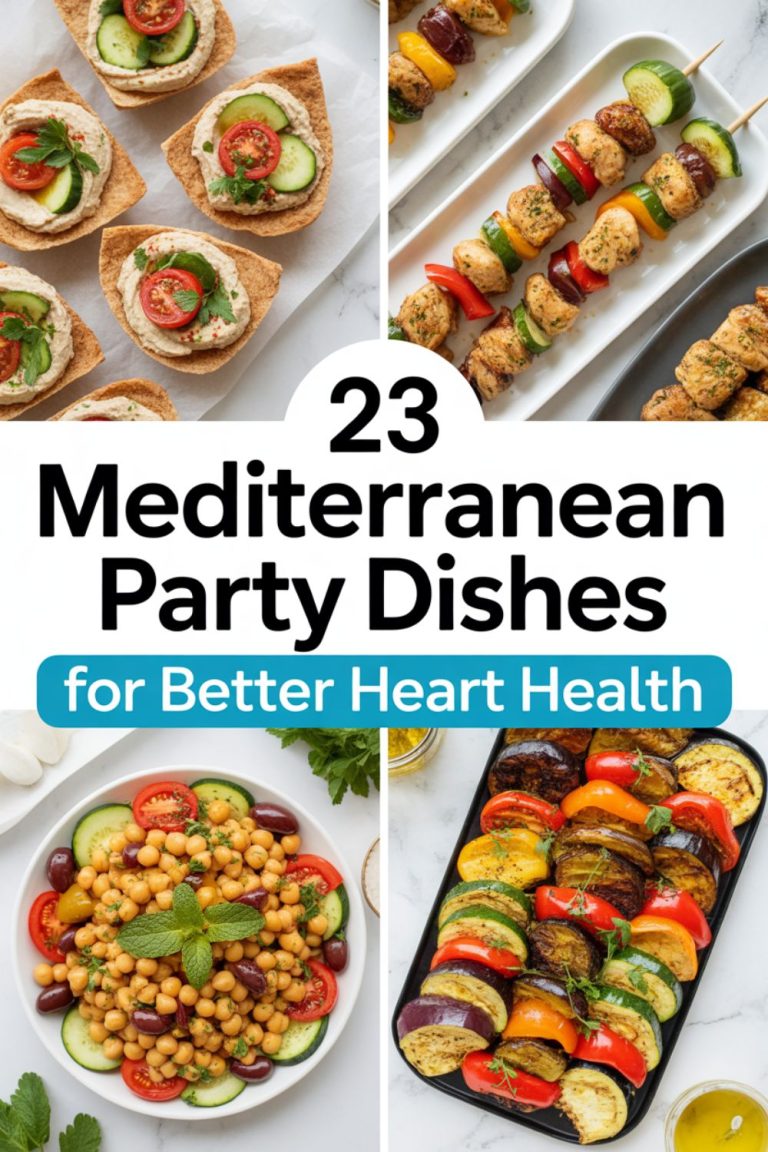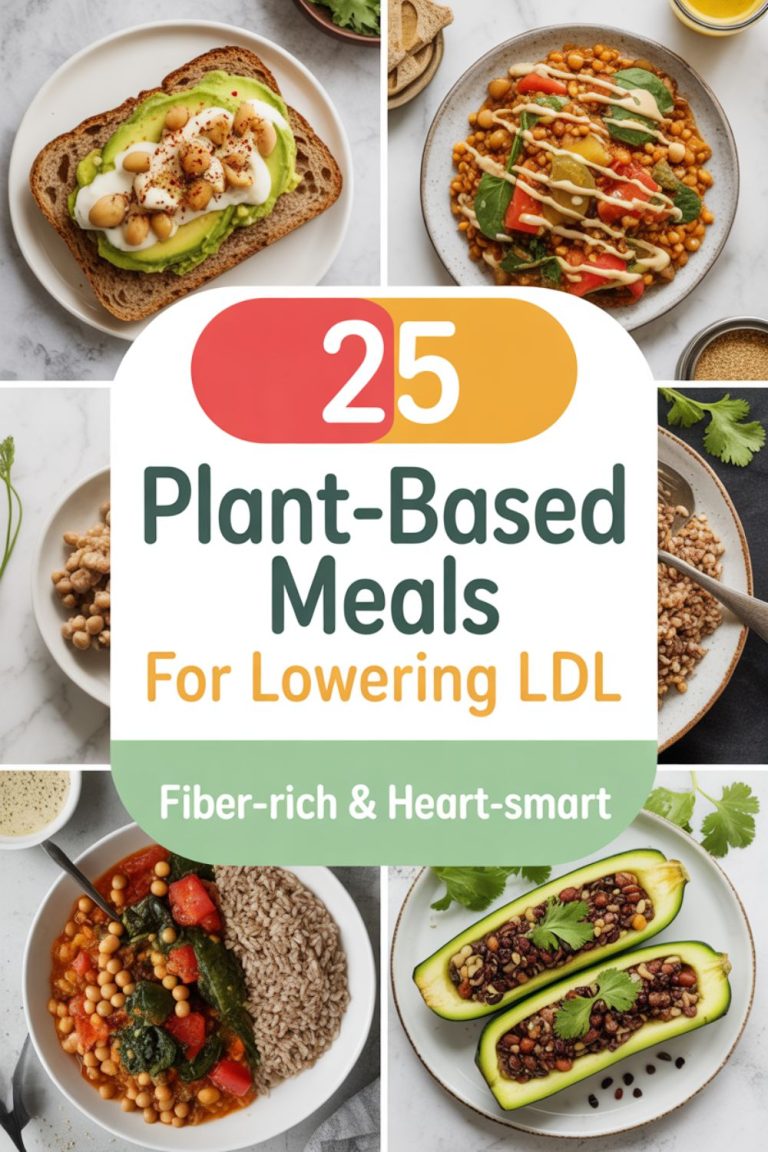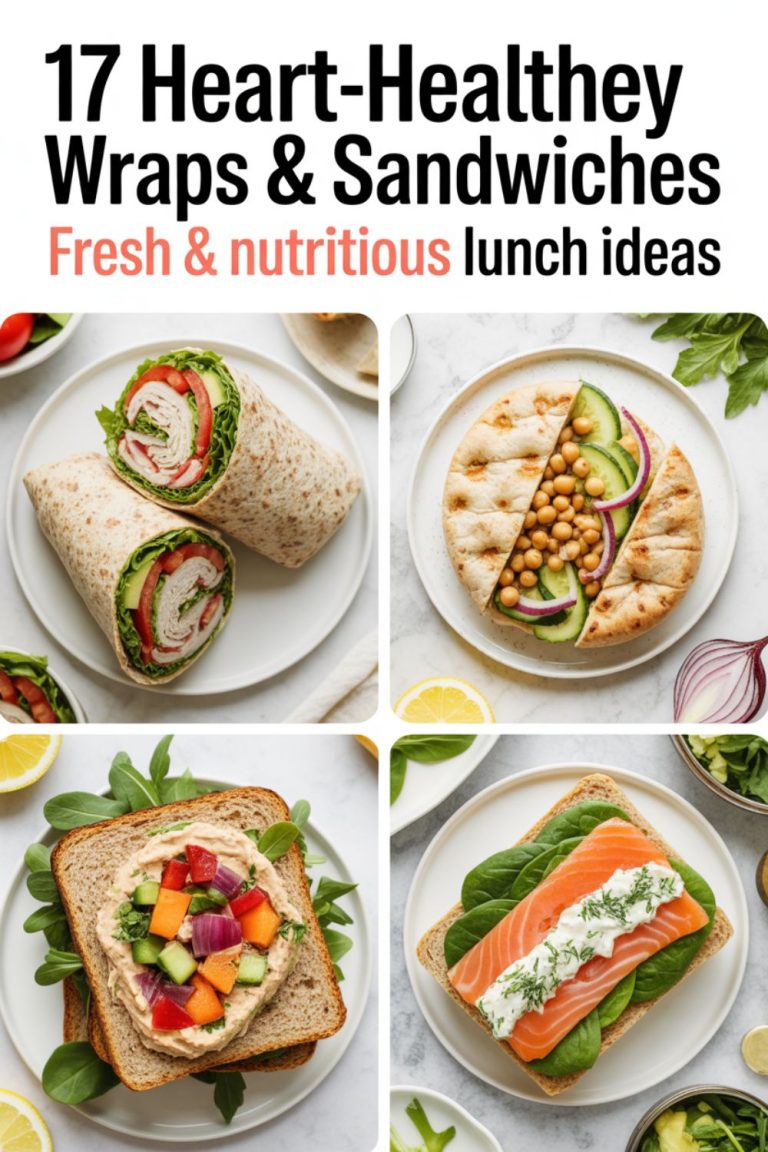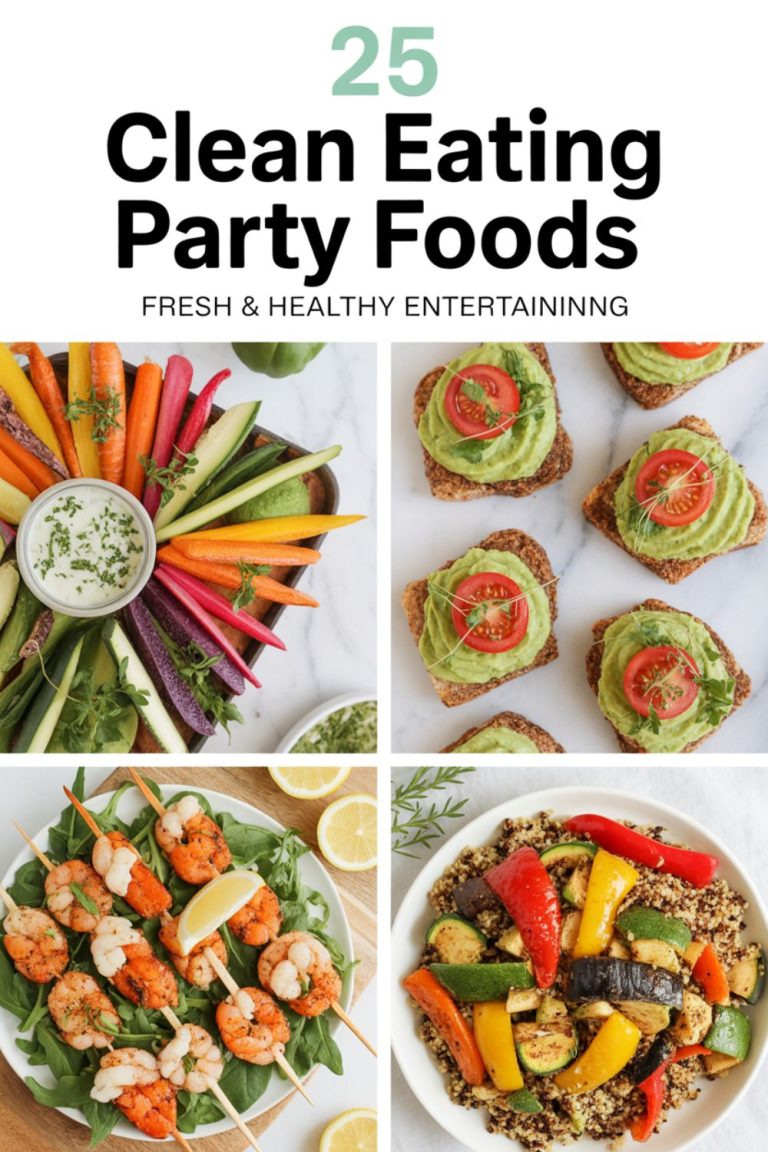

27 Low-Sodium Brunch Dishes for Hosting
Flavor-forward, heart-friendly, and genuinely impressive. Your guests will never miss the salt.

Why Low-Sodium Brunch Actually Works
Here’s something the food world doesn’t say enough: salt is a crutch. Not a bad one, but when you remove it from the equation, you’re forced to figure out how to make food taste genuinely delicious through technique and ingredient quality. The result is almost always better than what you started with.
The American Heart Association recommends keeping sodium intake below 2,300 mg per day, with an ideal target of 1,500 mg for most adults, especially those managing blood pressure. Brunch is one of the most sodium-dense meals Americans eat, mostly because of processed ingredients hiding in baked goods, cured meats, and pre-made sauces. Cooking from scratch changes the entire equation.
The good news for hosts specifically is that low-sodium cooking lends itself beautifully to entertaining. Fresh components, vibrant garnishes, herb-forward flavor profiles. It looks gorgeous on a table without you staging it.
Build flavor layers before you even think about seasoning. Sauté aromatics like garlic, shallots, and fresh ginger in olive oil first, then add your main ingredients. You’ll need far less salt at the end because the base is already doing the heavy lifting.
The 27 Low-Sodium Brunch Dishes
Egg-Based Dishes That Actually Impress
Eggs are the backbone of any brunch spread and, blessedly, completely sodium-free in their natural state. What you do with them is what counts. These dishes build flavor through technique rather than seasoning shortcuts.
30-Day Cholesterol Reset System
A simple done-for-you plan to help you eat heart-healthy every day without confusion.
Over 1,000 people downloaded this guide
✔ 100 Easy Recipes
✔ Grocery Lists + Meal Prep Guide
🎁 FREE BONUSES:
✔ 7-Day Quick Start Plan
✔ Printable Grocery List
$29 $9
Get Instant AccessHerb Frittata with Roasted Cherry Tomatoes
A showstopper that looks like you tried hard but takes about 25 minutes. Loaded with fresh basil, flat-leaf parsley, and sweet slow-roasted tomatoes. No added salt required when the tomatoes caramelize properly.
Get Full RecipeShakshuka with Low-Sodium Tomato Base
The key here is making your own tomato sauce from scratch using fresh or no-salt-added crushed tomatoes and building the spice profile with cumin, smoked paprika, and fresh chili. Deep, complex, zero sodium guilt.
Get Full RecipeSoft-Scrambled Eggs with Chive Oil
Slow-cooked over low heat until just barely set, finished with a drizzle of chive-infused olive oil and cracked black pepper. Simple, but completely different from anything guests expect from a brunch egg dish.
Get Full RecipeBaked Egg Cups with Spinach and Goat Cheese
Individual ramekin portions that guests love because they feel personal. Wilted spinach, a crumble of fresh goat cheese (naturally lower in sodium than most aged cheeses), and fresh thyme.
Get Full RecipePoached Eggs Over White Bean Puree
This one punches well above its weight. Silky white bean puree made with garlic-infused olive oil as a base, topped with a perfectly poached egg and finished with lemon zest and crushed red pepper.
Get Full RecipeEgg dishes are also a great entry point if you’re new to low-sodium cooking for a crowd. They’re forgiving, scale easily, and don’t require you to monitor sodium content across twenty different ingredients. If you love the idea of prepping the protein component ahead, check out these protein-packed breakfasts that support cholesterol goals for more ideas that work well for a batch-cook approach.
Grain-Forward Dishes With Serious Character
Whole grains and low-sodium cooking are genuinely made for each other. Oats, quinoa, farro, and whole-grain breads carry flavor beautifully without needing a sodium boost. They also bring the fiber content that keeps guests full well past the meal, which is always appreciated at a Sunday brunch that might run long.
Savory Oat Bowl with Poached Egg and Herbs
IMO, savory oats are criminally underrated at brunch. Steel-cut oats cooked in low-sodium vegetable broth, topped with a poached egg, microgreens, and a drizzle of good olive oil. Guests who are skeptical always end up asking for seconds.
Get Full RecipeQuinoa Tabbouleh with Citrus Dressing
Classic tabbouleh rebuilt with quinoa for extra protein, dressed with fresh lemon juice, good olive oil, loads of flat-leaf parsley, and mint. Bright, clean, and holds up well at room temperature, which makes it perfect for a buffet setup.
Get Full RecipeWhole Grain Avocado Toast with Dukkah
The avocado toast upgrade nobody told you about. A generous layer of smashed avocado on whole-grain toast finished with homemade dukkah, a Middle Eastern nut and spice blend that adds crunch and a deeply savory flavor without touching the salt shaker.
Get Full RecipeFarro Salad with Roasted Grapes and Walnuts
Warm farro tossed with roasted red grapes that burst and caramelize in the oven, toasted walnuts, fresh thyme, and a sherry vinegar dressing. Sweet, savory, and unexpected enough to be the dish guests photograph first.
Get Full RecipeI made the savory oat bowls for a group of eight last spring and honestly thought half the table would look at me sideways. Instead, three people asked me for the recipe before they’d even finished eating. Low-sodium does not mean low-ambition, apparently.
— Dana M., community memberFresh and Seasonal Produce Dishes
Fresh vegetables and fruit are nature’s original low-sodium ingredients, and they deserve the center of your brunch table. These dishes lean hard into seasonal produce, which does the flavor work naturally. You’re not compensating for anything when you start with something genuinely good.
Roasted Asparagus with Lemon Gremolata
High-heat roasting brings out the natural sweetness and slight char that asparagus is capable of. Finished with a fast gremolata of lemon zest, fresh parsley, and garlic. The whole thing comes together in under 20 minutes.
Get Full RecipeWatermelon Radish and Citrus Salad
Paper-thin watermelon radish slices fanned over segments of blood orange and navel orange, dressed with champagne vinegar and fresh mint. Stunning to look at and takes about eight minutes to put together.
Get Full RecipeRoasted Beet Carpaccio with Whipped Feta
Roasted golden and red beets sliced thin, layered with a whipped fresh feta (rinse your feta to reduce sodium before blending), a drizzle of honey, and fresh dill. Looks like something from a proper brunch restaurant.
Get Full RecipeGrilled Peaches with Ricotta and Mint
Summer’s best argument for keeping brunch simple. Halved peaches grilled until they char lightly, served over a spoonful of part-skim ricotta and scattered with fresh mint and a drizzle of balsamic reduction.
Get Full RecipeCaprese Stacks with Heirloom Tomatoes
The classic gets extra mileage from using heirloom tomatoes in multiple colors and fresh mozzarella, which is naturally lower in sodium than many aged cheeses. A finishing drizzle of good olive oil and torn basil does everything salt used to do here.
Get Full RecipeRinse canned chickpeas, beans, and even feta cheese under cold water for 30 seconds before using. A single rinse removes up to 40% of the sodium without affecting texture or flavor in the finished dish.
Smoothies, Drinks, and Lighter Fare
A well-designed brunch spread always includes something light. These options anchor the refreshment side of the table without pushing anyone’s sodium intake for the rest of the day. They’re also the easiest part of the spread to prepare ahead.
Green Goddess Smoothie Bowl
Frozen spinach, banana, mango, and unsweetened coconut water blended thick, topped with granola, kiwi, and hemp seeds. Naturally sodium-free and pretty enough that guests always stop to take a photo before eating.
Get Full RecipeHibiscus Ginger Agua Fresca
A vibrant, deep-ruby drink made from dried hibiscus flowers steeped with fresh ginger and a small amount of honey. Zero sodium, stunning on the table, and genuinely one of the best drinks I’ve served at a brunch in years.
Get Full RecipeMango Lassi with Cardamom
Made with plain low-fat yogurt, fresh mango, a pinch of cardamom, and a small squeeze of lime. Naturally sweet, creamy, and roughly 60mg of sodium per serving, which is genuinely nothing.
Get Full RecipeSmoothie bowls in particular have become a staple on my hosting rotation. They look elaborate, but most of the work happens in a blender. If you want to explore the broader world of heart-healthy blended options, these low-cholesterol smoothie bowls are worth bookmarking, and these spring smoothies for heart health pair beautifully with a brunch spread.
Low-Sodium Baked Goods That Don’t Taste Like Health Food
This is where most people give up on low-sodium baking before they start, because the assumption is that salt is load-bearing in baked goods. It matters, sure. But with the right technique and a few smart swaps, you can produce baked items that taste genuinely rich and satisfying. The secret is leaning on natural sweetness, good fats, and flavor-forward add-ins.
Banana Oat Muffins with Walnut Crumble
Made with very ripe bananas, rolled oats, a touch of cinnamon, and a walnut crumble topping. No added salt and no one will notice. The banana does the work. I use a silicone muffin pan for these because the release is perfect every time and cleanup is genuinely effortless.
Get Full RecipeWhole Wheat Lemon Poppy Seed Loaf
Bright, fragrant, and built on whole wheat flour with Greek yogurt for moisture. The lemon zest carries most of the flavor here, and a small amount of lemon glaze on top makes it look polished without any additional sodium.
Get Full RecipeAlmond Flour Blueberry Scones
Almond flour scones are naturally lower in sodium than wheat-based versions because almond flour itself contains almost none. Fresh blueberries, a tiny bit of honey, and a dusting of almond slices on top. They look delicate and taste luxurious.
Get Full RecipeOat and Date Energy Balls
Not baked, technically, but they belong on the brunch table. Rolled oats, Medjool dates, almond butter, and a tiny drizzle of honey processed together and rolled into balls. Completely sodium-free and something guests genuinely snack on throughout the meal.
Get Full RecipeKitchen Tools That Make Low-Sodium Hosting Easier
A few things worth having in your corner when you’re cooking for a crowd without the salt crutch.
Physical ToolsDigital Kitchen Scale
When you’re tracking sodium, portioning matters more than eyeballing. A simple digital kitchen scale makes the whole process faster and more accurate without adding stress to your prep workflow.
Herb Keeper / Herb Stripper
Fresh herbs are doing the heavy lifting in low-sodium cooking. A herb stripper and keeper combo keeps your herbs fresh longer and strips leaves off stems in seconds, which makes a real difference when you’re cooking for a crowd.
High-Speed Blender
Smoothie bowls, sauces, dressings, and dips all land better when your blender actually does its job. A high-speed blender with a tamper is the single tool that gets used most in a brunch prep session like this one.
Digital Resources
Low-Sodium Recipe Meal Plan (PDF)
A structured weekly meal plan built around the same low-sodium principles as these brunch dishes. Includes shopping lists and sodium estimates per meal. A downloadable meal planner takes the guesswork out of the whole week, not just Sunday morning.
Nutrition Tracking App Subscription
Keeping an eye on sodium across the day is easier with a good app. A premium nutrition tracker subscription that shows sodium per ingredient in real time is genuinely useful when you’re building new cooking habits.
Heart-Healthy Cooking E-Course
If you want to go deeper than individual recipes, a structured heart-healthy cooking course covers technique, ingredient swaps, and how to adapt almost any recipe to be sodium-aware without losing what makes it good.
Substantial Brunch Mains for a Full Table
These are the dishes that anchor the spread and make guests feel genuinely fed, not just snacked at. They work as centerpieces on a buffet table or as the main event for a seated brunch. FYI, most of these can be prepped partially the night before, which makes hosting an actual pleasure instead of a Sunday morning panic.
Salmon Patties with Herb Yogurt Sauce
Made from fresh salmon (not canned) with shallots, capers rinsed thoroughly, fresh dill, and a light breadcrumb binder. Served with a quick yogurt sauce built on lemon, garlic, and cucumber. Rich in omega-3s and naturally low in sodium when you control the assembly.
Get Full RecipeChicken and Vegetable Hash
Leftover roasted chicken pulled into a cast-iron hash with sweet potato, red bell pepper, and onion. Seasoned with smoked paprika, cumin, and a squeeze of lime at the end. Big on flavor, zero reliance on pre-made seasonings or sodium-heavy stocks.
Get Full RecipeLentil and Roasted Vegetable Bowl
French green lentils hold their shape beautifully after cooking and have a peppery natural flavor that barely needs seasoning. Piled into a bowl with roasted carrots, fennel, and a drizzle of tahini-lemon dressing. Hearty enough for the most skeptical guest at the table.
Get Full RecipeSalmon dishes in particular are a brilliant choice for heart-healthy hosting. The omega-3 fatty acid content supports cardiovascular health, and when you cook salmon fresh rather than reaching for the sodium-dense smoked variety, you get all the benefit without the blood pressure risk. For a broader library of salmon ideas that work beyond brunch, this collection of omega-3-rich salmon recipes is genuinely excellent.
Sweet Finishers That Won’t Wreck the Heart-Healthy Effort
Brunch without something sweet at the end is just a very late breakfast. These finishers are built on fruit, natural sweeteners, and whole-food ingredients that keep sodium low without asking anyone to sacrifice enjoyment.
Dark Chocolate Bark with Almonds and Dried Cherries
Melted 70% dark chocolate poured thin and studded with unsalted almonds and tart dried cherries. The bitterness of good dark chocolate needs nothing else. Set ahead of time, break into pieces, and arrange on a board. Done.
Get Full RecipeChia Seed Pudding with Passion Fruit
Made the night before with unsweetened almond milk, chia seeds, and vanilla. Topped with fresh passion fruit pulp and a few slices of kiwi. Naturally sweet, roughly 50mg sodium per portion, and essentially zero effort on the morning of hosting.
Get Full RecipePoached Pears with Cardamom Honey Syrup
Pears poached gently in a spiced honey syrup with cardamom, star anise, and a splash of white wine. Elegant, completely sodium-free, and the kind of thing that makes guests think you know something they don’t. I use a stainless melon baller to core them cleanly before poaching, which makes the plating much cleaner.
Get Full RecipeMake your sweet finishers the night before without exception. Chia puddings, chocolate bark, and poached fruit all improve with an overnight rest, and it means the morning of hosting you can focus entirely on the savory dishes.
How to Host a Low-Sodium Brunch Without Making It a Thing
The biggest mistake people make when hosting health-conscious meals is announcing it too loudly. You don’t need to open the door with “everything today is low-sodium and heart-healthy!” Just put the food on the table and let it speak. Guests notice when food tastes good. They don’t notice what’s missing from it.
When you build your spread, lead with the visual. Fresh herbs scattered over dishes, bright produce, varied textures. A brunch table that looks abundant and colorful sets an expectation that the food is worth eating before anyone takes a bite. That expectation does half the work for you.
The DASH eating pattern, as detailed by Johns Hopkins Medicine, is specifically designed around fresh vegetables, fruits, lean protein, and whole grains while keeping sodium low. Your low-sodium brunch spread is, essentially, a DASH meal in celebration format. That’s not a consolation prize, that’s genuinely the best-practice approach to heart-healthy eating.
Practically speaking: label your dishes simply with small cards, set out a few good condiments that your guests can customize with (a bowl of fresh herbs, a wedge of lemon, a small jar of no-sodium spice blend), and let people serve themselves. People feel more engaged with food they’ve assembled slightly on their own terms.
I hosted a birthday brunch for my mother who’s managing hypertension, and I used about twelve of these ideas. Nobody at the table said a single word about it being “healthy food.” My aunt, who is famously difficult to impress, asked if I’d taken cooking classes. I had not. I had just read this list twice and bought decent olive oil.
— Michelle T., community memberFrequently Asked Questions
How low should sodium be in brunch dishes to be considered heart-healthy?
The American Heart Association recommends staying under 2,300mg of sodium per day overall, with 1,500mg as the ideal target for most adults. For a brunch spread, aiming for individual dishes that come in under 200-300mg per serving keeps you well within a healthy range for the whole meal combined.
Can low-sodium brunch dishes actually taste as good as regular brunch food?
Not only can they, they often taste better. When you build flavor through fresh herbs, citrus, quality fats, and proper cooking technique, the food ends up more complex and interesting than anything a heavy hand with the salt shaker would produce. The adjustment period for your palate is usually less than a week.
What ingredients should I avoid when planning a low-sodium brunch?
The biggest culprits are processed meats (bacon, sausage, deli ham), canned soups and stocks, store-bought baked goods, most packaged condiments, and pre-seasoned anything. Building from fresh, whole ingredients puts you in control of every milligram from the start.
How do I add flavor to brunch dishes without salt?
Citrus zest and juice, fresh herbs, toasted spices, garlic, shallots, good-quality vinegars, caramelized onions, and high-heat roasting techniques all build deeply satisfying flavor without sodium. Once you start cooking this way regularly, the salt shaker becomes genuinely redundant rather than just forbidden.
Which cheeses work best in low-sodium brunch recipes?
Fresh cheeses are your best friend here. Fresh mozzarella, ricotta, goat cheese, and Swiss all come in significantly lower than aged or processed cheeses like parmesan, feta (though rinsed feta works well), or American cheese. If you’re using any packaged cheese, check the sodium per serving before committing it to a dish.
The Real Takeaway
Somewhere along the way, “low-sodium” became code for “we gave up on flavor.” That reputation is not only wrong, it’s actively keeping people from cooking food that could support their health in a meaningful way, especially when they’re cooking for people they care about.
These 27 dishes exist as proof that a heart-healthy brunch spread can be the most impressive table you’ve set. The constraints of low-sodium cooking aren’t limitations. They’re an invitation to use better ingredients, build flavor more thoughtfully, and trust the process.
Pick three or four dishes from this list, prep what you can the night before, and cook the rest with whatever music you like playing in your kitchen. Brunch is supposed to feel relaxed and generous. These recipes are designed to help it feel exactly that way.
Your guests will eat well. Your heart will be fine. And nobody will ask where the salt shaker is.
30-Day Cholesterol-Lowering Meal Plan
A simple step-by-step system to help you eat heart-healthy every day without stress.
Over 1,000 people downloaded this guide
$29$9
Get Instant Access