
15 Spring Smoothies That Support a Healthy Heart
Spring just hit different this year, and I’m not talking about the weather. After my annual checkup revealed my cholesterol was creeping up faster than my credit card bill, I got real serious about heart health. But here’s the thing—I wasn’t about to give up flavor for some bland “health food” routine.
That’s when I started experimenting with smoothies. Not the sad, chalky protein shakes you choke down at the gym, but actually delicious blends that happen to love your heart back. These 15 spring smoothies use seasonal ingredients packed with fiber, omega-3s, and antioxidants that support cardiovascular health without tasting like cardboard.
I’ve been rotating through these recipes for three months now, and honestly? My energy’s up, my numbers are down, and I actually look forward to breakfast again. Let’s get into it.

Why Spring Smoothies Hit Different for Heart Health
Spring produce isn’t just prettier—it’s legitimately better for your cardiovascular system. Berries are at their peak, leafy greens are tender and sweet, and citrus is still hanging around from winter. All of these ingredients bring specific heart benefits that you can’t fake with supplements.
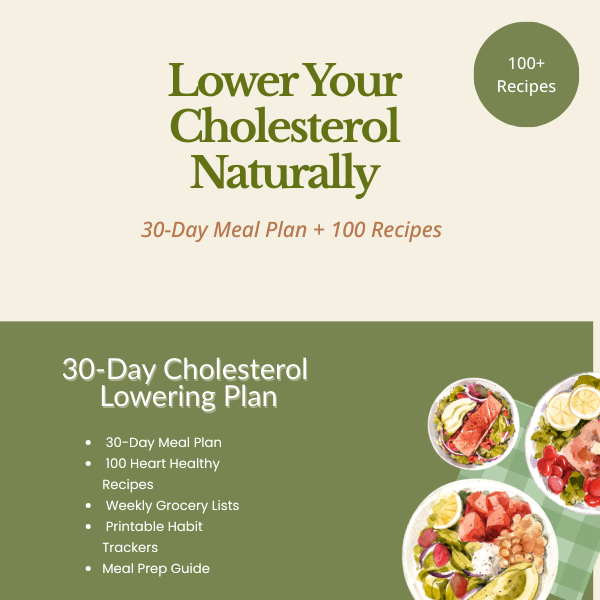
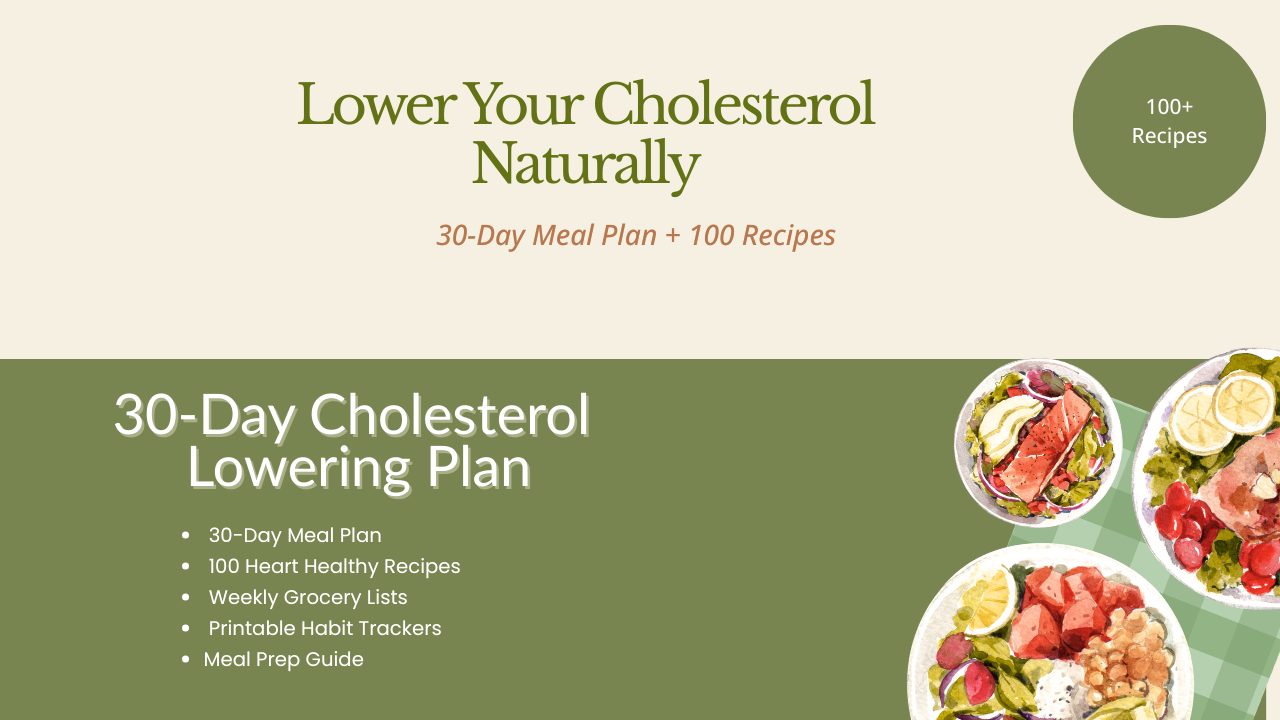
30-Day Cholesterol Reset System
A simple done-for-you plan to help you eat heart-healthy every day without confusion.
Over 1,000 people downloaded this guide
✔ 100 Easy Recipes
✔ Grocery Lists + Meal Prep Guide
🎁 FREE BONUSES:
✔ 7-Day Quick Start Plan
✔ Printable Grocery List
$29 $9
Get Instant AccessAccording to research from the American Heart Association, getting 4-5 servings of fruits and vegetables daily can reduce your risk of heart disease by up to 20%. Smoothies make that ridiculously easy.
The fiber in whole fruits helps lower LDL cholesterol—that’s the bad kind, FYI. Meanwhile, ingredients like flaxseed and chia deliver omega-3 fatty acids that reduce inflammation and support healthy blood pressure. You’re basically giving your heart a spa day, except it tastes like dessert.
The Heart-Health Smoothie Formula I Actually Use
Look, I’m not a nutritionist, but after making approximately 700 smoothies, I’ve cracked the code. Every heart-healthy smoothie needs four components: a base liquid, fiber-rich fruits or veggies, a healthy fat source, and optional protein.
Your Liquid Base Options
Skip the juice. Seriously. It’s just sugar water without the fiber. I rotate between unsweetened almond milk, oat milk, and coconut water depending on my mood. Almond milk keeps things neutral, oat milk adds creaminess, and coconut water brings natural electrolytes that support healthy blood pressure.
Green tea works too—it’s loaded with catechins that protect your blood vessels. I’ll brew a strong cup, let it cool, and use it as my liquid base. Tastes way better than you’d think, especially with berries.
Fiber is Your Friend (Even the Green Stuff)
This is where people get scared, but stick with me. You don’t taste the spinach when you blend it with frozen mango. You just don’t. I throw two handfuls into almost every smoothie, and it adds zero weird flavor while packing in fiber, potassium, and folate.
Berries are the other MVPs here. Strawberries, blueberries, raspberries—they’re all high in soluble fiber and anthocyanins, which studies link to improved heart function. Plus they make everything taste like summer even when it’s still cold outside.
Healthy Fats That Don’t Wreck Your Arteries
This part surprised me. I used to think all fats were bad for your heart, but that’s outdated science. Your body actually needs healthy fats to absorb vitamins and keep your heart functioning properly.
I keep organic chia seeds and ground flaxseed in my pantry at all times. One tablespoon adds omega-3s without changing the flavor. Avocado is the other secret weapon—half an avocado makes smoothies insanely creamy while delivering monounsaturated fats that lower bad cholesterol.
Almond butter works too, though I go easy on it because the calories add up quick. A teaspoon is usually enough to get that nutty richness without overdoing it.
If you’re looking for more ways to incorporate heart-healthy ingredients into your routine, these low-cholesterol breakfast ideas have been total game-changers for my mornings.
15 Spring Smoothie Recipes That Actually Taste Good
1. Strawberry-Beet Revival
This one looks intimidating but tastes like candy. Blend one cup strawberries, half a small cooked beet (trust me), one banana, tablespoon chia seeds, and almond milk. The beets add nitrates that improve blood flow, while strawberries bring vitamin C and fiber.
I cook beets in bulk on Sundays using this Instant Pot and keep them refrigerated. Makes weekday smoothies way easier when you’re not waiting for vegetables to cool down.
2. Green Machine with Mango
Two cups spinach, one cup frozen mango, half avocado, tablespoon ground flaxseed, coconut water. This is my go-to when I need energy that lasts. The avocado makes it ridiculously creamy, and the mango completely masks any green taste.
Mango also brings beta-carotene and fiber, both linked to lower cholesterol levels. It’s basically a multivitamin that doesn’t taste like sadness.
3. Blueberry-Oat Breakfast Blend
One cup blueberries, quarter cup rolled oats, tablespoon almond butter, cinnamon, oat milk. The oats add beta-glucan fiber that literally binds to cholesterol and helps flush it out. Blueberries pack in antioxidants that protect your arteries from oxidative stress.
I soak the oats in milk for 10 minutes before blending. Sounds fussy, but it makes everything smoother and easier to digest. Get Full Recipe.
4. Tropical Turmeric Twist
One cup pineapple, half cup mango, one-inch fresh turmeric (or half teaspoon powder), black pepper, coconut milk. The turmeric brings curcumin, which research shows reduces inflammation throughout your cardiovascular system. Black pepper increases absorption by like 2000%, so don’t skip it.
Pineapple contains bromelain, an enzyme that may help prevent blood clots. Plus it tastes like vacation, which is good for stress-related heart issues, IMO.
5. Cherry-Chocolate Recovery
One cup tart cherries (frozen), tablespoon raw cacao powder, half banana, almond milk, tablespoon hemp seeds. This tastes like dessert but fights inflammation like medicine. Tart cherries are loaded with anthocyanins that support healthy blood pressure.
I blend this after workouts using my Vitamix, which actually breaks down the hemp seeds instead of leaving them gritty. Worth every penny if you’re serious about daily smoothies.
6. Kale-Kiwi Immunity Boost
One cup kale, two kiwis, half green apple, tablespoon chia seeds, green tea. Kiwis are insanely high in vitamin C and fiber, while kale delivers vitamin K that supports proper blood clotting. The apple adds natural sweetness without spiking your blood sugar.
Fun fact: kiwi skin is edible and packed with fiber. I just rinse them well and throw the whole thing in. Sounds weird, tastes fine, saves time.
7. Carrot-Ginger Sunrise
One large carrot, one orange, one-inch fresh ginger, half cup pineapple, coconut water. The beta-carotene in carrots converts to vitamin A, which some studies link to reduced heart disease risk. Ginger is anti-inflammatory and helps with circulation.
I prep my carrots using this vegetable chopper because I’m lazy and it takes 10 seconds instead of five minutes. Life’s too short for excessive knife work before coffee.
Looking for more veggie-forward options? These low-cholesterol vegetarian meals keep things interesting without relying on meat.
8. Raspberry-Coconut Dream
One cup raspberries, tablespoon coconut oil, half banana, tablespoon flaxseed, coconut milk. Raspberries have more fiber per serving than most fruits—like 8 grams per cup. Coconut oil provides medium-chain triglycerides that your body uses for energy instead of storing as fat.
This one’s thick enough to eat with a spoon, which I actually prefer. Makes it feel more like a meal than a drink.
9. Spinach-Pear Detox
Two cups spinach, one ripe pear, quarter avocado, lemon juice, ginger, almond milk. Pears are high in pectin, a soluble fiber that helps reduce cholesterol. The lemon brightens everything up and adds vitamin C.
I use bartlett pears when they’re soft to the touch. If they’re too hard, they won’t blend smoothly and you’ll get chunks. Not cute.
10. Peachy Green Goddess
One cup frozen peaches, one cup spinach, quarter cup Greek yogurt, tablespoon chia seeds, almond milk. Peaches bring fiber and potassium, while Greek yogurt adds probiotics that emerging research links to heart health through gut-heart axis connections.
I only use unsweetened yogurt. The fruit makes it plenty sweet, and you dodge all that added sugar that tanks your health goals.
11. Blackberry-Basil Refresher
One cup blackberries, quarter cup fresh basil, half cucumber, lime juice, coconut water. I know basil in a smoothie sounds weird, but it works. The herb adds a subtle freshness while bringing anti-inflammatory compounds.
Blackberries are fiber powerhouses with tons of vitamin K. Cucumber adds hydration and helps the whole thing blend smoother. This is my summer go-to when it’s too hot to eat real food.
12. Apple-Cinnamon Spice
One apple, quarter cup oats, teaspoon cinnamon, tablespoon almond butter, oat milk, ice. Cinnamon has been shown in studies to help regulate blood sugar and may improve cholesterol profiles. Apples bring quercetin, an antioxidant that supports cardiovascular function.
This tastes exactly like apple pie but counts as breakfast. I’m not complaining. Get Full Recipe.
13. Watermelon-Mint Cooler
Two cups watermelon, quarter cup fresh mint, lime juice, tablespoon hemp seeds, coconut water. Watermelon contains lycopene and citrulline, both linked to improved blood vessel function. It’s also like 90% water, so you’re staying hydrated while supporting heart health.
I freeze watermelon cubes in the summer using these silicone ice trays. Makes it slushy and refreshing without watering it down with regular ice.
14. Pomegranate-Berry Antioxidant Bomb
Half cup pomegranate juice (pure, no sugar added), half cup mixed berries, tablespoon flaxseed, half banana, almond milk. Pomegranate is one of the most heart-protective fruits on the planet—loaded with polyphenols that improve cholesterol and reduce arterial plaque.
Fair warning: pomegranate juice stains everything. I learned this the hard way with my favorite white shirt. Pour carefully or just accept your fate.
15. Citrus-Ginger Immunity Blend
One orange, half grapefruit, one-inch ginger, tablespoon chia seeds, coconut water, ice. The vitamin C from citrus supports healthy blood vessel walls, while the flavonoids in grapefruit have been linked to lower blood pressure in research studies.
Just check with your doctor if you’re on any medications—grapefruit can interact with certain prescriptions. Safety first, smoothies second.
Need more meal inspiration beyond smoothies? I’ve been loving these low-cholesterol meal prep ideas for staying consistent without spending my entire Sunday in the kitchen.
The Smoothie Tools That Actually Matter
Kitchen Essentials That Make This Easier
You don’t need a fancy setup to make great smoothies, but a few key items will save you serious time and frustration. Here’s what I actually use every single day:
Physical Products:
- High-Speed Blender – I fought this purchase for months, but once I upgraded from my $30 blender, my smoothies went from chunky to silky. Breaks down chia seeds, frozen fruit, and leafy greens without leaving bits.
- Glass Mason Jars with Lids – Perfect for making smoothies the night before. I’ll blend, pour, refrigerate, and grab them on my way out. Saves me probably 20 minutes every morning.
- Reusable Silicone Storage Bags – I prep smoothie packs on Sundays (all ingredients except liquid in one bag), freeze them, and dump the whole thing in the blender during the week. Game-changer for consistency.
Digital Resources:
- Heart-Healthy Smoothie Recipe eBook – 50+ recipes organized by health goal, with complete nutritional breakdowns and shopping lists.
- Meal Prep Smoothie Tracker – Printable planner that helps you batch prep ingredients and track which combos you actually like (because you will forget).
- Ingredient Substitution Guide – Super helpful when you’re out of something or want to swap ingredients based on what’s seasonal or on sale.
What Actually Happened When I Committed to Daily Smoothies
I’ll be real with you—the first week was rough. I kept making smoothies that were either too thick, too watery, or tasted like I’d blended a salad (which, technically, I had). But by week two, I found my rhythm.
The biggest change wasn’t even on the scale or in my lab results. It was my energy. I used to crash hard around 2pm and need coffee just to function. Now I coast through afternoons without that desperate need for caffeine and sugar.
Sarah from our reader community had a similar experience. She started with just the berry-based smoothies because she was skeptical about the green ones, but after three months, her cholesterol dropped 30 points. Her doctor was genuinely shocked and asked for the recipes.
For complete heart-healthy meal plans that go beyond breakfast, check out these foods that naturally lower cholesterol and start building out your weekly rotation.
The Mistakes I Made So You Don’t Have To
Going Too Heavy on Fruit
More fruit doesn’t equal healthier. I learned this when my smoothies were basically sugar bombs disguised as health food. Now I stick to one or two servings of fruit max and load up on vegetables and healthy fats instead.
The fiber in whole fruit helps, but you can still overdo it. Balance is the actual goal here, not just cramming in as many berries as possible.
Skipping the Protein
Smoothies without protein left me starving an hour later. Adding Greek yogurt, hemp seeds, or a scoop of plant-based protein powder keeps me full until lunch. It also stabilizes blood sugar, which indirectly supports heart health by reducing inflammation.
I rotate between different protein sources to avoid getting bored. Variety matters more than people think.
Not Prepping Ingredients
The mornings I didn’t prep were the mornings I grabbed a bagel instead. Now I spend 20 minutes every Sunday washing greens, portioning frozen fruit, and setting up smoothie packs. It’s the difference between actually doing it versus just thinking about it.
Consistency beats perfection every time. If prepping on Sundays means you make smoothies Monday through Friday, that’s a massive win for your heart health.
Speaking of consistency, these easy smoothie bowl recipes work great when you want something you can eat with a spoon and top with crunchy stuff.
Related Recipes You’ll Love
Your Questions About Heart-Healthy Smoothies, Answered
Can smoothies actually lower cholesterol, or is that just marketing hype?
They absolutely can, but only if you’re using the right ingredients. Smoothies packed with soluble fiber from oats, berries, and chia seeds help bind to cholesterol in your digestive system and flush it out. The key is consistency—one smoothie won’t do anything, but making them part of your daily routine alongside other heart-healthy habits can genuinely move your numbers. Just don’t expect miracles if the rest of your diet is mostly drive-through windows.
How do I make smoothies filling enough to replace breakfast?
Add protein and healthy fats. Greek yogurt, nut butter, hemp seeds, or avocado will keep you satisfied way longer than fruit alone. I also throw in a quarter cup of oats for extra fiber and substance. The combination of protein, fat, and fiber slows digestion, stabilizes blood sugar, and prevents that crash you get from juice-based smoothies. Think of it as building a complete meal that happens to be blended.
Are frozen fruits and vegetables just as good as fresh?
Often better, actually. Frozen produce is picked at peak ripeness and flash-frozen, which locks in nutrients. Fresh produce can sit in transit and on shelves for days, losing vitamins the whole time. Plus frozen is way more convenient and you waste less. I keep my freezer stocked with bags of berries, mango, and spinach year-round.
What’s the best time to drink a smoothie for heart health?
Honestly, whenever you’ll actually do it consistently. I prefer mornings because it sets a healthy tone for the day and gives me sustained energy. Some people like them post-workout for recovery. The important part is making it a habit, not stressing about optimal timing. Your heart benefits from regular nutrient intake regardless of the clock.
Can I make smoothies ahead of time, or do they lose nutrients?
You can definitely prep them the night before and keep them refrigerated in an airtight container. You’ll lose a tiny bit of vitamin C from oxidation, but the convenience factor outweighs that minor nutrient loss. Give it a good shake before drinking since ingredients may separate. I wouldn’t go beyond 24 hours though—after that the texture gets weird and the taste degrades.
The Bottom Line on Spring Smoothies and Your Heart
Look, I’m not going to tell you that drinking smoothies will magically reverse decades of questionable food choices. But adding these nutrient-dense blends to your routine is one of the easiest, most sustainable ways to support your cardiovascular system without feeling like you’re on some restrictive diet.
The real power is in consistency. Making one green smoothie doesn’t change anything. Making them five days a week for three months? That actually moves the needle. Your heart gets the fiber, antioxidants, and healthy fats it needs to function properly, and you get to enjoy flavors that don’t taste like punishment.
Start with the recipes that sound good to you. Don’t force yourself to drink kale if you hate it—there are plenty of fruit-forward options that still deliver benefits. Build the habit first, then experiment with adding more vegetables as your taste buds adjust.
Your future self will thank you. Especially the version of you who doesn’t want to deal with heart issues down the road.
30-Day Cholesterol-Lowering Meal Plan
A simple step-by-step system to help you eat heart-healthy every day without stress.
Over 1,000 people downloaded this guide
$29$9
Get Instant Access