
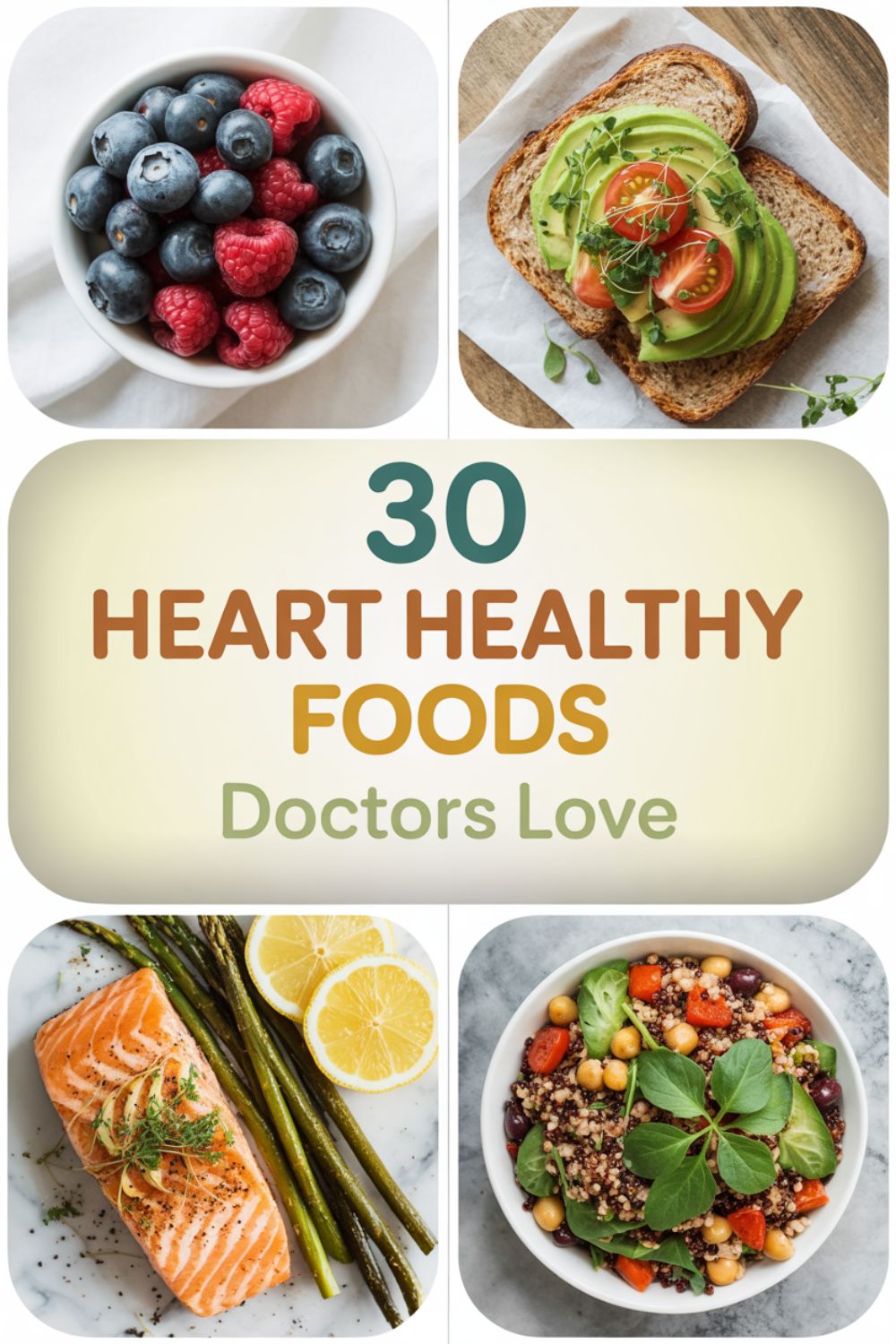
30 Heart Healthy Foods Doctors Love
Your doctor keeps telling you to eat better for your heart, but honestly? Most “heart-healthy” food lists read like a punishment. Kale this, quinoa that, and somehow everything tastes like cardboard. I get it. But here’s the thing—doctors actually eat real food too, and the stuff they reach for to protect their own tickers isn’t nearly as boring as you’d think.
I’ve spent way too much time geeking out over nutrition studies and chatting with cardiologists who actually cook (shocking, I know). Turns out, the foods that genuinely support heart health aren’t exotic superfoods you need a second mortgage to afford. They’re sitting in your grocery store right now, probably on sale.
This isn’t another lecture about giving up everything you love. Instead, think of it as your shopping list for keeping your heart running smoothly without turning mealtime into a chore. These 30 foods show up in doctors’ kitchens for a reason—they work, they taste good, and you won’t need a culinary degree to make them happen.
The Omega-3 Powerhouses That Actually Taste Good
Fatty Fish (The MVPs)
Salmon, mackerel, sardines—yeah, I know sardines sound terrifying, but stay with me. These fish pack omega-3 fatty acids that literally reduce inflammation in your blood vessels. Doctors eat this stuff twice a week minimum, and not because they’re masochists.
I used to think salmon was fancy restaurant territory until I realized you can throw it in a simple air fryer for 12 minutes and call it dinner. Game changer. The American Heart Association recommends at least two servings of fatty fish per week, and honestly, once you nail a decent marinade, you’ll want to eat it more often than that.
30-Day Cholesterol Reset System
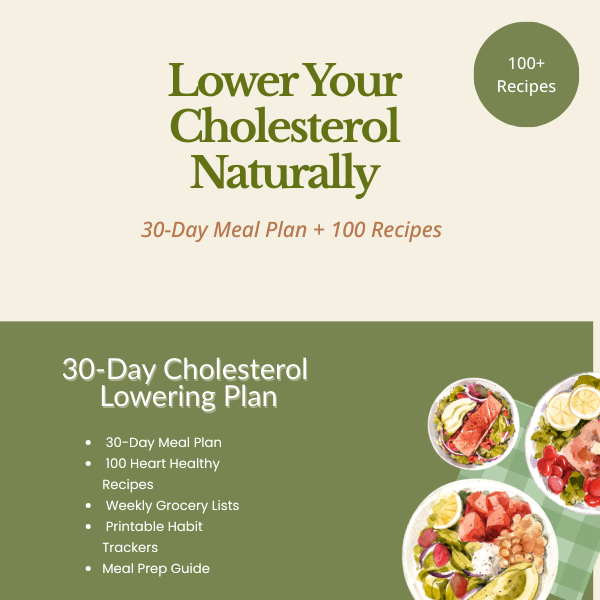
A simple done-for-you plan to help you eat heart-healthy every day without confusion.
Over 1,000 people downloaded this guide
✔ 100 Easy Recipes
✔ Grocery Lists + Meal Prep Guide
🎁 FREE BONUSES:
✔ 7-Day Quick Start Plan
✔ Printable Grocery List
$29 $9
Get Instant AccessWild-caught versus farmed? Look, I’m not going to pretend the debate isn’t real, but any salmon beats no salmon. If you’re on a budget, frozen works beautifully. I keep individually wrapped frozen fillets in my freezer because future-me appreciates past-me’s planning.
Walnuts
These wrinkly little brain-shaped nuts contain more omega-3s than any other nut, which feels almost too on-the-nose. Cardiologists snack on these between patients, and for good reason—they help lower LDL cholesterol (that’s the bad one) without requiring a prescription.
Throw them on salads, blend them into smoothies, or just eat them straight from a glass jar you definitely didn’t mean to finish in one sitting. They’re versatile like that. Just watch your portions because nuts are calorie-dense, and yes, that matters even when they’re healthy.
If you want more ways to work these into meals, check out these low-cholesterol breakfast ideas that incorporate nuts without making breakfast feel like a chore.
Berries That Punch Above Their Weight
Blueberries
Doctors love blueberries because they’re absolutely loaded with antioxidants called anthocyanins. These compounds help prevent oxidative stress in your arteries, which is science-speak for “they keep your blood vessels from getting cranky.”
Fresh is great, frozen is equally great, and anyone who tells you otherwise is lying. I buy frozen in bulk because they’re perfect for smoothies and you don’t have to watch them turn into fuzzy science experiments in your fridge. Plus, they’re flash-frozen at peak ripeness, so nutritionally? You’re golden.
Strawberries and Raspberries
Same anthocyanin magic, different package. These guys also bring fiber to the party, which helps manage cholesterol levels naturally. A cup of strawberries has about 3 grams of fiber, and your digestive system will thank you.
I like keeping a cheap berry slicer around for mornings when I can’t be bothered with a knife. Lazy cooking is still cooking, and these berries deserve to make it onto your oatmeal.
“I started adding a handful of mixed berries to my breakfast every day, and my cholesterol dropped 20 points in three months. My doctor literally did a double-take at my labs.” — Rachel T., community member
The Green Stuff Nobody Wants to Hear About (But Should)
Leafy Greens
Spinach, kale, Swiss chard, collards—pick your fighter. These are loaded with vitamin K, which helps protect your arteries, plus they’re full of nitrates that actually help lower blood pressure. Not the bad kind of nitrates from processed meat; the good kind that your body converts to nitric oxide.
You don’t need to eat them raw in sad desk salads. Sauté them with garlic, blend them into smoothies where you can’t taste them, or sneak them into soups and stews where they basically disappear. I use this ridiculously large salad spinner to wash greens in bulk, then store them with paper towels to keep them fresh all week.
Broccoli
The vegetable everyone pretended to hate as kids but secretly… it’s fine? Broccoli contains sulforaphane, a compound that may help prevent plaque buildup in arteries. It’s also got fiber and a bunch of vitamins that support overall cardiovascular function.
Roast it at high heat until the edges get crispy and slightly charred. Totally different vegetable than the steamed mush from childhood. Trust me on this one.
Whole Grains That Don’t Taste Like Punishment
Oats
Oatmeal gets a bad rap for being boring, but it’s literally been proven to lower cholesterol thanks to beta-glucan, a type of soluble fiber. Doctors eat this stuff religiously, though probably not the instant packets loaded with sugar.
Steel-cut oats have more texture and take longer to digest, which means they keep you full longer. I make a big batch on Sunday in my trusty slow cooker and portion it out for the week. Add berries, nuts, and a drizzle of honey, and suddenly you’ve got something that doesn’t taste like cardboard. Get Full Recipe.
Quinoa
Yeah, yeah, I know—quinoa became the poster child for pretentious health food. But it’s a complete protein, it’s got more fiber than most grains, and it actually helps reduce heart disease risk when you eat it regularly instead of refined carbs.
The trick is rinsing it thoroughly before cooking so it doesn’t taste bitter and soapy. Then treat it like rice—it goes with everything. Mix it into salads, use it as a base for stir-fries, or experiment with these low-cholesterol vegetarian meals that prove plant-based eating doesn’t mean suffering.
Brown Rice and Whole Wheat
The whole grain versions of things you’re already eating. Brown rice has the bran and germ intact, which means more fiber, more nutrients, and better cholesterol management. Same deal with whole wheat bread versus white bread.
Is it groundbreaking? No. Does it make a measurable difference over time? According to every cardiologist ever, yes. Sometimes boring works.
Legumes (AKA the Underrated Heroes)
Lentils, Black Beans, Chickpeas
Beans are stupid cheap, ridiculously nutritious, and packed with both soluble and insoluble fiber. They help lower cholesterol, they’re full of plant-based protein, and they keep you full for hours. Doctors put these in everything from salads to soups to weird experimental brownies (chickpea brownies are actually legit, don’t @ me).
Canned is perfectly fine—just rinse them to reduce sodium. I keep several cans in my pantry at all times because they’re the ultimate “I forgot to meal prep” safety net. Harvard’s School of Public Health confirms that eating legumes regularly can significantly reduce cardiovascular disease risk, so this isn’t just hippie wishful thinking.
For inspiration on working more legumes into your week, these meal prep ideas make bulk cooking actually manageable.
Heart-Healthy Fats (Yes, Fat Can Be Good)
Avocados
The millennial obsession turns out to be medically justified. Avocados are loaded with monounsaturated fats that help raise HDL (good cholesterol) while lowering LDL (bad cholesterol). They’re also full of potassium, which helps manage blood pressure.
The only downside is timing that perfect ripeness window, which lasts approximately 17 minutes. I use one of those avocado savers to keep cut halves from turning brown, though honestly, a little lemon juice works almost as well.
Olive Oil
Extra virgin olive oil is basically liquid gold for your heart. It’s rich in polyphenols and healthy fats that reduce inflammation and improve cholesterol levels. Mediterranean populations have been proving this for centuries, and cardiologists have been paying attention.
Buy the good stuff when you can—it makes a difference in both flavor and nutrient content. I keep mine in a dark glass bottle away from heat because light and temperature degrade the quality fast. Use it for salad dressings, light sautéing, and finishing dishes. Explore more ways to use it in these olive oil-based recipes.
Nuts (All of Them, Really)
Almonds, pecans, pistachios, cashews—every doctor I’ve talked to has a jar of mixed nuts somewhere. They’re full of healthy fats, protein, fiber, and various heart-protective nutrients. Just don’t eat the entire container in one Netflix session (speaking from experience here).
Kitchen Tools That Make Heart-Healthy Cooking Actually Happen
Look, I’m all for eating better, but if your kitchen setup fights you every step of the way, you’re going to order takeout. Here are the things that actually get used in my kitchen, no fancy chef skills required.
Quality Chef’s Knife
One good knife beats a drawer full of dull ones. Chopping vegetables stops being miserable when your knife actually cuts through them instead of squashing them.
Cast Iron Skillet
You can sear fish, roast vegetables, and it lasts forever. Mine belonged to my grandmother and still works better than anything nonstick I’ve ever bought.
Instant Pot or Slow Cooker
For when you want to pretend you meal prepped. Throw ingredients in, walk away, come back to food. It’s basically magic.
Heart-Healthy Meal Plan Template
Digital download that maps out a week of balanced meals with shopping lists. Takes the guesswork out of “what’s for dinner.”
Cholesterol-Tracking App Subscription
Because writing things down in a notebook is cute in theory but never happens. Apps sync with your phone and actually remind you to log your meals.
Online Nutrition Course
Digital course that breaks down heart health without requiring a medical degree to understand. One-time purchase, lifetime access to understand what you’re actually eating.
The Unexpected Players
Dark Chocolate
Yes, really. Dark chocolate (70% cocoa or higher) contains flavonoids that improve blood flow and lower blood pressure. Cardiologists literally prescribe this stuff, though they usually specify the serving size (about 1-2 ounces, not the entire bar).
The darker, the better—both for your heart and for preventing you from eating too much because super dark chocolate is intense. I keep individually wrapped squares around for portion control, though that only works if you have more willpower than I do.
Tomatoes
Loaded with lycopene, an antioxidant that helps prevent LDL cholesterol from oxidizing (which is when it becomes dangerous). Cooked tomatoes actually have more bioavailable lycopene than raw ones, so pasta sauce counts. You’re welcome.
I buy canned tomatoes by the case because they’re picked and processed at peak ripeness, unlike the sad winter tomatoes at the grocery store. They’re perfect for quick sauces, soups, and stews.
Green Tea
The catechins in green tea have been shown to improve cholesterol levels and support healthy blood pressure. Plus it’s got a little caffeine without making you jittery like coffee sometimes does (again, speaking from personal experience).
You don’t need fancy matcha ceremonies. Regular green tea bags work fine. I make a big pitcher of iced green tea weekly and keep it in the fridge. Way better than buying sweetened bottled stuff.
Garlic
Fresh garlic contains allicin, which may help lower blood pressure and cholesterol. It’s also basically free flavor in everything from vegetables to proteins. Doctors throw it in everything, partially for heart health and partially because it makes hospital cafeteria food edible.
Jarred minced garlic is fine for most things, fight me. Life’s too short to mince fresh garlic every single time, and you’ll use more of it if it’s convenient. I keep both—fresh for when it matters, jarred for when it doesn’t.
Fruits That Pull Their Weight
Oranges and Citrus
The vitamin C and flavonoids in citrus fruits help strengthen blood vessels and reduce inflammation. The fiber (especially in the white pith that everyone picks off) helps with cholesterol management too.
Whole fruits beat juice every time because you get the fiber. That said, if squeezing fresh orange juice gets you to drink it, do that. Perfect is the enemy of good enough.
Apples
The soluble fiber in apples (especially the peel) helps reduce cholesterol absorption. There’s actual science behind “an apple a day keeps the doctor away,” though doctors would probably prefer you eat more variety than just apples.
I slice them thin with this weird mandoline thing and pair them with almond butter for snacks. Feels fancy, takes 90 seconds.
Pomegranates
These are annoying to eat but worth it. Pomegranate juice has been shown to reduce arterial plaque and lower blood pressure. The fresh seeds (arils) add a nice crunch and tartness to salads and yogurt.
If fresh pomegranates feel like too much work (they do), buy the pre-separated arils or pure pomegranate juice without added sugar. Your heart won’t know the difference.
Vegetables That Deserve More Credit
Sweet Potatoes
These orange beauties are packed with fiber, potassium, and beta-carotene. They’re naturally sweet, which means you don’t need to add much to make them taste good. Just roast them with olive oil and salt, and you’ve got something that could pass for a side dish at a restaurant.
I bake several at once, then keep them in the fridge for quick meals. They reheat well and work in everything from breakfast bowls to tacos. Way more versatile than regular potatoes, IMO.
Beets
Beets contain nitrates that convert to nitric oxide in your body, which helps lower blood pressure and improve blood flow. They’re also anti-inflammatory and full of antioxidants.
Yes, they turn everything purple. Yes, that’s part of their charm. Roast them, pickle them, or juice them—just get them in there somehow. If you’re looking for more creative ways to use vegetables like these, check out these salads that don’t feel like diet food.
Bell Peppers
Full of vitamin C and antioxidants, bell peppers support heart health without adding hardly any calories. The red ones are sweetest and have the most nutrients, but honestly, any color works.
I keep a jar of roasted red peppers in my fridge at all times. They’re perfect for throwing into sandwiches, salads, or eating straight from the jar at midnight (no judgment here).
The Protein Players
Chicken Breast (Skinless)
Lean protein that doesn’t raise cholesterol like red meat does. Doctors eat chicken regularly because it’s versatile, affordable, and you can prepare it approximately 847 different ways.
The trick to not-dry chicken breast is either brining it first or just not overcooking it. Get a decent meat thermometer and pull it at 165°F, not when it looks like shoe leather. These chicken recipes actually have flavor, I promise.
Turkey
Similar deal to chicken—lean, protein-rich, and heart-friendly. Ground turkey works great as a substitute in recipes that call for ground beef, and you save significant saturated fat in the swap.
Just season it more aggressively than you think you need to. Turkey is mild, which means it needs help in the flavor department. Don’t be shy with the spices.
Tofu and Tempeh
Plant-based proteins that contain isoflavones, which may help lower cholesterol. Tofu takes on whatever flavor you give it, which makes it ridiculously versatile. Tempeh has a nuttier taste and firmer texture.
Press your tofu before cooking to get rid of excess water—it makes a huge difference in texture. I use one of those tofu press contraptions because I’m lazy and they work while I do other things.
Speaking of plant-based options, you might want to explore these vegetarian meals that prove you don’t need meat at every meal.
Seeds Worth Keeping Around
Flaxseeds and Chia Seeds
Both are loaded with omega-3s, fiber, and lignans (antioxidants that support heart health). Ground flaxseed is easier for your body to digest and absorb than whole seeds—your body can’t break down the outer shell effectively.
I keep ground flaxseed in the freezer to prevent it from going rancid (those omega-3s are fragile). Throw it in smoothies, oatmeal, or baked goods. You won’t taste it, but you’ll get the benefits.
Chia seeds gel up when wet, which makes them perfect for puddings or as an egg substitute in baking. Try them in these heart-healthy smoothies for an easy nutrition boost.
Pumpkin Seeds
These little guys are packed with magnesium, zinc, and healthy fats. Magnesium specifically helps regulate blood pressure and supports healthy heart rhythm. Plus they add a nice crunch to salads or roasted vegetables.
Toast them in a dry pan for a few minutes to bring out the flavor. Way better than eating them straight from the bag.
The Smart Swaps Doctors Actually Make
Here’s the thing nobody tells you—you don’t need to overhaul your entire diet overnight. Doctors who maintain healthy hearts long-term make small, sustainable swaps that add up over time.
Swap butter for olive oil when sautéing. Choose whole grain bread instead of white. Snack on nuts instead of chips. Use Greek yogurt instead of sour cream. These aren’t dramatic changes, but they make a measurable difference when you stick with them.
The Mediterranean diet consistently ranks as one of the best eating patterns for heart health, and it’s not because people in Mediterranean countries eat perfectly all the time. It’s because their baseline includes more of these heart-healthy foods naturally. You can check out more about this approach in these long-term wellness recipes.
“I didn’t change everything at once. I started by adding salmon once a week and swapping my afternoon cookie for an apple with almond butter. Six months later, my blood pressure normalized and I’d lost 12 pounds without trying.” — Michael K., community member
The foods on this list work because they address different aspects of heart health—some lower cholesterol, others reduce inflammation, some improve blood pressure, and many do multiple things at once. You don’t need to eat all 30 every week (that would be exhausting). Pick a handful that sound good and actually fit into your life.
For more practical meal planning, these actually delicious meals and repeatable dinners take the guesswork out of weeknight cooking.
Common Questions About Heart-Healthy Eating
Do I really need to eat fish twice a week, or is that just a suggestion?
It’s a strong recommendation backed by decades of research, but you can get similar omega-3 benefits from walnuts, flaxseeds, and chia seeds if you really can’t stand fish. That said, the omega-3s in fish (EPA and DHA) are more readily used by your body than plant-based omega-3s (ALA), which need to be converted first. If you’re eating plant-based, you’ll want to eat more of them to get comparable benefits.
Can I reverse heart disease by eating these foods?
Diet is powerful, but it’s not magic. These foods can help lower cholesterol, reduce blood pressure, and decrease inflammation—all of which support heart health and may slow or partially reverse some types of damage. But they work best alongside other lifestyle factors like exercise, stress management, not smoking, and taking any medications your doctor prescribes. Think of food as one important tool in your toolkit, not the only tool.
Are supplements a good substitute if I don’t like these foods?
Whole foods almost always beat supplements because you’re getting the nutrients in their natural form along with fiber and other beneficial compounds that work together. That said, if you’re deficient in something specific (like omega-3s or vitamin D), supplements can help under a doctor’s guidance. Just don’t use them as an excuse to skip vegetables entirely—your body processes nutrients from food differently and more effectively.
How long before I see results from eating better?
Some changes happen fast—blood pressure can improve within weeks—while others take months. Cholesterol levels typically shift after about 4-6 weeks of consistent dietary changes, which is why doctors retest around that timeline. The longer you stick with it, the more cumulative benefits you’ll see. This isn’t a quick fix situation; it’s about building habits that compound over time.
What’s the single most important food on this list?
There isn’t one—that’s kind of the point. Heart health comes from eating a variety of these foods regularly, not from one superfood that fixes everything. If I had to pick a pattern though, the foods that show up most consistently in successful heart-healthy diets are fatty fish, leafy greens, berries, nuts, and olive oil. Start there if you’re overwhelmed by the full list.
The Bottom Line
Heart-healthy eating doesn’t require you to become a different person who suddenly loves kale smoothies and quinoa bowls (unless that’s your thing, then go wild). It’s about gradually incorporating more of these 30 foods into meals you already make.
The doctors I’ve talked to don’t eat perfectly—they eat strategically. They choose salmon over steak most of the time, they snack on nuts instead of chips, they keep olive oil on hand, and they load up on vegetables wherever they fit. The consistency matters more than perfection.
Start with foods from this list that actually sound good to you. Cook them in ways that match your skill level and schedule. If you mess up a recipe or fall off track for a week, just get back to it. Your heart doesn’t need perfection—it needs you to keep showing up with reasonably good choices more often than not.
And honestly? Once you get used to eating this way, most of these foods stop feeling like “health food” and just become food. The energy levels improve, the labs get better, and you stop feeling like you’re constantly white-knuckling your way through diet restrictions. That’s the real goal here—building a way of eating that supports your heart without making you miserable in the process.
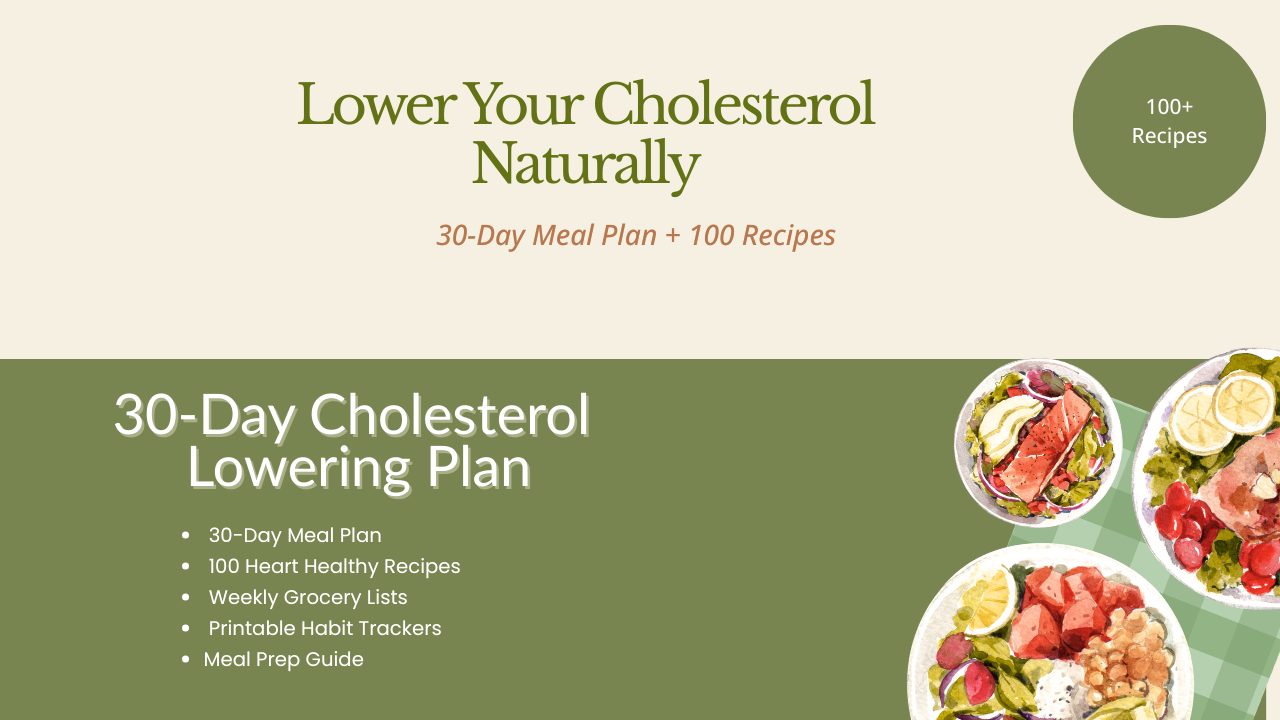
30-Day Cholesterol-Lowering Meal Plan
A simple step-by-step system to help you eat heart-healthy every day without stress.
Over 1,000 people downloaded this guide
$29$9
Get Instant Access


