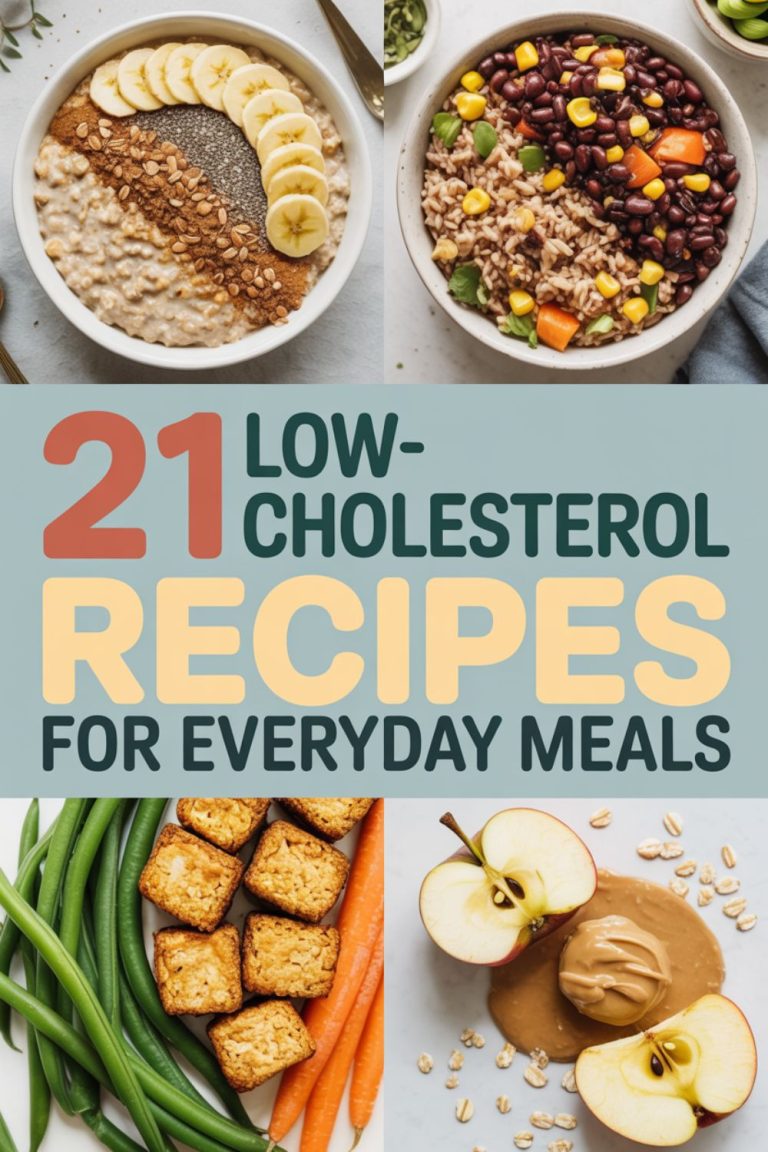

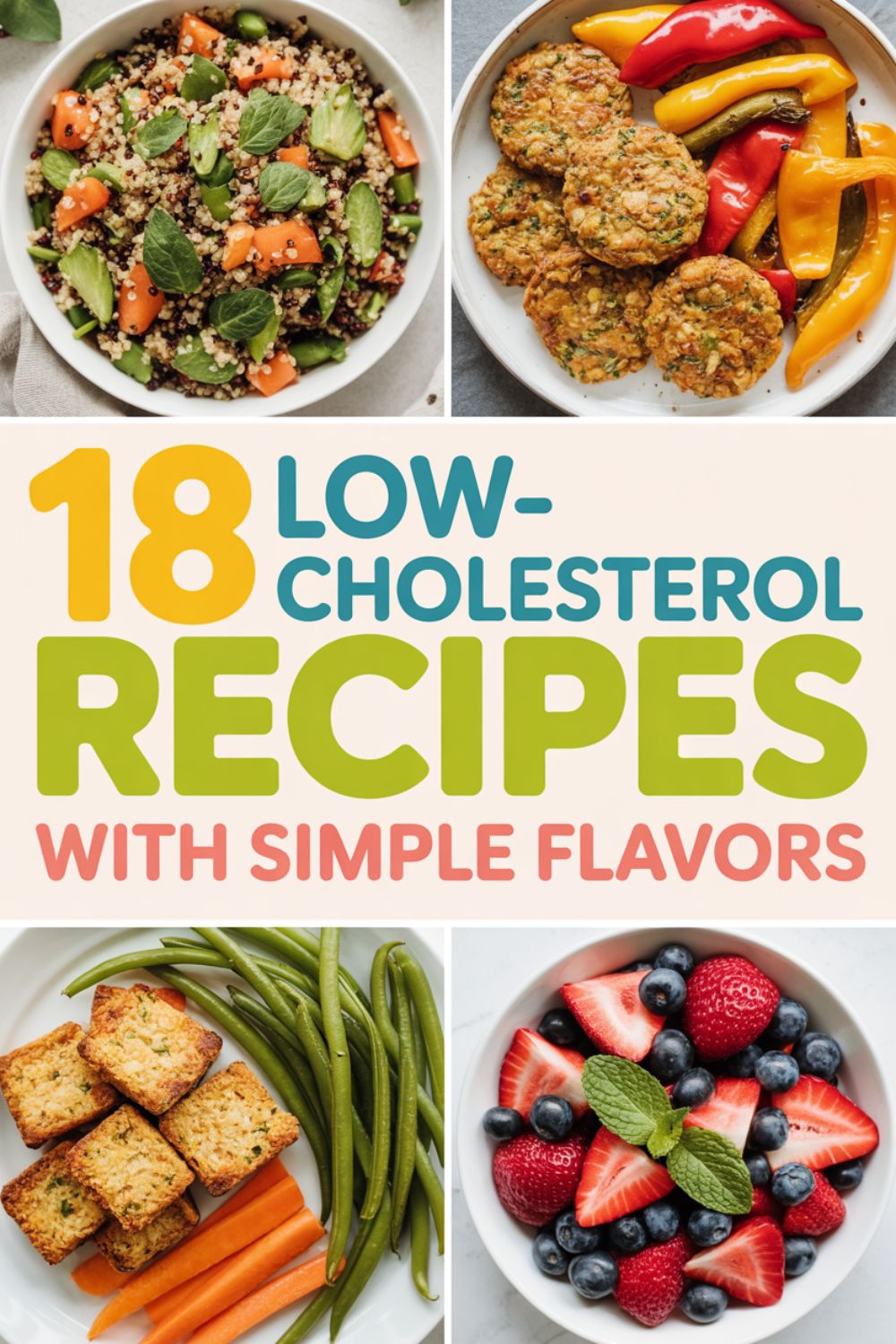
18 Low-Cholesterol Recipes with Simple Flavors
Look, I’m not here to lecture you about cholesterol levels like some stern doctor with a clipboard. But if you’ve been dealing with high cholesterol, you already know that tweaking your diet isn’t optional—it’s kind of necessary. The good news? Low-cholesterol eating doesn’t mean you’re sentenced to a lifetime of boiled chicken and sad steamed vegetables.
I’ve spent years experimenting with recipes that keep my cholesterol in check without making me feel like I’m eating cardboard. And honestly, some of these dishes have become my go-to meals even when I’m not worried about my numbers. They’re just that good.
So let’s talk about 18 recipes that prove you can eat for your heart without sacrificing flavor. These aren’t complicated, chef-level creations that require a culinary degree. They’re real food that real people actually want to eat.
Why Simple Flavors Actually Matter for Heart Health
Here’s something most recipe blogs won’t tell you: when you’re cooking for lower cholesterol, simple flavors aren’t just easier—they’re smarter. Complex sauces and heavy seasonings often hide butter, cream, and other stuff that’ll send your LDL through the roof.
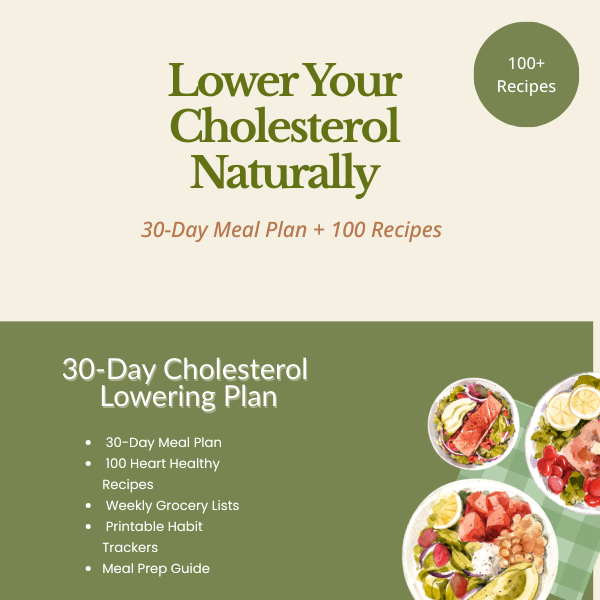
30-Day Cholesterol Reset System
A simple done-for-you plan to help you eat heart-healthy every day without confusion.
Over 1,000 people downloaded this guide
✔ 100 Easy Recipes
✔ Grocery Lists + Meal Prep Guide
🎁 FREE BONUSES:
✔ 7-Day Quick Start Plan
✔ Printable Grocery List
$29 $9
Get Instant AccessWhen you focus on simple, clean flavors, you’re naturally steering toward whole foods. Think grilled vegetables with just olive oil and herbs, or fish seasoned with lemon and garlic. According to Mayo Clinic, choosing foods that improve your cholesterol numbers doesn’t have to be complicated—it’s mostly about swapping saturated fats for healthier options.
I used to think fancy meant better. Then I realized that a perfectly grilled piece of salmon with just sea salt, pepper, and a squeeze of lemon beats any complicated cream sauce. Plus, my arteries thank me.
The Building Blocks of Low-Cholesterol Cooking
Before we dive into specific recipes, let’s talk strategy. Low-cholesterol cooking isn’t about deprivation—it’s about smart substitutions. Instead of heavy cream, I use Greek yogurt. Instead of butter, I reach for extra virgin olive oil (honestly, get yourself a good quality bottle—makes a huge difference).
Lean proteins become your best friends. Chicken breast, turkey, fish, and plant-based proteins like beans and lentils should be your stars. I keep boneless chicken breasts in my freezer at all times because they’re versatile and naturally low in saturated fat.
Stock Your Kitchen Right
Having the right tools makes everything easier. I swear by my cast iron grill pan for getting those beautiful char marks on vegetables and proteins without needing extra oil. And if you don’t have a high-quality non-stick skillet, get one. You’ll use way less fat when cooking, and cleanup is a breeze.
For meal prep, glass storage containers are worth every penny. They don’t stain, they’re microwave-safe, and they make portioning out your low-cholesterol meals super easy. Trust me on this one.
When you’re ready to expand your low-cholesterol recipe collection, check out these 25 low-cholesterol meals that are actually delicious. They’ve become staples in my kitchen rotation.
18 Low-Cholesterol Recipes That Don’t Taste Like Punishment
1. Lemon Herb Grilled Chicken
This is probably my most-made recipe. Marinate chicken breasts in lemon juice, olive oil, garlic, and whatever herbs you have lying around. Let it sit for at least 30 minutes, then grill or bake. The acid from the lemon tenderizes the meat, and you get all that flavor without any saturated fat.
I usually make extra because this chicken works in salads, wraps, or just eaten straight from the fridge at midnight. No judgment. Get Full Recipe
2. Mediterranean Quinoa Salad
Quinoa is one of those superfoods that actually lives up to the hype. It’s got protein, it’s filling, and it plays well with basically any vegetable you throw at it. Toss cooked quinoa with diced cucumbers, tomatoes, red onion, chickpeas, and a simple lemon-olive oil dressing.
I prep a big batch on Sunday and eat it all week. Sometimes I’ll add crumbled feta (the reduced-fat kind), but honestly, it’s great without it too.
3. Baked Salmon with Dill
Salmon gets a lot of love in heart-healthy circles, and for good reason. Those omega-3 fatty acids? They’re the good guys. Season your salmon fillet with salt, pepper, and fresh dill, then bake it at 400°F for about 12-15 minutes.
I use a silicone baking mat for this—no sticking, no scrubbing, no drama. Get Full Recipe
4. Veggie-Packed Turkey Chili
Chili doesn’t need ground beef to be satisfying. Ground turkey works beautifully, and when you load it up with beans, tomatoes, peppers, and onions, you’ve got a fiber-rich, protein-packed meal that’ll keep you full for hours.
The secret? Don’t skimp on the spices. Cumin, chili powder, paprika, and a touch of cocoa powder (yes, really) create depth without adding fat. Make a huge pot and freeze portions for lazy weeknight dinners.
5. Zucchini Noodles with Tomato Basil Sauce
Okay, I was skeptical about zoodles too. But hear me out—they’re actually good when you don’t overcook them. The trick is to salt them first, let them sit for 10 minutes to release excess water, then pat them dry before cooking.
Top with a simple tomato sauce made from crushed tomatoes, fresh basil, and garlic. Use a spiralizer to make quick work of the zucchini—mine paid for itself after three uses.
For more creative vegetable-forward meals, these low-cholesterol vegetarian meals might just become your new favorites. Some of them surprised me with how satisfying they are.
6. Greek Yogurt Chicken Salad
Traditional chicken salad is basically mayonnaise with some chicken mixed in. This version uses plain Greek yogurt instead, and honestly, I like it better. The yogurt gives it a tangy flavor that mayo can’t match, plus you’re getting extra protein.
Mix shredded chicken breast with Greek yogurt, diced celery, red grapes (trust me on this), and a little Dijon mustard. Season with salt, pepper, and a squeeze of lemon. Eat it on whole grain bread, in lettuce wraps, or straight from the bowl. Get Full Recipe
7. Roasted Vegetable Medley
This is less a recipe and more a formula. Take any vegetables you have—bell peppers, broccoli, carrots, Brussels sprouts, whatever—toss them with a little olive oil, salt, and pepper, then roast at 425°F until they’re caramelized and crispy at the edges.
The high heat brings out natural sugars in vegetables and creates this amazing flavor without needing butter or heavy sauces. I make this at least twice a week because it’s foolproof and delicious.
8. Overnight Oats with Berries
Breakfast shouldn’t feel like a chore, especially when you’re trying to eat heart-healthy. Mix rolled oats with unsweetened almond milk, a touch of honey, and whatever berries you have. Let it sit in the fridge overnight.
In the morning, you’ve got a ready-to-eat breakfast that’s high in fiber and completely customizable. I keep mason jars specifically for overnight oats—makes portioning easy and they look cute in the fridge. FYI, this is my go-to when I’m running late.
Looking for more morning inspiration? These breakfast ideas for heart health will keep your mornings interesting without the cholesterol spike.
9. Stuffed Bell Peppers with Turkey and Rice
Classic comfort food that happens to be heart-healthy. Cut bell peppers in half, remove the seeds, and stuff them with a mixture of cooked ground turkey, brown rice, diced tomatoes, and seasonings. Bake until the peppers are tender.
These reheat beautifully, so make extra. I sometimes top them with a sprinkle of reduced-fat cheese in the last 5 minutes of baking, but they’re great without it too.
10. Asian-Inspired Lettuce Wraps
When you’re craving takeout but want to stick to your low-cholesterol goals, these lettuce wraps hit the spot. Cook ground chicken or turkey with garlic, ginger, and a sauce made from low-sodium soy sauce, rice vinegar, and a touch of honey.
Spoon the mixture into butter lettuce leaves and top with shredded carrots and chopped peanuts. The crunch from the lettuce and nuts makes this feel indulgent, even though it’s actually super healthy. Get Full Recipe
11. Lentil Soup with Vegetables
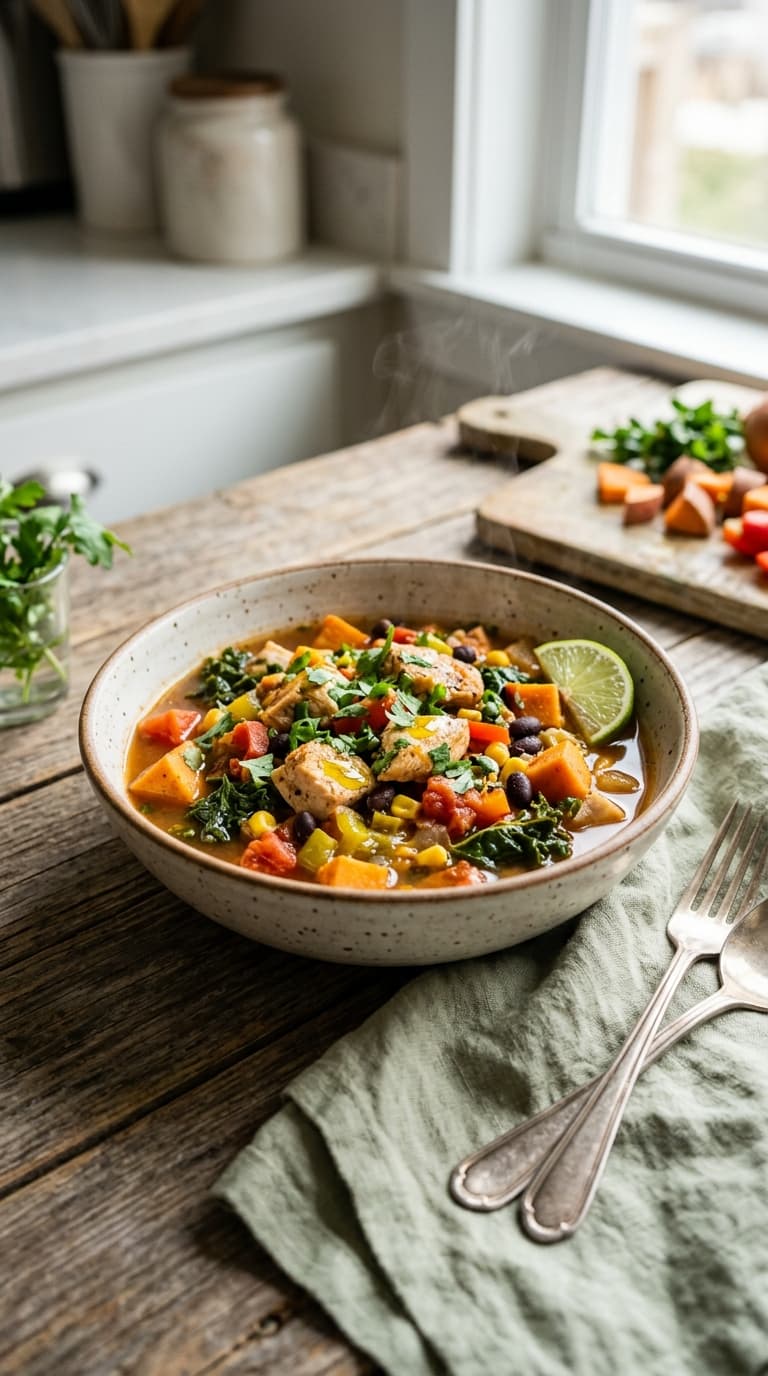
Lentils are criminally underrated. They’re cheap, packed with protein and fiber, and they cook relatively quickly for a legume. This soup is basically lentils, vegetable broth, diced carrots, celery, onions, and whatever seasonings you prefer.
I like mine with a bay leaf and a splash of balsamic vinegar at the end. It’s warm, filling, and your cholesterol levels won’t even know what hit them (in the best way). Speaking of soups, if you’re into that cozy vibe, check out these low-cholesterol soups and stews—perfect for meal prep too.
12. Grilled Veggie Skewers
Thread chunks of zucchini, bell peppers, mushrooms, and cherry tomatoes onto skewers. Brush with olive oil and season with your favorite herbs. Grill until charred and tender.
These are perfect for summer cookouts, and honestly, they’re pretty enough to serve to guests. I use metal skewers instead of wooden ones—they’re reusable and conduct heat to cook vegetables from the inside out.
13. Chickpea Curry
Canned chickpeas are a weeknight hero. Sauté onions and garlic, add curry powder (or garam masala if you want to get fancy), then dump in chickpeas, diced tomatoes, and a can of light coconut milk. Simmer until thick.
Serve over brown rice or cauliflower rice. The whole thing comes together in about 25 minutes, and it tastes like you spent way more time on it. Plus, leftovers are even better the next day.
14. Baked Cod with Herbs
Cod is mild, affordable, and cooks in about 10 minutes. Season with lemon, fresh herbs, and a drizzle of olive oil. Bake at 400°F until the fish flakes easily with a fork.
I serve this with roasted vegetables and call it dinner. It’s one of those recipes that feels fancy but is actually ridiculously simple. Get Full Recipe
15. Spinach and Mushroom Egg White Omelet
Egg whites get a bad rap for being boring, but when you load them with sautéed spinach and mushrooms, they’re actually pretty satisfying. Use a non-stick omelet pan to make flipping easier.
I cook the vegetables first in a tiny bit of olive oil, then pour in the egg whites and let them set. Fold it over and you’ve got a protein-packed breakfast that won’t mess with your cholesterol numbers.
16. Black Bean Tacos
Taco night doesn’t have to involve ground beef. Black beans seasoned with cumin, chili powder, and a squeeze of lime make an excellent filling. Load up corn tortillas with the beans, shredded lettuce, diced tomatoes, and a dollop of Greek yogurt (instead of sour cream).
Top with fresh cilantro and hot sauce. These tacos are so good that even non-vegetarians won’t miss the meat. Want more taco inspiration? These low-cholesterol dinners include several variations worth trying.
17. Cauliflower Rice Stir-Fry
Cauliflower rice has come a long way. You can buy it pre-riced (major time-saver) or make your own with a food processor. Stir-fry it with whatever vegetables you have, some garlic, ginger, and low-sodium soy sauce.
Add some scrambled egg whites or cubed tofu for protein. It’s a lighter alternative to regular fried rice but still hits that savory, satisfying spot. IMO, this tastes better than takeout.
18. Apple Cinnamon Baked Oatmeal
This is basically a healthy dessert disguised as breakfast. Mix rolled oats with unsweetened applesauce, cinnamon, a touch of maple syrup, and diced apples. Bake in a square baking dish until set.
Cut it into squares and you’ve got grab-and-go breakfast for the week. It reheats beautifully and satisfies any sweet tooth without the cholesterol hit from pastries or muffins. Get Full Recipe
Making Low-Cholesterol Eating Stick
Look, I could give you a hundred recipes, but if you don’t have a system, you’ll fall back into old habits. Here’s what actually works: meal prep. I know, I know—it sounds boring. But spending two hours on Sunday chopping vegetables and cooking proteins means you’ll actually stick to your low-cholesterol plan during the week.
Batch cooking is your friend. Make big portions of soups, chilis, and grain salads. Store them in individual portions so you can just grab and go. Research shows that having healthy options readily available makes you way more likely to choose them over takeout or processed foods.
And here’s something nobody talks about: you don’t have to be perfect. Had a slice of pizza at a party? Cool, move on. The goal isn’t zero-cholesterol perfection—it’s consistently making better choices most of the time. According to the American Heart Association, sustainable dietary changes that you can maintain long-term are more effective than short-term restrictive diets.
If you’re looking to expand your meal rotation even further, these meal prep ideas are practical and actually taste good reheated. Game-changer for busy weeks.
The Substitution Game
Once you get comfortable with these recipes, start experimenting with substitutions. Swap chicken for tofu, use different vegetables based on what’s in season, try different herbs and spices. The basic formulas stay the same—lean protein plus vegetables plus healthy fats equals low-cholesterol meal.
Greek yogurt can replace sour cream or mayo in almost any recipe. Mashed avocado works as a butter substitute in baking (I was skeptical too, but it works). Unsweetened applesauce can replace oil in many baked goods. These swaps become second nature after a while.
Don’t be afraid to make mistakes. I’ve definitely created some disasters in the kitchen while trying to “healthify” recipes. But I’ve also discovered combinations I never would have tried otherwise. The learning process is part of the fun.
Eating Out with High Cholesterol
Let’s be real—you’re not going to cook every single meal. When eating out, look for menu items that are grilled, baked, or steamed rather than fried. Ask for sauces on the side. Choose fish or chicken over red meat. Skip the cheese and bacon toppings.
Most restaurants will accommodate requests like “can I get that without butter?” or “can you cook this in olive oil instead?” Don’t be shy about asking. Your health is more important than worrying about being a pain to the kitchen.
And sometimes, you just want the burger. That’s okay too. One meal isn’t going to derail your progress. It’s the overall pattern of eating that matters.
Want more options for those super busy days? Check out these lazy low-cholesterol meals—because sometimes you need dinner but have zero energy.
Frequently Asked Questions
Do I really need to give up all my favorite foods for low cholesterol?
Absolutely not. Low-cholesterol eating is about making smarter swaps, not total deprivation. You can still enjoy most of your favorite dishes with a few modifications—Greek yogurt instead of sour cream, lean proteins instead of fatty cuts of meat, grilled instead of fried. The goal is progress, not perfection.
How long does it take to see cholesterol levels improve with diet changes?
Most people start seeing changes in their cholesterol levels within 3-6 months of consistent dietary changes. However, everyone’s body responds differently, and genetics play a role too. Regular check-ups with your doctor will help you track your progress and adjust your approach as needed.
Can I still eat eggs if I’m watching my cholesterol?
Yes, but with some modifications. Egg whites are cholesterol-free and packed with protein, so they’re a great option. If you want the whole egg, most doctors now agree that eating one whole egg occasionally is fine for most people. The bigger concern is limiting saturated and trans fats, which have a more significant impact on blood cholesterol than dietary cholesterol itself.
Are frozen vegetables as good as fresh for low-cholesterol cooking?
Absolutely. Frozen vegetables are often flash-frozen at peak ripeness, which locks in nutrients. They’re convenient, affordable, and just as nutritious as fresh—sometimes even more so if your “fresh” produce has been sitting around for days. Keep your freezer stocked with frozen vegetables for easy low-cholesterol meals anytime.
What’s the single most important change I can make to lower cholesterol through diet?
If I had to pick one change, it would be replacing saturated fats with healthier unsaturated fats. Swap butter for olive oil, choose lean proteins over fatty meats, and add more plant-based meals to your rotation. This single shift addresses the biggest dietary contributor to high cholesterol and makes a real difference in your numbers.
The Bottom Line
Managing cholesterol through diet doesn’t mean you’re signing up for bland, boring food. These 18 recipes prove you can eat delicious, satisfying meals that also happen to be heart-healthy. The key is finding recipes you actually enjoy and making them part of your regular rotation.
Start with a few recipes that sound appealing, give them a try, and see what works for you. Not every recipe will be a winner for your taste buds, and that’s fine. The goal is to build a collection of go-to meals that you look forward to eating while supporting your heart health.
Your cholesterol numbers didn’t get high overnight, and they won’t drop overnight either. But with consistent effort and smart food choices, you can make real progress. These simple, flavorful recipes are a solid foundation for that journey.
Now stop reading and start cooking. Your heart will thank you.
30-Day Cholesterol-Lowering Meal Plan
A simple step-by-step system to help you eat heart-healthy every day without stress.
Over 1,000 people downloaded this guide
$29$9
Get Instant Access