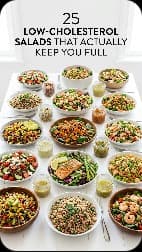

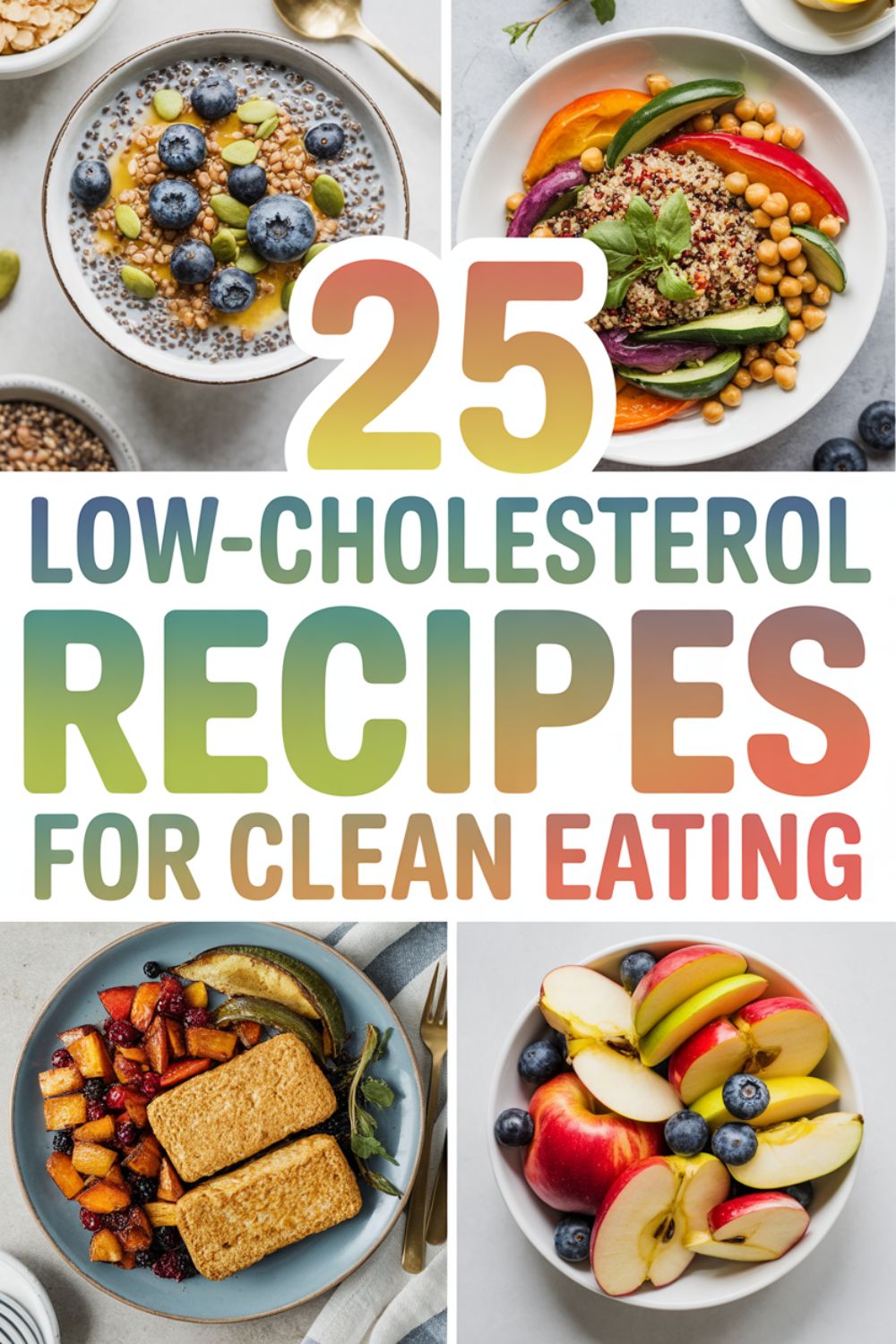
25 Low-Cholesterol Recipes for Clean Eating
Your doctor just said the C-word—cholesterol—and suddenly you’re staring at your breakfast wondering if eggs are now your enemy. Here’s the thing: eating low-cholesterol doesn’t mean choking down plain chicken breast and steamed broccoli for the rest of your life. Actually, it’s the opposite.
I’ve spent the better part of three years figuring out how to eat food that actually tastes good while keeping my numbers in check. And guess what? It’s not about deprivation. It’s about getting creative with ingredients that work with your body, not against it. These 25 recipes prove you can eat clean, feel satisfied, and yes—even enjoy dessert.
Why Low-Cholesterol Eating Isn’t What You Think
Let me clear something up right away. When people hear “low-cholesterol diet,” they imagine sad salads and flavorless meals. That couldn’t be further from reality. According to Mayo Clinic, the most effective dietary changes focus on replacing saturated fats with healthier options and adding fiber-rich plant foods—not eliminating everything you love.
Research from Harvard Health shows that soluble fiber, found in foods like oats and beans, actually binds to cholesterol in your digestive system and escorts it out before it enters your bloodstream. That’s not restriction—that’s smart eating.
Think of it this way: you’re not on a diet. You’re just switching teams. Instead of foods that spike your LDL, you’re choosing ingredients that naturally support your heart. And honestly? Once you know which foods to lean into, the rest falls into place.
The Building Blocks of Low-Cholesterol Cooking
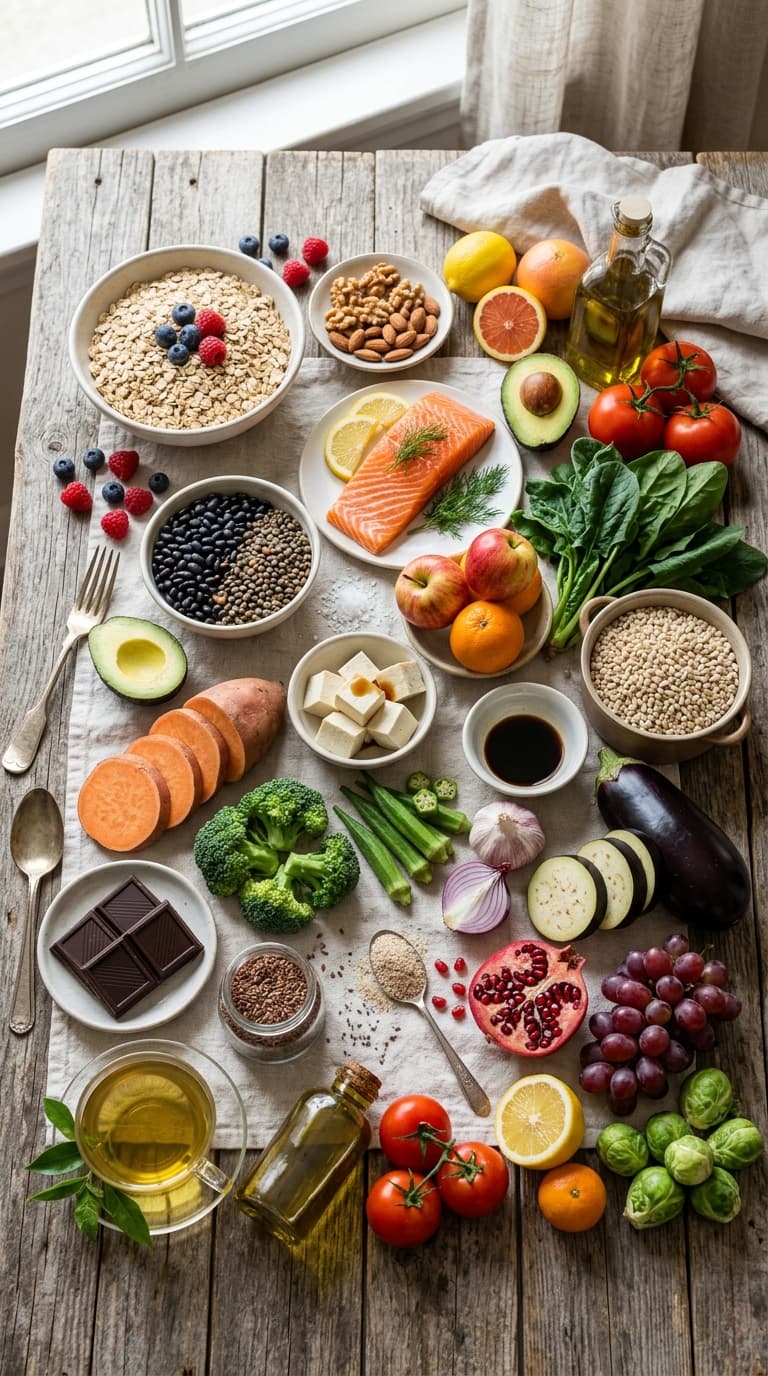
Before we jump into recipes, let’s talk ingredients. The stuff that’s going to become your kitchen MVPs. I’m talking about oats, fatty fish, nuts, beans, and loads of colorful vegetables. These aren’t just “healthy”—they’re legitimately delicious when you know how to use them.
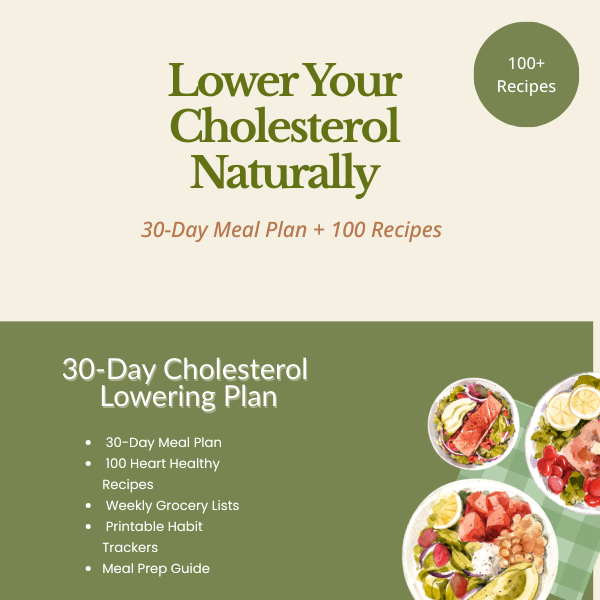
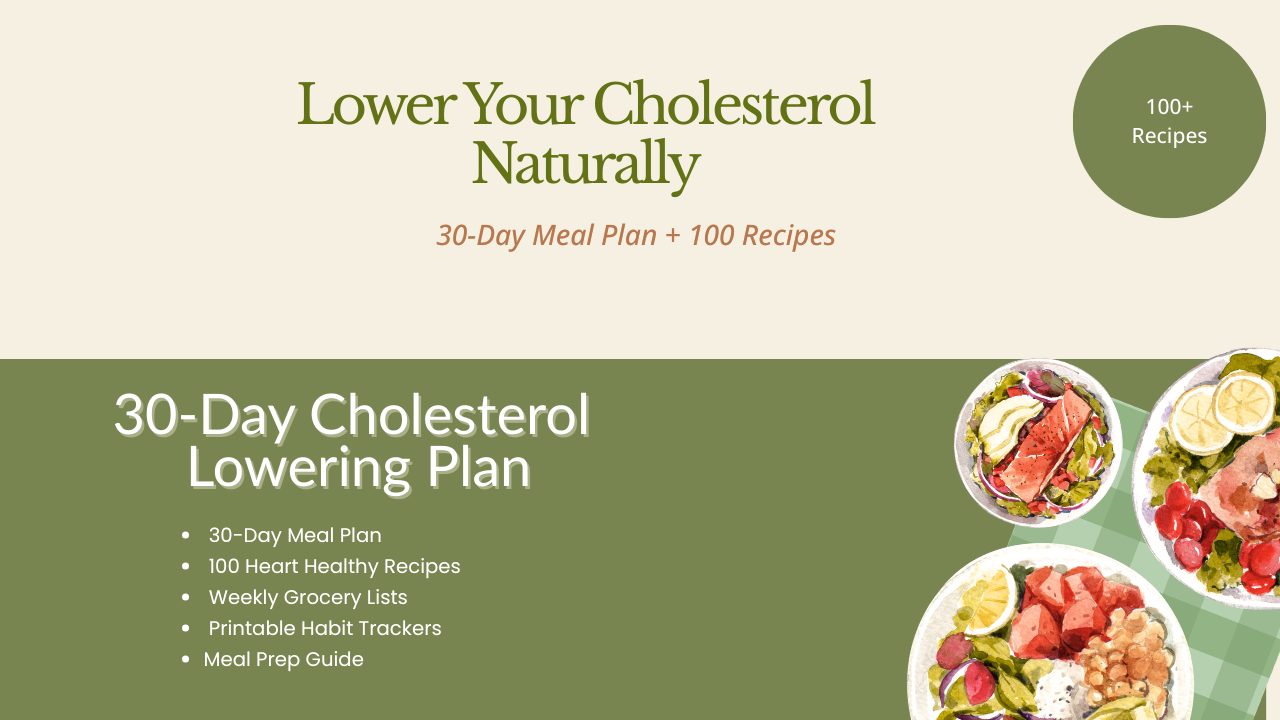
30-Day Cholesterol Reset System
A simple done-for-you plan to help you eat heart-healthy every day without confusion.
Over 1,000 people downloaded this guide
✔ 100 Easy Recipes
✔ Grocery Lists + Meal Prep Guide
🎁 FREE BONUSES:
✔ 7-Day Quick Start Plan
✔ Printable Grocery List
$29 $9
Get Instant AccessHealthy Fats Are Your Friends
Yep, you read that right. Fat isn’t the enemy. Saturated fat and trans fats? Those are the troublemakers. But monounsaturated fats from olive oil, avocados, and nuts? They’re actually proven to lower LDL cholesterol while keeping your HDL (the good kind) stable.
I keep a good bottle of extra virgin olive oil on my counter at all times—it’s my go-to for everything from salad dressings to sautéing vegetables. And if you’re not already using an avocado slicer tool, you’re missing out on perfectly uniform slices every single time.
Fiber Is the Unsung Hero
Soluble fiber is like a cleanup crew for your digestive system. It grabs onto bile acids (which contain cholesterol) and removes them from your body. You want to aim for 10 to 25 grams per day, and trust me—once you start loading up on foods that naturally lower cholesterol, you’ll hit that number without even trying.
Oats are probably the easiest way to get your fiber fix in the morning. Throw them in a mason jar with some almond milk and chia seeds the night before, and boom—overnight oats that require zero morning brain power. If you want more breakfast inspo, check out these low-cholesterol breakfast ideas that’ll actually keep you full until lunch.
Lean Proteins Without the Boredom
Chicken breast gets a bad rap for being dry and boring, but that’s only because most people overcook it. The trick? Get yourself a meat thermometer and pull it off the heat at 165°F. Game changer.
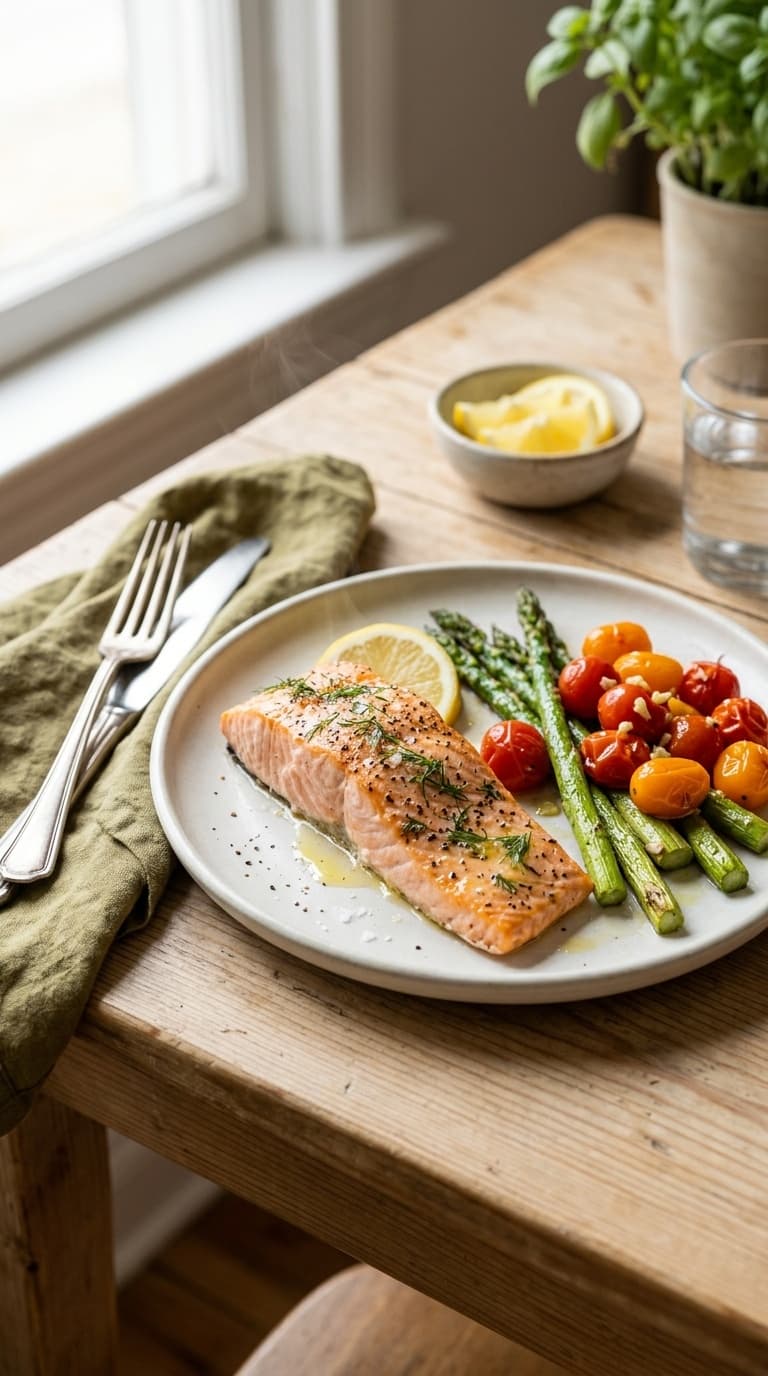
But honestly, fish should be your star player here. Salmon, mackerel, and sardines are loaded with omega-3 fatty acids that actively reduce triglycerides and inflammation. I try to eat fish at least twice a week, and I’ve found that a fish spatula makes flipping delicate fillets so much easier—no more kitchen disasters.
Speaking of fish, these low-cholesterol chicken recipes prove that poultry doesn’t have to be bland. And if you’re looking for plant-based options, these vegetarian meals are next-level good.
25 Recipes That’ll Actually Make You Excited to Cook
Alright, let’s get to the good stuff. These recipes aren’t just low-cholesterol—they’re legitimately crave-worthy. I’m talking about meals you’ll make on repeat because they’re that good.
Breakfast Options That Don’t Suck
Morning meals set the tone for your entire day, so why start with something sad? A big bowl of oatmeal topped with berries and walnuts gives you fiber, antioxidants, and healthy fats all in one shot. Get Full Recipe.
Or try a veggie-packed egg white scramble with spinach, tomatoes, and a sprinkle of nutritional yeast for that cheesy flavor without the saturated fat. Add some whole grain toast and you’re golden. Get Full Recipe.
If you’re more of a smoothie person, blend up frozen berries, banana, spinach, and a scoop of ground flaxseed with unsweetened almond milk. Throw it in a to-go smoothie cup and you’ve got breakfast in the car. For more blended options, these smoothies and juices are ridiculously refreshing.
“I started making overnight oats every Sunday and honestly it’s changed my mornings. Down 12 pounds in two months and my cholesterol dropped 20 points. My doctor was shocked.” — Rachel M., community member
Lunches That Keep You Full
The worst thing you can do is eat a lunch that leaves you starving by 3 PM. That’s when the vending machine starts looking way too appealing. Instead, build your midday meal around protein, fiber, and healthy fats.
A quinoa bowl with roasted chickpeas, cucumber, cherry tomatoes, and tahini dressing is my go-to when I want something filling but light. Get Full Recipe. Quinoa is a complete protein, which means it contains all nine essential amino acids. Pair that with the fiber from chickpeas and you’ve got staying power.
Another favorite is grilled salmon over mixed greens with avocado, pumpkin seeds, and a lemon-olive oil vinaigrette. Simple, satisfying, and ready in 15 minutes. Get Full Recipe.
Need more lunchbox ideas? These low-cholesterol lunches are perfect for meal prep, and if you’re short on time, these 10-minute options will save your sanity.
Dinner Wins
Dinner is where you can really get creative. This is the meal where you can slow down, actually cook, and enjoy the process. Or, if you’re like me most weeknights, throw everything on one pan and call it a win.
One of my all-time favorites is baked cod with lemon and herbs alongside roasted Brussels sprouts and sweet potato wedges. Everything goes on a sheet pan, into the oven at 400°F, and you’ve got dinner in 25 minutes with minimal cleanup. Get Full Recipe.
Or try turkey and vegetable stir-fry with brown rice. Ground turkey is lean, affordable, and takes on whatever flavors you throw at it. I like using a wok for this because it gets everything perfectly crispy without needing a ton of oil. Get Full Recipe.
And listen—if you’re craving pasta, you can absolutely have it. Just swap regular noodles for whole wheat or chickpea pasta and load up the sauce with vegetables. Whole wheat spaghetti with marinara, zucchini, and white beans is comfort food that won’t wreck your numbers. Get Full Recipe.
For even more dinner inspiration, check out these low-cholesterol dinners you’ll want on repeat. And if you need something ultra-easy, these one-pan meals are perfect for lazy nights.
Snacks That Don’t Spike Your Numbers
Snacking is where a lot of people fall off the wagon. You get hungry, you grab whatever’s easiest, and suddenly you’re three cookies deep wondering how it happened. The fix? Have good options ready to go.
Raw almonds are my desk drawer staple. They’re portable, shelf-stable, and genuinely filling. Just measure out a 1.5-ounce portion (about a small handful) because nuts are calorie-dense. A mini snack container makes portioning stupid easy.
I also love apple slices with almond butter. The combination of fiber from the apple and healthy fats from the nut butter keeps your blood sugar stable and your hunger at bay. Get Full Recipe.
And if you want something more substantial, hummus with carrot and celery sticks is crunchy, satisfying, and packed with fiber. Making your own hummus in a food processor takes five minutes and tastes infinitely better than store-bought. Get Full Recipe.
For a full rundown of smart snacking, these low-cholesterol snacks have you covered.
Yes, You Can Have Dessert
This is the part where I tell you that dessert doesn’t have to be off-limits. In fact, dark chocolate (the good stuff with at least 70% cocoa) contains flavonoids that may actually help lower LDL cholesterol. So yeah, a couple squares after dinner? Totally fine.
But if you want something more elaborate, try baked apples stuffed with oats, cinnamon, and walnuts. It tastes like apple pie but without all the butter and sugar. Get Full Recipe.
Or make chia seed pudding with unsweetened coconut milk, vanilla extract, and fresh berries. Mix it up in a set of glass jars, let it sit overnight, and you’ve got dessert (or breakfast, honestly) ready to go. Get Full Recipe.
And if you’re looking for more sweet options that won’t tank your progress, these low-cholesterol desserts are legitimately delicious.
Meal Prep Like You Actually Mean It
Here’s a truth bomb: you’re way more likely to stick with clean eating if you’re not making decisions when you’re already starving. That’s where meal prep comes in, and no—it doesn’t have to consume your entire Sunday.
The Two-Hour Power Prep
Set aside two hours on the weekend. Put on a podcast, pour yourself some tea, and knock out the bulk of your cooking for the week. Here’s my system:
- Cook your grains: Make a big batch of brown rice or quinoa. Store it in the fridge and use it throughout the week in bowls, stir-fries, or as a side dish.
- Prep your proteins: Bake or grill several chicken breasts, hard boil a dozen eggs, or cook a pound of ground turkey with taco seasoning.
- Chop your vegetables: Wash and chop everything you’ll need—bell peppers, broccoli, carrots, whatever. Store them in airtight containers so they’re grab-and-go ready.
- Make one big batch meal: Something like soup, chili, or a casserole that you can portion out and reheat. These soups and stews are perfect for this.
For a complete game plan, check out these meal prep ideas that make the whole process painless.
“I was so skeptical about meal prep but it’s honestly the only reason I’ve been able to stick with this. My cholesterol’s down 35 points in four months and I actually have energy now.” — David L., community member
Freezer-Friendly Favorites
Not everything needs to be eaten within five days. Some meals actually freeze beautifully, which means you can batch-cook and have a stash of ready-made dinners for those nights when cooking feels impossible.
Vegetable and bean soups freeze like a dream. Make a double batch, portion it into freezer-safe containers, and you’ve got healthy meals on standby. Same goes for turkey chili and lentil curry. Get Full Recipe.
Even things like whole grain muffins can be frozen individually and pulled out as needed for breakfast or snacks. For more freezer-friendly options, these freezer meals are clutch.
Common Mistakes (That I Definitely Made)
Let me save you some trouble by sharing what not to do. I learned these lessons the hard way, so you don’t have to.
Going Too Hard Too Fast
When I first got my cholesterol results, I went full-on health warrior overnight. Threw out everything in my pantry, bought a bunch of ingredients I’d never heard of, and tried to eat perfectly 100% of the time. I lasted exactly four days before I cracked and ate an entire sleeve of cookies.
The better approach? Make small swaps gradually. Start by replacing butter with olive oil. Swap white rice for brown rice. Add one extra serving of vegetables to your dinner plate. These tiny changes add up way faster than you’d think.
Forgetting That Food Should Taste Good
If you’re eating food you hate, you’re not going to stick with it. Period. That’s why seasoning matters so much. Invest in some quality spices and herbs—garlic powder, smoked paprika, cumin, oregano, fresh basil. These are what make the difference between bland chicken and chicken you’re actually excited to eat.
A spice rack organizer changed my life because now I can actually see what I have instead of digging through a chaotic cabinet. Small thing, big impact.
Not Reading Labels
Here’s something sneaky: just because something says “low-fat” doesn’t mean it’s good for your cholesterol. Food manufacturers often replace fat with sugar and sodium to keep things tasting decent. Always flip that package over and check the saturated fat content per serving.
According to the National Heart, Lung, and Blood Institute, you want to keep saturated fat to less than 7% of your daily calories. For most people, that’s about 15 grams per day max.
What About Eating Out?
You don’t have to become a hermit just because you’re watching your cholesterol. Restaurants can absolutely work—you just need to know what to look for.
At Mexican restaurants, skip the cheese-laden quesadillas and go for grilled fish tacos with lots of veggies. Ask for black beans instead of refried, and load up on the salsa and guacamole.
At Italian spots, marinara-based sauces are your friend. Avoid anything with cream or excessive cheese. A simple dish of whole wheat pasta with marinara, garlic, and vegetables is perfect. Add grilled chicken or shrimp if you want more protein.
At Asian restaurants, stir-fries are usually a safe bet as long as you ask them to go light on the oil. Choose brown rice if it’s available, and load up on vegetables. Sushi is another great option—stick with salmon, tuna, or vegetable rolls.
The key is to not be shy about asking for modifications. Most restaurants are happy to accommodate if you’re polite about it. “Could I get that grilled instead of fried?” and “Can you use olive oil instead of butter?” are totally reasonable requests.
Your Questions Answered
Can I eat eggs if I’m watching my cholesterol?
Yes, but with some nuance. Dietary cholesterol (the kind in eggs) has less impact on blood cholesterol than previously thought. The bigger issue is saturated fat. Egg whites are totally fine to eat without limits—they’re pure protein. Whole eggs? The American Heart Association suggests limiting them to about 4-5 per week if you have high cholesterol, but talk to your doctor for personalized advice.
How long does it take to see results from changing my diet?
Most people start seeing changes in their cholesterol levels within 4-6 weeks of consistent dietary changes. Some see improvements even sooner. The key word here is “consistent”—you can’t eat well for three days, check your levels, and expect magic. Give it at least a month of genuinely sticking to better choices before you retest.
Do I have to give up cheese completely?
Nope. You just need to be strategic about it. Full-fat cheese is high in saturated fat, which raises LDL cholesterol. But you can still enjoy it in small amounts—think of it as a flavor accent rather than the main event. Use sharp varieties so a little goes a long way, or switch to part-skim options like mozzarella. Better yet, nutritional yeast gives you that cheesy flavor without any saturated fat at all.
Are plant-based meat alternatives better for cholesterol?
It depends on the product. Plant-based meats typically have zero cholesterol (since cholesterol only comes from animal products), which is good. But many are highly processed and loaded with saturated fat from coconut or palm oil, which can still raise your cholesterol. Read the nutrition label—if the saturated fat is more than 2 grams per serving, maybe skip it.
What’s the single most effective food for lowering cholesterol?
There isn’t one magic food, but if I had to pick a superstar, it’s oats. They contain beta-glucan, a type of soluble fiber that’s been proven in multiple studies to significantly reduce LDL cholesterol. Just a bowl of oatmeal a day can make a measurable difference over time. That said, variety matters—eating a range of fiber-rich plant foods is going to give you the best results.
The Bottom Line
Here’s what I want you to take away from all this: eating for lower cholesterol isn’t about punishment or restriction. It’s about addition. You’re adding more vegetables, more fiber, more healthy fats, more variety. Yes, you’re also scaling back on saturated fat and processed junk, but that’s almost a side effect of filling your plate with better stuff.
The recipes I’ve shared here aren’t special occasion meals or things you’ll make once and forget about. They’re practical, everyday food that happens to be good for your heart. They’re meals you’ll actually want to eat, which—let’s be honest—is the whole point. If the food sucks, you’re not going to stick with it. Period.
Start small if you need to. Swap one meal a day. Try two or three new recipes this week. Get comfortable with cooking more at home. And most importantly, give yourself some grace when you slip up, because you will. Everyone does. The goal isn’t perfection—it’s progress.
Your cholesterol numbers are important, but they’re not the whole story. How you feel, how much energy you have, how well you sleep—all of that matters too. And the beautiful thing about eating this way is that you’re probably going to notice improvements across the board, not just in your lab results.
So yeah—grab that chef’s knife, stock your pantry with the good stuff, and start cooking. Your heart (and your taste buds) will thank you.
30-Day Cholesterol-Lowering Meal Plan
A simple step-by-step system to help you eat heart-healthy every day without stress.
Over 1,000 people downloaded this guide
$29$9
Get Instant Access