
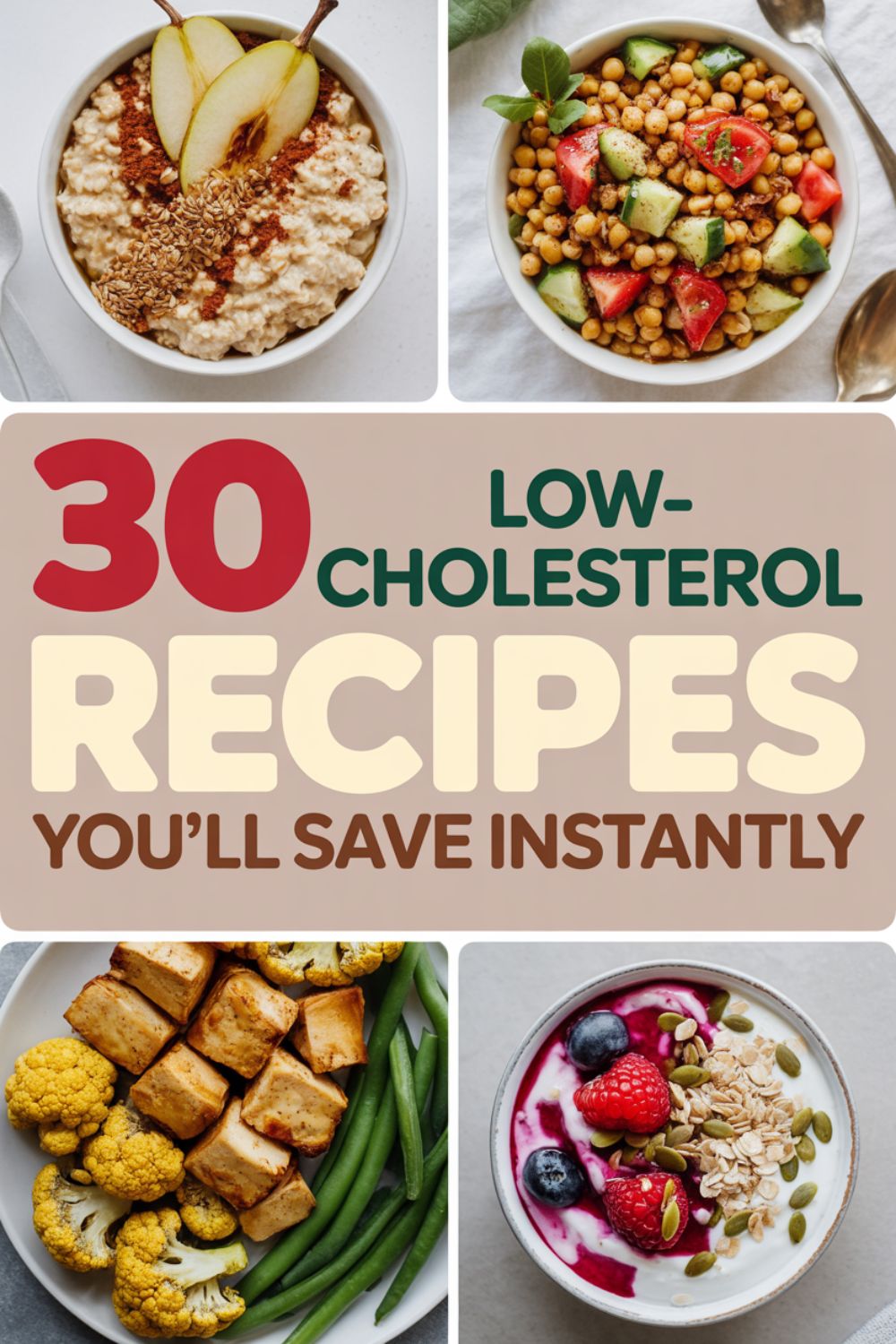
30 Low-Cholesterol Recipes You’ll Save Instantly
Look, I get it. Your doctor mentioned cholesterol at your last checkup, and suddenly you’re wondering if you’ll spend the rest of your life eating plain chicken breast and sad steamed broccoli. Spoiler alert: you won’t.
I’ve spent the better part of two years testing low-cholesterol recipes that don’t taste like cardboard, and I’ve finally cracked the code. These 30 recipes are the ones I actually make on repeat—not the ones that sound good on paper but end up in the “never again” pile.
We’re talking about meals with flavor, texture, and that satisfied feeling you get when you push back from the table. No rabbit food, no boring Buddha bowls that leave you hungry an hour later, and definitely no recipes that require seventeen ingredients you’ll never use again.
Why Low-Cholesterol Eating Doesn’t Have to Suck
Here’s the thing about cholesterol that nobody tells you: it’s not just about what you avoid—it’s about what you add to your plate. Yeah, cutting back on saturated fats helps, but loading up on fiber, omega-3s, and plant sterols? That’s where the magic happens.
I learned this the hard way after weeks of making myself miserable with restrictive eating. Turns out, when you focus on adding good stuff instead of obsessing over what you can’t have, the whole thing becomes way more sustainable. Plus, you actually enjoy your meals, which—hot take—is kind of important for sticking with it long-term.
The recipes I’m sharing here lean heavily on whole grains, lean proteins, and tons of vegetables, but they’re built around flavor first. Because what’s the point of heart-healthy eating if you’re fantasizing about drive-thru burgers by day three?
The Breakfast Winners That Keep You Full
Breakfast used to be my downfall. I’d grab whatever was fastest, which usually meant something loaded with butter or cream cheese, and then wonder why my energy crashed before lunch. These low-cholesterol breakfast options changed that entire game.
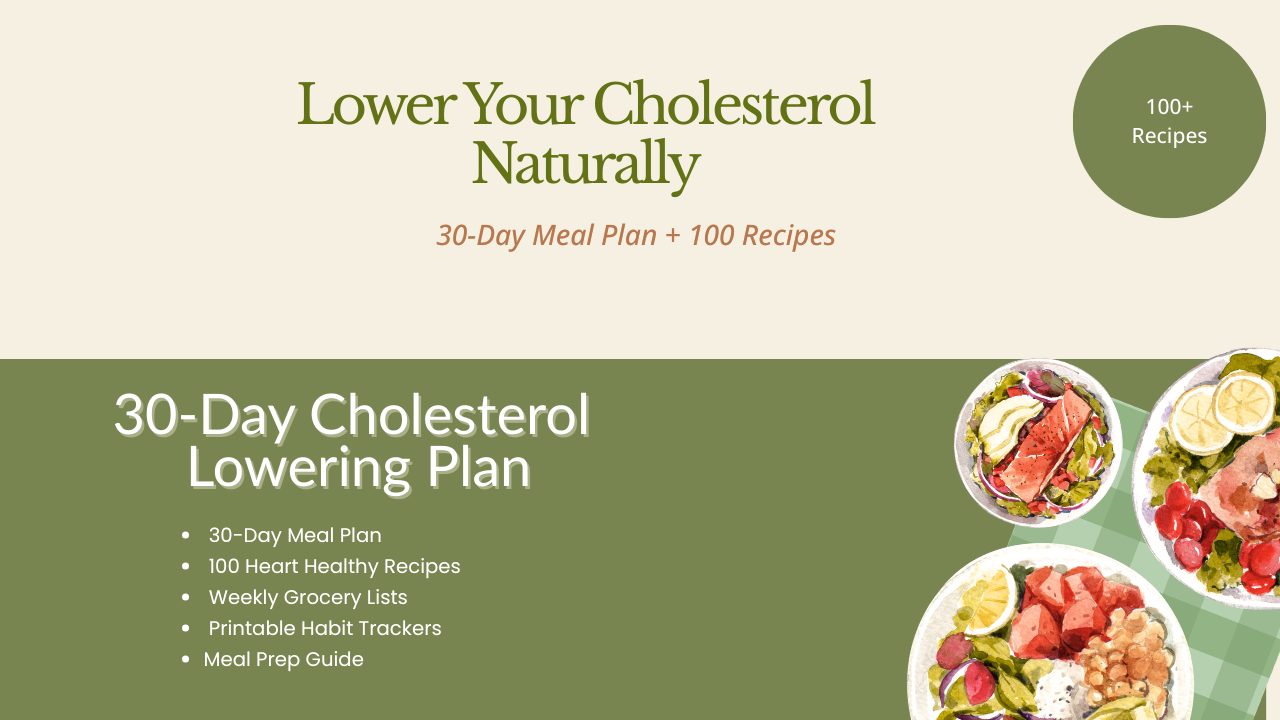
30-Day Cholesterol Reset System
A simple done-for-you plan to help you eat heart-healthy every day without confusion.
Over 1,000 people downloaded this guide
✔ 100 Easy Recipes
✔ Grocery Lists + Meal Prep Guide
🎁 FREE BONUSES:
✔ 7-Day Quick Start Plan
✔ Printable Grocery List
$29 $9
Get Instant AccessOvernight Oats With Chia and Berries
This is my go-to on busy mornings. Mix rolled oats, chia seeds, almond milk, and whatever berries you have lying around the night before. Wake up, grab it from the fridge, and you’re done. The soluble fiber from the oats and chia works wonders for cholesterol levels, according to research from Mayo Clinic.
I add a drizzle of maple syrup and some cinnamon because I’m not a saint. If you want to get fancy, toast some walnuts and throw those in too. I use this glass meal prep container set to make five servings at once—total lifesaver for weekday mornings.
Veggie-Packed Egg White Scramble
Before you roll your eyes at egg whites, hear me out. When you load them up with sautéed spinach, mushrooms, tomatoes, and a little bit of feta, they’re actually satisfying. The key is not making them dry and rubbery. A good nonstick skillet helps, but so does pulling them off the heat while they’re still slightly soft.
I make this at least three times a week, and honestly, I don’t miss the yolks as much as I thought I would. For more morning inspiration, these low-cholesterol breakfast ideas have kept my mornings interesting when I’m feeling uninspired.
“I started making overnight oats after reading about them on this blog, and I’ve actually stuck with it for three months now. Down 12 pounds and my cholesterol dropped 30 points. Finally found something that doesn’t feel like punishment.” — Jessica from our community
Avocado Toast on Whole Grain
Yeah, it’s trendy, but there’s a reason this one stuck around. Avocados are packed with monounsaturated fats that can actually help lower bad cholesterol. Smash half an avocado on whole grain toast, add some cherry tomatoes, a squeeze of lemon, and a sprinkle of everything bagel seasoning.
The bread matters here—I grab this sprouted grain bread that’s loaded with fiber and tastes way better than the cardboard versions. If you’re looking for more quick options, check out these breakfasts under 300 calories that hit the spot without the morning food coma.
Lunches That Don’t Leave You Hangry by 3 PM
The struggle with low-cholesterol lunches is real. You want something filling enough to power through the afternoon, but you don’t want to feel like you need a nap afterward. These recipes nail that balance.
Mediterranean Quinoa Bowl
This is basically all the good stuff in one bowl—quinoa, chickpeas, cucumber, tomatoes, red onion, and a lemon-tahini dressing that makes you forget you’re eating something “healthy.” Quinoa is a complete protein, which means it keeps you satisfied way longer than a sad desk salad.
I prep the components separately and assemble them fresh each day. Takes maybe five minutes if you’ve done the weekend prep. These divided glass containers keep everything fresh and prevent the dreaded soggy lunch syndrome. Get Full Recipe.
Turkey and Veggie Lettuce Wraps
When you ditch the tortilla and use lettuce leaves instead, you’re cutting a ton of unnecessary calories and adding crunch. Fill them with lean ground turkey that’s been seasoned with cumin and garlic, plus bell peppers, shredded carrots, and a spicy peanut sauce.
The peanut sauce is where this recipe shines. Mix natural peanut butter (the kind with just peanuts and salt), rice vinegar, low-sodium soy sauce, a touch of honey, and some sriracha. IMO, it’s better than any restaurant version I’ve tried.
Speaking of satisfying lunches, you might also love these low-cholesterol lunches or these quick lunch options under 10 minutes for those days when you literally have no time.
Lentil Soup With Tons of Vegetables
Lentils are criminally underrated. They’re cheap, loaded with fiber and plant-based protein, and they make soup that actually fills you up. I throw in carrots, celery, onions, garlic, canned tomatoes, and whatever herbs I’m feeling that day—usually thyme and bay leaves.
The best part? This soup tastes better the next day, so make a big batch and you’ve got lunch sorted for the week. I use this Dutch oven for soup-making because it distributes heat evenly and I can go from stovetop to oven if needed. For more soup inspiration, these low-cholesterol soups are my go-to collection. Get Full Recipe.
Dinners That Feel Like Real Food
Dinner is where people usually fall off the wagon because, let’s be honest, nobody wants to cook an elaborate meal after a long day. These recipes are straightforward, use ingredients you can actually find, and taste like something you’d order at a restaurant.
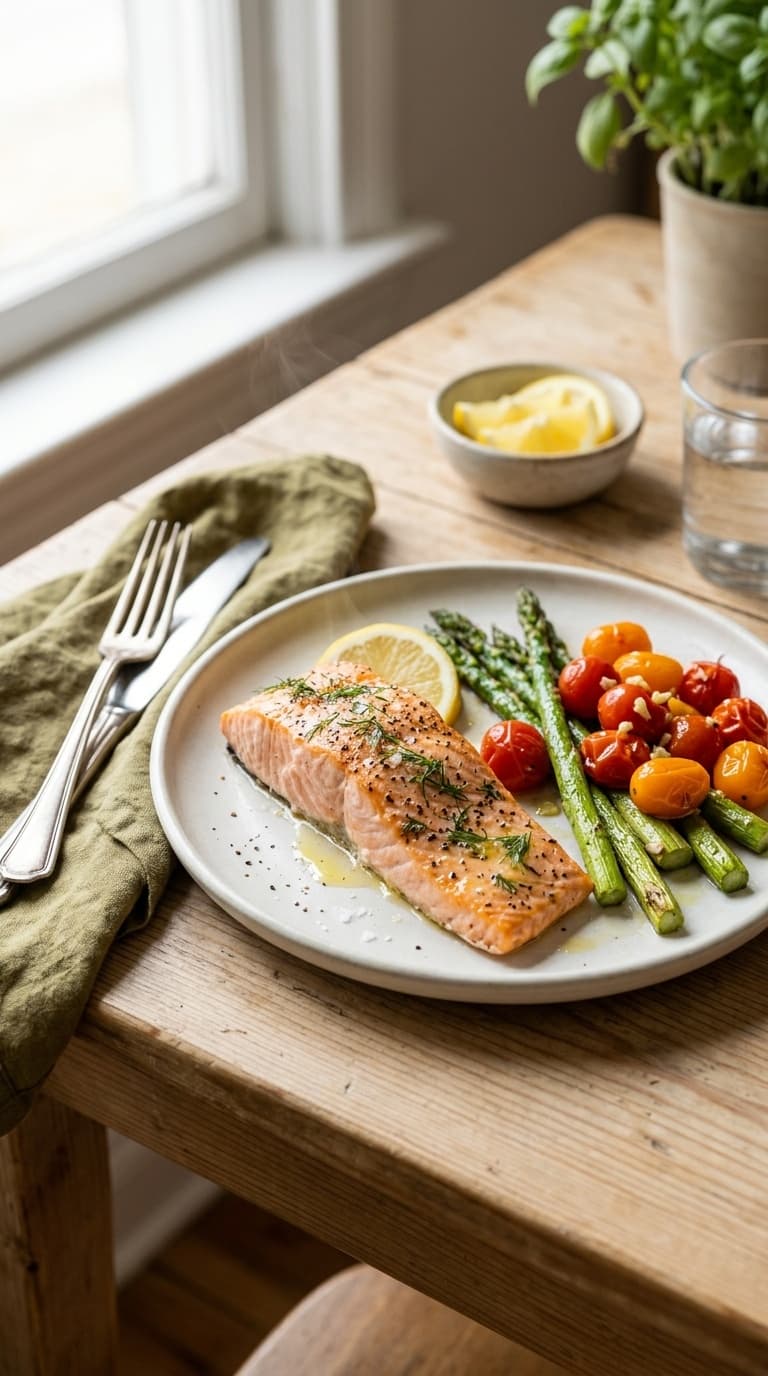
Baked Salmon With Roasted Vegetables
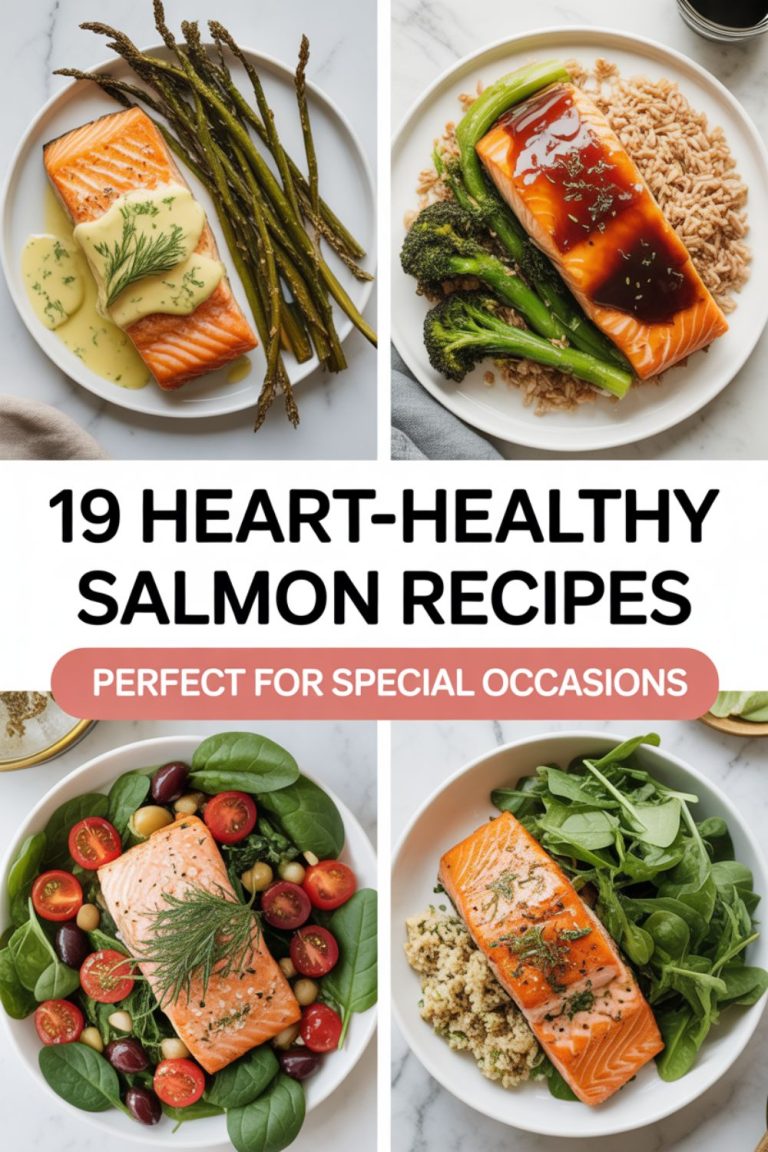
Salmon is your best friend when it comes to heart health. It’s absolutely loaded with omega-3 fatty acids that help lower triglycerides and reduce inflammation, according to the American Heart Association. Plus, it cooks in like 15 minutes.
Season your salmon with lemon, dill, and garlic. While that’s baking, roast whatever vegetables you have—Brussels sprouts, sweet potatoes, and red onions are my usual suspects. Toss them with olive oil, salt, and pepper, and you’re golden. I swear by this silicone baking mat for roasting vegetables because nothing sticks and cleanup is a breeze. Get Full Recipe.
One-Pan Chicken and Vegetable Stir-Fry
Stir-fries are clutch for busy weeknights. Cut up some chicken breast, throw it in a hot pan with broccoli, snap peas, bell peppers, and a simple sauce made from low-sodium soy sauce, ginger, and a tiny bit of honey. Serve it over brown rice or cauliflower rice if you’re feeling ambitious.
The secret to a good stir-fry is high heat and not overcrowding your pan. Cook in batches if you need to—it makes a massive difference in texture. For more one-pan magic, check out these one-pan dinners that’ll save your sanity on hectic evenings.
Turkey Chili That Doesn’t Taste Like Health Food
Ground turkey gets a bad rap for being bland, but when you season it properly, it’s fantastic. Brown the turkey with onions, garlic, chili powder, cumin, and smoked paprika. Add beans, diced tomatoes, and a little bit of dark chocolate (trust me on this—it adds depth).
Let it simmer for at least 30 minutes, and you’ve got a chili that rivals any beef version. Top with Greek yogurt instead of sour cream, add some cilantro and lime, and you’re set. I make this in my Instant Pot when I’m feeling lazy—20 minutes of pressure cooking and it tastes like it’s been on the stove all day. Get Full Recipe.
Kitchen Tools That Make These Recipes Easier
Listen, you don’t need a fully stocked Williams Sonoma kitchen to cook healthy food, but a few key pieces of equipment make everything way less painful. Here’s what I actually use and would buy again in a heartbeat.
- High-Speed Blender – For smoothies, soups, and nut butters. Mine gets used literally every day.
- Cast Iron Skillet – Once you season it properly, nothing sticks and everything tastes better.
- Glass Storage Container Set – Meal prep is only sustainable if you can actually see what you made. Plus, no weird plastic taste.
- Low-Cholesterol Meal Planning Guide – Takes the guesswork out of what to eat each week.
- Heart-Healthy Recipe eBook Bundle – 200+ tested recipes organized by meal type and prep time.
- Nutrition Tracking App Premium – Helps you monitor fiber intake and cholesterol levels without obsessing.
Snacks That Won’t Sabotage Your Progress
Snacking is where I used to completely derail my efforts. You get hungry between meals, grab whatever’s convenient, and suddenly you’ve eaten half a bag of chips without thinking about it. These snacks are actually planned out and don’t spike your cholesterol.
Hummus and Veggie Sticks
Basic? Sure. Effective? Absolutely. Chickpeas in hummus are packed with soluble fiber that helps reduce cholesterol absorption in your bloodstream. Pair it with carrots, bell peppers, cucumber, and celery for the perfect afternoon pick-me-up.
I make my own hummus because it takes five minutes in a food processor and tastes way better than store-bought. Just chickpeas, tahini, lemon juice, garlic, and olive oil. If you’re buying it though, check the labels—some brands sneak in way more oil than necessary.
For more snacking ideas that won’t wreck your progress, these heart-healthy snacks have been my saving grace during afternoon slumps.
Apple Slices With Almond Butter
This combination is so simple it feels like cheating, but it works. Apples have pectin (another type of soluble fiber), and almond butter provides healthy fats and protein. Together, they keep you full without any blood sugar crash.
The key is portion control with the almond butter—it’s easy to go overboard. I use these small portion containers to pre-measure servings so I’m not sitting there with a jar and a spoon like some kind of calorie monster. FYI, natural almond butter (just almonds and salt) is way better than the sweetened versions.
Air-Popped Popcorn With Nutritional Yeast
Popcorn is a whole grain, which means it’s got fiber for days. When you air-pop it and skip the butter, it’s actually a fantastic snack. Nutritional yeast gives it that cheesy flavor without any dairy or cholesterol.
I won’t lie, I was skeptical about nutritional yeast at first—sounded like something only hippies would eat. But it’s genuinely good on popcorn, pasta, and basically anything that needs a savory boost. This air popper changed my snacking game completely. No oil, no mess, and it makes a huge bowl in like three minutes.
“The apple and almond butter combo seems so obvious now, but I never thought of it before. I used to reach for granola bars that were basically candy. This actually keeps me full and my afternoon cravings are gone.” — Michael from our community
Desserts That Don’t Feel Like Deprivation
This is probably the section you scrolled down to find, right? Because what’s the point of eating healthy if you can never have dessert again? Good news: you absolutely can have dessert. It just needs to be smarter dessert.
Dark Chocolate Avocado Mousse
I know what you’re thinking—avocado in dessert sounds weird. But when you blend ripe avocados with cocoa powder, a little maple syrup, and vanilla extract, it turns into this silky, rich mousse that tastes legitimately indulgent. The healthy fats from the avocado actually make it more satisfying than traditional mousse loaded with heavy cream.
Chill it for at least an hour before serving, and top with fresh berries. Nobody will guess there’s avocado in there unless you tell them. For more desserts that won’t derail your progress, these guilt-free desserts are all keepers. Get Full Recipe.
Baked Cinnamon Apples
Core some apples, stuff them with a mixture of oats, cinnamon, a touch of brown sugar, and chopped walnuts. Bake until the apples are soft and the filling is crispy. It tastes like apple pie without all the butter and pastry.
I serve these with a dollop of Greek yogurt on top because the tanginess balances the sweetness perfectly. The walnuts add omega-3s and crunch, making this dessert actually nutritious. You can make these in a mini baking dish for perfect single servings.
Frozen Banana “Nice Cream”
Freeze some ripe bananas, blend them until smooth, and you’ve got ice cream without any cream, sugar, or cholesterol. Seriously, it’s that simple. The texture is shockingly similar to soft-serve.
Mix in cocoa powder for chocolate, or add peanut butter for a Reese’s vibe. Throw in some frozen berries if you want something fruity. The possibilities are endless, and it’s one of those recipes that seems too good to be true but actually delivers. Get Full Recipe.
Meal Prep Strategies That Actually Work
Here’s where the rubber meets the road. You can have all the best recipes in the world, but if you’re not organized, you’ll end up ordering pizza on Wednesday night like clockwork.
Pick one day for prep. I do Sunday afternoons because it sets me up for the entire week. Cook your proteins in bulk—bake a bunch of chicken breasts, grill some salmon, make a pot of lentils. Chop all your vegetables and store them separately. Cook your grains.
Don’t assemble entire meals unless they hold up well—that’s how you end up with soggy lunches. Instead, keep components separate and throw them together when you’re ready to eat. It takes like two minutes and everything tastes fresh.
I keep a running list on my phone of what I’ve prepped so I know what needs to get eaten first. Game changer for reducing food waste. These meal prep ideas have been my blueprint when I need to switch things up. If you’re looking for stuff that freezes well, check out these freezer meals that make busy weeks way less stressful.
Making These Recipes Work for Your Family
One of the biggest challenges with low-cholesterol eating is when you’re not cooking just for yourself. Kids are picky, partners have preferences, and suddenly you’re making three different dinners like some kind of short-order cook.
The solution? Build meals where people can customize their plates. Make a stir-fry bar where everyone picks their protein, veggies, and sauce. Set up taco night with lean proteins and tons of veggie toppings. Create a grain bowl station with different bases, proteins, and dressings.
This approach has saved my sanity more times than I can count. Everyone gets to eat what they like, and you’re not stuck eating plain chicken while everyone else has normal food. These family-friendly dinners are designed exactly for this situation—they work for everyone at the table.
Also, don’t underestimate the power of involving people in the cooking process. When kids help make dinner, they’re way more likely to actually eat it. Even small tasks like washing vegetables or stirring sauce make a difference.
The Foods That Actually Lower Cholesterol
While we’re on the topic, let’s talk about what actually works for lowering cholesterol, because there’s a lot of noise out there. The science is pretty clear on a few key players.
Oats and barley contain beta-glucan, a type of soluble fiber that binds to cholesterol in your digestive system. Nuts—especially almonds and walnuts—provide healthy fats that can improve your cholesterol ratio. Fatty fish like salmon and mackerel are loaded with omega-3s that reduce triglycerides.
Beans and lentils give you tons of soluble fiber and plant protein without any cholesterol. Avocados and olive oil provide monounsaturated fats that can help lower LDL cholesterol. And plant sterols—found in foods like fortified orange juice and certain margarines—actually block cholesterol absorption.
You don’t need to eat all of these every day, but incorporating them regularly makes a real difference. For a comprehensive breakdown, these foods that naturally lower cholesterol are worth checking out—backed by actual research, not just wellness blogger hype.
Quick Wins for Lazy Days
Real talk: some days you just don’t have it in you to cook properly. That’s fine. The key is having backup options that aren’t terrible for you.
Keep canned beans on hand—rinse them well and throw them into salads or grain bowls. Stock frozen vegetables because they’re pre-cut, just as nutritious as fresh, and won’t go bad in your fridge. Pre-cooked quinoa and brown rice save you 30 minutes when you can’t be bothered.
Rotisserie chicken from the grocery store is your friend on exhausted evenings. Yeah, it’s got more sodium than homemade, but it’s infinitely better than drive-thru. Grab some pre-washed salad greens, throw together a quick vinaigrette, and you’ve got dinner in five minutes.
These lazy low-cholesterol meals are specifically designed for when you’re running on empty but still want to eat well. No judgment, just practical solutions.
Restaurant Strategies That Work
You can’t cook every single meal forever—that’s unrealistic and kind of sad, honestly. Eating out is part of life, and you can absolutely do it without completely abandoning your cholesterol goals.
Look for grilled, baked, or roasted proteins instead of fried. Ask for sauces on the side because restaurants are heavy-handed with butter and oil. Load up on vegetable sides—most places offer steamed or roasted options if you ask.
Don’t be afraid to customize your order. Swap out fries for a side salad. Ask for olive oil instead of butter. Request your fish without the cream sauce. Servers deal with this stuff constantly—they won’t think you’re being difficult.
Mediterranean, Japanese, and Vietnamese restaurants tend to have the most low-cholesterol friendly options. Thai can work too if you avoid the coconut milk curries and stick with stir-fries and salads.
Frequently Asked Questions
Can I really lower my cholesterol just by changing what I eat?
Yeah, for most people, diet makes a massive difference. Studies show that focusing on soluble fiber, healthy fats, and plant sterols can lower LDL cholesterol by 10-15% within weeks. That said, some people have genetic factors that make diet alone insufficient, so always work with your doctor on this.
Do I need to cut out all meat and dairy?
Nope. You can absolutely include lean meats like chicken breast and turkey, plus low-fat dairy products. The key is choosing wisely—skip the ribeyes and full-fat cheese, but you don’t need to go completely plant-based unless you want to.
How long does it take to see results?
Most people see changes in their cholesterol levels within 4-6 weeks of consistently eating better. That’s assuming you’re actually sticking with it, not just eating well Monday through Thursday and then going wild on weekends.
Are egg whites really better than whole eggs?
Here’s the thing: all the cholesterol in eggs is in the yolk. If your doctor told you to watch your dietary cholesterol, egg whites are the safer bet. That said, recent research suggests that for most people, dietary cholesterol doesn’t impact blood cholesterol as much as saturated fat does. Talk to your doctor about what makes sense for your specific situation.
Can I eat these recipes if I’m trying to lose weight too?
Absolutely. Most low-cholesterol eating patterns are naturally lower in calories because you’re cutting out heavy fats and focusing on whole foods. Just watch your portion sizes and you should see weight loss as a bonus benefit. Check out these high-protein meals if weight loss is your main goal.
The Bottom Line
Look, managing cholesterol through diet doesn’t have to be this huge, dramatic lifestyle overhaul where you give up everything you enjoy. It’s about making smarter choices most of the time, prepping when you can, and having solid backup plans for when life gets chaotic.
These 30 recipes are the ones that have actually worked for me—not just theoretically, but in real life with a full-time job, actual hunger to deal with, and zero interest in eating boring food. They’re flexible enough to adapt to what you have on hand, forgiving enough that you won’t ruin them if you’re distracted, and tasty enough that you’ll actually want to make them again.
Start with a few that sound good to you. Don’t try to overhaul your entire kitchen in one weekend—that’s a recipe for burnout. Pick two or three recipes, make them a few times until they feel easy, then add more to your rotation. Before you know it, you’ll have a solid lineup of meals that work for your health goals and your taste buds.
Your cholesterol levels will thank you, but more importantly, you won’t feel like you’re missing out on good food. And that’s the whole point, right?
30-Day Cholesterol-Lowering Meal Plan
A simple step-by-step system to help you eat heart-healthy every day without stress.
Over 1,000 people downloaded this guide
$29$9
Get Instant Access