
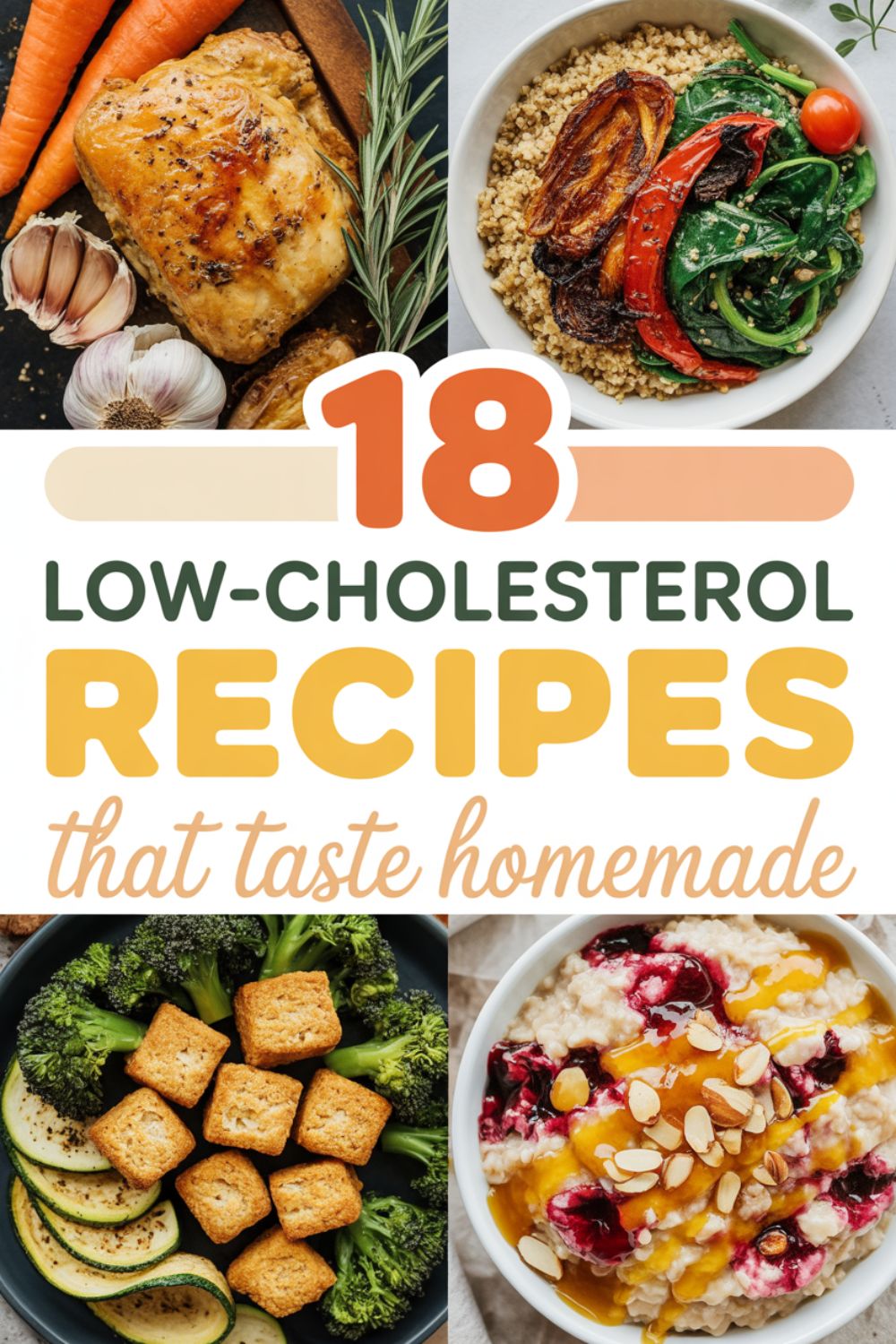
18 Low-Cholesterol Recipes That Taste Homemade
Listen, I get it. When your doctor drops the “you need to watch your cholesterol” bomb, the first thing that pops into your head is probably steamed chicken and sad salads for the rest of your life. But here’s the thing—eating to lower cholesterol doesn’t mean you’re sentenced to bland, boring meals that taste like cardboard.
I’ve spent way too many evenings experimenting in my kitchen, trying to crack the code on recipes that actually taste like real food while keeping my heart happy. And I’m here to tell you it’s totally possible. These 18 recipes prove you can have flavor, comfort, and yes, even that homemade touch that makes food feel like an actual meal and not punishment.
Whether you’re meal prepping for the week or just trying to figure out what’s for dinner tonight, these recipes are about to become your new best friends. No crazy ingredients you can’t pronounce, no three-hour cooking marathons. Just straightforward, delicious food that happens to be good for you.
Why Low-Cholesterol Cooking Actually Matters
Before we jump into the recipes, let’s talk about why this whole low-cholesterol thing isn’t just your doctor being a buzzkill. Your body actually needs cholesterol—it’s not the villain here. The problem starts when we pile on too much dietary cholesterol from animal products and saturated fats, which can lead to elevated blood cholesterol levels.
According to the American Heart Association, making smart cooking choices can genuinely help manage your cholesterol levels and reduce your risk of heart disease and stroke. We’re talking about real, measurable differences in your health, not just feel-good fluff.
The good news? You don’t need to overhaul your entire life. Small swaps make a big difference. Think olive oil instead of butter, skinless chicken instead of skin-on, and loading up on fiber-rich foods like beans and whole grains. These aren’t dramatic changes, but they add up fast.
Pro Tip: When a recipe calls for browning meat, try using your broiler instead of a pan. You’ll get that caramelized flavor without cooking the meat in its own fat—and cleanup is way easier.
The Secret Ingredients for Heart-Healthy Flavor
Here’s where things get interesting. The best low-cholesterol recipes aren’t about removing flavor—they’re about being smart with ingredients. Harvard Health Publishing points out that certain foods actively help lower LDL cholesterol (that’s the bad stuff) while keeping your meals satisfying.
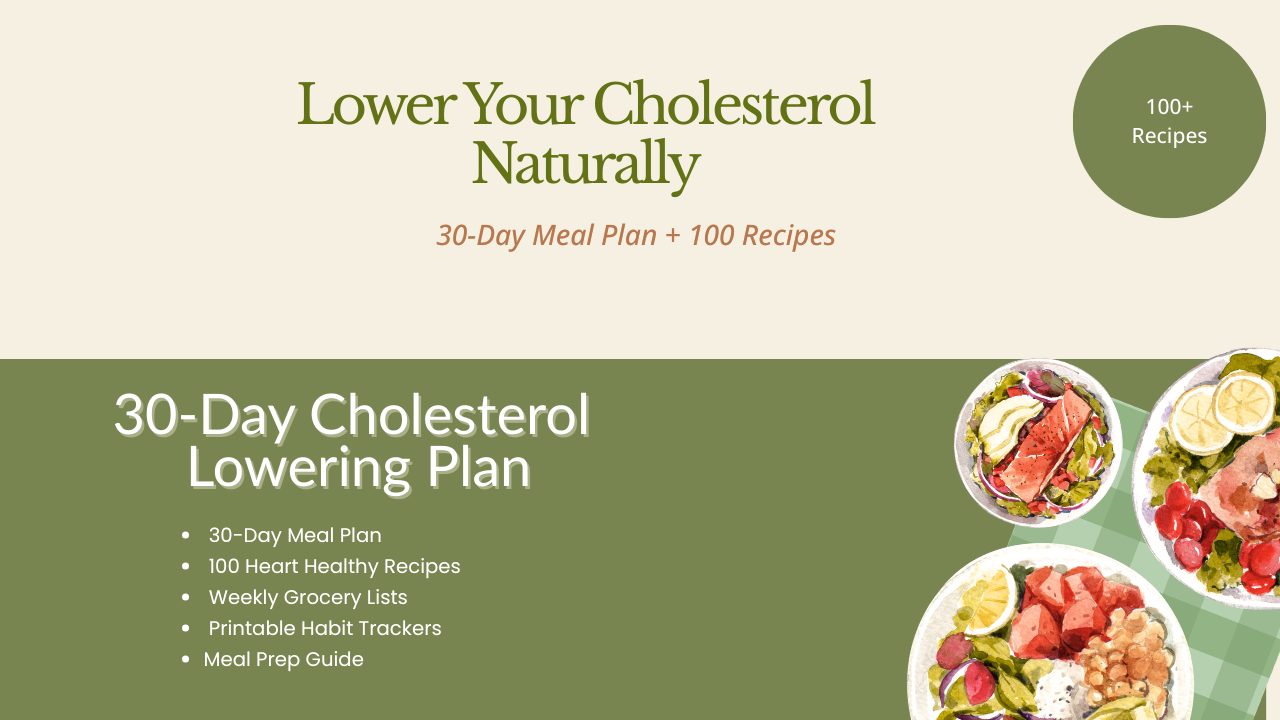
30-Day Cholesterol Reset System
A simple done-for-you plan to help you eat heart-healthy every day without confusion.
Over 1,000 people downloaded this guide
✔ 100 Easy Recipes
✔ Grocery Lists + Meal Prep Guide
🎁 FREE BONUSES:
✔ 7-Day Quick Start Plan
✔ Printable Grocery List
$29 $9
Get Instant AccessOats and barley are your fiber champions. They contain soluble fiber that basically grabs cholesterol in your digestive system and escorts it out before it can cause trouble. I always keep a container of steel-cut oats on hand—they’re chewier than regular oats and make breakfast feel substantial, not sad.
Beans deserve their own fan club. They’re packed with protein and fiber, they’re dirt cheap, and they make you feel full for hours. Plus, they work in literally everything from soups to salads to tacos. If you’re not already keeping canned chickpeas and black beans in your pantry, you’re missing out.
And let’s talk about fatty fish like salmon. Yeah, it’s got fat, but it’s the good kind—omega-3s that actually help reduce triglycerides. I grab frozen salmon fillets because they’re more budget-friendly and just as nutritious as fresh. A cast iron skillet makes cooking them ridiculously easy.
Speaking of kitchen wins, you might also want to explore some low-cholesterol breakfast ideas that’ll start your day on the right foot without making you feel like you’re on a diet.
18 Recipes That’ll Change Your Mind About Healthy Food
Morning Game-Changers
Breakfast doesn’t have to be boring oatmeal every single day. I mean, oatmeal’s great, but variety keeps you sane. Try baked oatmeal cups—you make a batch on Sunday, grab one each morning, and feel like you’ve got your life together. Mix in some cinnamon, diced apples, and a handful of walnuts, and suddenly you’ve got a portable breakfast that actually tastes good.
Smoothie bowls are another winner. Blend frozen berries with a banana, some spinach (trust me, you won’t taste it), and a splash of almond milk. Top with sliced almonds, chia seeds, and a drizzle of honey. It’s like eating ice cream for breakfast, except your arteries won’t hate you for it.
For savory breakfast lovers, veggie-packed egg white omelets are where it’s at. Load them up with mushrooms, tomatoes, and spinach. I use a nonstick omelet pan because life’s too short to scrape stuck eggs off cookware.
Quick Win: Prep your smoothie ingredients in freezer bags Sunday night. Each morning, dump one bag in the blender and you’re done in two minutes flat.
If you need more ideas for starting your day right, check out these low-cholesterol breakfasts under 300 calories—perfect if you’re also watching your weight.
Lunches That Don’t Feel Like Diet Food
Lunch is where most people fall off the wagon. You’re busy, you’re hungry, and that drive-thru is looking real tempting. But here’s the thing—meal prepping lunches doesn’t have to be some intense Sunday ritual that takes four hours.
Grain bowls are insanely versatile. Cook a big batch of quinoa or brown rice, roast whatever vegetables you have (I’m partial to sweet potatoes and Brussels sprouts), add some chickpeas, and boom—you’ve got lunch for days. Get Full Recipe for my go-to Mediterranean grain bowl that never gets old.
Turkey and avocado wraps on whole wheat tortillas hit different when you add some hummus instead of mayo. The hummus gives you that creamy texture without the saturated fat, plus it adds protein. I spread it thick—no wimpy schmear here.
And can we talk about soup? A big pot of lentil soup or vegetable minestrone will feed you all week. I make mine in a Dutch oven and it’s basically set-it-and-forget-it cooking. Get Full Recipe for the minestrone that converted my soup-hating husband.
For more inspiration, these low-cholesterol lunches that keep you full are genuinely satisfying—none of that hungry-again-in-an-hour nonsense.
Dinners Your Whole Family Will Actually Eat
Dinner’s the big show, right? This is where you need recipes that’ll satisfy everyone, not just you and your cholesterol goals. Good news: these recipes pass the picky eater test.
Sheet pan chicken with roasted vegetables is pure genius. Season chicken breast with herbs, surround it with chopped veggies, drizzle everything with olive oil, and let the oven do its thing. One pan, minimal cleanup, maximum flavor. I use a rimmed baking sheet and line it with parchment paper because I’m all about that easy cleanup life.
Salmon doesn’t have to be fancy. A simple lemon-herb crusted version takes maybe 15 minutes start to finish. Get Full Recipe for the foolproof method that works every time, even if you’ve never cooked fish before.
Black bean tacos loaded with fresh veggies prove that meatless doesn’t mean flavorless. Season the beans with cumin and chili powder, pile on the lettuce, tomatoes, and avocado, and I swear nobody misses the ground beef. Top with a squeeze of lime and maybe some fresh cilantro if you’re feeling fancy.
When you’re in the mood for something hearty and warming, these low-cholesterol soups and stews deliver serious comfort without the guilt. Perfect for chilly evenings.
Snacks That Won’t Sabotage Your Progress
Let’s be real—snacking is where everything can go sideways fast. But having the right options ready makes all the difference. I’m talking about snacks that actually satisfy you, not just make you hungrier.
Roasted chickpeas are criminally underrated. Toss them with olive oil and whatever spices you’re feeling (I rotate between garlic powder, paprika, and curry powder), roast until crispy, and you’ve got a crunchy snack that beats chips any day. I keep mine in a glass storage jar so they stay crispy.
Apple slices with almond butter hit that sweet-and-salty craving perfectly. The fiber in the apple combined with the healthy fats in the almond butter keeps you full way longer than you’d expect. Just watch your portion on the almond butter—it’s easy to go overboard.
Homemade trail mix is another winner. Mix raw almonds, walnuts, dried cranberries (the unsweetened kind if you can find them), and a few dark chocolate chips. Portion them into small containers using a food scale so you don’t accidentally eat the whole batch in one sitting.
Need more nibble ideas? These low-cholesterol snacks are perfect for keeping hunger at bay between meals.
Pro Tip: Pre-portion your snacks as soon as you make or buy them. Future you will thank present you when you’re not mindlessly eating straight from the bag at 10 PM.
The Kitchen Tools That Make Everything Easier
Kitchen Tools & Resources That Make Cooking Easier
Look, you don’t need a million fancy gadgets to cook heart-healthy food. But a few smart investments make the whole process way less annoying. Here’s what actually gets used in my kitchen:
Physical Products:
- Quality Nonstick Skillet – Because nobody has time to scrape stuck-on food. Go for one that’s PFOA-free and actually lasts more than six months.
- Instant-Read Thermometer – Takes the guesswork out of cooking chicken and fish. No more cutting everything open to check if it’s done.
- Glass Meal Prep Containers – Plastic absorbs smells and stains. Glass doesn’t. Plus you can see what’s in them without playing fridge roulette.
Digital Resources:
- Meal Planning App Subscription – Having someone else figure out what’s for dinner is worth its weight in gold. Look for ones with heart-healthy filters.
- Online Cooking Class: Heart-Healthy Basics – Sometimes watching someone actually do it makes everything click. Plus you can pause and rewind.
- Digital Recipe Organizer – Stop losing recipes in your phone’s photos. A proper organizer lets you tag, search, and actually find that perfect salmon recipe when you need it.
Making It Work in Real Life
Theory’s great and all, but let’s talk about actually implementing this stuff when you’ve got a million other things going on. Because I don’t know about you, but I don’t have time to be a full-time meal prep influencer.
First off: batch cooking is your friend. Not meal prepping the Instagram-perfect way with 47 containers of individually portioned food. I mean cooking a double batch of whatever you’re making anyway and freezing half. Made soup? Freeze half. Cooked quinoa? Freeze half. You’re literally doing the same amount of work but getting way more meals out of it.
Second: keep your pantry stocked with the basics. When you’ve got canned beans, whole grains, olive oil, and some basic spices, you can throw together a decent meal even when your fridge is looking sad. I keep a running list on my phone of pantry staples so I can restock before I completely run out.
Third: don’t let perfect be the enemy of good. Bought rotisserie chicken instead of cooking it yourself? Great. Used pre-cut vegetables? Awesome. The goal is eating better most of the time, not being a cooking martyr who makes everything from scratch while also working full-time and having a life.
If time’s your biggest enemy, check out these lazy low-cholesterol meals for busy people. No judgment here—we’re all just trying to survive.
Swaps That Actually Matter
You don’t need to reinvent your entire cooking style. Sometimes it’s just about making smarter swaps that don’t drastically change the end result. These are the ones I actually use:
Olive oil instead of butter. This one’s huge. Butter’s loaded with saturated fat, while olive oil gives you those heart-healthy monounsaturated fats. I keep a squeeze bottle of olive oil next to my stove—makes it way easier to drizzle the right amount.
Greek yogurt instead of sour cream. Honestly? Most people can’t even tell the difference. Greek yogurt’s got protein and way less saturated fat. Use it on tacos, baked potatoes, wherever you’d normally plop sour cream.
Whole grain everything. White bread, white rice, white pasta—they’re all basically stripped of the good stuff. Whole grains give you fiber (which helps lower cholesterol) and actually keep you full. Yes, they taste slightly different at first, but you get used to it fast.
Nutritional yeast for cheesy flavor. Okay, hear me out on this one. It sounds weird, but nutritional yeast gives you that savory, almost cheese-like flavor without the saturated fat. Sprinkle it on popcorn, pasta, roasted vegetables—it’s seriously addictive.
For even more meal ideas, these low-cholesterol meals that are actually delicious prove you don’t have to sacrifice taste for health.
When You’re Craving Comfort Food
IMO, the hardest part about eating healthier isn’t the everyday meals—it’s when you’re craving something specific and comforting. But here’s the secret: you can make healthier versions of almost anything if you get a little creative.
Want spaghetti and meatballs? Make turkey meatballs with whole wheat pasta. Use lean ground turkey, add some finely chopped mushrooms for moisture (nobody will know they’re there), and bake them instead of frying. Top with marinara sauce loaded with vegetables. Get Full Recipe for meatballs that don’t taste “healthy.”
Craving pizza? Make a cauliflower crust or use whole wheat pita bread as your base. Load it up with vegetables, use part-skim mozzarella, and go easy on the cheese overall. I like making individual pizzas on mini cast iron skillets—everyone gets exactly what they want.
Mac and cheese calling your name? Try making it with butternut squash puree mixed into the sauce. It gives you that creamy texture with way less cheese needed. Add some pureed white beans for extra creaminess and protein. Sounds weird, tastes amazing.
These low-cholesterol comfort foods made healthy hit all those cravings without derailing your progress. Sometimes you just need that warm, cozy food feeling, you know?
Meal Prep Without the Overwhelm
Meal prep gets hyped a lot, and honestly, it can feel overwhelming if you think you need to dedicate your entire Sunday to it. But it doesn’t have to be all or nothing. Even prepping just a few components makes weeknight cooking infinitely easier.
My strategy? Pick one grain, one protein, and a bunch of vegetables. Cook a big batch of each Sunday evening. Then during the week, I mix and match them into different meals. Monday it’s a grain bowl with all three, Tuesday it’s the protein with fresh salad, Wednesday the grain gets turned into fried rice with the vegetables. You get the idea.
I also prep breakfast the night before whenever possible. Overnight oats take literally two minutes to throw together. Mix oats, almond milk, chia seeds, and whatever fruit you want in a jar, stick it in the fridge, grab it in the morning. Done.
And here’s something nobody talks about: it’s okay to buy pre-prepped stuff sometimes. Pre-washed salad greens cost more, yeah, but if that’s the difference between eating salad and not eating salad, it’s worth it. Same with pre-cut vegetables or frozen vegetables—they’re flash-frozen at peak freshness anyway.
For a complete system, check out these low-cholesterol meal prep ideas for the week. They’ll give you a solid framework to work with.
Eating Out Without Undoing Everything
You can’t hibernate at home forever. Eventually you’re going to eat at a restaurant, and that’s totally fine. You just need to be strategic about it.
First rule: don’t show up starving. Have a small snack beforehand so you’re not ravenous and ordering everything in sight. Second: scan the menu for keywords like “grilled,” “baked,” “steamed,” or “roasted.” Avoid anything that’s “fried,” “crispy,” “creamy,” or “smothered”—those are code for “saturated fat bomb.”
Ask for sauces and dressings on the side. Always. You’d be shocked how much dressing restaurants dump on salads. When it’s on the side, you control how much goes on. Same with butter on vegetables or bread—just ask for it without or on the side.
And honestly? It’s okay to have the occasional indulgent meal. This isn’t about perfection. It’s about making better choices most of the time. If you’re eating well 80-90% of the time, that occasional burger or pasta dish isn’t going to wreck everything.
Dessert’s Not Off-Limits
FYI, you don’t have to give up dessert forever just because you’re watching your cholesterol. You just need smarter options that satisfy your sweet tooth without going overboard on saturated fat and sugar.
Fruit-based desserts are your best bet. Baked apples with cinnamon and a tiny drizzle of maple syrup feel decadent but are actually pretty healthy. Same with grilled peaches topped with a small scoop of vanilla frozen yogurt.
Dark chocolate is another winner. It’s got antioxidants, and if you go for the high-percentage stuff (70% cacao or higher), a small square is usually enough to satisfy you. I keep a bar in my freezer and break off one square when the craving hits.
Banana “nice cream” is stupidly simple and actually works. Freeze ripe bananas, blend them until smooth, and you’ve got soft-serve ice cream. Add cocoa powder, peanut butter, or berries while blending for different flavors. My high-speed blender makes this ridiculously easy.
For more ideas, these low-cholesterol desserts prove you can satisfy your sweet tooth and keep your heart happy.
Building a Sustainable Routine
Here’s the thing nobody wants to hear but needs to: this isn’t a diet you go on for a few weeks and then go back to “normal.” Managing cholesterol through food is a lifestyle thing. But that doesn’t mean it has to be miserable or restrictive.
Start small. Don’t try to overhaul everything at once. This week, maybe just focus on having oatmeal for breakfast a few times. Next week, add in a couple vegetarian dinners. The week after, swap your afternoon chips for nuts. Small, sustainable changes beat dramatic overhauls that you can’t maintain.
Find recipes you actually enjoy. If you hate salmon, don’t force yourself to eat it because it’s “healthy.” There are plenty of other heart-healthy proteins. If you can’t stand quinoa, brown rice works fine. The best diet is the one you’ll actually stick with, which means it needs to include food you like.
And build in some flexibility. Life happens. Sometimes you’re going to eat pizza at 11 PM or grab fast food because you forgot to meal prep. That’s fine. Just get back on track with the next meal. No guilt, no drama, just keep moving forward.
Looking for variety? These low-cholesterol vegetarian meals add some meatless options to your rotation without feeling like you’re missing out.
Frequently Asked Questions
Can I really lower my cholesterol just by changing what I eat?
For many people, yes. Diet plays a huge role in managing cholesterol levels, especially when you focus on reducing saturated fats and increasing fiber-rich foods. That said, some people also need medication—it really depends on your individual situation and what your doctor recommends. Think of diet as one powerful tool in your toolbox, not necessarily the only one you’ll need.
Do I need to completely avoid eggs if I’m watching my cholesterol?
Not necessarily. While egg yolks do contain dietary cholesterol, research shows they don’t affect blood cholesterol levels as dramatically as we once thought for most people. The bigger culprits are saturated and trans fats. Many experts now say moderate egg consumption (like 4-6 per week) is fine for most people, but talk to your doctor about what makes sense for your specific situation.
How long does it take to see results from changing my diet?
Most people start seeing changes in their cholesterol levels within 4-6 weeks of consistently eating a heart-healthy diet, though it can vary. Your doctor will probably want to recheck your levels after about 3 months to see how things are trending. The key word here is “consistently”—occasional healthy meals won’t move the needle much.
Are plant-based meat substitutes good for lowering cholesterol?
It depends on the product. Some plant-based meats are processed and high in sodium and saturated fat (from coconut or palm oil), which doesn’t help your cholesterol. Others are better choices, but honestly, whole food proteins like beans, lentils, and tofu are usually your best bet. If you do use meat substitutes, read the nutrition label carefully and look for ones low in saturated fat.
What’s the deal with coconut oil—is it heart-healthy or not?
Despite the health food hype, coconut oil is actually very high in saturated fat—even higher than butter in some cases. While some studies suggest the saturated fat in coconut oil might affect cholesterol differently than other sources, most major health organizations still recommend limiting it. Stick with olive oil or avocado oil as your go-to cooking fats for better heart health.
Your Next Steps
Alright, you’ve made it this far, which means you’re serious about this whole low-cholesterol thing. Here’s what I want you to do: pick three recipes from this list that actually sound good to you. Not the ones you think you “should” make, but the ones that genuinely appeal to you. Make them this week.
Don’t try to be perfect. Don’t try to overhaul your entire kitchen overnight. Just make those three recipes and see how you feel. Notice which ones you actually enjoyed, which ones were easy enough to make again, and which ones you’d never touch again even if someone paid you.
Managing cholesterol through diet isn’t about restriction or deprivation. It’s about finding delicious food that happens to be good for your heart, too. And honestly? Once you get the hang of it, you might be surprised at how much you prefer these recipes to your old standbys. Your taste buds adapt, your energy levels improve, and yeah, your cholesterol numbers start moving in the right direction.
You’ve got this. Start small, be consistent, and remember that every meal is a chance to make a choice that supports your health. No guilt, no drama—just good food and better health.
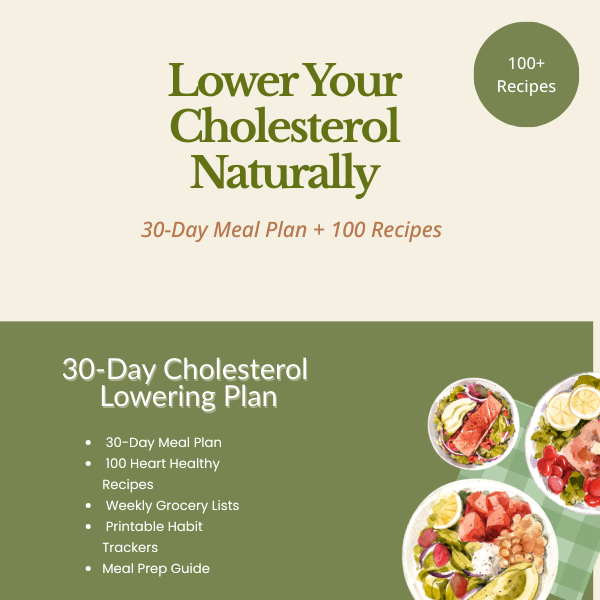
30-Day Cholesterol-Lowering Meal Plan
A simple step-by-step system to help you eat heart-healthy every day without stress.
Over 1,000 people downloaded this guide
$29$9
Get Instant Access