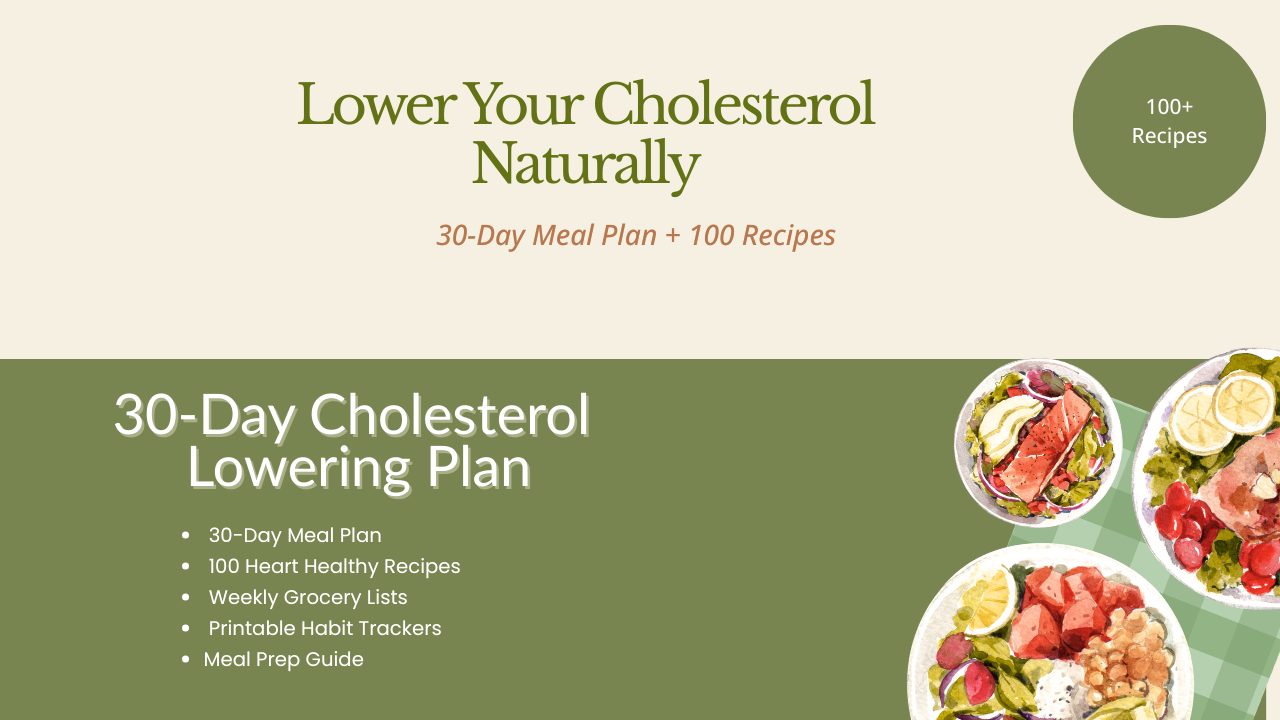

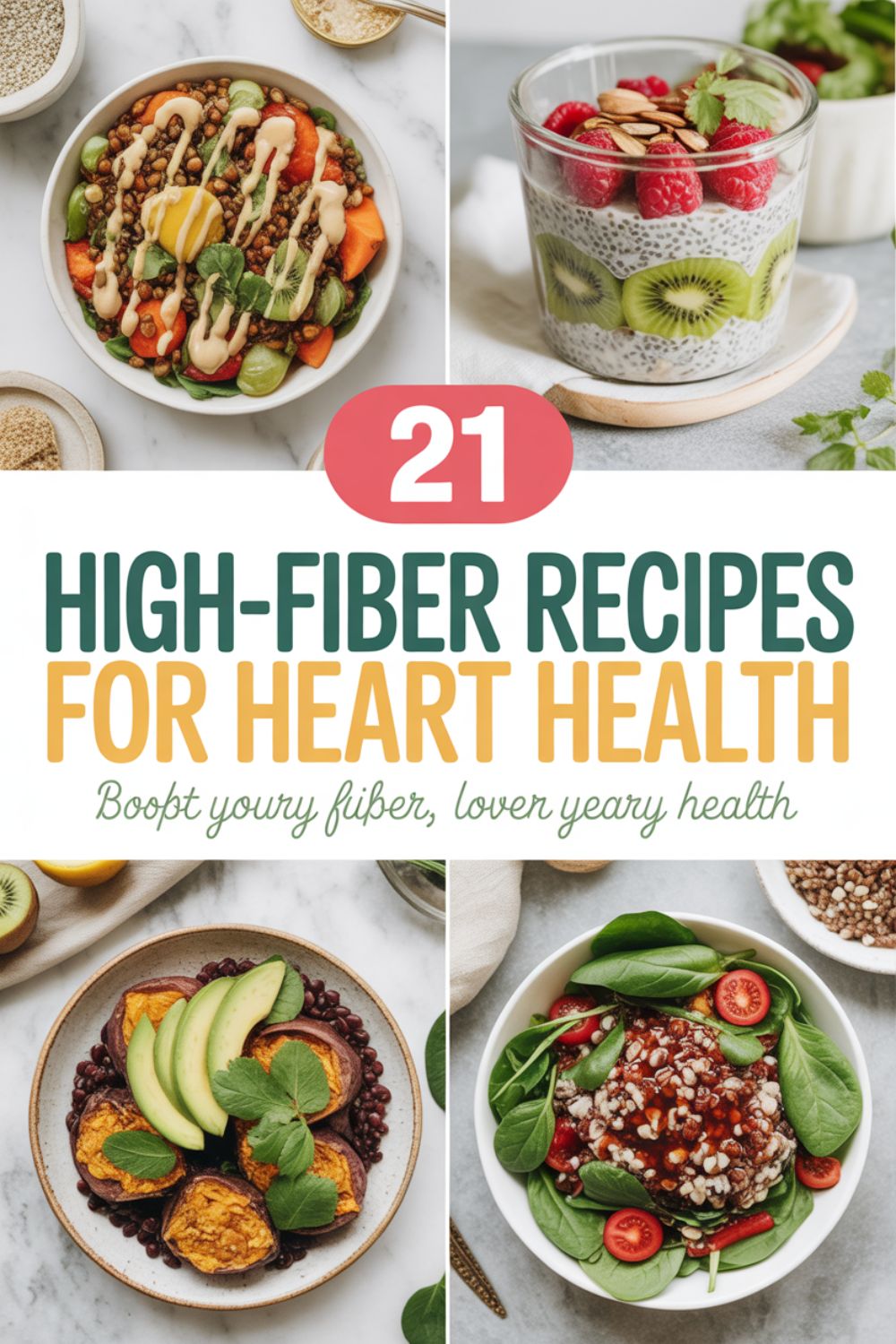
21 High-Fiber Recipes for Heart Health
Why Fiber and Heart Health Are Such a Good Team
Before the recipes, let’s talk about the “why” for just a second—because understanding it actually makes you more likely to stick with it. Soluble fiber, the kind found in oats, beans, lentils, and flaxseeds, forms a gel-like substance in your digestive tract that binds to cholesterol particles and helps your body eliminate them before they make it into your bloodstream. That’s a pretty elegant system when you think about it.
According to researchers at Harvard Health, fiber-rich diets may reduce the risk of heart attack and stroke by as much as 30%. Those aren’t minor numbers. And the benefit appears to be at least partly driven by how prebiotic fiber interacts with gut bacteria to produce short-chain fatty acids that reduce inflammation throughout the body. So yes, your gut microbiome and your heart are very much connected.
The insoluble fiber side of things helps too—mostly by keeping you full longer and helping regulate blood sugar, both of which matter a lot for cardiovascular health over time. The American Heart Association recommends getting 25 to 38 grams of fiber per day depending on age and sex, yet most Americans land around 15 to 16 grams daily. These recipes are designed to help you close that gap without it feeling like a chore.
Increase fiber gradually over 1–2 weeks and drink plenty of water—going from 15g to 38g overnight is a recipe for bloating that nobody wants to experience.
If you want to go deeper on the science, the research published in a comprehensive umbrella review of meta-analyses on dietary fiber and cardiovascular disease found statistically significant reductions in heart disease incidence and mortality across dozens of studies. That’s about as solid as nutritional evidence gets.
30-Day Cholesterol Reset System
A simple done-for-you plan to help you eat heart-healthy every day without confusion.
Over 1,000 people downloaded this guide
✔ 100 Easy Recipes
✔ Grocery Lists + Meal Prep Guide
🎁 FREE BONUSES:
✔ 7-Day Quick Start Plan
✔ Printable Grocery List
$29 $9
Get Instant AccessThe 21 High-Fiber Recipes for Heart Health
These recipes span breakfast through dinner and cover snacks too, because heart health doesn’t clock out after your morning smoothie. Each one features at least one high-fiber star ingredient and is designed to fit into a realistic week of eating—not just a aspirational Pinterest board you’ll never cook from. IMO, that distinction matters.
Breakfasts That Actually Keep You Full
- 1
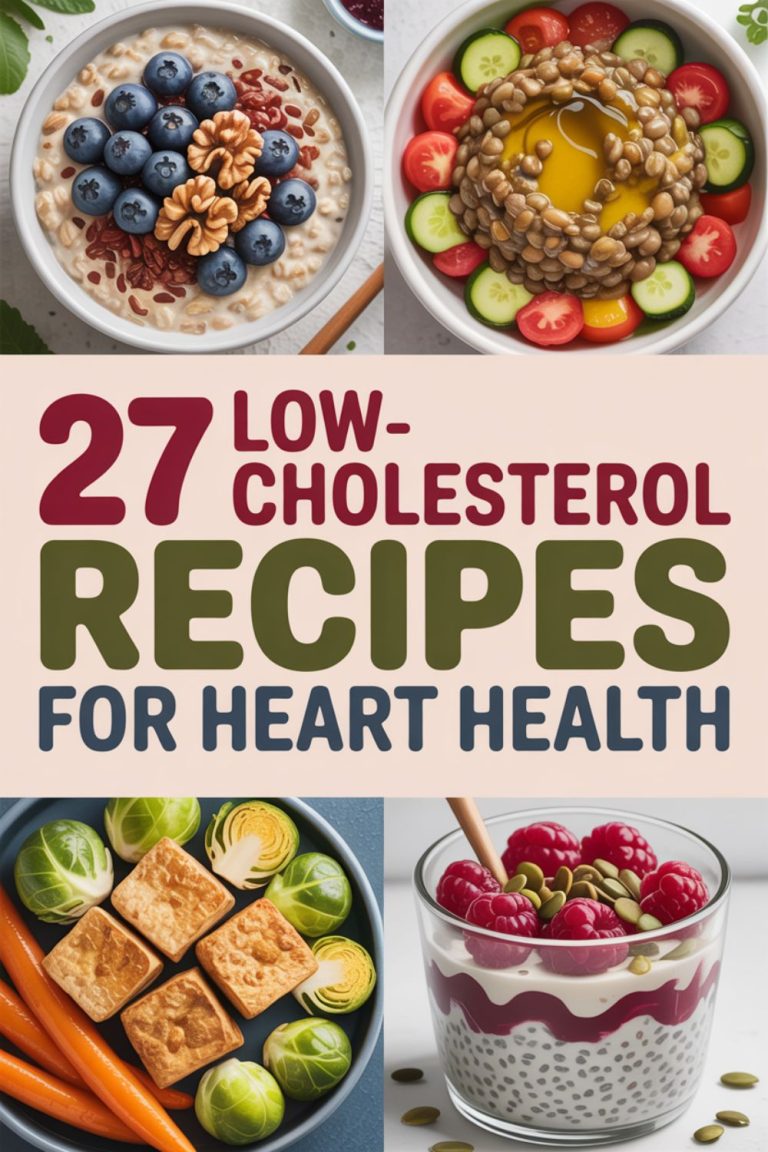
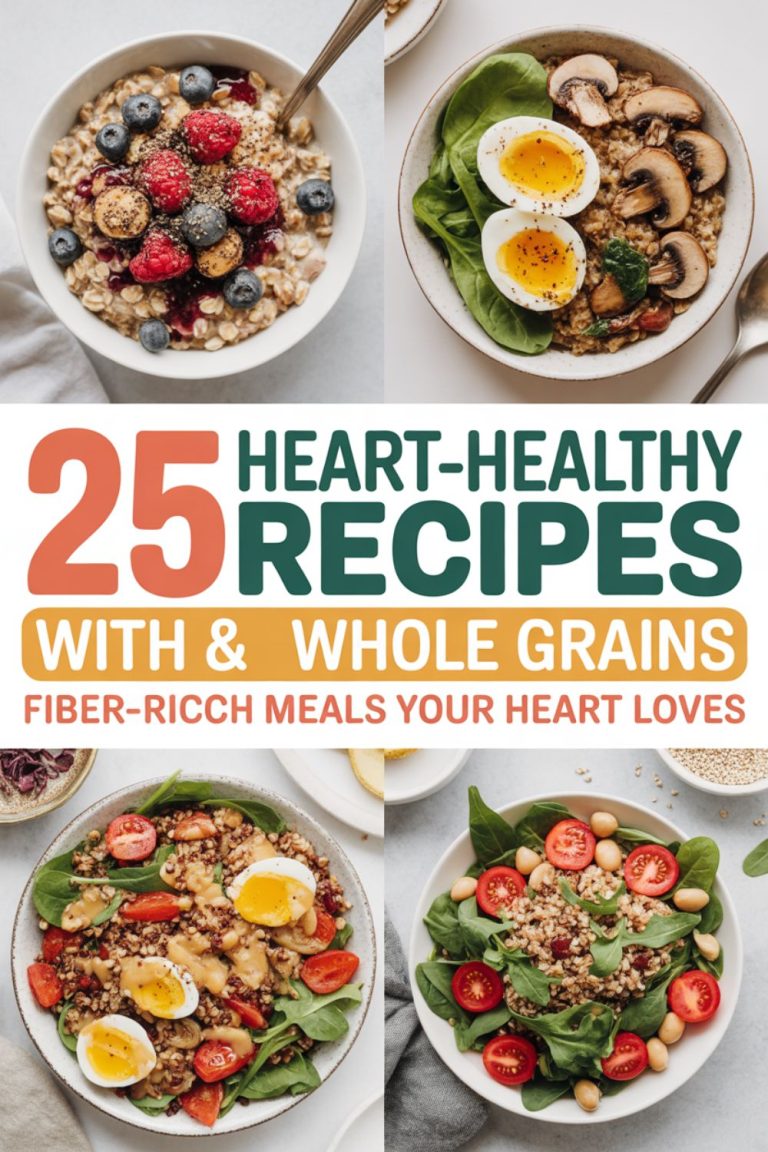
Overnight Oats with Chia Seeds and Berries
Rolled oats bring beta-glucan soluble fiber, chia seeds add omega-3s and more fiber, and berries deliver antioxidants alongside additional soluble fiber. This combo is one of the most researched for LDL reduction. Make a batch on Sunday and you’re set for the week. Get Full Recipe
- 2
Flaxseed and Banana Whole-Grain Pancakes
Ground flaxseed is the unsung hero of heart-healthy cooking. It delivers both soluble and insoluble fiber, plus lignans that have been shown to support healthy blood pressure. These pancakes taste like a weekend treat, not a health intervention. Get Full Recipe
- 3
Steel-Cut Oat Porridge with Walnuts and Cinnamon
Steel-cut oats have a lower glycemic index than rolled oats and provide a more sustained release of energy. Walnuts add heart-healthy unsaturated fats alongside a decent fiber hit. Cinnamon rounds it out and may support blood sugar balance over time. Get Full Recipe
- 4
Avocado Toast on Seeded Whole-Grain Bread
Avocado delivers both monounsaturated fats and fiber—about 5 grams per half fruit. On dense seeded whole-grain bread, this toast hits roughly 10 to 12 grams of fiber per serving depending on the bread. Simple, fast, genuinely delicious. Use a quality bread knife with a wide serrated blade to cut through seeded loaves without crushing them.
- 5
Mixed Berry Smoothie Bowl with Hemp and Flax
A thick blended smoothie base of frozen berries topped with hemp seeds, ground flax, and sliced kiwi gives you a spectrum of both fiber types. This is the kind of breakfast that photographs well AND keeps you full until noon, which is about the best outcome you can hope for. Get Full Recipe
Swap your regular bread for a whole-grain seeded loaf—that single switch can add 4 to 6 grams of daily fiber without changing anything else about what you eat.
High-Fiber Lunches Worth Looking Forward To
- 6
White Bean and Kale Soup
White beans are one of the highest-fiber legumes available—around 7 to 8 grams per half-cup cooked. Paired with lacinato kale, garlic, and a splash of good olive oil, this soup is the kind of thing you’ll want to make in a massive batch and eat all week. Use an enameled cast-iron Dutch oven if you have one; the even heat distribution makes a real difference for soups like this.
- 7
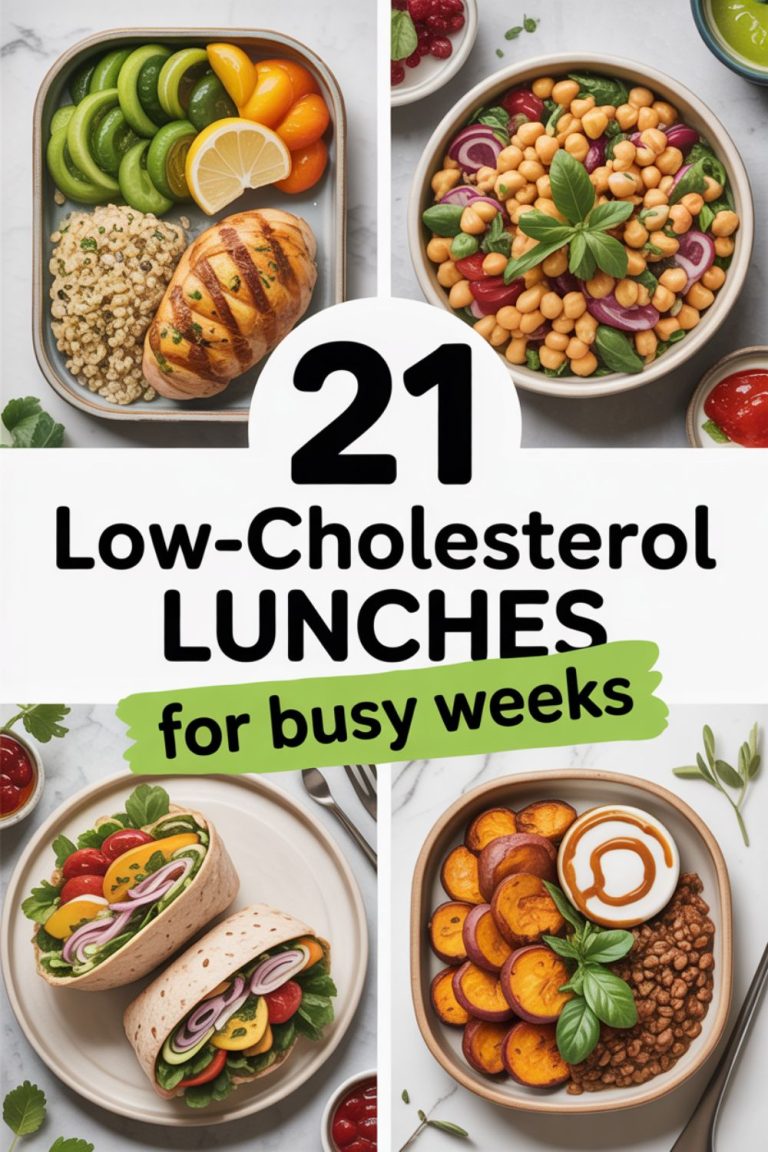
Lentil and Roasted Red Pepper Wrap
Lentils are quietly one of the best foods on the planet for heart health. They’re high in folate, magnesium, and fiber—roughly 8 grams per half-cup cooked. Wrapped with roasted red peppers, baby spinach, and a quick lemon-tahini drizzle in a whole-wheat tortilla, this is a lunch that feels substantial without making you drowsy at 2pm. Get Full Recipe
- 8
Quinoa, Black Bean, and Corn Salad
Quinoa is technically a seed, but it functions like a grain and delivers all nine essential amino acids alongside 5 grams of fiber per cup cooked. Black beans add another significant fiber hit. This salad holds up well in the fridge for several days, making it a meal-prep champion. Dress it with a cumin-lime vinaigrette and call it done.
- 9
Split Pea Soup with Smoked Paprika
Split peas might be the most underrated legume in the whole category. They break down into a naturally thick, creamy soup without any cream needed and deliver around 8 grams of fiber per half-cup cooked. The smoked paprika gives this version a depth that makes it feel indulgent rather than virtuous. FYI, this reheats beautifully from frozen.
- 10
Roasted Beet and Arugula Farro Bowl
Farro is an ancient whole grain with a pleasantly nutty bite and about 5 grams of fiber per cooked cup. Roasted beets bring natural sweetness and betalains—compounds with anti-inflammatory properties. A handful of arugula, some toasted walnuts, and a simple balsamic dressing round it out into something genuinely restaurant-quality. Get Full Recipe
“I started making the white bean and kale soup every Sunday for the week and my cholesterol numbers shifted noticeably within three months. My cardiologist actually asked what I had changed. I just pointed her toward this recipe list.”
Hearty Dinners Loaded with Fiber
- 11
Black Bean and Sweet Potato Enchiladas
Black beans and sweet potatoes are both high-fiber stars. Sweet potato skin alone adds 3 to 4 grams of fiber. Layered with a smoky homemade enchilada sauce and baked until bubbly, this is the kind of dinner that makes you forget you’re trying to eat better. Serve with brown rice for an even more substantial fiber boost. Get Full Recipe
- 12
Chickpea and Spinach Curry over Brown Rice
Chickpeas bring both soluble fiber and plant-based protein, which is a combination that manages blood sugar and cholesterol simultaneously. A thick curry sauce made with canned tomatoes, fresh ginger, garlic, and garam masala is nothing short of deeply satisfying. Serve over brown rice to push the fiber count well above 12 grams per serving.
- 13
Tuscan White Bean and Vegetable Stew
This is white bean soup’s more rustic, chunkier sibling—and honestly it might be even better. Cannellini beans, zucchini, carrots, canned tomatoes, and a parmesan rind (optional but recommended) simmered together into a proper stick-to-your-ribs dinner. It’s the kind of thing that tastes like it took all afternoon but comes together in under 40 minutes. Get Full Recipe
- 14
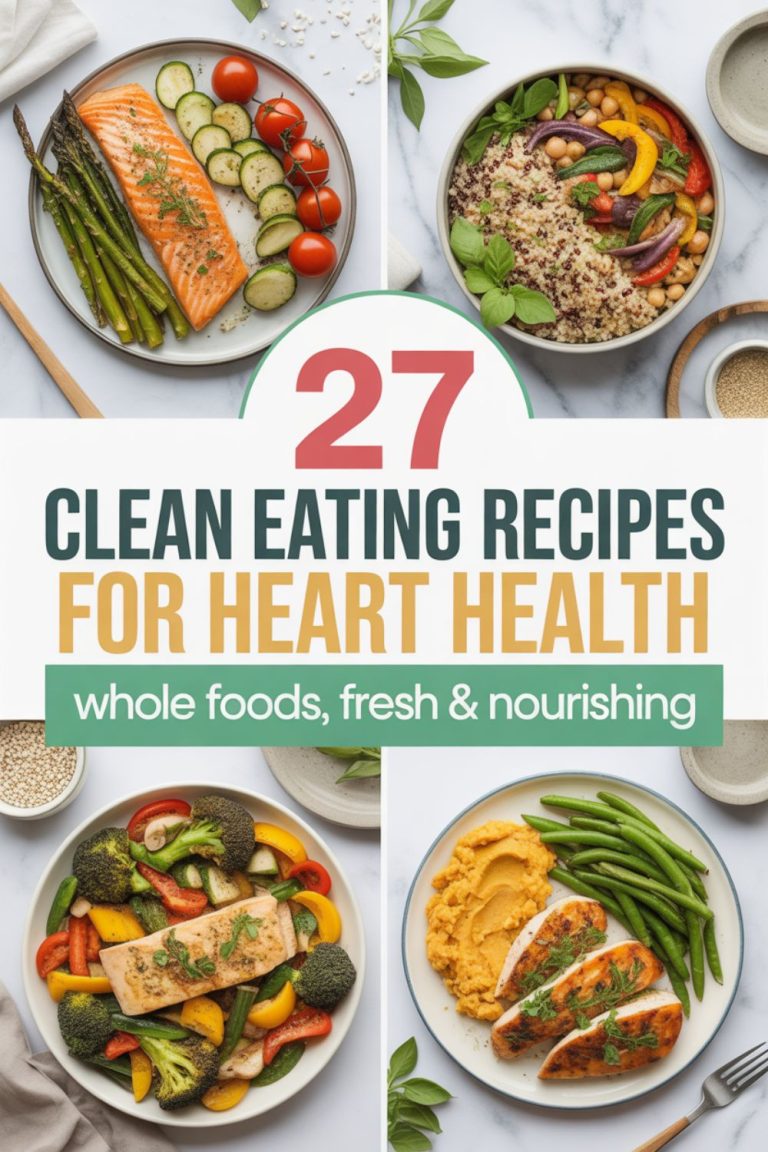
Salmon and Roasted Asparagus with Farro
Salmon brings the omega-3 fatty acids, farro brings the fiber, and roasted asparagus adds both soluble fiber and prebiotic compounds that feed the gut bacteria responsible for those heart-protective short-chain fatty acids mentioned earlier. This dinner covers almost every cardiovascular health basis in a single sheet pan. Use a heavy-gauge rimmed baking sheet to get even roasting without warping—it makes a genuine difference at high oven temps.
- 15
Red Lentil Dal with Whole-Wheat Naan
Red lentils cook faster than any other legume—20 minutes from dry to done—which makes this dal one of the most efficient high-fiber dinners you can make. The lentils break down into a silky, rich sauce that pairs beautifully with warm whole-wheat naan. A squeeze of fresh lemon over the top before serving elevates the whole thing.
Snacks and Sides That Sneak in More Fiber
- 16
Hummus with Raw Veggie Dippers
Chickpeas—again—because they really are that good. A generous serving of classic hummus alongside sliced bell peppers, carrots, and celery gives you fiber from multiple sources all at once. Making hummus at home is easier than most people think, and a high-powered personal blender gives you that ultra-smooth texture that store-bought rarely matches.
- 17
Edamame with Sea Salt and Chili Flakes
Edamame is one of the highest-fiber snacks that requires almost zero effort to prepare. About 8 grams of fiber per cup alongside a solid protein hit. The sea salt and chili flakes turn what could be a boring health snack into something you’ll actually reach for. Serve warm or chilled—both work perfectly.
- 18
Apple Slices with Almond Butter and Chia Seeds
Apples deliver pectin, a soluble fiber that specifically helps lower LDL cholesterol. Almond butter adds healthy fats and a bit more fiber. A sprinkle of chia seeds on top takes the whole snack from decent to genuinely nutritious. Almond butter and peanut butter are broadly comparable in fiber content, though almond butter edges ahead on vitamin E. Worth knowing.
- 19
Roasted Chickpea Trail Mix
Roasted chickpeas have a satisfying crunch and travel well, making them the perfect desk snack or gym bag companion. Toss them with almonds, pumpkin seeds, dried cranberries, and a pinch of smoked paprika. Use a silicone roasting mat on your baking sheet and nothing will stick—cleanup takes about 10 seconds. Get Full Recipe
Batch-cook a big pot of lentils or beans at the start of the week—they keep in the fridge for five days and can be pulled into soups, salads, bowls, or wraps without any additional cooking time.
Desserts That Work for Your Heart
- 20
Dark Chocolate and Raspberry Chia Pudding
Chia seeds form the base here, delivering around 10 grams of fiber per two tablespoons along with omega-3 fatty acids. Dark chocolate (70% cacao or higher) adds flavonoids linked to better endothelial function—that’s the lining of your blood vessels, and keeping it healthy matters a lot for heart health. Raspberries are one of the highest-fiber fruits at about 8 grams per cup. Get Full Recipe
- 21
Oat and Walnut Banana Cookies
These two-ingredient banana cookies are often cited as a health food hack, but adding rolled oats, walnuts, and a spoonful of almond butter turns them into something that actually holds up as a real dessert. Each cookie delivers fiber from three separate sources and absolutely nobody will guess they’re made without refined sugar or butter. Get Full Recipe
Kitchen Tools & Resources That Make These Recipes Easier
Things I actually use and reach for regularly—in no particular order of importance.
Physical tools first, because gear that works well makes cooking feel less like a chore:
Enameled Cast-Iron Dutch Oven
Genuinely the most versatile pot in a heart-healthy kitchen. Soups, stews, braises—the even heat distribution changes the results. A quality enameled cast-iron Dutch oven will last decades with minimal care.
Glass Meal Prep Containers
Batch-cooking is the secret weapon for actually following through on these recipes. A set of leak-proof glass meal prep containers makes the whole system work—no warping, no staining, oven and microwave safe.
Immersion Blender
For soups like the split pea or white bean versions, an immersion blender means you can get a smooth result without transferring hot liquid to a standing blender. Life-changing tool for under $40.
Digital resources that genuinely improve how you plan and eat:
Heart-Healthy Meal Plan Template
A printable weekly planner formatted around fiber targets and heart-healthy meal categories. Takes the guesswork out of structuring your week without feeling restrictive.
Fiber Tracking Spreadsheet
A simple, pre-built spreadsheet to track your daily fiber intake across food groups. Far less tedious than you’d expect, and the visual progress is genuinely motivating.
Grocery List Organizer by Fiber Category
Organized by food type—legumes, whole grains, fruits, vegetables, seeds—so your shopping trips are efficient and you never forget the thing that anchors the week’s meal prep.
How to Actually Hit Your Fiber Goals Every Day
Knowing the recipes is one thing. Building habits that make high-fiber eating automatic is the real game. The people who make meaningful, lasting dietary changes aren’t the ones with the most willpower—they’re the ones who design their environment so that the healthy choice is also the easiest choice.
Start with your breakfast. If your first meal of the day includes oats, chia seeds, or a fiber-rich grain, you’ll typically get 8 to 12 grams of fiber before you’ve even thought about lunch. That puts you a third of the way to your daily goal with one meal. Build from there rather than trying to compensate with a fiber-heavy dinner after a low-fiber day.
Legumes are your most efficient fiber delivery mechanism. A half-cup of cooked lentils or black beans at lunch and dinner alone can add 15 to 17 grams of fiber to your day. They’re also cheap, freeze beautifully, and work in dozens of preparations. If you’re not eating them regularly, that single change will move the needle more than any supplement.
Add a tablespoon of ground flaxseed to your morning oatmeal, smoothie, or yogurt—it disappears completely into the food and adds 2 to 3 grams of fiber with zero effort.
Whole grains over refined grains—this one you’ve probably heard a thousand times, but it’s worth repeating because the fiber difference is significant. Switching from white rice to brown rice adds about 3 grams of fiber per cup. Choosing whole-wheat bread over white adds 2 to 4 grams per two slices. These are small individual swaps that compound meaningfully over the course of a day.
For meal prep specifically, cooking a large batch of grains and legumes on Sunday takes about 40 minutes of mostly hands-off time and sets you up for the entire week. Batch-cook farro, lentils, and chickpeas simultaneously using different pots and you’ll have the building blocks for every recipe category on this list. Use a digital kitchen timer with multiple simultaneous countdowns if you’re running several pots at once—it’s the kind of small organizational tool that prevents burned things and forgotten timers.
“I was skeptical about how much food change could actually matter without medication. After two months of consistently eating from a list similar to this one, my LDL dropped 22 points. My doctor was genuinely impressed. The lentil dal and the overnight oats are now weekly non-negotiables.”
Fiber-Rich Ingredients Worth Keeping Stocked at All Times
You can’t cook high-fiber recipes if you don’t have high-fiber ingredients on hand. This is the pantry and fridge list that makes all of the above recipes possible without a special trip to the store every time you want to cook something.
Pantry Staples
- Dry lentils (red, green, and French green) — the fastest-cooking legume with outstanding fiber content
- Canned chickpeas and black beans — for when you don’t have time to cook from dry
- Rolled oats and steel-cut oats — the cornerstone of high-fiber breakfasts
- Farro, barley, and brown rice — rotate between them to keep dinners interesting
- Ground flaxseed — buy it pre-ground or grind whole seeds in a compact spice grinder for fresher potency
- Chia seeds — add to almost anything without affecting flavor
- Whole-wheat pasta and whole-grain bread — straightforward swaps with meaningful fiber gains
Fridge and Freezer Essentials
- Dark leafy greens (kale, spinach, Swiss chard) — add to soups, stir-fries, and eggs without thinking
- Avocados — keep a few at various ripeness stages for daily use
- Frozen edamame — ready in three minutes and one of the most fiber-dense snacks available
- Frozen berries — raspberries and blackberries are fiber leaders among fruits
- Broccoli and Brussels sprouts — both surprisingly high in fiber and work with almost any cooking method
Frequently Asked Questions
How much fiber do I need per day for heart health?
Most guidelines recommend 25 to 38 grams of fiber per day for adults, with the higher end of that range applying to younger men. Research consistently shows that reaching 25 to 29 grams daily provides meaningful cardiovascular protection. Most people currently eat around 15 to 16 grams, so even a moderate increase makes a measurable difference.
What’s the best high-fiber food for lowering cholesterol specifically?
Oats and oat-based foods are among the most well-researched for LDL cholesterol reduction, largely because of their beta-glucan content. Legumes—especially lentils, black beans, and chickpeas—are equally impressive. Psyllium husk is another option that has strong clinical evidence behind it for cholesterol management specifically.
Can I get too much fiber?
For most healthy adults, getting too much fiber from whole food sources is quite difficult in practice. The more common issue when increasing fiber quickly is digestive discomfort—bloating, gas, and cramps—especially if fluid intake doesn’t increase alongside it. Increase fiber intake gradually over a couple of weeks and drink plenty of water throughout the day.
Is soluble fiber better than insoluble fiber for heart health?
Both types of fiber support heart health through different mechanisms. Soluble fiber—found in oats, beans, apples, and flaxseed—is more directly linked to cholesterol reduction. Insoluble fiber helps with satiety, blood sugar regulation, and digestive transit. Most whole foods contain a mix of both, so focusing on food variety is more practical than tracking fiber types separately.
Are fiber supplements as effective as whole food fiber for heart health?
Fiber supplements like psyllium have shown meaningful effects in clinical studies, but they don’t replicate the full nutritional package that comes from whole food sources. Whole-food fiber comes alongside antioxidants, vitamins, minerals, and other plant compounds that work synergistically. Supplements can be a useful addition, but they work best as exactly that—a supplement to a fiber-rich diet, not a replacement for one.
One Recipe at a Time
You don’t need to overhaul your entire diet in a week to make a meaningful difference for your heart. Start with one or two recipes from this list. Make the overnight oats on Sunday. Cook a pot of lentil soup on Wednesday. Swap your afternoon snack for edamame and apple slices with almond butter. Small, consistent changes made across weeks and months add up to the kind of sustained improvement that actually shows up in lab results.
High-fiber eating doesn’t require suffering through flavorless food or spending your evenings meal-prepping elaborate systems that collapse by Thursday. It requires a well-stocked pantry, a handful of reliable recipes, and the willingness to cook real food most of the time. These 21 recipes give you a solid foundation to build from.
Pick one and start there. Your heart will thank you for it.