
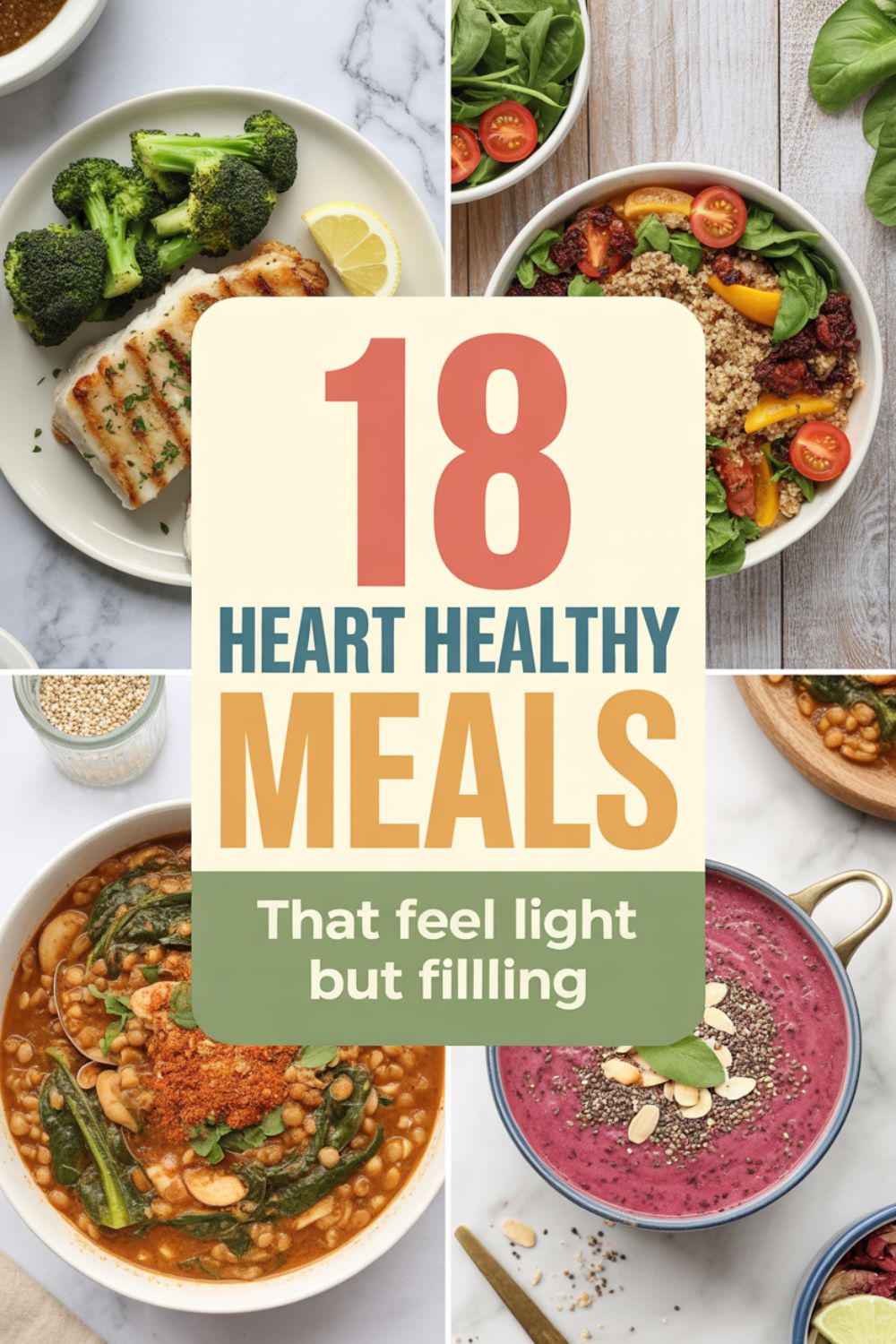
18 Heart Healthy Meals That Feel Light but Filling
Look, I get it. You want to eat better for your heart, but you’re not trying to feel like you’re grazing on rabbit food all day. That weird territory between “healthy” and “actually satisfying” can feel impossible to navigate. But here’s the thing—heart-healthy meals don’t have to leave you hungry an hour later or taste like cardboard dipped in disappointment.
I’ve spent way too much time experimenting in my kitchen, trying to crack the code on meals that check both boxes: good for your ticker and actually filling. The secret? It’s not about deprivation or bland steamed vegetables. It’s about smart combinations of fiber, lean protein, and healthy fats that keep you satisfied without weighing you down.
These 18 meals have become my go-to rotation when I want to feel light but not hungry, energized but not sluggish. No tricks, no weird supplements—just real food that happens to love your heart back.
Why Light and Filling Isn’t an Oxymoron
The whole “light but filling” concept used to confuse me. How can something be both? Turns out, it’s about nutrient density and how your body processes different foods. When you load up on fiber-rich vegetables, whole grains, and lean proteins, you’re giving your body volume and sustained energy without the caloric bomb.
According to the American Heart Association, focusing on dietary patterns rather than individual foods makes the biggest difference for cardiovascular health. That means thinking about meals as complete packages rather than isolated ingredients.
Plus, research from Mayo Clinic shows that portion control matters just as much as what you eat. But here’s the trick—when your plate is full of high-fiber, water-rich foods, you naturally eat appropriate portions because you’re genuinely full.
The Foundation: What Makes a Meal Heart-Healthy?
Before we jump into specific meals, let’s talk about what actually makes food heart-healthy. It’s not just about what you avoid—it’s about what you embrace.
30-Day Cholesterol Reset System
A simple done-for-you plan to help you eat heart-healthy every day without confusion.
Over 1,000 people downloaded this guide
✔ 100 Easy Recipes
✔ Grocery Lists + Meal Prep Guide
🎁 FREE BONUSES:
✔ 7-Day Quick Start Plan
✔ Printable Grocery List
$29 $9
Get Instant AccessThe Power Players
Omega-3 fatty acids are your heart’s best friend. Think fatty fish like salmon, mackerel, and sardines. These aren’t just good for you in a vague, abstract way—they actively reduce inflammation and can lower your triglycerides. I try to get fish on my plate at least twice a week, and honestly, it’s easier than I thought once I found a few solid recipes.
Fiber is the unsung hero here. Soluble fiber, specifically, helps lower your LDL cholesterol (the bad kind). Oats, beans, lentils, apples, and barley are loaded with it. The cool thing about fiber is that it keeps you full way longer than refined carbs ever could. I’ve noticed that when I have oatmeal for breakfast, I’m not ransacking the pantry by 10 AM.
Healthy fats from sources like olive oil, avocados, and nuts actually protect your heart. I know, I know—fat was demonized for decades. But monounsaturated and polyunsaturated fats are actually essential. I keep a good bottle of extra virgin olive oil on hand and use it liberally. The difference in flavor alone makes it worth it.
If you’re looking to build a complete approach to heart health, check out these foods that naturally lower cholesterol—they’re game-changers when you work them into your regular rotation.
What to Minimize (Not Eliminate)
I’m not going to tell you to never eat certain foods again. That’s not realistic, and frankly, it makes you miserable. But there are a few things worth cutting back on.
Saturated fats from red meat, butter, and full-fat dairy can raise your LDL cholesterol. I’m not saying go full vegetarian (unless you want to), but maybe save the ribeye for special occasions and opt for leaner proteins most days. Trans fats are basically the villain of the story—hydrogenated oils that wreak havoc on your cholesterol levels. Most packaged snacks and fried foods are loaded with them.
And then there’s sodium. Most of us eat way more than the recommended 2,300mg per day—and honestly, most of it comes from processed foods, not the salt shaker. When I started cooking more at home and using herbs and spices for flavor, I barely noticed I was eating less salt.
18 Meals That Actually Deliver
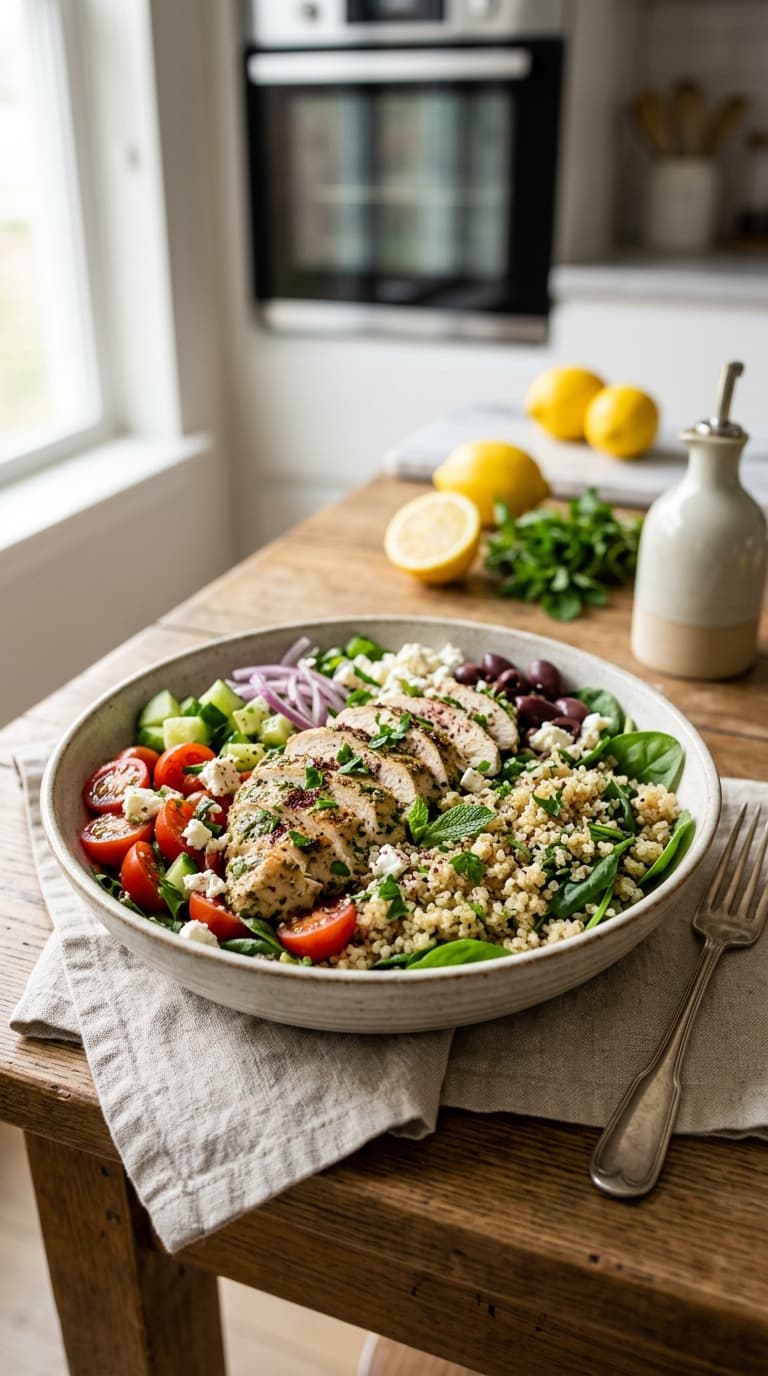
1. Mediterranean Grilled Chicken with Quinoa and Roasted Vegetables
This is my weeknight MVP. Marinate chicken breast in lemon juice, garlic, oregano, and a splash of olive oil, then grill it until it’s got those nice char marks. Pair it with fluffy quinoa and whatever vegetables are in your fridge—zucchini, bell peppers, cherry tomatoes, you name it. Roast them with herbs, and you’ve got a complete meal that feels restaurant-quality.
The protein from the chicken keeps you satisfied, the quinoa adds fiber and a complete amino acid profile, and the vegetables bring volume and nutrients without piling on calories. Plus, it’s colorful enough that you actually want to eat it. Get Full Recipe
2. Salmon and Spinach Whole Wheat Wrap
Leftover salmon is a blessing. Flake it up, mix it with a little Greek yogurt (way lighter than mayo), add baby spinach, cucumber, and a squeeze of lemon. Roll it up in a whole wheat tortilla, and you’ve got lunch sorted. The omega-3s in salmon are clutch for heart health, and the whole wheat wrap keeps things satisfying without feeling heavy.
FYI, I use these whole wheat tortillas because they’re actually soft and don’t taste like cardboard. It makes a difference.
3. Lentil and Vegetable Soup
Soup might sound boring, but hear me out. A hearty lentil soup packed with carrots, celery, tomatoes, and spinach is ridiculously filling. Lentils are one of the best sources of plant-based protein and fiber, which means they keep you full for hours. I make a huge batch on Sunday and eat it throughout the week.
The best part? You can throw everything into an Instant Pot and walk away. No babysitting required. For more inspiration, these low cholesterol soups and stews are perfect for meal prep.
4. Turkey and Avocado Lettuce Wraps
When you want something fresh and crunchy, this hits the spot. Use large lettuce leaves (butter lettuce works great) as the wrap, fill them with sliced turkey breast, avocado, tomato, and a drizzle of balsamic vinegar. It’s light, refreshing, and the healthy fats from the avocado keep you satisfied.
I know lettuce wraps can feel a little “diet culture,” but these genuinely taste good. They’re not punishment food—they’re just a lighter alternative when you’re not in the mood for bread.
5. Baked Cod with Sweet Potato and Broccoli
Fish gets a bad rap for being complicated, but cod is foolproof. Season it with paprika, garlic powder, and a little lemon zest, then bake it at 400°F for about 15 minutes. Serve it with roasted sweet potato wedges and steamed broccoli, and you’ve got a balanced plate.
Cod is incredibly lean—almost no fat—but paired with the complex carbs from sweet potato, you won’t feel like you’re missing anything. The fiber in both the sweet potato and broccoli keeps things moving along nicely, if you know what I mean. Get Full Recipe
6. Chickpea and Veggie Stir-Fry
Vegetarian meals can absolutely be filling—you just need to make sure you’re getting enough protein. Chickpeas are my secret weapon. Sauté them with garlic, ginger, snap peas, bell peppers, and bok choy in a touch of sesame oil and low-sodium soy sauce. Serve over brown rice or skip the rice entirely if you want to keep it super light.
The chickpeas bring both protein and fiber, and the vegetables add bulk. I swear by this carbon steel wok for stir-frying—it gets ridiculously hot and everything cooks fast without getting soggy.
Speaking of plant-based meals that actually satisfy, these vegetarian meals prove you don’t need meat to feel full.
7. Egg White Veggie Scramble with Whole Grain Toast
Breakfast doesn’t have to be complicated. Scramble egg whites (or a mix of whole eggs and whites if you’re not worried about cholesterol) with mushrooms, tomatoes, spinach, and onions. Season with black pepper and a pinch of turmeric for an anti-inflammatory boost. Pair with whole grain toast, and you’re set.
I’m not going to lie—I missed the yolks at first. But once I started loading up the scramble with veggies and using good seasonings, I stopped noticing. The volume from the vegetables is what keeps you full, not the eggs alone.
8. Greek Yogurt Chicken Salad on Mixed Greens
Chicken salad doesn’t have to be a mayo-heavy mess. Use plain Greek yogurt as your base, mix in shredded chicken breast, diced celery, grapes, and a handful of walnuts. Serve it over a bed of mixed greens instead of bread, and you’ve got a meal that’s light but substantial.
The Greek yogurt adds protein and creaminess without the saturated fat, and the walnuts bring omega-3s and crunch. I keep a bag of raw walnuts in my pantry for exactly this reason.
9. Zucchini Noodles with Turkey Bolognese
Pasta is great, but sometimes you want the flavor without the carb coma. Enter zucchini noodles. Use a spiralizer to turn zucchini into noodles, then top with a lean turkey Bolognese made with crushed tomatoes, garlic, basil, and oregano.
The zucchini adds volume and nutrients without weighing you down, and the turkey provides protein. It’s surprisingly satisfying, especially if you add a sprinkle of Parmesan (just a little—no need to go overboard). Get Full Recipe
10. Grilled Shrimp Tacos with Cabbage Slaw
Tacos, but make them heart-healthy. Grill shrimp with chili powder, cumin, and lime juice, then serve in corn tortillas (which are lower in calories than flour tortillas). Top with a crunchy cabbage slaw made from shredded cabbage, cilantro, lime juice, and a touch of Greek yogurt.
Shrimp is high in protein and low in calories, and the corn tortillas bring whole grain goodness. The cabbage slaw adds a ton of volume and crunch without any guilt.
11. Baked Sweet Potato with Black Beans and Salsa
Sometimes the simplest meals are the best. Bake a sweet potato until it’s soft, split it open, and top with black beans, salsa, and a dollop of Greek yogurt. Add some cilantro and a squeeze of lime, and you’re done.
Sweet potatoes are loaded with fiber and beta-carotene, black beans bring protein and more fiber, and the salsa adds flavor without adding fat. It’s a complete meal that costs like three bucks to make. Get Full Recipe
12. Tuna Salad Stuffed Bell Peppers
Canned tuna gets a bad reputation, but it’s a super convenient source of lean protein and omega-3s. Mix tuna with Greek yogurt, diced celery, a little mustard, and black pepper. Stuff it into halved bell peppers for a crunchy, colorful vessel.
This is one of those meals you can throw together in five minutes when you’re too tired to cook but don’t want to order takeout. The bell peppers add sweetness and vitamin C, and the tuna keeps you full.
For even more quick meal ideas that won’t leave you feeling hungry, check out these lunches that keep you full.
13. Cauliflower Fried Rice with Edamame
Fried rice without the rice—stay with me here. Pulse cauliflower in a food processor until it resembles rice, then sauté it with garlic, ginger, peas, carrots, and edamame. Add a scrambled egg and a splash of low-sodium soy sauce.
The cauliflower is so light you can eat a huge bowl without feeling stuffed, and the edamame brings plant-based protein. IMO, this is better than regular fried rice because you don’t get that heavy, sluggish feeling afterward.
14. White Bean and Kale Soup
Another soup, I know, but soups are genuinely one of the best ways to eat a ton of vegetables without feeling like you’re forcing it. Sauté onions and garlic, add vegetable broth, white beans, chopped kale, and Italian herbs. Simmer until everything is tender.
White beans are creamy and filling, kale is a nutritional powerhouse, and the broth keeps everything light. I like to make this in my Dutch oven because it holds heat beautifully and everything cooks evenly.
15. Teriyaki Tofu with Snap Peas and Brown Rice
Tofu can be polarizing, but when you press it properly and get it crispy, it’s actually amazing. Cube firm tofu, press out the excess water, then pan-fry it until golden. Toss it with a simple teriyaki sauce made from low-sodium soy sauce, ginger, garlic, and a touch of honey. Serve with snap peas and brown rice.
Tofu is a complete protein, and the brown rice adds fiber. The snap peas bring crunch and sweetness. It’s a balanced meal that happens to be vegetarian. Get Full Recipe
16. Grilled Portobello Mushroom Burgers
When you’re craving a burger but don’t want the beef, portobello mushrooms are where it’s at. Marinate them in balsamic vinegar, garlic, and olive oil, then grill until tender. Serve on a whole wheat bun with lettuce, tomato, and a smear of hummus.
Portobellos are meaty and satisfying without any actual meat. They’re low in calories but high in flavor, and the whole wheat bun keeps things hearty.
17. Baked Chicken Breast with Asparagus and Quinoa
Simple, classic, effective. Season chicken breast with rosemary, thyme, and lemon, then bake alongside asparagus spears drizzled with olive oil. Serve with quinoa on the side.
This is one of those meals that feels like you’re eating at a nice restaurant, but it takes maybe 30 minutes to make. The quinoa provides complete protein and fiber, the chicken is lean and filling, and the asparagus adds a nice earthy flavor. Plus, asparagus is a natural diuretic, so it helps with bloating.
18. Black Bean and Quinoa Buddha Bowl
Buddha bowls are having a moment, and for good reason. Start with a base of quinoa, add black beans, roasted sweet potato, avocado, cherry tomatoes, and a handful of arugula. Drizzle with tahini dressing or a simple lemon-olive oil vinaigrette.
The combination of quinoa and black beans gives you a complete protein, the sweet potato adds complex carbs, and the avocado brings healthy fats. It’s colorful, filling, and ridiculously versatile—you can swap in whatever vegetables you have on hand. Get Full Recipe
Kitchen Tools That Make Heart-Healthy Cooking Easier
Look, you don’t need a fully stocked Williams Sonoma kitchen to eat well. But a few key tools genuinely make the process faster and more enjoyable. Here’s what’s actually worth having.
Physical Products
- Quality Non-Stick Skillet – The difference between a cheap pan and a good one is night and day. Food releases easily, you use less oil, and cleanup is basically effortless. I’m convinced half the reason people don’t cook at home is because they’re dealing with crusty pans.
- Instant Pot or Pressure Cooker – This thing changed my meal prep game. Throw in ingredients, set a timer, walk away. Perfect for soups, stews, beans, and even perfectly cooked chicken breast. It’s like having a sous chef who never complains.
- Glass Meal Prep Containers – Plastic containers are fine until they start looking like a science experiment. Glass containers keep food fresh longer, don’t absorb odors, and you can reheat directly in them. Worth the investment.
Digital Products & Resources
- Heart-Healthy Meal Plan Template – Takes the guesswork out of planning. Having a structured template means you’re not standing in the grocery store trying to remember what you need. It’s basically a cheat code for staying consistent.
- Nutritional Tracking App Subscription – You don’t have to track forever, but doing it for a few weeks gives you a reality check on what you’re actually eating. I was shocked at how much sodium was hiding in “healthy” foods.
- Online Cooking Classes for Heart-Healthy Meals – Learning proper techniques makes everything easier. How to properly cook fish, how to build flavor without salt, how to make vegetables actually taste good—it’s all learnable, and once you know, you know.
The Meal Prep Strategy That Actually Works
Here’s the truth about meal prep—if you try to make five perfect meals on Sunday, you’ll burn out by Tuesday. The trick is to prep components, not complete meals. Cook a big batch of quinoa, roast a sheet pan of vegetables, grill a few chicken breasts. Then during the week, you mix and match based on what you’re in the mood for.
I usually spend about two hours on Sunday afternoon doing this, and it saves me at least an hour every single weeknight. Plus, when you’re tired and hungry, having prepped ingredients means you’re way less likely to order pizza.
These meal prep ideas will show you exactly how to batch-cook without losing your mind.
How to Actually Stick With It
The biggest obstacle to eating heart-healthy isn’t knowledge—it’s consistency. You know you should eat better. The question is how to make it happen when you’re tired, stressed, or just don’t feel like cooking.
Make It Convenient
I keep my kitchen stocked with basics: canned beans, frozen vegetables, pre-cooked brown rice packets, canned tuna, and a variety of spices. When I’m too tired to think, I can still throw together something decent. Frozen vegetables get a bad rap, but they’re flash-frozen at peak ripeness and are often more nutritious than “fresh” produce that’s been sitting around for days.
Find Recipes You Actually Like
If you’re choking down meals you hate because they’re “good for you,” you won’t last. Find recipes that genuinely taste good. It might take some trial and error, but it’s worth it. I’ve scrapped plenty of recipes that were technically healthy but tasted like punishment.
These delicious meals prove that heart-healthy doesn’t mean boring.
Don’t Aim for Perfect
Some weeks, you’ll nail it. Some weeks, you’ll eat takeout three times. That’s fine. The goal isn’t perfection—it’s progress. If you eat home-cooked meals four nights a week instead of zero, that’s a massive improvement. Don’t let one bad day derail your whole week.
The Science Behind Feeling Full on Fewer Calories
Ever wonder why you can eat a huge salad and feel fine, but a small burger leaves you sluggish? It comes down to calorie density and how different foods interact with your hunger hormones.
Foods high in water and fiber—like vegetables, fruits, and whole grains—take up more space in your stomach for fewer calories. They also slow digestion, which means your blood sugar stays stable and you don’t get that crash-and-crave cycle. Protein triggers the release of satiety hormones that tell your brain you’re full.
Research published by Harvard Health emphasizes that incorporating these nutrient-dense foods consistently reduces cardiovascular disease risk while naturally managing portion sizes through enhanced satiety.
When you combine all three—fiber, water, and protein—you get meals that fill you up without overloading you with calories. That’s the magic formula behind these 18 meals.
If you want more options that follow this exact formula, these meals under 400 calories are perfect examples.
Common Mistakes People Make (That I Definitely Made)
Skipping fat entirely. I went through a phase where I was terrified of any fat, and I was constantly hungry. Healthy fats are essential—they help you absorb vitamins and keep you satisfied. A drizzle of olive oil or a quarter of an avocado isn’t going to ruin your meal. It’s going to make it better.
Not eating enough protein. If your meals are all carbs and vegetables, you’ll be hungry again in an hour. Protein is what keeps you full. Aim for a palm-sized portion of protein with each meal.
Thinking “low-fat” packaged foods are the answer. Those are usually loaded with sugar to make up for the lack of flavor. You’re better off with real food—a piece of cheese beats fat-free cheese product every time.
Ignoring portion sizes. Even healthy foods have calories. You can absolutely overeat quinoa or almonds. Pay attention to how much you’re eating, not just what.
Frequently Asked Questions
Can heart-healthy meals actually keep me full, or will I be hungry an hour later?
Absolutely—if you build them right. The key is combining fiber, protein, and healthy fats in each meal. Fiber and protein trigger satiety hormones and slow digestion, while healthy fats provide lasting energy. Meals like lentil soup, grilled salmon with quinoa, or chickpea stir-fries hit all three targets and genuinely keep you satisfied for hours.
How many times a week should I be eating fish for heart health?
The American Heart Association recommends at least two servings of fatty fish per week, particularly salmon, mackerel, or sardines. These are high in omega-3 fatty acids, which reduce inflammation and lower triglycerides. If you’re not a huge fish fan, start with one serving and work your way up—even that makes a difference.
Are plant-based meals as filling as meals with meat?
They can be, but you need to be strategic about protein. Beans, lentils, chickpeas, tofu, and quinoa all provide substantial protein that keeps you full. The trick is to include enough of these protein sources—a salad with a handful of chickpeas isn’t going to cut it, but a black bean and quinoa bowl with avocado will keep you satisfied.
What’s the best way to add flavor without adding salt?
Herbs, spices, citrus, and aromatics are your friends. Garlic, ginger, onions, lemon juice, lime zest, fresh herbs like basil and cilantro, and spices like cumin, paprika, and turmeric all add tons of flavor. I also love a good balsamic vinegar or a quality hot sauce—both bring big flavor without the sodium overload.
Can I meal prep these recipes, or do they need to be made fresh?
Most of these are great for meal prep. Soups, stews, grain bowls, and cooked proteins hold up well in the fridge for 3-4 days. Some things, like salads or anything with avocado, are better assembled fresh. My strategy is to prep components—cook grains, roast vegetables, grill proteins—then assemble meals throughout the week based on what sounds good.
Final Thoughts
Eating for your heart doesn’t mean sacrificing satisfaction. These 18 meals prove you can feel light, energized, and genuinely full—all while doing your cardiovascular system a massive favor. The secret isn’t deprivation or bland food. It’s smart combinations of fiber, lean protein, and healthy fats that work with your body instead of against it.
Start with one or two recipes that sound good. Get comfortable with them. Then branch out. You don’t have to overhaul your entire diet overnight. Small, consistent changes add up to major health benefits over time.
Your heart will thank you. And honestly, your taste buds will too.
30-Day Cholesterol-Lowering Meal Plan
A simple step-by-step system to help you eat heart-healthy every day without stress.
Over 1,000 people downloaded this guide
$29$9
Get Instant Access