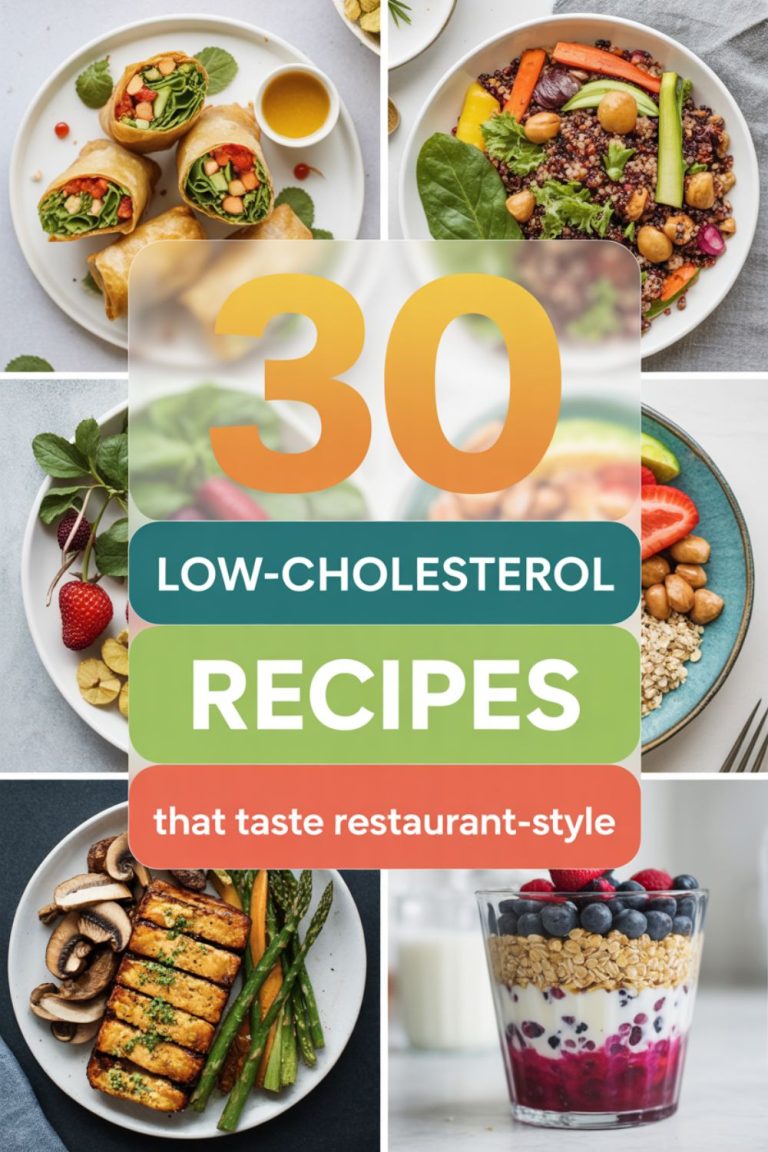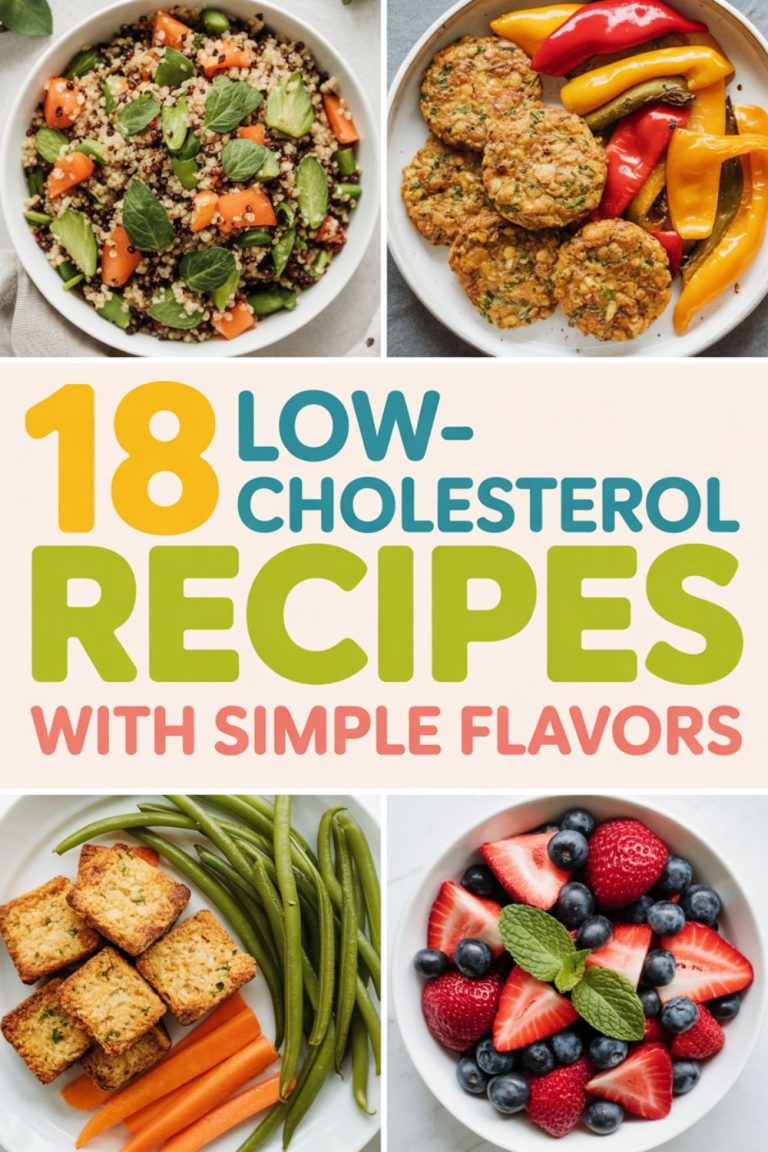

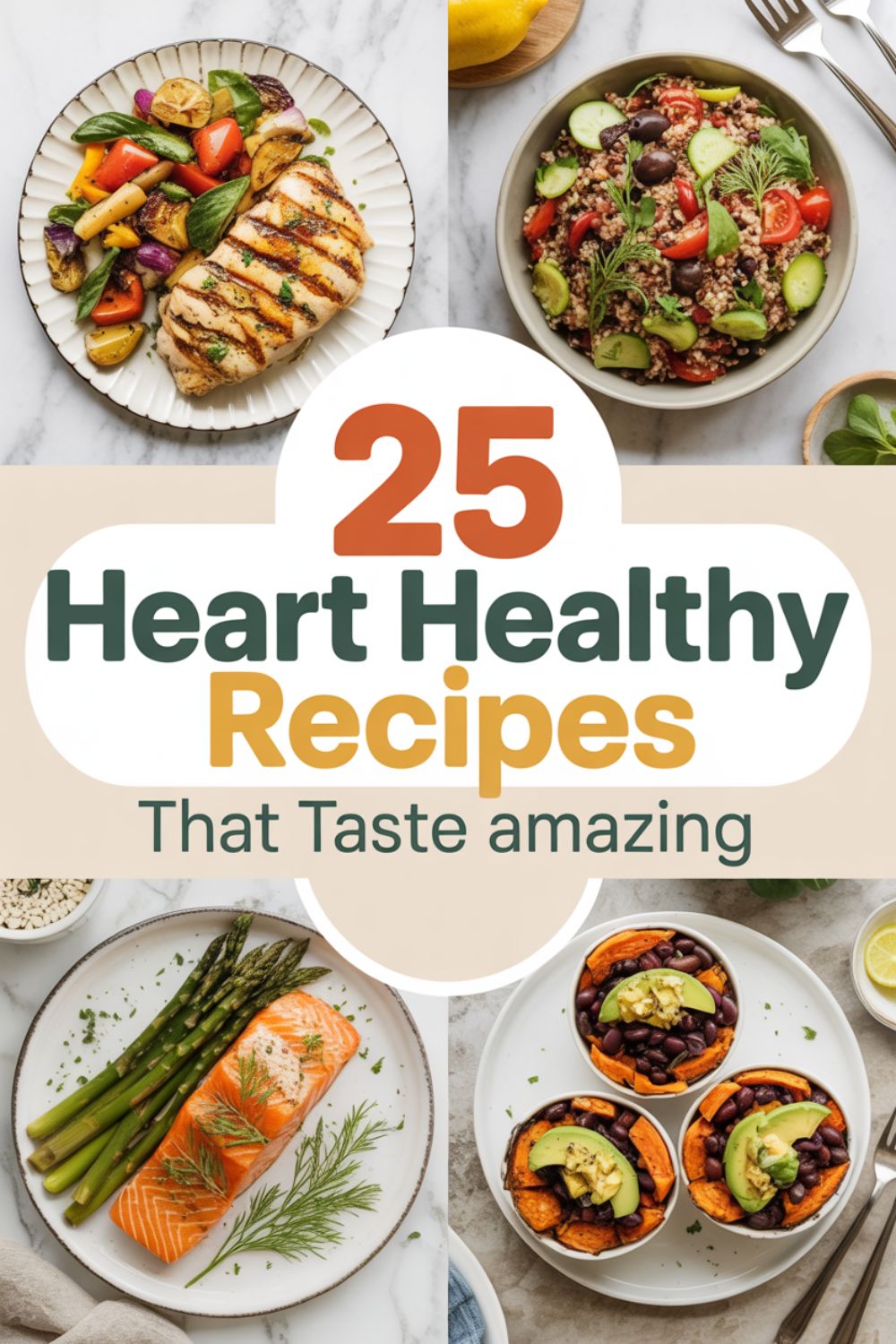
25 Heart Healthy Recipes That Taste Amazing
Look, I get it. When someone tells you to eat “heart-healthy,” your brain probably conjures up images of bland steamed vegetables and unseasoned chicken breast. But here’s the thing—taking care of your heart doesn’t mean sacrificing flavor or eating food that tastes like cardboard.
I’ve spent years figuring out how to make food that’s both good for your ticker and actually worth eating. These 25 recipes prove you can have both. No sad desk salads, no boring grilled chicken. Just real, delicious food that happens to be amazing for your cardiovascular health.
Whether you’re dealing with high cholesterol, trying to prevent heart disease, or just want to feel better overall, these recipes are going to become your new favorites. And trust me, your family won’t even notice they’re eating “healthy” food.
Why Heart-Healthy Eating Actually Matters
Before we jump into the recipes, let’s talk about why this stuff matters. Heart disease remains the leading cause of death, but here’s the good news—what you eat can seriously impact your heart health. According to research from Mayo Clinic, eating foods rich in omega-3 fatty acids and other heart-healthy nutrients can lower your risk of heart disease significantly.
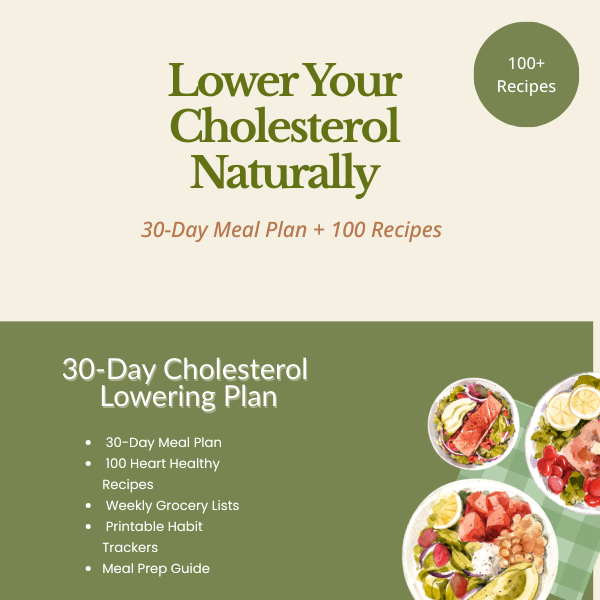
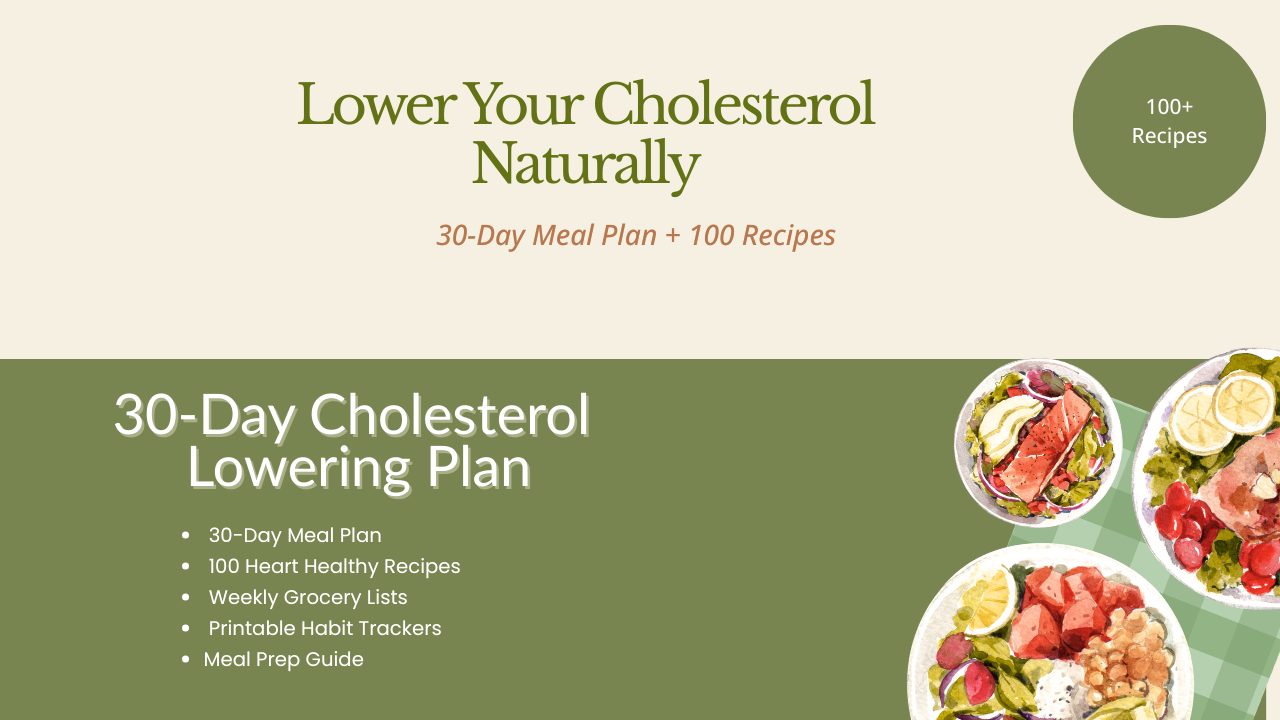
30-Day Cholesterol Reset System
A simple done-for-you plan to help you eat heart-healthy every day without confusion.
Over 1,000 people downloaded this guide
✔ 100 Easy Recipes
✔ Grocery Lists + Meal Prep Guide
🎁 FREE BONUSES:
✔ 7-Day Quick Start Plan
✔ Printable Grocery List
$29 $9
Get Instant AccessThe key players? Omega-3 fatty acids, fiber, healthy fats, and antioxidants. These nutrients work together to reduce inflammation, lower cholesterol, and keep your blood vessels happy. And no, you don’t need to eat perfectly 24/7. Small, consistent changes add up over time.
Think of it this way: every meal is an opportunity to do something good for your heart. Not pressure, just opportunity.
The Building Blocks of Heart-Healthy Recipes
Here’s what makes a recipe actually good for your heart. First up, healthy fats. We’re talking olive oil, avocados, nuts, and fatty fish. These fats don’t just taste amazing—they actively help lower bad cholesterol and raise good cholesterol.
Then there’s fiber. Soluble fiber from oats, beans, and vegetables helps remove cholesterol from your body. It’s like having a tiny cleanup crew working in your bloodstream. Pretty cool, right?
And don’t sleep on omega-3 fatty acids. Found in fatty fish like salmon, mackerel, and sardines, these powerhouse nutrients reduce inflammation and lower triglyceride levels. Cleveland Clinic research shows that omega-3s can significantly reduce the risk of heart attacks and strokes.
The recipes I’m sharing hit these markers without making you feel like you’re on some restrictive diet. Because honestly, who has time for that?
Breakfast Recipes That Start Your Day Right
Morning meals set the tone for your entire day, so let’s make them count. My go-to breakfast strategy? Whole grains, healthy fats, and protein. This combo keeps you full and gives your heart what it needs.
Try overnight oats with chia seeds, walnuts, and fresh berries. The chia seeds alone pack 5 grams of omega-3s per ounce. I prep mine in mason jars—grab a set of these glass jars if you don’t have them already. Game changer for meal prep.
Another winner? Avocado toast on whole grain bread with a poached egg. Sounds basic, but the combination of monounsaturated fats from the avocado and protein from the egg keeps you satisfied for hours. I use this avocado slicer tool because I’m lazy and it makes perfect slices every time.
Speaking of breakfast ideas, you might also love these low-cholesterol breakfast ideas and these breakfasts under 300 calories that keep things light but filling.
Lunch Recipes That Keep You Going
Lunch is where most people fall off the wagon. You’re busy, you’re hungry, and suddenly that drive-through looks really appealing. But here’s the thing—packing lunch doesn’t have to be complicated.
Mediterranean-style salads are my secret weapon. Load up on leafy greens, chickpeas, olives, tomatoes, cucumber, and a lemon-olive oil dressing. Add some grilled chicken or salmon if you want protein. The whole thing takes maybe 10 minutes to throw together.
Or try a quinoa bowl with roasted vegetables and tahini dressing. Quinoa is a complete protein and crazy high in fiber. I batch-cook it in my rice cooker on Sundays and use it all week. Zero effort, maximum return.
For more lunchtime inspiration, check out these lunches that keep you full or these 10-minute lunch options when you’re really pressed for time.
Dinner Recipes That Actually Excite You
Dinner is where you get to be creative. This is when I bring out the good stuff—the recipes that make my family forget they’re eating healthy.
Salmon and Other Fatty Fish Winners
Salmon is the MVP of heart-healthy dinners. Rich in omega-3s, high in protein, and ridiculously versatile. My favorite way to cook it? Sheet pan salmon with asparagus and cherry tomatoes. Everything roasts together in 20 minutes. Get Full Recipe.
Brush the salmon with a mix of olive oil, lemon, garlic, and fresh dill. The asparagus gets crispy, the tomatoes burst and get all sweet, and the salmon stays moist. I line my sheet pan with parchment paper sheets for easy cleanup because I’d rather spend my time eating than scrubbing.
Don’t sleep on mackerel either. It’s less expensive than salmon but packed with even more omega-3s. Try it grilled with a simple herb butter or baked with lemon and capers. Get Full Recipe.
For more ways to work fish into your rotation, these low-cholesterol dinners have some solid options you’ll want to bookmark.
Chicken Dishes That Don’t Bore You
Chicken gets a bad rap for being bland, but that’s only if you’re cooking it wrong. Skinless chicken breast is naturally low in saturated fat, making it perfect for heart health.
Try Mediterranean chicken with olives, sun-dried tomatoes, and artichoke hearts. The combination of flavors is incredible, and it comes together in one skillet. Get Full Recipe. I use this cast iron skillet for everything—it distributes heat evenly and gives you that perfect sear.
Another favorite? Chicken stir-fry loaded with vegetables. Use sesame oil, ginger, garlic, and a splash of low-sodium soy sauce. Serve over brown rice or cauliflower rice if you want to cut carbs. The key is getting your pan really hot so everything gets that nice char.
Looking for more chicken inspiration? These low-cholesterol chicken recipes and these family dinners everyone will love are worth checking out.
Plant-Based Options That Satisfy
You don’t need meat to have a satisfying, heart-healthy dinner. Some of my favorite meals are completely plant-based. Beans, lentils, and chickpeas are all high in fiber and protein while being naturally low in fat.
Black bean and sweet potato chili is a household favorite. The sweet potatoes add natural sweetness that balances the spices, and the black beans make it hearty enough that nobody misses the meat. Top with avocado and a dollop of Greek yogurt. Get Full Recipe.
Lentil bolognese over whole wheat pasta is another winner. You get the comfort of traditional pasta but with way more fiber and nutrients. The lentils take on the flavor of the tomato sauce beautifully. Get Full Recipe.
For more plant-forward meals, explore these vegetarian meals you’ll actually crave. They’re not your typical “diet food”—they’re legitimately delicious.
Kitchen Tools That Make Heart-Healthy Cooking Easier
After years of cooking these recipes, these are the tools I reach for constantly. They make healthy cooking actually enjoyable instead of a chore.
Physical Products:
- Cast Iron Skillet – Perfect heat distribution and naturally non-stick once seasoned. Use it for everything from searing salmon to making stir-fries. Mine’s lasted 10+ years.
- High-Speed Blender – Essential for smoothies, soups, and homemade hummus. The difference between a cheap blender and a good one is night and day. Worth the investment.
- Digital Food Scale – Takes the guesswork out of portion sizes. Super helpful when you’re trying to manage heart health and want accurate measurements.
Digital Resources:
- Heart-Healthy Meal Planning Template – Weekly meal planner specifically designed for cardiovascular health. Includes shopping lists and prep schedules.
- Omega-3 Food Guide eBook – Comprehensive guide to incorporating omega-3-rich foods into every meal. Includes substitution charts and recipe ideas.
- 30-Day Heart Health Challenge – Structured program with daily recipes, tips, and tracking tools. Great for building sustainable habits.
Snacks That Support Your Heart
Snacking doesn’t have to derail your heart-healthy eating. The trick is choosing snacks with protein, fiber, or healthy fats—or ideally, all three.
Raw almonds are my go-to. A handful gives you healthy fats, protein, and fiber. Keep a container in your desk drawer or car. I portion mine out into small containers using these mini storage containers so I don’t accidentally eat the entire bag in one sitting.
Hummus with vegetable sticks is another winner. Make your own hummus in about 5 minutes—just chickpeas, tahini, lemon juice, garlic, and olive oil in a food processor. Way cheaper than store-bought and tastes fresher.
Apple slices with almond butter hit the spot when you want something sweet. The fiber from the apple and healthy fats from the almond butter keep you satisfied. Just watch your portions with the almond butter—it’s calorie-dense even though it’s healthy.
Need more snack ideas? These heart-healthy snacks and these satisfying options will keep you covered between meals.
Soups and Stews for Comfort
There’s something deeply comforting about a good soup or stew, especially when you know it’s doing good things for your heart. The beauty of soups is you can pack them with vegetables, beans, and lean proteins without it feeling heavy.
Minestrone soup is a classic for good reason. It’s loaded with vegetables, beans, and whole grain pasta. I make a huge batch in my Dutch oven and freeze portions for busy nights. Having homemade soup in the freezer is like having a hug waiting for you.
Lentil and vegetable stew is another favorite. Lentils are incredibly high in fiber and protein while being practically fat-free. They also cook relatively quickly compared to other legumes, so you can have a hearty stew on the table in under an hour. Get Full Recipe.
White bean and kale soup with turkey sausage brings serious flavor. Use chicken or turkey sausage instead of pork to keep saturated fat low. The kale adds iron and antioxidants, while the beans provide that creamy texture without any cream.
For more warming options, check out these soups and stews for any season and these heart-healthy soups that specifically target cholesterol.
Smart Sides That Complete the Meal
Sides are where you can sneak in extra vegetables and whole grains. A good side dish shouldn’t just fill space on the plate—it should add nutrition and flavor.
Roasted Brussels sprouts with balsamic glaze are ridiculously good. Cut them in half, toss with olive oil and a pinch of salt, and roast until crispy. Drizzle with balsamic reduction at the end. People who claim to hate Brussels sprouts change their minds with this recipe.
Quinoa pilaf with herbs and almonds is perfect alongside grilled fish or chicken. Cook the quinoa in vegetable broth instead of water for extra flavor, then stir in fresh herbs and toasted almonds. The almonds add a nice crunch and healthy fats.
Sweet potato wedges baked in the oven scratch that french fry itch without the guilt. Cut sweet potatoes into wedges, toss with a tiny bit of olive oil and paprika, then bake until crispy. I use this baking stone for extra crispy results.
Browse these versatile side dishes for more options that pair with everything.
Desserts That Don’t Sabotage Your Progress
Yes, you can have dessert while eating heart-healthy. The key is focusing on naturally sweet ingredients and healthy fats instead of refined sugar and butter.
Dark chocolate avocado mousse sounds weird but tastes incredible. The avocado makes it creamy without any cream, and dark chocolate is actually good for your heart in moderation. It’s rich in flavonoids that help lower blood pressure. Get Full Recipe.
Baked pears with walnuts and cinnamon feel fancy but take about 15 minutes. Core the pears, fill with chopped walnuts and a sprinkle of cinnamon, then bake until tender. Drizzle with a tiny bit of honey if you want extra sweetness.
Greek yogurt bark with berries and dark chocolate is perfect for when you want something cold and sweet. Spread Greek yogurt on a parchment-lined baking sheet, top with fresh berries and chopped dark chocolate, freeze, then break into pieces.
For more guilt-free treats, explore these low-cholesterol desserts. They prove you don’t have to skip dessert to be healthy.
Meal Prep Strategies That Actually Work
Real talk—meal prep is the secret to maintaining heart-healthy eating long-term. When healthy food is ready to go, you’re way less likely to order takeout or grab something quick and unhealthy.
My approach? Pick one protein, one grain, and three vegetables on Sunday. Cook everything, portion it out, and mix and match throughout the week. It’s way less boring than eating the same meal seven times.
For example, grill a bunch of chicken breast, cook a big pot of brown rice, and roast broccoli, bell peppers, and zucchini. Monday you might have chicken with rice and broccoli. Tuesday, shred the chicken for tacos with peppers. Wednesday, make a rice bowl with all the vegetables. You get the idea.
Invest in good storage containers. I’m serious about this. These glass meal prep containers are worth every penny. They’re microwave-safe, dishwasher-safe, and don’t absorb odors or stains like plastic does.
These meal prep ideas and these freezer-friendly options will set you up for success all week long.
Making It Sustainable Long-Term
Here’s what nobody tells you about eating heart-healthy: it’s not about perfection. It’s about consistency over time. You’re going to have pizza. You’re going to eat birthday cake. That’s normal and fine.
The goal is making heart-healthy choices most of the time. That’s it. If 80% of your meals support your heart health, you’re doing great. The other 20%? Live your life.
Focus on adding good stuff rather than eliminating bad stuff. When you fill up on nutrient-dense foods like salmon, vegetables, whole grains, and nuts, there’s less room for the less healthy options. It’s a much more positive approach than deprivation.
And please, stop calling it “cheating.” Food isn’t a moral issue. You’re not cheating on anything by eating a cheeseburger. You’re just making a choice, and you can make a different choice at your next meal.
For a more comprehensive approach to heart health, check out these best heart-healthy foods and this guide on foods that naturally lower cholesterol.
Simple Swaps That Make a Difference
Sometimes the smallest changes have the biggest impact. Here are swaps I’ve made that didn’t feel like sacrifices:
- Olive oil instead of butter for cooking. Monounsaturated fats vs. saturated fats. Easy win.
- Whole grain bread instead of white bread. More fiber, better for blood sugar, keeps you full longer.
- Greek yogurt instead of sour cream. Higher in protein, less fat, same creamy texture.
- Herbs and spices instead of salt. Your taste buds adjust after a couple weeks, I promise.
- Baked instead of fried. Still crispy if you do it right, way less fat.
None of these swaps feel like you’re missing out. That’s the key. If a substitution makes you feel deprived, it’s not sustainable.
What About Eating Out?
You can absolutely eat heart-healthy at restaurants. You just need to be a bit strategic. Look for grilled, baked, or roasted options instead of fried. Ask for sauces on the side. Load up on vegetables. Pretty simple stuff.
Mediterranean restaurants are usually safe bets. Lots of olive oil, fish, vegetables, and whole grains. Same with Japanese restaurants if you stick to sashimi, edamame, and vegetable rolls.
Don’t be afraid to make special requests. Most restaurants are happy to accommodate. Ask them to cook your salmon in olive oil instead of butter. Request extra vegetables instead of fries. Split an entree with someone and add a salad.
And look, if you want the pasta with cream sauce, get the pasta with cream sauce. Just maybe don’t eat the entire portion. Take half home for tomorrow. Balance, remember?
Frequently Asked Questions
Can I really eat salmon every week if I’m watching my cholesterol?
Absolutely. Despite being higher in fat, salmon contains primarily unsaturated fats and omega-3 fatty acids that actually help lower bad cholesterol and raise good cholesterol. The American Heart Association recommends eating fatty fish at least twice a week for heart health. Just avoid heavy cream sauces or excessive butter when preparing it.
Are frozen vegetables as healthy as fresh for heart health?
Yes, and sometimes they’re even better. Frozen vegetables are picked and frozen at peak ripeness, locking in nutrients. They’re often more convenient and cost-effective than fresh, especially for out-of-season produce. Just check the label to make sure nothing’s added—you want plain frozen vegetables, not ones with sauce or seasoning blends that might contain added salt or sugar.
How much sodium should I aim for if I’m eating heart-healthy?
The American Heart Association recommends no more than 2,300 milligrams per day, with an ideal limit of 1,500 mg for most adults, especially those with high blood pressure. The tricky part? Most sodium comes from processed and restaurant foods, not your salt shaker. Focus on cooking at home with fresh ingredients, and you’ll naturally cut your sodium intake significantly.
Is olive oil really that much better than other oils?
For heart health, yes. Extra virgin olive oil is rich in monounsaturated fats and antioxidants that help reduce inflammation and improve cholesterol levels. It’s been extensively studied as part of the Mediterranean diet, which consistently shows cardiovascular benefits. That said, other oils like avocado oil also have heart-healthy properties. What you want to avoid are oils high in saturated fats like coconut oil and palm oil.
Can I still eat red meat on a heart-healthy diet?
You can, but limit it and choose wisely. Opt for leaner cuts like sirloin or tenderloin, and keep portions around 3-4 ounces. Trim visible fat before cooking. The bigger issue with red meat is the saturated fat content, which can raise cholesterol levels. Try treating red meat as an occasional meal rather than a daily staple, and load your plate with vegetables when you do eat it.
The Bottom Line
Heart-healthy eating doesn’t have to be complicated or boring. It’s about choosing more whole foods, incorporating healthy fats and omega-3s, loading up on vegetables, and being consistent over time.
These 25 recipes are just a starting point. Once you get comfortable with the basics, you’ll naturally start adapting your own favorite recipes to be more heart-healthy. Swap ingredients, experiment with new cooking methods, and find what works for your taste buds and lifestyle.
The best diet for your heart is one you’ll actually stick with. If that means having pizza on Friday nights, have the pizza. Just make sure the other six days include plenty of salmon, vegetables, whole grains, and healthy fats.
Your heart will thank you. And honestly? Your taste buds will too. These recipes prove that healthy food can be just as satisfying—and often more delicious—than the alternative.
30-Day Cholesterol-Lowering Meal Plan
A simple step-by-step system to help you eat heart-healthy every day without stress.
Over 1,000 people downloaded this guide
$29$9
Get Instant Access