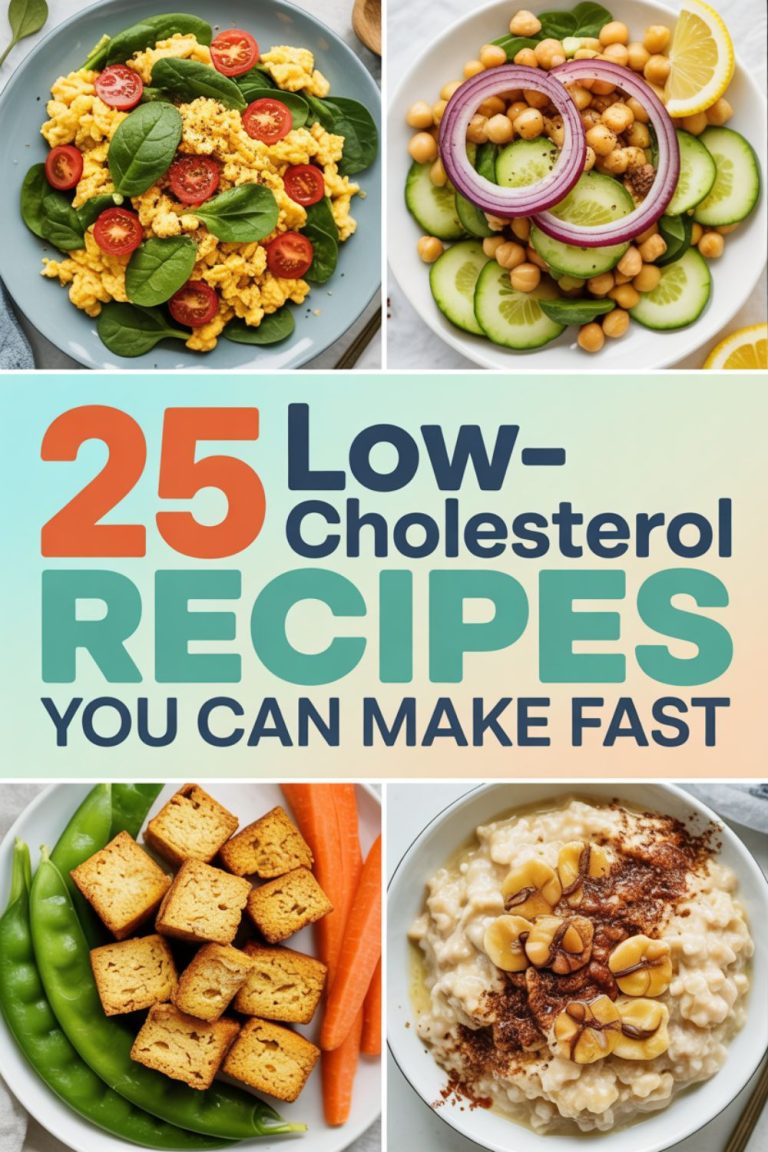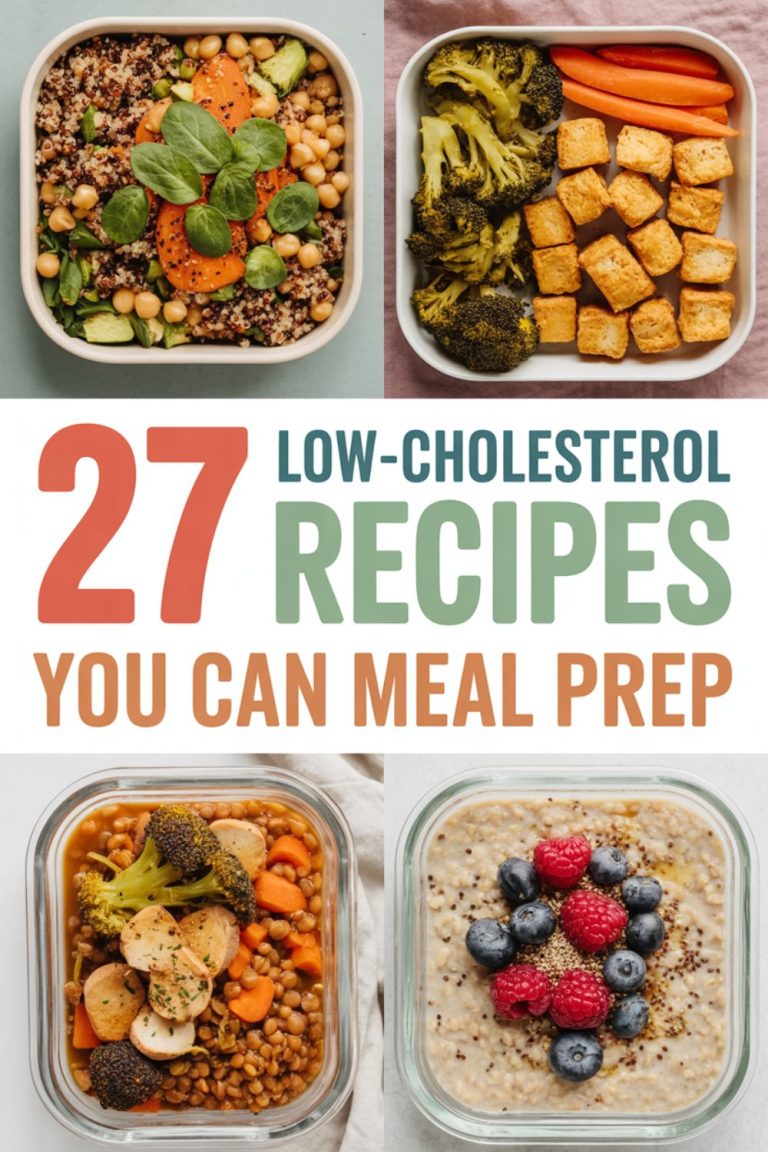
18 Heart Healthy Recipes Using Simple Ingredients
Let’s cut straight to it—your heart doesn’t need fancy superfoods or ingredients you can’t pronounce. What it needs is real food, prepared simply, and eaten consistently. I’m talking about the kind of meals you’ll actually make on a Tuesday night when you’re tired and just want something good that won’t wreck your cholesterol levels.
Heart disease is still the leading cause of death globally, but here’s the thing: research from the American Heart Association shows that dietary changes can seriously reduce your risk. We’re not talking about a complete lifestyle overhaul—just smarter choices with ingredients you probably already have.
These 18 recipes aren’t about deprivation. They’re about flavor, satisfaction, and yes, keeping your ticker in top shape. Whether you’re actively managing cholesterol or just trying to eat better, these dishes prove that heart-healthy eating doesn’t have to taste like cardboard.
Why Simple Ingredients Win Every Time
You know what’s exhausting? Recipes that require seventeen specialty items from three different stores. The best heart-healthy meals use what you can grab at any grocery store—olive oil, leafy greens, whole grains, lean proteins, and basic seasonings.
There’s actual science behind keeping it simple. Harvard Health notes that diets rich in fruits, vegetables, and whole grains consistently show reduced cardiovascular disease risk. You don’t need exotic berries from the Himalayas—regular blueberries work just fine.
The Mediterranean diet gets tons of attention for good reason. It’s built on simple staples: extra virgin olive oil, fish, nuts, vegetables, and whole grains. Nothing complicated. Research shows people following this pattern have significantly lower rates of heart disease and stroke. For more Mediterranean-inspired dishes, check out these low cholesterol meals that are actually delicious.
The Heart Health Basics You Need to Know
Before we dive into recipes, let’s talk about what actually matters for your cardiovascular system. Forget the food marketing hype—focus on these proven principles.
Fats: The Good, The Bad, and The Misunderstood
Unsaturated fats are your friends. Think olive oil, avocados, nuts, and fatty fish like salmon. These actually help lower bad cholesterol (LDL) while maintaining or even raising good cholesterol (HDL). Saturated fats from butter, fatty meats, and full-fat dairy? Those you want to limit.
I keep this glass olive oil dispenser next to my stove because it makes healthy cooking ridiculously easy. No fumbling with bottles when you’re trying to sauté vegetables—just a quick pour and you’re done.
Trans fats are the real villains. They’re mostly found in processed foods, and they wreak havoc on your cholesterol levels. Reading labels becomes second nature once you start paying attention.
Fiber: Your Cholesterol’s Worst Enemy (In a Good Way)
Soluble fiber binds to cholesterol in your digestive system and helps remove it from your body. Oats, beans, lentils, apples, and barley are loaded with it. You need about 25-30 grams of fiber daily, but most people barely hit half that.
Starting your day with oatmeal is one of the easiest wins. I make mine in this microwave-safe bowl with a lid—five minutes, no stirring required, and it never boils over. Game changer for busy mornings.
Breakfast Recipes That Actually Stick With You
1. Mediterranean Vegetable Omelet
Eggs get a bad rap, but they’re actually fine for heart health when you balance them with vegetables. This omelet packs in spinach, tomatoes, and bell peppers with a sprinkle of feta. Use mostly egg whites if you’re watching cholesterol closely, or go with whole eggs and just eat them less frequently.
The key is cooking in olive oil instead of butter and loading up on vegetables. I’m talking a 3:1 veggie-to-egg ratio. It makes the omelet heartier, more filling, and exponentially better for your cardiovascular system.
2. Overnight Oats with Berries and Walnuts
If you’re not making overnight oats, you’re missing out on the easiest breakfast hack ever. Mix rolled oats, almond milk, chia seeds, and a handful of berries in a jar before bed. Wake up to breakfast that’s ready to eat.
Walnuts add omega-3 fatty acids and that satisfying crunch. I buy them in bulk and store them in these airtight glass containers to keep them fresh. Pro move: toast them lightly before adding—it intensifies the flavor like you wouldn’t believe.
Looking for more morning options? These low cholesterol breakfast ideas include everything from smoothie bowls to savory toasts.
3. Whole Grain Avocado Toast with Everything Seasoning
Yes, it’s trendy. Yes, it’s also genuinely good for you. Whole grain bread provides fiber, avocado delivers monounsaturated fats, and a sprinkle of everything seasoning adds flavor without sodium overload.
The trick is using truly whole grain bread—check that the first ingredient says “whole wheat” or “whole grain,” not just “wheat flour.” There’s a difference, and your arteries will notice.
Lunch Ideas That Won’t Put You in a Food Coma
4. Quinoa and Black Bean Power Bowl
Quinoa is a complete protein with all nine essential amino acids, and black beans add even more protein plus fiber. Toss in roasted sweet potatoes, cherry tomatoes, and a lime-cilantro dressing, and you’ve got lunch that keeps you full without weighing you down.
I cook quinoa in this rice cooker because it’s impossible to mess up. Set it and forget it—perfectly fluffy every time. The 10-cup capacity means I make a big batch on Sunday and use it all week.
5. Mediterranean Chickpea Salad
Canned chickpeas, cucumbers, tomatoes, red onion, and a simple lemon-olive oil dressing. That’s it. This salad takes maybe ten minutes to throw together and tastes better the next day when the flavors marry.
Add some crumbled feta if you’re feeling fancy, or keep it dairy-free. Either way, you’re getting plant-based protein, fiber, and those Mediterranean diet benefits that research keeps confirming. For complete meal ideas, try these low cholesterol lunches that keep you full.
6. Tuna and White Bean Lettuce Wraps
When you need something quick that still feels substantial, these wraps deliver. Mix canned tuna (in water, not oil) with white beans, diced celery, and a tiny bit of mayo mixed with Greek yogurt. Scoop into butter lettuce leaves.
The beans stretch the tuna further and add fiber. The Greek yogurt cuts the mayo, reducing saturated fat. And the lettuce wraps instead of bread save you refined carbs. It’s basically a heart-health triple play.
Dinner Recipes Your Whole Family Will Eat
7. Herb-Crusted Baked Salmon
Salmon is loaded with omega-3 fatty acids, which research consistently links to lower triglycerides and reduced heart disease risk. This version gets coated in fresh herbs, garlic, and a touch of Dijon mustard before baking.
Line your baking sheet with parchment paper for the easiest cleanup ever. I swear by these pre-cut parchment sheets—no more wrestling with a roll or cutting to size. Just grab one and go.
Pair this with roasted Brussels sprouts and you’ve got a dinner that checks every heart-health box. Need more fish options? Check out these low cholesterol dinners you’ll want to make again.
8. Vegetarian Lentil Bolognese
Lentils replace ground meat in this Italian classic, slashing saturated fat while packing in protein and fiber. Cook them down with crushed tomatoes, carrots, celery, and Italian herbs until they’re thick and savory.
Serve over whole wheat pasta or zucchini noodles. I use this handheld spiralizer for zucchini—it’s faster than the bulky countertop models and actually fits in a drawer.
The sauce freezes beautifully, so make a double batch. Future you will appreciate having heart-healthy dinner ready to go on a hectic Wednesday.
9. Sheet Pan Chicken with Rainbow Vegetables
One pan, minimal cleanup, maximum nutrition. Chicken breast (remove the skin to cut saturated fat) roasts alongside bell peppers, broccoli, red onion, and cherry tomatoes. Everything gets tossed with olive oil and your favorite spices.
The vegetables caramelize while the chicken stays juicy. It’s foolproof, which is exactly what you need when you’re tired and hungry. For more chicken inspiration, these low cholesterol chicken recipes are all winners.
10. Spicy Black Bean and Sweet Potato Tacos
Meatless doesn’t mean flavorless. Roasted sweet potato chunks and seasoned black beans make these tacos satisfying enough that no one misses the meat. Top with cabbage slaw, avocado, and a squeeze of lime.
Use corn tortillas instead of flour for a bit more fiber and a better nutritional profile. Warm them in a dry skillet for 30 seconds per side—they become pliable and develop these amazing crispy edges.
Snacks and Small Plates That Support Your Goals
11. Roasted Chickpeas with Smoked Paprika
These crunchy little nuggets satisfy the urge for something salty and crispy without the saturated fat of chips. Rinse canned chickpeas, pat them dry, toss with olive oil and smoked paprika, and roast until crispy.
They’re weirdly addictive. I make a batch on Sunday and portion them into small glass containers for grab-and-go snacks. Way cheaper than store-bought and you control the sodium.
Want more snacking options? These low cholesterol snacks range from sweet to savory.
12. Greek Yogurt Cucumber Dip
Think tzatziki but simpler. Grated cucumber (squeeze out the excess water), Greek yogurt, minced garlic, lemon juice, and dill. Serve with raw vegetables or whole grain pita.
Greek yogurt provides protein without the saturated fat of sour cream-based dips. It’s tangy, refreshing, and keeps in the fridge for days. The longer it sits, the more the flavors develop.
13. Almond Butter Energy Balls
Mix almond butter, oats, ground flaxseed, and a touch of honey. Roll into balls and refrigerate. These give you sustained energy from healthy fats and complex carbs without the sugar crash of typical snacks.
I keep mine in the freezer and grab one when I need something sweet. They taste almost like cookie dough but actually help your heart instead of hurting it.
Kitchen Tools That Make Heart-Healthy Cooking Easier
Look, you don’t need a kitchen full of gadgets, but these actually earn their space:
Physical Products:- High-Speed Blender – For smoothies, soups, and nut-based sauces. A good one makes silky smooth results without chunks.
- Cast Iron Skillet – Naturally nonstick when seasoned right, so you use less oil. Plus it lasts forever.
- Salad Spinner – Sounds bougie but dry greens actually hold dressing instead of making everything watery. Total game changer.
- Low Cholesterol Meal Prep Guide – Takes the guesswork out of weekly planning
- Foods That Naturally Lower Cholesterol – Science-backed list of ingredients to prioritize
- One-Pan Dinner Collection – Because sometimes you just need easy
Soups and Stews for Cozy Comfort
14. Tuscan White Bean and Kale Soup
This soup is basically a hug in a bowl. Cannellini beans, kale, tomatoes, and Italian seasonings simmer together until the flavors meld perfectly. It’s filling, warming, and ridiculously good for you.
The beans provide protein and fiber, while the kale brings vitamins and minerals. Make it in a big pot and freeze portions for later. These low cholesterol soups and stews are perfect for meal prep.
15. Moroccan Lentil Stew
Lentils again, but this time with warm spices like cumin, cinnamon, and turmeric. Add diced tomatoes, carrots, and a handful of spinach at the end. The spices make it feel exotic even though the ingredient list is basic.
Turmeric has anti-inflammatory properties that research suggests might benefit heart health. Plus it turns the stew this gorgeous golden color. Serve over brown rice or with whole grain bread for dipping.
16. Minestrone with Whole Wheat Pasta
The Italian grandmother special, but with a heart-healthy twist. Load it up with vegetables—zucchini, carrots, celery, green beans—and use whole wheat pasta instead of regular. Kidney beans add protein.
This soup gets better over a few days as everything soaks up the tomato-based broth. I make it in my 8-quart stockpot and eat it for lunch all week. Never gets old.
Satisfying Vegetarian Mains
17. Eggplant and Chickpea Curry
Creamy coconut milk (use light if you’re concerned about saturated fat), tender eggplant, and protein-rich chickpeas in a ginger-garlic-curry powder sauce. Serve over brown rice or quinoa.
Eggplant is underrated. It soaks up flavors like a sponge and gives the curry this meaty texture. For more plant-based ideas, check out these low cholesterol vegetarian meals you’ll crave.
18. Stuffed Bell Peppers with Brown Rice and Beans
Bell peppers become edible bowls for a mixture of brown rice, black beans, corn, and salsa. Top with a tiny bit of cheese or nutritional yeast for a cheesy flavor without the saturated fat.
These are perfect for meal prep. Make a bunch on Sunday, refrigerate, and reheat throughout the week. Each pepper is basically a complete meal—carbs, protein, fiber, and vegetables all in one convenient package.
If you’re looking for even more variety, these low cholesterol comfort foods made healthy prove you don’t have to give up your favorites. And for those nights when you need dinner ready in minutes, these lazy low cholesterol meals are total lifesavers.
Making It Work in Real Life
Here’s what nobody tells you: eating for heart health isn’t about perfection. It’s about consistency. You’re not going to destroy your cardiovascular system with one burger. But eating processed, high-saturated-fat meals every day? That adds up.
The key is having a rotation of simple recipes you actually enjoy. Pick five from this list that sound good, master those, then add a few more. Before you know it, heart-healthy cooking becomes automatic instead of a chore.
Batch cooking helps enormously. Spend two hours on Sunday making a big pot of soup, roasting vegetables, and cooking grains. You’ve just set yourself up for success all week. These quick low cholesterol lunches use this exact strategy.
Don’t forget that modern kitchen gadgets can make everything easier. An Instant Pot or air fryer can cut cooking time in half while maintaining nutrition.
The Science Behind Simple Swaps
Sometimes the smallest changes make the biggest difference. Switching from butter to olive oil saves you saturated fat. Choosing whole grains over refined adds fiber. Using herbs and spices instead of salt keeps your blood pressure in check.
Research shows that even moderate adherence to heart-healthy eating patterns reduces cardiovascular disease risk significantly. You don’t have to eat perfectly—just better than you did before.
Think about swapping ingredients rather than eliminating entire food groups. Love creamy pasta? Use cashew cream instead of heavy cream. Want something crunchy? Try roasted chickpeas instead of chips. Small swaps, big impact.
For comprehensive ingredient guidance, check out this list of low cholesterol foods for a stronger heart. It breaks down exactly what to buy at the grocery store.
Frequently Asked Questions
Can I still eat eggs if I’m worried about cholesterol?
Yes, but with some consideration. Current research suggests dietary cholesterol has less impact on blood cholesterol than previously thought for most people. The bigger concern is saturated fat. If you’re eating eggs, balance them with vegetables and limit high-saturated-fat foods elsewhere. Or use mostly egg whites if you want to play it safe.
How much olive oil is too much?
While olive oil is heart-healthy, it’s still calorie-dense at about 120 calories per tablespoon. Most nutrition experts recommend 2-3 tablespoons daily as part of a balanced diet. Use it to replace butter and other saturated fats rather than adding it on top of everything.
Are these recipes okay if I’m on a budget?
Absolutely. Beans, lentils, oats, and seasonal vegetables are some of the cheapest foods at the grocery store. Buying dried beans instead of canned, choosing frozen vegetables when fresh is expensive, and cooking from scratch all save money while being better for your heart.
Do I need to go completely vegetarian for heart health?
Not necessarily. Research shows that Mediterranean and DASH diets—which include moderate amounts of fish and poultry—offer significant heart benefits. The key is limiting red meat and processed meats while emphasizing plant-based foods. You can include animal proteins in smaller portions alongside lots of vegetables.
How long until I see improvements in my cholesterol?
Most people see changes in their lipid panel within 3-6 months of consistent dietary changes. However, everyone’s different, and factors like genetics, exercise, and stress also play roles. Work with your doctor to monitor progress and adjust as needed.
Final Thoughts
Heart-healthy eating doesn’t require culinary school or a pantry full of weird ingredients. It requires real food, prepared simply, eaten consistently. These 18 recipes prove you can eat delicious, satisfying meals while supporting your cardiovascular health.
Start with one or two recipes that sound good. Make them a few times until they become second nature. Then add more to your rotation. Before long, you’ll have a solid collection of go-to meals that just happen to be great for your heart.
Your heart is working for you 24/7, pumping blood to keep you alive. The least you can do is feed it well. And honestly? Once you taste how good simple, whole-food cooking can be, you won’t want to go back to the processed stuff anyway.