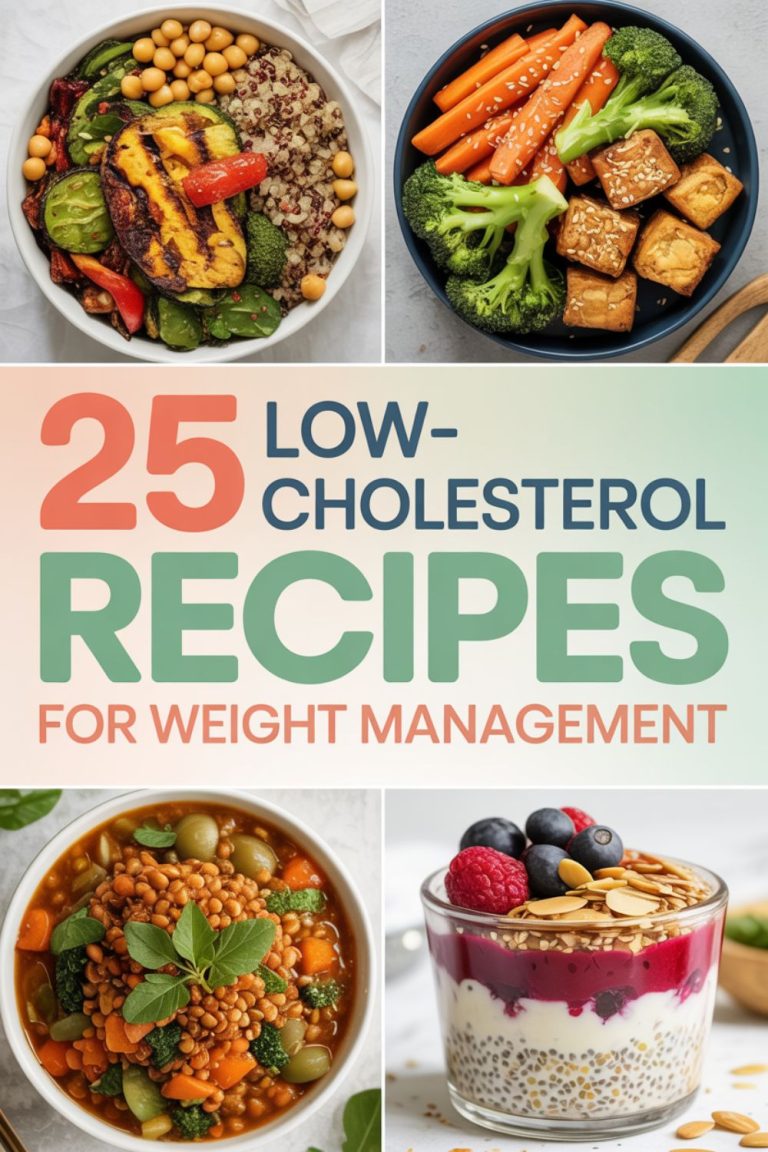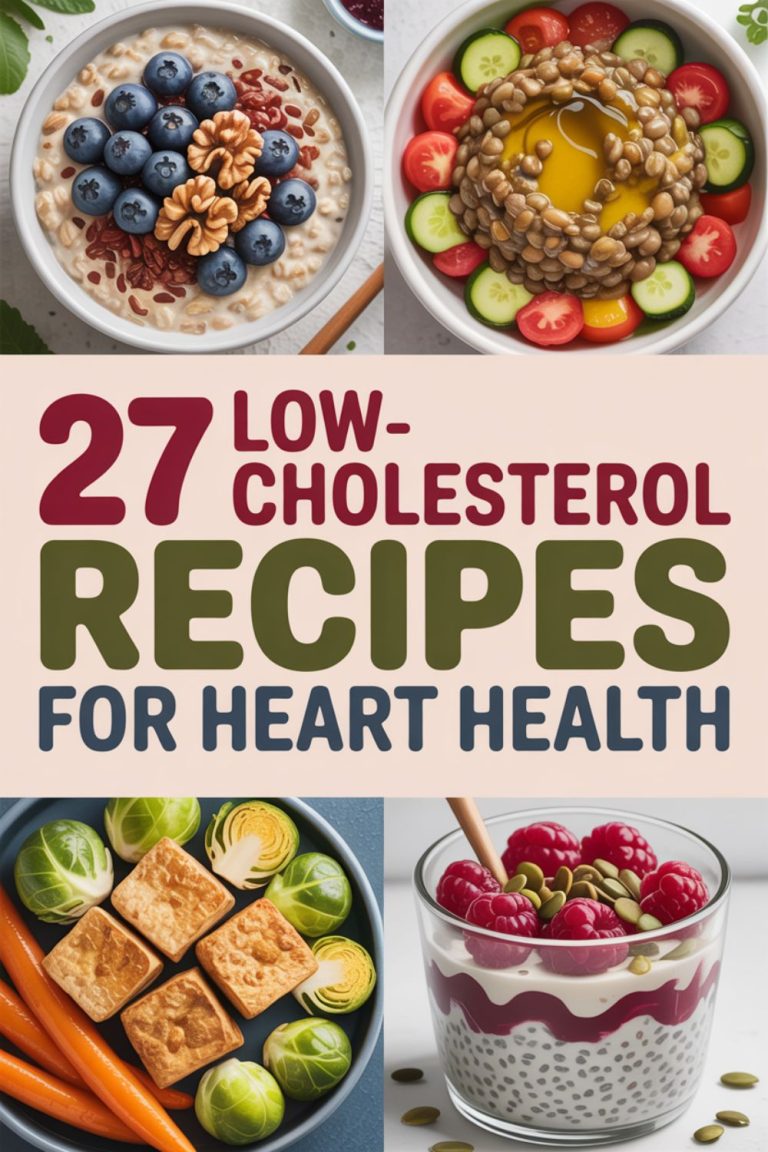
18 Low-Cholesterol Recipes with Simple Prep
Listen, I get it. You’re trying to eat better, manage your cholesterol, and somehow not spend your entire Sunday meal-prepping like you’re training for a culinary marathon. The whole low-cholesterol thing doesn’t have to mean complicated recipes with fifteen ingredients you’ve never heard of.
I’ve spent way too much time scrolling through recipe blogs that promise “simple” dishes and then proceed to list thirty steps. Not here. These 18 recipes are actually straightforward, use real ingredients you can find at any grocery store, and most importantly, they won’t leave you feeling like you’re eating cardboard for dinner.
We’re talking meals that keep your heart happy without making you want to order takeout halfway through cooking. Whether you’re dealing with high cholesterol, trying to prevent it, or just want to eat cleaner, these recipes are your new weeknight allies.
Why Low-Cholesterol Cooking Isn’t as Hard as You Think
Here’s the thing about cholesterol—your body actually needs some of it. According to Mayo Clinic, cholesterol helps build healthy cells, but too much of the wrong kind can cause problems. The bad cholesterol (LDL) builds up in your arteries, while the good kind (HDL) actually helps remove the bad stuff.
What you eat directly affects your cholesterol levels. Foods high in saturated fats and trans fats can raise your LDL cholesterol, while foods rich in soluble fiber, healthy fats, and plant-based ingredients can help lower it. The research is pretty clear: dietary changes can make a significant difference in managing cholesterol levels.
But here’s where most people get tripped up—they think low-cholesterol cooking means giving up flavor or spending hours in the kitchen. Wrong. It’s about making smarter swaps and focusing on ingredients that work for you, not against you.
The Power Players: Ingredients That Actually Lower Cholesterol
Before we dive into the recipes, let’s talk about the MVP ingredients that make these dishes work. These aren’t exotic superfoods you need to hunt down at some specialty store. They’re legit, science-backed ingredients that help manage cholesterol.
Oats and Whole Grains
Oats contain beta-glucan, a type of soluble fiber that literally traps cholesterol in your digestive system before it hits your bloodstream. Research shows that eating just 3 grams of soluble fiber daily from oats can reduce total cholesterol by around 5-10 points. Not bad for a bowl of oatmeal.
I use steel-cut oats for breakfast recipes because they hold their texture better and keep you full longer. Quick oats work fine too if you’re in a rush—no judgment.
Legumes and Beans
Beans are ridiculously high in soluble fiber, and they’re cheap. A half-cup serving gives you about 2 grams of soluble fiber, plus protein to keep you satisfied. They also take forever for your body to digest, which means you’ll feel full and your blood sugar won’t spike.
My Instant Pot changed my relationship with dried beans. Thirty minutes and they’re perfectly cooked, no soaking required. If you’re still using canned beans (totally fine), just rinse them well to reduce the sodium.
For more protein-packed options that support heart health, check out these high-protein low-cholesterol meals that keep you full without the bad fats.
Fatty Fish and Omega-3s
Salmon, mackerel, sardines—these fish are loaded with omega-3 fatty acids that actually help lower triglycerides and reduce inflammation. The American Heart Association recommends at least two servings of fatty fish per week.
Wild-caught is ideal, but honestly, farmed salmon works fine and costs less. I buy frozen individually wrapped salmon fillets because they’re convenient and you can thaw exactly what you need.
Nuts and Seeds
Almonds, walnuts, chia seeds, flaxseeds—all contain healthy fats, fiber, and plant sterols that help block cholesterol absorption. Just watch your portions because they’re calorie-dense. A small handful (about 1.5 ounces) is plenty.
I keep a glass jar of mixed nuts on my counter for easy snacking. Way better than reaching for chips.
18 Simple Low-Cholesterol Recipes That Actually Taste Good
Alright, enough theory. Let’s get to the actual recipes. These are organized by meal type, and I’m including honest prep times—not the “10 minutes” that somehow takes 45 minutes once you factor in chopping and cleanup.
Breakfast Winners
1. Overnight Oats with Berries and Chia Seeds
Mix oats, almond milk, chia seeds, and berries in a jar the night before. Literally five minutes of work for a breakfast that’s ready when you wake up. The chia seeds add extra fiber and create this pudding-like texture that’s honestly better than regular oatmeal. Get Full Recipe.
2. Veggie-Loaded Egg White Scramble
Egg whites give you protein without the cholesterol found in yolks. Throw in spinach, tomatoes, and mushrooms, and you’ve got a filling breakfast in under 10 minutes. I use a non-stick ceramic pan so I don’t need butter or excess oil.
3. Whole Grain Avocado Toast with Tomatoes
Yes, it’s basic. But avocados contain monounsaturated fats that help raise good HDL cholesterol. Use whole grain bread for extra fiber, mash the avocado, add sliced tomatoes, and sprinkle with everything bagel seasoning. Done.
Looking for more morning options? These low-cholesterol breakfast ideas include everything from smoothie bowls to savory options that keep your energy steady all morning.
4. Greek Yogurt Parfait with Almonds and Flax
Layer non-fat Greek yogurt with fresh berries, sliced almonds, and ground flaxseed. The yogurt provides protein, the flax adds omega-3s, and you get a sweet breakfast without added sugar. I prep these in small mason jars for grab-and-go mornings.
Lunch Ideas That Won’t Leave You Hungry by 3 PM
5. Mediterranean Chickpea Salad
Canned chickpeas, cucumber, tomatoes, red onion, lemon juice, and olive oil. Mix it all in a bowl and you’re done. The chickpeas provide both protein and fiber, and this salad actually gets better after sitting in the fridge for a few hours. Get Full Recipe.
6. Lentil Soup with Vegetables
Brown lentils, carrots, celery, onion, vegetable broth, and whatever spices you like. Simmer for 30 minutes and you’ve got a week’s worth of lunches. Lentils are fiber powerhouses and incredibly filling. If you’re meal prepping, these low-cholesterol meal prep ideas will save you serious time.
7. Quinoa Bowl with Roasted Veggies
Cook quinoa, roast whatever vegetables you have (I usually do sweet potatoes, broccoli, and bell peppers), and drizzle with a tahini-lemon dressing. Quinoa is a complete protein and cooks in 15 minutes. These bowls are infinitely customizable.
8. Tuna Salad Lettuce Wraps
Canned tuna mixed with Greek yogurt instead of mayo, diced celery, and a squeeze of lemon. Wrap it in butter lettuce leaves. High in protein, low in cholesterol, and you don’t need bread. My manual can opener gets more use than any fancy kitchen gadget I own.
Dinner Recipes That Impress Without the Stress
9. Baked Salmon with Asparagus
Season salmon fillets with lemon, garlic, and herbs. Toss asparagus with olive oil. Put everything on a parchment-lined baking sheet and bake at 400°F for 15 minutes. One pan, minimal cleanup, omega-3s for days. Get Full Recipe.
10. Turkey and Black Bean Chili
Ground turkey is leaner than beef and still satisfying. Brown the turkey, add canned tomatoes, black beans, chili powder, and let it simmer. Top with a tiny bit of Greek yogurt instead of sour cream. This freezes beautifully, so make a double batch.
11. Stir-Fried Tofu with Broccoli
Press and cube firm tofu, stir-fry with broccoli, garlic, and ginger in a wok or large skillet. Use low-sodium soy sauce and a splash of rice vinegar. Tofu gets a bad rap, but when you crisp it up right, it’s excellent. Serve over brown rice. If you’re craving Asian-inspired dishes, these one-pan low-cholesterol dinners include plenty of stir-fry options.
12. Chicken Breast with Brussels Sprouts
Skinless chicken breast seasoned with paprika and garlic powder, roasted alongside halved Brussels sprouts. Everything cooks at the same temperature (425°F) for about 25 minutes. Simple, effective, and Brussels sprouts are criminally underrated when they’re crispy.
Speaking of chicken, if you’re looking for more variety, check out these low-cholesterol chicken recipes that prove white meat doesn’t have to be boring.
Snacks and Sides
13. Hummus with Veggie Sticks
Store-bought hummus is fine, but homemade takes five minutes in a food processor. Chickpeas, tahini, lemon juice, garlic, olive oil. Serve with carrots, celery, bell peppers. High in fiber and protein.
14. Apple Slices with Almond Butter
Slice an apple, dip in almond butter. That’s it. The fiber in the apple combined with healthy fats in the almond butter keeps blood sugar stable and satisfies sweet cravings. I keep individual almond butter packets in my desk drawer.
15. Roasted Chickpeas
Drain and dry canned chickpeas, toss with olive oil and spices, roast at 400°F for 30 minutes. They get crispy like nuts but cost way less. Season with whatever you want—I like smoked paprika and cumin. For more snack ideas, browse these low-cholesterol snacks.
Desserts (Yes, Really)
16. Banana “Nice Cream”
Freeze sliced bananas, blend them in a food processor or blender until smooth. It turns into this ice cream-like consistency. Add a tablespoon of cocoa powder for chocolate version. No added sugar, no dairy, tastes indulgent anyway.
17. Dark Chocolate-Dipped Strawberries
Melt dark chocolate (70% cacao or higher), dip strawberries, let them set on parchment paper. Dark chocolate contains flavonoids that may help improve heart health. Plus, strawberries add vitamin C and fiber.
18. Baked Cinnamon Apples
Core an apple, fill with oats, cinnamon, and a tiny bit of honey, bake until soft. Smells amazing and satisfies dessert cravings without the saturated fat or refined sugar. Get Full Recipe. If you want more guilt-free treats, these low-cholesterol desserts prove you don’t have to skip dessert to eat healthy.
Meal Prep Strategy That Actually Works
Real talk—I’m not one of those people who spends six hours on Sunday prepping every meal for the week. But I do batch-cook certain things that make weeknight cooking infinitely easier.
Cook a big batch of quinoa or brown rice on Sunday. It lasts all week in the fridge and reheats well. Same with roasting a sheet pan of vegetables—they’re excellent cold in salads or reheated as sides.
Portion out snacks into small containers so you’re not eating almonds straight from the bag (guilty). Pre-chop vegetables for stir-fries and store them in the fridge.
The goal isn’t perfection. It’s removing decisions when you’re tired and hungry, which is when we all make terrible food choices. If you’re interested in streamlining your entire week, these freezer-friendly low-cholesterol meals are absolute lifesavers.
Kitchen Tools & Resources That Make Cooking Easier
Look, you don’t need a kitchen full of gadgets to cook low-cholesterol meals. But these few items genuinely make things simpler. These are the tools I actually use, not ones collecting dust in a cabinet.
Physical Products
- Instant Pot or Pressure Cooker – Cooks beans, lentils, and grains in a fraction of the time. I use mine at least three times a week.
- High-Speed Blender – For smoothies, nice cream, and homemade hummus. A good blender pays for itself in saved takeout money.
- Sheet Pan Set – For one-pan meals. Get the heavy-duty kind with a rim so nothing slides off when you’re roasting vegetables.
Digital Resources
- Meal Planning Template – A simple weekly meal planner that helps you organize recipes and grocery lists. Saves mental energy.
- Cholesterol Tracking App – Monitor your numbers and see how dietary changes affect your levels over time. Data is motivating.
- Heart-Healthy Recipe eBook – 50+ additional low-cholesterol recipes organized by meal type with full nutritional info. Useful when you’re in a recipe rut.
Common Mistakes People Make (And How to Avoid Them)
After years of cooking low-cholesterol meals, I’ve seen people make the same errors over and over. Including myself, before I learned better.
Thinking “Low-Fat” Always Means “Healthy”
Not all fats are bad. Your body needs healthy fats from sources like olive oil, avocados, and nuts. These fats actually help lower bad cholesterol and raise good cholesterol. The fats to avoid are saturated fats (found in fatty meats and full-fat dairy) and trans fats (in processed foods).
Many “low-fat” packaged foods compensate for lost flavor by adding sugar, which can actually worsen your cholesterol profile. Read labels carefully. For more context on which foods actually help, check out this guide on foods that naturally lower cholesterol.
Not Getting Enough Fiber
Most Americans eat less than 15 grams of fiber daily. You should be aiming for 25-35 grams, with at least 5-10 grams from soluble fiber specifically. Soluble fiber is what actually binds to cholesterol and removes it from your body.
If you’re not used to eating a lot of fiber, increase gradually. Going from zero to hero overnight will leave you bloated and uncomfortable. Add one high-fiber food at a time and drink plenty of water.
Overcooking Lean Proteins
Chicken breast and fish can turn into shoe leather if you overcook them. Use a meat thermometer (seriously, buy one). Chicken is done at 165°F, fish at 145°F. Take them off the heat a few degrees early because they’ll continue cooking from residual heat.
Marinating helps too. A simple marinade of olive oil, lemon juice, and herbs keeps proteins moist and adds flavor without extra fat.
Skipping Breakfast
When you skip breakfast, you’re more likely to overeat later or reach for unhealthy snacks. A protein and fiber-rich breakfast stabilizes blood sugar and keeps you satisfied. Even if you’re not hungry first thing, pack something simple like the Greek yogurt parfait or overnight oats to eat mid-morning. Need more grab-and-go options? These low-calorie breakfast ideas are quick and portable.
The Real Talk About Eating Out
You can’t cook every meal at home, and you shouldn’t have to. But eating out while managing cholesterol requires some strategy.
Look for grilled, baked, or steamed options instead of fried. Ask for dressings and sauces on the side—restaurants use way more than you need. Choose vegetable-based sides instead of fries or loaded baked potatoes.
Don’t be shy about making modifications. Most restaurants will accommodate reasonable requests. Ask for your fish grilled instead of sautéed in butter. Request steamed vegetables instead of the creamy ones. Skip the bread basket (or have one piece and move it away from you).
IMO, the biggest challenge is portion sizes. Restaurant servings are enormous. Split an entree with someone, or immediately box up half before you start eating. Your wallet and your arteries will thank you.
How Long Before You See Results?
This is what everyone wants to know, right? How long until these changes actually matter?
Honestly, it varies. Some people see their cholesterol numbers improve in as little as four to six weeks of dietary changes. Others take three to six months. It depends on your starting point, genetics, overall diet, exercise habits, and other factors.
Keep a food journal for the first few weeks. Not to obsess over calories, but to notice patterns. Are you actually eating as much fiber as you think? Are there hidden sources of saturated fat sneaking in?
Get your cholesterol checked before you start making changes, then recheck after three months. Having concrete numbers is motivating and helps you see what’s working. For a more comprehensive approach, explore these long-term heart-healthy recipes designed to keep your numbers steady.
Be patient with yourself. This isn’t a sprint. Small, consistent changes beat dramatic overhauls that you can’t maintain. I’d rather see you cook three of these recipes per week for a year than go all-in for two weeks and burn out.
Making It Sustainable
The recipes in this article work because they’re realistic. You’re not buying seventeen specialty ingredients for one dish. You’re not spending hours on complicated techniques.
Build your meals around vegetables, whole grains, and lean proteins. Use healthy fats in moderation. Load up on fiber. These aren’t revolutionary concepts, but they work.
Allow yourself flexibility. If you want a burger once in a while, have it. One meal won’t ruin your progress. It’s the daily patterns that matter, not occasional exceptions. If you want more family-friendly options that everyone will actually eat, check out these low-cholesterol family dinners.
Cook what you enjoy. If you hate salmon, don’t force it. There are plenty of other sources of omega-3s. If quinoa isn’t your thing, brown rice works just as well. The best low-cholesterol diet is one you’ll actually stick with.
Find a few recipes you love and rotate them. You don’t need infinite variety. I probably make the same 10-12 meals on repeat, with occasional experiments when I’m feeling ambitious. That’s perfectly fine.
Frequently Asked Questions
Can you really lower cholesterol through diet alone?
For many people, yes. Dietary changes can reduce LDL cholesterol by 10-15% or more, especially when combined with exercise and weight loss. However, some people have genetic factors that require medication in addition to diet. Work with your doctor to determine what’s right for you. The key is consistency—occasional healthy meals won’t move the needle, but sustained changes absolutely can.
How much soluble fiber do I need daily to lower cholesterol?
Research suggests that 5-10 grams of soluble fiber per day can help reduce LDL cholesterol. To put that in perspective, one bowl of oatmeal provides about 2 grams, a half cup of black beans gives you another 2 grams, and an apple has about 1 gram. It adds up quickly if you’re eating whole foods throughout the day.
Are eggs really bad for cholesterol?
It’s complicated. Egg yolks do contain dietary cholesterol, but for most people, dietary cholesterol has less impact on blood cholesterol than saturated and trans fats do. If your doctor has specifically told you to limit cholesterol intake, use egg whites or limit whole eggs to a few per week. Otherwise, eggs in moderation can be part of a heart-healthy diet.
What’s the difference between good and bad cholesterol?
LDL (low-density lipoprotein) is the “bad” cholesterol that builds up in your arteries and increases heart disease risk. HDL (high-density lipoprotein) is the “good” cholesterol that actually removes LDL from your bloodstream. Your goal is to lower LDL and maintain or raise HDL through diet, exercise, and sometimes medication.
Can I still eat meat on a low-cholesterol diet?
Yes, but choose lean cuts and watch your portions. Skinless chicken breast, turkey, and fish are all excellent options. If you want red meat, opt for lean cuts like sirloin and limit portions to 3-4 ounces. The key is reducing saturated fat, not eliminating all animal products unless you prefer a plant-based diet.
Final Thoughts
Managing cholesterol through food doesn’t have to be complicated or miserable. These 18 recipes prove you can eat well, save time in the kitchen, and still enjoy your meals.
Start with one or two recipes that sound appealing. Master those, then add a few more. Build a rotation of meals that work for your schedule and taste preferences. Remember that progress matters more than perfection.
Your heart will thank you, your energy levels will improve, and you might actually enjoy cooking again. No fancy ingredients, no elaborate techniques, just solid recipes that support your health goals without taking over your life.
Now go make something delicious.