
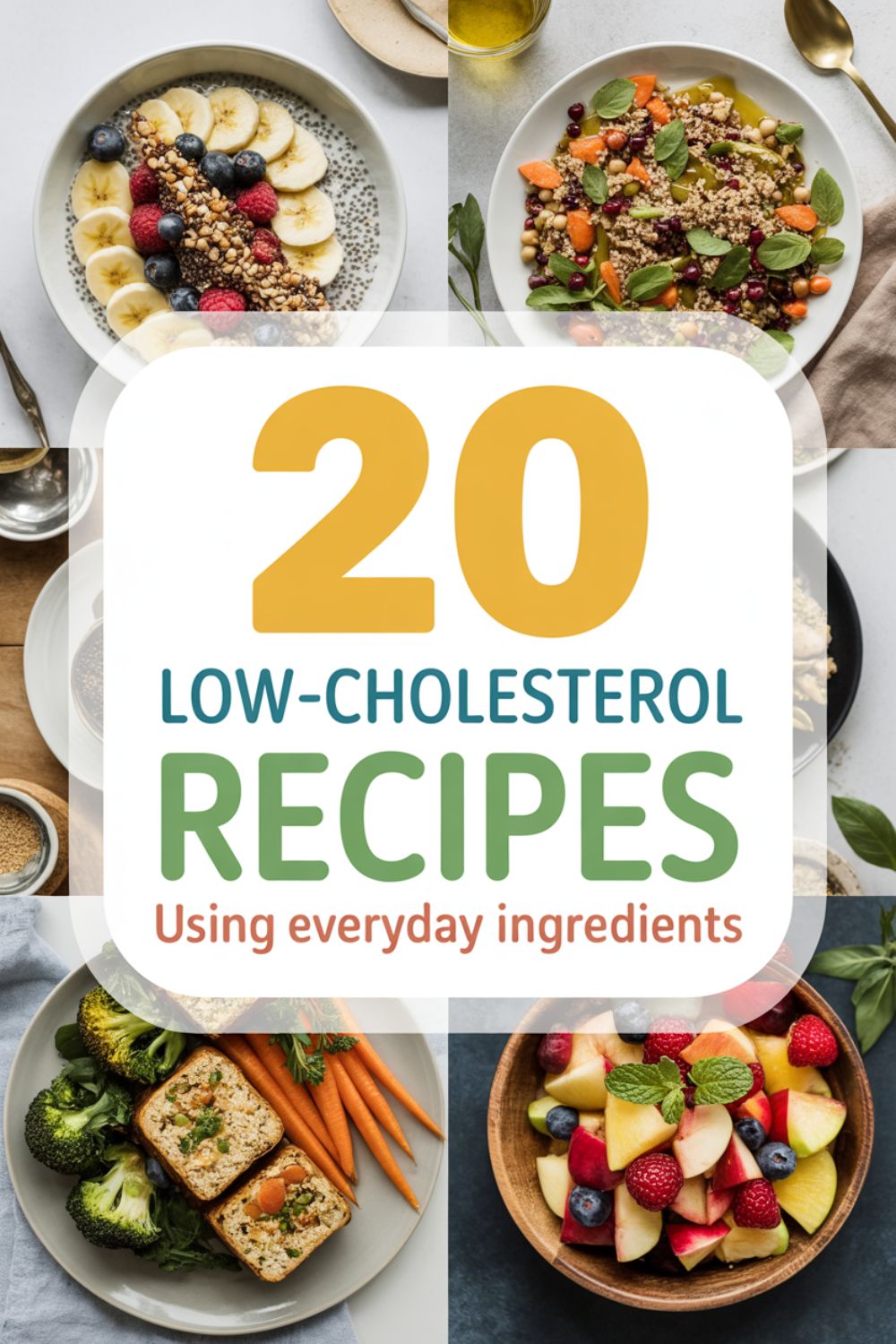
20 Low-Cholesterol Recipes Using Everyday Ingredients
Look, I’m not here to tell you that eating for heart health means surviving on cardboard and steamed broccoli. Been there, tried that, ended up ordering pizza at 9 PM because I couldn’t take another bite of bland chicken breast. The truth is, lowering cholesterol doesn’t require a second mortgage for specialty groceries or a culinary degree to pull off.
Most of us have been fed this idea that heart-healthy eating means exotic superfood powders and ingredients you can’t pronounce. Nope. The recipes I’m sharing today use stuff you probably already have in your pantry—or can grab on your next regular grocery run without batting an eye. We’re talking oats, beans, everyday veggies, and proteins that don’t cost a fortune.
What really matters isn’t some magical ingredient—it’s knowing how to put together meals that keep your LDL levels in check while actually tasting like food you’d want to eat. Ready to dig in?
Why Everyday Ingredients Actually Work Better
Here’s something most people don’t realize: you don’t need fancy imported grains or expensive supplements to manage cholesterol. Research from Harvard Medical School shows that common foods rich in soluble fiber, plant sterols, and healthy fats can significantly reduce LDL cholesterol when eaten regularly.
Think about it—oats, beans, nuts, and olive oil have been dietary staples for centuries. They’re proven, accessible, and they work. The Cleveland Clinic points out that focusing on these basic ingredients often delivers better long-term results than chasing trendy superfoods that you’ll abandon after three weeks.
Plus, when you cook with ingredients you’re familiar with, you’re way more likely to stick with it. Nobody’s maintaining a diet that requires a treasure hunt every time they need to make dinner.
Track Your Progress: Cholesterol & Heart Health Monitor App
Look, I get it—managing cholesterol feels abstract when you can’t see the daily impact. That’s exactly why I started using a dedicated cholesterol tracking app that actually makes sense for real people, not just data nerds.
- Log meals and automatically calculate fiber, saturated fat, and cholesterol intake
- Track LDL, HDL, and triglyceride levels over time with visual charts
- Get personalized recipe suggestions based on your current numbers
- Set reminders for cholesterol checks and medication (if prescribed)
- Export reports to share with your doctor—they actually love this
Honestly, seeing my fiber intake go up and saturated fat go down in real-time kept me way more accountable than vague “eat better” advice ever did. Plus, when my doctor asked what I’d been doing differently, I could show actual data instead of just shrugging.
Try the Heart Health Tracker →Pro Tip: Buy dried beans in bulk and cook a big batch on Sunday. Freeze portions in 1.5-cup amounts—that’s roughly one can’s worth. You’ll save money and always have them ready to toss into recipes.
The Heart-Smart Staples Worth Keeping Around
Before we jump into recipes, let’s talk about the MVPs you’ll want in your kitchen. These are the ingredients that show up again and again—not because they’re trendy, but because they genuinely help manage cholesterol while being stupid versatile.
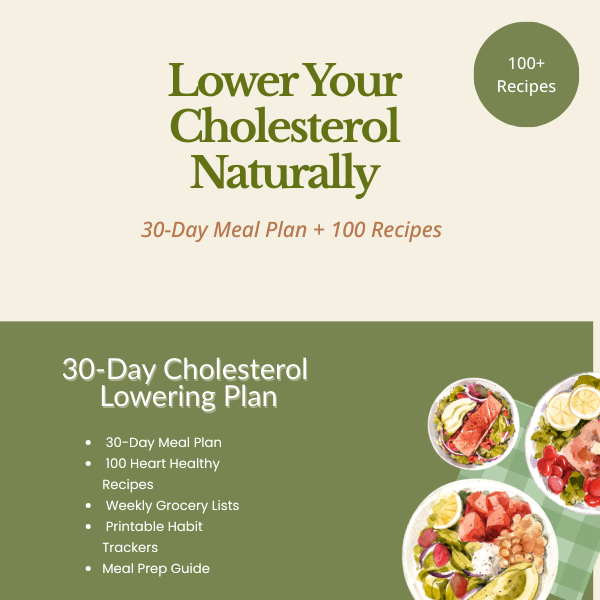
30-Day Cholesterol Reset System
A simple done-for-you plan to help you eat heart-healthy every day without confusion.
Over 1,000 people downloaded this guide
✔ 100 Easy Recipes
✔ Grocery Lists + Meal Prep Guide
🎁 FREE BONUSES:
✔ 7-Day Quick Start Plan
✔ Printable Grocery List
$29 $9
Get Instant AccessOats and Whole Grains
Oats contain beta-glucan, a type of soluble fiber that literally binds to cholesterol in your digestive system and escorts it out. Steel-cut, rolled, instant—they all work, though I’m partial to old-fashioned rolled oats because they don’t turn to mush when you cook with them. Brown rice, quinoa, and barley fall into this category too.
You don’t need to eat plain oatmeal every morning either (though if that’s your thing, respect). These grains work in everything from breakfast cookies to grain bowls to using oats as a binder in veggie burgers.
Beans and Legumes
Underrated champions right here. Black beans, chickpeas, lentils—they’re all loaded with soluble fiber and plant-based protein. They’re also dirt cheap, which is a nice bonus when you’re trying to eat well on a budget.
I keep at least three types in my pantry at all times. Toss them in salads, blend them into dips, use them as taco filling, or throw them into soup. If you think beans are boring, you haven’t seasoned them properly. That’s not shade—it’s just facts.
Leafy Greens and Vegetables
Spinach, kale, broccoli, Brussels sprouts—basically anything green and leafy is your friend. They’re packed with fiber and antioxidants, plus they have zero cholesterol. You can sauté them with garlic, blend them into smoothies, or bulk up any dish without adding many calories.
The trick with vegetables is treating them like you actually want to eat them. Use a good-quality olive oil, season them well, and don’t overcook them into submission. Crispy roasted Brussels sprouts taste nothing like the mushy ones you hated as a kid.
For a complete guide on heart-healthy eating beyond just dinner, check out these low-cholesterol breakfast ideas that’ll actually keep you full until lunch.
Healthy Fats
Not all fats are created equal, and this is where people get confused. Olive oil, avocados, nuts, and seeds contain monounsaturated and polyunsaturated fats that can actually improve your cholesterol levels. Meanwhile, saturated fats from butter and fatty meats do the opposite.
I use olive oil for almost everything—sautéing, salad dressings, even drizzling over roasted veggies. Extra virgin is ideal, but honestly, regular olive oil works fine for cooking. Save the fancy stuff for when you can actually taste it, like in a dressing.
Plant Sterols Supplement: The Science-Backed Cholesterol Blocker
Okay, here’s something most people don’t know: plant sterols and stanols literally block your body from absorbing cholesterol in your digestive system. It’s not magic—it’s just chemistry. These compounds are naturally found in small amounts in nuts, seeds, and vegetable oils, but getting enough from food alone is tough.
Why This Works:
- Clinically proven to reduce LDL cholesterol by 6-15% when taken daily
- Works alongside diet changes—not instead of them
- No prescription needed, but effective enough that doctors actually recommend it
- Takes about 2-3 weeks to see measurable results in blood work
- Safe for long-term use with minimal side effects
I started taking these after reading the research, and my cardiologist was genuinely impressed with my numbers at my next checkup. The key is consistency—you need to take them daily, ideally with meals that contain fat since that’s when your body absorbs cholesterol. They’re not a replacement for eating well, but they’re a solid addition to your overall strategy.
Check Current Price →20 Low-Cholesterol Recipes That Use What You Already Have
Alright, let’s get to the good stuff. These recipes aren’t complicated or pretentious. They’re the kind of meals that come together without drama and actually taste like something you’d choose to eat.
1. Classic Overnight Oats (Multiple Ways)
The beauty of overnight oats is that you can prep them in five minutes before bed, and breakfast is waiting for you in the morning. No cooking, no thinking, just grab and go.
Base formula: half a cup of rolled oats, half a cup of unsweetened almond milk, a tablespoon of chia seeds, and whatever toppings make you happy. I rotate between berries and a drizzle of maple syrup, sliced banana with a spoonful of natural almond butter, or diced apple with cinnamon.
The oats and chia seeds deliver soluble fiber, the almond milk keeps it dairy-free, and the whole thing comes together in a mason jar that you can take with you. Get Full Recipe
2. Simple Veggie-Packed Lentil Soup
This is my go-to when I need something warming, filling, and basically foolproof. Brown or green lentils, diced tomatoes, carrots, celery, onion, garlic, and vegetable broth. Season with cumin, paprika, and a bay leaf.
Everything goes into one pot, simmers for about 30 minutes, and you’ve got a soup that tastes way better the next day. Lentils are fiber powerhouses and they’re satisfying without any meat. I make a huge batch and freeze portions so I always have lunch ready.
If you’re into meal prepping (or just hate cooking every single night), these low-cholesterol meal prep ideas will save you so much time and mental energy.
3. Sheet Pan Roasted Salmon and Vegetables
Salmon’s loaded with omega-3 fatty acids, which help lower triglycerides and improve overall heart health. Pair it with whatever vegetables need to be used up—Brussels sprouts, broccoli, bell peppers, zucchini, cherry tomatoes.
Arrange everything on a rimmed baking sheet, drizzle with olive oil, season with salt, pepper, and garlic powder, then roast at 400°F for about 20 minutes. Done. The salmon stays moist, the veggies get crispy edges, and cleanup is minimal.
This is one of those meals that looks impressive but requires almost zero skill. Get Full Recipe
“I started making the lentil soup and overnight oats every week, and my cholesterol dropped 30 points in three months. My doctor was shocked—and honestly, so was I. These aren’t even diet foods, they’re just… normal meals that happen to be healthy.” – Sarah K., community member
4. Chickpea and Spinach Curry
This recipe proves that plant-based meals can be ridiculously flavorful. Canned chickpeas, a bunch of fresh spinach, crushed tomatoes, onion, garlic, ginger, and curry spices (cumin, coriander, turmeric, garam masala).
Sauté your aromatics, dump in the spices for 30 seconds until fragrant, add tomatoes and chickpeas, simmer until it thickens, then stir in the spinach at the end. Serve over brown rice. The whole thing takes maybe 25 minutes and tastes like you put in way more effort than you actually did.
For more creative ways to use chickpeas and other legumes, browse through these vegetarian meals that’ll make you forget about meat entirely.
5. Basic Black Bean and Veggie Tacos
Tacos are the ultimate customizable meal. Drain and rinse a can of black beans, sauté with cumin and chili powder until warmed through. Serve in whole wheat tortillas with shredded lettuce, diced tomatoes, avocado slices, and salsa.
Skip the cheese or use just a tiny sprinkle—you honestly won’t miss it when the other flavors are dialed in. These come together in 15 minutes flat and everyone can build their own, which makes them perfect for feeding a crowd or picky eaters.
6. Quinoa and Roasted Veggie Bowl
Cook quinoa according to package directions (it’s basically just like rice—two parts water to one part quinoa). While that’s going, roast whatever vegetables you have on hand. I usually do sweet potatoes, red onions, and bell peppers.
Toss the roasted veggies over the quinoa, add some chickpeas for protein, and drizzle with a simple lemon-tahini dressing. It’s filling, colorful, and you can eat it warm or cold, which makes it great for lunch the next day too.
Speaking of bowls, if you’re looking for liquid nutrition, these heart-healthy smoothies pack serious nutritional value without tasting like punishment.
7. Simple Baked Chicken Breast with Herbs
Chicken breast gets a bad rap for being dry and boring, but that’s usually because people overcook it. The solution? Bake it at 375°F for about 25 minutes, and use a meat thermometer to check that it hits 165°F internally.
Season with olive oil, garlic powder, dried herbs (rosemary, thyme, oregano), salt, and pepper before it goes in the oven. Let it rest for five minutes before slicing. It’ll be juicy and flavorful without needing any heavy sauces or butter. Get Full Recipe
If you want more ideas for cooking chicken without it turning into shoe leather, check out these flavor-packed chicken recipes that actually stay moist.
8. Vegetable Stir-Fry with Brown Rice
Stir-fries are clutch when you need something fast and you’re working with random vegetables that need to get used. The formula is simple: heat a wok or large skillet, add a tiny bit of oil, toss in your veggies (broccoli, snap peas, carrots, bell peppers, mushrooms), and stir-fry over high heat.
Add a sauce made from low-sodium soy sauce, rice vinegar, garlic, ginger, and a touch of honey or maple syrup. Serve over brown rice. The key is keeping everything moving so it cooks quickly without getting soggy. High heat, constant motion—that’s it.
Quick Win: Prep all your stir-fry vegetables on Sunday night and store them in an airtight container. During the week, you can have dinner on the table in under 15 minutes. Future you will be extremely grateful.
9. Mediterranean Chickpea Salad
This isn’t your sad desk-lunch salad. We’re talking canned chickpeas, cucumber, cherry tomatoes, red onion, Kalamata olives, and fresh parsley. Dress it with olive oil, lemon juice, a minced garlic clove, salt, and pepper.
It’s bright, tangy, filling, and it holds up well in the fridge for a few days. Eat it on its own, stuff it into whole wheat pita, or serve it over greens. The chickpeas give you protein and fiber, while the olive oil delivers those heart-healthy fats we talked about earlier.
For even more salad inspiration that doesn’t feel like diet food, try these satisfying low-cholesterol salads that you’ll actually look forward to eating.
10. Oatmeal Banana Pancakes
Blend rolled oats, ripe banana, egg whites, a splash of almond milk, and a pinch of cinnamon until smooth. Cook like regular pancakes on a nonstick griddle. They’re naturally sweet from the banana, so you barely need syrup.
These are great for weekend breakfast, and they freeze well too. Just reheat them in the toaster during the week when you need something quick. They’re way more filling than regular pancakes because of the oats and protein from the egg whites. Get Full Recipe
100+ Low-Cholesterol Recipes Ebook: Your Complete Heart-Healthy Kitchen Guide
If you’re tired of Googling “low cholesterol dinner ideas” every single night (been there), this comprehensive recipe ebook is basically your kitchen cheat sheet. I keep it bookmarked on my tablet and refer to it constantly.
- 100+ tested recipes with full nutritional breakdowns (cholesterol, saturated fat, fiber counts)
- Organized by meal type: breakfasts, lunches, dinners, snacks, and even desserts
- Weekly meal plans with shopping lists already done for you
- Batch cooking guides and freezer-friendly labels for each recipe
- Substitution charts for common high-cholesterol ingredients
- Bonus: 20 five-ingredient recipes for lazy weeknights
What I love most is that every recipe includes prep time and difficulty level, so you’re not discovering halfway through that something takes two hours when you only have 30 minutes. The substitution section alone has saved me from multiple grocery store panic runs.
Get the Complete Recipe Ebook →11. Baked Sweet Potato with Black Beans
Pierce a sweet potato, bake at 400°F until tender (about 45 minutes), then split it open and load it up with black beans, salsa, diced avocado, and a squeeze of lime. That’s literally the whole recipe.
Sweet potatoes are packed with fiber and nutrients, black beans add protein and more fiber, and avocado brings healthy fats. It’s a complete meal that costs maybe two dollars and requires basically zero cooking skills.
12. Tomato and White Bean Soup
Sauté onion and garlic, add canned diced tomatoes, cannellini beans (white kidney beans), vegetable broth, and Italian herbs. Simmer for 20 minutes. Blend half of it if you want a creamier texture, or leave it chunky.
This soup is comforting without being heavy, and it’s another one that tastes better after sitting for a day. The beans make it filling, and the tomatoes give it a bright, slightly acidic flavor that keeps it from being boring.
If you’re a soup person (and honestly, who isn’t when it’s cold outside?), these low-cholesterol soups and stews will become your new comfort food rotation.
13. Simple Egg White Veggie Scramble
Use egg whites or a carton of liquid egg whites, scramble them with sautéed vegetables like spinach, tomatoes, mushrooms, and bell peppers. Season with salt, pepper, and a pinch of nutritional yeast for a cheesy flavor without actual cheese.
This is a solid high-protein breakfast that doesn’t mess with your cholesterol. Pair it with whole grain toast and you’ve got a meal that’ll keep you full for hours. Takes about 10 minutes start to finish.
14. Grilled Portobello Mushroom Burgers
Marinate portobello mushroom caps in balsamic vinegar, olive oil, garlic, and a touch of soy sauce for 15 minutes. Grill or bake at 400°F for about 10 minutes per side. Serve on a whole wheat bun with lettuce, tomato, onion, and mustard.
These are shockingly satisfying for a meatless burger. The mushrooms have a meaty texture and absorb all that marinade flavor. They’re also stupid easy to make and work well for meal prep since you can grill a bunch at once.
15. Apple Cinnamon Oat Bake
Mix rolled oats, diced apples, cinnamon, a touch of maple syrup, and almond milk in a baking dish. Bake at 350°F for about 30 minutes. You can eat it warm like a crumble or cold like granola bars after it cools and firms up.
It’s basically a healthier version of apple crisp that you can justify eating for breakfast. Make it on Sunday, cut it into squares, and you’ve got grab-and-go breakfast all week. Works great with pears too if you’re feeling adventurous. Get Full Recipe
High-Quality Omega-3 Fish Oil: Your Heart’s Best Friend
Real talk—getting enough omega-3s from food alone is challenging unless you’re eating fatty fish 3-4 times per week (and let’s be honest, most of us aren’t). That’s where a good omega-3 supplement comes in clutch.
What Makes This One Different:
- Triple-strength EPA + DHA (the actual beneficial compounds in fish oil)
- Molecular distillation removes mercury and heavy metals
- Triglyceride form (better absorption than cheaper ethyl ester versions)
- Lemon-flavored to eliminate fishy burps—seriously, this matters
- Third-party tested for purity and potency
- Sustainable fishing practices (if you care about that stuff, which you should)
I was skeptical about supplements until my doctor explained that omega-3s don’t just help with cholesterol—they reduce triglycerides, decrease inflammation, and support overall heart function. The research is solid. I take two capsules with breakfast, and my triglyceride levels dropped significantly within three months. Plus, no weird aftertaste with this brand, which was my biggest concern.
Get Omega-3 Supplement →“The chickpea curry and veggie stir-fry are in my regular rotation now. I used to think healthy eating meant giving up flavor, but these recipes proved me completely wrong. My husband doesn’t even realize he’s eating ‘health food.'” – Mike T., community member
16. Lemon Garlic Roasted Broccoli
Toss broccoli florets with olive oil, minced garlic, lemon zest, salt, and pepper. Roast at 425°F for about 20 minutes until the edges get crispy and slightly charred. Squeeze fresh lemon juice over it before serving.
This is the side dish that converts broccoli haters. The high heat caramelizes the natural sugars and the lemon brightens everything up. I make it at least twice a week because it goes with literally everything.
17. Basic Hummus (Way Better Than Store-Bought)
Blend chickpeas, tahini, lemon juice, garlic, olive oil, and a pinch of cumin in a food processor until smooth. Add water or extra olive oil to reach your desired consistency.
Homemade hummus is cheaper and tastes infinitely better than the stuff from the store. Use it as a dip for vegetables, spread it on sandwiches, or thin it out with more lemon juice and use it as salad dressing. One batch lasts about a week in the fridge.
18. Vegetable and Barley Stew
Barley is another whole grain loaded with soluble fiber. Combine it with carrots, celery, onions, canned tomatoes, and vegetable broth. Let everything simmer until the barley is tender, about 40 minutes.
Season with thyme, bay leaves, and a splash of balsamic vinegar for depth. This stew is hearty and warming without being heavy. It’s the kind of meal that feels like a hug, especially on a crappy day.
19. Spinach and White Bean Sauté
Heat olive oil, add minced garlic, toss in canned white beans and fresh spinach. Cook until the spinach wilts, about three minutes. Season with red pepper flakes, salt, and a squeeze of lemon.
This is probably the fastest side dish you’ll ever make, and it pairs well with basically any protein. The beans add substance, the spinach gives you those leafy green nutrients, and the garlic makes everything taste better. It’s also ridiculously cheap to make.
20. Berry and Oat Smoothie
Blend frozen mixed berries, a handful of rolled oats, a tablespoon of ground flaxseed, unsweetened almond milk, and a banana. The oats and flaxseed add fiber and omega-3s, while the berries pack in antioxidants.
This smoothie is thick enough to be filling but not so thick that you need a high-powered blender to handle it. I drink these on mornings when I’m running late or just not in the mood to chew food. Get Full Recipe
Making These Recipes Work in Real Life
Having a list of recipes is great, but let’s talk about actually using them consistently. Because we’ve all bookmarked a thousand recipes we never actually make, right?
The trick is picking three or four that sound genuinely appealing to you—not what you think you should eat, but what you’d actually look forward to making—and rotate those for a couple weeks. Once they become second nature, swap one out for something new.
Don’t try to overhaul your entire diet in one weekend. That’s how you end up overwhelmed and ordering takeout by Wednesday. Small, consistent changes beat ambitious failures every single time.
Pro Tip: Keep a running grocery list on your phone organized by recipe. When you find something you like making, add those ingredients to a saved list so you’re not constantly reinventing the wheel every shopping trip.
Also, batch cooking is your friend. Make double portions when you cook dinner, and suddenly you’ve got lunch sorted for the next day. Or make a big pot of soup or stew on Sunday that you can portion out for the week.
For those nights when cooking feels like an impossible task, these lazy low-cholesterol meals require minimal effort but still keep you on track.
The Ingredients Worth Investing In
While I’m big on using everyday stuff, there are a few items worth spending slightly more on because they make everything taste better and last longer.
A decent extra virgin olive oil makes a massive difference. You don’t need the most expensive bottle in the store, but skip the bottom shelf too. Look for something in a dark glass bottle or tin—light degrades the oil.
Fresh garlic over pre-minced stuff from a jar. Yes, it’s more work to peel and chop, but the flavor difference is significant. If you’re really opposed to dealing with garlic, a garlic press makes the job take about 10 seconds.
Quality spices matter too. Ground spices lose potency after about six months, so if your cumin has been sitting in your cabinet since 2019, it’s time to refresh. You don’t need the fancy brands, but buy from somewhere with decent turnover so you know they’re relatively fresh.
For more complete guidance on building a heart-healthy kitchen, these foods that naturally lower cholesterol deserve a permanent spot in your meal planning.
Common Mistakes to Avoid
Let’s address a few things that trip people up when they start cooking more heart-healthy meals.
Underseasoning everything. Low-cholesterol doesn’t mean low-flavor. Use herbs, spices, citrus, vinegar—these add tons of flavor without any cholesterol or saturated fat. Bland food is the fastest way to fall off the wagon.
Being afraid of fat entirely. Your body needs healthy fats. Olive oil, nuts, seeds, and avocados should be part of your diet. The trick is avoiding saturated fats and trans fats, not eliminating all fat.
Overcooking vegetables until they’re mush. This is why so many people think they hate vegetables. Cook them until they’re tender-crisp, not until they disintegrate. Roasting at high heat or quick sautéing preserves texture and brings out natural sweetness.
Trying to make everything from scratch immediately. Using canned beans, frozen vegetables, and pre-washed greens isn’t cheating—it’s being practical. Save your energy for the stuff that actually matters.
Comparing your meals to restaurant or Instagram versions. Your weeknight dinner doesn’t need to look like it belongs in a cookbook. If it tastes good and hits your nutritional goals, you’re winning.
Budget-Friendly Tips for Heart-Healthy Cooking
One of the biggest myths about healthy eating is that it’s expensive. Sure, if you’re buying every trendy superfood that influencers promote, it adds up fast. But cooking with basics? Actually pretty affordable.
Buy dried beans and lentils instead of canned when possible. They’re like a tenth of the price and take maybe 15 extra minutes if you use an Instant Pot. I’m not above canned beans, but when I’m cooking a big batch for meal prep, dried makes more sense.
Frozen vegetables are just as nutritious as fresh—sometimes more so, since they’re frozen at peak ripeness. They’re also way cheaper and you don’t have to worry about them going bad before you use them. Stock up when they’re on sale.
Buy whole grains in bulk. Oats, brown rice, quinoa—they all store well and cost significantly less when you’re not paying for individual packaging. A set of airtight containers keeps everything fresh and makes your pantry look oddly satisfying.
Plan meals around what’s on sale that week. If chicken breast is expensive but chicken thighs are cheap, adjust your plan. Flexibility saves money and reduces food waste.
Psyllium Husk Fiber Supplement: The Cholesterol-Lowering Secret Weapon
If there’s one supplement that punches way above its weight for cholesterol management, it’s psyllium husk fiber. This stuff is basically a sponge that soaks up cholesterol in your digestive tract before your body can absorb it.
Why Psyllium Works So Well:
- 7g of soluble fiber per serving (most people only get 5-10g per day total)
- Clinically shown to lower LDL cholesterol by 5-10% in 6-8 weeks
- Also helps with digestion, blood sugar stability, and feeling full longer
- Unflavored version mixes into smoothies, oatmeal, or even soups without changing taste
- Way cheaper than most cholesterol medications
- Zero calories, zero sugar, just pure fiber
I mix a tablespoon into my morning smoothie or stir it into a glass of water before meals. Fair warning—you need to drink plenty of water with this stuff since it absorbs liquid like crazy. Start with a small amount and work your way up, or you’ll get… uncomfortable. But once you dial in the right amount, it’s incredibly effective. My doctor was legitimately surprised at how much my numbers improved, and psyllium was a major part of that equation.
Get Psyllium Fiber →If you’re looking for complete meal plans that won’t wreck your budget, these actually delicious low-cholesterol meals prove you don’t need to choose between eating well and staying on budget.
Meal Prep Strategies That Actually Work
Meal prep sounds great in theory but can quickly become another thing to feel guilty about not doing. Here’s how to make it realistic.
Don’t try to prep every single meal for the week. Instead, focus on prepping components. Cook a big batch of grains, roast several types of vegetables, prep a couple proteins, and make a sauce or two. Then mix and match throughout the week based on what sounds good.
Invest in proper glass meal prep containers with separate compartments. They make everything easier, they’re microwave-safe, and they don’t hold onto smells and stains like plastic does.
Prep breakfast and lunch first. Most people have slightly more energy for cooking dinner, but breakfast and lunch are when we’re most likely to grab something convenient and unhealthy. Having those sorted makes a huge difference.
Use your freezer strategically. Soups, stews, cooked grains, and even some vegetables freeze beautifully. Make double or triple batches and freeze portions. Your future self will thank you when you have a backup plan on a chaotic day.
Heart-Healthy Meal Planner & Prep System
Meal planning used to stress me out until I found this structured meal planning system specifically designed for cholesterol management. It’s not just another generic planner—it’s built around heart health principles.
- Pre-built 4-week rotating meal plans (breakfast, lunch, dinner, snacks)
- Auto-generated grocery lists organized by store section
- Prep day workflows that break everything into 2-hour chunks
- Portion calculators for 1, 2, or 4+ people
- Nutritional targets tailored to cholesterol reduction goals
- Recipe scaling feature (because who actually cooks for exactly 4 people?)
- Budget tracker to keep your grocery spending in check
The rotating meal plan feature is genius—you’re never eating the same thing two weeks in a row, but you’re also not inventing new meals from scratch every single week. It strikes that perfect balance between variety and simplicity. The grocery list function alone has cut my shopping time in half.
Get the Meal Planner System →For complete weekly meal prep strategies that won’t take over your entire Sunday, check out these meal prep ideas that are actually sustainable.
Frequently Asked Questions
Can I really lower cholesterol just by changing what I eat?
Yes, but the results vary by person. Diet changes can reduce LDL cholesterol by 10-30% for many people, especially when combined with exercise. Some folks with genetic factors might still need medication, but food definitely makes a measurable impact. The key is consistency—eating a heart-healthy breakfast once while having burgers the rest of the week won’t move the needle.
Do I need to give up all meat to manage cholesterol?
Nope. You need to be smart about which meats you eat and how much. Lean proteins like chicken breast, turkey, and fish are fine—especially fish rich in omega-3s like salmon and mackerel. The problem is fatty red meats and processed meats high in saturated fat. Cutting back, not necessarily eliminating, is usually enough.
Are egg whites really better than whole eggs for cholesterol?
The cholesterol in egg yolks doesn’t impact blood cholesterol as much as we once thought, but egg whites give you protein without any cholesterol or saturated fat. If you’re really focused on lowering cholesterol, using mostly egg whites makes sense. That said, an occasional whole egg isn’t going to derail your progress—dietary cholesterol is less influential than saturated and trans fats.
How long does it take to see results from dietary changes?
Most people start seeing changes in cholesterol levels within 4-6 weeks of consistent dietary changes. Your doctor typically wants to recheck levels after 8-12 weeks to see if adjustments are working. Don’t expect overnight results, but also don’t give up after two weeks because you don’t feel different—cholesterol changes happen behind the scenes.
Can I eat out and still maintain low cholesterol?
Absolutely, you just need to be strategic. Choose grilled or baked proteins over fried, ask for sauces on the side, load up on vegetables, and watch portions. Most restaurants will accommodate requests like using olive oil instead of butter. The all-or-nothing approach doesn’t work long-term—learning to navigate restaurants is part of making this sustainable.
The Bottom Line
Managing cholesterol through food doesn’t require a complete life overhaul or a pantry full of ingredients you can’t pronounce. These 20 recipes use everyday staples that you can find at any grocery store, and they taste like actual food—not punishment.
The real secret isn’t any single ingredient or recipe. It’s consistency. Pick a few meals that sound good to you, make them part of your regular rotation, and build from there. Small changes compound over time, and before you know it, you’re eating in a way that supports your heart health without thinking about it constantly.
Your cholesterol levels didn’t spike overnight, and they won’t drop overnight either. But with some basic ingredients, a handful of solid recipes, and a willingness to experiment, you can absolutely move the needle in the right direction. And you don’t have to eat boring food to do it.
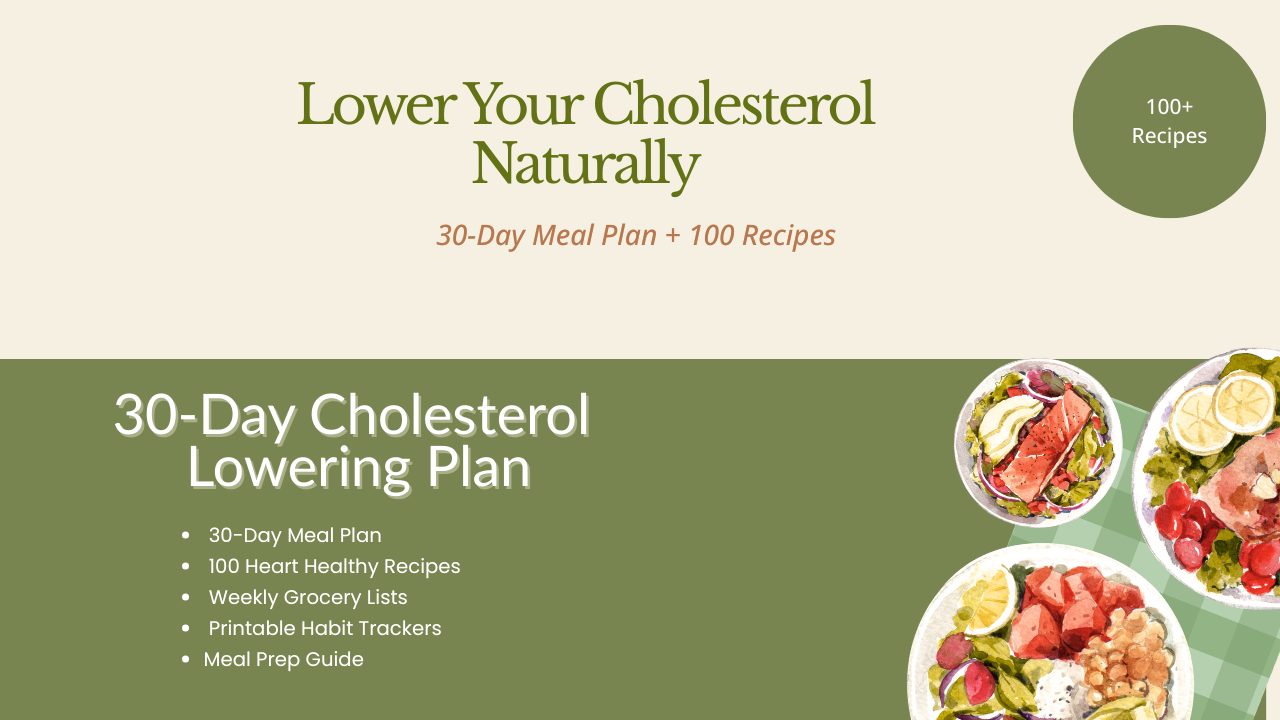
30-Day Cholesterol-Lowering Meal Plan
A simple step-by-step system to help you eat heart-healthy every day without stress.
Over 1,000 people downloaded this guide
$29$9
Get Instant Access


