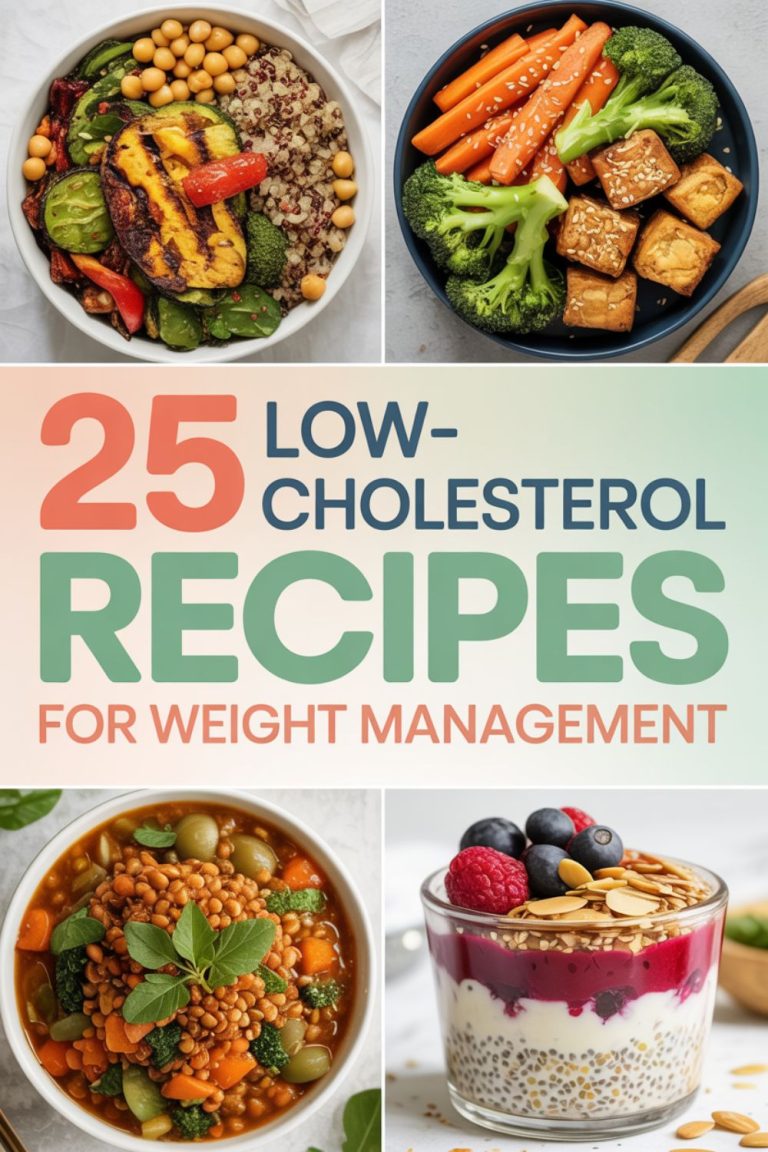

18 Quick Spring Dinners for Heart Health
Look, I get it. You’re juggling a million things, and the last thing you want is another lecture about eating better. But here’s the thing—spring dinners don’t have to be complicated, and they definitely don’t have to taste like cardboard just because they’re good for your heart.
Spring is basically nature’s way of handing you a cheat code for heart-healthy cooking. Fresh asparagus, tender peas, vibrant greens, and all those gorgeous veggies that actually taste like something? They’re everywhere right now. And honestly, when ingredients are this good, you don’t need to overthink it.
I’ve spent way too many evenings staring into my fridge, wondering how to make something that’s both quick and actually nourishing. These 18 dinners are what I keep coming back to when I need something on the table fast but don’t want to sacrifice flavor or feel like I’m eating “diet food.” They’re real meals that happen to be really good for you.

Why Spring Is Actually Perfect for Heart-Healthy Eating
Spring produce isn’t just pretty—it’s packed with stuff your heart genuinely loves. We’re talking fiber, antioxidants, and those omega-3s everyone keeps mentioning. The American Heart Association is pretty clear about loading up on vegetables and whole grains, and spring makes that ridiculously easy.
30-Day Cholesterol Reset System
A simple done-for-you plan to help you eat heart-healthy every day without confusion.
Over 1,000 people downloaded this guide
✔ 100 Easy Recipes
✔ Grocery Lists + Meal Prep Guide
🎁 FREE BONUSES:
✔ 7-Day Quick Start Plan
✔ Printable Grocery List
$29 $9
Get Instant AccessAsparagus, for instance, is loaded with folate and vitamin K, both of which play nice with your cardiovascular system. Leafy greens like spinach and arugula bring nitrates to the party, which can help manage blood pressure. And don’t even get me started on peas—they’re basically fiber bombs that happen to taste sweet and fresh.
What I love about cooking with seasonal ingredients is that you’re not fighting against them. Winter squash in July? Hard pass. But asparagus in April? It practically cooks itself and tastes incredible with just a drizzle of olive oil and a squeeze of lemon.
The Quick Dinner Game Plan
Here’s my philosophy: if dinner takes longer than 30 minutes, it better be something special. Most weeknights? I’m aiming for 20 minutes, tops. That’s where these spring dinners shine—they’re fast because the ingredients are doing most of the work.
Sheet pan dinners are my secret weapon. Toss some salmon with asparagus and cherry tomatoes, drizzle with this quality olive oil I swear by, and let the oven handle it. I use these parchment-lined baking sheets because honestly, scrubbing pans is not how I want to spend my evenings.
One-pot pastas are another lifesaver. Everything cooks together, the starch from the pasta creates this naturally creamy sauce, and you’re left with one pot to wash. Win-win-win. I’ve got this Dutch oven that’s perfect for the job—big enough for a family but not so massive it’s annoying to clean.
18 Spring Dinners That Actually Deliver
Grilled Salmon with Asparagus and Lemon
This is probably my most-made dinner when the weather warms up. Salmon is rich in omega-3 fatty acids, which research shows can reduce inflammation and support heart health. Pair it with roasted asparagus and you’ve got a meal that checks every nutritional box without feeling like homework.
Season your salmon with salt, pepper, and a bit of garlic powder. Roast it alongside asparagus at 400°F for about 12-15 minutes. Finish with fresh lemon juice and maybe some dill if you’re feeling fancy. The whole thing takes maybe 20 minutes, and it tastes like you tried way harder than you actually did.
For more salmon inspiration, you might want to check out these low-cholesterol chicken recipes packed with flavor or explore low-cholesterol dinners you’ll want to make again.
Spring Vegetable Stir-Fry with Ginger and Garlic
Stir-fries get dinner on the table faster than delivery, and they’re infinitely customizable. I use snap peas, broccoli, bell peppers, and whatever else looks good at the store. The key is getting your wok or large skillet really hot before you start.
Ginger and garlic are your flavor base here. They’re anti-inflammatory powerhouses, plus they make everything smell incredible. Add some low-sodium soy sauce, a splash of rice vinegar, and a tiny drizzle of sesame oil at the end. Serve over brown rice or quinoa for extra fiber.
Lemon Herb Chicken with Roasted Radishes
Okay, hear me out on the radishes. I know they’re polarizing, but roasting them completely transforms their flavor. They get sweet and almost potato-like, but with way more nutrients and zero starch. It’s kind of wild.
Marinate chicken breasts in lemon juice, olive oil, and whatever herbs you have hanging around—thyme, rosemary, oregano all work. Roast everything together on a sheet pan. The chicken stays juicy, the radishes caramelize, and you look like a genius. Get Full Recipe.
If you’re looking for more ways to use spring produce, these low-cholesterol vegetarian meals are absolutely worth trying.
Quinoa Bowls with Spring Vegetables
Bowl dinners are basically adult Legos—you get to build exactly what you want. Start with quinoa (cooks in 15 minutes, high in protein and fiber), then pile on roasted or raw spring veggies. I’m talking sugar snap peas, shredded carrots, cucumber, avocado, whatever’s in season.
Top it with a quick tahini dressing or just lemon juice and olive oil. Sometimes I add chickpeas for extra protein. Sometimes I throw in some leftover chicken. The point is, there’s no wrong answer here, and your heart’s getting all the good stuff it needs.
One-Pot Spring Pasta with Peas and Mint
This recipe is stupid-easy and tastes way more elegant than it has any right to. Cook your pasta in just enough water to cover it, add frozen peas in the last two minutes, then toss everything with fresh mint, lemon zest, a bit of Parmesan, and good quality extra virgin olive oil.
The starchy pasta water creates a light sauce that clings to everything. It’s fresh, it’s bright, and it doesn’t feel heavy even though you’re eating a bowl of carbs. Plus, peas are high in fiber and plant-based protein, so you’re actually doing your body a favor.
Sheet Pan Shrimp with Bell Peppers and Zucchini
Shrimp cooks in literally five minutes, which makes it perfect for those nights when you forgot to plan ahead. Toss it with sliced bell peppers and zucchini, season with paprika, garlic powder, and a bit of cumin, then roast at high heat until everything gets a little charred.
The American Heart Association recommends eating fish at least twice a week, and shrimp counts. It’s lean, it’s quick, and when you pair it with colorful veggies, you’re getting a serious antioxidant boost. Serve over brown rice or with a side of low-cholesterol salads that don’t feel like diet food.
Grilled Chicken with Strawberry Spinach Salad
Yes, strawberries count as spring produce, and yes, they’re amazing in savory salads. Grill some chicken (or use a grill pan if it’s still too cold outside), then serve it over baby spinach with sliced strawberries, almonds, and a balsamic vinaigrette.
Spinach is loaded with nitrates and magnesium, both of which support healthy blood pressure. Strawberries bring vitamin C and antioxidants. And the almonds? Healthy fats that keep you full. It’s basically a nutrition textbook on a plate, but it tastes like spring.
Looking for more fresh ideas? Try these low-cholesterol salads that taste restaurant-quality.
Kitchen Tools That Make Spring Cooking Easier
Quality Chef’s Knife
Seriously, if you’re still using that dull knife from college, stop. A good chef’s knife makes chopping all those spring vegetables actually enjoyable instead of a chore. It’s faster, safer, and you’ll actually want to cook more.
Sheet Pan Set with Lids
Half my dinners happen on sheet pans. Get a set with lids so you can prep ahead, stick them in the fridge, and just pop them in the oven when you’re ready. The lids also make storing leftovers way less annoying.
Vegetable Steamer Basket
Steaming vegetables keeps more nutrients intact than boiling, plus it’s faster and requires zero oil. I use mine for asparagus, broccoli, and snap peas at least three times a week. It’s like $12 and completely worth it.
Heart-Healthy Meal Prep Guide (Digital)
A comprehensive digital guide with grocery lists, meal planning templates, and storage tips specifically for heart-healthy ingredients. Takes the guesswork out of weekly planning and helps you actually use everything you buy.
Spring Recipe Collection eBook
Over 50 seasonal recipes organized by cooking method and prep time. Includes nutritional info and substitution suggestions for common allergens or preferences. Perfect for keeping dinner interesting without endless scrolling.
Cooking for Heart Health Video Course
Learn proper techniques for maximizing flavor while minimizing salt and saturated fat. Covers everything from building a pantry to mastering one-pot meals. Ideal if you’re new to heart-healthy cooking or just want to level up.
Mediterranean White Fish with Tomatoes and Olives
Any mild white fish works here—cod, halibut, tilapia, whatever’s fresh. Season it simply, then bake it with cherry tomatoes, Kalamata olives, capers, and a splash of white wine. The Mediterranean diet is basically the gold standard for heart health, and this dish is a perfect example of why.
The combination of fish, tomatoes, and olives gives you omega-3s, lycopene, and healthy monounsaturated fats. It’s everything your cardiovascular system wants, and it tastes like vacation. Serve with a side of whole wheat couscous or low-cholesterol sides that go with everything.
Turkey and Vegetable Lettuce Wraps
When you want something light but satisfying, lettuce wraps are clutch. Brown some ground turkey with ginger, garlic, and a bit of hoisin sauce. Add diced water chestnuts and carrots for crunch. Spoon everything into butter lettuce leaves and top with cilantro and lime.
Turkey is lean protein with way less saturated fat than beef. The vegetables add fiber and micronutrients. And honestly, eating with your hands makes dinner feel more fun, which is underrated.
Lentil and Spring Vegetable Soup
Soup in spring might sound weird, but when it’s loaded with fresh vegetables and doesn’t weigh you down, it works. Lentils are fiber and protein champions, plus they cook quickly—no soaking required.
Sauté onions, carrots, and celery in a good quality olive oil, add vegetable broth, lentils, and whatever spring vegetables you have. Simmer until tender, finish with fresh herbs. It’s the kind of soup that feels nourishing without being heavy. For more soup ideas, check out these low-cholesterol soups and stews for any season.
Garlic Herb Cod with Roasted Brussels Sprouts
Brussels sprouts are technically a spring vegetable, and roasting them brings out this nutty, caramelized flavor that’s nothing like the boiled mush some of us grew up with. Toss them with a tiny bit of olive oil and roast at 425°F until crispy.
Meanwhile, season cod fillets with garlic, parsley, and lemon. Bake for about 10 minutes. The fish is flaky and light, the Brussels sprouts are crispy and satisfying, and you’ve got a complete meal with minimal effort. Get Full Recipe.
If you’re interested in more seafood options, these heart-healthy meals under 400 calories include several great fish recipes.
Chickpea and Vegetable Curry
Curry paste from a jar is not cheating—it’s being smart. Heat some coconut milk (the light version works fine), add curry paste, throw in chickpeas and whatever spring vegetables you’ve got, and simmer until everything’s tender. Serve over brown rice or quinoa.
Chickpeas are packed with fiber and plant-based protein. The vegetables add vitamins and minerals. And curry spices like turmeric have anti-inflammatory properties that research suggests may benefit heart health. Plus, it tastes way more complicated than it actually is.
Balsamic Glazed Pork Tenderloin with Asparagus
Pork tenderloin is surprisingly lean—it’s got about the same fat content as chicken breast. Roast it with a quick balsamic glaze (just reduce balsamic vinegar with a touch of honey), and serve alongside roasted asparagus.
The key is not overcooking the pork. Use an instant-read thermometer and pull it at 145°F. Let it rest for a few minutes, then slice. It’ll be juicy and tender, and you’ll wonder why you don’t make this more often.
Greek-Style Stuffed Peppers
Bell peppers are cheap, colorful, and perfect for stuffing. Mix cooked quinoa with diced tomatoes, spinach, feta, oregano, and a bit of lemon zest. Stuff into halved peppers, bake until tender. It’s like a complete meal in an edible bowl.
The combination of whole grains, vegetables, and a small amount of cheese gives you complex carbs, fiber, and protein. Plus, it reheats beautifully, so you can make extra for lunch the next day. For more meal prep ideas, explore these low-cholesterol meal prep ideas for the week.
Sesame Ginger Tofu with Snow Peas
Even if you’re not vegetarian, tofu deserves more respect. It’s high in protein, contains no cholesterol, and soaks up whatever flavors you give it. Press it to remove excess water (I use this tofu press because ain’t nobody got time to stack books on tofu), cube it, then toss with sesame oil, ginger, and garlic.
Pan-fry until crispy, then add snow peas and cook until they’re bright green and just tender. Finish with a drizzle of low-sodium soy sauce and sesame seeds. It’s crunchy, savory, and genuinely satisfying.
Herb-Crusted Chicken with Spring Green Salad
Sometimes simple is best. Coat chicken breasts in a mixture of whole wheat breadcrumbs, Parmesan, and fresh herbs. Bake until golden and crispy. Serve alongside a big salad loaded with spring greens, radishes, cucumber, and a light vinaigrette.
The breadcrumb crust gives you that satisfying crunch without frying. The salad brings fiber and micronutrients. And the whole thing feels complete without being heavy. This is the kind of dinner I can eat and still feel like moving afterward, which is kind of the point.
Miso-Glazed Salmon with Bok Choy
Miso paste might seem fancy, but it lasts forever in the fridge and adds this incredible depth of flavor. Mix it with a bit of rice vinegar and honey, brush it on salmon, then broil until caramelized. Steam some bok choy as a side.
Bok choy is a cruciferous vegetable that’s loaded with vitamins A, C, and K. Salmon brings those omega-3s. And miso is fermented, which means it’s good for your gut. It’s a nutritional powerhouse that tastes like you went to a nice restaurant. Get Full Recipe.
For more Asian-inspired healthy dinners, check out these low-cholesterol one-pan dinners for easy nights.
Turkey Meatballs with Zucchini Noodles
Zucchini noodles are everywhere for a reason—they work. Make turkey meatballs with breadcrumbs, egg, garlic, and Italian seasoning. Bake them in the oven while you spiralize your zucchini (yes, get a spiralizer, they’re like $15 and oddly fun to use).
Toss the zucchini noodles with a bit of marinara sauce, top with meatballs, and finish with fresh basil and a sprinkle of Parmesan. It’s all the comfort of spaghetti and meatballs with way more vegetables and way less heaviness.
Making These Dinners Work in Real Life
Look, meal planning sounds great until it’s Sunday night and you’re tired and the last thing you want to do is think about Wednesday’s dinner. I get it. But here’s what actually works for me: I pick three or four recipes for the week, shop once, and give myself permission to repeat or swap as needed.
Sometimes I make a big batch of quinoa on Sunday and use it for multiple meals. Sometimes I grill extra chicken and use it in salads, wraps, or bowls throughout the week. The point isn’t to follow some perfect plan—it’s to set yourself up so that making a healthy dinner is easier than ordering takeout.
Keep your pantry stocked with basics: olive oil, canned beans, whole grains, spices, canned tomatoes, low-sodium broth. If you’ve got those, you can throw together something decent even when your fridge is looking sad. And honestly, frozen vegetables are completely fine—they’re picked and frozen at peak freshness, so sometimes they’re better than “fresh” produce that’s been sitting around for a week.
For comprehensive strategies on making heart-healthy eating sustainable, explore these low-cholesterol meals that are actually delicious.
The Real Talk About Heart-Healthy Eating
According to Million Hearts, a CDC initiative focused on preventing heart disease and stroke, simple dietary changes can significantly impact cardiovascular health. But nobody wants to eat bland food in the name of health. That’s not sustainable, and it’s definitely not enjoyable.
The truth is, heart-healthy eating doesn’t mean giving up flavor or satisfaction. It means choosing ingredients that support your body instead of working against it. More vegetables, more whole grains, lean proteins, healthy fats from sources like olive oil and nuts. Less processed junk, less added sodium, less saturated fat from heavy creams and fatty meats.
But here’s what makes spring perfect for this: the produce is so good that you don’t need to do much to it. Fresh asparagus with lemon and olive oil tastes incredible. Peas from the farmers market are sweet and tender. You’re not trying to make something taste good—you’re just enhancing what’s already there.
The American Heart Association emphasizes eating a variety of nutritious foods from all food groups, and spring makes that so much easier. When strawberries, asparagus, peas, radishes, and fresh herbs are all in season at once, variety isn’t something you have to force—it just happens.
Frequently Asked Questions
What makes spring vegetables particularly good for heart health?
Spring vegetables like asparagus, peas, and leafy greens are packed with fiber, folate, and antioxidants that support cardiovascular health. They’re also naturally low in calories and sodium while being rich in potassium, which helps regulate blood pressure. Plus, they’re at peak freshness during spring, meaning maximum nutrient content and better flavor without needing heavy sauces or excessive salt.
Can I make these recipes ahead of time for meal prep?
Absolutely. Most of these dinners store well for 3-4 days in the fridge. Cook your proteins and grains in batches on the weekend, prep your vegetables, and assemble meals as needed. Some dishes like stuffed peppers, meatballs, and soups actually taste better the next day. Just store components separately when possible to maintain texture.
How much fish should I really be eating for heart health?
The American Heart Association recommends eating fish at least twice a week, particularly fatty fish like salmon that are high in omega-3 fatty acids. These healthy fats can reduce inflammation, lower triglycerides, and decrease the risk of heart disease. Variety matters too—mix it up with salmon, cod, halibut, and shrimp throughout the week.
Do I really need to avoid all saturated fat for heart health?
It’s about moderation, not elimination. The American Heart Association suggests limiting saturated fat to less than 6% of total daily calories. Focus on lean proteins, use olive oil instead of butter when possible, and choose low-fat dairy options. You don’t have to be perfect—just make more heart-healthy choices than not, and you’ll see benefits over time.
Are frozen vegetables okay to use in these recipes?
Yes, frozen vegetables are completely fine and sometimes even better than “fresh” produce that’s been sitting around for days. They’re frozen at peak ripeness, which preserves nutrients. Just skip varieties with added sauces or sodium. Frozen peas, broccoli, and spinach work great in most of these recipes and make weeknight cooking even faster.
The Bottom Line on Spring Heart-Healthy Dinners
Spring makes eating for heart health feel less like a chore and more like an actual pleasure. When ingredients are this fresh and flavorful, you don’t need complicated recipes or fancy techniques. You just need to get out of their way and let them shine.
These 18 dinners aren’t about restriction or punishment. They’re about eating food that tastes good, makes you feel good, and happens to support your cardiovascular health in the process. No guilt, no deprivation, just real meals that work for real life.
So grab whatever spring vegetables look good at the store this week, pick a couple of these recipes, and just cook. Keep it simple, keep it fresh, and trust that you’re doing something genuinely beneficial for your body. That’s pretty much it.
Your heart will thank you, your taste buds will thank you, and honestly, future you—the one who isn’t ordering takeout for the fourth night in a row—will definitely thank you.
30-Day Cholesterol-Lowering Meal Plan
A simple step-by-step system to help you eat heart-healthy every day without stress.
Over 1,000 people downloaded this guide
$29$9
Get Instant Access