
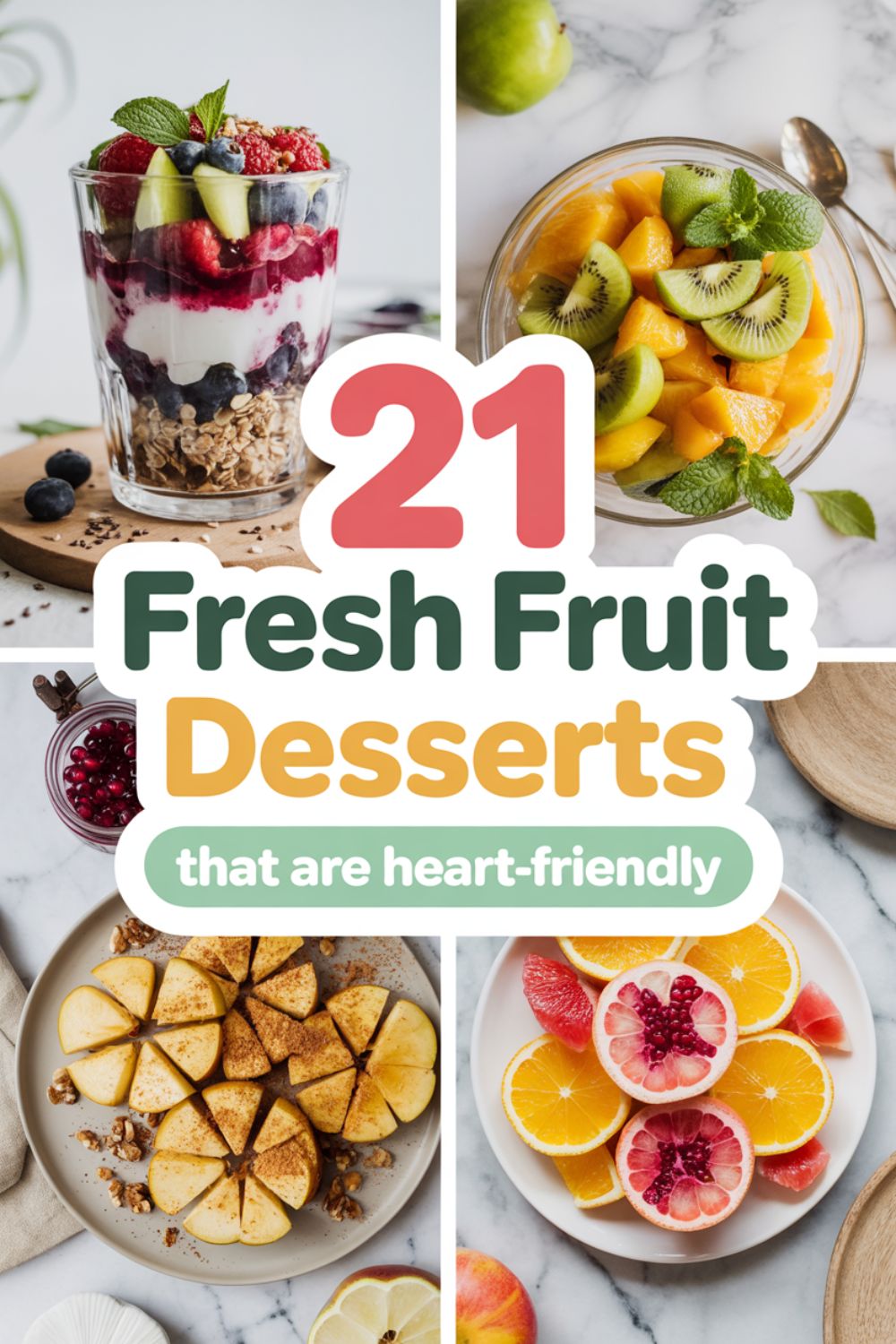
21 Fresh Fruit Desserts That Are Heart-Friendly
Look, I get it. When your doctor starts talking about heart health and cholesterol levels, dessert usually becomes the villain in the story. But here’s the thing—it doesn’t have to be that way. Fresh fruit desserts can actually be your secret weapon for satisfying that sweet tooth while keeping your ticker happy.
I’ve spent years experimenting in my kitchen, trying to figure out how to make desserts that don’t leave me feeling guilty or compromise my health goals. What I discovered surprised me: fruit-based desserts aren’t just the “healthy alternative” nobody wants—they’re genuinely delicious when done right. Plus, according to The American Heart Association, incorporating more fruits into your diet is one of the smartest moves you can make for cardiovascular health.
These 21 recipes prove you don’t need butter-laden pastries or cream-heavy concoctions to end a meal on a high note. Fresh fruit brings natural sweetness, fiber that helps manage cholesterol, and antioxidants that protect your heart. Ready to dig in?
Why Fruit Desserts Are Actually Good for Your Heart
Before we jump into recipes, let’s talk science for a second. Fruits aren’t just sweet—they’re packed with soluble fiber, which research from Mayo Clinic shows can help reduce LDL cholesterol (the bad kind). Berries especially contain anthocyanins, powerful antioxidants that reduce inflammation in your blood vessels.
Think about it this way: when you swap a slice of cheesecake for a bowl of grilled peaches with cinnamon, you’re not just cutting calories. You’re actively feeding your body compounds that support healthy blood pressure, improve circulation, and protect against oxidative stress. That’s a win-win in my book.
And honestly? Once you nail a few of these recipes, you won’t even miss the heavy stuff. I use this silicone baking mat for roasting fruits—no sticking, no mess, just perfectly caramelized results every time.
The Best Fruits for Heart Health (According to Actual Research)
Not all fruits are created equal when it comes to cardiovascular benefits. Research published on Healthline identifies berries, citrus fruits, and stone fruits as particularly beneficial for heart health.
30-Day Cholesterol Reset System
A simple done-for-you plan to help you eat heart-healthy every day without confusion.
Over 1,000 people downloaded this guide
✔ 100 Easy Recipes
✔ Grocery Lists + Meal Prep Guide
🎁 FREE BONUSES:
✔ 7-Day Quick Start Plan
✔ Printable Grocery List
$29 $9
Get Instant AccessBerries top the list thanks to their high antioxidant content. Blueberries, strawberries, and raspberries contain polyphenols that help reduce arterial stiffness. I keep a stash of these in my freezer year-round.
Citrus fruits like oranges and grapefruit are loaded with flavonoids that boost good cholesterol while lowering the bad. Plus, the vitamin C doesn’t hurt.
Stone fruits—think peaches, plums, nectarines—offer a solid fiber punch along with potassium, which helps manage blood pressure. Ever wonder why grilled peaches taste so ridiculously good? The natural sugars caramelize beautifully without needing added sweeteners.
For more insight on incorporating heart-friendly ingredients into your daily routine, check out these foods that naturally lower cholesterol.
1-7: Berry-Based Desserts That Don’t Skimp on Flavor
1. Mixed Berry Crumble with Oat Topping
This one’s a crowd-pleaser. Fresh or frozen berries get tossed with a touch of maple syrup and lemon juice, then topped with a crumbly mixture of oats, almond flour, and a drizzle of olive oil. Bake until bubbly. The oats provide beta-glucan, a type of fiber specifically shown to lower cholesterol.
I use this ceramic baking dish for all my fruit crisps—it distributes heat evenly and looks pretty enough to serve straight from the oven. Get Full Recipe.
2. Strawberry Chia Pudding Parfait
Layer chia pudding (made with almond milk and a hint of vanilla) with fresh sliced strawberries and a sprinkle of unsweetened coconut. The chia seeds add omega-3s, which support heart health. Make a big batch on Sunday and portion it into these glass mason jars—grab-and-go dessert all week.
3. Blueberry Nice Cream
Frozen bananas and blueberries blended until creamy. That’s it. Seriously. The bananas provide natural sweetness and creaminess without any dairy or added sugar. Top with a few crushed walnuts for healthy fats. If you’re serious about this, invest in a high-powered blender—it makes all the difference.
4. Raspberry Lemon Sorbet
Raspberries, fresh lemon juice, a touch of honey, and water get blended and frozen in an ice cream maker. The result is tart, refreshing, and completely guilt-free. Raspberries are particularly high in fiber—about 8 grams per cup.
5. Blackberry Yogurt Bark
Spread Greek yogurt (the low-fat kind) on a baking sheet, swirl in mashed blackberries, and freeze. Break into pieces. It’s like a healthier version of those chocolate bark recipes, but with the probiotic benefits of yogurt supporting gut health—which, FYI, is increasingly linked to cardiovascular wellness.
“I made the berry crumble for my family last month, and my husband—who’s usually skeptical of ‘healthy’ desserts—asked for seconds. We’ve had it three times since!” — Jennifer from our community
6. Strawberry Balsamic Compote
This one sounds fancy but takes about 10 minutes. Simmer strawberries with a splash of balsamic vinegar and a tiny bit of maple syrup. Serve over angel food cake or with a dollop of whipped coconut cream. The balsamic adds depth that makes strawberries taste almost wine-like.
7. Mixed Berry Smoothie Bowl
Blend frozen mixed berries with a splash of unsweetened almond milk until thick. Pour into a bowl and top with sliced almonds, chia seeds, and fresh fruit. It’s more of a spoon-able smoothie than traditional dessert, but trust me—this satisfies sweet cravings while delivering serious nutrition. For more morning-friendly options, try these easy low-cholesterol smoothie bowls.
8-14: Citrus and Tropical Fruit Creations
8. Grilled Pineapple with Cinnamon
Cut fresh pineapple into rings, sprinkle with cinnamon, and grill for about 3-4 minutes per side. The natural sugars caramelize beautifully. I swear by this grill pan for indoor grilling when it’s too cold to fire up the outdoor grill. Serve warm with a tiny scoop of vanilla frozen yogurt if you’re feeling indulgent.
9. Orange Segments with Honey and Pistachios
Supreme your oranges (fancy chef term for removing all the membranes), drizzle with a teaspoon of honey, and sprinkle with chopped pistachios. The pistachios add healthy fats and protein, making this surprisingly filling. Plus, research shows nuts can help lower cholesterol when eaten regularly.
10. Mango Coconut Chia Bowls
Blend fresh mango with coconut milk, pour over chia seed pudding, and top with toasted coconut flakes. Mangoes are high in fiber and vitamin C—both heart-healthy nutrients. This one’s best made in advance and chilled overnight. Get Full Recipe.
11. Pink Grapefruit Brûlée
Halve a grapefruit, sprinkle with a thin layer of coconut sugar, and torch it until caramelized. If you don’t have a kitchen torch (and honestly, this culinary torch is worth owning), just broil it for a few minutes. The bitterness of grapefruit plays beautifully against the caramelized sugar.
12. Tropical Fruit Salad with Lime and Mint
Cube mango, pineapple, papaya, and kiwi. Toss with fresh lime juice and torn mint leaves. The combination sounds simple—and it is—but the flavors are anything but boring. Papaya contains papain, an enzyme that aids digestion, which can be helpful after a heavier meal.
Looking for more ways to use tropical fruits? These low-cholesterol smoothies and juices feature similar ingredients in drinkable form.
13. Citrus Sorbet Trio
Make three mini batches of sorbet—lemon, lime, and blood orange. Serve a small scoop of each in a glass bowl. It’s like a homemade Italian ice situation, but way classier. The variety keeps things interesting, and citrus fruits are particularly high in flavonoids that support vascular health.
14. Coconut Lime Popsicles
Mix coconut milk with fresh lime juice and a bit of honey. Pour into popsicle molds and freeze. These are ridiculously refreshing on hot days, and the healthy fats from coconut milk help you feel satisfied. I use these silicone popsicle molds—they release easily and are dishwasher safe.
15-21: Stone Fruit and Melon Magic
15. Grilled Peaches with Cinnamon Ricotta
Halve peaches, remove pits, brush with a tiny bit of olive oil, and grill cut-side down. Top with a dollop of part-skim ricotta mixed with cinnamon. The combination of warm, caramelized peach and cool, creamy ricotta is next-level good. Stone fruits like peaches are particularly rich in polyphenols that protect against oxidative stress. Get Full Recipe.
16. Watermelon Mint Granita
Puree watermelon with fresh mint and a squeeze of lime. Freeze in a shallow pan, scraping with a fork every 30 minutes until you get icy crystals. Watermelon is over 90% water, making it naturally hydrating, plus it contains lycopene—an antioxidant linked to lower stroke risk according to Harvard Health.
17. Baked Apples with Walnut Filling
Core apples (use this handy apple corer to make the job easy), stuff with a mixture of chopped walnuts, oats, and cinnamon, then bake until tender. Apples are high in pectin, a type of soluble fiber that binds to cholesterol in your digestive system.
18. Plum Compote
Simmer halved plums with a cinnamon stick and a splash of orange juice until they break down into a jammy sauce. Serve over Greek yogurt or with a slice of angel food cake. Plums are loaded with antioxidants and fiber—about 2 grams per medium plum.
19. Melon Ball Salad with Basil
Use a melon baller (I love this dual-size melon baller) to scoop cantaloupe and honeydew. Toss with fresh basil leaves and a drizzle of lime juice. The herb pairing sounds weird until you try it—then it makes perfect sense. Cantaloupe is particularly high in potassium, which helps regulate blood pressure.
20. Nectarine Crisp
Similar concept to the berry crumble, but with sliced nectarines. The oat topping gets golden and crunchy while the fruit underneath turns soft and sweet. Nectarines offer vitamin C, potassium, and fiber—a trifecta of heart-healthy nutrients.
21. Chilled Honeydew Soup with Lime
Blend honeydew melon with lime juice and fresh mint until smooth. Chill and serve in small bowls. I know, “fruit soup” sounds questionable, but this is genuinely refreshing and elegant—perfect for summer dinner parties. The natural sweetness needs zero added sugar.
For even more ideas on working fruit into your daily meals, check out these low-cholesterol breakfast ideas that feature similar ingredients.
Kitchen Tools That Make These Desserts Even Easier
After making these recipes dozens of times, here are the tools I actually use and recommend:
- High-Speed Blender – For smoothie bowls, nice cream, and sorbets. Worth every penny if you’re serious about fruit desserts.
- Silicone Baking Mats – Non-stick magic for roasting fruits. I have three and rotate them constantly.
- Glass Storage Containers – For meal-prepping chia puddings and fruit salads. Airtight, microwave-safe, and BPA-free.
- Complete Meal Prep Guide – Includes dessert prep strategies and storage tips
- Heart-Healthy Meal Plans – Full weekly plans with dessert options built in
- Low-Cholesterol Recipe Collection – Over 27 recipes optimized for heart health
Making These Recipes Work for Your Lifestyle
Here’s the reality: these desserts only help your heart if you actually make them. That means keeping things realistic. I’m not about to tell you to hand-whip cream or temper chocolate when you’re just trying to enjoy something sweet after dinner.
Most of these recipes require minimal equipment and even less skill. Can you turn on an oven? Great, you can make a fruit crumble. Can you operate a blender? Perfect, nice cream is yours. The barrier to entry is intentionally low because consistency beats perfection every single time.
Batch prep is your friend here. Make a big bowl of berry compote on Sunday and use it all week—over yogurt for breakfast, on whole grain toast as a snack, or as dessert after dinner. Double your chia pudding recipe. Cut up extra fruit while you’re already wielding a knife.
“I started making the grilled peaches every week during summer, and my cholesterol numbers improved at my last check-up. My doctor was genuinely impressed!” — Michael from our readers
The goal isn’t Instagram-perfect fruit art. It’s finding a sustainable way to satisfy your sweet tooth while supporting your cardiovascular system. If that means eating watermelon chunks straight from a Tupperware container, I’m not judging.
Want more practical meal strategies? These lazy low-cholesterol meals for busy people apply the same realistic approach to full dinners.
The Cholesterol Connection You Should Know About
Let’s talk specifics. Soluble fiber—the kind abundant in fruits—binds to cholesterol in your digestive system and helps remove it before it enters your bloodstream. This is why foods high in soluble fiber, like apples and berries, can actually lower LDL cholesterol levels over time.
But it’s not just about fiber. Fruits contain plant sterols (also called phytosterols) that compete with cholesterol for absorption in your intestines. The more plant sterols you eat, the less dietary cholesterol your body absorbs. It’s a numbers game, and fruits help you win.
Antioxidants are the other major player. Oxidized LDL cholesterol is particularly problematic for your arteries—it’s what causes plaque buildup. The polyphenols and anthocyanins in fruits help prevent that oxidation. You’re not just reducing cholesterol; you’re making the cholesterol you do have less harmful.
For a deeper understanding of cholesterol management through diet, check out these low-cholesterol dinners that complement your dessert choices.
Common Mistakes (And How to Avoid Them)
Even simple fruit desserts can go sideways if you’re not careful. Here are the traps I’ve fallen into—so you don’t have to:
Mistake #1: Adding too much sweetener. Ripe fruit is already sweet. Start with way less honey or maple syrup than you think you need. You can always add more, but you can’t take it back.
Mistake #2: Using underripe fruit. This is especially true for stone fruits and melons. Underripe fruit tastes bland and never quite cooks properly. Give those peaches another day or two on the counter.
Mistake #3: Overlooking frozen fruit. Frozen berries and mango chunks are flash-frozen at peak ripeness. They’re often better quality than “fresh” fruit that’s been sitting in a produce section for days. Plus, cheaper.
Mistake #4: Skipping the acid. A squeeze of lemon or lime brightens fruit flavors dramatically. It’s the difference between good and restaurant-quality good.
If you’re looking for more structured guidance on heart-healthy eating, these recipes for long-term heart health offer a comprehensive approach.
Frequently Asked Questions
Can I use canned fruit instead of fresh?
Absolutely, but check the label. Choose fruit canned in water or its own juice—never heavy syrup. Drain and rinse before using to remove excess sugar. Canned peaches and pineapple work particularly well in baked desserts where texture matters less.
How do these desserts compare to traditional options for cholesterol?
Traditional desserts often contain butter, cream, and eggs—all sources of saturated fat and dietary cholesterol. Fruit-based desserts eliminate most or all of these ingredients while adding soluble fiber and antioxidants that actively help lower cholesterol. You’re not just avoiding bad stuff; you’re adding good stuff.
Are frozen fruits as nutritious as fresh?
Often more so. Frozen fruits are picked and frozen at peak ripeness, locking in nutrients. “Fresh” fruit at grocery stores may have traveled for days or weeks, losing vitamin content along the way. Frozen berries are especially reliable for consistent quality year-round.
Can diabetics eat these fruit desserts?
Most of these recipes can work for diabetics with portion control and monitoring. Berries have a lower glycemic index than tropical fruits, making them a better choice for blood sugar management. Pairing fruit with protein or healthy fats (like the nut toppings) helps slow sugar absorption. Always consult your healthcare provider about specific dietary choices.
How long do these desserts keep?
Fresh fruit salads are best within 1-2 days. Baked options like crisps keep for 3-4 days refrigerated. Frozen items (nice cream, sorbets, popsicles) last several weeks. Chia puddings stay fresh for up to 5 days in airtight containers. IMO, most taste best within 48 hours, but prep-friendly options make meal planning realistic.
Final Thoughts
The biggest lesson I’ve learned from making these desserts is that “heart-healthy” doesn’t have to mean “taste-free.” Fresh fruit brings natural sweetness, interesting textures, and genuine satisfaction—you just need to treat it right.
These 21 recipes prove you can end meals on a sweet note without compromising your cardiovascular health. Actually, you’re actively supporting it. The fiber helps manage cholesterol. The antioxidants protect your blood vessels. The lack of saturated fat keeps your arteries clear. It’s not about deprivation—it’s about making choices that serve both your taste buds and your heart.
Start with one or two recipes that sound appealing. Master those. Add more as you go. Before you know it, reaching for fruit-based desserts becomes automatic, not effortful. And when your next cholesterol panel comes back improved, you’ll have these simple, delicious recipes to thank.
30-Day Cholesterol-Lowering Meal Plan
A simple step-by-step system to help you eat heart-healthy every day without stress.
Over 1,000 people downloaded this guide
$29$9
Get Instant Access