
High-Fiber Summer Eating
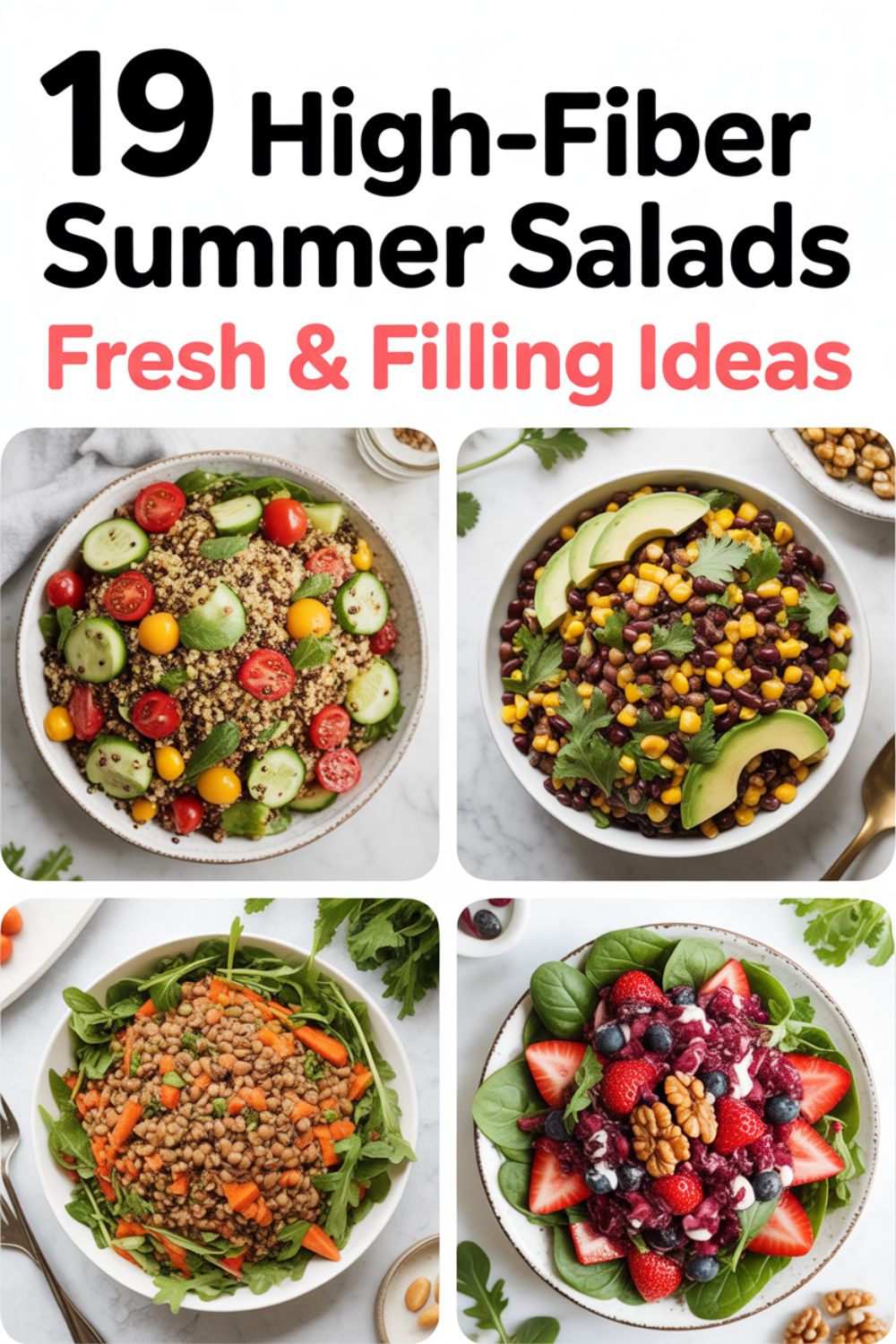
19 High-Fiber Summer Salads That Actually Keep You Full
Light enough for July, filling enough to skip the afternoon snack raid. These salads earn their place on the table.
Let’s be real for a second. The phrase “summer salad” has a reputation problem. Half the internet’s salad recipes are basically a sad pile of iceberg lettuce with a sad drizzle of fat-free ranch, and they leave you raiding the pantry twenty minutes later. If that’s been your experience, I completely get it — and that’s exactly why this list exists.
These 19 high-fiber summer salads are built differently. They star ingredients like chickpeas, quinoa, black beans, edamame, farro, and loads of fresh summer produce that pack real staying power. We’re talking 5 to 12 grams of fiber per serving in many of these, which makes a meaningful dent in the daily target of 25–38 grams that most of us completely miss. The honest truth is most Americans barely hit 16 grams a day, and you can feel that deficit in your energy, your digestion, and your hunger levels.
Every salad here works as a main dish, a generous side, or a meal-prep staple you can pull from all week. They use fresh seasonal ingredients that hit peak flavor right now — corn, tomatoes, cucumbers, stone fruit, summer herbs — so the timing couldn’t be better. Let’s get into it.
Why High-Fiber Salads Deserve the Main-Dish Spot This Summer
Here’s the thing about fiber — it’s one of those nutrients that does a staggering amount of work without getting nearly enough credit. According to the Mayo Clinic, dietary fiber supports cholesterol management, blood sugar regulation, blood pressure, and long-term heart health. Soluble fiber specifically binds to cholesterol particles in the digestive system before they get absorbed, which means every fiber-rich salad you eat is doing more than just filling you up — it’s actively working in your favor.
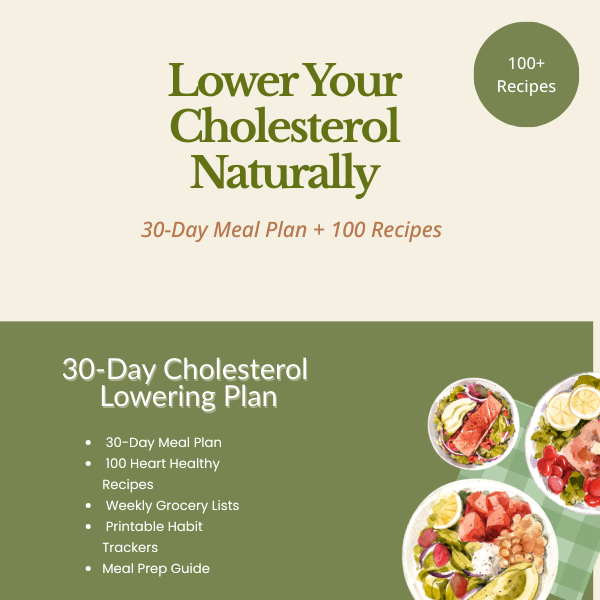
30-Day Cholesterol Reset System
A simple done-for-you plan to help you eat heart-healthy every day without confusion.
Over 1,000 people downloaded this guide
✔ 100 Easy Recipes
✔ Grocery Lists + Meal Prep Guide
🎁 FREE BONUSES:
✔ 7-Day Quick Start Plan
✔ Printable Grocery List
$29 $9
Get Instant AccessSummer is genuinely the best season to hit your fiber goals through salads. Corn, tomatoes, cucumbers, zucchini, stone fruit — all of it is at peak freshness, peak flavor, and peak affordability from June through September. Layering those ingredients with legumes, whole grains, and seeds means you get a bowl that’s satisfying in every way: texturally, nutritionally, and honestly, visually too.
If you’re also keeping an eye on cholesterol or heart health more broadly, fiber-rich eating is one of the most evidence-backed approaches you can take. Research published in BMC Medicine confirms that higher dietary fiber intake is linked to reduced blood pressure, lower LDL cholesterol, and reduced cardiometabolic risk — the kind of outcomes that stack up over time when you make it a habit rather than an occasional thing.
For more heart-healthy eating ideas beyond salads, the 21 high-fiber recipes for heart health collection is a great starting point — it covers breakfast through dinner with the same focus on whole ingredients.
Pro Tip
Add a can of rinsed chickpeas or white beans to any salad you already love — it instantly adds 6–8g of fiber and real staying power without changing the flavor profile.
The Building Blocks of a High-Fiber Summer Salad
Before we get to the actual recipes, it helps to understand the formula. A truly satisfying high-fiber salad has at least three fiber sources working together, not just one. Thinking about it in layers makes the whole thing easier to build and easier to customize.
The Base Layer: Grains and Greens
Skip the solo iceberg routine. The best bases for a fiber-forward salad combine sturdy leafy greens — kale, arugula, shredded cabbage — with a cooked whole grain like quinoa, farro, brown rice, or freekeh. Farro especially is underrated for summer — it has a nutty, chewy texture that holds up to dressings without getting soggy, even after a day in the fridge. One cup of cooked farro delivers about 8 grams of fiber, which is already a third of many people’s daily target in a single scoop.
If grains aren’t your thing or you’re keeping it lighter, shredded Brussels sprouts, raw broccoli slaw, or massaged kale all bring significant fiber on their own. The massage step with kale — working it with a bit of olive oil and salt for about two minutes — softens the texture dramatically and makes it genuinely enjoyable rather than something you’re powering through.
The Protein-Fiber Double Hitter: Legumes
Legumes are the real workhorses here. Chickpeas, black beans, lentils, edamame, white beans — all of them pull double duty as both protein source and fiber source. A half-cup of cooked chickpeas delivers around 6 grams of fiber. Lentils push even higher at about 8 grams per half cup. And unlike animal proteins, they bring zero saturated fat to the bowl, which matters if you’re watching your LDL numbers.
FYI, the split between soluble vs. insoluble fiber matters here too. Legumes are particularly rich in soluble fiber, which is the kind that forms a gel in the digestive tract and directly interferes with cholesterol absorption. Leafy greens and whole grains skew toward insoluble fiber, which promotes gut motility and keeps everything moving. Combining both types — which these salads naturally do — gives you the full spectrum of benefits.
The Crunch Factor: Seeds, Nuts, and Raw Veg
Pumpkin seeds, sunflower seeds, sliced almonds, and walnuts all add texture and more fiber. Raw corn kernels sliced straight off the cob in summer are incredible in a salad — sweet, crunchy, and with about 3 grams of fiber per ear. Diced cucumber, radishes, and shredded carrots all contribute without overwhelming the other flavors. I keep a wide-mouth glass jar set like this one in the fridge just for prepped veggies — lasts all week and makes assembly a 3-minute job.
The 19 High-Fiber Summer Salads
1. Corn, Black Bean, and Avocado Salad
This one practically assembles itself. Fresh corn, rinsed black beans, diced avocado, red onion, cilantro, and a squeeze of lime over everything. The black beans alone bring about 7 grams of fiber per half-cup, and the avocado adds another 5 grams per half fruit plus all that heart-healthy monounsaturated fat. It’s one of the most requested dishes at every summer gathering I’ve hosted, and it requires exactly zero cooking if you buy pre-cooked corn. Get the full bowl ready in under 10 minutes. Get Full Recipe
2. Farro Caprese with Basil and Cherry Tomatoes
Take the classic Caprese concept and bulk it up with cooked farro. Halved cherry tomatoes, torn fresh mozzarella (or a dairy-free cashew version if you’re going plant-based), loads of basil, good olive oil, and flaky salt. The farro bumps the fiber count way past where standard Caprese lands, and the chewy grain texture plays beautifully against the soft tomatoes. This one holds up well in the fridge for two days, which makes it a smart Sunday meal-prep move.
3. Chickpea Tabbouleh with Bulgur
Traditional tabbouleh uses bulgur wheat — already a solid fiber source at about 4 grams per half cup — but adding a full can of chickpeas turns this into a legitimate main. Flat-leaf parsley is the hero here, not a garnish; you want a full two cups of it, finely chopped. Diced tomatoes, cucumber, lemon juice, and olive oil round it out. This is one of those salads where the flavors actually improve overnight, so making it the night before is genuinely the better move. Get Full Recipe
4. Grilled Peach and Arugula Salad with Candied Walnuts
Stone fruit season is peak summer salad season, and grilled peaches are the reason. Halve them, brush with a tiny bit of oil, and char them on the grill or in a hot cast-iron pan. Serve over a bed of peppery arugula with walnuts, thinly sliced red onion, and a honey-dijon vinaigrette. Walnuts bring fiber and omega-3 fatty acids, arugula contributes antioxidants, and the whole thing looks like something out of a restaurant without the restaurant effort. I use this carbon steel grill pan year-round for exactly this kind of quick indoor grilling — no outdoor grill required.
5. Lentil and Roasted Beet Salad
Roasted beets and cooked French lentils are a combination that punches well above its weight visually and nutritionally. French lentils hold their shape after cooking, so you get that satisfying bite. Beets add earthy sweetness, and their deep magenta color turns the entire bowl a dramatic jewel tone — very Pinterest-worthy, not that I’d admit to thinking about that. Top with crumbled goat cheese or a vegan alternative, fresh dill, and a red wine vinaigrette. Fiber per serving: roughly 10–12 grams depending on portions.
6. Edamame and Brown Rice Summer Bowl
Shelled edamame is one of those ingredients that deserves far more summer salad real estate than it gets. It’s technically a complete protein — meaning it contains all essential amino acids, which is unusual for a plant food — and it delivers about 4 grams of fiber per half cup. Toss it with cooked brown rice, shredded purple cabbage, shaved carrots, sliced scallions, and a sesame-ginger dressing. This bowl works warm, room temperature, or cold from the fridge, which makes it one of the most flexible recipes on this list.
7. White Bean and Summer Tomato Salad
Possibly the lowest-effort entry on this list. Rinse a can of white cannellini beans, halve a pint of summer tomatoes, add thinly sliced garlic, torn basil, good olive oil, and a splash of red wine vinegar. Let it sit for 20 minutes before serving so everything melds. Those cannellini beans bring about 6 grams of fiber per half cup, and the beauty of this recipe is that every bite tastes like late August distilled into a bowl. Get Full Recipe
8. Quinoa Mango Salad with Lime Dressing
Quinoa is one of those grains that gets labeled a superfood so often the word has lost all meaning, but its nutritional profile is genuinely solid — about 5 grams of protein and 5 grams of fiber per cup cooked, plus all nine essential amino acids. Pair it with diced fresh mango, red bell pepper, red onion, jalapeño, cilantro, and a punchy lime dressing. The sweetness of mango plays against the lime’s acidity in a way that makes this feel like a full-on flavor event rather than a responsible eating decision.
9. Kale and Roasted Chickpea Caesar
IMO, roasted chickpeas are the best crouton replacement in existence. Toss a can of drained chickpeas with olive oil, smoked paprika, garlic powder, and salt, then roast at 400°F for 25–30 minutes until deeply golden and crispy. I use a rimmed half-sheet pan like this one for everything from roasting chickpeas to sheet pan dinners — the rimmed edges keep things from rolling around. Serve the roasted chickpeas over massaged kale with a tahini Caesar dressing (skip the anchovies, use capers instead) for a bowl that’s crunchy, creamy, and completely satisfying.
10. Watermelon, Cucumber, and Mint Salad with Pepitas
This one leans more refreshing than hearty, so pair it alongside one of the grain salads if it’s your main meal. Cubed watermelon, sliced English cucumber, red onion paper-thin, torn mint, and a generous handful of pepitas (pumpkin seeds). The pepitas add about 5 grams of fiber per ounce plus magnesium and zinc, and their toasty crunch transforms what could be a basic fruit salad into something worth making. A drizzle of honey and a tiny pinch of chili flakes finishes it perfectly.
I’ve been making the farro Caprese and the chickpea tabbouleh on rotation all summer. I feel noticeably more energetic in the afternoons — like I’m not hitting that 3pm wall anymore. And honestly? I don’t miss the heavy lunches I was eating before.
— Renata M., community member11. Shaved Brussels Sprout Salad with Lemon and Almonds
Raw shaved Brussels sprouts are a revelation if you’ve only ever had them roasted. Use a mandoline — or really, really good knife skills and patience — to slice them paper-thin, then toss with lemon juice, olive oil, grated parmesan, and sliced almonds. The lemon and salt soften the slight bitterness of the sprouts while the almonds provide crunch and additional fiber. A single cup of raw Brussels sprouts delivers 3.3 grams of fiber, and this salad packs in at least two cups per person. A handheld mandoline slicer makes this prep genuinely quick — about 8 minutes from sprout to bowl.
12. Black Bean and Roasted Corn Salad with Chipotle Dressing
The smoky chipotle dressing is what makes this one. Blend one chipotle pepper from a can of chipotles in adobo with Greek yogurt (or coconut yogurt for dairy-free), lime juice, garlic, and a little olive oil. The smokiness pairs beautifully with charred corn kernels — roasted at high heat until lightly blackened — and rinsed black beans. Diced bell pepper and fresh cilantro complete it. This holds well for three days in the fridge, so it’s one of the best meal-prep salads on this list.
13. Mediterranean Chickpea Salad
This is the one I make when I want something that feels like a full, complete meal without any actual cooking involved. Chickpeas, diced cucumber, cherry tomatoes, kalamata olives, thinly sliced red onion, crumbled feta, and a simple red wine vinegar and oregano dressing. The Mediterranean approach to eating is consistently one of the highest-supported dietary patterns for long-term heart health, and this salad hits most of the key markers — legumes, olive oil, vegetables, and anti-inflammatory herbs — in a single bowl. For more in this flavor direction, these Mediterranean diet recipes for cholesterol control are worth bookmarking.
14. Strawberry Spinach Salad with Hemp Seeds
Peak summer strawberry season makes this one irresistible. Fresh baby spinach, sliced strawberries, thinly sliced almonds, and — here’s the move — a generous tablespoon of hemp seeds per serving. Hemp seeds deliver 3 grams of fiber per tablespoon along with all essential amino acids, making them one of the most nutritionally dense toppings you can sprinkle over anything. A poppy seed vinaigrette or a simple balsamic glaze works beautifully here.
15. Spiced Lentil and Roasted Carrot Salad
This one asks for a little oven time but rewards the effort. Roast carrots with cumin, coriander, and smoked paprika until caramelized at the edges, then toss with warm cooked lentils, fresh parsley, lemon zest, and a drizzle of tahini. Serve warm, at room temp, or cold — all three work, which makes it one of those rare salads that crosses seasons. The combination of lentils and carrots pushes fiber solidly into double digits per serving.
Quick Win
Dress grain salads lightly at first — grains absorb dressing as they sit. Underdress when making ahead, then finish with a squeeze of lemon and a little extra olive oil just before serving.
16. Summer Corn and Quinoa Salad with Basil Vinaigrette
Sweet summer corn and nutty quinoa are a natural pairing. Toss cooked quinoa with raw corn kernels cut fresh from the cob, diced red bell pepper, halved cherry tomatoes, and a loose basil vinaigrette (blend basil with olive oil, white wine vinegar, garlic, and salt). The basil vinaigrette is the recipe within the recipe here — make a double batch and use it on everything for the next week. I store dressings in a leak-proof glass dressing jar with a pour spout that goes straight from blender to fridge — no mess, no funnel required.
17. Smashed Cucumber and Edamame Salad with Sesame
The smashed cucumber technique — pressing cucumbers under the flat of a knife until they crack and split — creates craggy surfaces that catch dressing in a way that sliced cucumbers simply can’t. Toss the smashed cucumbers with shelled edamame, rice vinegar, sesame oil, soy sauce, grated ginger, and a sprinkle of sesame seeds. Quick, crunchy, and genuinely addictive. This makes an excellent side alongside grilled fish — and speaking of omega-3-rich options, these salmon recipes rich in omega-3 are a natural pairing.
18. Heirloom Tomato and Farro Salad with Mozzarella
When heirloom tomatoes are at their peak in August, they need very little done to them. The farro provides the structure and the fiber backbone — about 8 grams per cup cooked — while the tomatoes bring sweetness, acidity, and those gorgeous orange, red, and yellow colors that make overhead salad photos look genuinely stunning. Torn mozzarella, fresh basil, a finishing quality olive oil, and flaky sea salt. That’s the whole recipe. Don’t overcomplicate it.
19. Roasted Zucchini and White Bean Salad with Lemon Herb Dressing
Roasting zucchini concentrates its flavor in a way that raw never quite achieves — slightly caramelized, silky in texture, with edges that go golden and almost nutty. Toss the roasted zucchini with white cannellini beans, cherry tomatoes, capers, fresh oregano, and a sharp lemon herb dressing. This one works warm or cold and holds beautifully in the fridge for two days. It’s one of the most requested recipes in the whole collection, and it pairs effortlessly with grilled chicken or salmon for a complete dinner plate.
I started making the lentil and beet salad every Sunday as part of my weekly meal prep. My doctor was actually surprised at my cholesterol numbers at my last checkup — I attribute a lot of it to eating like this consistently. These recipes are legit.
— James T., community memberKitchen Tools That Make These Salads Easier
Nothing on this list requires fancy equipment — but a few good tools genuinely speed things up and make the prep more enjoyable. Here’s what I actually use, not a wishlist of things I’ve never touched.
Physical Tool
Handheld Mandoline Slicer
Essential for shaved Brussels sprout salads and paper-thin cucumber. This adjustable mandoline is compact, easy to clean, and makes prep genuinely fast.
Physical Tool
Wide-Mouth Mason Jar Set
Prepped grains, legumes, and chopped vegetables stay fresh all week. These 32-ounce wide-mouth jars stack perfectly and go from fridge to table without fuss.
Physical Tool
Rimmed Half-Sheet Pan
For roasting chickpeas, carrots, zucchini — anything that needs oven time. A quality rimmed sheet pan with even heat distribution makes the difference between golden and burned.
Digital Resource
High-Fiber Meal Prep Guide
A full week of high-fiber eating mapped out with shopping lists and prep timelines. The low-cholesterol meal prep ideas for the week collection is a great companion.
Digital Resource
Heart-Healthy Salad Roundup
More salads that support cholesterol control without feeling like punishment eating. The low-cholesterol salads that don’t feel like diet food list is exactly what it sounds like.
Digital Resource
Mediterranean Diet Recipes
The dietary pattern most aligned with these salads, explored in full. These Mediterranean diet recipes for cholesterol control expand the flavor palette further.
Dressings That Actually Complement High-Fiber Ingredients
A great dressing can make or break a high-fiber salad, and yet it’s where people often reach for the bottled option out of habit. Most store-bought dressings are fine in a pinch, but they tend to be over-salted, over-sweetened, and loaded with additives that undercut all the clean eating you just did.
Making dressing takes about 2 minutes if you do it in a jar with a lid. The formula is dead simple: 3 parts oil to 1 part acid (vinegar or citrus), plus an emulsifier (mustard, tahini, or honey), plus seasonings. Everything else is variation. Here are the ones that work best with the salads on this list:
- Lemon-tahini: Tahini, lemon juice, garlic, water to thin, salt. Works with any grain salad, especially lentil-based ones.
- Red wine vinaigrette: Red wine vinegar, Dijon, olive oil, dried oregano, salt. The classic Mediterranean workhorse.
- Sesame-ginger: Rice vinegar, sesame oil, soy sauce, fresh ginger, a touch of honey. Perfect for edamame and slaw-style salads.
- Basil vinaigrette: Blended fresh basil, white wine vinegar, olive oil, garlic. The summer hero dressing.
- Lime-chipotle yogurt: Coconut or Greek yogurt, chipotles in adobo, lime juice, garlic. Bold, smoky, and genuinely exciting.
I batch-make two or three dressings on Sunday using a small high-speed blender like this compact one — it’s the size of a coffee mug, takes 30 seconds to blend a dressing, and takes 30 seconds to clean. Fully worth the counter space it takes up.
Pro Tip
Store homemade dressings in a labeled jar in the fridge and they last 5–7 days. Shake well before using — separation is totally normal with real ingredients.
How to Meal Prep These Salads Without Them Getting Soggy
The number one reason people give up on salad meal prep is the sogginess problem. You make a beautiful salad on Sunday, and by Wednesday it’s a limp, sad situation. The fix isn’t complicated — it’s just about storing components separately and assembling at the last minute.
The Component Method
Cook your grains and legumes together and store them in one container. Keep your cut vegetables and fruits in a separate container. Store dressing separately in a jar. Assemble your bowl fresh each day — it takes three minutes at most and makes all the difference between a salad you’re excited about and one you’re reluctantly eating. For the produce, use a produce keeper with adjustable venting — they really do extend the life of cut vegetables by a couple of extra days.
Which Salads Hold Best Already Assembled
Grain-based salads with vinaigrette — like the chickpea tabbouleh, farro Caprese, and Mediterranean chickpea salad — actually improve after a day in the fridge because the grains absorb the dressing flavors. Salads with avocado or soft fruit (strawberries, peaches, mango) should always be added fresh because they deteriorate quickly once cut. Everything else is pretty forgiving. The low-cholesterol meal prep ideas for the week collection goes deeper on this if you’re building a full rotation.
The Real Science Behind Why Fiber Keeps You Full
There’s a reason these salads work where standard lettuce-based ones don’t. It comes down to how dietary fiber interacts with the digestive system and the hormones that regulate hunger. Harvard Health researchers found that fiber-rich diets reduce systemic inflammation via short-chain fatty acids produced when gut bacteria ferment prebiotic fibers — a mechanism that also supports blood pressure and cholesterol regulation.
From a pure satiety standpoint, soluble fiber slows gastric emptying — meaning food stays in your stomach longer, which delays the return of hunger. Insoluble fiber adds bulk that physically signals fullness. High-fiber foods also require more chewing, which gives your brain more time to register that you’ve eaten. None of this is magic; it’s just biology working exactly as designed.
The practical upshot is that a properly built high-fiber salad with legumes, whole grains, and plenty of raw vegetables can keep you satisfied for 4–5 hours where a salad with only leaves and dressing might leave you reaching for snacks in 90 minutes. That difference compounds over days and weeks in meaningful ways — for energy, for weight, and for long-term heart metrics.
Frequently Asked Questions
How much fiber should a salad have to count as high-fiber?
There’s no official threshold, but a salad that delivers at least 5–6 grams of fiber per serving is meaningfully contributing to your daily intake — especially if the recommended target is 25–38 grams. The salads on this list range from about 5 to 12 grams per serving, with legume-heavy ones at the higher end. Combining two or three fiber sources (grains, beans, and vegetables) is the most reliable way to hit meaningful numbers.
Are high-fiber salads good for lowering cholesterol?
Yes — particularly when they contain soluble fiber from legumes, oats, or avocado. Soluble fiber binds to LDL cholesterol particles in the digestive tract and helps remove them from the body before absorption. Over time, consistently eating fiber-rich meals is one of the most well-supported dietary strategies for improving cholesterol numbers. Pairing these salads with other heart-friendly eating patterns amplifies the effect.
Can I make high-fiber summer salads ahead for meal prep?
Absolutely, and most of them are better when made ahead because grains and legumes absorb dressing flavors as they sit. The key is storing wet and dry components separately when you’re prepping more than a day in advance — cooked grains and beans together, cut fresh produce separately, dressing in a jar. Assemble daily for the best texture, especially for any salad containing avocado or soft fruit.
What’s the best grain for a high-fiber summer salad?
Farro and bulgur tend to have the highest fiber counts per cooked cup (7–8 grams), and both hold their texture well after refrigeration without getting mushy — which matters in meal prep. Quinoa is a close second at about 5 grams per cup, and it has the added benefit of being a complete protein. Brown rice works well for salads with Asian-inspired dressings. All are great choices; it really comes down to the flavor profile you’re building.
Do high-fiber salads work for weight management?
They can be genuinely helpful, primarily through the satiety mechanism — you stay fuller longer, which naturally reduces total calorie intake without requiring you to count anything. The combination of fiber, plant protein from legumes, and healthy fats from olive oil or nuts creates a hunger response that’s qualitatively different from low-fiber meals. That said, dressing portions matter, and some additions like nuts and seeds are calorie-dense even if they’re nutritious.
Start With One and Build From There
Nineteen salads can feel like a lot to look at all at once. The practical move is to pick two or three that sound genuinely appealing this week — not the ones you think you should make, the ones you actually want — and start there. Build the habit with salads you’re excited about, and the fiber goals take care of themselves in the process.
The ingredients powering these recipes — legumes, whole grains, seasonal vegetables, quality olive oil, fresh herbs — are the same ingredients at the core of the most studied and most consistently beneficial dietary patterns for heart health and long-term wellbeing. That’s not coincidence. It’s just real food doing what it’s always done, eaten in a way that makes it genuinely enjoyable.
Pick a salad, make it this week, and see how you feel on day three. That’s the whole plan.
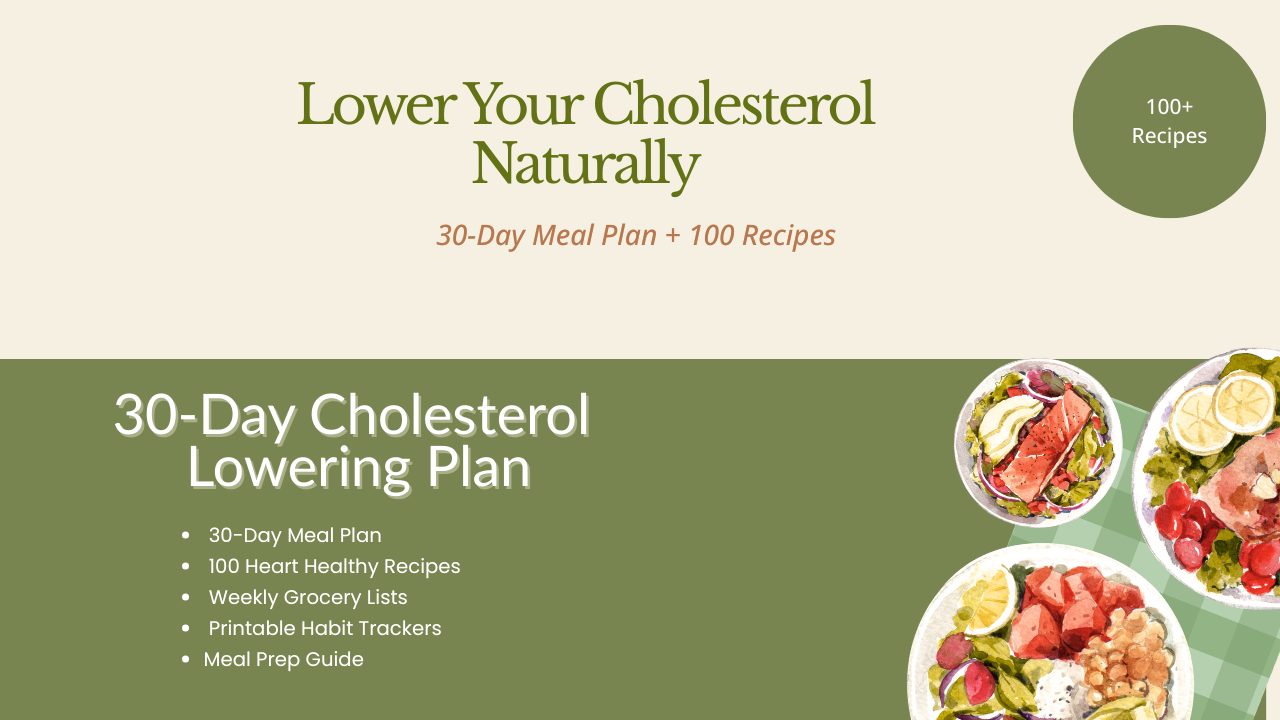
30-Day Cholesterol-Lowering Meal Plan
A simple step-by-step system to help you eat heart-healthy every day without stress.
Over 1,000 people downloaded this guide
$29$9
Get Instant Access


