
25 Heart Healthy Meals for Clean Eating
Look, I’m not going to sugarcoat it—your heart works harder than you probably give it credit for. It beats around 100,000 times a day, pumps thousands of gallons of blood, and basically keeps you alive without asking for much in return. The least you can do? Feed it well.
Clean eating for heart health doesn’t mean choking down bland chicken breast and steamed broccoli every night. It’s about choosing real, whole foods that actually make your cardiovascular system happy. Think vibrant vegetables, lean proteins, whole grains that don’t taste like cardboard, and healthy fats that your body actually needs.
I’ve spent years figuring out which meals hit that sweet spot between “tastes amazing” and “won’t clog my arteries.” These 25 heart-healthy meals aren’t diet food—they’re just good food that happens to love your heart back. No weird ingredients you can’t pronounce, no complicated cooking techniques that require a culinary degree.
Why Your Heart Craves Clean Eating
Here’s what most people don’t realize: heart disease is largely preventable through diet. According to research from the Mayo Clinic, eating patterns rich in vegetables, fruits, whole grains, and healthy fats can significantly reduce your risk of cardiovascular issues.
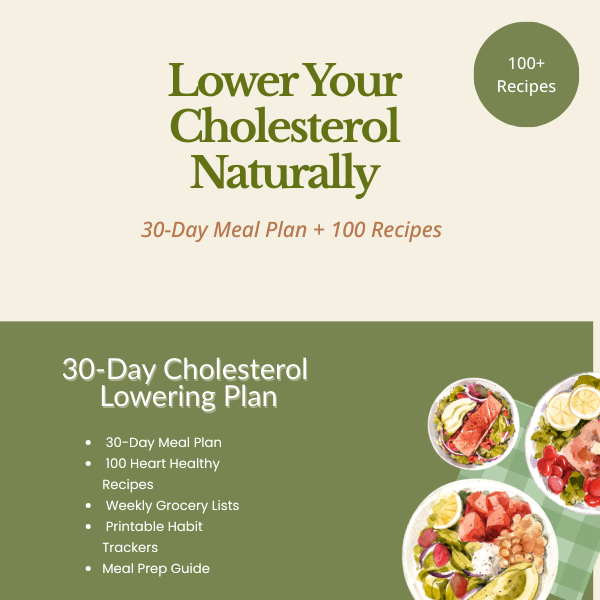
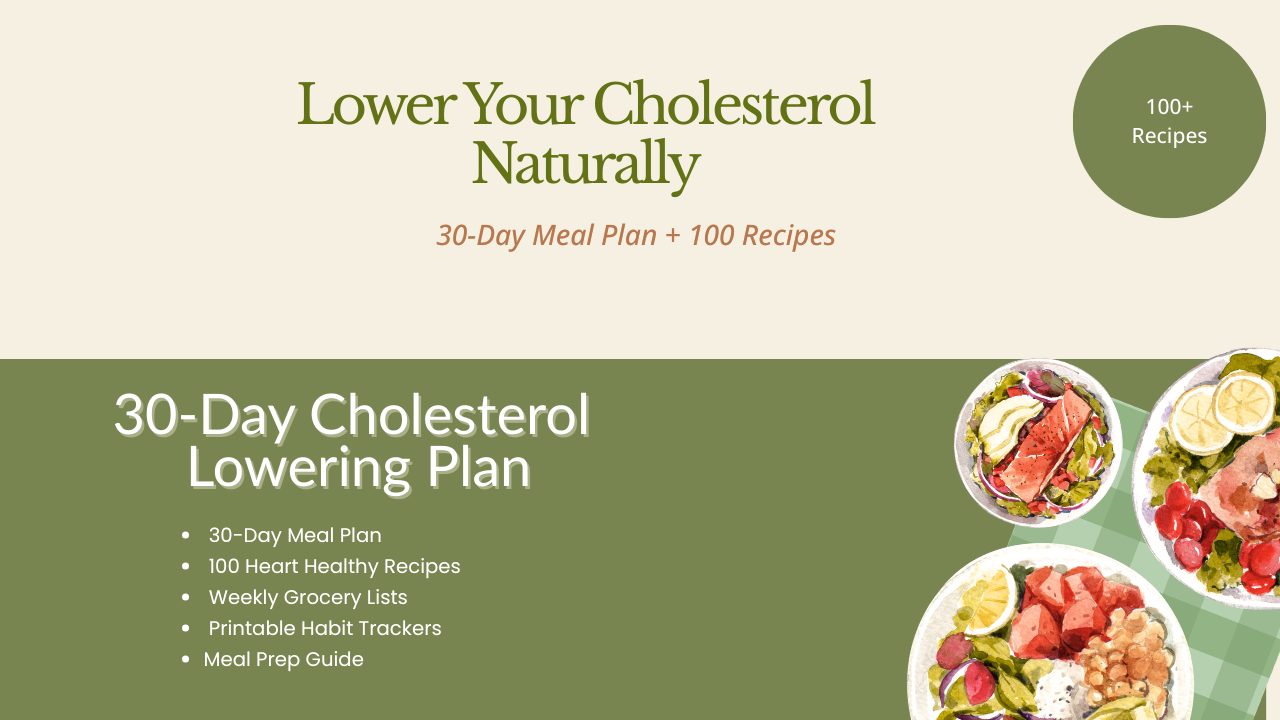
30-Day Cholesterol Reset System
A simple done-for-you plan to help you eat heart-healthy every day without confusion.
Over 1,000 people downloaded this guide
✔ 100 Easy Recipes
✔ Grocery Lists + Meal Prep Guide
🎁 FREE BONUSES:
✔ 7-Day Quick Start Plan
✔ Printable Grocery List
$29 $9
Get Instant AccessClean eating for heart health focuses on foods that naturally lower cholesterol, reduce inflammation, and keep your blood pressure in check. We’re talking about the stuff that grows in the ground or swims in the ocean, not the things that come wrapped in plastic with an ingredients list longer than your grocery receipt.
The American Heart Association emphasizes whole food patterns over individual nutrients. It’s not about obsessing over every gram of sodium or fat—it’s about building meals around ingredients your great-grandmother would recognize.
Building Your Heart-Healthy Plate
Before we jump into the recipes, let’s talk strategy. A truly heart-healthy meal has a few key components that work together like a well-oiled machine.
Lean Proteins That Don’t Bore You to Tears
Protein is essential, but not all protein sources are created equal. Fish like salmon and mackerel bring omega-3 fatty acids to the party—these guys are seriously good at reducing inflammation. Chicken and turkey work great when you’re not drowning them in butter or frying them to oblivion.
Plant-based proteins deserve way more credit than they get. Lentils, chickpeas, and black beans are packed with fiber and keep you full without the saturated fat baggage that comes with red meat. I use these silicone muffin cups to portion out prepped beans for the week—makes grabbing healthy protein stupid easy.
For amazing plant-based options that’ll change your mind about vegetarian eating, check out these low-cholesterol vegetarian meals that actually satisfy.
The Whole Grain Reality Check
Refined grains are basically just sugar wearing a disguise. Whole grains, on the other hand, keep their fiber intact and help stabilize your blood sugar. Quinoa, brown rice, farro, and old-fashioned oats should be staples in your pantry.
I’ll be honest—whole grains take longer to cook. That’s where a good rice cooker becomes your best friend. Dump everything in, press a button, and forget about it. No babysitting required.
Vegetables That Don’t Taste Like Punishment
If you think vegetables are boring, you’re cooking them wrong. Roasting vegetables at high heat with a bit of olive oil transforms them completely. Brussels sprouts go from bitter to caramelized perfection. Broccoli gets crispy edges. Sweet potatoes develop these amazing crispy bits.
The key is variety. Dark leafy greens like spinach and kale are nutrition powerhouses. Bright vegetables like bell peppers and tomatoes bring antioxidants. Root vegetables like carrots and beets add natural sweetness.
25 Heart-Healthy Meals You’ll Actually Want to Eat
Breakfast Options That Set the Tone
1. Mediterranean Veggie Omelet – Eggs loaded with spinach, tomatoes, and a sprinkle of feta. Uses minimal cheese but maximum flavor from fresh herbs. Get Full Recipe
2. Overnight Oats with Berries and Walnuts – No cooking required. Mix oats, almond milk, and chia seeds the night before. Top with fresh berries and crushed walnuts in the morning. The soluble fiber in oats actively works to lower cholesterol levels.
3. Avocado Toast with Poached Egg – Yes, it’s trendy, but it’s also legitimately good for your heart. The monounsaturated fats in avocado help improve cholesterol ratios. Use whole grain sourdough for extra points.
4. Green Smoothie Bowl – Blend spinach, banana, frozen mango, and almond milk until smooth. Top with granola, hemp seeds, and sliced almonds. It’s basically a salad pretending to be dessert.
5. Whole Grain Pancakes with Almond Butter – Made with oat flour and topped with natural almond butter instead of syrup. Still feels indulgent without the sugar crash.
Speaking of breakfast, you’ll want to explore these low-cholesterol breakfast ideas that keep your mornings interesting and your arteries clear.
Lunch Ideas That Won’t Leave You Hungry
6. Quinoa Buddha Bowl – Quinoa as the base, topped with roasted chickpeas, shredded kale, cherry tomatoes, cucumber, and tahini dressing. This bowl has everything your body needs and nothing it doesn’t.
7. Grilled Chicken Salad with Walnuts – Mixed greens, grilled chicken breast, sliced strawberries, walnuts, and balsamic vinaigrette. The walnuts add omega-3s and serious crunch factor.
8. Lentil Soup with Vegetables – Hearty, filling, and ridiculously good for you. Lentils pack protein and fiber while keeping saturated fat basically nonexistent. I make a huge batch in my Dutch oven and eat it all week.
9. Mediterranean Wrap – Whole wheat tortilla stuffed with hummus, grilled vegetables, cucumber, tomatoes, and a tiny bit of feta. Portable and doesn’t get soggy if you pack it right.
10. Tuna Salad on Mixed Greens – Use canned tuna in water, mix with Greek yogurt instead of mayo, add diced celery and red onion. Serve over a bed of mixed greens with cherry tomatoes.
Need more midday inspiration? These low-cholesterol lunches prove healthy eating doesn’t mean afternoon energy crashes.
Dinner Winners That Impress
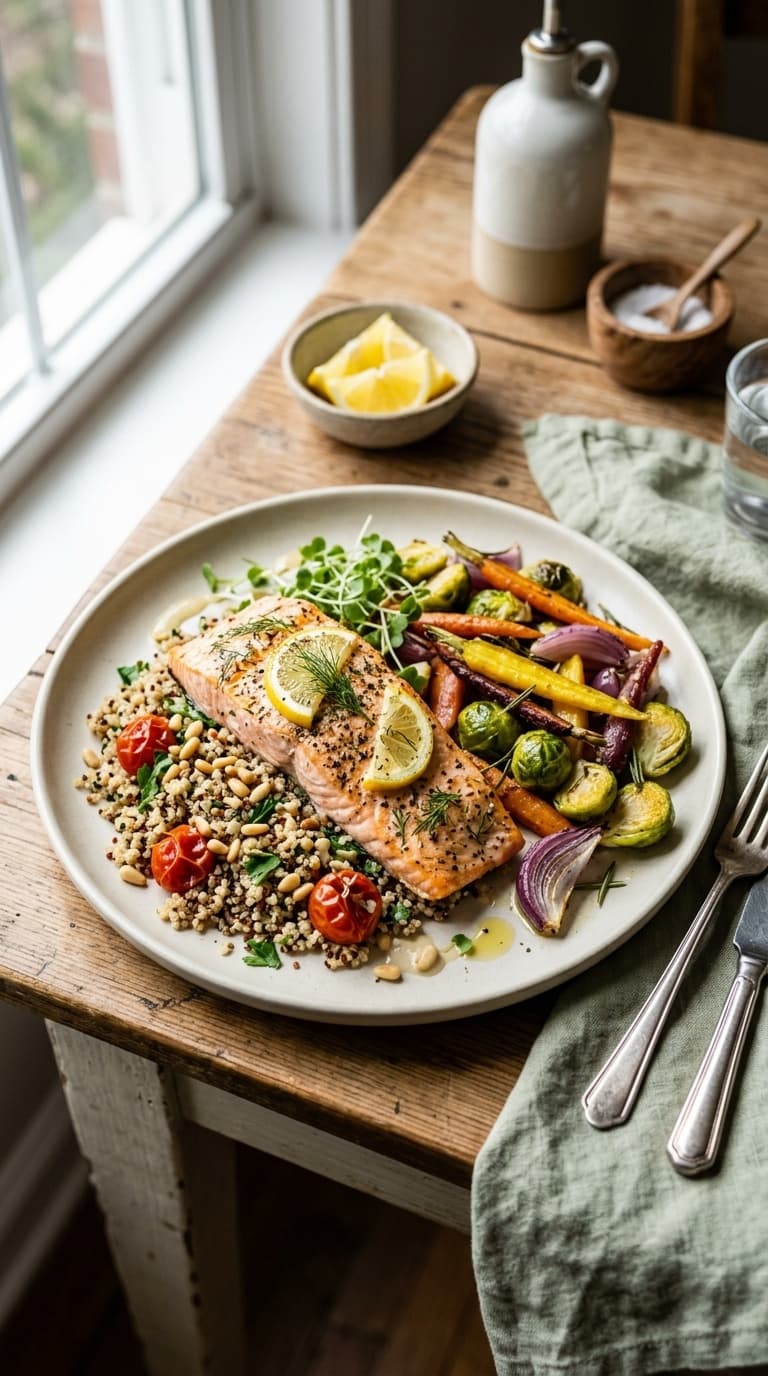
11. Baked Salmon with Roasted Vegetables – Salmon seasoned with lemon, garlic, and dill, baked alongside Brussels sprouts and sweet potato chunks. Everything cooks on one sheet pan. Minimal cleanup, maximum nutrition.
12. Turkey Chili with Beans – Lean ground turkey, kidney beans, black beans, tomatoes, and spices. Serve with a dollop of Greek yogurt instead of sour cream. Makes enough to freeze half for later.
13. Grilled Chicken with Quinoa and Asparagus – Simple but elegant. Marinate chicken in olive oil and herbs, grill until perfect, serve alongside fluffy quinoa and roasted asparagus drizzled with lemon.
14. Vegetable Stir-Fry with Tofu – Extra-firm tofu cubed and pan-fried until crispy, tossed with broccoli, bell peppers, snap peas, and a ginger-garlic sauce. Serve over brown rice. The key is getting your wok or large skillet screaming hot.
15. Stuffed Bell Peppers – Bell peppers filled with ground turkey, brown rice, diced tomatoes, and spices. Baked until the peppers are tender. These reheat beautifully for meal prep. Get Full Recipe
16. Lemon Herb Cod with Green Beans – Cod is mild, inexpensive, and cooks fast. Season with lemon zest, fresh herbs, bake for 15 minutes. Serve with steamed green beans tossed in a bit of olive oil.
17. Chicken and Vegetable Skewers – Thread chicken chunks, cherry tomatoes, zucchini, and red onion onto skewers. Grill or broil. The char adds incredible flavor without needing heavy sauces.
18. Minestrone Soup – Classic Italian soup loaded with vegetables, white beans, and whole grain pasta. Make a big pot on Sunday, eat it all week. It actually gets better as the flavors meld.
For more dinner inspiration that doesn’t compromise on taste, dive into these low-cholesterol dinners you’ll legitimately crave.
Quick Weeknight Saves
19. Shrimp and Zucchini Noodles – Spiralize zucchini (or buy it pre-spiralized if you’re being smart about your time), sauté shrimp with garlic and cherry tomatoes. Done in 15 minutes flat.
20. Black Bean Tacos – Seasoned black beans, shredded cabbage, diced tomatoes, avocado, and salsa in corn tortillas. Fast, cheap, and ridiculously satisfying.
21. Egg Fried Rice with Vegetables – Use day-old brown rice (fresh rice gets mushy), scramble in some eggs, toss in frozen mixed vegetables, season with low-sodium soy sauce. Better than takeout.
22. Greek-Style Chicken Pita – Grilled chicken, cucumber, tomatoes, red onion, and tzatziki sauce in whole wheat pita. The yogurt-based sauce keeps things light but still creamy.
23. Pasta Primavera – Whole wheat pasta tossed with sautéed seasonal vegetables and a light olive oil and garlic sauce. Add a sprinkle of parmesan if you must, but honestly, the vegetables carry this dish.
When life gets hectic, these lazy low-cholesterol meals prove you don’t need hours in the kitchen to eat well.
Comfort Food That Doesn’t Wreck Your Heart
24. Turkey Meatballs with Marinara – Ground turkey mixed with oats instead of breadcrumbs, herbs, and spices. Baked, not fried. Serve over whole wheat spaghetti with marinara sauce made from scratch (it’s just crushed tomatoes, garlic, and herbs—seriously easy).
25. Hearty Vegetable Stew – Root vegetables, tomatoes, beans, and vegetable broth simmered until everything melds together. Serve with crusty whole grain bread for dipping. It’s the kind of meal that hugs you from the inside.
Craving more comfort without the guilt? These low-cholesterol comfort foods prove healthy eating doesn’t mean sacrificing satisfaction.
Kitchen Tools That Make Heart-Healthy Cooking Actually Happen
Meal Prep Essentials for These Recipes
Having the right tools makes healthy cooking way less annoying. Here’s what actually matters:
Physical Products:
- Quality Chef’s Knife – A sharp knife makes vegetable prep so much faster. Stop struggling with dull blades and invest in something decent.
- Glass Meal Prep Containers – Plastic containers make everything taste weird after a few uses. Glass containers don’t stain, don’t hold smells, and you can reheat directly in them.
- Non-Stick Ceramic Pan – Cook with minimal oil without food welding itself to the pan. Game changer for keeping fat content reasonable without sacrificing texture.
Digital Resources:
- Meal Planning Template – A simple spreadsheet that helps you plan weekly meals so you’re not standing in the kitchen at 7pm wondering what to make.
- Heart-Healthy Recipe Database – A searchable collection of recipes specifically designed for cardiovascular health, organized by meal type and prep time.
- Grocery List Generator – Converts your meal plan into an organized shopping list automatically. No more forgotten ingredients or aimless grocery store wandering.
The Real Talk About Sustainable Heart-Healthy Eating
Listen, I could tell you to eat perfectly clean 100% of the time, but we both know that’s not realistic. Life happens. Birthdays exist. Sometimes pizza is the only answer.
The goal isn’t perfection—it’s consistency. If 80% of your meals follow these heart-healthy principles, you’re doing fantastic. That other 20%? Live your life. Your heart can handle the occasional indulgence way better than it can handle chronic stress about never eating anything fun.
What matters is building habits that stick. Meal prepping on Sundays sets you up for success all week. Keeping your pantry stocked with whole grains, canned beans, and olive oil means healthy meals are always an option. Having quality food storage containers ready makes it easy to pack leftovers for lunch.
Making Clean Eating Work With Real Life
The biggest obstacle to eating well isn’t knowledge—it’s logistics. You know vegetables are good for you. The problem is that vegetables require washing, chopping, and cooking when you’re exhausted after work.
This is where strategic laziness becomes your friend. Buy pre-washed greens. Get frozen vegetables that are already chopped. Use canned beans instead of soaking dried ones overnight. These shortcuts aren’t cheating—they’re being smart about your energy and time.
Batch cooking is another lifesaver. Make a huge pot of quinoa, roast a sheet pan of vegetables, grill several chicken breasts. Store everything separately. During the week, you’re essentially just assembling meals from pre-cooked components. It takes 5 minutes instead of an hour.
If weeknight cooking feels overwhelming, these low-cholesterol meal prep ideas will completely change your week. And for those nights when you need something on the table fast, check out these quick low-cholesterol lunches that take under 10 minutes.
Understanding Ingredients That Matter
Not all fats are evil. In fact, your heart needs certain fats to function properly. Monounsaturated fats from olive oil, avocados, and nuts actually help lower bad cholesterol. Omega-3 fatty acids from fatty fish reduce inflammation throughout your body.
Fiber is criminally underrated. It binds to cholesterol in your digestive system and escorts it out before it can cause problems. Soluble fiber from oats, beans, and certain fruits is particularly effective. This is why meals combining these ingredients work so well.
Antioxidants in colorful fruits and vegetables protect your cells from damage. The more varied your plate looks, the better. If everything on your plate is brown or beige, you’re probably missing out on important nutrients.
For a comprehensive breakdown of what actually helps your cardiovascular system, explore these foods that naturally lower cholesterol. The science is fascinating and actually useful.
Building Flavor Without the Bad Stuff
Here’s a secret: most restaurant food tastes amazing because it’s loaded with butter, salt, and sugar. You can get similar flavor at home using smarter techniques.
Fresh herbs are flavor bombs. Cilantro, basil, parsley, dill—they transform boring food into something you’d actually want to eat. Keep them fresh by storing them like flowers in a jar of water in your fridge.
Acid brightens everything. A squeeze of lemon or lime at the end of cooking makes food taste more vibrant. Good quality vinegar does the same thing. I keep red wine vinegar and apple cider vinegar in constant rotation.
Garlic and onions build flavor foundation. Sauté them at the start of almost any dish and you’ve got a base that makes everything better. Fresh ginger adds a similar depth, especially in Asian-inspired dishes.
Spices are your secret weapon. Cumin, paprika, coriander, turmeric—they add complexity without calories, sodium, or fat. Toasting them briefly in a dry pan wakes up their flavors even more.
Making These Meals Work for Your Family
Getting everyone on board with heart-healthy eating can be tricky, especially if you’re dealing with picky eaters. The key is making food that doesn’t taste like “health food.”
Start by making small swaps nobody will notice. Use ground turkey instead of beef in tacos—season it well and honestly, most people can’t tell the difference. Switch from white rice to brown rice gradually by mixing them together at first. Replace half the pasta with spiralized zucchini.
Involve family members in cooking. Kids who help make dinner are way more likely to actually eat it. Plus, teaching them these skills early sets them up for a lifetime of better health. Even something as simple as letting them tear lettuce for salad or stir the pot gives them ownership.
These low-cholesterol family dinners are specifically designed to please everyone at the table, not just the health-conscious one.
When to Make Exceptions (And When Not To)
IMO, rigid rules around food create more problems than they solve. Some situations genuinely call for flexibility. Birthday cake at your kid’s party? Not the hill to die on. Your grandmother’s famous lasagna at Thanksgiving? Enjoy it.
However, don’t use “everything in moderation” as an excuse to eat poorly most of the time. Moderation means occasional, not daily. If you’re having pizza three times a week, that’s not moderation—that’s a pattern.
Pay attention to how food makes you feel. After a few weeks of eating clean, you’ll notice that heavy, greasy meals leave you sluggish. Your body starts craving the stuff that makes it feel good. Trust those signals.
Dealing With Plateaus and Frustration
Sometimes you do everything right and don’t see the results you expect. Your cholesterol numbers don’t budge as much as you hoped. The weight doesn’t fall off like it does for other people. This is incredibly frustrating but doesn’t mean you’re failing.
Heart health benefits extend beyond what shows up on a blood panel. Reduced inflammation, better sleep, more stable energy, improved digestion—these matter even when the numbers don’t change dramatically. Keep a journal tracking how you feel, not just what you weigh or what your lab results say.
Some people need more time to see changes. Genetics play a role. Age matters. Stress levels impact everything. Comparing your progress to someone else’s is pointless because you’re working with different baselines and different variables.
If you’ve been eating well for months and genuinely aren’t seeing improvement, talk to your doctor. Sometimes underlying conditions need addressing. Thyroid issues, insulin resistance, medication side effects—lots of factors can interfere with progress despite your best efforts.
Frequently Asked Questions
Can I eat heart-healthy on a budget?
Absolutely. Beans, lentils, and eggs are incredibly cheap protein sources. Frozen vegetables cost less than fresh and have the same nutritional value. Buy whole grains in bulk—a bag of brown rice or oats lasts forever and costs pennies per serving. The most expensive part of heart-healthy eating is buying fancy superfoods you don’t actually need.
How quickly will I see improvements in my cholesterol levels?
Most people see measurable changes in 3-6 months of consistent healthy eating. Some notice improvements in just a few weeks, especially if they’re also exercising regularly. The key is consistency—occasional healthy meals won’t move the needle, but making these meals your regular pattern absolutely will.
Do I have to give up all red meat?
Not necessarily, but you should definitely limit it. The saturated fat in red meat raises LDL cholesterol more than any other food. If you love red meat, treat it as an occasional indulgence rather than a daily staple. Choose the leanest cuts possible and keep portions small—think of it as a side dish rather than the main event.
Is it better to cook at home or buy healthy prepared meals?
Cooking at home gives you complete control over ingredients and portion sizes, plus it’s way cheaper. That said, if prepared meals are the difference between eating well and hitting the drive-through, they’re a solid option. Just read labels carefully—some “healthy” prepared meals are loaded with sodium. Balance convenience with occasional home cooking when you have time.
What if my family won’t eat healthy food?
Don’t present it as “health food”—just make it taste good. Most of these meals don’t scream “diet food” when seasoned properly. Start with recipes that feel familiar, like turkey chili instead of beef chili. Let family members customize their plates with toppings or sides. Keep making small changes consistently rather than overhauling everything overnight, which tends to trigger resistance.
Final Thoughts
Eating for heart health doesn’t require perfection, just persistence. These 25 meals prove you can feed your cardiovascular system well without sacrificing flavor, convenience, or your sanity.
The beautiful thing about clean eating is how quickly your palate adjusts. Foods that seemed bland at first suddenly taste amazing when you’re not drowning everything in salt and heavy sauces. Your energy stabilizes. You sleep better. Your body stops fighting against you and starts working with you.
Start with one or two of these meals this week. Next week, add a couple more. Before you know it, heart-healthy eating stops being something you have to think about and becomes just how you eat. Your heart’s been working hard for you your entire life—returning the favor with good food is literally the least you can do.
For even more variety and inspiration, explore these low-cholesterol meals that are actually delicious. Because healthy eating should never feel like punishment—it should feel like taking care of someone you love.
30-Day Cholesterol-Lowering Meal Plan
A simple step-by-step system to help you eat heart-healthy every day without stress.
Over 1,000 people downloaded this guide
$29$9
Get Instant Access