20 Heart Healthy Foods That Support Cholesterol Control
Look, I’m not going to pretend managing cholesterol is exciting. But here’s the thing—it doesn’t have to feel like punishment either. I’ve been down the rabbit hole of heart-health research, and honestly? The foods that support healthy cholesterol levels are the same ones that actually taste good and keep you satisfied.
No cardboard. No flavor-free sadness. Just real food that happens to be doing your arteries a solid while you’re enjoying it. And if you’re tired of feeling like healthy eating means giving up everything delicious, you’re in the right place.
I’m walking you through 20 foods that genuinely support cholesterol control—not because some study said so in a vacuum, but because they work, they’re accessible, and you can actually build meals around them without losing your mind. Let’s get into it.
Why Cholesterol Actually Matters (Without the Lecture)
Before we dive into the food list, let’s talk about why this even matters. Cholesterol isn’t the villain—your body needs it for hormone production, vitamin D synthesis, and cell membrane structure. The problem starts when LDL cholesterol (the “bad” kind) gets too high or HDL cholesterol (the “good” kind) drops too low.
High LDL can lead to plaque buildup in your arteries, which increases your risk of heart disease and stroke. According to research from the American Heart Association, nearly 94 million U.S. adults have total cholesterol levels higher than 200 mg/dL. That’s not a small number.
But here’s where food comes in. The right dietary choices can help lower LDL, raise HDL, and reduce inflammation. And no, you don’t need to eat like a monk to see results. You just need to be smarter about what ends up on your plate.
Pro Tip: Start with one or two swaps per week instead of overhauling everything at once. Swap butter for olive oil, white bread for whole grain, regular yogurt for Greek. Small changes stack up faster than you think.
1. Oats (The Breakfast MVP)
Oats are loaded with beta-glucan, a type of soluble fiber that literally binds to cholesterol in your digestive system and helps flush it out. Studies show that eating just 3 grams of beta-glucan daily can reduce LDL cholesterol by 5-10%.
I’m not talking about those sugary instant packets either. Go for steel-cut or rolled oats and dress them up with nuts, berries, or a drizzle of honey. If you need inspiration, check out these low-cholesterol breakfast ideas that make mornings actually enjoyable.
FYI, I use this stainless steel saucepan for perfect oats every time—no sticking, no burning, just creamy goodness.
2. Fatty Fish (Salmon, Mackerel, Sardines)
If there’s one food group that deserves a standing ovation for heart health, it’s fatty fish. These are packed with omega-3 fatty acids (EPA and DHA) that reduce triglycerides, lower blood pressure, and decrease inflammation.
The Mayo Clinic recommends eating fatty fish at least twice a week. Salmon is the obvious choice, but don’t sleep on sardines—they’re cheap, sustainable, and ridiculously nutrient-dense.
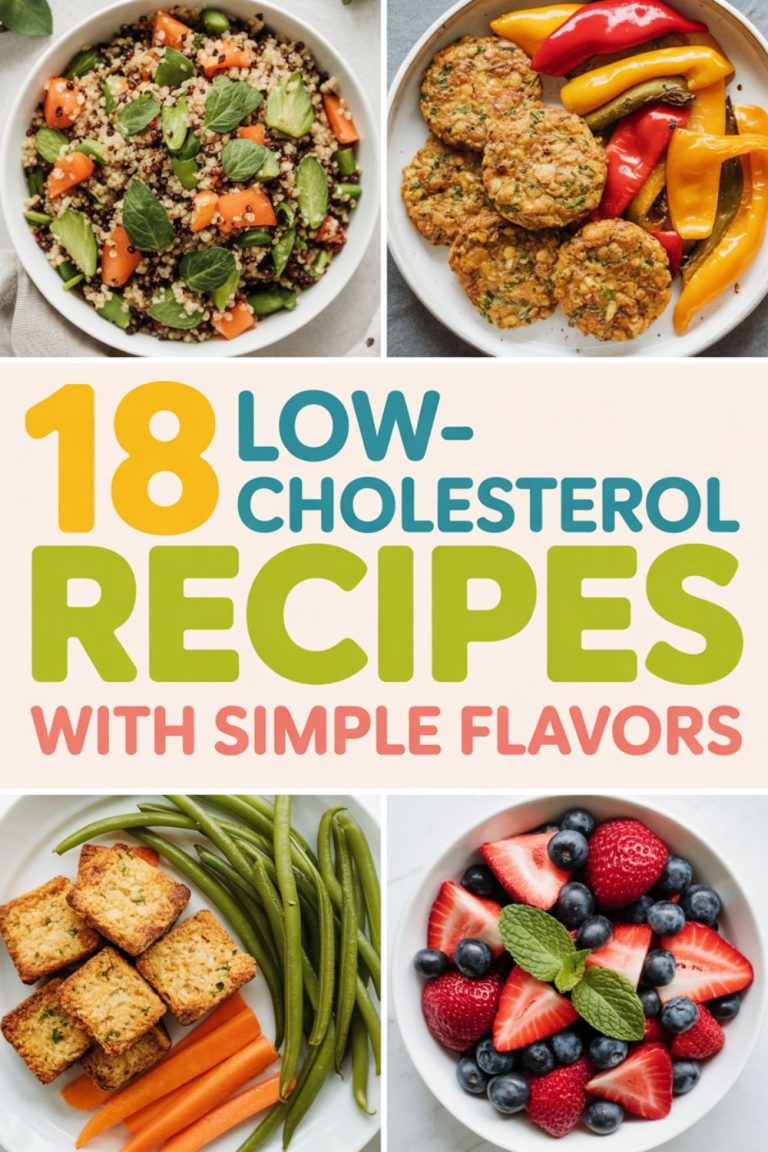
I grill salmon with lemon and dill at least once a week, and honestly, it never gets old. For more ways to use fish in your rotation, try these low-cholesterol meals that are actually delicious.
Quick Win: Buy frozen wild-caught salmon fillets in bulk. They’re just as nutritious as fresh, way more affordable, and you’ll always have them on hand for busy nights.
3. Almonds and Walnuts
Nuts are a total game-changer. Almonds are rich in monounsaturated fats and vitamin E, while walnuts bring those omega-3s to the table (specifically alpha-linolenic acid). Both help reduce LDL and support overall cardiovascular health.
A handful a day (about 1.5 ounces) is the sweet spot. I keep a glass jar with a tight-sealing lid filled with mixed nuts on my counter—out of sight, out of mind doesn’t work when you’re trying to build better habits.
And if you’re prepping snacks for the week, these low-cholesterol snacks are ridiculously easy to throw together.
4. Avocado (Yes, Really)
People used to freak out about avocados being “high in fat,” but that narrative is dead. The fats in avocados are mostly monounsaturated, which actively help lower bad cholesterol while keeping the good stuff intact.
Plus, they’re loaded with fiber, potassium, and antioxidants. Toss them in salads, mash them on whole-grain toast, or blend them into smoothies. For smoothie lovers, check out these low-cholesterol smoothies and juices that actually taste like a treat.
5. Olive Oil (Liquid Gold)
Extra virgin olive oil is basically non-negotiable if you’re serious about heart health. It’s rich in oleic acid and polyphenols, both of which reduce inflammation and improve cholesterol levels.
Swap out butter, margarine, and vegetable oils for EVOO whenever possible. I drizzle it on salads, use it for roasting vegetables, and even dip whole-grain bread in it. If you want more olive oil-based inspiration, these recipes using olive oil are a solid starting point.
I swear by this dark glass bottle with a pour spout—keeps the oil fresh and makes drizzling so much easier.
“I switched to olive oil for literally everything, and my LDL dropped 18 points in three months. I didn’t even change much else. Just that one swap made a massive difference.” — Jessica from our community
6. Legumes (Beans, Lentils, Chickpeas)
Legumes are absurdly underrated. They’re high in soluble fiber and plant-based protein, which means they help lower cholesterol while keeping you full. Black beans, lentils, chickpeas—take your pick.
I throw lentils into soups, chickpeas into salads, and black beans into tacos. They’re cheap, shelf-stable, and versatile as hell. Speaking of soups, these low-cholesterol soups and stews are perfect for meal prep.
7. Berries (Blueberries, Strawberries, Raspberries)
Berries are packed with antioxidants and anthocyanins, which reduce oxidative stress and inflammation—both of which mess with your cholesterol levels. Plus, they’re naturally sweet, so they satisfy sugar cravings without spiking your blood sugar.
I add them to oatmeal, blend them into smoothies, or just eat them straight from the container. And if you’re looking for ways to turn them into legit desserts, check out these low-cholesterol desserts that don’t taste like compromises.
8. Dark Leafy Greens (Spinach, Kale, Swiss Chard)
Greens like spinach and kale are loaded with lutein and fiber, both of which support heart health. Lutein is a carotenoid that helps prevent cholesterol from sticking to artery walls, and the fiber does its usual cholesterol-lowering magic.
Sauté them with garlic and olive oil, toss them into omelets, or blend them into smoothies. For salad ideas that don’t feel like diet food, try these low-cholesterol salads.
If you’re trying to sneak more greens into your routine without it feeling like a chore, you might love these plant-forward options. Try these low-cholesterol vegetarian meals or whip up a restaurant-quality salad that actually excites you.
9. Barley (The Underdog Grain)
Like oats, barley is rich in beta-glucan and does a killer job at lowering LDL cholesterol. It’s got a slightly nutty flavor and a chewy texture that works great in soups, salads, or as a side dish.
I use it as a rice substitute sometimes—keeps things interesting. And if you’re into grain bowls, it’s a solid base.
10. Apples (An Apple a Day…)
Turns out the saying isn’t total BS. Apples contain pectin, a type of soluble fiber that helps reduce cholesterol absorption. They’re also loaded with antioxidants, particularly in the skin, so don’t peel them.
I slice them up with almond butter for a snack or toss them into salads for a little sweetness and crunch.
Kitchen Tools That Make Heart-Healthy Cooking Easier
Look, you don’t need a kitchen full of gadgets to eat well, but a few smart tools can make the whole process less annoying. Here’s what I actually use:
Physical Products
- High-Speed Blender – For smoothies, soups, and nut butters. Game-changer for busy mornings.
- Glass Meal Prep Containers – BPA-free, microwave-safe, and they don’t stain. I use them for everything.
- Sharp Chef’s Knife – A good knife makes chopping vegetables way less miserable. Trust me on this.
Digital Resources
- Heart-Healthy Meal Planner (PDF) – Pre-made weekly plans with shopping lists. Takes the guesswork out.
- Low-Cholesterol Recipe eBook – 50+ recipes organized by meal type. Great for beginners.
- Nutrition Tracking App Subscription – Helps you monitor fiber, saturated fat, and cholesterol intake without obsessing.
11. Flaxseeds and Chia Seeds
Both are ridiculously high in omega-3 fatty acids and fiber. Flaxseeds contain lignans, which have antioxidant properties, and chia seeds form a gel-like consistency when soaked, which can help you feel fuller longer.
Grind flaxseeds before eating them (your body can’t break down the whole seeds), and sprinkle them on oatmeal, yogurt, or blend them into smoothies. I use a small electric spice grinder for flaxseeds—quick, easy, no mess.
12. Garlic (The Flavor Bomb That Fights Cholesterol)
Garlic contains allicin, a compound that’s been shown to modestly reduce cholesterol and blood pressure. It’s also anti-inflammatory and boosts immune function.
I add it to basically everything—roasted vegetables, soups, stir-fries, salad dressings. For more ideas on meals that use garlic smartly, check out these low-cholesterol dinners you’ll want to make again.
13. Soy Products (Tofu, Edamame, Tempeh)
Soy protein has been shown to help lower LDL cholesterol, especially when it replaces animal protein. Tofu, tempeh, and edamame are all solid options.
I know tofu gets a bad rap for being bland, but that’s only if you don’t know how to cook it. Press it, marinate it, bake or pan-fry it until crispy. It soaks up whatever flavor you throw at it.
Pro Tip: Press tofu for at least 20 minutes before cooking. A tofu press makes this stupidly easy—no paper towels, no heavy books, just set it and forget it.
14. Sweet Potatoes
Sweet potatoes are packed with fiber, potassium, and beta-carotene. They help regulate blood sugar, support heart health, and are way more satisfying than regular white potatoes.
I roast them with a little olive oil and smoked paprika, or mash them as a side. They also work great in meal prep—just bake a bunch at the beginning of the week and use them throughout.
15. Green Tea
Green tea contains catechins, powerful antioxidants that help reduce LDL cholesterol and improve overall cardiovascular health. It’s also been linked to improved metabolism and reduced inflammation.
I drink it in the morning or mid-afternoon when I need a gentle caffeine boost without the coffee jitters. Research published in the National Library of Medicine shows regular green tea consumption can lower LDL cholesterol levels significantly.
16. Tomatoes
Tomatoes are rich in lycopene, an antioxidant that’s been shown to lower LDL cholesterol and reduce the risk of heart disease. Cooking tomatoes actually increases the bioavailability of lycopene, so tomato sauce, roasted tomatoes, and soups are all great options.
I make a huge batch of homemade marinara at the beginning of the week and use it for pasta, pizza, shakshuka, whatever. It’s versatile and freezes well.
17. Whole Grains (Brown Rice, Quinoa, Farro)
Whole grains are loaded with fiber, B vitamins, and minerals. Unlike refined grains, they keep the bran and germ intact, which means more nutrients and better cholesterol control.
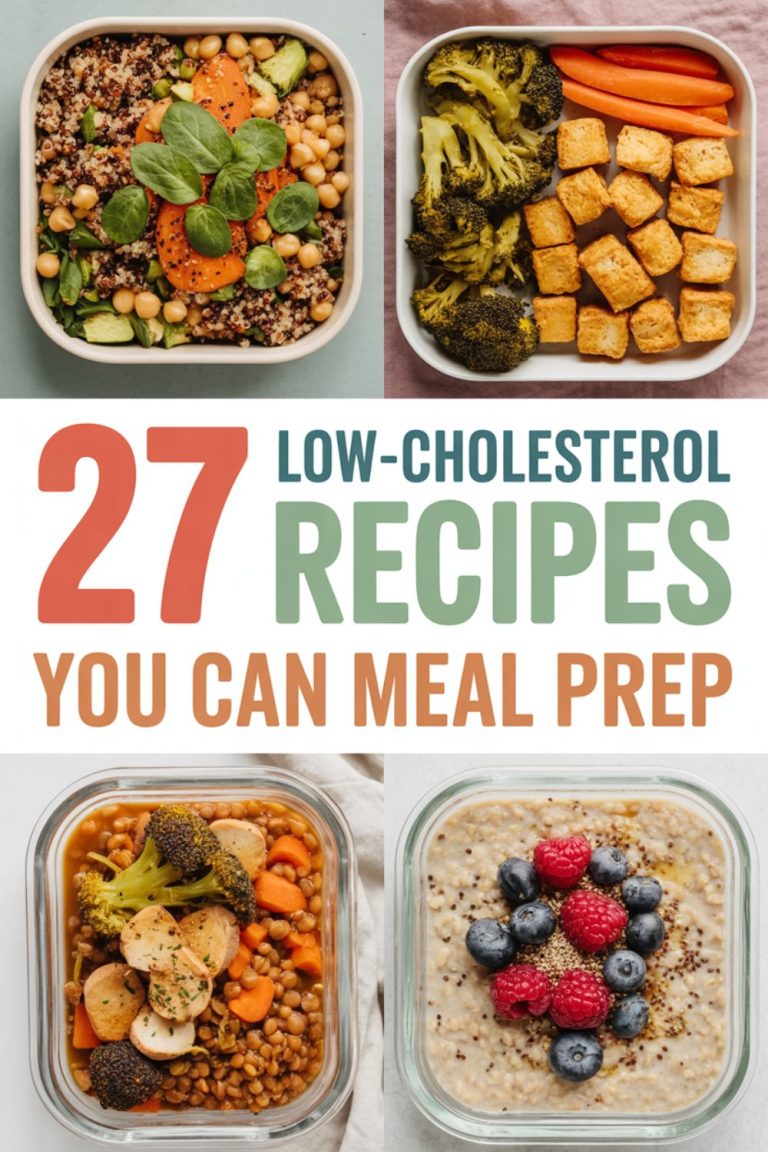
I rotate between quinoa, brown rice, and farro depending on what I’m making. For easy meal prep ideas that use whole grains smartly, try these low-cholesterol meal prep ideas.
18. Dark Chocolate (70% Cacao or Higher)
Yes, chocolate made the list. Dark chocolate with at least 70% cacao is rich in flavonoids, which can help lower LDL cholesterol and improve blood flow. The key is moderation—a small square or two, not half a bar.
I keep a bar in the pantry and have a piece after dinner when I want something sweet. It satisfies the craving without derailing anything.
“I thought I’d have to give up dessert completely when my doctor said my cholesterol was high. Then I found out dark chocolate was actually okay in moderation. Total game-changer for my mental health, honestly.” — Mark from our community
19. Eggplant
Eggplant is high in fiber and antioxidants, particularly nasunin, which has been shown to protect cell membranes and support cardiovascular health. It’s also incredibly versatile—grilled, roasted, baked, or turned into baba ganoush.
I slice it thick, brush it with olive oil, and grill it until it’s tender and slightly charred. It’s meaty enough to feel satisfying without any actual meat.
20. Oranges and Citrus Fruits
Citrus fruits like oranges, grapefruits, and lemons are packed with vitamin C, fiber, and pectin—all of which support healthy cholesterol levels. They’re also hydrating and refreshing, which is a bonus.
I eat oranges as snacks, squeeze lemon into water, and add grapefruit to salads. Simple, effective, no overthinking required.
Looking for complete meals that incorporate these ingredients? You’ll love these balanced options: try these heart-healthy meals under 400 calories or explore chicken recipes packed with flavor that keep things interesting.
Building Meals Around These Foods
Knowing what foods to eat is one thing. Actually building meals around them is another. The good news? You don’t need to be a chef or spend hours in the kitchen.
Breakfast: Oats with berries, flaxseeds, and walnuts. Green tea on the side. Get Full Recipe
Lunch: Quinoa bowl with roasted sweet potatoes, chickpeas, spinach, and tahini dressing. Get Full Recipe
Dinner: Grilled salmon with steamed broccoli, brown rice, and a side salad with olive oil and lemon. Get Full Recipe
Snacks: Apple slices with almond butter, a handful of walnuts, or dark chocolate with green tea.
If you need more structured plans, these one-pan dinners make weeknights way less stressful.
What to Limit or Avoid
It’s not just about adding the right foods—it’s also about cutting back on the wrong ones. Trans fats, excessive saturated fats, and refined carbs all mess with your cholesterol levels.
That means limiting fried foods, processed meats, full-fat dairy, baked goods made with shortening, and sugary snacks. I’m not saying never eat these things, but they shouldn’t be daily staples. For healthier comfort food alternatives, try these low-cholesterol comfort foods made healthy.
Quick Win: Swap one high-saturated-fat food per week. Replace sour cream with Greek yogurt, butter with olive oil, or bacon with turkey bacon. You won’t even notice after a few weeks.
How Long Until You See Results?
This is the question everyone asks, and honestly, it depends. Some people see improvements in their cholesterol levels within a few weeks of making dietary changes. Others take a few months.
The important thing is consistency. You’re not going to fix high cholesterol with one week of eating salmon and oatmeal. But if you stick with it—making smart swaps, building balanced meals, and avoiding the usual junk—you will see changes.
According to the National Heart, Lung, and Blood Institute, lifestyle changes can lower LDL cholesterol by 10-20% or more, which can significantly reduce your risk of heart disease.
Frequently Asked Questions
Can I lower cholesterol with diet alone, or do I need medication?
It depends on your individual situation. For some people, dietary changes are enough to bring cholesterol levels into a healthy range. For others, medication may be necessary alongside diet. Always work with your doctor to figure out what’s best for your specific case.
How much fiber should I eat daily to lower cholesterol?
Aim for at least 25-30 grams of fiber per day, with a focus on soluble fiber. Foods like oats, beans, apples, and barley are great sources. Increasing your fiber intake gradually can help reduce LDL cholesterol levels significantly.
Are eggs bad for cholesterol?
Not necessarily. Dietary cholesterol has less impact on blood cholesterol than previously thought for most people. The bigger concern is saturated and trans fats. Moderate egg consumption (up to one per day) is generally fine for most people, but check with your doctor if you have specific concerns.
How long does it take to see cholesterol improvements from diet changes?
Most people see measurable improvements within 4-6 weeks of making consistent dietary changes. However, it can take up to three months to see more significant results. Consistency is key—one good week won’t cut it.
Can I eat red meat if I have high cholesterol?
You don’t have to eliminate red meat entirely, but you should limit it. Choose lean cuts, trim visible fat, and keep portions modest (3-4 ounces). Prioritize fish, poultry, and plant-based proteins most of the time. IMO, treating red meat as an occasional thing rather than a daily staple makes a big difference.
Final Thoughts
Managing cholesterol doesn’t have to feel like a punishment or a never-ending list of restrictions. The foods on this list aren’t just good for your heart—they’re genuinely delicious, versatile, and easy to work into your everyday routine.
Start with one or two swaps. Add oats to your breakfast rotation. Swap butter for olive oil. Snack on nuts instead of chips. These small shifts add up faster than you think, and before you know it, you’re eating in a way that supports your health without feeling deprived.
Your heart will thank you. And honestly? So will your taste buds.