
20 Heart Healthy Meals That Support Weight Management
Let’s be honest—when someone mentions “heart-healthy meals,” your brain probably conjures up images of bland steamed broccoli and unseasoned chicken breast. Yeah, no thanks. But here’s the thing: eating for your heart doesn’t mean sacrificing flavor or spending hours in the kitchen.
I’ve spent years experimenting with meals that check both boxes—keeping my heart happy and my waistline in check—without making me feel like I’m eating cardboard. The secret? It’s not about deprivation. It’s about finding recipes that are genuinely satisfying and happen to be packed with nutrients that support cardiovascular health.
According to research from the American Heart Association, the right eating patterns can significantly reduce your risk of heart disease while helping you maintain a healthy weight. We’re talking about meals loaded with lean proteins, healthy fats, and fiber-rich whole grains—the kind of food that keeps you full and energized without weighing you down.

Why Heart Health and Weight Management Go Hand in Hand
Here’s something most people don’t realize: the foods that protect your heart are often the same ones that help you drop pounds. It’s not magic—it’s science. When you fuel your body with nutrient-dense foods instead of processed junk, you naturally regulate your appetite, stabilize blood sugar, and reduce inflammation.
The Mayo Clinic’s research shows that heart-healthy eating patterns emphasize whole foods—think colorful vegetables, lean proteins, and healthy fats. These foods keep you satisfied longer, which means you’re less likely to raid the snack drawer at 3 PM.
I used to think I needed to choose between losing weight and eating foods I actually enjoyed. Turns out, that’s complete nonsense. The best meals do both, and they’re not nearly as complicated as diet culture wants you to believe.
The Foundation: What Makes a Meal Heart-Healthy?
Before we jump into specific recipes, let’s talk about what actually makes a meal heart-healthy. It’s not just about slapping “low-fat” on the label and calling it a day.
30-Day Cholesterol Reset System
A simple done-for-you plan to help you eat heart-healthy every day without confusion.
Over 1,000 people downloaded this guide
✔ 100 Easy Recipes
✔ Grocery Lists + Meal Prep Guide
🎁 FREE BONUSES:
✔ 7-Day Quick Start Plan
✔ Printable Grocery List
$29 $9
Get Instant AccessLean Proteins That Keep You Full
Protein is your secret weapon for weight management. It keeps you satisfied, helps build lean muscle, and stabilizes your blood sugar. We’re talking grilled chicken, fish (especially salmon and sardines), legumes, and even eggs in moderation.
I’ve found that meals with at least 25-30 grams of protein keep me full for hours. No more snacking on whatever’s within arm’s reach because I’m starving an hour after lunch. Speaking of protein-packed options, if you’re looking for more ideas, these high-protein meals for weight loss are absolute game-changers.
Healthy Fats (Yes, Really)
Fat got a bad rap in the 90s, but healthy fats are essential for heart health. Avocados, olive oil, nuts, seeds—these aren’t your enemy. They help your body absorb vitamins, reduce inflammation, and keep your heart functioning smoothly.
I drizzle extra virgin olive oil on pretty much everything. Got a good quality olive oil dispenser# that makes it easy to control portions without overdoing it.
Fiber-Rich Whole Grains and Vegetables
Fiber is the unsung hero of heart health and weight management. It helps lower cholesterol, regulates blood sugar, and keeps your digestive system running smoothly. Plus, it fills you up without adding tons of calories.
Harvard Health Publishing points out that diets rich in fruits and vegetables consistently show reduced risk of cardiovascular disease. Load up on leafy greens, colorful veggies, quinoa, brown rice, and oats.
20 Heart Healthy Meals You’ll Actually Want to Eat
Alright, enough background. Let’s get to the good stuff—meals that taste amazing and happen to be incredibly good for you.
Breakfast Options That Start Your Day Right
1. Mediterranean Veggie Omelet
Whisk together three egg whites and one whole egg, then load it with spinach, tomatoes, and a sprinkle of feta. The protein keeps you full until lunch, and you’re sneaking in vegetables before 9 AM. Win-win.
2. Overnight Oats with Berries and Almonds
Mix rolled oats with unsweetened almond milk, top with fresh berries and sliced almonds. The soluble fiber in oats helps lower cholesterol naturally. Get Full Recipe.
I make these in mason jars# for grab-and-go mornings. Game changer when you’re running late but don’t want to skip breakfast.
3. Avocado Toast with Smoked Salmon
Use whole grain bread, mash half an avocado, top with smoked salmon and a squeeze of lemon. You’re getting omega-3s, healthy fats, and whole grains in one shot.
For more morning inspiration, check out these low-cholesterol breakfast ideas that don’t feel restrictive at all.
Lunch Ideas That Won’t Put You in a Food Coma
4. Grilled Chicken and Quinoa Bowl
Toss together grilled chicken breast, cooked quinoa, roasted vegetables, and a light vinaigrette. This is my go-to when I need something substantial but don’t want to feel sluggish afterward.
5. Lentil and Vegetable Soup
Simmer lentils with carrots, celery, tomatoes, and spices. High in fiber, protein-packed, and ridiculously cheap to make in bulk. Get Full Recipe.
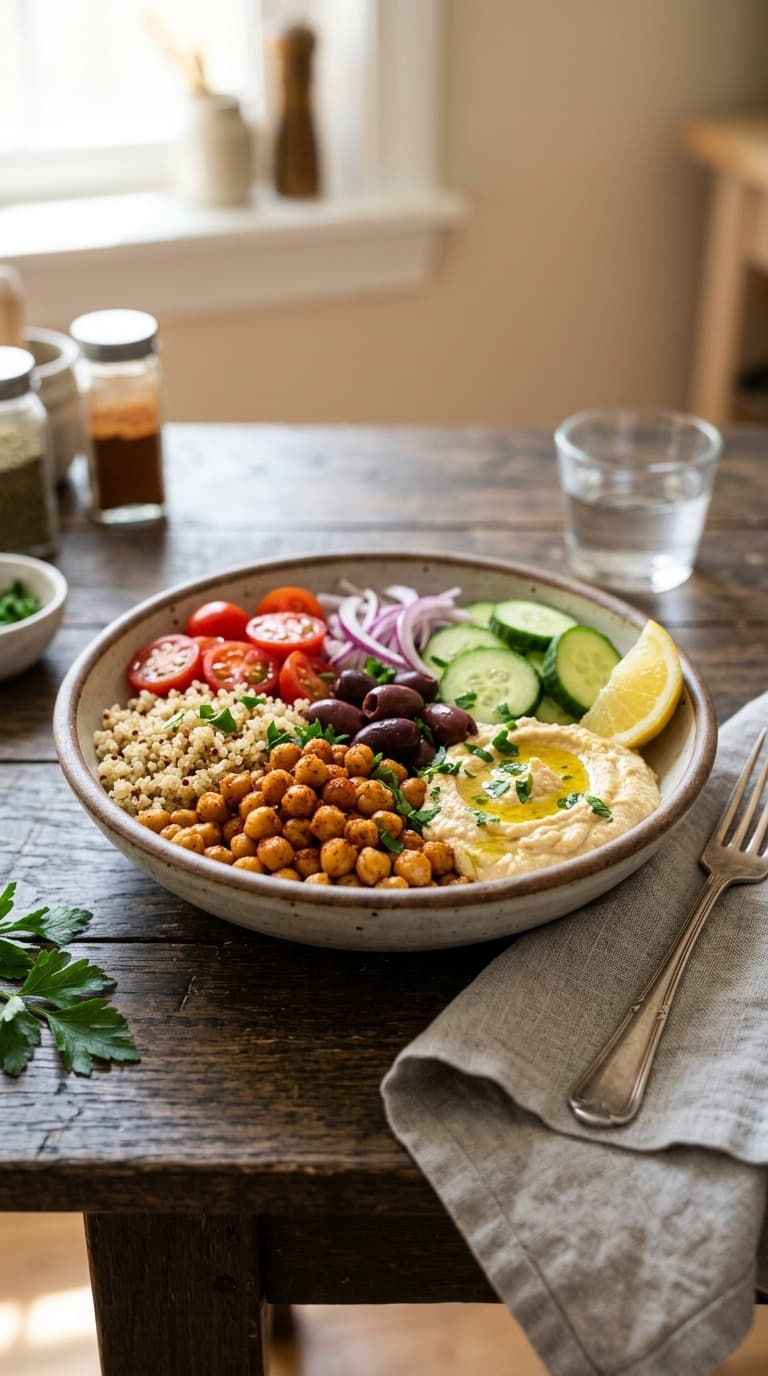
6. Mediterranean Chickpea Salad
Combine chickpeas, cucumber, tomatoes, red onion, olives, and feta with a lemon-herb dressing. It’s refreshing, filling, and travels well if you’re meal prepping for the week.
Need more midday options? These satisfying lunches are designed to keep you full without the afternoon crash.
Dinner Recipes That Feel Like Real Food
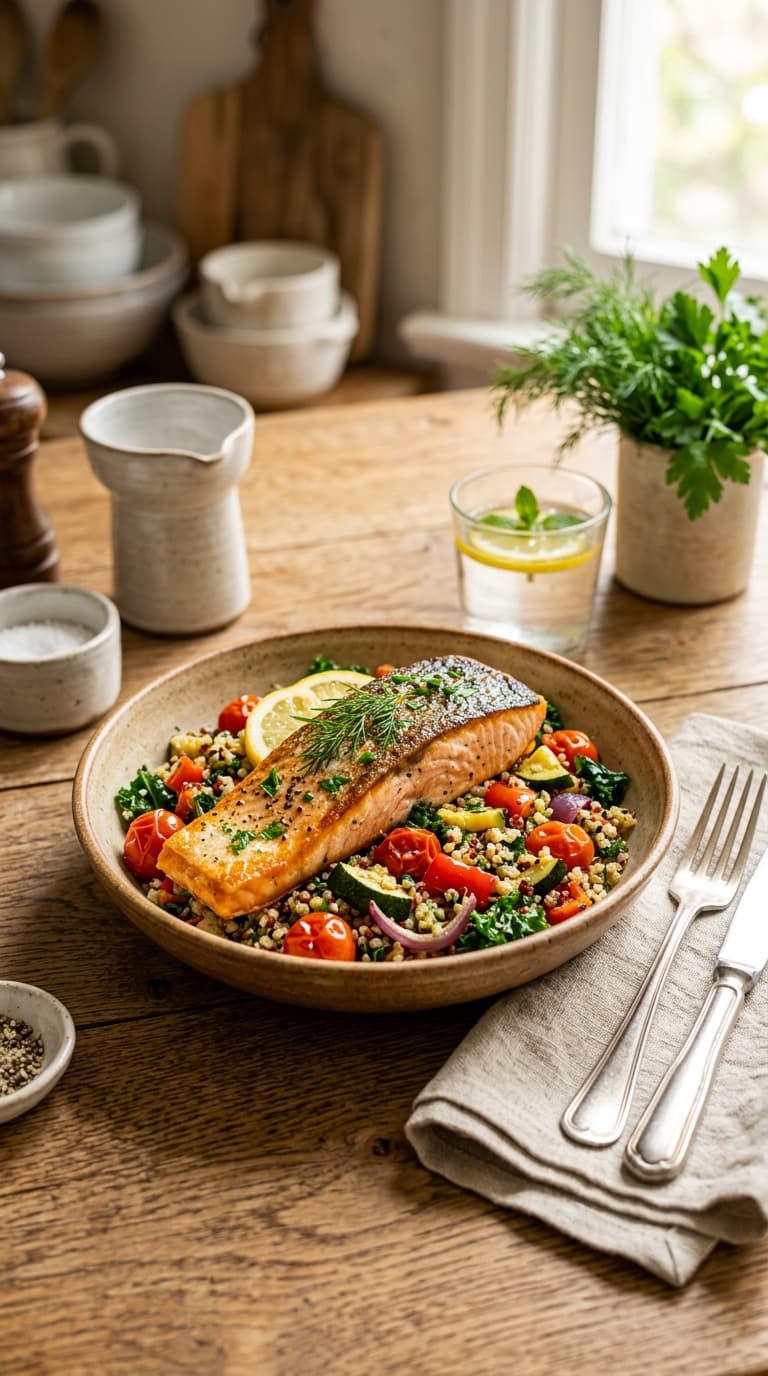
7. Baked Salmon with Roasted Vegetables
Season salmon with herbs, bake at 400°F for 12-15 minutes. Roast broccoli, bell peppers, and zucchini on the same pan. One pan, minimal cleanup, maximum flavor.
I use a silicone baking mat# for this—nothing sticks, and cleanup is literally just wiping it down.
8. Turkey and Vegetable Stir-Fry
Sauté lean ground turkey with mixed vegetables and a light soy sauce. Serve over brown rice or cauliflower rice if you’re cutting carbs. Quick, simple, and you can customize it based on whatever vegetables you have lying around.
9. Stuffed Bell Peppers
Fill bell peppers with a mixture of lean ground turkey, quinoa, black beans, and tomatoes. Bake until the peppers are tender. These freeze beautifully, so double the batch.
10. Grilled Chicken with Sweet Potato and Green Beans
Marinate chicken breast in herbs and lemon juice, grill until cooked through. Pair with roasted sweet potato cubes and steamed green beans. Simple, satisfying, and hits all your nutritional bases. Get Full Recipe.
Looking for more evening options? Check out these delicious dinner recipes you’ll actually want to make on repeat.
One-Pan Wonders for Lazy Nights
11. Sheet Pan Chicken Fajitas
Toss chicken strips with bell peppers and onions in fajita seasoning, roast everything on one pan. Serve with whole wheat tortillas or over greens for a deconstructed version.
12. Baked Cod with Tomatoes and Olives
Place cod fillets in a baking dish, surround with cherry tomatoes, olives, and garlic. Drizzle with olive oil and bake. The Mediterranean flavors make this feel way fancier than the effort required.
13. Roasted Chicken Thighs with Brussels Sprouts
Season skinless chicken thighs, roast with Brussels sprouts and a touch of balsamic vinegar. Thighs are more forgiving than breasts and stay juicy even if you slightly overcook them.
For more simple dinner solutions, these one-pan dinners are lifesavers on busy weeknights.
Vegetarian Options That Don’t Leave You Hungry
14. Black Bean and Sweet Potato Tacos
Roast sweet potato cubes, warm black beans with cumin and chili powder, serve in corn tortillas with avocado and salsa. Even meat-lovers won’t miss the meat on this one.
15. Mushroom and Spinach Quinoa Risotto
Sauté mushrooms and garlic, add quinoa and vegetable broth, stir in spinach at the end. It’s got that creamy, comforting vibe of traditional risotto without all the heavy cream and butter.
16. Chickpea Curry with Cauliflower
Simmer chickpeas and cauliflower in a tomato-based curry sauce. Serve over brown rice or with whole wheat naan. Warming, filling, and packed with plant-based protein. Get Full Recipe.
If you’re exploring more plant-based meals, these vegetarian options prove that meatless doesn’t mean tasteless.
Quick Meals for When You’re Seriously Pressed for Time
17. Greek Yogurt Chicken Salad
Mix shredded rotisserie chicken with Greek yogurt (instead of mayo), grapes, celery, and walnuts. Eat it straight, on whole grain crackers, or stuffed in a pita.
I keep pre-portioned containers# of this in the fridge. Lunch is literally just grabbing one and heading out the door.
18. Egg and Veggie Scramble
Scramble eggs with whatever vegetables need using up—spinach, peppers, mushrooms, tomatoes. Add a slice of whole grain toast and you’ve got a balanced meal in under 10 minutes.
19. Tuna and White Bean Salad
Drain canned tuna and white beans, toss with cherry tomatoes, red onion, olive oil, and lemon juice. High in protein, omega-3s, and fiber. Plus, it’s basically instant.
20. Turkey and Avocado Wrap
Spread mashed avocado on a whole wheat tortilla, add sliced turkey breast, lettuce, tomato, and a touch of mustard. Roll it up and you’re done.
For more speedy solutions, check out these quick lunches that come together in under 10 minutes.
Kitchen Tools That Make Heart-Healthy Cooking Actually Easy
Look, I’m all for keeping it simple in the kitchen, but having the right tools makes a massive difference. Here’s what actually gets used in my kitchen weekly:
- Cast Iron Grill Pan# – For getting those beautiful grill marks on chicken and fish without firing up an outdoor grill. Retains heat like a dream.
- Glass Meal Prep Containers# – BPA-free, microwave-safe, and they don’t absorb odors like plastic. Game changer for batch cooking.
- Immersion Blender# – Makes quick work of soups and smoothies without hauling out a full-size blender. Cleanup takes 30 seconds.
- Meal Planning App Subscription# – Generates weekly meal plans based on your preferences and automatically creates shopping lists.
- Heart-Healthy Cookbook (Digital)# – Over 200 recipes designed by nutritionists, all with detailed macros and prep times.
- Kitchen Timer App# – Sounds basic, but having multiple timers running simultaneously prevents the “oh crap, I forgot about the vegetables” disasters.
These aren’t fancy gadgets collecting dust in your cabinet. They’re the workhorses that make cooking heart-healthy meals feel doable on a Tuesday night when you’re exhausted.
Making It Work in Real Life
Let’s get real for a second. Having a list of healthy recipes is great, but execution is where most of us stumble. Life gets chaotic, you get tired, and suddenly you’re ordering pizza again.
Meal Prep Without Losing Your Mind
I’m not suggesting you spend every Sunday cooking 21 perfectly portioned meals. That’s exhausting and completely unnecessary. Instead, prep components, not full meals.
Cook a big batch of quinoa or brown rice. Grill or bake several chicken breasts. Chop vegetables and store them in containers. Then during the week, you’re just assembling, not cooking from scratch every night.
Sarah from our community tried this approach and ended up losing 15 pounds in three months without feeling like she was dieting. She said the biggest difference was having healthy options ready to go when she was too tired to think.
These meal prep strategies break down exactly how to batch cook without burning out.
Restaurant Strategy That Actually Works
You don’t have to become a hermit to eat heart-healthy. Restaurants are totally manageable once you know what to look for.
Grilled over fried. Ask for dressings and sauces on the side. Load up on vegetables. Skip the bread basket if you know you’ll mindlessly demolish the whole thing (guilty as charged).
IMO, the hardest part about eating out is portion sizes. Everything is massive. I’ve started asking for a to-go box right when my food arrives and immediately boxing up half. Future me gets another meal, and present me doesn’t overeat just because the food is there.
Dealing With Cravings Without Derailing Everything
Here’s the thing about restrictive diets—they backfire. You can white-knuckle your way through a week of “perfect” eating, but eventually, you’ll crack and eat an entire sleeve of cookies.
Instead of fighting cravings, work with them. Want something sweet? Have a small portion of dark chocolate or fruit with Greek yogurt. Craving something crunchy? Roasted chickpeas or air-popped popcorn can scratch that itch.
The goal isn’t perfection. It’s sustainable eating patterns that support your heart health without making you miserable. Check out these smart snack options for when you need something between meals.
The Science Behind Why This Actually Works
You don’t need a nutrition degree to eat well, but understanding the basics helps you make better choices when you’re off-script.
How These Meals Support Heart Health
Heart-healthy meals work on multiple levels. They reduce inflammation, lower bad cholesterol (LDL), raise good cholesterol (HDL), and help regulate blood pressure.
The omega-3 fatty acids in fatty fish like salmon reduce triglycerides and decrease the risk of arrhythmia. Fiber from whole grains and vegetables helps eliminate excess cholesterol from your body. Antioxidants in fruits and vegetables protect your arteries from damage.
It’s not about one magical superfood. It’s about consistently choosing foods that work together to keep your cardiovascular system functioning optimally.
The Weight Management Connection
Weight loss boils down to calories in versus calories out, but not all calories are created equal. A 400-calorie meal of grilled chicken and vegetables will keep you satisfied way longer than a 400-calorie muffin.
These meals are designed to be nutrient-dense but not calorie-dense. You’re getting vitamins, minerals, fiber, and protein without excess calories from added sugars and unhealthy fats.
Plus, when you’re eating real, whole foods, your body’s hunger signals actually work properly. You feel full when you’ve had enough, rather than constantly craving more because your body is searching for actual nutrients.
For calorie-conscious options that still feel substantial, these meals under 400 calories are surprisingly filling.
Common Mistakes That Sabotage Your Efforts
Even with the best intentions, it’s easy to trip up. Here’s what I’ve learned the hard way:
Overdoing “Healthy” Fats
Yes, avocados and nuts are healthy. No, that doesn’t mean you should eat unlimited amounts. Healthy fats are still calorie-dense. A quarter of an avocado is plenty for most meals. A small handful of nuts is a serving, not the entire bag.
Ignoring Portion Sizes
Even healthy food adds up. I’ve seen people gain weight on “clean” diets because they’re eating massive portions. Use your hand as a guide—protein should be about palm-sized, grains about a fist, and vegetables can fill the rest of your plate.
Not Planning Ahead
Winging it works until you’re starving and the fastest option is drive-through. Even basic planning—knowing what you’re eating for dinner tomorrow—makes a huge difference.
Forgetting About Liquid Calories
Juice, soda, fancy coffee drinks, alcohol—these can derail your efforts faster than anything else. Stick with water, unsweetened tea, or black coffee most of the time. Save the caloric beverages for special occasions.
Frequently Asked Questions
Can I lose weight while eating heart-healthy meals?
Absolutely. Heart-healthy meals are naturally lower in calories while being high in nutrients that keep you satisfied. When you focus on lean proteins, whole grains, and plenty of vegetables, you’re creating a calorie deficit without feeling deprived. Most people find they naturally eat less when they switch to these types of meals because they’re more filling and satisfying than processed foods.
How much protein should I include in each meal?
Aim for 25-30 grams of protein per meal, which is roughly the size of your palm. This amount helps maintain muscle mass during weight loss, keeps you feeling full, and stabilizes blood sugar. Good sources include chicken breast, fish, lean turkey, legumes, Greek yogurt, and eggs.
Are all fats bad for heart health?
Not at all. Healthy fats from sources like olive oil, avocados, nuts, and fatty fish are actually beneficial for your heart. They help reduce inflammation, lower bad cholesterol, and support overall cardiovascular function. The fats to avoid are trans fats and excessive saturated fats found in fried foods, processed snacks, and fatty cuts of red meat.
Do I need to give up carbs to improve heart health?
No, you don’t need to eliminate carbs. The key is choosing the right types—whole grains like quinoa, brown rice, oats, and whole wheat pasta provide fiber that’s crucial for heart health and weight management. It’s the refined carbs (white bread, pastries, sugary snacks) that you want to limit.
How quickly will I see results from eating heart-healthy meals?
You’ll likely notice increased energy within the first week. Weight loss typically becomes visible after 2-3 weeks of consistent healthy eating. For heart health markers like cholesterol and blood pressure, you’ll see measurable improvements within 3-4 months. Remember, sustainable changes take time—focus on building habits rather than chasing quick fixes.
The Bottom Line
Heart-healthy eating for weight management isn’t about perfection or deprivation. It’s about making consistent choices that support both your cardiovascular health and your weight goals.
These 20 meals prove you can eat delicious, satisfying food while taking care of your heart and managing your weight. No bland chicken breast and steamed broccoli required.
Start with one or two meals that sound good to you. Get comfortable making them. Then gradually expand your rotation. Before you know it, eating this way becomes second nature, not a chore.
Your heart will thank you. Your waistline will thank you. And honestly, your taste buds will thank you too.
30-Day Cholesterol-Lowering Meal Plan
A simple step-by-step system to help you eat heart-healthy every day without stress.
Over 1,000 people downloaded this guide
$29$9
Get Instant Access