
27 Heart Healthy Recipes Using Olive Oil That Actually Taste Amazing
Look, I get it. When your doctor starts talking about heart health and cholesterol numbers, your first thought probably isn’t “oh boy, can’t wait to start cooking with more olive oil.” But here’s the thing—olive oil isn’t just some boring health food you choke down because you’re supposed to. It’s actually the secret weapon that makes Mediterranean food taste incredible while keeping your ticker happy.
I’ve been cooking with olive oil for years now, and honestly? Once you know what you’re doing with it, there’s no going back to that flavorless low-fat nonsense. We’re talking about recipes that make you forget you’re eating “heart healthy” food because they’re just plain delicious.

Why Olive Oil Is Your Heart’s Best Friend
Before we jump into the recipes, let’s talk about why olive oil deserves a permanent spot on your counter. Research from the American College of Cardiology found that people who consumed more than half a tablespoon of olive oil daily had a 19% lower risk of cardiovascular mortality. Yeah, you read that right—just half a tablespoon.
The magic lies in those monounsaturated fatty acids and polyphenols. Think of them as tiny bodyguards for your arteries, fighting off inflammation and oxidative stress. According to Yale School of Medicine, olive oil can improve cholesterol levels and blood sugar control, which is pretty much exactly what your cardiovascular system is begging for.
But here’s what nobody tells you—not all olive oil is created equal. Extra virgin is where the good stuff lives. It’s got way more polyphenols than the refined versions, which means more heart protection. I always keep a quality extra virgin olive oil in a dark glass bottle—light and heat are its enemies.
Breakfast Recipes That Start Your Day Right
Mornings set the tone for your whole day, so why not kick things off with something that tastes good and loves your heart back? These breakfast recipes use olive oil in ways that’ll make you wonder why you ever bothered with butter.
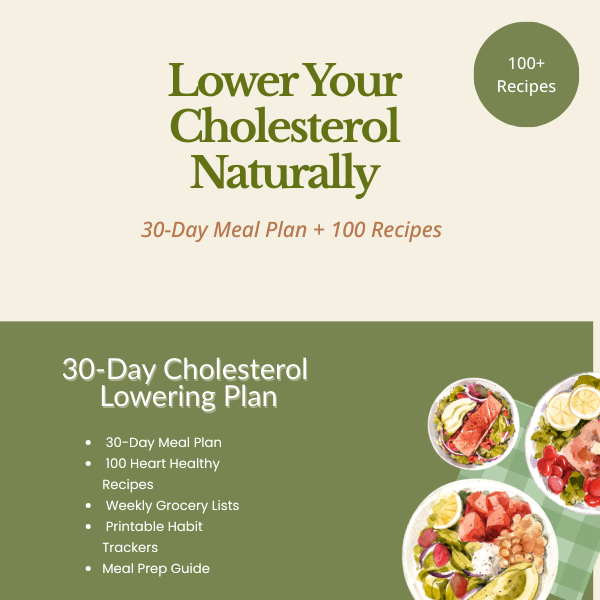
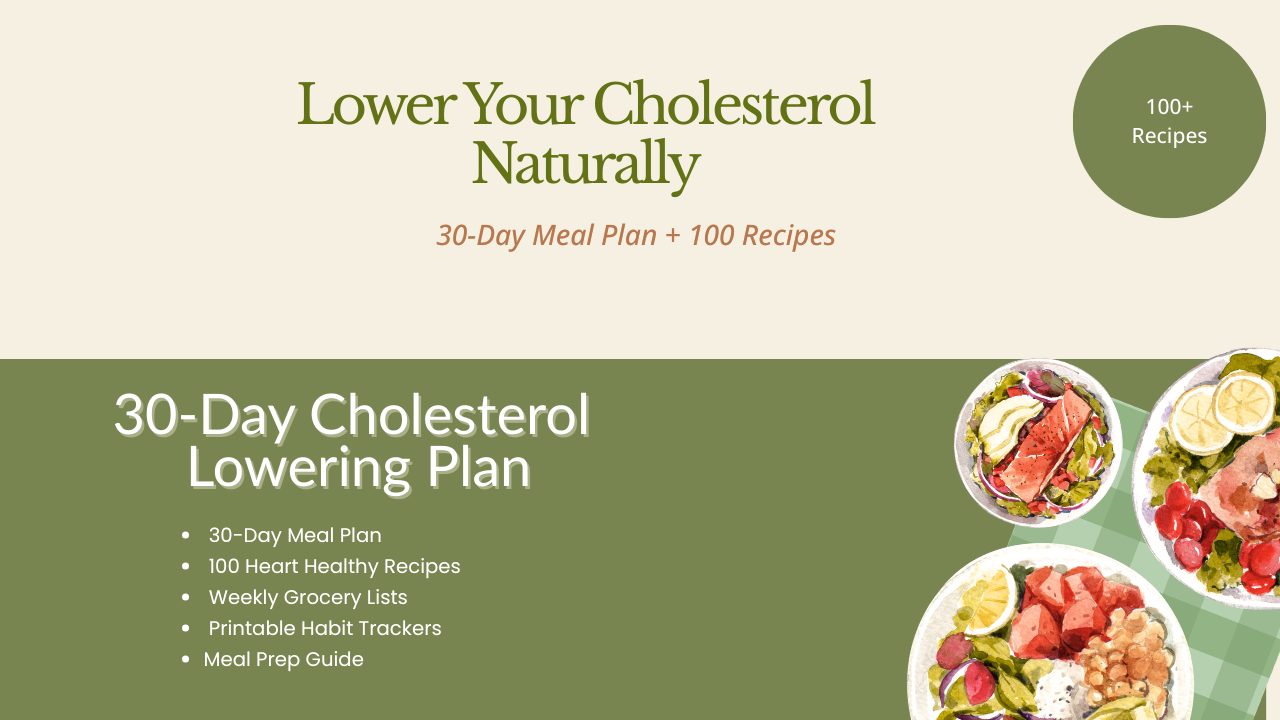
30-Day Cholesterol Reset System
A simple done-for-you plan to help you eat heart-healthy every day without confusion.
Over 1,000 people downloaded this guide
✔ 100 Easy Recipes
✔ Grocery Lists + Meal Prep Guide
🎁 FREE BONUSES:
✔ 7-Day Quick Start Plan
✔ Printable Grocery List
$29 $9
Get Instant AccessMediterranean Vegetable Frittata
This is my go-to when I’ve got random vegetables hanging out in the crisper drawer. Sauté bell peppers, spinach, and tomatoes in olive oil, pour in some beaten eggs, and let it work its magic. The olive oil gives it this rich, almost nutty flavor that makes regular butter taste boring. Get Full Recipe
Olive Oil Granola with Heart-Healthy Nuts
Forget the butter-laden granola at the store. Mix oats with chopped walnuts, a drizzle of olive oil, and a touch of honey. The olive oil keeps everything crispy without that heavy, greasy feeling. Plus, it pairs perfectly with the slightly peppery notes of good EVOO.
Whole Grain Toast with Olive Oil and Avocado
This might sound too simple to be interesting, but trust me. A slice of whole grain sourdough, brushed with olive oil, topped with mashed avocado, and finished with sea salt and red pepper flakes. It’s the kind of breakfast that makes you feel like you’ve got your life together. If you’re looking for more morning inspiration, these low-cholesterol breakfast ideas and breakfasts under 300 calories are solid options too.
Lunch Ideas That Won’t Leave You Sluggish
You know that post-lunch energy crash? Yeah, these recipes skip that entirely. They’re filling enough to keep you going but won’t make you want to nap under your desk.
Quinoa Tabbouleh with Lemon Olive Oil Dressing
Traditional tabbouleh is already pretty great, but swapping bulgur for quinoa bumps up the protein. The dressing is stupid simple—olive oil, lemon juice, minced garlic, and fresh herbs. Whisk it in a glass jar and you’re done. The olive oil helps your body absorb all those fat-soluble vitamins from the herbs and veggies.
White Bean and Kale Soup
This is comfort food that happens to be ridiculously good for you. Start by sautéing onions and garlic in olive oil until they’re golden and sweet. Add kale, white beans, vegetable broth, and let it simmer. The olive oil at the beginning builds this deep, savory base that makes the whole soup taste complex. Way better than that canned stuff. For more soup inspiration, check out these low-cholesterol soups and stews.
Mediterranean Chickpea Salad
This one’s been a game-changer in my meal prep rotation. Chickpeas, cucumber, tomatoes, red onion, and feta tossed in a simple olive oil and red wine vinegar dressing. It gets better as it sits, which is rare for a salad. The healthy fats from the olive oil keep you satisfied way longer than a sad desk salad ever could. Get Full Recipe
Dinner Recipes That Impress Without the Stress
These are the recipes you pull out when you want to look like you know what you’re doing in the kitchen. They’re fancy enough for company but simple enough that you won’t be stressed about it.
Herb-Crusted Salmon with Olive Oil
Here’s a secret—fish doesn’t need much to taste incredible. Brush a salmon fillet with olive oil, press on a mixture of fresh herbs and panko breadcrumbs, and roast it. The olive oil keeps the fish moist while helping those herbs stick. Plus, you’re getting omega-3s from the salmon and heart-healthy fats from the oil. It’s like a cardiovascular dream team.
One-Pan Chicken and Vegetables
This is my answer to “I’m too tired to cook but also too broke for takeout.” Toss chicken thighs, bell peppers, zucchini, and cherry tomatoes with olive oil, garlic, and whatever herbs you’ve got. Spread everything on a rimmed baking sheet and roast. Everything cooks together, the vegetables get caramelized and sweet, and cleanup is a breeze. Looking for more easy dinner ideas? These low-cholesterol dinners might just become your new weeknight rotation.
Whole Wheat Pasta with Roasted Vegetables
Pasta gets a bad rap in the health world, but whole wheat pasta with olive oil and roasted vegetables is actually pretty balanced. Roast eggplant, zucchini, and tomatoes until they’re caramelized, toss with pasta, a generous glug of olive oil, fresh basil, and a sprinkle of parmesan. The olive oil coats the pasta and helps all those flavors meld together.
Speaking of balanced meals, I’ve found that pairing olive oil-based dishes with lean proteins works wonders. These low-cholesterol chicken recipes prove you don’t have to sacrifice flavor for heart health.
Grilled Vegetable Kebabs
Honestly, grilling vegetables in olive oil might be one of life’s simple pleasures. Thread bell peppers, mushrooms, onions, and zucchini onto metal skewers, brush with olive oil and herbs, and grill until charred. The high heat brings out the vegetables’ natural sugars while the olive oil keeps them from sticking and adds this subtle richness.
Kitchen Tools That Make Olive Oil Cooking Easier
- Glass olive oil dispenser bottle with pour spout—controls portions and keeps oil fresh
- Silicone basting brush—perfect for coating vegetables and proteins evenly
- Digital kitchen scale—helps you track exactly how much oil you’re using for heart-healthy portions
- Mediterranean Diet Cookbook (eBook)—comprehensive guide to cooking with olive oil the right way
- Heart Health Meal Planner (Digital)—weekly templates that incorporate olive oil-based recipes
- Olive Oil Quality Guide (PDF)—learn how to spot the good stuff and avoid fake extra virgin oils
Sides and Salads That Steal the Show
IMO, sides are where olive oil really gets to shine. These aren’t boring steamed vegetables—they’re the dishes that make people ask for seconds.
Roasted Brussels Sprouts with Balsamic Glaze
I used to hate Brussels sprouts until I learned to roast them properly. Toss them in olive oil, salt, and pepper, roast until crispy, then drizzle with balsamic vinegar. The olive oil helps them get that perfect crispy-on-the-outside, tender-on-the-inside texture. Game changer.
Greek Village Salad (Horiatiki)
This is what salad should be—no lettuce, just chunky tomatoes, cucumbers, bell peppers, red onion, olives, and feta, all dressed in olive oil and oregano. The vegetables are cut big enough that you’re actually eating them, not just pushing them around your plate. And that olive oil dressing? It’s so good you’ll want to drink it. Not that I’ve done that. Much. Get Full Recipe
Cauliflower Steaks with Herb Oil
Cut a head of cauliflower into thick slices, brush with olive oil mixed with fresh herbs, and either roast or grill them. They get this amazing meaty texture and the herb oil seeps into all the nooks and crannies. It’s fancy enough for a dinner party but easy enough for a Tuesday night.
If you’re into salads that actually taste good, these low-cholesterol salads and these restaurant-quality versions are worth bookmarking.
Snacks and Appetizers Worth Making
These are the recipes that make people think you’re a way better cook than you actually are. They’re impressive but secretly simple, and olive oil is doing most of the heavy lifting.
Olive Oil Crackers with Herbs
Homemade crackers sound intimidating, but they’re basically just flour, olive oil, water, and herbs rolled thin and baked until crispy. Mix the dough in a food processor for like two minutes, roll it out, cut into squares, and you’re done. They taste a million times better than store-bought and you can customize them however you want.
White Bean Dip with Garlic and Lemon
Hummus gets all the attention, but white bean dip is where it’s at. Blend white beans with garlic, lemon juice, and olive oil until smooth. That’s it. The olive oil makes it creamy without needing tahini, and you can adjust the consistency by adding more or less oil. Serve it with vegetables or those homemade crackers you just made.
Marinated Olives and Vegetables
This is more of an assembly project than actual cooking. Mix olives, cherry tomatoes, and small mozzarella balls with olive oil, herbs, and garlic. Let it sit for a few hours and the olive oil turns into this incredible marinade that makes everything taste better. Pack it in small glass jars for easy grab-and-go snacks.
For more snack inspiration that won’t derail your heart health goals, check out these low-cholesterol snacks.
Desserts That Don’t Skip the Olive Oil
Yeah, I know—olive oil in dessert sounds weird. But hear me out. It adds this subtle richness and keeps baked goods moist without the heaviness of butter. Plus, you’re still getting those heart-healthy fats.
Olive Oil Lemon Cake
This cake is ridiculously good. The olive oil makes it incredibly moist and the lemon cuts through any richness. Mix it all in one bowl—olive oil, sugar, eggs, lemon zest, flour, and baking powder. Bake it in a springform pan and you’ve got a dessert that’s elegant enough for company but simple enough that you’ll make it all the time.
Olive Oil Chocolate Brownies
Brownies made with olive oil instead of butter have this fudgy, intense chocolate flavor that’s almost impossible to achieve otherwise. The olive oil doesn’t overpower the chocolate—it actually enhances it. Just use a mild olive oil if you’re worried about the flavor coming through too strong. If you’re craving more guilt-free treats, these low-cholesterol desserts hit the spot.
Orange Olive Oil Cookies
These are the perfect not-too-sweet cookie. Orange zest, olive oil, a little sugar, and flour come together into these crispy-edged, tender-centered cookies that pair perfectly with coffee or tea. The olive oil gives them this delicate crumb that butter just can’t match.
Meal Prep Strategies for Olive Oil Cooking
Here’s where olive oil really proves its worth—it makes meal prep so much easier. Unlike butter, olive oil doesn’t solidify when cold, which means your prepped meals stay delicious all week.
Sunday Prep Session
Every Sunday, I roast a huge batch of vegetables tossed in olive oil and herbs. They keep perfectly in the fridge and you can throw them into salads, grain bowls, or alongside any protein throughout the week. The olive oil prevents them from drying out and actually helps them taste better after a day or two.
Mason Jar Salads Done Right
The secret to jar salads that don’t get soggy? Put your olive oil-based dressing at the bottom. Then layer heartier vegetables, grains, proteins, and save the delicate greens for the top. When you’re ready to eat, shake it up and everything gets coated perfectly. No sad, wilted lettuce. No dry, flavorless chicken.
If you’re serious about meal prep, these low-cholesterol meal prep ideas are worth checking out. They’ve saved my weeknights more times than I can count.
Pre-Made Marinades
Mix up several different olive oil marinades on the weekend and keep them in squeeze bottles. One with Italian herbs, one with Asian-inspired flavors, one with Mexican spices. During the week, just marinate your protein or vegetables for 30 minutes before cooking. Instant flavor with minimal effort.
Common Mistakes to Avoid
Even though cooking with olive oil is pretty straightforward, there are a few things that’ll trip you up if you’re not careful.
Don’t Use EVOO for Everything
I love extra virgin olive oil, but it’s not great for super high-heat cooking. The smoke point is lower than refined oils, so save your good EVOO for finishing dishes, dressings, and medium-heat cooking. For searing meat or stir-frying at high temperatures, regular olive oil or avocado oil works better.
Storage Matters More Than You Think
That pretty glass bottle sitting on your sunny counter? Yeah, that’s killing your olive oil. Light and heat break down those beneficial polyphenols faster than you’d think. Keep it in a dark, cool place, and buy smaller bottles that you’ll use up within a couple months. Fresh olive oil tastes better and gives you more heart-healthy benefits.
Don’t Skimp on Quality
Cheap olive oil is often cut with other oils or has been sitting around forever. According to research from the National Center for Biotechnology Information, authentic extra virgin olive oil needs at least 5mg of polyphenols per 20 grams to provide cardiovascular benefits. Look for harvest dates, certifications, and dark bottles. Yeah, it costs more, but you’re literally investing in your heart health.
Building Balanced Meals with Olive Oil
The beauty of olive oil is how it fits into a complete, balanced eating pattern. It’s not about drowning everything in oil—it’s about using it strategically to make nutritious foods taste better and help your body absorb important nutrients.
The Plate Method
Fill half your plate with vegetables roasted or sautéed in olive oil, a quarter with lean protein, and a quarter with whole grains. Drizzle everything with a little more olive oil at the end. This isn’t some deprivation diet—it’s just real food that happens to love your arteries back.
Combining with Other Heart-Healthy Foods
Olive oil works best as part of an overall pattern. Pair it with fatty fish, nuts, whole grains, legumes, and lots of vegetables. This is basically the Mediterranean diet, and research shows it’s one of the most effective eating patterns for heart health. Not because of any single ingredient, but because everything works together.
These foods that naturally lower cholesterol pair perfectly with olive oil-based recipes. And if you’re looking for complete meal ideas, these heart-healthy meals under 400 calories show you how to put it all together.
Quick Tips for Busy Weeknights
Let’s be honest—most of us don’t have time for elaborate cooking every single night. These shortcuts make olive oil cooking realistic for actual busy people.
One-Pan Wonder Method
Toss protein and vegetables in olive oil and seasonings, spread on a sheet pan, roast. That’s it. You can make infinite variations of this and it never gets old. The olive oil prevents sticking and helps everything brown beautifully. Minimal dishes, maximum flavor. These one-pan dinners are proof that easy doesn’t mean boring.
The Formula Approach
Once you understand the basic formula—olive oil plus acid plus aromatics equals delicious—you can improvise like crazy. Olive oil and lemon with garlic for Mediterranean vibes. Olive oil and lime with cumin for Mexican-inspired dishes. Olive oil and vinegar with ginger for Asian flavors. Same technique, completely different results.
Batch Cooking Wins
Double or triple your recipes when you do cook. Olive oil-based dishes tend to keep better than butter-based ones anyway, so you might as well make extra. Freeze portions in individual containers and you’ve got homemade convenience food that’s actually good for you.
If the idea of planning all this overwhelms you, these lazy low-cholesterol meals might be more your speed. No judgment—we’ve all got those weeks.
Frequently Asked Questions
How much olive oil should I use daily for heart health?
Research suggests that consuming at least half a tablespoon (about 7 grams) of olive oil daily can provide cardiovascular benefits. Some studies show increased benefits up to about 3-4 tablespoons per day, but the sweet spot for most people is 1-2 tablespoons. Remember, it’s a healthy fat but still calorie-dense, so moderation matters if you’re watching your weight.
Can I cook with extra virgin olive oil at high temperatures?
You can, but it’s not ideal for super high-heat cooking like searing or deep frying. Extra virgin olive oil has a smoke point around 375-405°F, which is fine for most sautéing and roasting. For high-heat cooking, regular olive oil or avocado oil work better. Save your expensive EVOO for finishing dishes, dressings, and medium-heat cooking where you’ll actually taste it.
What’s the difference between regular olive oil and extra virgin?
Extra virgin olive oil is made from the first cold pressing of olives and has the highest concentration of polyphenols and antioxidants—the compounds that provide most of the heart-health benefits. Regular or “light” olive oil is more refined and has less flavor and fewer beneficial compounds. For heart health, extra virgin is worth the extra cost.
How do I know if my olive oil is good quality?
Look for a harvest date (not just a best-by date), certification seals like PDO or PGI, and dark glass bottles. Good olive oil should taste fresh and slightly peppery or grassy—if it tastes bland or greasy, it’s probably not the real deal. Buy from reputable sources and avoid anything suspiciously cheap. Quality varies wildly, and fake or adulterated olive oil is unfortunately common.
Will switching to olive oil help lower my cholesterol?
It can definitely help as part of an overall healthy diet. Studies show that replacing saturated fats (like butter and margarine) with olive oil is associated with lower LDL cholesterol and reduced cardiovascular risk. But it’s not a magic bullet—you need to combine it with eating more vegetables, whole grains, and lean proteins while cutting back on processed foods. Think of it as one important piece of a bigger picture.
Wrapping It All Up
Here’s the thing about cooking with olive oil—it’s not about following some restrictive diet or forcing yourself to eat food that tastes like cardboard. It’s about discovering that food can be both delicious and actually good for your body. Revolutionary concept, I know.
These 27 recipes are just a starting point. Once you get comfortable using olive oil in different ways, you’ll start improvising and finding your own favorite combinations. That’s when cooking stops feeling like a chore and starts being something you actually want to do.
Your heart doesn’t need you to be perfect. It just needs you to make better choices most of the time. And if those better choices happen to taste amazing? Even better. Start with one or two recipes that sound good to you, see how they fit into your life, and go from there. Small changes add up faster than you’d think.
Now go make something delicious. Your cardiovascular system will thank you.
30-Day Cholesterol-Lowering Meal Plan
A simple step-by-step system to help you eat heart-healthy every day without stress.
Over 1,000 people downloaded this guide
$29$9
Get Instant Access