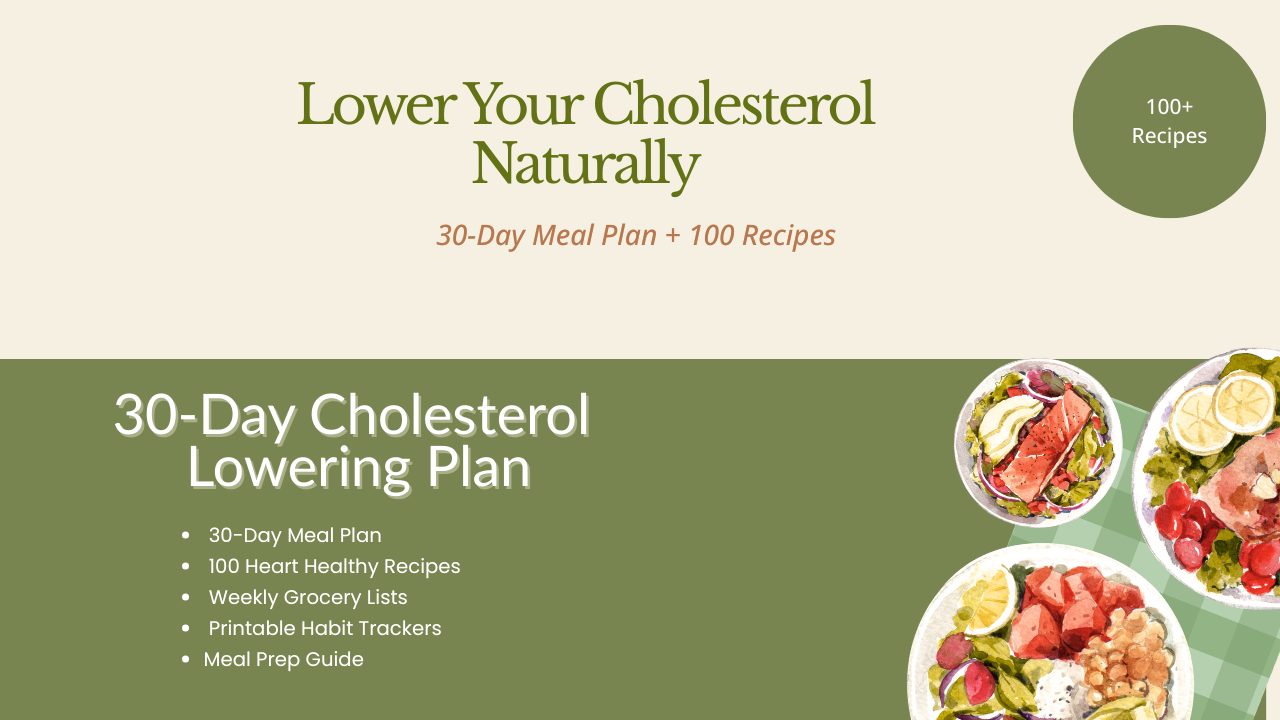

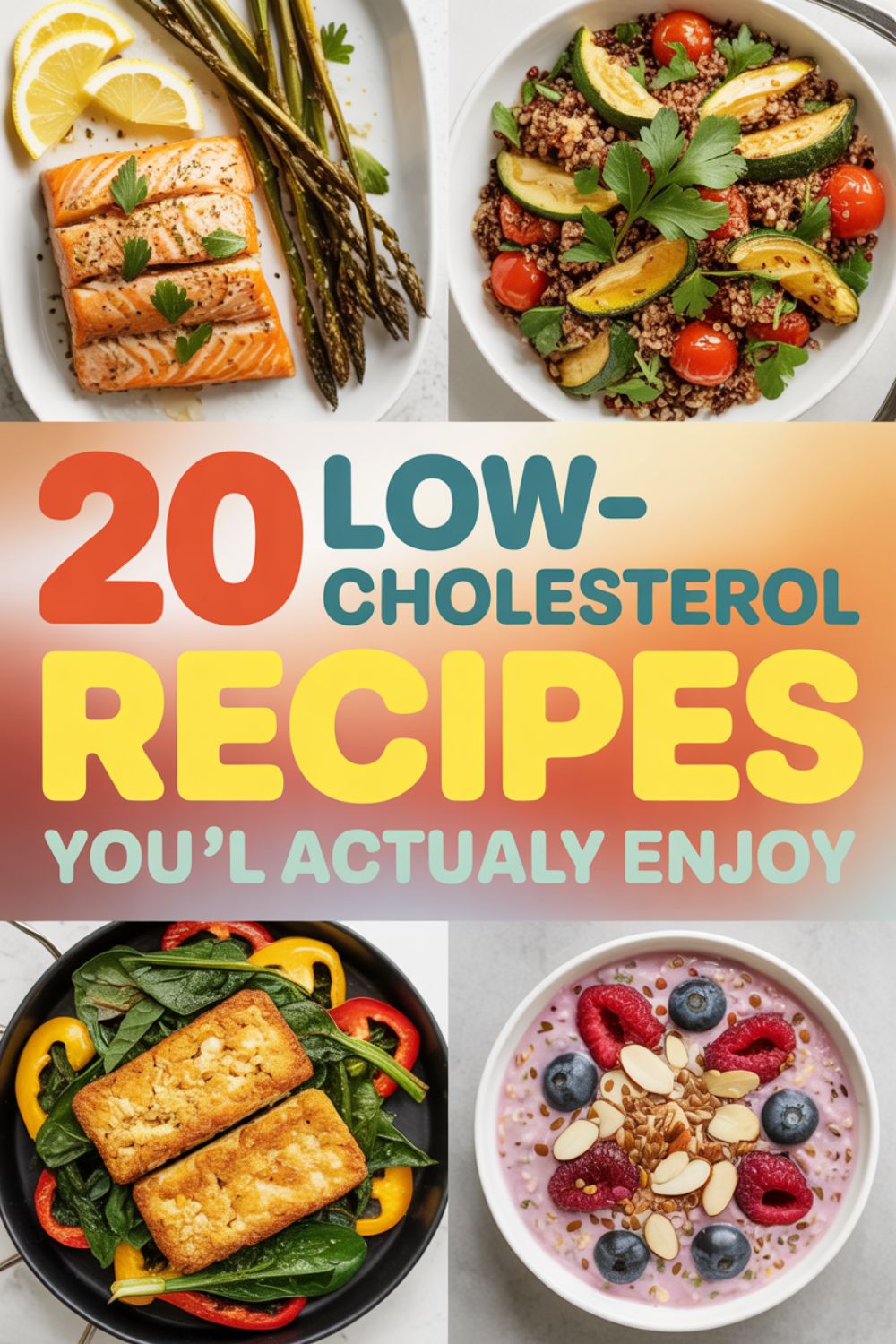
20 Low-Cholesterol Recipes You’ll Actually Enjoy
Look, I get it. When your doctor mentions the word “cholesterol,” your brain immediately jumps to bland steamed vegetables and cardboard-textured chicken breasts. But here’s the truth nobody tells you: eating low-cholesterol doesn’t mean sacrificing flavor or spending three hours in the kitchen.
I’ve been cooking low-cholesterol meals for years now, and honestly? Some of my best recipes fall into this category. We’re talking about food that actually makes you excited for dinner, not meals you choke down because you have to.
The secret sauce here isn’t some expensive superfood or complicated technique. It’s about understanding which ingredients naturally keep cholesterol in check while delivering on taste. Think vibrant vegetables, lean proteins that actually taste good, and healthy fats that make everything better. According to research from Harvard Health, foods high in soluble fiber and healthy fats can actively help lower LDL cholesterol levels.
These 20 recipes aren’t punishment food. They’re the kind of meals you’ll bookmark and come back to even when you’re not thinking about cholesterol numbers. Ready to dig in?
Why Low-Cholesterol Eating Actually Matters
Before we jump into recipes, let’s talk about why this whole cholesterol thing isn’t just your doctor being picky. High LDL cholesterol is basically like having sticky gunk building up in your arteries. Not great for long-term heart health.
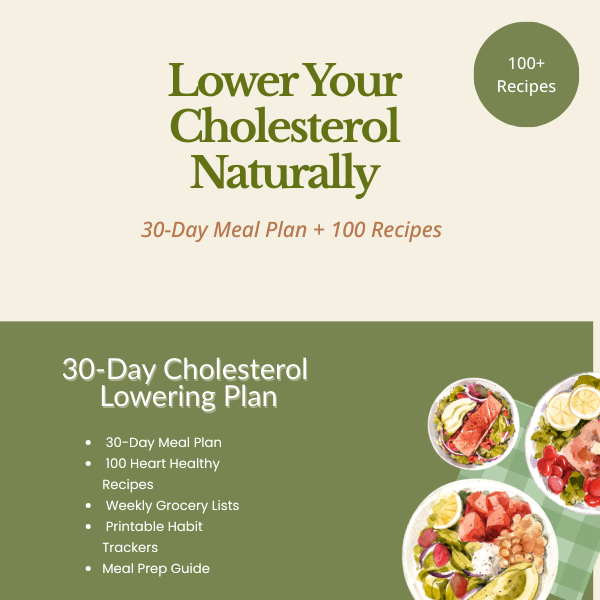
30-Day Cholesterol Reset System
A simple done-for-you plan to help you eat heart-healthy every day without confusion.
Over 1,000 people downloaded this guide
✔ 100 Easy Recipes
✔ Grocery Lists + Meal Prep Guide
🎁 FREE BONUSES:
✔ 7-Day Quick Start Plan
✔ Printable Grocery List
$29 $9
Get Instant AccessBut here’s what surprised me when I started researching this: dietary cholesterol (the cholesterol in food) isn’t actually the main villain anymore. The bigger troublemakers are saturated fats and trans fats. These are what really mess with your cholesterol levels. MedlinePlus explains that limiting saturated fat to less than 7% of daily calories can make a significant difference.
So when we’re talking low-cholesterol recipes, we’re really talking about meals that limit those problematic fats while loading up on the good stuff—fiber, healthy fats from plants, and lean proteins.
The Real Game-Changers in Your Kitchen
You don’t need to overhaul your entire pantry. Just focus on these key players: oats and barley for soluble fiber, fatty fish like salmon for omega-3s, nuts and seeds for healthy fats, and tons of vegetables for fiber and nutrients.
One of my favorite tricks? Using avocado as a butter substitute in baking. Sounds weird, works perfectly. For more creative swaps like this, check out these comfort foods made healthy that don’t sacrifice taste.
Batch cook your grains on Sunday. Make a huge pot of quinoa or brown rice, portion it out, and boom—you’ve got the base for quick low-cholesterol meals all week. Future you will be grateful.
Breakfast Recipes That Won’t Bore You to Tears
Breakfast is where most people struggle. You’re half-awake, you need something fast, and suddenly you’re reaching for the same boring options every single day. Not anymore.
Overnight Oats with Berry Compote
This is my go-to when I can’t even think straight in the morning. Mix rolled oats with almond milk the night before, add chia seeds for extra fiber, and top with fresh berries in the morning. The chia seeds add this pudding-like texture that’s honestly kind of addictive. Get Full Recipe.
The soluble fiber in oats is like a cholesterol-fighting superhero. It binds to cholesterol in your digestive system and escorts it right out of your body. Science is cool like that.
Veggie-Packed Egg White Scramble
Before you roll your eyes at egg whites, hear me out. The trick is loading them up with so many vegetables and seasonings that you don’t miss the yolks. I’m talking spinach, tomatoes, mushrooms, and a ridiculous amount of fresh herbs.
Pair this with whole grain toast and you’ve got a breakfast that actually keeps you full. I use this nonstick skillet that makes cleanup stupid easy—nobody wants to scrub pans before 8 AM.
Looking for more morning inspiration? These 25 breakfast ideas for heart health will keep your mornings interesting for weeks.
Green Smoothie Bowl That Doesn’t Taste Like Grass
The secret to a good smoothie bowl is balancing the greens with enough fruit that it actually tastes good. I use frozen banana as the base, add spinach (you really can’t taste it), mango for sweetness, and a tablespoon of almond butter for staying power. Get Full Recipe.
Top it with granola, fresh berries, and chia seeds. It looks fancy enough for Instagram but takes five minutes to make.
“I started making the overnight oats every Sunday for the week, and honestly, it’s been a game-changer. I’ve lost 12 pounds in two months just by having a better breakfast routine.” – Sarah M., community member
Lunch Ideas That Won’t Leave You Hungry in Two Hours
The lunch struggle is real. You need something satisfying enough to get you through the afternoon but not so heavy that you fall asleep at your desk.
Mediterranean Chickpea Salad
This salad has serious staying power. Chickpeas are loaded with fiber and plant protein, which means they keep you full way longer than a regular salad. Add cucumbers, tomatoes, red onion, kalamata olives, and a lemon-olive oil dressing.
I make a huge batch on meal prep day using this salad spinner to keep everything crisp. The research on legumes and cholesterol is pretty clear—studies show that beans and chickpeas can help reduce LDL cholesterol levels when consumed regularly.
If you’re into meal prep, you absolutely need to check out these meal prep ideas for the week. They’ve saved me countless hours.
Tuna and White Bean Lettuce Wraps
Canned tuna gets a bad rap, but quality tuna packed in water is actually perfect for low-cholesterol eating. Mix it with white beans, diced celery, a squeeze of lemon, and wrap it in butter lettuce leaves. Get Full Recipe.
The white beans add bulk and fiber without weighing you down. Plus, the omega-3s in tuna are great for heart health. This is one of those recipes that feels light but keeps you satisfied.
Quinoa Buddha Bowl
Buddha bowls are basically permission to throw whatever healthy stuff you have into a bowl and call it lunch. Start with quinoa as your base, add roasted vegetables, some chickpeas or grilled chicken, avocado, and drizzle with tahini dressing.
I roast my vegetables on this baking sheet that never sticks. Game changer for weekly meal prep. The combination of whole grains, vegetables, and plant protein makes this incredibly filling.
For days when you need something even faster, these quick lunches under 10 minutes are absolute lifesavers.
Pre-chop all your salad veggies Sunday night and store them in airtight containers. When lunch rolls around, you’re just assembling instead of cooking from scratch. Makes weekday lunches actually happen.
Dinner Recipes Worth Getting Excited About
Dinner is where low-cholesterol cooking really gets to shine. You have time to actually cook, and these recipes prove you don’t need butter and cream to make something delicious.
Herb-Crusted Baked Salmon
Salmon is basically the poster child for heart-healthy eating. It’s loaded with omega-3 fatty acids that actually help lower cholesterol. My version involves coating the salmon in a mixture of fresh herbs, panko breadcrumbs, and a touch of Dijon mustard before baking.
The herb crust gets crispy and golden while the salmon stays moist. Serve it with roasted asparagus and you’ve got a restaurant-quality meal. I use this fish spatula to flip salmon without it falling apart—total game-changer.
Want more seafood inspiration? Check out these 21 dinners you’ll want to make again for some seriously good options.
Lemon Garlic Chicken with Roasted Vegetables
This is one of those throw-everything-on-a-sheet-pan-and-call-it-dinner recipes. Chicken breast gets a bad rap for being dry, but marinating it in lemon juice, garlic, and olive oil keeps it incredibly juicy. Get Full Recipe.
Throw in whatever vegetables you have—Brussels sprouts, carrots, bell peppers—and roast everything together. The vegetables get caramelized and sweet, and the whole thing tastes way better than the minimal effort required.
For more chicken recipes that don’t suck, these chicken recipes packed with flavor are my go-to resource.
Black Bean and Sweet Potato Tacos
Meatless Monday just got a serious upgrade. Roasted sweet potato cubes and seasoned black beans in corn tortillas with all the fixings—avocado, cilantro, lime, pickled onions. These tacos are so satisfying that you won’t even notice there’s no meat.
Black beans are fiber powerhouses. Brown University Health notes that beans and legumes are excellent plant-based proteins that help lower LDL cholesterol while keeping you full.
If you’re curious about going meatless more often, these vegetarian meals you’ll actually crave might surprise you.
One-Pan Shrimp and Zoodles
Shrimp cooks in literally five minutes, and zucchini noodles make this feel light but substantial. Sauté the shrimp with garlic, cherry tomatoes, and white wine, toss with the zoodles, and finish with fresh basil.
I spiralize my own zucchini with this spiralizer because it’s weirdly satisfying, but you can totally buy pre-spiralized zoodles if you’re not feeling it. Get Full Recipe.
For more one-pan wonders that make cleanup easy, check out these one-pan dinners for easy nights.
Lentil and Vegetable Curry
This curry is so packed with flavor and spices that you forget you’re eating something healthy. Lentils are basically magic—high in protein and fiber, low in fat, and they soak up whatever flavors you throw at them.
I make this in my Dutch oven and the whole house smells incredible. Serve it over brown rice and you’ve got enough leftovers for lunch the next day. The spices aren’t just for flavor either—turmeric has anti-inflammatory properties that support heart health.
Kitchen Tools That Make Low-Cholesterol Cooking Easier
After years of experimenting, these are the tools I reach for constantly. They’re not fancy or expensive, but they make healthy cooking way less annoying.
Physical Products
- Cast Iron Skillet – Perfect for searing lean proteins without sticking. Mine is ten years old and still works like new.
- Quality Chef’s Knife – Makes chopping vegetables for meal prep actually enjoyable instead of a chore.
- Glass Meal Prep Containers – These don’t stain or hold odors. I use them for everything from overnight oats to leftover curry.
Digital Resources
- Heart-Healthy Recipe Ebook Collection – Over 100 tested recipes specifically designed for cholesterol management.
- Meal Planning App Subscription – Generates weekly menus with nutritional info and shopping lists. Saves me hours every week.
- Online Cooking Class: Healthy Fats 101 – This course completely changed how I think about cooking oils and fats.
Snacks and Sides That Support Your Goals
Let’s be honest—snacking is where a lot of healthy eating plans fall apart. You get hungry between meals, grab whatever’s convenient, and suddenly you’re eating stuff that doesn’t align with your goals.
Roasted Chickpeas with Smoky Spices
These are dangerously addictive. Toss chickpeas with olive oil, smoked paprika, cumin, and garlic powder, then roast until crispy. They’re crunchy, savory, and scratchy that chip craving without any of the bad stuff.
I make a giant batch and keep them in an airtight container. They last about a week, though honestly, they usually don’t make it that long. Perfect for when you need something to munch on while watching TV.
For a complete list of smart snacking options, these snacks that support heart health have some creative ideas.
Veggie Sticks with Hummus
I know, I know—this sounds boring as hell. But quality hummus changes everything. Make your own with tahini, lemon juice, garlic, and olive oil, and it’s a completely different experience than store-bought.
Cut up a rainbow of vegetables—carrots, bell peppers, cucumbers, radishes. The variety keeps it interesting. Plus, the fiber in the veggies and the healthy fats in the hummus keep you satisfied.
Apple Slices with Almond Butter
This is my 3 PM slump solution. The natural sugars in the apple give you a quick energy boost, while the almond butter provides protein and healthy fats for sustained energy. Get Full Recipe.
I keep individual almond butter packets in my desk drawer for emergencies. They’re way better than hitting the vending machine.
Simple Mixed Green Salad with Vinaigrette
A good side salad shouldn’t be complicated. Mixed greens, cherry tomatoes, cucumber, and a simple vinaigrette made with olive oil and balsamic vinegar. Done.
The key is using quality olive oil. Extra virgin olive oil is rich in monounsaturated fats and antioxidants—Cleveland Clinic research shows it can help raise HDL (good cholesterol) while lowering LDL.
Sometimes you need variety beyond basic salads. These salads that don’t feel like diet food are actually exciting to eat.
Keep a “snack station” in your fridge with pre-portioned healthy options. When hunger hits, you’ll grab what’s convenient—make the convenient option the healthy one.
Soups and Comfort Foods
Who says comfort food can’t be heart-healthy? These soups and stews prove that warm, satisfying meals don’t need to be loaded with cream and butter.
Lentil and Vegetable Soup
This soup is basically a hug in a bowl. Lentils, carrots, celery, onions, and tomatoes simmered with vegetable broth and herbs. It’s hearty, filling, and the lentils provide that meaty texture without any actual meat.
Make a huge batch and freeze individual portions. On busy nights, you’ll thank yourself for having homemade soup ready to go. I use these freezer-safe containers that stack perfectly and don’t get freezer burn.
Need more soup inspiration? These soups and stews for any season cover everything from light spring soups to hearty winter stews.
Minestrone with White Beans
Classic Italian comfort food that happens to be naturally low in cholesterol. Tons of vegetables, white beans for protein, and small pasta for substance. The key is letting it simmer long enough for all the flavors to meld together. Get Full Recipe.
This is one of those soups that tastes even better the next day. The pasta soaks up the broth and everything gets more flavorful.
Butternut Squash and Apple Soup
This soup is like fall in a bowl. Roasted butternut squash, apples, onions, and vegetable broth blended until silky smooth. Despite having no cream, it’s incredibly rich and velvety.
The natural sweetness from the squash and apples means you don’t need to add any sugar. Top with toasted pumpkin seeds for some crunch and you’ve got a soup that feels fancy but is stupid easy to make.
“I thought eating low-cholesterol meant giving up comfort food. These soup recipes proved me completely wrong. The butternut squash soup is now my go-to for dinner parties.” – Michael R., reader
Sweet Treats That Won’t Wreck Your Progress
Let’s address the elephant in the room: dessert. Yes, you can still have something sweet. No, it doesn’t have to involve fake sugar or taste like cardboard.
Dark Chocolate Avocado Mousse
I was skeptical about this one too. But blending ripe avocado with cocoa powder, a touch of maple syrup, and vanilla extract creates this ridiculously creamy chocolate mousse. You can’t taste the avocado at all—it just makes it smooth and rich.
Top with fresh berries and you’ve got a dessert that feels indulgent but is actually giving you healthy fats and antioxidants. Get Full Recipe.
For more guilt-free desserts, these desserts you’ll love guilt-free cover everything from fruit-based treats to smart baking swaps.
Banana “Nice Cream”
Frozen bananas blended until creamy create this ice cream-like texture that’s honestly magic. Add a spoonful of peanut butter powder or cocoa powder for different flavors.
The trick is using really ripe, spotted bananas before you freeze them. They’re sweeter and blend more smoothly. I keep a bag of frozen banana chunks in my freezer at all times.
Baked Cinnamon Apples
Core an apple, sprinkle with cinnamon and a touch of maple syrup, and bake until soft. That’s it. Simple, warm, sweet, and comforting. Serve with a dollop of Greek yogurt if you want to get fancy.
This is my go-to when I want something sweet but don’t want to put in much effort. The house smells amazing while they’re baking too.
Making It All Work in Real Life
Here’s the deal—having 20 great recipes is nice, but actually using them consistently is what matters. Let’s talk strategy.
Meal Prep Is Your Secret Weapon
I know meal prep sounds tedious, but it doesn’t have to be an all-day affair. Dedicate two hours on Sunday to prep proteins, cook grains, chop vegetables, and make a few staples. During the week, you’re just assembling meals instead of cooking from scratch every night.
Start small if you’re new to this. Maybe just prep your lunches for the week. Once that becomes routine, add in breakfast prep. Don’t try to do everything at once or you’ll burn out.
These high-protein meals for weight loss are perfect for meal prep—they hold up well in the fridge and reheat beautifully.
Keep Your Pantry Stocked Smart
When you have the right ingredients on hand, making healthy meals becomes way easier. Stock your pantry with canned beans, canned tomatoes, quinoa, brown rice, oats, nuts, and plenty of spices.
Keep your freezer loaded with frozen vegetables, frozen fruit for smoothies, and pre-portioned proteins. On nights when you’re exhausted, you can still throw together something decent without ordering takeout.
The American Heart Association emphasizes that having heart-healthy staples readily available makes it easier to maintain consistent healthy eating habits.
Don’t Be Afraid to Repeat Meals
You don’t need to cook something different every single night. If you find a few recipes you love, put them on rotation. I probably make that lemon garlic chicken twice a month because it’s easy, tasty, and everyone likes it.
Variety is great, but consistency is what actually helps you stick with healthier eating long-term. Find your favorites and lean on them.
When you need variety without much effort, these lazy meals for busy people are designed for minimum effort, maximum results.
Listen to Your Body
Pay attention to how different foods make you feel. Some people do great with lots of whole grains, while others feel better with more vegetables and less grain. Low-cholesterol eating has general guidelines, but you still need to figure out what works for your body.
If something doesn’t work for you, don’t force it. There are plenty of options within the low-cholesterol framework to find what fits your preferences and lifestyle.
Frequently Asked Questions
Can I still eat eggs on a low-cholesterol diet?
Yes, but moderation is key. Current research shows that dietary cholesterol from eggs has less impact on blood cholesterol than previously thought. Most healthy adults can enjoy eggs in moderation, but many recipes use egg whites as a lower-cholesterol alternative. If you have specific health concerns, check with your doctor about what works for your situation.
How long does it take to see cholesterol levels improve with diet changes?
Most people see improvements within 3-6 months of consistent dietary changes. However, everyone responds differently based on genetics, starting levels, and overall lifestyle. The key is consistency—making these changes part of your regular routine rather than a temporary fix.
Are all plant-based oils good for lowering cholesterol?
Not all plant oils are created equal. Olive oil, avocado oil, and canola oil are excellent choices with heart-healthy fats. However, coconut oil and palm oil are high in saturated fats and should be limited. Extra virgin olive oil is consistently recommended for its monounsaturated fats and antioxidants.
What’s the difference between LDL and HDL cholesterol?
LDL (low-density lipoprotein) is often called “bad” cholesterol because high levels can build up in arteries and increase heart disease risk. HDL (high-density lipoprotein) is “good” cholesterol that helps remove LDL from your bloodstream. The goal is lowering LDL while maintaining or increasing HDL.
Can I eat out at restaurants while following a low-cholesterol diet?
Absolutely. Look for grilled, baked, or steamed dishes instead of fried options. Ask for dressings and sauces on the side. Choose vegetable-forward dishes and lean proteins like fish or chicken. Most restaurants are happy to accommodate dietary requests—don’t be afraid to ask how dishes are prepared.
The Bottom Line
Low-cholesterol eating doesn’t mean resigning yourself to boring, flavorless meals. These 20 recipes prove that you can eat delicious, satisfying food while supporting your heart health. The key is focusing on whole foods, plenty of vegetables, lean proteins, and healthy fats—ingredients that naturally keep cholesterol in check.
Start with a few recipes that appeal to you. Don’t try to overhaul your entire diet overnight. Pick one breakfast, a couple of lunches, and a few dinners to rotate through. Once those become comfortable, branch out and try more.
The recipes that work best are the ones you’ll actually make consistently. Not the ones that look impressive on paper but require three hours and seventeen specialty ingredients. Find what fits your life, your schedule, and your taste preferences.
Your cholesterol numbers are important, but so is enjoying your food. These recipes give you both—no compromise necessary. Now get in that kitchen and make something delicious.
30-Day Cholesterol-Lowering Meal Plan
A simple step-by-step system to help you eat heart-healthy every day without stress.
Over 1,000 people downloaded this guide
$29$9
Get Instant Access


