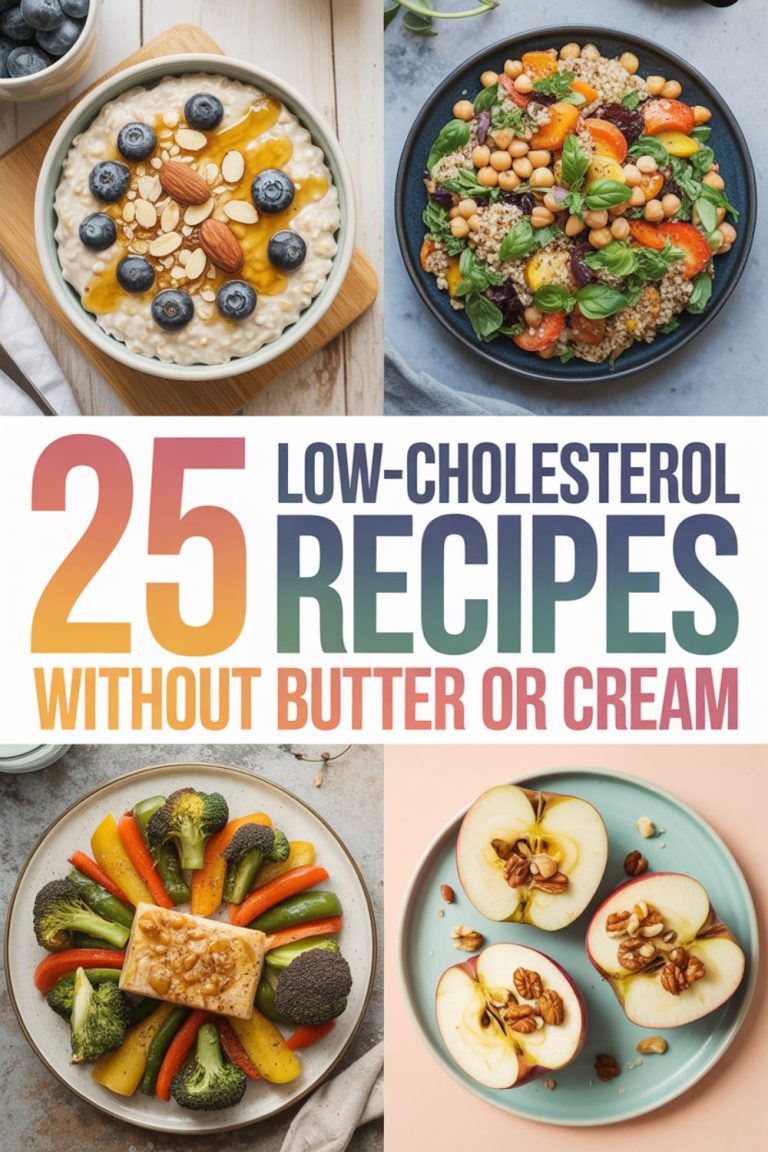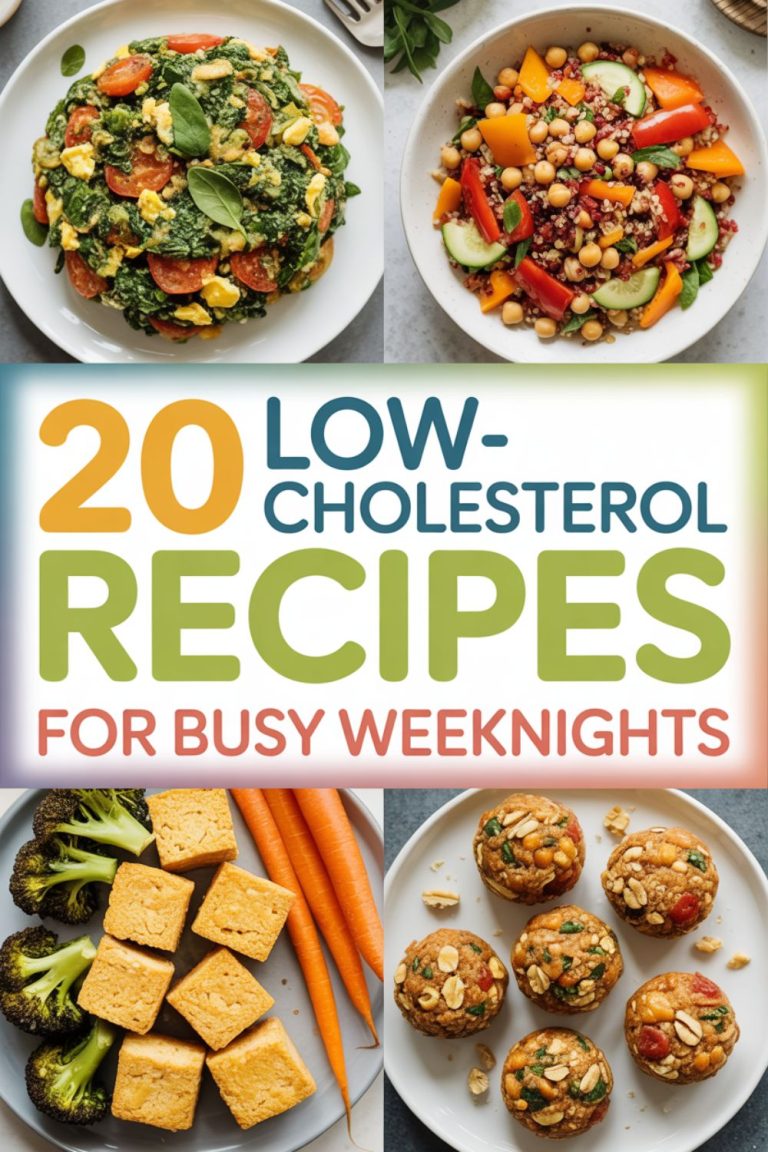


21 Low-Cholesterol One-Pan Dinners for Easy Nights
You know that moment when you realize you have to make dinner, but the thought of dirtying every pot in your kitchen makes you want to order takeout instead? Same. That’s exactly why I fell hard for one-pan dinners. They save my sanity on weeknights and keep my cholesterol in check—turns out you can have both convenience and heart health.
These 21 recipes prove that eating for your heart doesn’t require complicated techniques or a sink full of dishes. I’m talking real food that tastes incredible, uses minimal cleanup, and supports your cardiovascular health. No bland chicken breast with steamed broccoli here. Ready to reclaim your evenings?

Why One-Pan Dinners Work for Heart Health
Let me break down why this cooking method makes so much sense when you’re watching cholesterol. First, one-pan cooking naturally limits added fats. You’re not sautéing in one pan, roasting in another, and finishing in a third—each step adding more oil or butter. You use one measured amount of healthy fat, and that’s it.
Second, this method encourages vegetable-forward meals. When everything roasts together, vegetables become just as appealing as the protein. They caramelize, develop flavor, and honestly taste better than when you steam them separately. I eat way more veggies now simply because they’re delicious, not because I’m forcing myself.
30-Day Cholesterol Reset System
A simple done-for-you plan to help you eat heart-healthy every day without confusion.
Over 1,000 people downloaded this guide
✔ 100 Easy Recipes
✔ Grocery Lists + Meal Prep Guide
🎁 FREE BONUSES:
✔ 7-Day Quick Start Plan
✔ Printable Grocery List
$29 $9
Get Instant AccessThe batch-cooking potential also supports consistent heart-healthy eating. I make these dinners in larger portions, and suddenly I have lunch sorted for the next two days.The American Heart Association emphasizes that consistent healthy eating matters more than occasional perfect meals. One-pan dinners make consistency actually achievable.
Plus, there’s the stress factor. Less stress means lower cortisol, which impacts heart health more than people realize. When dinner doesn’t feel like a production, you’re more likely to cook at home instead of grabbing fast food. That alone makes a massive difference in your cholesterol levels over time.
I use a heavy-duty sheet pan for most of these recipes—the thick ones that don’t warp in high heat. Game-changer for even cooking. My cheap pans used to create hot spots that burned everything on one side while leaving the other side pale.
Chicken-Based Winners
Lemon Herb Roasted Chicken and Vegetables
This recipe saved me during my busiest work weeks. I toss chicken thighs (skinless, obviously) with baby potatoes, Brussels sprouts, and red onion wedges. Everything gets drizzled with olive oil, lemon juice, minced garlic, and fresh thyme. Roast at 425°F for 35-40 minutes until the chicken hits 165°F internally.
The vegetables soak up the chicken juices and lemon, creating this incredible caramelized flavor. I use a meat thermometer with a probe that alerts me when the chicken reaches temp—no more dry, overcooked poultry.
Balsamic Chicken with Asparagus and Cherry Tomatoes
The balsamic vinegar creates a tangy glaze that tastes way fancier than the effort required. Season chicken breasts with salt, pepper, and Italian herbs. Arrange them on a sheet pan with asparagus and halved cherry tomatoes. Drizzle everything with balsamic vinegar and a tablespoon of olive oil. Roast at 400°F for 25 minutes.
The tomatoes burst and create this naturally sweet sauce. Asparagus gets slightly crispy on the edges. The whole thing tastes like you spent an hour cooking when you actually spent 10 minutes prepping.
Mediterranean Chicken Tray Bake
This one’s heavy on the vegetables—exactly what your heart needs. Layer chicken pieces with zucchini, bell peppers, red onion, and Kalamata olives. Sprinkle with oregano, add lemon slices on top, and roast at 425°F for 30-35 minutes.
The olives add a briny punch that elevates everything. Some people worry about sodium in olives, but when you use them for flavor instead of adding salt, the net effect actually works in your favor. Get Full Recipe
Dijon Chicken with Green Beans and New Potatoes
Dijon mustard creates incredible flavor without any cholesterol. I whisk together Dijon, olive oil, minced garlic, and a splash of white wine (or chicken broth). Coat chicken breasts in this mixture, then arrange them with green beans and halved new potatoes. Everything roasts at 400°F for 30 minutes.
The mustard forms a golden crust on the chicken that tastes ridiculously good. Green beans get slightly charred and addictive. I could eat this weekly without getting bored.
If you’re looking for more ways to prepare chicken that support heart health, these low-cholesterol chicken recipes offer tons of variety beyond one-pan methods.
Cajun Chicken with Sweet Potatoes and Broccoli
Cajun seasoning brings serious heat and flavor without adding fat. I coat chicken pieces in Cajun spice (store-bought or homemade), then roast them with sweet potato chunks and broccoli florets at 425°F for 30 minutes. The sweet potatoes balance the spice perfectly.
Sweet potatoes contain soluble fiber that helps lower cholesterol—bonus points for that. Plus they’re naturally sweet enough that kids actually eat them. Mine does, anyway, which feels like a miracle.
Fish and Seafood Options
Sheet Pan Salmon with Roasted Vegetables
Salmon’s omega-3 fatty acids actively lower triglycerides and reduce inflammation. I learned this after my doctor specifically recommended eating fatty fish twice weekly. This recipe makes that advice taste good.
Season salmon fillets with lemon, dill, and a touch of olive oil. Surround them with broccoli, bell peppers, and red onion. Roast at 400°F for 12-15 minutes until the salmon flakes easily. The fish stays incredibly moist using this method.
I buy wild-caught salmon when my budget allows—higher omega-3 content than farmed. But honestly, farmed salmon still beats not eating salmon at all. Don’t let perfect be the enemy of good.
Shrimp and Vegetable Sheet Pan
Shrimp contains cholesterol, but research from Mayo Clinicshows dietary cholesterol impacts blood cholesterol less than saturated fat does. Shrimp has virtually no saturated fat, making it a solid choice for heart health.
Toss shrimp with zucchini, cherry tomatoes, and asparagus. Add olive oil, lemon juice, garlic, and paprika. Roast at 400°F for just 10-12 minutes. Shrimp overcooks fast, so watch closely.
The vegetables need more time than the shrimp, so I give them a 5-minute head start before adding the shrimp. Small detail that makes a big difference in getting everything perfectly cooked.
Cod with Mediterranean Vegetables
Cod provides lean protein without much fat at all. I place cod fillets on a bed of sliced tomatoes, zucchini, and bell peppers. Drizzle with olive oil, sprinkle with oregano and basil, add lemon slices on top. Roast at 400°F for 15-18 minutes.
The tomatoes release moisture that keeps the cod from drying out. This technique works with any white fish—tilapia, halibut, or snapper all perform well. I grab whatever’s on sale and adjust cooking time based on thickness.
Honey-Lime Glazed Salmon with Brussels Sprouts
The glaze combines honey, lime juice, minced garlic, and a pinch of red pepper flakes. I brush it on salmon fillets and roast them alongside halved Brussels sprouts at 400°F for 15 minutes. The honey caramelizes slightly, creating this sweet-tangy crust.
Brussels sprouts get crispy and nutty-tasting when roasted. People who claim to hate them usually just haven’t tried them roasted with proper seasoning. Convert the skeptics with this dish.
For more dinner inspiration that keeps your heart healthy, check out these low-cholesterol dinners that extend beyond one-pan cooking.
Vegetarian Powerhouses
Roasted Chickpea and Vegetable Medley
Chickpeas become crispy and addictive when roasted properly. I toss canned chickpeas (drained and dried) with cubed sweet potatoes, cauliflower florets, and red onion. Season with cumin, paprika, garlic powder, and olive oil. Roast at 425°F for 30-35 minutes, stirring halfway.
The chickpeas provide plant-based protein and fiber that actively lowers cholesterol. They get crunchy on the outside while staying creamy inside. I make extra to snack on cold the next day.
Mediterranean Vegetable Bake
This recipe celebrates vegetables in their prime. Layer eggplant slices, zucchini rounds, tomato slices, and bell pepper strips in a sheet pan. Drizzle with olive oil, sprinkle with oregano and basil, add minced garlic throughout. Roast at 375°F for 35-40 minutes until everything’s tender and caramelized.
The eggplant soaks up flavors like a sponge. I serve this over quinoa or with crusty whole-grain bread for a complete meal. The bread thing might not be traditional, but it works.
Spiced Cauliflower Steaks with Quinoa
I slice cauliflower into thick “steaks” and season them with turmeric, cumin, and paprika. I spread cooked quinoa on a sheet pan, place the cauliflower steaks on top, and roast at 425°F for 25-30 minutes. The quinoa gets slightly crispy underneath while the cauliflower caramelizes.
This meal looks impressive enough for guests but takes minimal effort. The turmeric adds anti-inflammatory properties that support overall cardiovascular health. Plus it turns everything golden and Instagram-worthy, if you care about that sort of thing.
Sweet Potato and Black Bean Fiesta
Mexican-inspired flavors make this ridiculously satisfying. Cube sweet potatoes and toss them with black beans, bell peppers, red onion, and corn. Season with chili powder, cumin, and lime juice. Roast at 425°F for 30 minutes, stirring once halfway through.
I top this with avocado slices, fresh cilantro, and a squeeze of lime before serving. The black beans add protein and soluble fiber—both crucial for cholesterol management. This reheats beautifully for lunch the next day too.
Speaking of plant-based options that support heart health, these low-cholesterol vegetarian meals prove that meatless eating can be genuinely exciting.
Beef and Pork Done Right
Lean Beef Tenderloin with Root Vegetables
Beef gets a bad rap, but lean cuts in moderation fit into a heart-healthy diet. I use beef tenderloin trimmed of all visible fat. Season it simply with rosemary, thyme, garlic, salt, and pepper. Surround it with carrots, parsnips, and red potatoes. Roast at 425°F for 25-30 minutes for medium-rare.
The key? Portion control. I serve 3-4 ounces of meat per person—about the size of a deck of cards. Fill the rest of the plate with those roasted vegetables. This ratio makes a huge difference in keeping saturated fat intake reasonable.
Pork Tenderloin with Apples and Butternut Squash
Pork tenderloin ranks as one of the leanest cuts available—comparable to chicken breast. I season it with sage and thyme, then roast it with sliced apples and cubed butternut squash at 400°F for 25 minutes. The apples caramelize and create a naturally sweet element.
Butternut squash adds fiber and takes on savory flavors beautifully. This combination screams fall comfort food without the cholesterol bomb of traditional holiday dinners. My family requests this constantly from October through March.
Sirloin Tips with Mushrooms and Peppers
I buy sirloin tips already cut—saves time and they’re often cheaper than whole cuts. Toss them with sliced mushrooms, bell peppers, and onions. Season with Worcestershire sauce, garlic, and black pepper. Roast at 450°F for 15-20 minutes, stirring once.
The high heat creates that slightly charred exterior while keeping the meat tender inside. Mushrooms add meaty umami flavor that makes this feel more substantial than it is. Serve over brown rice or quinoa for a complete meal.
Turkey Takes the Stage
Turkey Meatballs with Zucchini and Tomatoes
Ground turkey breast keeps these meatballs lean. I mix ground turkey with breadcrumbs, egg white, Italian herbs, and minced garlic. Form into meatballs and place them on a sheet pan with zucchini chunks and cherry tomatoes. Roast at 400°F for 20-25 minutes.
The meatballs stay incredibly moist when you don’t overcook them. A digital meat thermometer prevents the dreaded dry turkey situation—cook them to exactly 165°F, no higher.
Herb-Crusted Turkey Breast with Green Beans
Turkey breast offers lean protein that rivals chicken. I coat a turkey breast tenderloin in a mixture of panko breadcrumbs, dried herbs, and a bit of olive oil. Arrange it on a pan with green beans and roast at 375°F for 25-30 minutes.
The breadcrumb coating adds texture and flavor without deep frying. Green beans get slightly crispy and pick up all the herbs that fall off the turkey. Simple but seriously satisfying.
Turkey Sausage with Peppers and Onions
I buy lean turkey sausage—check labels for lower saturated fat content. Slice the sausages and roast them with bell peppers, onions, and small potato wedges at 425°F for 25-30 minutes. Everything caramelizes together in the best way.
This tastes like something you’d get at a summer festival, except it actually supports your heart health goals. Serve it in whole-grain rolls or over pasta—your call.
The Essential Tools and Techniques
Pans That Actually Work
Not all sheet pans deserve counter space. I learned this after ruining three dinners on flimsy pans that warped in the oven. Heavy-gauge aluminum sheet pans distribute heat evenly and last forever. The difference in cooking results alone justifies spending more upfront.
Cast iron skillets work beautifully for one-pan dinners too. They go from stovetop to oven seamlessly. I sear proteins first, then add vegetables and roast everything together. The searing creates incredible flavor that you can’t get from roasting alone.
For easy cleanup, I line pans with parchment paper or use silicone baking mats. Both prevent sticking without added fat. The silicone mats last years and save money on parchment paper—paid for themselves within months.
Temperature Matters
Most of these recipes roast at 400-425°F. This temperature range caramelizes vegetables while cooking proteins through. Too low and everything steams instead of roasts. Too high and the outside burns before the inside cooks.
I preheat my oven thoroughly—at least 15 minutes. Putting food in a cold oven messes with cooking times and texture. The few extra minutes of waiting prevents disappointing results.
Cutting Vegetables Uniformly
This sounds basic, but uniform pieces cook evenly. When you have tiny carrot chunks mixed with huge potato wedges, some pieces burn while others stay raw. I aim for roughly one-inch pieces for most vegetables.
The exception? Leafy greens and quick-cooking vegetables like cherry tomatoes. Add these halfway through or they’ll turn to mush. I set a timer on my phone so I don’t forget—happened way too many times before I started doing this.
Oil Distribution Technique
I used to pour oil directly from the bottle, which led to oil puddles and dry spots. Now I use a oil mister that distributes a fine spray evenly across everything. Uses less oil while coating food better.
When I don’t feel like dealing with the mister, I toss everything in a large bowl with oil before spreading it on the pan. Either method beats random pouring. Less oil means lower calories and fat without sacrificing flavor or browning.
Spacing for Success
Crowding the pan causes steaming instead of roasting. I leave space between pieces so hot air circulates. When I need to cook larger batches, I use two pans rather than cramming everything onto one.
The second pan goes on a different oven rack—rotate them halfway through for even cooking. FYI, this makes a noticeable difference in how well everything browns and caramelizes.
Flavor Without the Fat
Acids Are Your Friend
Lemon juice, lime juice, vinegar, and wine add brightness without fat or cholesterol. They also help tenderize proteins naturally. I finish most dishes with a squeeze of fresh citrus right before serving—wakes up all the flavors.
Balsamic vinegar reduces into a sweet glaze when roasted. Red wine vinegar adds tang. Apple cider vinegar works in fall-inspired dishes. Each brings different character without impacting your cholesterol numbers.
Herb Power
Fresh herbs transform simple roasted vegetables into something memorable. Rosemary, thyme, oregano, basil, and parsley all withstand high heat. I grow them in pots on my kitchen windowsill—cheaper than buying them and always available.
Dried herbs work fine too, but use less—they’re more concentrated. One tablespoon of fresh herbs equals roughly one teaspoon dried. I learned this ratio after accidentally making several batches of aggressively herby dinners.
Aromatics Make Everything Better
Garlic, onions, shallots, and ginger add depth to one-pan meals. I mince garlic and sprinkle it throughout vegetables before roasting. Onions caramelize and sweeten. Shallots split the difference between garlic and onions.
Fresh ginger works beautifully in Asian-inspired sheet pan dinners. I grate it finely—a microplane zester makes this effortless and prevents the stringy bits that ruin texture.
Spice Blends Save Time
I keep several spice blends on hand: Italian seasoning, Cajun mix, curry powder, and taco seasoning. They deliver complex flavor in seconds. Check labels for added salt and adjust your seasoning accordingly—some blends are sodium bombs.
Making your own blends lets you control salt content. I mix batches in small spice jars and label them. Takes 10 minutes once a month and saves money compared to buying premade versions.
For more ideas on keeping your entire meal plan heart-healthy and delicious, these low-cholesterol meals show you how to balance nutrition with actual enjoyment.
Meal Prep and Storage
Batch Cooking Strategy
Sunday afternoons mean batch cooking in my kitchen. I prepare two or three one-pan dinners, portion them into containers, and suddenly I have healthy dinners and lunches all week. This habit dropped my cholesterol more than anything else because I stopped defaulting to takeout.
I use glass meal prep containers with divided compartments. The protein goes in one section, vegetables in the other. Separating them prevents soggy reheated food. Glass microwaves better than plastic and doesn’t absorb smells or stains.
Reheating Without Drying Out
Most one-pan dinners reheat well, but technique matters. I add a tablespoon of water or broth to the container before microwaving. Cover it loosely—this creates steam that prevents drying. Microwave on 70% power instead of full blast.
Alternatively, reheat in a toaster oven at 350°F for 10-15 minutes. Takes longer but restores the slightly crispy texture that microwave reheating can’t achieve. Worth it when you have time.
Freezer-Friendly Options
Most of these recipes freeze successfully for up to three months. I let food cool completely, then freeze in portioned containers. Label everything with contents and date—future you will appreciate this when staring into a freezer full of mystery containers.
Thaw in the refrigerator overnight before reheating. Don’t refreeze previously frozen food—this degrades texture and potentially creates food safety issues. Just basic food handling, but worth mentioning.
Smart Grocery Shopping
I keep a running list of staples: olive oil, garlic, onions, lemons, herbs, and various vegetables. This list prevents those 6 PM moments when you realize you’re missing a crucial ingredient. I shop twice weekly—once for staples, once for proteins and fresh produce.
Buying proteins on sale and freezing them saves serious money. Chicken thighs, ground turkey, and salmon all freeze beautifully. I divide them into single-meal portions before freezing so I can grab exactly what I need.
If you’re serious about preparing balanced, heart-healthy meals efficiently, these low-cholesterol meal prep ideas break down the entire process step by step.
Making It Work for Your Life
Adjusting for Dietary Needs
These recipes adapt easily for various restrictions. Gluten-free? Skip breadcrumbs or use gluten-free versions. Dairy-free? They already are. Low-sodium? Control the salt yourself instead of using packaged seasonings.
Vegetarian versions work by swapping proteins for chickpeas, tofu, or tempeh. I press tofu first to remove excess moisture—it crisps up better that way. A tofu press does this job perfectly, but wrapping tofu in towels and weighing it down works too.
Scaling Recipes
Most recipes scale easily for couples or families. Cut ingredients in half for two people, or double them for meal prep. The cooking time stays roughly the same—just check for doneness rather than relying solely on times.
Larger batches might need two pans to avoid overcrowding. This feels like extra work, but it’s still faster and easier than cooking multiple separate meals throughout the week.
Kid-Friendly Modifications
My kid eats these dinners without complaint, which honestly shocked me initially. The key? Let kids pick one vegetable to include. When they feel involved, they’re more likely to eat it.
I also cut vegetables smaller for little mouths and tone down strong spices. Kids’ palates develop over time—introducing flavors gradually works better than forcing adult-level seasoning.
Budget-Conscious Shopping
One-pan dinners actually save money compared to both eating out and buying multiple ingredients for complicated recipes. I plan meals around sales—chicken on sale this week means multiple chicken-based recipes.
Frozen vegetables cost less than fresh and work perfectly in roasted dishes. I keep bags of frozen broccoli, Brussels sprouts, and green beans stocked. Same nutrients, fraction of the price, zero waste from spoilage.
Related Recipes You’ll Love
Looking for more ways to keep your meals heart-healthy without spending hours in the kitchen? Here are some collections that complement these one-pan dinners perfectly:
Beyond Dinner: Start your day right with these low-cholesterol breakfast ideas that set a healthy tone for the entire day.
Midday Solutions: Keep your momentum going with these low-cholesterol lunches that taste nothing like typical diet food.
Comfort in a Bowl: When you crave something warm and comforting, these low-cholesterol soups and stews deliver satisfaction without compromise.
Snack Smart: Bridge the gap between meals with these low-cholesterol snacks that actually keep you satisfied.
Sweet Endings: Yes, you can still enjoy dessert while managing cholesterol. These low-cholesterol desserts prove it deliciously.
The Bottom Line on Easy Dinners
Here’s what I’ve learned after a year of one-pan cooking: convenience and health don’t have to compete. These dinners take less time than driving to pick up takeout, cost less than restaurant meals, and actively support your cardiovascular health goals. That’s a pretty solid triple win.
The minimal cleanup factor changed my relationship with cooking. I used to dread facing a sink full of pots after eating. Now I toss a sheet pan and maybe a cutting board in the dishwasher and call it done. This psychological shift matters more than you’d think—cooking feels manageable instead of overwhelming.
My cholesterol numbers improved significantly after making one-pan dinners a regular habit. The combination of more vegetables, appropriate portions, and less saturated fat added up over time. No single meal fixed everything, but consistent healthy eating made measurable progress.
IMO, the best part is how these recipes actually taste. I don’t feel deprived or like I’m choking down “health food.” I look forward to dinner because these meals deliver real flavor and satisfaction. Sustainable healthy eating has to taste good, or it simply won’t stick.
Start with three recipes that sound appealing. Make them a few times until you get comfortable with the technique. Then branch out to others. Within a month, you’ll have a solid rotation of reliable dinners that support your heart health without demanding your entire evening. Your future self—and your arteries—will thank you for it.
30-Day Cholesterol-Lowering Meal Plan
A simple step-by-step system to help you eat heart-healthy every day without stress.
Over 1,000 people downloaded this guide
$29$9
Get Instant Access