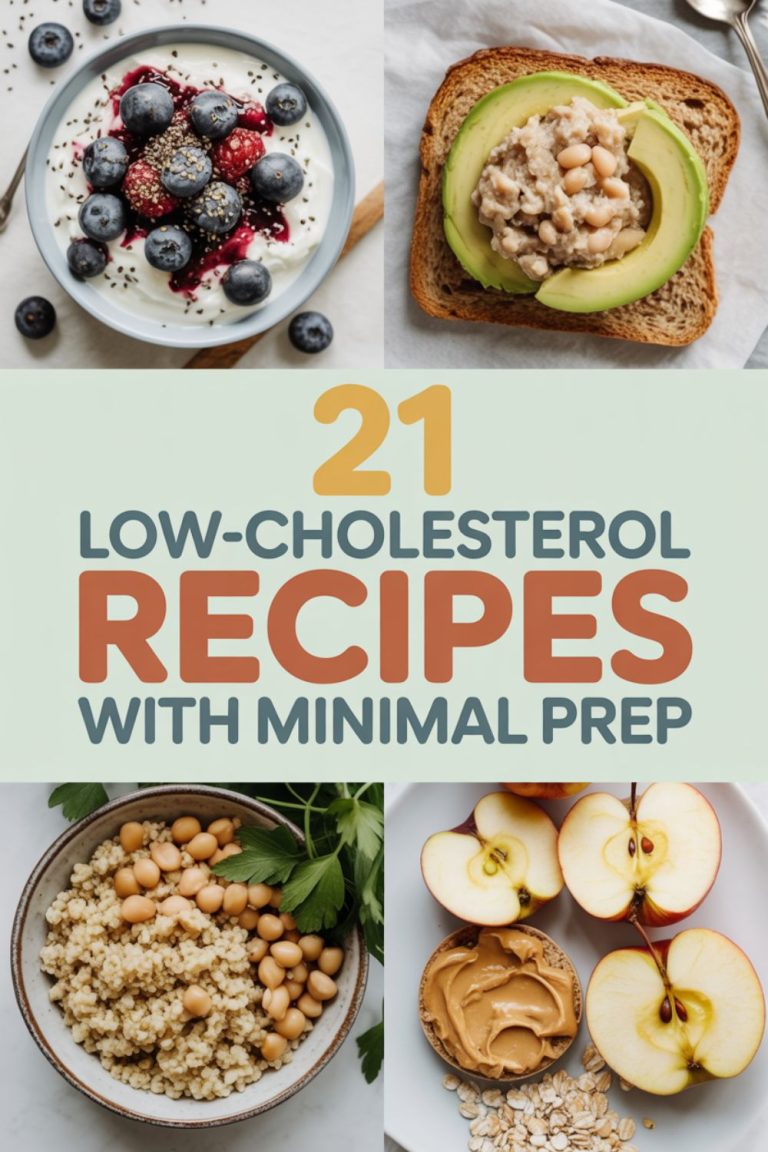

25 Heart Healthy Breakfasts for a Stronger Start
Look, I get it. Mornings are chaotic. Between hitting snooze three times, convincing yourself your hair doesn’t look that bad, and pretending you can find matching socks, who has time to worry about heart health? But here’s the thing: starting your day with a heart-healthy breakfast doesn’t just help your ticker—it sets the tone for better choices all day long.
We’re talking about breakfasts that lower cholesterol, support healthy blood pressure, and give you actual energy instead of that weird jittery feeling followed by a 10 AM crash. No weird supplements. No expensive superfoods you can’t pronounce. Just straightforward, delicious food that your heart will thank you for.

Why Your Heart Cares What You Eat in the Morning
Before we dive into recipes, let’s talk about why breakfast matters for your heart. Studies show that people who skip breakfast have a higher risk of cardiovascular disease. Your body’s been fasting all night, and what you break that fast with sends signals throughout your entire system.
The American Heart Association points out that eating breakfast regularly can help with weight management, lower cholesterol levels, and improve blood pressure. According to Mayo Clinic research, foods rich in soluble fiber—like oats—contain beta-glucan, which actively lowers both glucose and cholesterol levels in your blood.
30-Day Cholesterol Reset System
A simple done-for-you plan to help you eat heart-healthy every day without confusion.
Over 1,000 people downloaded this guide
✔ 100 Easy Recipes
✔ Grocery Lists + Meal Prep Guide
🎁 FREE BONUSES:
✔ 7-Day Quick Start Plan
✔ Printable Grocery List
$29 $9
Get Instant AccessThink of it this way: your heart is a muscle that never stops working. Feed it junk, and it struggles. Feed it whole grains, healthy fats, and lean proteins, and it runs like a well-oiled machine. Not rocket science, just basic biology.
The Building Blocks of a Heart-Healthy Breakfast
Not all breakfasts are created equal. A heart-healthy morning meal should include a few key components that work together like a well-rehearsed band. Skip one element and the whole thing falls flat.
Soluble Fiber: Your Cholesterol’s Worst Enemy
Soluble fiber is like a tiny cleanup crew in your digestive system. It binds to cholesterol and ushers it out of your body before it can clog up your arteries. Cleveland Clinic notes that eating just one and a half cups of cooked oatmeal daily can lower your cholesterol by 5 to 8 percent.
Best sources for breakfast? Oats, barley, chia seeds, flaxseeds, and fruits like apples and pears. I keep a big container of steel-cut oats in my pantry because they’re cheaper than therapy and probably more effective.
Healthy Fats That Don’t Deserve the Bad Rap
Fat isn’t the enemy—the wrong kind of fat is. Your heart actually loves monounsaturated and polyunsaturated fats. Avocados, nuts, seeds, and olive oil all fall into this category. They help lower bad cholesterol while maintaining the good stuff.
I use extra virgin olive oil for basically everything. Toast? Drizzle of olive oil and sea salt. Scrambled eggs? Olive oil. Random Tuesday existential crisis? Olive oil won’t fix it, but it won’t make it worse either.
Protein: The Staying Power You Actually Need
Protein keeps you full and prevents that mid-morning stomach growl that leads to questionable vending machine choices. Greek yogurt, eggs, lean turkey, beans, and nuts all provide quality protein without the saturated fat overload.
Speaking of eggs, the debate about whether they’re good or bad for your heart has flip-flopped more times than a politician before an election. Current research suggests one to two eggs daily is fine for most people, especially when you’re not pairing them with bacon and buttery hash browns.
Looking for more protein-packed options? Check out these low-cholesterol high-protein meals that keep you satisfied without the arterial baggage.
25 Heart-Healthy Breakfast Ideas That Actually Taste Good
1. Classic Steel-Cut Oatmeal with Berries and Walnuts
Let’s start with the OG of heart-healthy breakfasts. Steel-cut oats take longer to cook than instant oats, but they have more fiber and keep you fuller longer. Top with fresh blueberries (antioxidant powerhouses), crushed walnuts (omega-3s), and a drizzle of honey.
I use my slow cooker to make a big batch on Sunday night. Set it before bed, wake up to breakfast that’s already done. It’s like having a personal chef who works for the cost of electricity.
2. Overnight Oats with Chia Seeds
For those mornings when you can barely remember your own name, let alone cook anything. Mix rolled oats, chia seeds, almond milk, and your choice of fruit in a jar the night before. By morning, it’s ready to grab and go.
The chia seeds add omega-3s and extra fiber. They also absorb liquid and create this pudding-like texture that somehow makes eating healthy feel indulgent. Get Full Recipe.
3. Avocado Toast on Whole Grain Bread
Yes, millennials were right about something. Avocado toast is legitimately good for your heart. The monounsaturated fats in avocado help lower LDL cholesterol while the whole grain bread provides fiber.
I like to mash the avocado with a fork, add a pinch of sea salt and red pepper flakes, and top with a perfectly poached egg. Use a silicone egg poacher if you want to avoid the whole “swirling water vortex” drama.
4. Greek Yogurt Parfait with Almonds and Berries
Plain Greek yogurt (not the sugar-loaded flavored stuff) layered with fresh berries and sliced almonds. The protein from yogurt, antioxidants from berries, and healthy fats from almonds make this a triple threat.
Store your parfaits in small mason jars for easy grab-and-go breakfasts. Layer them the night before and thank yourself in the morning when you’re half-asleep and questioning all your life choices.
5. Veggie-Packed Egg White Omelet
Load up egg whites with spinach, tomatoes, mushrooms, and bell peppers. If you want some flavor beyond “sad and healthy,” add fresh herbs like basil or cilantro. A sprinkle of feta cheese won’t kill you—just go easy.
For more egg-based breakfast inspiration, these low-cholesterol breakfasts under 300 calories prove you don’t have to choose between taste and heart health.
“I started eating overnight oats every morning instead of grabbing fast food, and my cholesterol dropped 30 points in three months. My doctor actually asked what I was doing differently. Turns out chia seeds are cheaper than statins.” — Jessica M., community member
6. Whole Grain Toast with Almond Butter and Banana
Simple doesn’t mean boring. Whole grain bread toasted, smeared with almond butter, topped with banana slices. The potassium in bananas helps regulate blood pressure, while almond butter provides healthy fats and protein.
I keep natural almond butter in my pantry—the kind where the oil separates on top and you have to stir it. Yes, it’s annoying. Yes, it’s worth it. No palm oil, no added sugar, just almonds doing their thing.
7. Smoked Salmon and Cream Cheese on Whole Wheat Bagel
Swap the regular cream cheese for a light version, use a whole wheat bagel, and pile on the smoked salmon. Salmon is loaded with omega-3 fatty acids that reduce inflammation and support heart health.
Add capers, red onion, and tomato slices if you’re feeling fancy. This is the breakfast that makes you feel like you have your life together, even if you definitely don’t.
8. Spinach and Mushroom Scramble
Sauté mushrooms and spinach in a tiny bit of olive oil, then scramble in whole eggs or egg whites. Mushrooms add an umami depth that makes this taste way better than it sounds on paper. Season with garlic powder and black pepper.
9. Quinoa Breakfast Bowl
Cook quinoa in almond milk instead of water for extra creaminess. Top with berries, a handful of nuts, and a drizzle of maple syrup. Quinoa has all nine essential amino acids, making it a complete protein.
Quinoa for breakfast might sound weird if you’re used to thinking of it as a grain for dinner, but trust me on this one. It’s like oatmeal’s more sophisticated cousin who studied abroad.
10. Berry and Spinach Smoothie Bowl
Blend frozen berries, a handful of spinach, banana, and almond milk until thick. Pour into a bowl and top with granola, chia seeds, and fresh fruit. Eating a smoothie with a spoon somehow feels more substantial than drinking it.
Use a high-powered blender unless you enjoy the texture of chunky spinach bits. Some experiences in life are worth avoiding.
If smoothies are your jam, you’ll love these low-cholesterol smoothies and juices designed specifically for heart health.
11. Whole Grain Pancakes with Fresh Fruit
Make pancakes with whole wheat flour, add mashed banana to the batter for natural sweetness, and top with fresh berries instead of syrup. Or use a tiny drizzle of real maple syrup—I’m not a monster.
Batch-cook these on the weekend and freeze them. Pop them in the toaster on busy mornings for homemade pancakes faster than you can say “processed breakfast food.”
12. Apple Cinnamon Overnight Oats
Combine rolled oats, diced apple, cinnamon, and a splash of vanilla extract in almond milk. The cinnamon adds flavor without sugar and may help regulate blood sugar levels. Get Full Recipe.
13. Cottage Cheese with Pineapple and Walnuts
Low-fat cottage cheese topped with fresh pineapple chunks and crushed walnuts. The enzyme bromelain in pineapple aids digestion, and cottage cheese packs serious protein.
I know cottage cheese gets a bad rap for looking weird, but close your eyes and focus on the taste. Or just accept that some healthy foods won’t win beauty contests.
14. Sweet Potato Hash with Turkey Sausage
Dice sweet potatoes and cook them until crispy with lean turkey sausage, bell peppers, and onions. Sweet potatoes are high in fiber and potassium, both excellent for heart health.
Season this with smoked paprika and you’ve got breakfast that tastes like you tried, even if you were half-asleep while making it.
15. Buckwheat Pancakes with Blueberry Compote
Buckwheat isn’t actually wheat—it’s a seed that’s gluten-free and rich in fiber. Make pancakes with buckwheat flour and top with a simple blueberry compote (just simmer blueberries with a touch of honey).
16. Tofu Scramble with Veggies
Crumble firm tofu and sauté with turmeric, nutritional yeast, and whatever vegetables you have lying around. The turmeric gives it an egg-like color and has anti-inflammatory properties.
This is the breakfast that makes omnivores realize plant-based eating doesn’t have to taste like punishment. For more plant-forward options, try these low-cholesterol vegetarian meals that’ll make you forget about bacon (almost).
17. Whole Grain Waffles with Nut Butter
Use whole grain flour in your waffle batter and top with almond or peanut butter instead of butter and syrup. Add sliced strawberries for natural sweetness and vitamin C.
Invest in a good waffle maker that has a nonstick coating. Life’s too short to spend 20 minutes chiseling waffle remnants out of small squares.
18. Green Smoothie with Kale and Mango
Blend kale, frozen mango, banana, and coconut water. The mango sweetness masks the kale completely. Add a tablespoon of ground flaxseed for omega-3s and extra fiber.
19. Egg and Vegetable Breakfast Burrito
Scrambled eggs wrapped in a whole wheat tortilla with black beans, salsa, and sliced avocado. Black beans add protein and fiber, making this filling enough to power you through the morning.
Prep these in advance, wrap them in foil, and freeze. Microwave for two minutes and you’ve got a homemade breakfast burrito that puts fast food to shame.
20. Oat Bran Porridge with Figs and Almonds
Oat bran has even more fiber than regular oats. Cook it with almond milk, top with dried figs and sliced almonds. Figs provide natural sweetness and additional fiber.
21. Whole Grain English Muffin with Hummus and Cucumber
This savory option breaks the sweet breakfast monotony. Toast a whole grain English muffin, spread with hummus, and top with cucumber slices and a sprinkle of everything bagel seasoning.
The chickpeas in hummus provide plant-based protein and fiber. Plus, eating vegetables for breakfast makes you feel like a responsible adult, even if you’re wearing pajamas at noon.
22. Barley Breakfast Bowl
Cook pearl barley in vegetable broth, top with sautéed mushrooms, a poached egg, and fresh herbs. Barley is rich in beta-glucan fiber, just like oats, making it excellent for cholesterol management.
23. Chia Seed Pudding with Berries
Mix chia seeds with almond milk and let it sit overnight. The seeds expand and create a pudding texture. Top with fresh berries and a sprinkle of coconut flakes. Get Full Recipe.
Keep chia seeds in your pantry for emergencies. They last forever and turn into breakfast with minimal effort.
24. Veggie-Loaded Frittata Slice
Make a big frittata on Sunday with eggs, spinach, tomatoes, and bell peppers. Cut into slices and refrigerate. Grab a slice each morning and heat it up. It’s like meal prep but make it Mediterranean.
For more make-ahead breakfast ideas, these low-cholesterol meal prep ideas will save your mornings and your sanity.
25. Muesli with Fresh Apple and Yogurt
Muesli is like granola’s less sweet, more sophisticated sibling. Mix raw oats, nuts, seeds, and dried fruit. Top with grated apple and plain yogurt. The combination provides protein, fiber, and healthy fats.
Make a big batch of homemade muesli and store it in an airtight container. It’ll last for weeks and tastes infinitely better than the boxed stuff.
Kitchen Tools That Make Heart-Healthy Breakfasts Easier
Look, you don’t need a kitchen full of gadgets to eat well. But a few key tools make the difference between “I’ll just skip breakfast” and “I actually made something nutritious.” Here’s what actually gets used in my kitchen instead of collecting dust.
- High-Powered Blender – For smoothies that don’t taste like you’re chewing spinach
- Slow Cooker – Set it overnight, wake up to steel-cut oats that are already done
- Glass Meal Prep Containers – Overnight oats, chia pudding, parfaits—prep once, eat all week
- Meal Planning App Subscription – Takes the guesswork out of “what am I eating this week”
- Heart-Healthy Recipe E-Book Collection – Digital cookbook with nutritional info already calculated
- Grocery List Template – Organized by store section, saves you from aimless wandering and impulse buys
These aren’t necessities, but they’re the tools that actually make healthy eating sustainable. The blender gets used daily. The meal prep containers prevent the “I have nothing to eat” panic that leads to drive-thrus. And yes, the slow cooker is worth the cabinet space it takes up.
Making It Work When Life Gets Messy
Here’s the truth nobody wants to admit: you’re not going to eat a perfect heart-healthy breakfast every single day. Some mornings you’ll oversleep. Some mornings the kids will be chaos incarnate. Some mornings you’ll look at your kitchen and think “absolutely not.”
That’s fine. The goal isn’t perfection—it’s making better choices more often. Even grabbing plain Greek yogurt and an apple is better than the vending machine doughnut. Even instant oatmeal with fruit is better than skipping breakfast entirely.
Batch cooking is your friend. Make a big pot of steel-cut oats on Sunday. Prep overnight oats in jars. Bake a frittata and slice it up. Cook a batch of whole grain waffles and freeze them. When morning hits and your brain isn’t fully functional, you need options that require minimal decision-making.
The Breakfast Foods Your Heart Could Do Without
Let’s talk about what not to eat. You probably already know this, but I’m going to say it anyway because someone needs to. Bacon every morning isn’t doing you any favors. Neither is the sausage. Or the butter-soaked pastries. Or the sugary cereal marketed with cartoon characters.
Processed breakfast meats are loaded with saturated fat and sodium. Regular consumption is linked to increased cardiovascular disease risk. Does that mean you can never have bacon again? No. It means bacon shouldn’t be a daily occurrence.
Store-bought muffins and pastries are basically cake disguised as breakfast food. They’re packed with refined flour, sugar, and often contain trans fats (even after the FDA tried to ban them—check those ingredient labels).
Even seemingly healthy options can be problematic. Instant oatmeal packets with flavor names like “cinnamon sugar explosion” usually contain more sugar than a cookie. Flavored yogurts are similarly loaded with added sugars. Read labels. Be skeptical of health claims on packaging.
If you’re looking to completely revamp your approach, check out these foods that naturally lower cholesterol and start building meals around them. For comprehensive guidance, these low-cholesterol recipes that support heart health cover every meal of the day.
“I thought eating for heart health meant giving up everything I enjoyed. Then I discovered I actually prefer whole grain waffles with almond butter over the frozen Eggos I’d been eating. Who knew healthy food could taste better?” — Marcus T., community member
Beyond the Food: What Else Matters
A heart-healthy breakfast is important, but it’s not the whole story. You can eat perfect oatmeal every morning and still do damage if the rest of your day is a trainwreck.
Physical activity matters. You don’t need to become a marathon runner, but moving your body regularly helps your heart function better. Even a 20-minute walk makes a difference.
Stress management matters. Chronic stress elevates cortisol, which increases blood pressure and contributes to inflammation. Find something that helps you decompress, whether that’s meditation, therapy, or just sitting quietly without your phone for ten minutes.
Sleep matters. Poor sleep affects everything from blood pressure to cholesterol levels. If you’re regularly getting less than seven hours, that’s something to address.
And obviously, smoking is terrible for your heart. If you smoke, quit. I know that’s easier said than done, but it’s worth saying anyway.
Want to expand your heart-healthy eating beyond breakfast? Start with these low-cholesterol dinners you’ll actually want to make again and these low-cholesterol lunches that keep you full.
The Meal Timing Question
Some people swear by eating breakfast immediately upon waking. Others prefer waiting a few hours. Intermittent fasting has become trendy, with some people skipping breakfast entirely.
The research on this is mixed. What seems clear is that regularly skipping breakfast is associated with increased cardiovascular risk. But whether you eat at 6 AM or 10 AM probably matters less than whether you eat at all and what you choose to eat.
Listen to your body. If you’re genuinely not hungry in the morning, forcing yourself to eat might not be helpful. But if you’re skipping breakfast because you’re rushed or you think it’ll help you lose weight, that’s different.
For most people, eating something reasonably nutritious within a few hours of waking up is beneficial. It stabilizes blood sugar, prevents overeating later in the day, and gives your body the fuel it needs to function.
Budget-Friendly Heart Health
Eating for heart health doesn’t require shopping at expensive grocery stores or buying exotic ingredients. Oats are cheap. Eggs are cheap. Bananas are cheap. Frozen berries are often cheaper than fresh and just as nutritious.
Buying in bulk saves money. A big container of rolled oats costs less per serving than individual instant oatmeal packets. A jar of natural peanut butter is cheaper than single-serve almond butter packets.
Seasonal produce is cheaper and tastes better. Berries in summer, apples in fall, citrus in winter. Work with what’s available and affordable instead of forcing yourself to buy out-of-season fruit at premium prices.
If budget is tight, prioritize whole grains and legumes—they’re inexpensive and incredibly nutritious. Add whatever fruits and vegetables you can afford. Even small amounts of produce count.
These lazy low-cholesterol meals for busy people prove that eating well doesn’t require hours in the kitchen or a massive grocery budget. Sometimes the simplest approach works best.
Frequently Asked Questions
Can I eat eggs if I have high cholesterol?
Current research suggests that dietary cholesterol from eggs has less impact on blood cholesterol than previously thought for most people. The American Heart Association indicates that one to two eggs daily can be part of a healthy diet. The bigger concern is what you eat with the eggs—skip the bacon and buttery toast. That said, if you have specific health conditions or concerns, talk to your doctor about what’s right for you.
How long does it take for heart-healthy eating to make a difference?
Some changes happen quickly—you might feel more energized within days. For measurable changes like cholesterol levels, expect to wait at least a few months of consistent healthy eating. Most studies showing cholesterol improvements involve at least 8-12 weeks of dietary changes. Don’t get discouraged if you don’t see instant results; your heart is playing the long game.
Is oatmeal really that good for heart health, or is it just hype?
Oatmeal’s heart benefits are well-documented, not just marketing. The beta-glucan fiber in oats actively binds to cholesterol in your digestive system and helps remove it from your body. Cleveland Clinic research shows that 1.5 cups of cooked oatmeal daily can lower cholesterol by 5-8%. The key is eating plain oats, not the sugar-loaded instant packets marketed as “heart healthy.”
What if I don’t have time to cook breakfast every morning?
Meal prep is your solution. Overnight oats take five minutes to prepare the night before. Make a big batch of steel-cut oats in a slow cooker and reheat portions throughout the week. Bake egg muffins or frittatas on Sunday and grab them all week. Keep backup options like plain Greek yogurt, fresh fruit, and whole grain toast available for truly chaotic mornings. Something quick and reasonably healthy beats skipping breakfast entirely.
Are plant-based breakfast options better for heart health than ones with animal products?
Plant-based breakfasts tend to be lower in saturated fat and higher in fiber, which generally supports heart health. However, the quality of your food matters more than whether it’s plant-based or not. A breakfast of white toast with margarine and orange juice isn’t healthier than Greek yogurt with berries just because it’s plant-based. Focus on whole grains, fruits, vegetables, and healthy fats regardless of whether you include eggs, dairy, or other animal products.
Start Where You Are
Here’s my final piece of advice: don’t try to overhaul everything at once. That’s how people get overwhelmed and give up entirely. Pick one or two breakfast ideas from this list that actually sound appealing and start there.
Maybe you swap your sugary cereal for plain oatmeal with fruit. Maybe you try overnight oats one or two mornings a week. Maybe you just add some berries to your existing yogurt. Small changes add up over time, and they’re much more sustainable than trying to become a different person overnight.
Your heart has been working nonstop since before you were born. It’s going to keep working until the day you die. The least you can do is feed it properly, starting with breakfast. Not every morning will be perfect, and that’s okay. Progress, not perfection, is the goal.
The recipes and ideas here give you options. Use what works for your schedule, your budget, and your taste preferences. Ignore what doesn’t. The best heart-healthy breakfast is the one you’ll actually eat consistently, not the one that sounds most impressive on paper.
And for those mornings when you just can’t—when you’re running late, or stressed, or the kitchen is a disaster—give yourself some grace. One less-than-ideal breakfast won’t undo all your progress. It’s the pattern of choices over weeks and months that matters.
Now go eat something that doesn’t make your arteries cry. Your future self will thank you for it.
30-Day Cholesterol-Lowering Meal Plan
A simple step-by-step system to help you eat heart-healthy every day without stress.
Over 1,000 people downloaded this guide
$29$9
Get Instant Access