25 Heart Healthy Meals You Can Make Fast
Let’s get real for a second—heart health sounds important until you’re staring at a Tuesday night with zero energy and a fridge that’s mostly condiments. You know you should eat better, but who has time to decipher nutrition labels or spend an hour chopping vegetables?
Here’s the thing: eating for your heart doesn’t mean sacrificing flavor or spending your entire evening in the kitchen. I’ve pulled together 25 meals that actually taste good, come together quickly, and happen to be great for your cardiovascular system. No weird ingredients. No complicated techniques. Just real food that works.
Whether you’re dealing with high cholesterol, trying to support overall heart health, or just want to feel better without overthinking every meal, these recipes have your back. And yeah, some of them are sneaky delicious—like, you won’t even realize they’re “healthy” until someone points it out.
Why Fast Meals Matter for Heart Health
The biggest mistake people make with heart-healthy eating? They assume it requires elaborate meal prep and exotic ingredients. That mindset lasts about three days before you’re back to ordering takeout.
Speed matters because consistency beats perfection every single time. You’re way better off making a simple 15-minute salmon dish three times a week than planning some elaborate weekend cooking project that never actually happens. According to the American Heart Association, sustainable dietary patterns that emphasize whole foods are what actually move the needle on cardiovascular health—not occasional perfect meals surrounded by weeks of whatever’s convenient.
Plus, the faster you can get a nutritious meal on the table, the less likely you are to bail and grab something that’s swimming in saturated fat and sodium. It’s not about willpower; it’s about removing friction from the process.
Prep your vegetables on Sunday night. Future you will be incredibly grateful when you can throw together a stir-fry in 10 minutes on a random Wednesday.
Quick Breakfast Options That Don’t Spike Your Cholesterol
Breakfast gets tricky because most convenient options are terrible for your heart. Pastries, processed cereals, bacon and eggs—they’re everywhere, and they’re not doing your arteries any favors.
Overnight Oats with Berries and Walnuts
This one’s embarrassingly simple. Mix oats with almond milk, throw in some chia seeds, top with berries and walnuts, and stick it in the fridge. You literally do this the night before and grab it on your way out the door. The soluble fiber in oats helps lower LDL cholesterol, and the walnuts add omega-3s without you having to think about it. Get Full Recipe
I use this set of mason jars for overnight oats because they seal properly and don’t leak in your bag. Nothing worse than oat milk all over your laptop.
Avocado Toast with Tomatoes (But Make It Right)
Yeah, I know—avocado toast is played out. But hear me out. If you use whole grain bread, mash the avocado with a little lemon juice and garlic, and top it with fresh tomatoes and a sprinkle of hemp seeds, you’ve got a legitimately heart-healthy meal that takes about five minutes. The monounsaturated fats in avocado actually help reduce bad cholesterol levels.
For more morning inspiration, check out these low-cholesterol breakfast ideas or these breakfasts under 300 calories that keep you satisfied without weighing you down.
Greek Yogurt Bowl with Flax and Fruit
Plain Greek yogurt (not the flavored stuff loaded with sugar) topped with ground flaxseed, fresh fruit, and a drizzle of honey. That’s it. The protein keeps you full, the flax adds fiber and omega-3s, and it takes approximately 90 seconds to assemble. I grind my flax in this little coffee grinder because whole flaxseeds just pass right through your system undigested.
Lightning-Fast Lunch Ideas
Lunch is where a lot of people struggle because you’re often making it happen during a work break or between errands. The temptation to grab something quick and questionable is real.
Mediterranean Chickpea Salad
Canned chickpeas, diced cucumbers, cherry tomatoes, red onion, olive oil, lemon juice, and some oregano. Mix it in a bowl. Done. The chickpeas provide plant-based protein and fiber, both of which support heart health without adding cholesterol. This keeps in the fridge for a few days, so you can make a big batch.
If you’re looking for more filling options, these low-cholesterol lunches or quick lunches under 10 minutes are absolute lifesavers on busy days.
Tuna and White Bean Mix
Canned tuna (packed in water, not oil), white beans, arugula, olive oil, and a squeeze of lemon. Seriously, this is one of those things where the sum is way better than the parts suggest. The omega-3s in tuna are excellent for cardiovascular health, and white beans add both protein and soluble fiber.
I keep everything for this in my pantry, which means I can make it even when my fridge is basically empty. These BPA-free canned beans taste way better than the cheap ones, FYI.
Spinach and Lentil Wrap
Pre-cooked lentils (you can buy them already cooked or make a batch and freeze portions), fresh spinach, hummus, shredded carrots, and a whole wheat wrap. Roll it up. Eat it. Lentils are one of those underrated superfoods that provide plant-based protein, fiber, and essential nutrients without any cholesterol or saturated fat. Get Full Recipe
Buy pre-washed greens and pre-cooked grains. Yes, they cost a bit more, but you’ll actually use them instead of watching them rot in your crisper drawer.
Dinner Solutions That Don’t Take Forever
Dinner is where the magic happens—or where everything falls apart. You’re tired, you’re hungry, and the last thing you want to do is stand over a stove for 45 minutes.
One-Pan Salmon and Vegetables
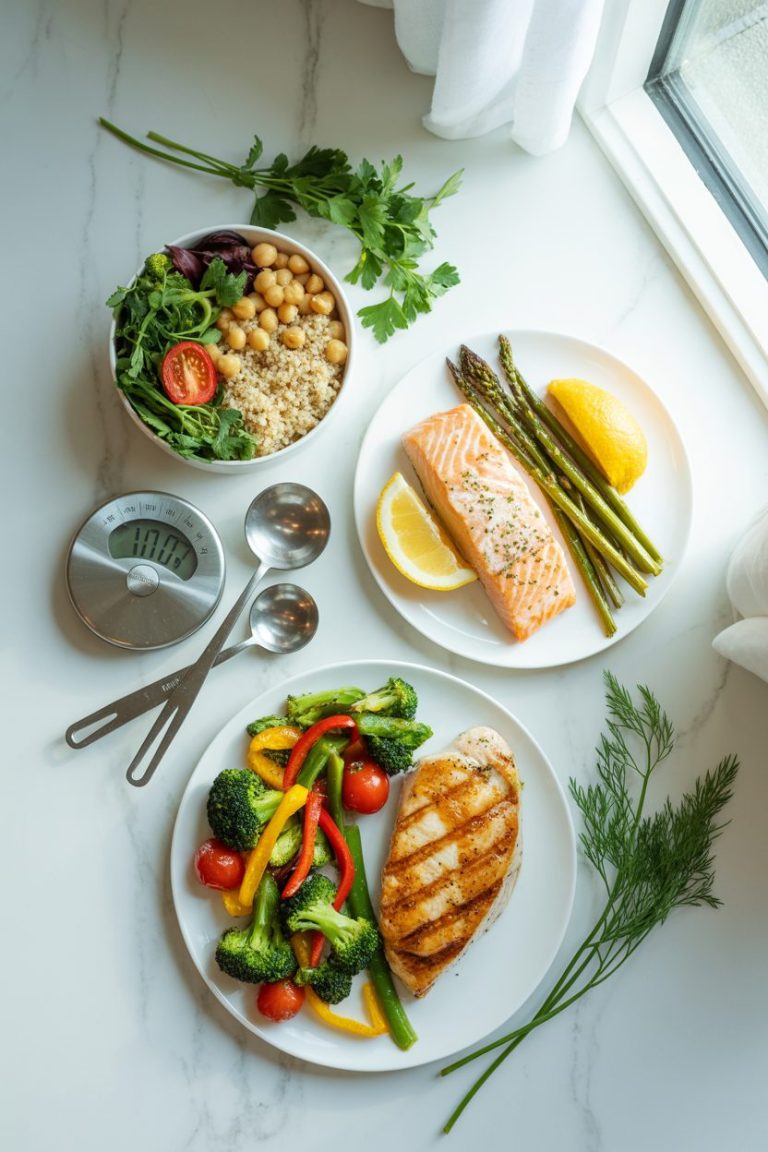
Sheet pan meals are criminally underrated. Salmon filet, broccoli, bell peppers, and asparagus all go on one pan with olive oil, garlic, and lemon. Twenty minutes at 400°F. That’s the whole thing. Salmon is loaded with omega-3 fatty acids that reduce inflammation and support heart function, and the vegetables provide fiber and antioxidants.
I swear by this non-stick baking sheet because cleanup is literally just a quick rinse. No scrubbing required, which matters when it’s 8 PM and you’re already done with the day.
For similar easy dinner ideas, try these one-pan dinners or these lazy meals for busy people—both are designed for minimal effort and maximum flavor.
Lemon Garlic Chicken with Quinoa
Chicken breast (pound it thin so it cooks faster), lemon juice, garlic, olive oil, and whatever herbs you have lying around. Pan-sear the chicken while your quinoa cooks—they finish at basically the same time. Serve with a side of steamed green beans. Total time: about 20 minutes. The lean protein from chicken supports muscle health without the saturated fat that comes with red meat. Get Full Recipe
Black Bean and Sweet Potato Bowl
Microwave a sweet potato (yes, really—it works), heat up some black beans, add corn, avocado, and salsa. This is what I make when I truly cannot even. It’s filling, it’s nutritious, and it comes together in under 10 minutes. Sweet potatoes provide potassium, which helps regulate blood pressure, and black beans offer both protein and fiber.
Speaking of quick comfort food, these healthier comfort foods and family dinners everyone will love prove you don’t have to sacrifice taste for nutrition.
Shrimp Stir-Fry with Brown Rice
Shrimp cooks in literally three minutes. Stir-fry them with whatever vegetables you have—snap peas, carrots, bell peppers—add some ginger and garlic, and serve over brown rice. The whole thing takes maybe 15 minutes if you’re moving at a reasonable pace. Shrimp is low in calories and saturated fat while being high in protein and selenium. Get Full Recipe
I use this carbon steel wok because it heats up fast and distributes heat evenly. Makes a huge difference in how quickly everything comes together.
Snacks and Sides That Support Your Heart
Let’s talk about the space between meals—those moments when you need something to tide you over but don’t want to derail your entire eating pattern. The right snacks can actually contribute to your daily nutrition goals instead of working against them.
Roasted Chickpeas
Drain a can of chickpeas, toss with olive oil and spices (cumin, paprika, whatever), roast at 400°F for about 25 minutes. They get crispy and addictive. Make a batch and keep them in an airtight container. They’re crunchy, satisfying, and provide plant-based protein and fiber without any cholesterol.
For more ideas like this, check out these heart-healthy snacks that actually keep you satisfied between meals.
Apple Slices with Almond Butter
This sounds almost too simple to mention, but it works. Slice an apple, spread some almond butter on it. The combination of fiber from the apple and healthy fats from the almond butter stabilizes your blood sugar and keeps you from getting hangry. Plus, almonds contain vitamin E and magnesium, both beneficial for cardiovascular health.
Edamame with Sea Salt
Buy the frozen kind, microwave according to package directions, sprinkle with sea salt. That’s the whole process. Edamame provides complete plant-based protein along with isoflavones that may help lower cholesterol levels. I keep a bag in my freezer at all times because it’s one of those things you can have ready in under five minutes.
The Ingredient Swaps That Actually Matter
You don’t need to overhaul your entire pantry, but a few strategic swaps make a real difference over time. These aren’t the dramatic changes that feel impossible to maintain—they’re the small adjustments that compound.
Switch from butter to olive oil when you’re cooking. The monounsaturated fats in olive oil actively help reduce LDL cholesterol, while butter’s saturated fats do the opposite. Research from Harvard Health consistently shows that this single swap can have measurable effects on cardiovascular health markers.
Use whole grains instead of refined ones. Brown rice instead of white, whole wheat pasta instead of regular, actual oatmeal instead of instant packets. The fiber in whole grains helps lower cholesterol and improves overall heart health. It’s not even a taste sacrifice once you get used to it.
Choose fish or chicken over red meat most of the time. I’m not saying never eat red meat again, but making fish or poultry your default protein changes your saturated fat intake significantly. Fatty fish like salmon, mackerel, and sardines bring omega-3s to the table, which red meat definitely does not.
If you want a deep dive into which foods specifically help with cholesterol, check out this comprehensive guide on foods that naturally lower cholesterol.
Don’t try to change everything at once. Pick one swap, make it a habit for two weeks, then add another. Slow progress that sticks beats dramatic changes that don’t.
Kitchen Tools That Make These Recipes Easier
Instant-Read Digital Thermometer
Takes the guesswork out of cooking chicken and fish perfectly every time. No more dry, overcooked protein or wondering if salmon is done.
Glass Meal Prep Containers Set
BPA-free, microwave-safe, and they don’t stain or hold odors. Makes batch cooking and storing leftovers actually pleasant instead of a container-hunting nightmare.
Heavy-Duty Salad Spinner
Properly dried greens last way longer in the fridge and don’t make your salads soggy. Small thing that makes a surprisingly big difference.
Meal Planning App Subscription
Digital meal planner with grocery list sync—helps you actually plan instead of winging it every day. The one I use integrates with my calendar and sends reminders.
Nutrition Tracking Ebook
Printable PDF guide for tracking macros and understanding food labels without a nutrition degree. Demystifies all the confusing label stuff.
Heart-Healthy Recipe Collection Download
200+ tested recipes organized by meal type with prep time and nutrition info. Saves you from endless recipe website scrolling and questionable substitutions.
Meal Prep Strategies for Busy Weeks
Here’s what actually works: pick one afternoon—Sunday works for most people—and prep ingredients, not entire meals. Chop all your vegetables, cook a batch of grains, grill several chicken breasts, hard-boil some eggs. Now you have components you can mix and match throughout the week.
This approach beats cooking seven full meals on Sunday because (a) you won’t get sick of eating the same thing four days in a row, and (b) you’re not committing three hours to cooking when you’d rather be doing literally anything else.
Store everything in clear containers so you can see what you have. Label them if you’re feeling fancy. The easier it is to grab what you need, the more likely you are to actually use it. For comprehensive meal prep guidance, these meal prep ideas break down exactly what to make ahead.
Batch cooking is your friend. Make a huge pot of soup, portion it out, freeze half. Same with chili, marinara sauce, or any grain. Future you will be so grateful when you can just defrost something instead of starting from scratch on a random Tuesday.
Don’t underestimate the power of good storage. These silicone freezer bags are reusable and save so much space compared to rigid containers. Plus they’re better for the environment, which is nice but also they just work better.
When You’re Really Pressed for Time
Some days, even 15 minutes feels like too much. That’s when you need the absolute fastest options that still count as actual nutrition.
Canned Soup (But Choose Wisely)
Not all canned soups are created equal. Look for low-sodium versions that are vegetable-based or contain lentils/beans. Pair with a piece of whole grain bread and some raw veggies on the side. Is it ideal? No. Is it better than drive-through or skipping a meal? Absolutely.
Rotisserie Chicken Shortcuts
Grab a rotisserie chicken from the grocery store, pull the meat off (skip the skin), and use it in salads, wraps, or over greens with whatever vegetables you have around. The chicken’s already cooked, so you’re just assembling rather than cooking. Takes maybe five minutes.
Smoothie Meals
Frozen fruit, spinach (you won’t taste it, I promise), protein powder, and almond milk. Blend. Drink. You’ve got fiber, protein, vitamins, and it took less time than waiting in a drive-through line. I use this compact blender because it’s powerful enough to handle frozen fruit but doesn’t take up half my counter.
For more smoothie inspiration, these heart-healthy smoothies and smoothie bowls offer plenty of variety when you need something fast but nutritious.
Desserts That Won’t Derail Everything
Let’s address the elephant in the room: you’re going to want something sweet sometimes. Denying that is how people end up face-first in a pint of ice cream at 10 PM.
Dark Chocolate and Berries
Get dark chocolate with at least 70% cacao. Have a couple of squares with fresh berries. The antioxidants in dark chocolate and berries actually have cardiovascular benefits in moderate amounts. This satisfies the sweet craving without added sugar and processed ingredients.
Baked Apple with Cinnamon
Core an apple, sprinkle with cinnamon, microwave for about three minutes. Top with a tiny bit of Greek yogurt if you want. Tastes like pie, takes almost no effort, and is mostly just fruit. The fiber in apples supports heart health, and cinnamon may help regulate blood sugar levels.
For more options that won’t make you feel like you’re missing out, these guilt-free desserts prove you can have something sweet without sabotaging your progress.
Making It Sustainable Long-Term
The biggest predictor of success isn’t how perfectly you eat for a week—it’s whether you’re still doing this reasonably well six months from now. That requires building systems that don’t depend on motivation or willpower.
Keep your pantry stocked with staples: canned beans, canned tomatoes, olive oil, whole grain pasta, brown rice, oats, nuts, spices. When you have these basics on hand, you can always throw together something decent even when your fridge is looking sparse.
Build a rotation of about 10-15 meals you actually like and can make without thinking too hard. Once you have these down, you’re not constantly searching for new recipes or trying to figure out what to make. You just cycle through your rotation and occasionally add something new when you feel like it.
Give yourself permission to be imperfect. Had pizza for dinner? Fine. Just make sure your next meal gets back on track. The overall pattern matters infinitely more than individual meals. One less-than-ideal choice doesn’t undo all your progress unless you use it as an excuse to bail on everything.
For a solid foundation, check out these recipes that support long-term heart health—they’re designed to be rotated weekly without getting boring.
Frequently Asked Questions
Can I really improve my heart health just by changing what I eat?
Diet is one of the most powerful tools you have for cardiovascular health. Multiple studies show that consistent dietary changes can lower cholesterol, reduce blood pressure, and decrease inflammation—all major factors in heart disease. Obviously, other factors matter too (exercise, stress management, genetics), but nutrition is something you control three times a day.
How long does it take to see results from eating heart-healthy meals?
You might notice increased energy and better digestion within a week or two. Measurable changes in cholesterol levels typically show up around the 3-month mark if you’re consistent. Blood pressure can improve even faster, sometimes within a few weeks. The key word is consistent—occasional healthy eating doesn’t move the needle much.
Do I need to give up all my favorite foods?
No. Deprivation diets don’t work long-term for most people. The goal is to make heart-healthy choices most of the time, not to achieve perfection. Have pizza occasionally. Enjoy dessert when you want it. Just make sure the majority of your meals align with your health goals, and you’ll be fine.
What if I’m cooking for a family that doesn’t care about heart health?
Focus on recipes that are genuinely delicious rather than obviously “healthy.” Most of the meals listed here taste great—they just happen to be good for you too. Your family probably won’t notice or care that you used olive oil instead of butter or chose whole grain pasta. Just make good food and don’t announce its health benefits.
Are expensive organic ingredients necessary for heart health?
Not at all. Frozen vegetables, canned beans, and regular olive oil work just fine. The important part is the overall eating pattern—more plants, whole grains, lean proteins, healthy fats—not whether everything is organic or locally sourced. Buy what fits your budget. Heart-healthy eating doesn’t require a premium grocery budget.
The Bottom Line
Heart-healthy eating doesn’t have to be complicated, time-consuming, or boring. The meals that actually stick are the ones that fit into your real life—the ones you can make on a Tuesday night when you’re tired, the ones that taste good enough that you want to eat them again, the ones that don’t require a culinary degree or a pantry full of specialty ingredients.
Start with a few recipes from this list that sound appealing. Make them part of your regular rotation. Once those feel automatic, add a couple more. Before you know it, you’ve built a sustainable pattern that supports your cardiovascular health without feeling like a constant sacrifice.
Your heart is working for you every single day. Feeding it well is one of the most practical ways to return the favor. And honestly? Most of these meals taste better than the stuff that’s terrible for you anyway. Give them a shot.