

25 Low-Cholesterol Meal Prep Ideas for the Week
Meal prep either saves your life or becomes another thing you fail at every Sunday. I’ve been on both sides of that equation. When I started taking my cholesterol seriously, I realized the only way to actually stick with heart-healthy eating was to make it stupid easy. That meant spending a few hours on the weekend cooking so I wasn’t making terrible decisions at 7 PM on a Tuesday.
Here’s what I’ve learned: low-cholesterol meal prep isn’t about eating the same bland chicken and broccoli all week. It’s about making meals that actually taste good, store well, and don’t require a culinary degree to execute. These 25 meal prep ideas cover breakfast, lunch, dinner, and snacks—all designed to keep your cholesterol in check while keeping you satisfied. Most can be prepped in a single afternoon, and they’ll last you the entire week.

Why Meal Prep Makes or Breaks Cholesterol Management
Let’s be real—you’re not going to cook heart-healthy meals from scratch when you’re exhausted and hungry. That’s when you order pizza or hit the drive-through. But when you open your fridge and see containers of ready-to-eat meals? You’re way more likely to stick with your plan.
According to research on meal planning and dietary adherence, people who prep meals in advance are significantly more likely to maintain healthy eating patterns. Translation? Spending a few hours on Sunday means you’re set up for success all week. You’re not relying on willpower—you’re relying on preparation.
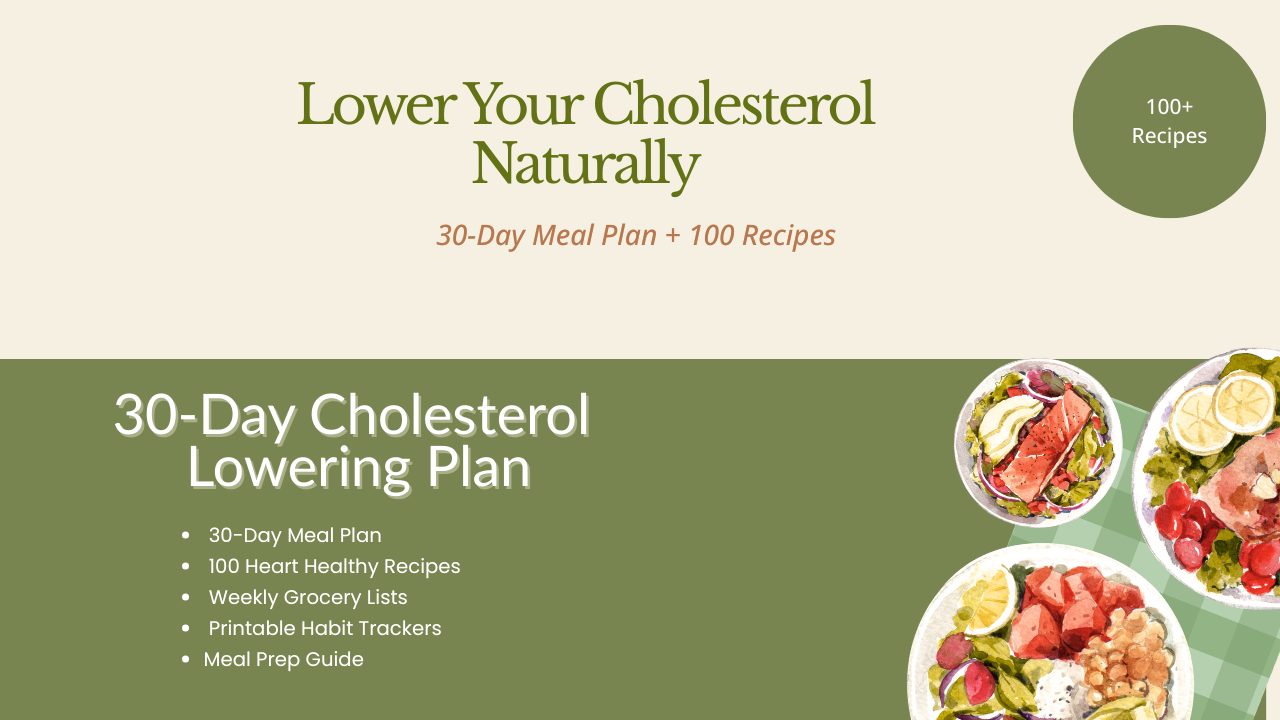
30-Day Cholesterol Reset System
A simple done-for-you plan to help you eat heart-healthy every day without confusion.
Over 1,000 people downloaded this guide
✔ 100 Easy Recipes
✔ Grocery Lists + Meal Prep Guide
🎁 FREE BONUSES:
✔ 7-Day Quick Start Plan
✔ Printable Grocery List
$29 $9
Get Instant AccessThe key is choosing meals that actually reheat well, pack easily, and don’t get gross after a few days. Everything I’m sharing here passes that test. These aren’t theoretical meal prep ideas—they’re meals I actually make and eat.
Breakfast Meal Prep That Actually Works
1. Overnight Oats (Five Ways)
Make five jars with rolled oats, unsweetened almond milk, chia seeds, and different toppings: berries and almonds, banana and peanut butter, apple and cinnamon, mango and coconut, chocolate and walnuts. Each jar is ready to grab from the fridge. The chia seeds add omega-3s and help lower cholesterol.
These wide-mouth mason jars are perfect for overnight oats—easy to eat from, easy to clean, and they don’t leak in your bag.
2. Egg White Muffin Cups
Whisk egg whites with diced vegetables (spinach, tomatoes, mushrooms, peppers, onions), pour into muffin tins, and bake. Make a dozen, store them in the fridge, and reheat two for breakfast. Each one gives you protein without any cholesterol from yolks.
3. Breakfast Burrito Bowls
Layer brown rice or quinoa, scrambled egg whites, black beans, salsa, diced avocado, and cilantro in containers. Reheat everything except the avocado, then add it fresh. These are substantial enough to keep you full until lunch.
4. Chia Seed Pudding Cups
Mix chia seeds with unsweetened almond milk and vanilla, portion into small containers, and top with fresh berries before eating. Make enough for the whole week. This feels like dessert but is loaded with fiber and omega-3 fatty acids.
5. Baked Oatmeal Squares
Mix rolled oats with mashed banana, applesauce, cinnamon, and a touch of maple syrup. Bake in a pan, cut into squares, and store in the fridge. Grab one or two for a quick breakfast. These are naturally sweet and need zero added fat.
If you’re looking for more grab-and-go breakfast options, you might love protein-packed smoothie prep bags or make-ahead breakfast sandwiches that use similar time-saving strategies.
Lunch Bowls That Don’t Get Boring
6. Mediterranean Chickpea Bowls
Prep containers with quinoa, chickpeas, cucumber, cherry tomatoes, red onion, Kalamata olives, and a lemon-tahini dressing on the side. The chickpeas provide plant-based protein and tons of fiber without any cholesterol. Mix everything together when you’re ready to eat.
7. Teriyaki Chicken and Brown Rice Bowls
Grill chicken breast marinated in low-sodium teriyaki sauce, portion it over brown rice with steamed broccoli, edamame, and shredded carrots. Keep the extra teriyaki sauce on the side. This is basically healthy takeout you made yourself.
This sheet pan set makes prepping multiple proteins and vegetables at once stupid easy—everything cooks evenly and cleanup is minimal.
8. Tuna Salad Lettuce Wraps
Mix canned tuna (in water) with mashed avocado, diced celery, red onion, and lemon juice. Store the mixture separately from butter lettuce leaves. When you’re ready to eat, spoon the tuna into the lettuce and wrap. The avocado adds creaminess with healthy monounsaturated fats instead of mayo.
9. Turkey and Veggie Bento Boxes
Portion sliced turkey breast, whole wheat crackers, hummus, baby carrots, cucumber slices, cherry tomatoes, and a handful of almonds into compartmentalized containers. Everything stays separate and fresh. This is adult Lunchables but actually nutritious.
10. Lentil and Vegetable Soup
Make a huge pot of lentil soup with carrots, celery, tomatoes, and spices. Portion it into containers for the week. Lentils are cheap, packed with protein and fiber, and they keep you full for hours. This is the meal prep workhorse you didn’t know you needed.
11. Shrimp and Cauliflower Rice Bowls
Sauté shrimp with garlic and lemon, serve over cauliflower rice with roasted bell peppers and zucchini. Shrimp is lower in cholesterol than most people think, and cauliflower rice keeps the meal light while adding volume.
Speaking of grain-free alternatives, check out zucchini noodle meal prep ideas or spaghetti squash bowl recipes that offer similar low-carb, veggie-forward options.
Dinner Meal Prep That Reheats Perfectly
12. Baked Salmon with Roasted Vegetables
Season salmon fillets with lemon, dill, and garlic, bake with Brussels sprouts, sweet potatoes, and asparagus on the same sheet pan. Portion everything into containers. Salmon is loaded with omega-3 fatty acids that actively help lower triglycerides.
This glass meal prep container set is perfect for storing everything—microwave safe, dishwasher safe, and you can see what you’re grabbing.
13. Turkey Chili
Make a massive pot of turkey chili with ground turkey, kidney beans, black beans, tomatoes, and spices. Freeze half, keep half in the fridge. Top with diced avocado and Greek yogurt instead of sour cream. This gets better as it sits.
14. Chicken Fajita Bowls
Grill strips of chicken breast with peppers and onions, portion over brown rice or cauliflower rice with black beans, salsa, and guacamole. Keep the toppings separate until you’re ready to eat so nothing gets soggy.
15. Stuffed Bell Peppers
Fill halved bell peppers with a mixture of ground turkey, brown rice, black beans, corn, and taco seasoning. Bake until tender. These store beautifully and reheat perfectly. Make eight at once and you’ve got dinners sorted.
16. Grilled Chicken with Quinoa and Roasted Veggies
This is the basic template that never fails. Grill seasoned chicken breasts, cook a batch of quinoa, and roast whatever vegetables you have (broccoli, carrots, zucchini, bell peppers). Mix and match throughout the week so you’re not eating the exact same thing five days in a row.
17. Vegetable and Chickpea Curry
Make a big batch of curry with chickpeas, sweet potatoes, spinach, tomatoes, and curry spices in coconut milk. Serve over brown rice. This is aromatic, filling, and completely plant-based. The flavors actually improve after a day or two.
18. Baked Cod with Green Beans and Potatoes
Season cod fillets with lemon and herbs, bake with green beans and baby potatoes on a sheet pan. Everything cooks together, and the cleanup is minimal. Cod is mild, flaky, and takes on whatever seasonings you use.
This kitchen scale makes portioning proteins and grains way easier—you can hit your nutrition targets without guessing.
Snack Prep for When Hunger Hits
19. Energy Bite Variety Pack
Make three batches with different flavor combinations: peanut butter chocolate chip, almond cranberry, and coconut lime. Roll them into balls and store in the fridge. These satisfy sweet cravings while providing plant-based protein and healthy fats.
20. Portioned Nuts and Dried Fruit
Pre-portion almonds, walnuts, and dried cranberries into small containers or bags. Having them already measured prevents the “I accidentally ate half a pound of almonds” situation. Each portion gives you healthy fats and fiber.
These snack-size containers are perfect for portioning nuts, fruit, and other snacks—they stack nicely and are easy to grab on your way out.
21. Veggie Sticks with Hummus Cups
Cut carrots, celery, cucumber, and bell peppers into sticks. Store them in containers with individual hummus portions. The vegetables add volume and fiber with basically no calories, and the hummus provides protein.
22. Greek Yogurt Parfait Cups
Layer low-fat Greek yogurt with berries and a sprinkle of granola in small containers. Keep the granola separate until you’re ready to eat so it stays crunchy. These work as breakfast or snacks.
23. Hard-Boiled Egg Whites
Boil a dozen eggs, remove the yolks (that’s where the cholesterol lives), and season the whites with everything bagel seasoning. Each white gives you 4 grams of protein with zero cholesterol. Keep them in the fridge for quick protein hits.
The Meal Prep System That Actually Works
Here’s my Sunday routine that makes the whole week manageable. I spend about 3-4 hours total, and it covers breakfast, lunch, dinner, and snacks for five days. FYI, this is way more efficient than cooking every single night.
9 AM – Start with grains and proteins: Cook a big batch of quinoa and brown rice. Season and grill or bake proteins (chicken breast, salmon fillets, ground turkey). These take the longest, so start them first.
10 AM – Prep vegetables: While proteins cook, wash and chop all your vegetables. Roast some on sheet pans, keep others raw for salads and snacks.
11 AM – Assembly time: Once everything’s cooked and cooled, portion into containers. I do all breakfasts first, then lunches, then dinners. Label everything with the day if that helps you stay organized.
Noon – Snack prep: Make energy bites, portion nuts, cut vegetable sticks, boil eggs. This takes minimal time but makes a huge difference during the week.
This label maker is weirdly satisfying to use and makes finding specific meals way easier—especially if you’re prepping for multiple people.
The key is working in batches. Don’t make one recipe start to finish, then start another. Instead, get everything cooking at once, then do all the portioning together. It’s way more efficient.
Storage Tips That Prevent Food Waste
Invest in quality containers. I can’t stress this enough. Cheap containers leak, crack, and make the whole process frustrating. Glass containers are worth it—they don’t stain, don’t absorb odors, and last forever.
Store proteins and grains together, but keep things like dressings, sauces, and avocado separate until you’re ready to eat. This prevents sogginess and keeps everything fresh longer.
Most prepped meals last 4-5 days in the fridge. If you’re meal prepping for a full week, freeze half and thaw midweek. Soups, chilis, and cooked proteins freeze beautifully.
These silicone freezer bags are perfect for freezing soups and sauces—they lay flat to save space, and you can write directly on them with a marker.
Label everything with dates. You think you’ll remember what’s in each container and when you made it, but you won’t. A simple label with the contents and date saves you from mystery meals later.
Mix and Match Components for Variety
The secret to not getting bored with meal prep is thinking in components rather than complete meals. Instead of making five identical lunches, make building blocks you can combine differently.
Proteins: Grilled chicken, baked salmon, ground turkey, chickpeas, lentils
Grains: Quinoa, brown rice, cauliflower rice, whole wheat pasta
Vegetables: Roasted broccoli, sautéed peppers and onions, raw vegetables, leafy greens
Sauces: Lemon-tahini dressing, salsa, low-sodium teriyaki, vinaigrettes
Monday you have chicken with quinoa and roasted broccoli. Tuesday that same chicken goes into fajita bowls with peppers and brown rice. Wednesday you eat salmon with cauliflower rice and sautéed vegetables. You’re using the same base ingredients but creating different meals.
IMO, this approach is way more sustainable than eating identical meals five days straight. You get variety without the work of cooking multiple complete recipes.
Reheating Without Ruining Everything
Microwave at 70% power for longer rather than full power for less time. This prevents dried-out chicken and rubbery fish. Add a splash of water or broth before reheating to add moisture back.
For things like grain bowls, you can eat them cold or room temperature. I actually prefer cold quinoa bowls in summer—just let them sit out for 15 minutes to take the chill off.
If you’re reheating at work, invest in a decent container that won’t leak or explode in the microwave. Nobody wants to be that person whose lunch disaster is all over the break room microwave.
Crispy things (like baked chicken or roasted vegetables) reheat better in a toaster oven if you have access to one. Microwaves make everything soggy, but a toaster oven can restore some crispness.
Related Meal Prep Ideas You’ll Love
Looking for more ways to simplify your week? Here are some strategies worth exploring:
More Breakfast Prep:
- Freezer-friendly breakfast burritos
- Make-ahead smoothie bags
Lunch Strategies:
- Mason jar salad variations
- Bento box lunch combinations
Dinner Shortcuts:
- One-pot meal prep recipes
- Sheet pan dinner ideas
Batch Cooking Basics:
- How to cook proteins in bulk
- Grain cooking guide for meal prep
The Bottom Line on Low-Cholesterol Meal Prep
Managing your cholesterol doesn’t require cooking elaborate meals every single night. It requires having healthy options ready when you need them. These 25 meal prep ideas prove you can eat well without spending every evening in the kitchen.
The secret is batching your work—cook once, eat multiple times. Focus on lean proteins, whole grains, tons of vegetables, and plant-based options that store well and reheat perfectly. Once you get into a meal prep rhythm, it becomes automatic rather than overwhelming.
Start small. Don’t try to prep all 25 ideas this weekend. Pick three or four that sound good, make them, and see how they work for you. Build your routine gradually until meal prep becomes just what you do on Sundays. Your cholesterol numbers will improve, you’ll save time and money, and you’ll stop relying on whatever’s convenient when hunger hits. That’s the real win.
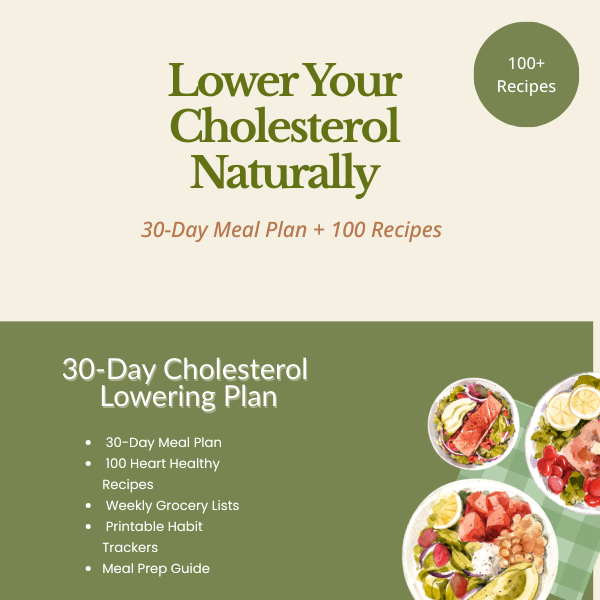
30-Day Cholesterol-Lowering Meal Plan
A simple step-by-step system to help you eat heart-healthy every day without stress.
Over 1,000 people downloaded this guide
$29$9
Get Instant Access


